Can You Plant Beets and Carrots Together? Spacing and Care Tips
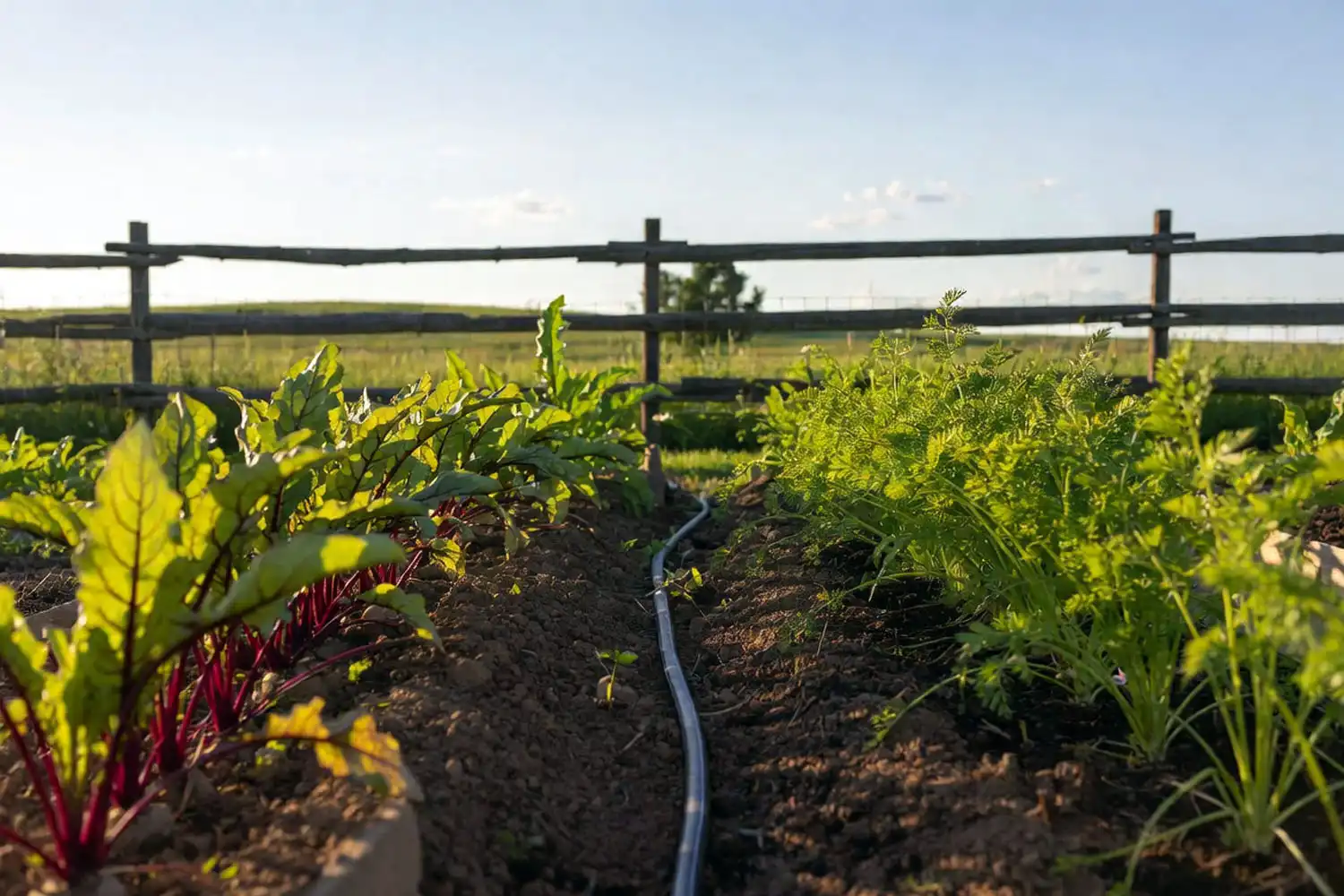
Beets and carrots are two of the easiest root crops to grow side by side. So can you plant beets and carrots together? Yes, and the pairing usually works in your favor. The trick is spacing, soil, and timing, which I will walk you through here.
Yes, you can plant beets and carrots together. They share cool-season conditions, low nitrogen needs, and different root depths, so they rarely crowd each other. Sow both at the same time, keep rows 12 to 18 inches apart, and thin early.
Can You Plant Beets and Carrots Together?
Yes, beets and carrots grow well together in the same bed. They like the same cool weather, the same loose soil, and the same modest feeding. Their roots sit at different depths, so they pull from different parts of the soil instead of fighting over the same space.
A few gardeners keep their root crops apart out of habit. That caution has a kernel of truth, since two crowded root crops will compete for phosphorus and potassium. But spacing solves that. With reasonable room between plants, I have grown beets and carrots in the same row for years without either one suffering.
The pairing also saves space. Beets mature a little faster, so you start pulling them while the carrots are still bulking up. That keeps the bed productive from spring through fall.
Also know: Planting Tomatoes and Carrots Together
Why Beets and Carrots Grow Well Side by Side
Their Roots Use Different Soil Zones
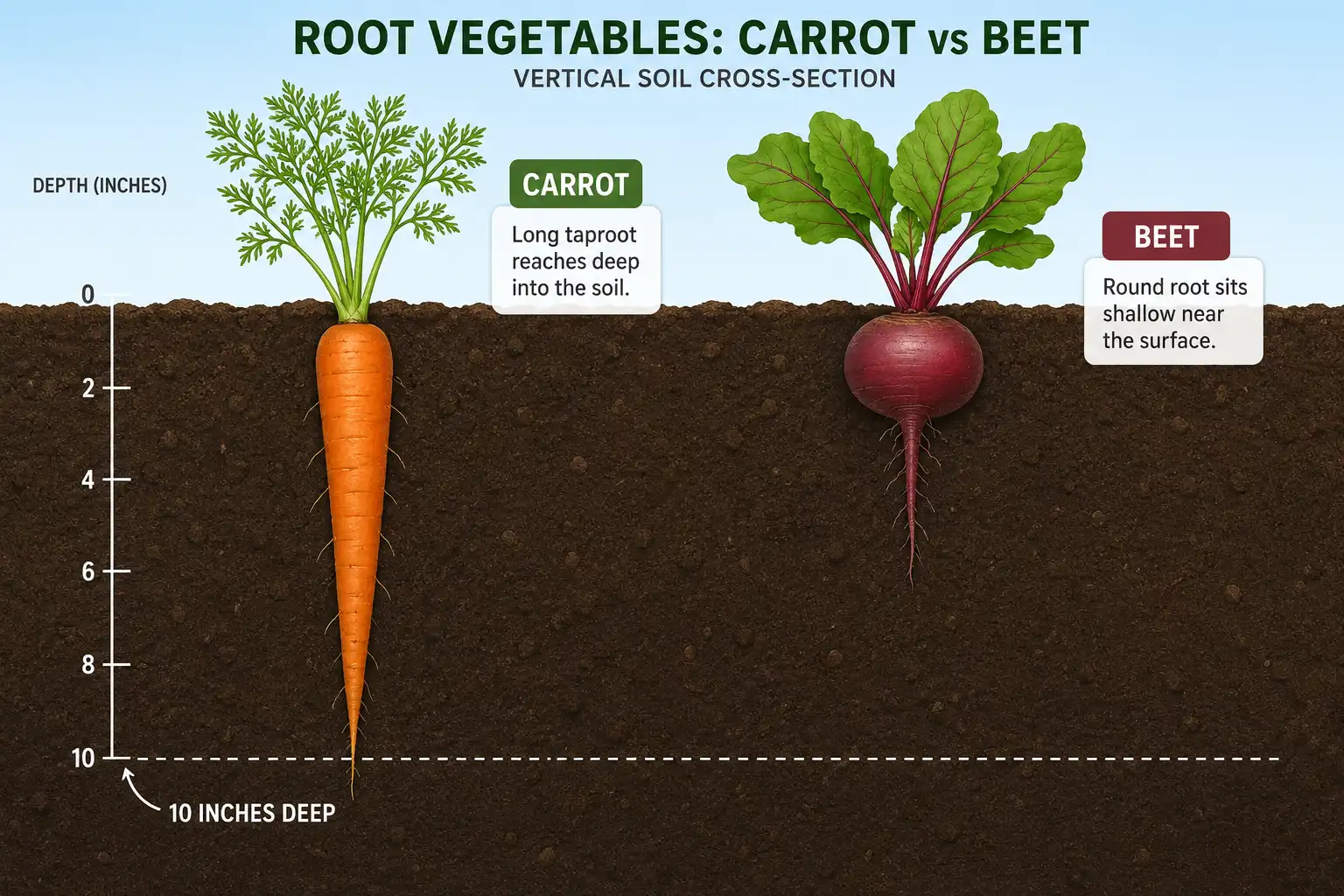
The two crops feed from different depths, which is the main reason they get along. A carrot sends down a long, narrow taproot that wants loose ground worked 10 to 12 inches deep. A beet forms a round storage root that sits high, mostly in the top few inches of soil, with only a thin taproot reaching lower.
So the carrot claims the deep zone and the beet claims the shallow zone. They are not stacked on top of each other competing for the same root run. If you want to see how far down a carrot reaches, I wrote on how deep carrots need to grow in its own guide.
They Do Not Share Major Pests
Beets and carrots come from different plant families, so a pest on one rarely jumps to the other. Carrots belong to the Apiaceae family. Beets belong to the Amaranthaceae family, the same group as chard and spinach. That difference matters in the field.
The carrot rust fly and aster leafhopper go after carrots. Cercospora leaf spot is the disease that shows up most on beets. Neither crop carries the other’s worst problems, so one bad pest year is far less likely to wipe out the whole bed. The one trouble they can share is root-knot nematodes, which hit many root crops. A soil test and good rotation keep that risk low.
They Feed the Same Way
Both crops want light nitrogen, plenty of potassium, and steady moisture. That shared feeding profile is the quiet reason this pairing works. Beets love potassium and turn to all tops and tiny roots if you push nitrogen too hard. Carrots fork and grow hairy with too much nitrogen too. Because their needs line up, you fertilize the whole bed one way and both crops respond well.
When the Pairing Causes Problems
Crowding is the only thing that turns this good match into a bad one. Plant the rows too close or skip thinning, and both crops stay small. Two root vegetables jammed together will pull the same phosphorus and potassium and shortchange each other.
Beet greens are the other watch point. They grow broad and tall, and they can shade young carrot seedlings during the weeks carrots need light most. Give the beets their own row instead of broadcasting both crops into one tight band, and the shading problem goes away.
How to Plant Beets and Carrots Together
Prep the Soil Both Crops Need
Loose, stone-free soil is the foundation for both crops. Carrots especially split or fork when they hit a rock or a clod, so work the bed deep and break up any clumps. Beets are more forgiving, but a round beet still needs room to swell. The right soil texture for straight roots makes a bigger difference than almost anything else you do.
Target a soil pH near 6.5. Carrots run best from 6.0 to 6.8, and beets prefer 6.0 to 7.0, so 6.5 keeps both happy. Beets also need adequate boron, or the roots develop internal black spot. A quick soil test before planting tells you your pH and your boron level so you are not guessing.
Skip fresh manure. It is high in nitrogen and makes both beets and carrots fork and grow hairy. Aged compost worked in a few weeks ahead is the better choice.
Spacing and Bed Layout
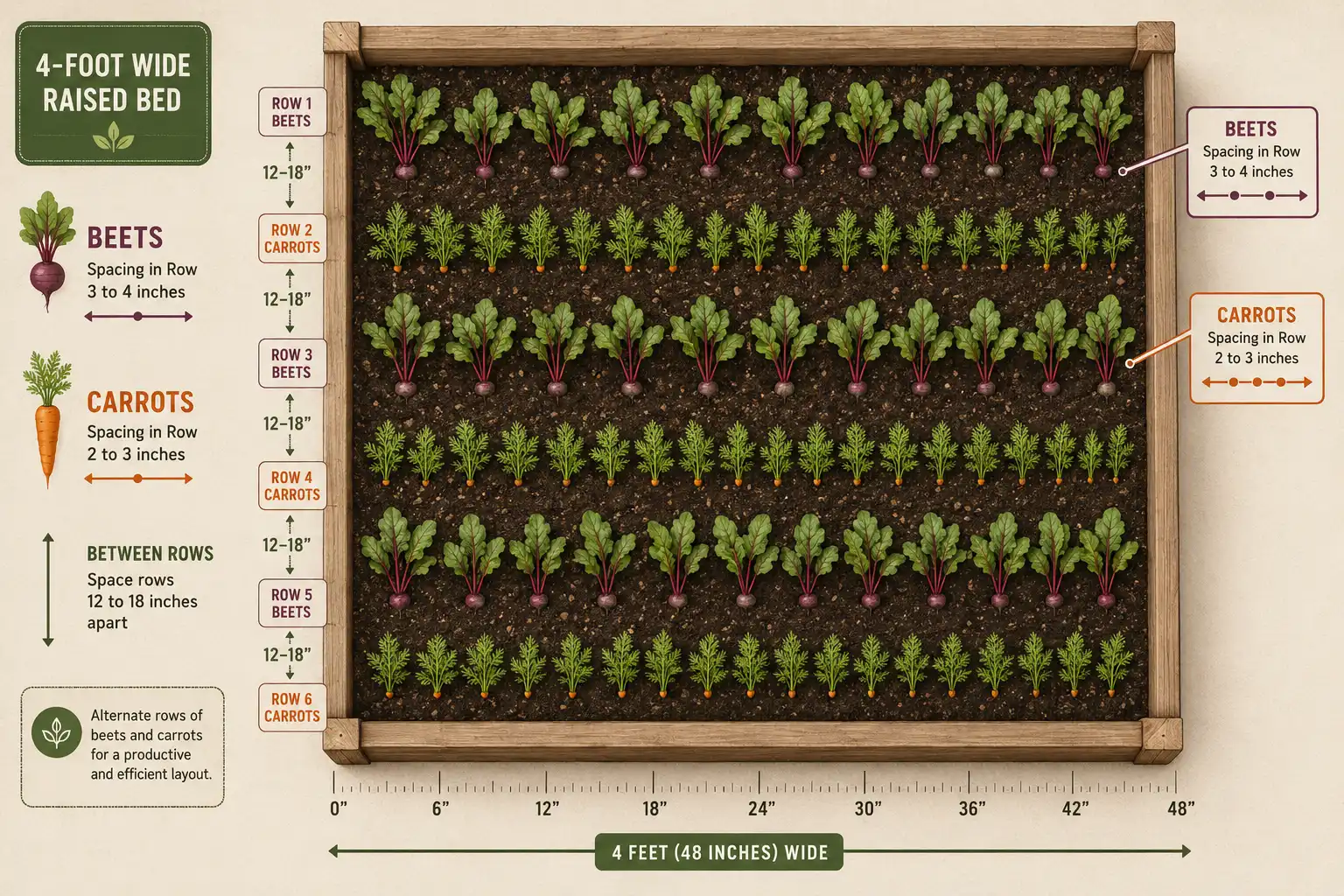
Plant beets and carrots in separate rows rather than mixed together. Keep your rows 12 to 18 inches apart. Within the row, space beets 3 to 4 inches apart and carrots 2 to 3 inches apart after thinning. That separation gives each crop its own band of soil and keeps the beet greens off the carrot tops.
In a raised bed or a block, you can tighten rows to about 6 inches and still do fine, as long as you thin on schedule. Dialing in the right plant spacing for crops is what keeps both roots sizing up instead of stalling out.
When to Plant Them Together
Plant both crops in cool weather, in spring and again in late summer. They are cold-hardy down to about 20 degrees F, so you can sow them well before your last frost. The real trigger is soil temperature. Both germinate once the soil reaches 50 degrees F, and they sprout best between 55 and 70 degrees F. Above 85 degrees F, germination drops off fast.
Here in Kansas, USDA hardiness zone 6, I start sowing in early to mid April once the soil warms past 50 degrees. Then I run a second planting in late July or August for a fall harvest. The fall crop is often sweeter, because the roots store more sugar as nights turn cold. For a longer pull, sow a short new row every 7 to 10 days.
Watch the cold on the spring crop. Two to three weeks of temperatures below 50 degrees F after the seedlings form true leaves can trigger bolting, especially in beets. K-State Research and Extension and most Great Plains growers point to bolt-resistant varieties as the easy fix for an early planting.
Seeding Depth and Germination
Plant carrot seed shallow and beet seed a touch deeper. Set carrot seed about a quarter inch deep, since it is tiny and weak out of the gate. Set beet seed about a half inch deep.
One thing throws new growers off. Most beet “seeds” are actually clusters that hold several seeds each, so a single planting spot can send up three or four sprouts that need thinning. Carrots, by contrast, are slow and uneven to germinate, often taking 14 to 21 days. Keep the soil surface moist the whole time, because a dry crust stops carrot seedlings cold. My guide on how to seed carrots without wasting seed walks through getting an even stand.
Caring for Beets and Carrots in the Same Bed
Watering
Both crops need steady, even moisture from the day you sow them. Inconsistent water cracks beets and splits carrots, and a dry spell during germination ruins your stand before it starts. Early on, water lightly and often to keep the surface from crusting. As the roots size up, water deeper and less often to pull the carrot roots down. The breakdown in how much water carrots need at each stage applies to the beets in the same row too.
Thinning
Thin both crops early, before the roots start to swell. Crowded beets and carrots stay small no matter how long you leave them, since root size is set by spacing, not extra time. Thin carrots to 2 to 3 inches and beets to 3 to 4 inches.
Do not toss the thinnings. Young carrots are tender and sweet, and beet thinnings give you greens for the kitchen. Getting the timing right for thinning carrot seedlings is one of the highest-payoff jobs in the whole bed.
Fertilizing
Go easy on nitrogen for both crops. Too much nitrogen grows big leafy tops and small roots underneath, which defeats the point of a root crop. Feed the bed with a balanced fertilizer that leans on phosphorus and potassium instead. One feeding at planting and a light side-dress mid-season is plenty for both.
When to Harvest Each Crop
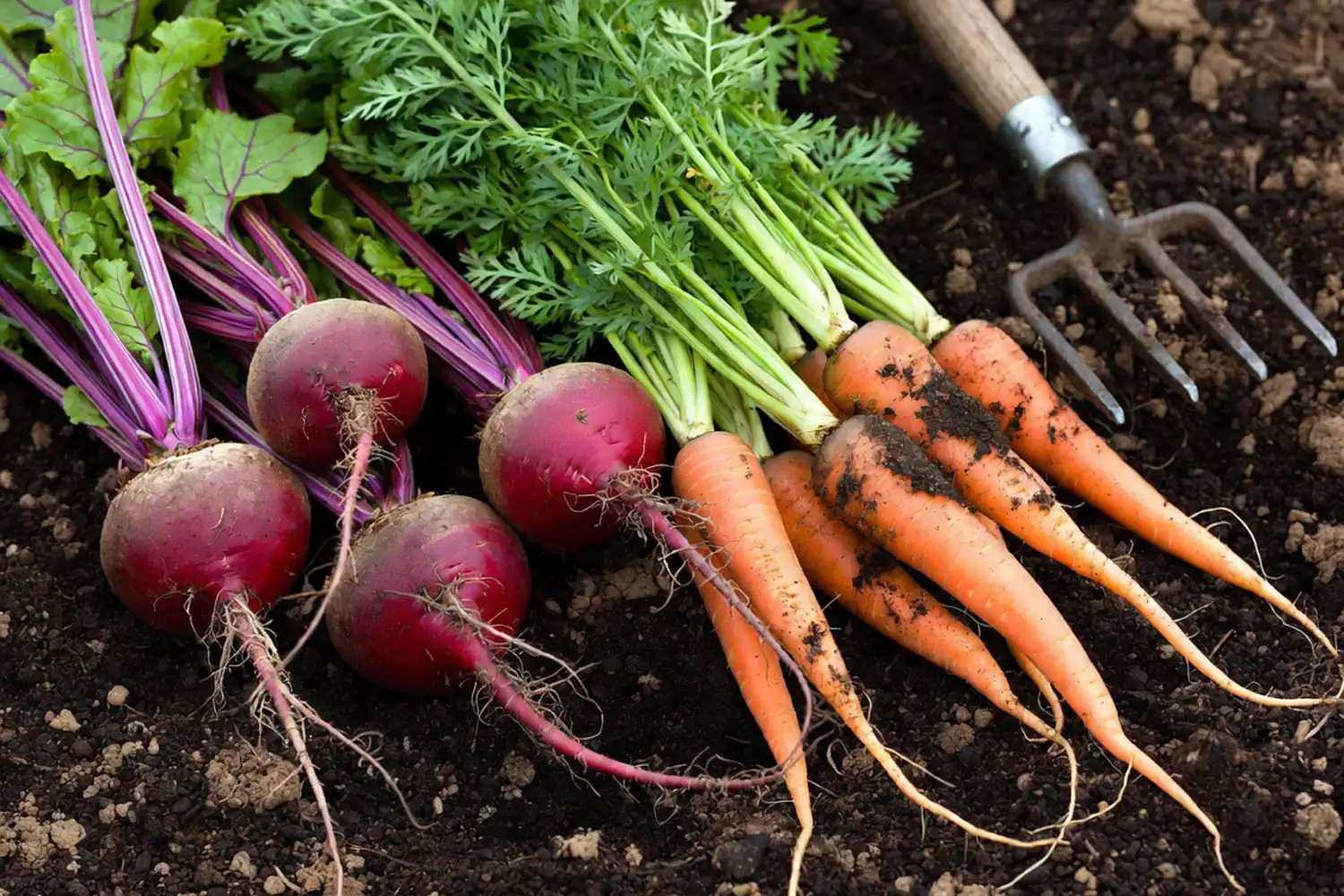
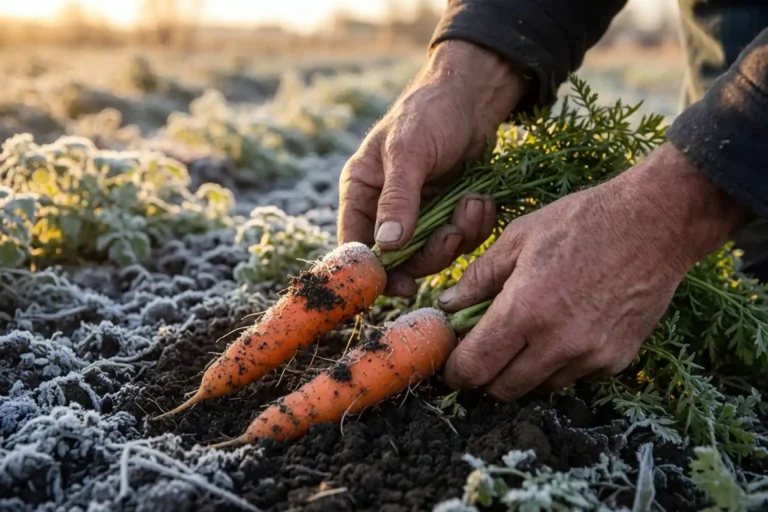
Beets mature first, carrots a little later, so you harvest the bed in two passes. Most beets are ready 55 to 70 days after sowing, about two months. Pull them when the roots reach golf-ball to tennis-ball size. Bigger beets turn woody and tough.
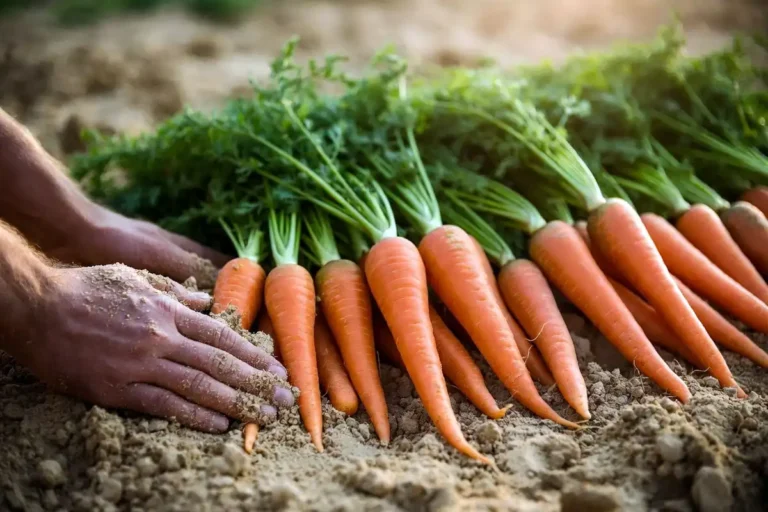
Carrots usually take 60 to 80 days. Look for shoulders about an inch across pushing up at the soil line, then pull one to check the rest. Because beets finish first, harvesting them opens up room and light for the carrots to finish strong.
What to Avoid Planting Near Beets and Carrots
Keep a few neighbors out of the bed to save yourself trouble. Beets do not grow well next to pole beans or field mustard, so leave those out of the same block. Carrots dislike close company from dill and from their own relatives like parsnips, which can cross issues and share pests.
Rotation matters as much as neighbors. Do not plant beets where chard or spinach grew last season, because they are cousins and pass around the same pests and diseases. A simple crop rotation plan keeps soilborne problems from building up where your root crops sit.
How I Set Up the Bed on My Place
Beets and carrots earn their spot together in my garden every season. I work the soil deep and stone-free, target a pH around 6.5, and run them in separate rows about a foot apart. The beets come out first, the carrots finish in the open space, and I get two crops from one bed with almost no extra work. Start with even moisture and early thinning, and this pairing will do the same for your field.