How to Seed Carrots Without Wasting Seed: 5 Precision Methods
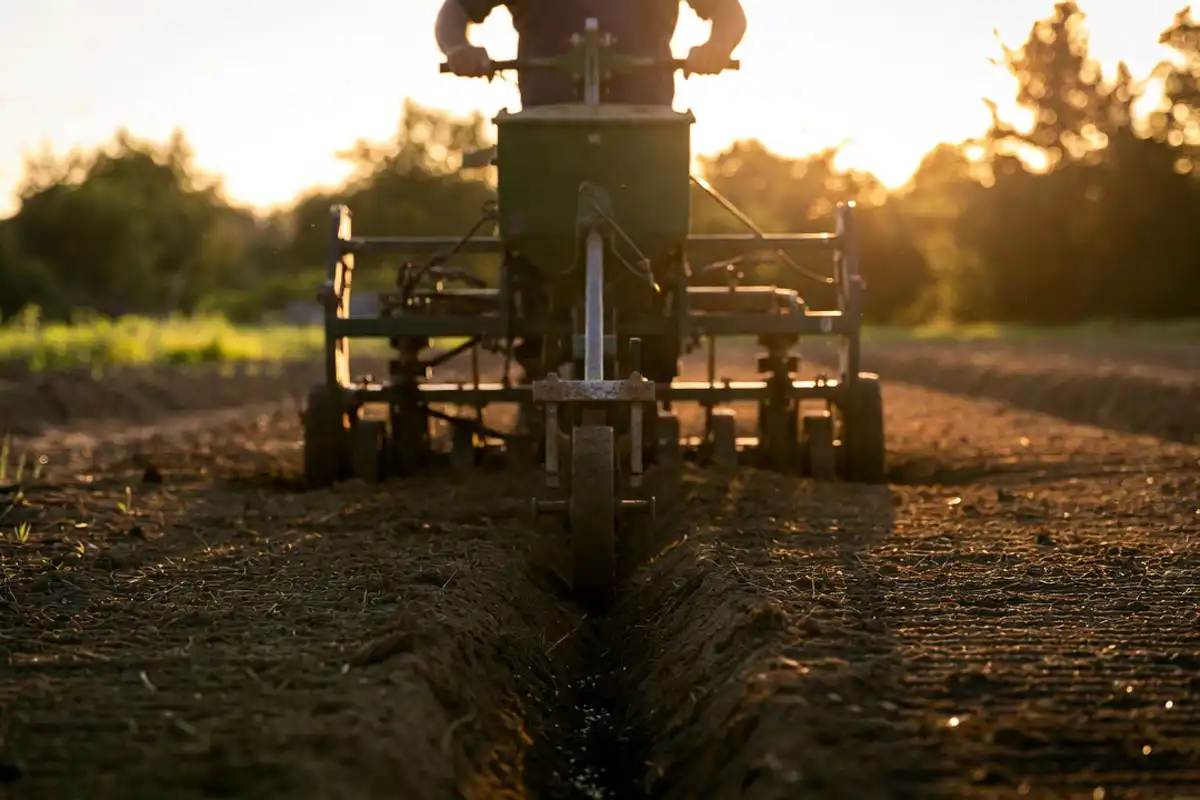
Seed carrots evenly by making a fine, firm seedbed, placing seed shallow at a measured spacing, and keeping the row moist until emergence. This guide covers timing, bed prep, spacing targets, seeding methods for hand and push seeders, and quick fixes for crusting and gaps. Carrot seed is tiny and slow to sprout, so small mistakes lead to skips and heavy thinning. A few simple checks before you sow save seed and give you a straight, uniform row.
Rake a fine bed, firm it, open a shallow furrow, and place seed at a planned spacing instead of broadcasting. Cover lightly, press the row for seed-to-soil contact, and water with a gentle spray. Keep the surface moist through the full germination window, then thin early and lightly. Pelleted seed, seed tape, or a calibrated seeder cuts thinning and seed waste.
What causes an uneven carrot stand and wasted seed?
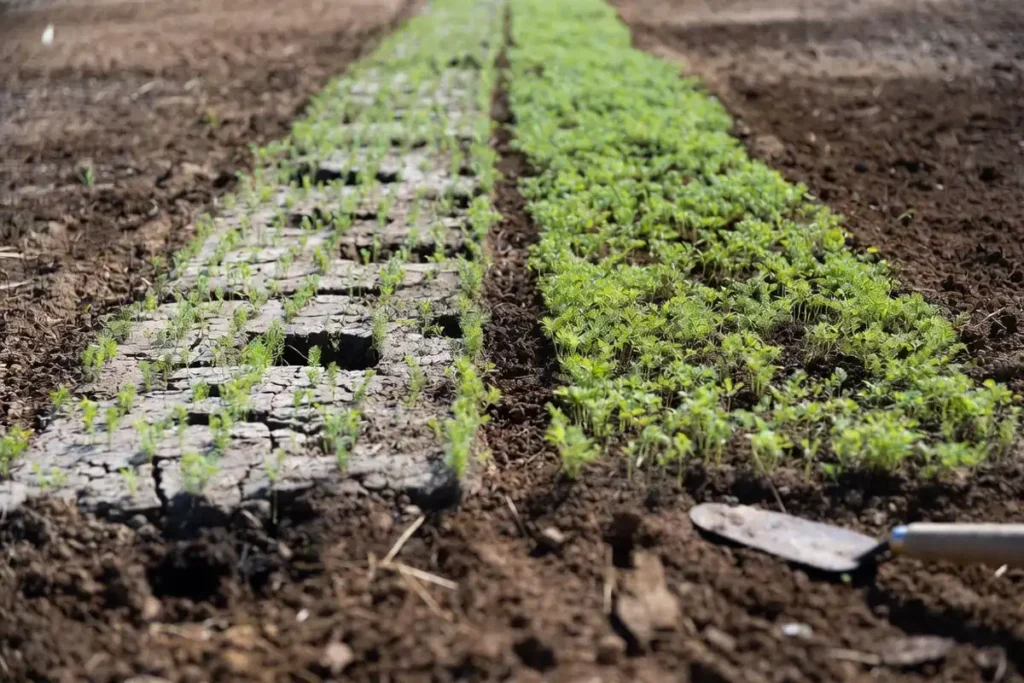
Uneven carrot stands start when seed sits at different depths or the soil surface swings between wet and dry. A crust after rain blocks small seedlings, and clods leave air gaps that dry the furrow. Illinois Extension warns that heavy rains can pack the surface and stop emergence, and USU Extension lists crusting as a stand killer.
Seed waste usually comes from one habit: sowing thick to “make sure” something comes up, then thinning most of it out. A better plan places fewer seeds with better contact and steadier moisture.
Learn more: When Do Carrots Germinate: 9 Fast Checks for an Even Stand
When do you seed carrots for the most uniform emergence?
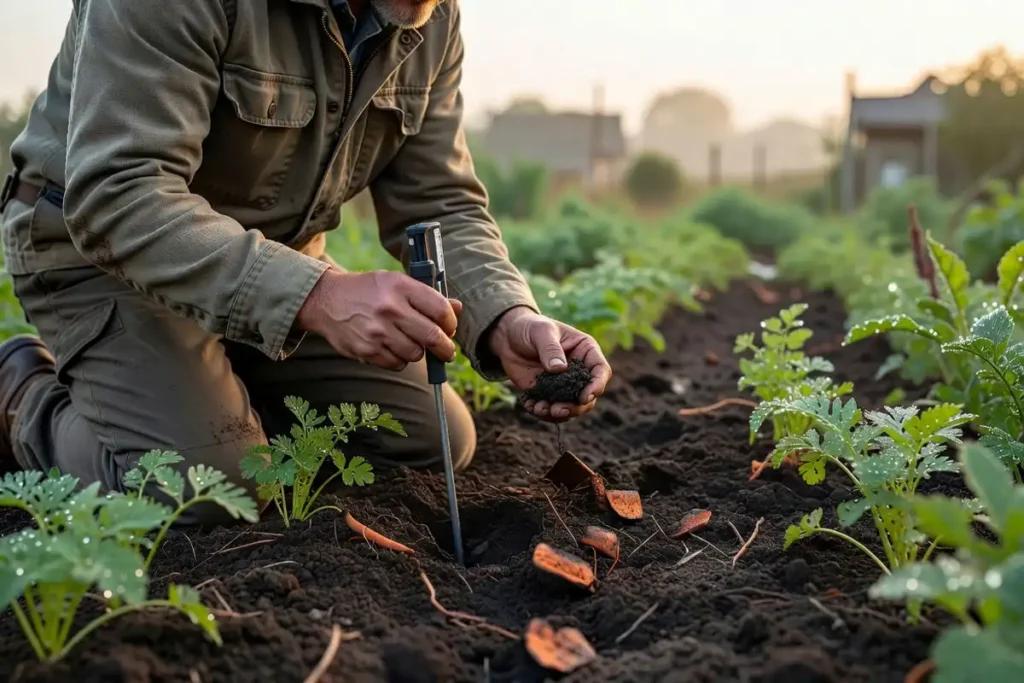
Seed carrots when you can keep the top layer evenly moist for two to three weeks and soil temperatures stay out of the extreme ranges. USU Extension states that carrots are seeded after soils reach 40°F, seeds germinate best at 55–65°F, and emergence takes 14–21 days; temperatures above 80°F reduce germination.
For many regions, that timing lines up with cool spring weather and late-summer sowing for fall harvest. Texas A&M also describes carrots as a cool-season crop that grows best in early spring and late fall conditions.
Decision point: If you lack a reliable watering setup, plant when rainfall patterns support steady surface moisture. Carrot seed fails fast in a dry seed furrow.
To know more: How to Irrigate Carrots Early to Prevent Crusting and Gaps: 5 Tips for Even Germination, No Gaps
Where do carrots germinate best for an even stand?
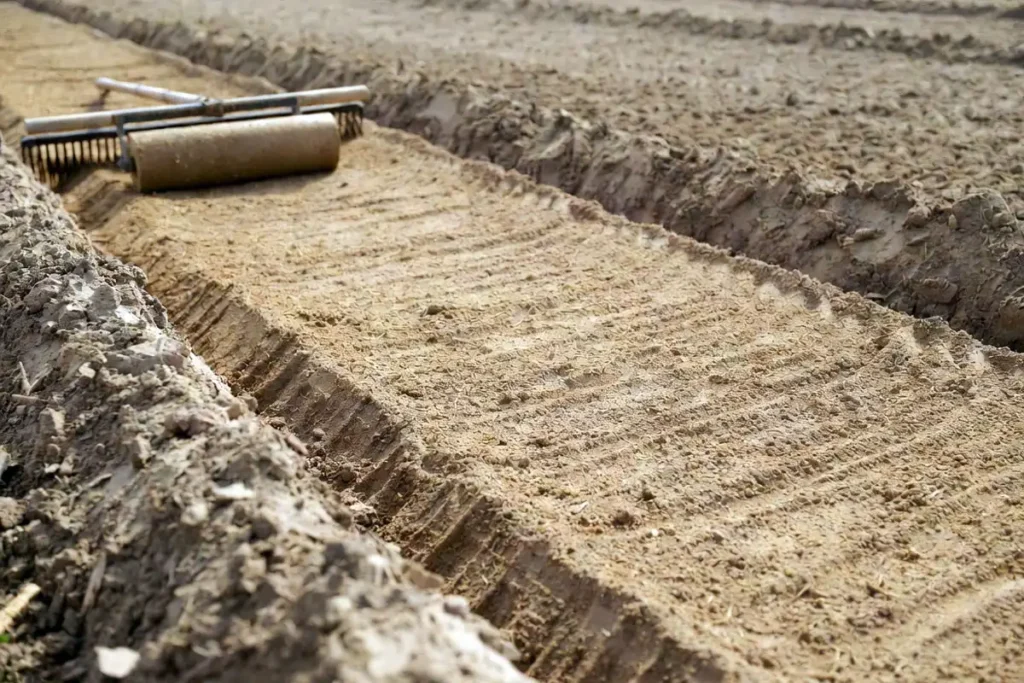
Carrots emerge most evenly in loose, well-drained soil with a smooth surface and dependable access to water. Both Texas A&M and USU stress deep, well-prepared soil and steady moisture as the base for good stands.
If you grow in beds, set them where hoses, sprinklers, or drip lines reach without dragging across rows. If you grow in pots, use a deep container and a fine potting mix that stays evenly damp. Use this guide for container-specific depth and watering details: container carrot growing tips.
What seed type and tools reduce waste the most?
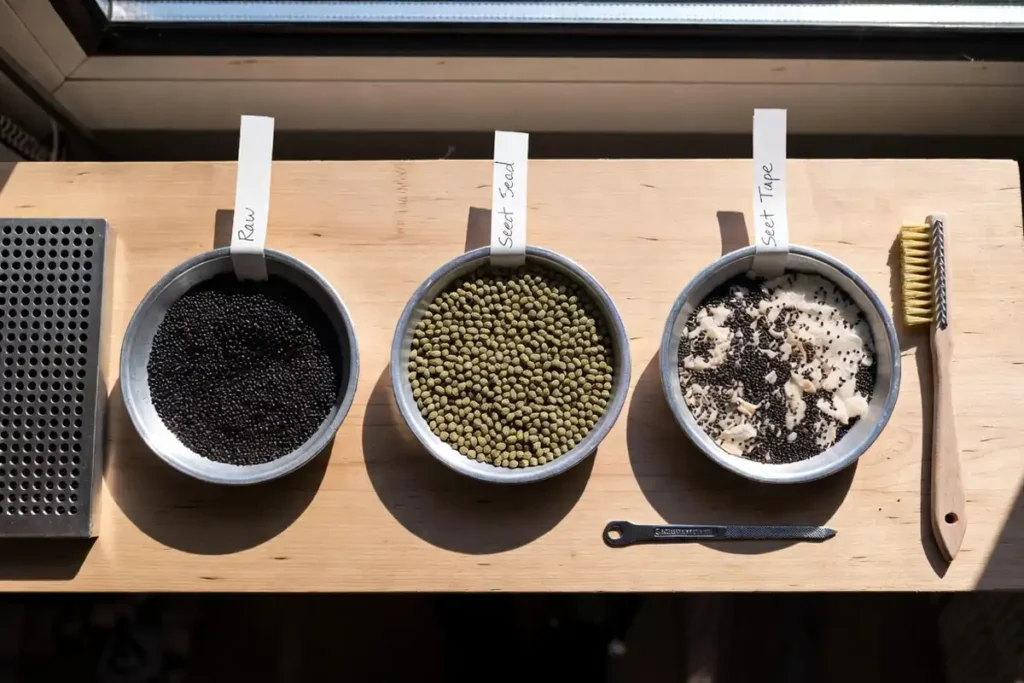
Seed waste drops when your method places seed at a repeatable spacing and depth.
Here are the most practical low-waste options:
- Pelleted seed + push seeder: Pelleting enlarges seed so a plate seeder drops seed more consistently. Illinois Extension notes that seed companies coat small seed for easier mechanical seeding and that pelleted carrot seed costs more but sows easier.
- Seed tape: Tape fixes spacing and prevents accidental over-seeding in short rows and raised beds.
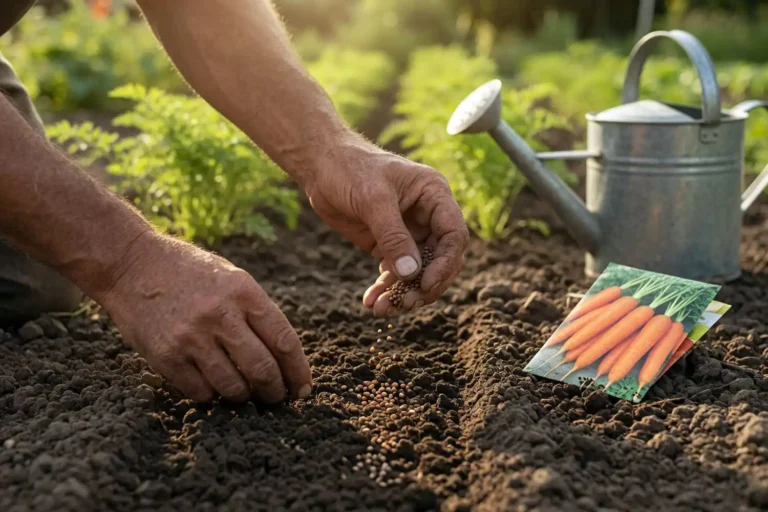
- Hand sowing with a “metered” tool: A small-hole shaker, a folded paper crease, or a simple seeding board reduces clumps compared to pinching seed from a packet.
If you already own a seeder, calibration saves more seed than any trick. A 10-foot catch test tells you what the seeder actually drops.
How do you prep a carrot seedbed so seed holds moisture and stays at one depth?
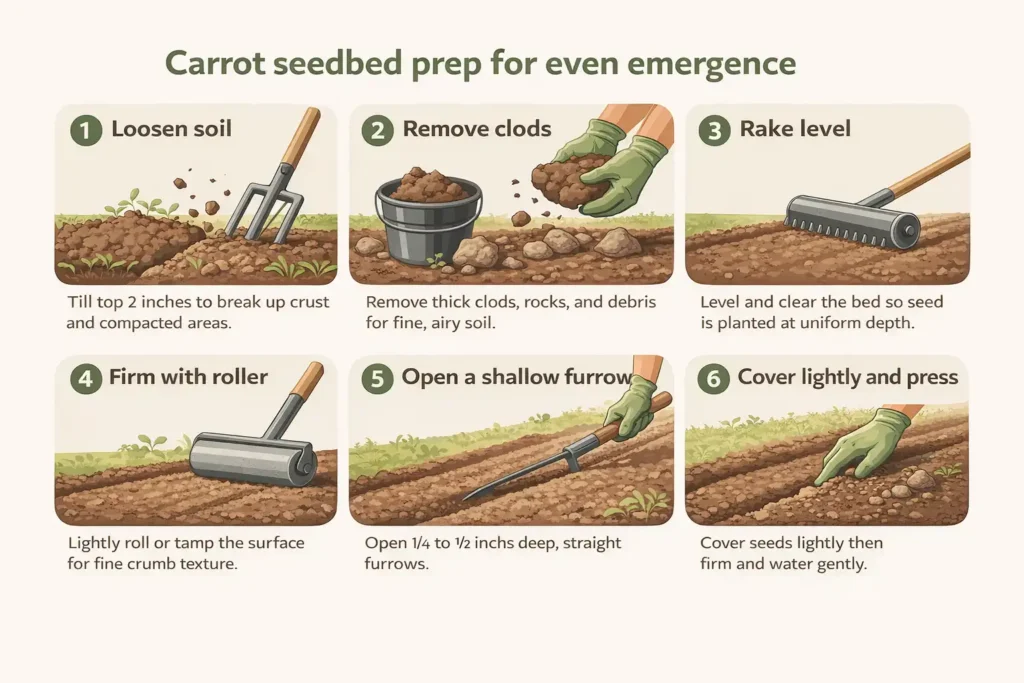
A firm, fine seedbed produces even emergence because every seed touches moist soil at a consistent depth. Texas A&M directs growers to work soil 8–12 inches deep and remove rocks and debris before planting. Illinois Extension also describes preparing soil deeply (8–9 inches) and working the seedbed uniformly to break clods.
Use this bed-prep sequence:
- Remove rocks and hard clods. Rocks and clods create skips and forked roots later.
- Level and refine the top 1–2 inches. A fine surface keeps depth consistent across the row.
- Firm the bed before you open the furrow. A board, roller, or the back of a rake settles fluffy soil so seed does not sink after watering.
- Avoid fresh woody debris in the seed zone. Illinois Extension notes that excess organic debris like woodchips worked in just before planting can affect root penetration and cause forked roots.
If fertility is unknown, start with a basic soil testing plan for new beds before you add fertilizer or compost.
What spacing and seeding targets give an even stand without heavy thinning?
Even stands come from two targets: a shallow planting depth and a measured seed drop.
These extension-backed targets work for most home gardens and small market beds:
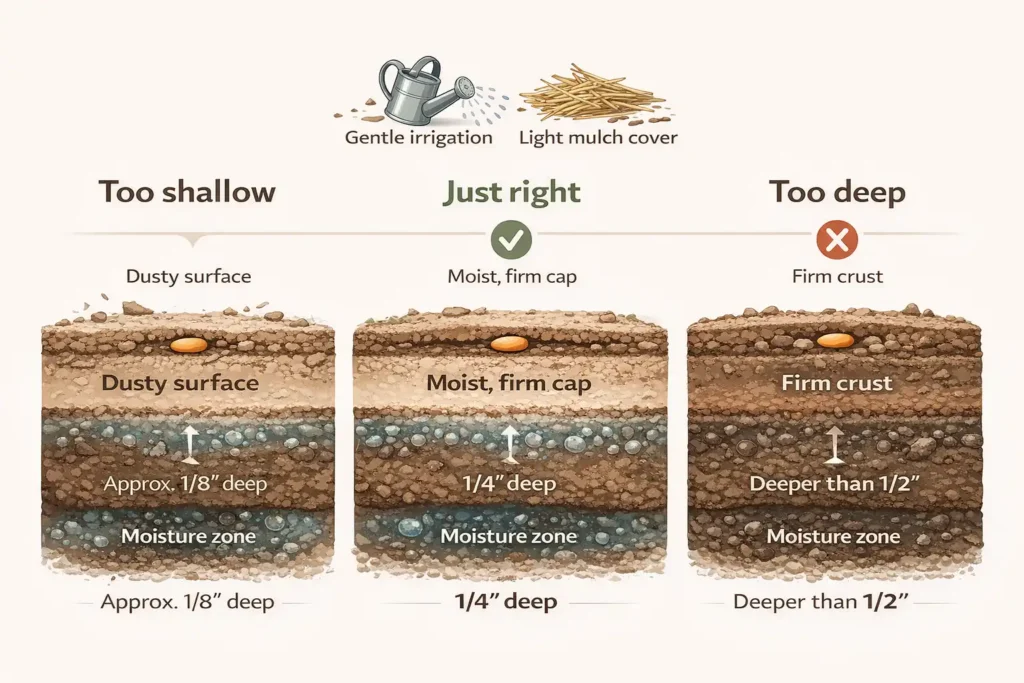
- Planting depth: 1/4 to 1/2 inch in early plantings; 1/2 to 3/4 inch in later, drier conditions.
- Row spacing: 12 to 18 inches between rows for hand cultivation and harvest access.
- Seed drop for raw seed: Illinois Extension recommends no more than two or three seeds per inch. Texas A&M lists 18 to 20 seeds per foot of row.
- Final spacing after thinning: Illinois Extension describes thinning to one seedling per 1 to 2 inches for larger, full-size carrots.
For a deeper spacing explanation across crops and bed systems, use the site’s plant spacing guidelines.
A simple germination check that prevents seed waste
A quick germination test prevents re-sowing guesswork.
- Count 20 seeds onto a damp paper towel.
- Fold, seal in a bag, and keep warm.
- Count sprouts after the normal germination window for your seed lot.
- If sprouting looks weak, tighten your moisture control or increase seed drop slightly.
This test costs 20 seeds and can save a whole packet.
How do you seed carrots step by step for a uniform stand?
This workflow goes from bed prep to first thinning. Follow it in order.
- Mark straight rows first. Straight rows speed weeding and reduce accidental foot traffic on the seed zone.
- Open a shallow furrow at a consistent depth. Illinois Extension lists 1/4 to 1/2 inch depth for early sowings; Texas A&M describes making rows about 1/2 inch deep on a prepared ridge.
- Pre-moisten the furrow if the surface is dusty. Moist soil holds seed in place and speeds water uptake.
- Place seed at a measured spacing. Aim for a controlled drop such as 18–20 seeds per foot or no more than 2–3 seeds per inch, depending on your seeding method.
- Cover with fine material and press the row. USU Extension notes that crusting limits emergence and recommends covering seed with compost or fine sand to help stand establishment and maintaining a uniform moist surface. Texas A&M also mentions covering seed with vermiculite or sand to reduce crusting.
- Water gently until the soil settles. A mist nozzle or fine sprinkler pattern prevents seed washouts.
- Mark the row so you do not hoe it out. Illinois Extension suggests inter-planting radish seed every 6–12 inches to mark slow carrot rows. Texas A&M also notes mixing a few radish seeds to mark rows while carrots take 14–21 days to sprout.
- Hold steady moisture through emergence. USU lists 14–21 days to emerge under good conditions. Plan irrigation to keep the surface moist for that entire window.
- Thin early and lightly. Illinois Extension recommends thinning once seedlings reach about one inch tall, with final spacing based on the carrot size you want.
For a broader planting overview beyond stand management, see this carrot planting guide.
How do you keep the seed zone moist without crusting or washing seed?
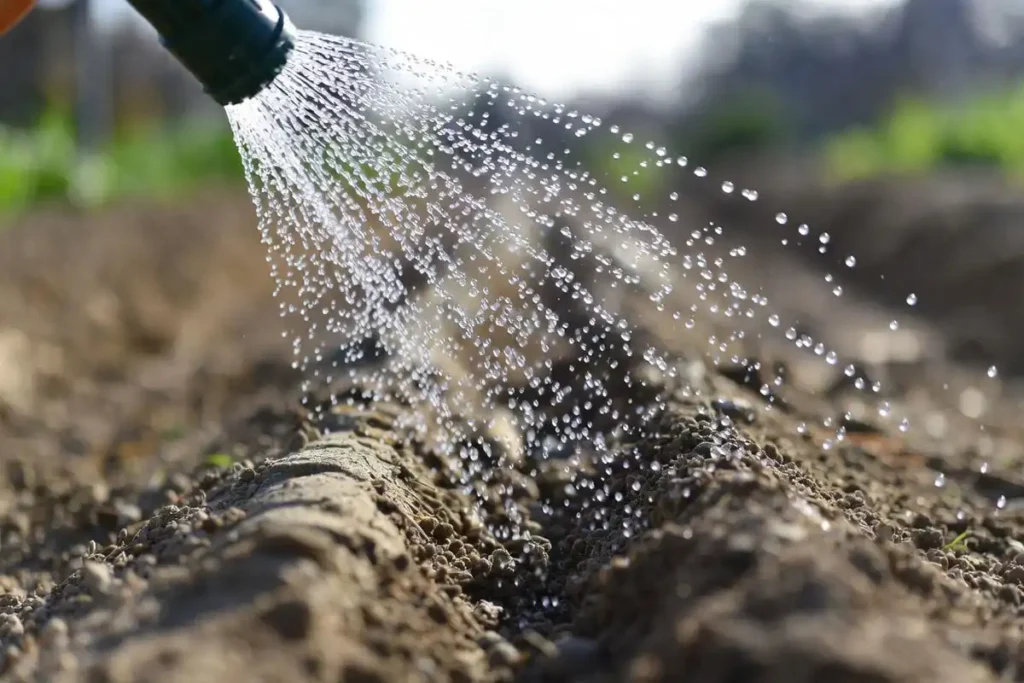
Gentle watering keeps the top soil moist without moving seed, and crust control keeps seedlings from stalling under a sealed surface. USU Extension states that maintaining a uniform and moist soil surface supports good stands and that crusting limits emergence.
Use these practical watering rules:
- Use light, frequent irrigations during germination. The goal is a consistently damp seed zone, not deep soaking.
- Avoid hard streams. A strong jet pushes seed deeper or floats it into clumps.
- Shift to deeper watering after establishment. Once roots extend, deeper watering supports steadier growth.
If you are deciding between overhead watering and drip, this comparison helps: drip versus sprinkler irrigation.
A moisture-holding cover that improves emergence
A temporary cover helps when wind and sun dry the surface. Illinois Extension notes that covering the row with clear polyethylene film warms soil and conserves moisture, and it says to remove the film immediately when seedlings appear.
Use that approach with care. Check daily once germination starts.
What solutions fix gaps without wasting more seed?
Gaps happen. Fixing them early saves more seed than replanting the whole bed.
Use this approach:
- Wait for the full emergence window. Carrot emergence commonly runs 14–21 days, and cold soil stretches that window.
- Probe one skipped spot. Scratch lightly to find seed.
- If seed is present and firm, moisture control is the problem.
- If seed is missing, washout or birds are likely.
- Reseed only the blank sections. Re-open the furrow in the gap, place seed, cover, press, and water gently.
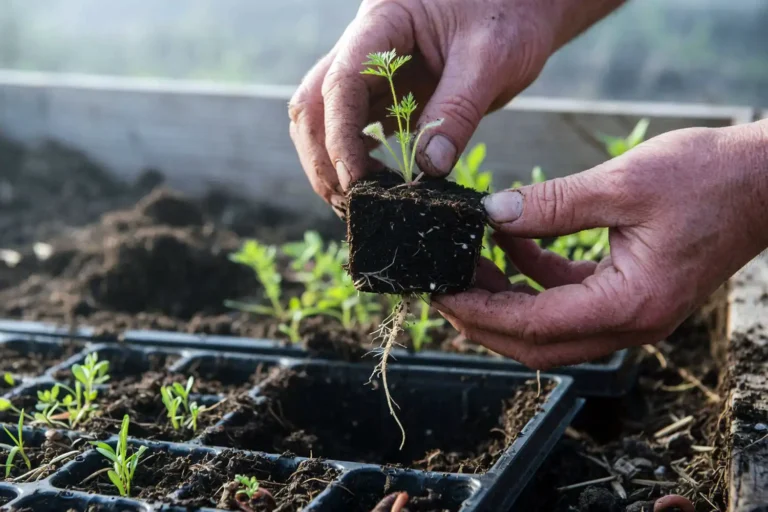
Avoid transplanting carrots to fill gaps. USU Extension states carrots are grown from seed, and transplanted roots often fork or stall.
Troubleshooting: what stops carrots from coming up evenly?
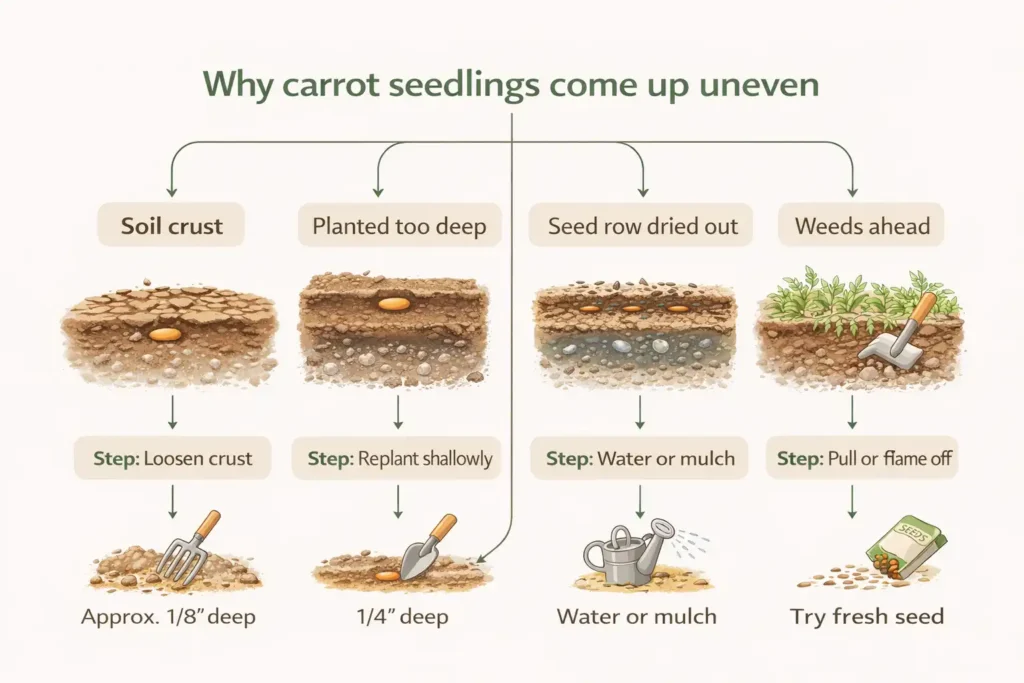
Did a crust form after rain or irrigation?
A crust blocks seedlings, especially in silt and clay soils. Both Illinois Extension and USU Extension link crusting and packed surfaces to poor emergence. Scratch the surface lightly, then water with a fine spray and cover with fine sand or compost on the next sowing.
Did you plant too deep?
Deep seed takes longer to reach light, and weak seedlings run out of energy. Keep depth in the 1/4 to 1/2 inch range for many sowings, and match deeper depths only to dry, warm conditions as Illinois Extension notes for later sowings.
Did the seed row dry out between waterings?
Surface drying kills germination. USU Extension stresses uniform moisture for stand establishment and gives the 14–21 day emergence window, which sets how long that moisture management needs to last.
Did weeds get ahead of slow seedlings?
Weeds steal light and water while carrots crawl out of the ground. USU Extension notes carrots do not compete well with weeds and that weed control is important during germination and establishment. Set up early control using this weed control plan for new plantings.
Is the seed old or poorly stored?
Old seed produces thin, spotty stands even with perfect technique. Run the 20-seed towel test before you reseed a whole bed.
What mistakes waste the most carrot seed?
These habits burn through seed fast:
- Broadcasting seed, then thinning most of it later.
- Leaving the bed fluffy, then watering and letting seed sink unevenly.
- Covering carrot seed with heavy clods instead of fine soil.
- Watering with a hard stream that moves seed into clumps.
- Ignoring crust risk on silt and clay soils. USU and Illinois both flag crusting and packed surfaces as stand problems.
- Skipping row markers and hoeing seedlings by accident. Illinois Extension recommends radish markers because carrots emerge slowly.
What safety steps matter when seeding carrots?
Safe seeding protects your hands, lungs, and back while you work close to soil and moving parts.
- Keep fingers away from seeder plates, chains, and pinch points. Disconnect power before adjustments.
- Wear gloves when handling treated seed. Treated seed often carries dye and pesticide residue.
- Avoid breathing seed dust. Step back from the open seed hopper on windy days.
- Use knee pads or a pad for hand sowing. Long kneeling sessions strain joints.
- Watch hoses and sprinkler lines. Trip hazards increase when you work backward along a bed.
Conclusion
Even carrot stands come from repeatable depth, measured seed spacing, and steady surface moisture through emergence. A firm, fine seedbed prevents seed from sinking and keeps contact consistent.
Controlled seed placement, plus gentle watering and crust control, reduces thinning and stops seed waste. When gaps appear, patch them early and correct the moisture or crust problem before you sow again.