When to Plant Carrots in CT: Spring and Fall Timing for 2026
Timing makes or breaks a carrot crop in New England. If you’re trying to figure out when to plant carrots in CT, the short answer rides on your frost dates and soil temperature, not the calendar alone. This covers both the spring and fall windows.
The best time to plant carrots in CT is 2 to 3 weeks before your last spring frost, roughly early April on the coast and mid-to-late April inland. Then sow a second crop in late July through early August for a sweet fall harvest.
Why Timing Beats the Calendar in Connecticut
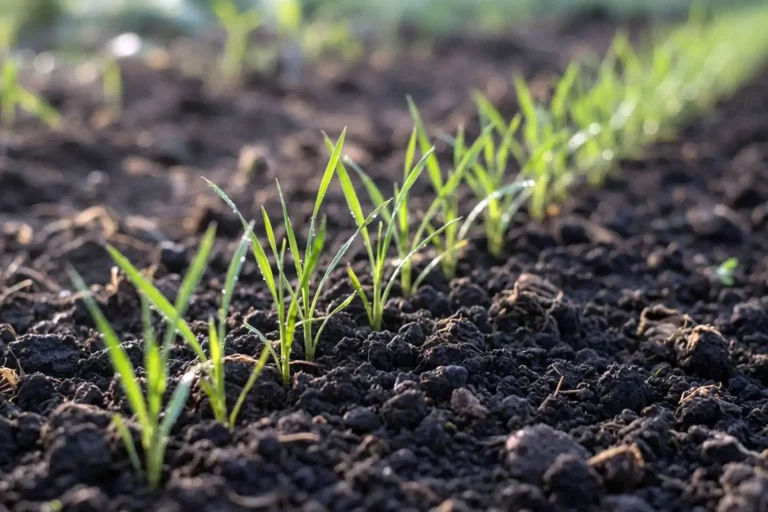
Carrots are a cool-season crop, so soil temperature drives everything. The seed sits in the ground for two to three weeks before it sprouts. If that soil is cold and soggy, germination stalls and seeds rot.
Connecticut also packs a lot of climate into a small state. The shoreline near Long Island Sound runs weeks ahead of the Litchfield Hills up north. So a single planting date copied from a seed packet rarely fits your field. You plant by your local conditions, not a national average.
When to Plant Carrots in CT for a Spring Crop
Sow carrots outdoors 2 to 3 weeks before your average last spring frost. Carrots handle cold well, and the seedbed warms while the seed is still germinating underground. By the time the tops break through, frost risk is dropping fast.
The seed needs loose, stone-free ground to push a straight root. Before dropping a single seed, making sure the top six inches are crumbly and warm is the recommended check. Picking the right ground matters too, so check the soil texture that grows straight carrots before you commit a bed to a long-season root.
What Soil Temperature Do Carrot Seeds Need?
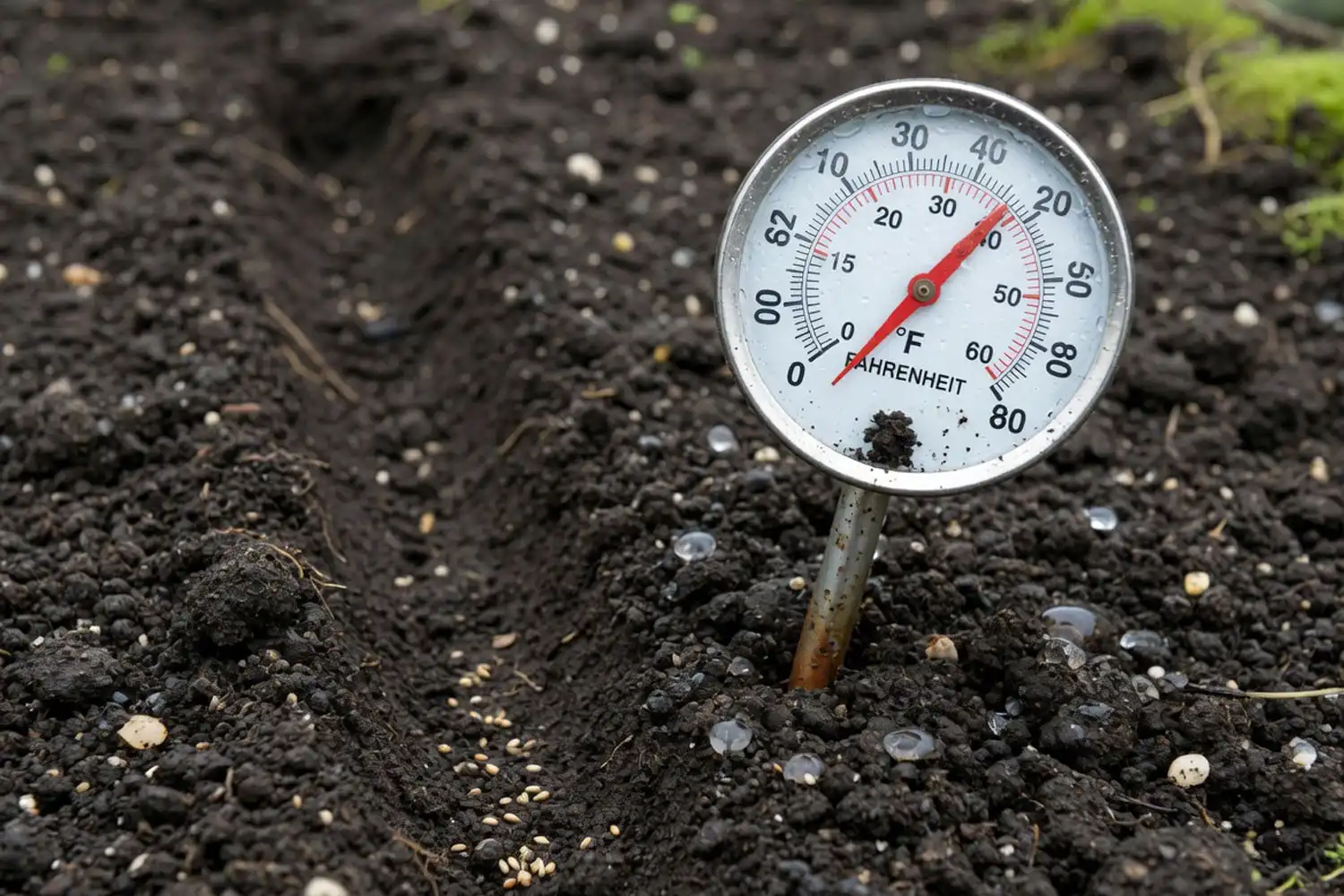
Carrot seeds need a soil temperature of at least 45°F to germinate, and 55°F to 75°F is the sweet spot. Below 45°F the seed sits dormant and germination turns slow and patchy. Push past 80°F and the seed struggles too.
Keep a cheap soil thermometer pushed two inches into the bed each morning. Once it reads a steady 50°F or warmer, sow. That single reading tells me more than any date on a calendar.
Spring Planting Dates by Connecticut Region
Your planting window shifts with your zone and your nearest weather station. Here is how the timing breaks down across the state for spring.
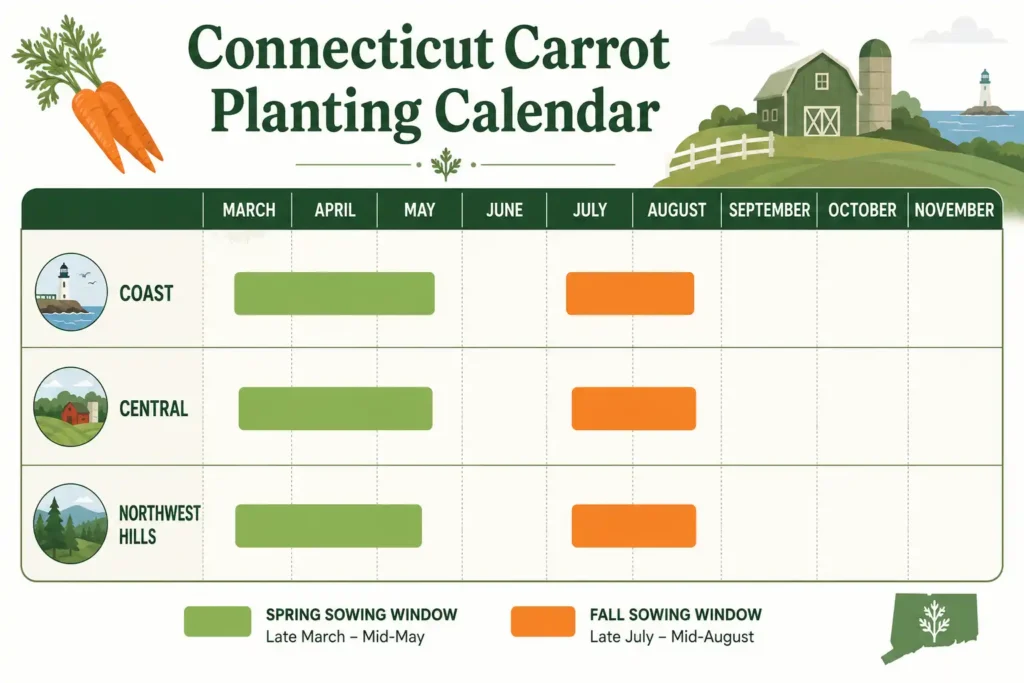
Along the Long Island Sound shoreline (zone 7a to 7b), towns like New Haven, Bridgeport, Norwalk, and Greenwich see their last frost in early-to-mid April. New Haven averages around April 7. You can sow carrots there from late March through mid-April.
In the central interior around Hartford (zone 6b to 7a), the 50/50 frost mark lands near April 30. To start sowing in mid-to-late April once the soil holds 50°F.
Up in the Eastern Highlands and the Northwest Litchfield Hills (zone 6a), towns like Willimantic, Woodstock, Torrington, and Norfolk stay colder. Their last frost can run to mid-May. Wait until late April through mid-May, when the wet spring ground finally dries and warms.
When to Plant Fall Carrots in CT
Plant fall carrots in CT from late July through early-to-mid August. Fall is a favorite carrot season in many regions. Cool nights pour sugar into the root, and a light frost makes them taste better, not worse.
Fall carrots grow slower than spring carrots because daylight shrinks as the season turns. That’s why you give them a head start in the heat of summer. Keep that seedbed damp through germination, since dry August soil crusts over and blocks the sprouts.
How Do I Count Back From the First Frost?
Take your carrot variety’s days to maturity, add two weeks, then count backward from your average first fall frost. Most of Connecticut sees its first frost between October 1 and 15. The coast near the Sound can stretch to late October.
So with a 65-day Nantes carrot, add two weeks for the slow fall growth, then count back about 11 weeks from the first frost. That lands me in late July. Knowing how long carrots take to germinate helps you fine-tune that backward count, because slow germination eats into your season.
Connecticut Frost Dates and Hardiness Zones You Need to Know
Connecticut now spans USDA hardiness zones 6a to 7b under the 2023 USDA Plant Hardiness Zone Map. The old 5b pocket in the northwest corner shifted up to 6a, and the warmest shoreline strips moved into 7b. These zones come from NOAA’s 1991 to 2020 temperature data.
For carrots, the zone matters less than your frost calendar, since carrots are an annual root, not a perennial. Still, your zone is a quick stand-in for your season length. The UConn Home and Garden Education Center keeps current zone maps for the state, and they’re worth a look before your first planting. Growing seasons here range from about 159 frost-free days in Torrington to 223 days down in Bridgeport. That gap of more than two months is why coastal growers squeeze in extra successions.
Can You Plant Carrots Before the Last Frost in CT?
Yes. Carrots are frost-hardy, and you can sow them two to three weeks before your last spring frost. The seed and young seedlings shrug off light frost down into the upper 20s°F. A late cold snap won’t kill an emerging carrot row the way it would tomatoes or peppers.
That cold tolerance is exactly why carrots earn a spot in the early spring ground. A chilly start is often the safer risk than waiting so long that carrots size up in July heat, which turns them bitter and woody.
Succession Planting for a Longer Harvest
Sow a fresh short row every two to three weeks from your first spring planting until early summer. This stretches your harvest instead of dumping fifty pounds of carrots on you in one week. Then pause through the hottest stretch of July, because high heat hurts both germination and flavor.
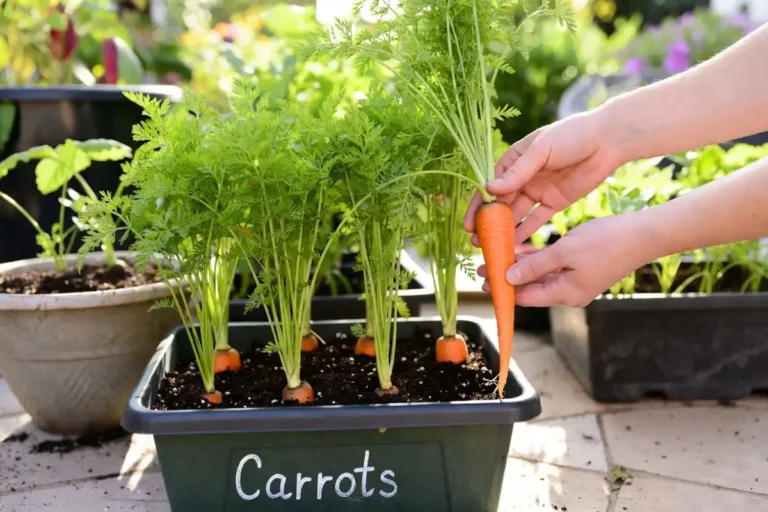
When late July rolls around, start your fall successions and run them into mid-August. Spacing your sowings this way keeps the kitchen stocked from June clear into winter. If you’re tight on space, growing carrots in containers lets you slot extra successions onto a patio or deck.
Getting the Soil Ready Before You Sow
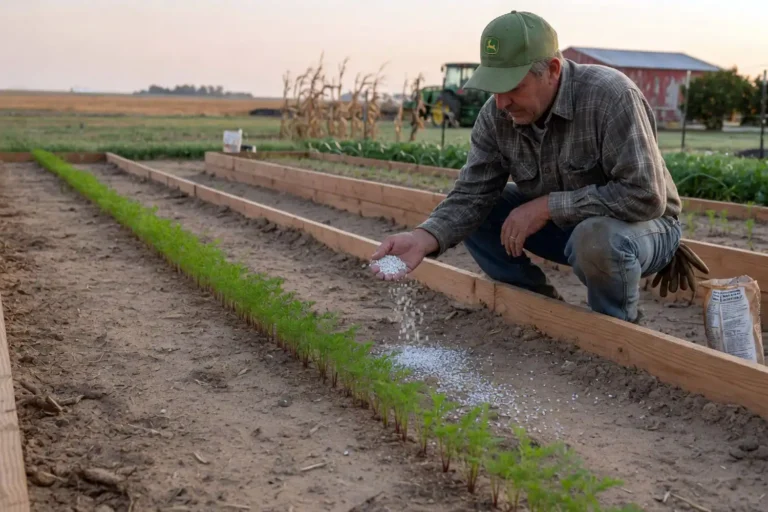
Loose, deep, stone-free soil is non-negotiable for carrots. Rocks, clods, and hardpan cause forking, splitting, and stubby roots. Work the carrot beds eight to twelve inches deep and rake out every stone you can find.
Skip the fresh manure and heavy nitrogen. Both push hairy, forked roots and lush tops at the expense of the carrot itself. A simple soil test tells you what a bed actually needs, so running one each spring before amending anything is the recommended step.
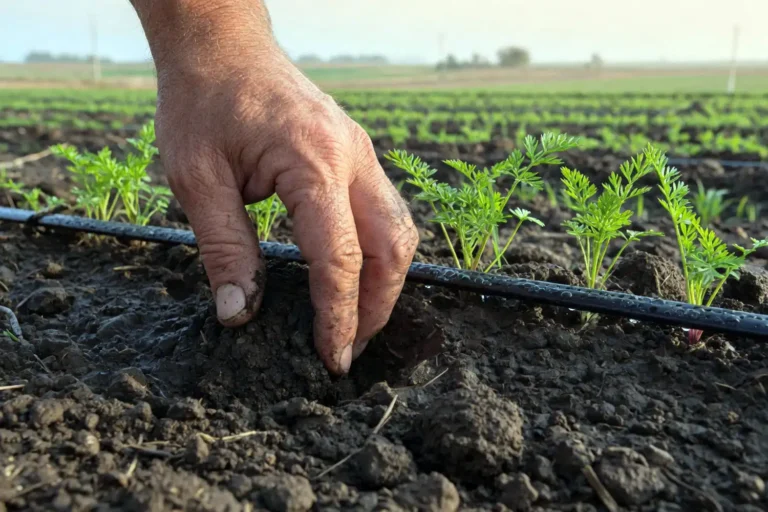
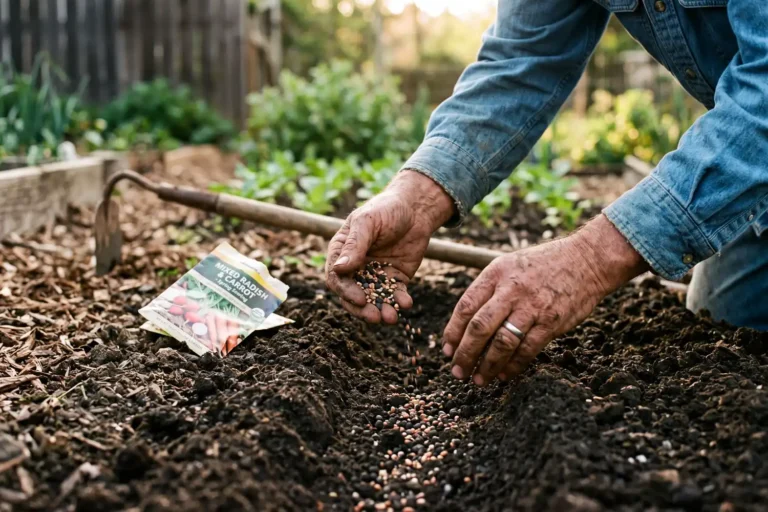
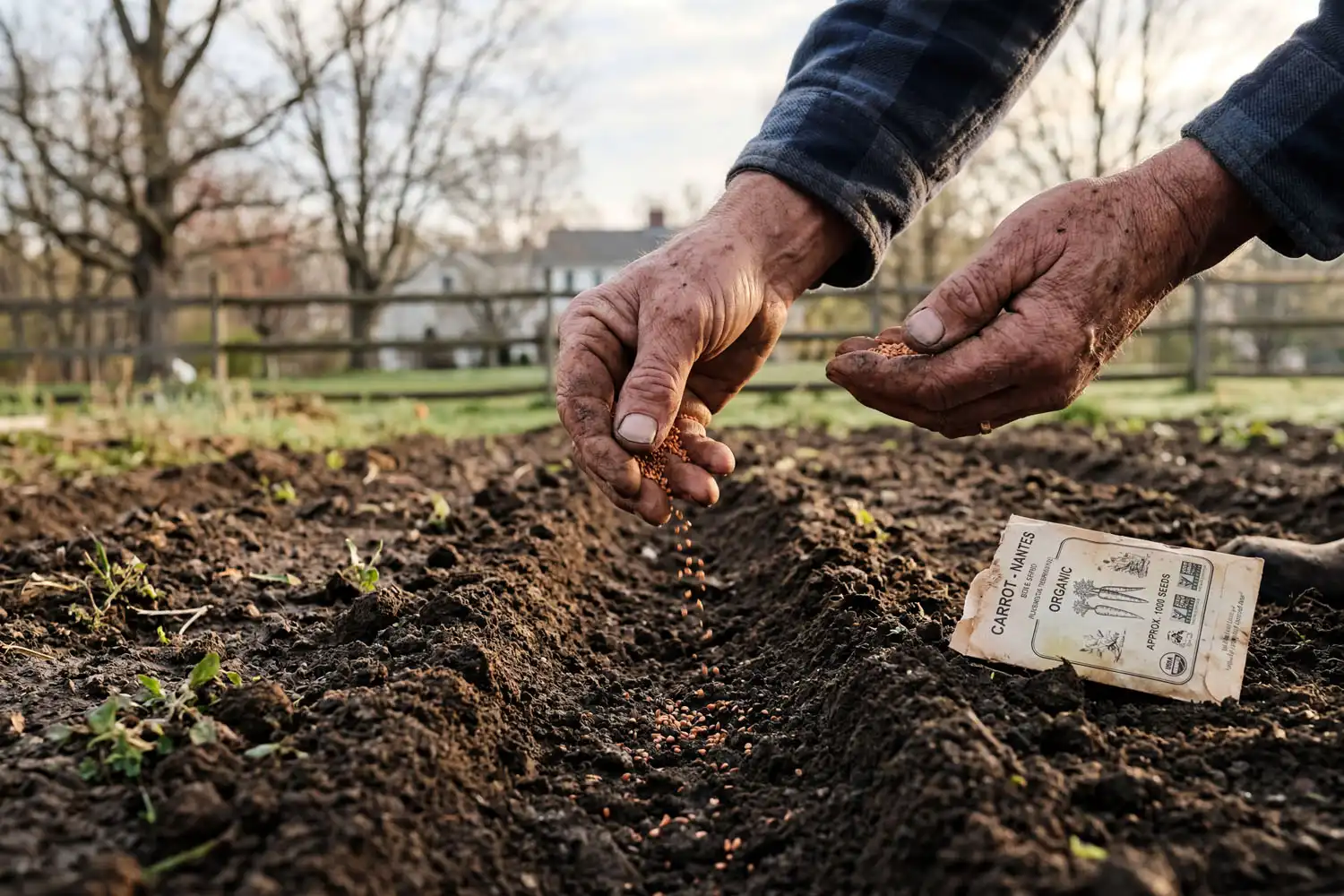
Once the bed is ready, sow shallow at about a quarter inch and don’t bury the tiny seed. Tight, even spacing saves you thinning later, and seeding carrots without wasting seed is a skill that pays off every season once you get the hang of it.
Common Timing Mistakes in New England
Planting into cold, wet spring soil is the number one error. The seed just sits there and rots, and growers blame bad seed when the real problem was timing. Wait for that 50°F reading.
The second mistake is letting the seedbed crust over after sowing. A hard crust traps sprouts underground, and you end up with thin, gappy rows. Light, frequent watering keeps the surface soft. Our guide to covers this in detailwatering carrots early to prevent soil crusting.
The third mistake is missing the fall window entirely. Plenty of Connecticut growers stop at one spring crop and never taste a frost-sweetened October carrot. Mark late July on your calendar now.
Overwintering Carrots in Connecticut
You can leave fall carrots in the ground and harvest them through winter in most of Connecticut. After the first hard freeze, pile six to twelve inches of straw or shredded leaves over the bed. That mulch blanket keeps the soil from freezing solid, so you can pull fresh carrots into December and even January.
Cold ground acts like a refrigerator and holds the roots in better shape than basement storage does. Just brush back the mulch, lift what you need, and tuck it back over the row. This approach works well in Kansas and holds up the same way in New England’s clay and loam.
Bottom Line for Your Connecticut Beds
Plant your first carrots two to three weeks before your last frost, which means early April on the shoreline and mid-to-late April through mid-May as you head inland and uphill. Watch the soil thermometer, aim for 50°F and rising, and sow short successions instead of one big planting. Then circle late July for a fall crop that beats anything you grow in spring. Once you match your sowing to your frost dates instead of the calendar, carrots get easy. If you’re brand new to the crop, our walkthrough on planting carrots the right way covers the hands-on steps from seed to harvest.