
Crop Farming Guides for US Growers
CropFarming.org gathers planting windows, fertilizer rates, spray timings, and harvest indicators from university extension publications and USDA data, then organizes them by crop and by region. When a recommendation changes across state lines, we say which state and name the source.
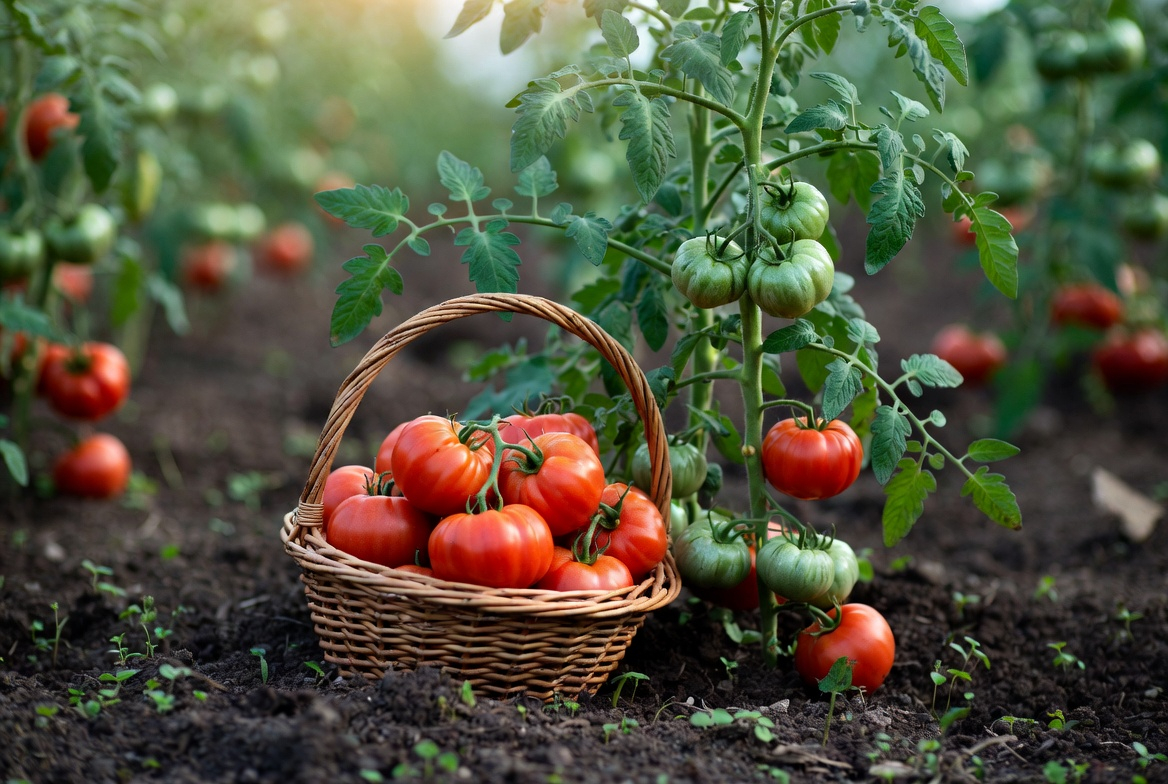
What is crop farming?
Crop farming is growing plants in soil or a controlled medium for food, feed, fiber, or industrial use. It covers the full sequence from selecting a crop and preparing ground through planting, managing water and nutrients, controlling weeds and pests, harvesting, and storing what comes off the field.
Crop farming differs from horticulture mainly in scale and purpose. Field crops such as corn, wheat, soybeans, and rice are grown in large plantings for commodity markets. Vegetables, fruit, and specialty crops are usually grown in smaller plantings for direct or fresh markets. Both sit under agriculture, alongside livestock production.
Every crop follows the same underlying sequence, but the numbers change with the crop and the region. Corn planting depth in Iowa is not corn planting depth in Georgia. That is why every regional recommendation on this site names its source.
What Crops Fit Crop Farming?
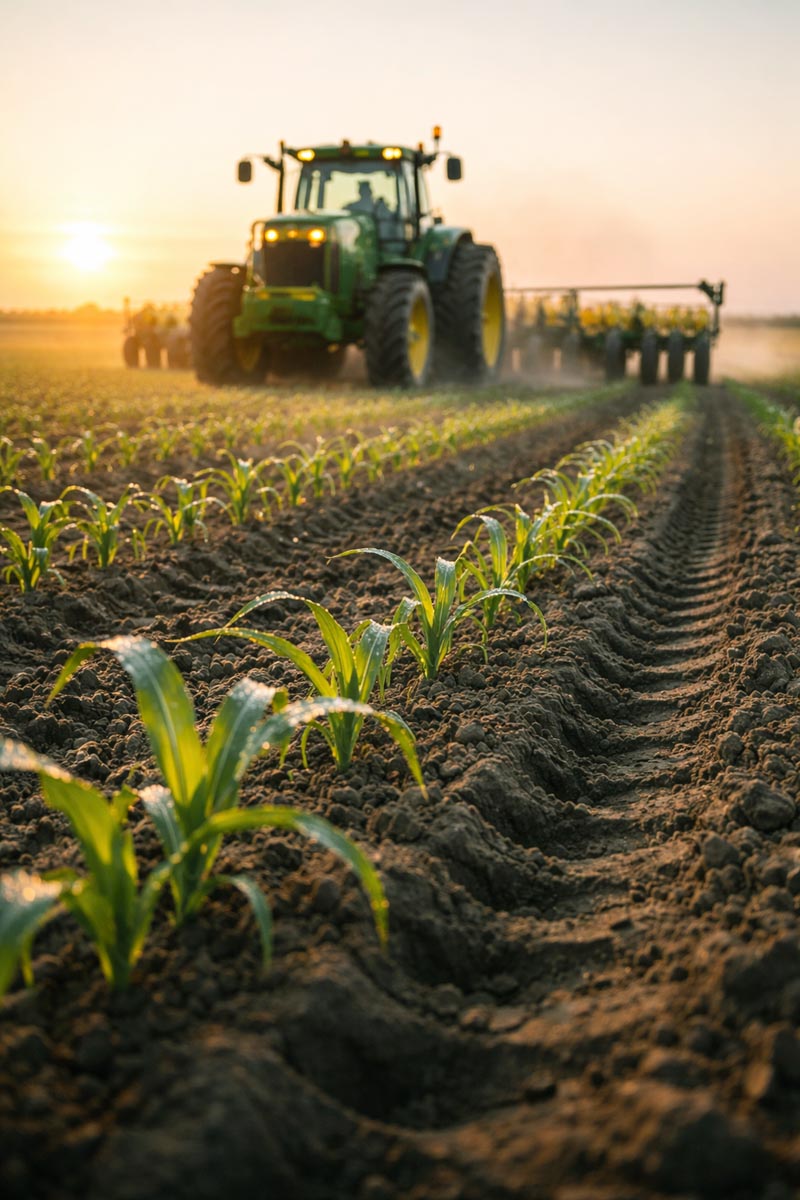
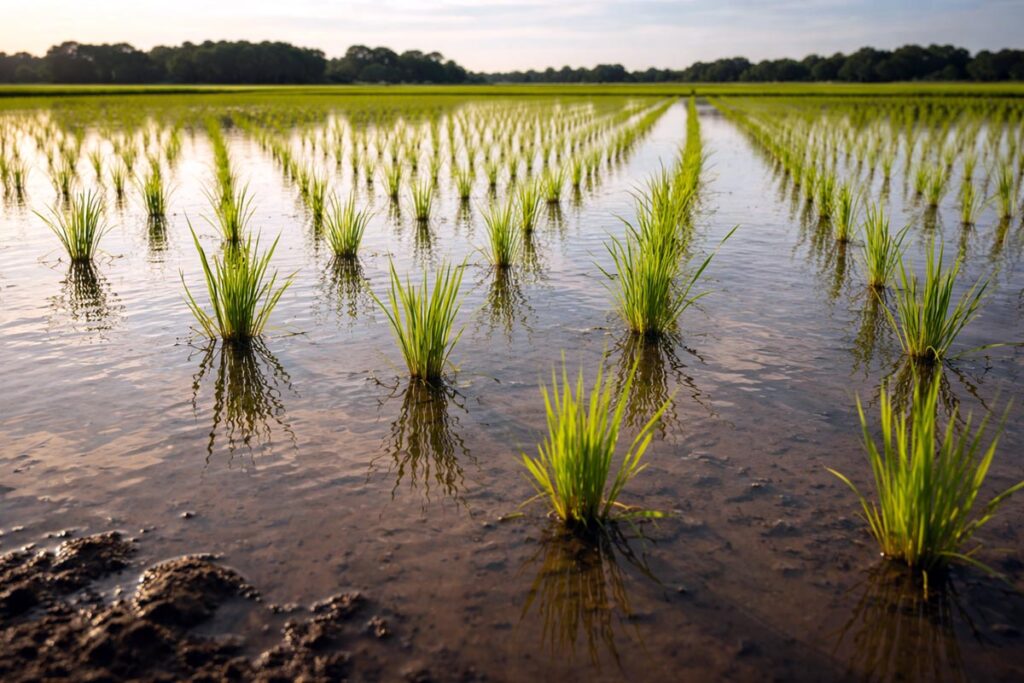
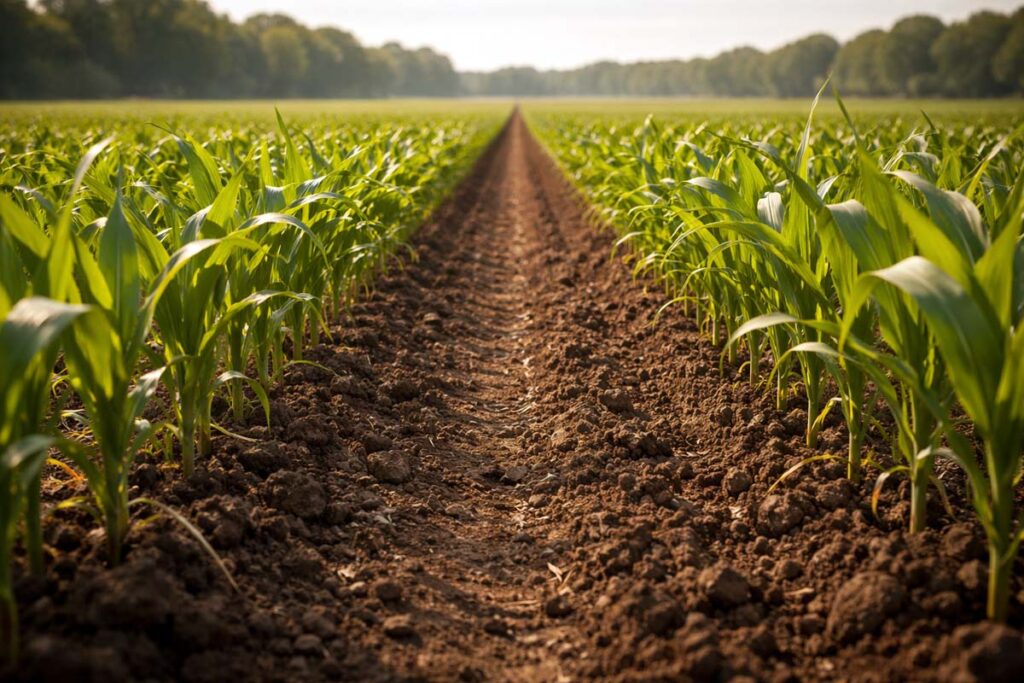
The best crop is the one that fits your soil, growing season, water supply, rotation, equipment access, and local buyers. Use the categories below to narrow your options.
Corn, wheat, rice, soybeans, sunflowers.
Alfalfa, silage corn, forage sorghum.
Cotton, hemp, flax in some regions.
Sugarcane, sugar beet, canola, tobacco.
When to Plant Quinoa: Early Spring in 40°F to 60°F Soil
Quinoa rewards early planting and punishes late planting. ….
How to Grow Quinoa: Planting to Harvest in 90 to 150 Days
Quinoa is an Andean seed crop that thrives ….
Does Dry Quinoa Go Bad? Shelf Life, Storage, and Spoilage Signs
Dry quinoa keeps for years in a pantry, ….
Is Quinoa Good for You? 8 g Protein and 5 g Fiber Per Cup
Quinoa is one of the most nutrient-dense grains ….
What Is Quinoa? The Seed That Cooks Like a Grain
Quinoa sits beside rice and oats on store ….
How to Freeze Eggplant: Blanch 4 Minutes, Keep It Up to 12 Months
Eggplant freezes well after a short blanch in ….
How to Store Eggplant: Fridge, Counter, and Freezer Times
Eggplant keeps best at 50 to 54°F, a ….
Why Is My Eggplant Turning Yellow? 10 Causes and Proven Fixes
Eggplant leaves usually yellow from root trouble, nutrient ….
5 5 10 Fertilizer: What It Feeds and How to Use It Right
A 5-5-10 fertilizer carries twice as much potassium ….
15-0-0 Fertilizer: Uses, Rates, and Best Picks for 2026
15-0-0 is calcium nitrate. The two zeros mean ….
5-5-5 Fertilizer: Rates, Timing, and Best Bags
5-5-5 fertilizer is one of the most common ….
0 0 22 Fertilizer: What It Is, When to Use It, and Best Picks
0-0-22 fertilizer confuses plenty of growers. Two zeros ….
16-4-8 Fertilizer: Rates, Timing, and Best Picks for 2026
Most lawn and turf programs start with one ….
Fish Emulsion Fertilizer 5-1-1: Rates, Timing, and Top Picks
Pale leaves and stalled growth mean your crop ….
18 24 12 Fertilizer: What It Is, When to Use It, and Top Picks
Bare soil and new seed need phosphorus down ….
0 0 60 Fertilizer: Uses, Rates, and Best Bagged Picks
Potassium runs short in more fields than most ….
Best Fertilizer Spreader in 2026: 8 Machines Compared
Streaked strips and burned patches trace back to ….
Best Organic Fertilizer for Vegetables in 2026
Sweet corn and onions call for 4 to ….
Best Fertilizer for Onions in 2026: Top 10 Grades Ranked
Onions need 120 to 150 pounds of nitrogen ….
Best Fertilizer for Potatoes in 2026: 11 Picks Ranked by NPK
A good potato crop strips over 250 pounds ….
Best Vacuum Sealer for Food Storage: 8 Top Picks for 2026
Bulk beef, a big garden harvest, and bins ….
Best Fertilizer for Corn in 2026: NPK Grades, Rates, and Timing
Corn fertilizer is one of the biggest input ….
The Crop Farming Cycle: 10 Steps That Repeat Every Season
Most successful farms follow a simple cycle. Each step supports the next—skip one, and you usually pay for it later. Use this as your checklist, then open the linked guides when you need detail.
Start Here: The Beginner Path
Start with planning and soil, then move to planting, water, timing, and rotation using the guides below.
The essentials: timing, early weed control, scouting, and how the whole system fits together.
Beginner steps, budget-first decisions, and what to do before you buy equipment.
A practical setup checklist: field prep, operations planning, and avoiding early-season chaos.
Plan roads, access, turning areas, water flow, and safe equipment movement.
Sampling tips, what results mean, and how to turn numbers into actions.
Organic matter, compost, cover crops, and low-cost improvements that work.
Planting windows, soil temperature ideas, and how to avoid replant situations.
Simple rotations reduce weeds and disease and improve soil over time.
Match crops to climate, soil, equipment, and markets without guessing.
A Simple Rule That Saves Beginners Money
Don’t spend heavily on inputs until your soil pH and planting timing are under control. A perfect fertilizer program rarely rescues poor emergence, and extra inputs won’t fix low pH.
What Decisions Matter Most in Crop Farming?
The crop farming decisions that matter most are crop and variety selection, planting timing, soil fertility planning, water management, weed and pest control, and harvest and storage management.
Field notes beat memory. Track planting depth, variety or hybrid, planting date, spray product and rate, and key weather events.
Safety Rules That Protect People on a Crop Farm
Farm safety rules that protect people include task-matched PPE, shutting down and locking out machinery before service, keeping guards in place, handling chemicals by the label, and taking heat-stress breaks.
Safety Checklist
Always follow the product label and your equipment manual. Where this site differs from a label, follow the label.
Get the Seasonal Crop Farming Checklist
About CropFarming.org
CropFarming.org is an independent reference site. We compile agronomy guidance from university extension services, USDA publications, and manufacturer documentation, then organize it by crop and region.
We are not a farm and we do not publish first-hand field reports. What we do is gather guidance that is scattered across dozens of state extension publications so you can find your crop and your region in one place, with the source named.
How We Source Our Guidance
Every regional recommendation on this site names where it came from.
Extension services: Kansas State, Iowa State, Minnesota, Georgia, NDSU, UF/IFAS, Purdue, NC State, Clemson, Penn State, Texas A&M AgriLife, UC ANR, Michigan State, Nebraska-Lincoln, Oregon State, Mississippi State
Federal: USDA NASS for production data, USDA NRCS for soil guidance, USDA FoodData Central for nutrition, EPA for pesticide registration
Products: manufacturer labels, operator manuals, published specifications
Frequently Asked Questions
Ask a Crop Farming Question
Tell us the crop, growth stage, and what you are seeing. Add what you already tried. Photos help.
For topic requests and corrections
Send the crop, the region it applies to, and the specific question you could not find a clear answer to. Corrections are the most useful messages we get, and we check each one against the original source.
Email: editor@cropfarming.org
For a recommendation tied to your own soil test or pest pressure, contact your state extension service. They have local data and local staff.
Email: editor@cropfarming.org