Where Are Sugar Beets Grown? Top Regions That Deliver Big Sugar
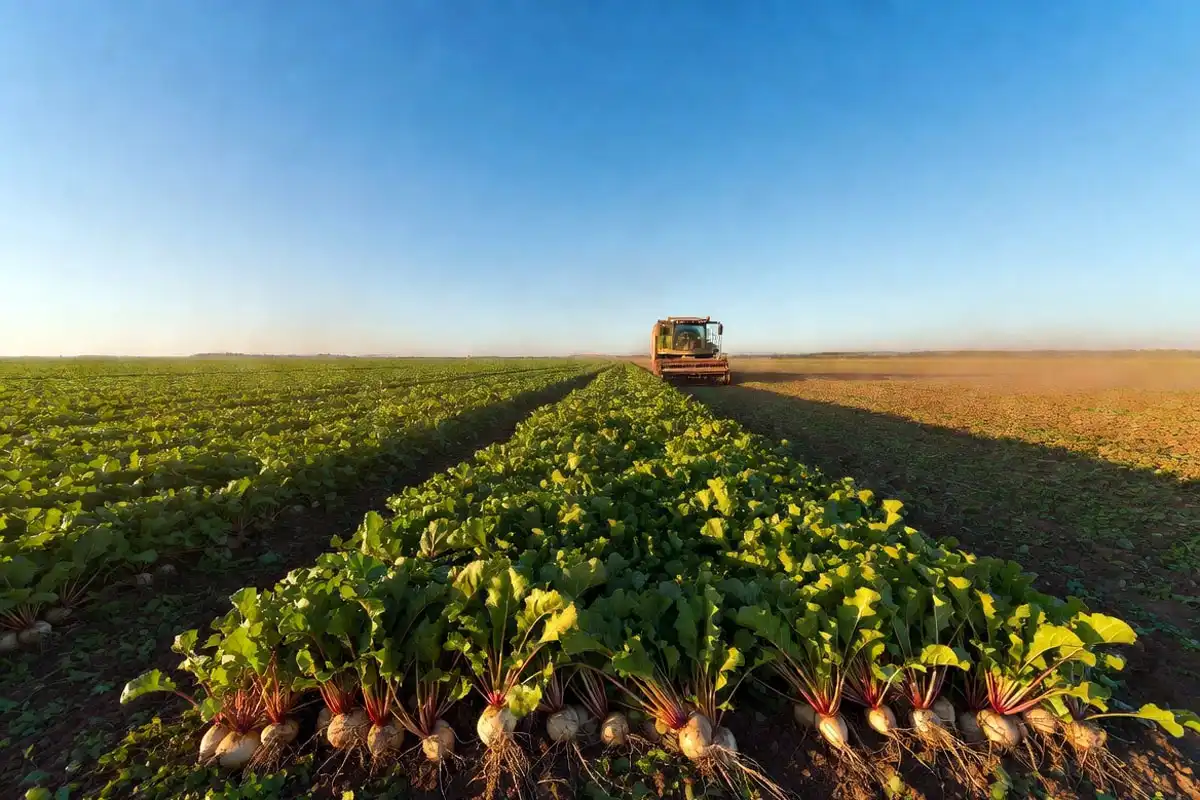
Sugar beets grow best in cool to mild temperate regions where summers run long enough to build a big root and cool nights help sugar concentrate in the beet. This guide maps the main sugar beet regions worldwide and in the United States, then walks you through a practical way to judge whether your climate, soil, and market fit sugar beets.
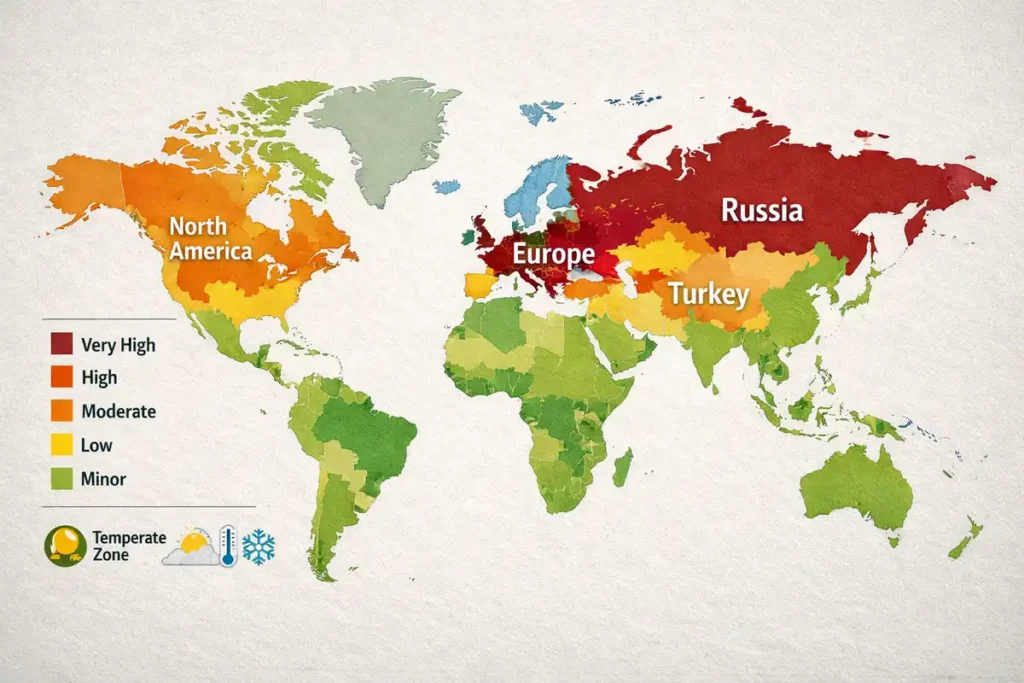
Sugar beets are grown mainly in temperate zones with mild summers and cool nights, especially across Europe and the northern United States. In 2023, the largest producers include Russia, France, the United States, Germany, and Türkiye. In the U.S., production concentrates in four regions: the Upper Midwest (MN, ND), Great Lakes (MI), Great Plains, and the irrigated Far West.
What is a sugar beet?
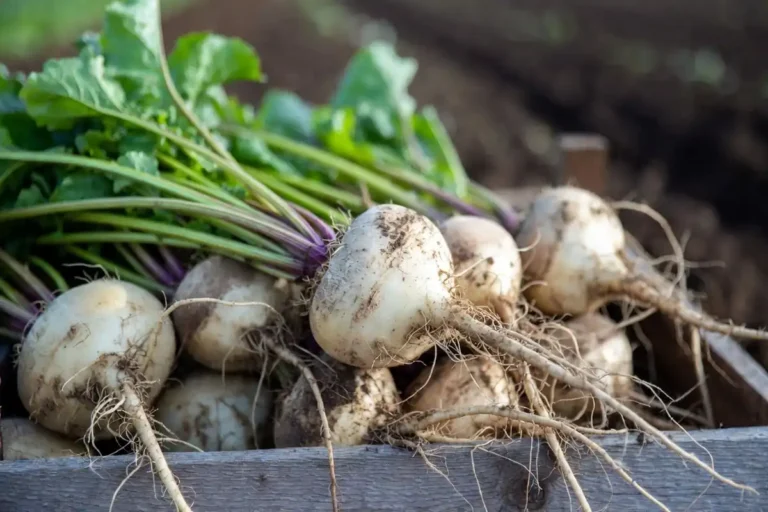
A sugar beet is a root crop (Beta vulgaris) that stores sucrose in a swollen taproot. Growers raise it for sugar factories, which slice the roots and extract sugar during the processing season. If you want a complete overview before you dig into regions, read this guide on what a sugar beet is.
What makes a place suitable for sugar beets?
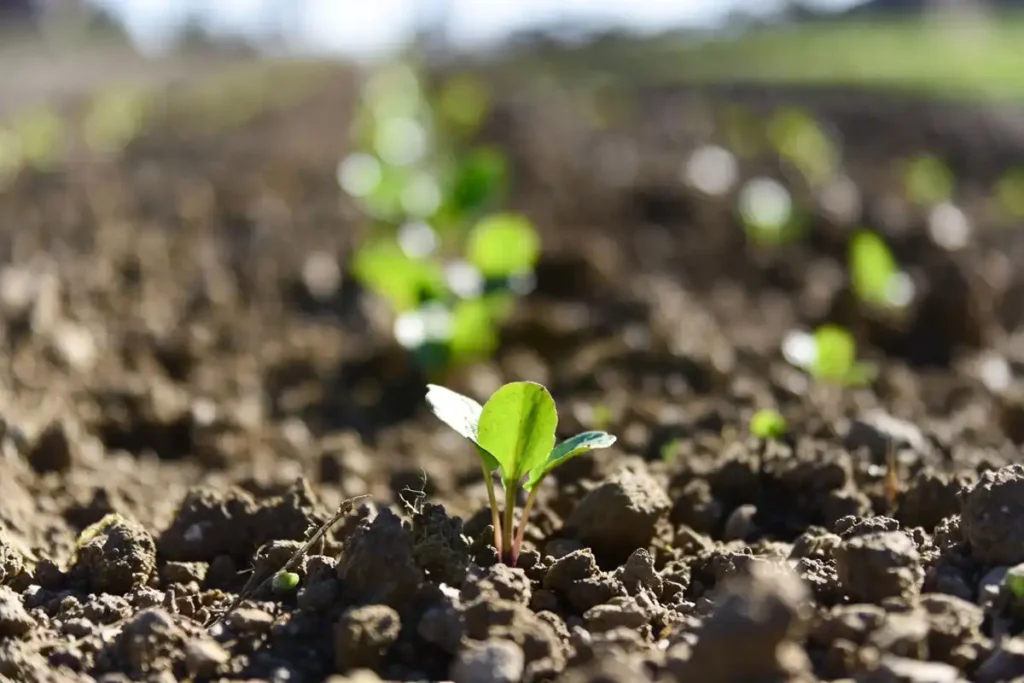
Sugar beet performance comes down to three location factors: temperature pattern, soil conditions, and distance to processing.
Temperature pattern
- Sugar beet seeds germinate at low temperatures, but field emergence improves once soils warm into a workable range. FAO notes germination is possible at 5°C, with an effective minimum around 7–10°C.
- Sugar accumulation tracks with moderate days and cooler nights late in the season. FAO reports high sugar yields when nights run about 15–20°C and days about 20–25°C toward the end of the growing period, while sustained heat above about 30°C reduces sugar yields.
Soil conditions
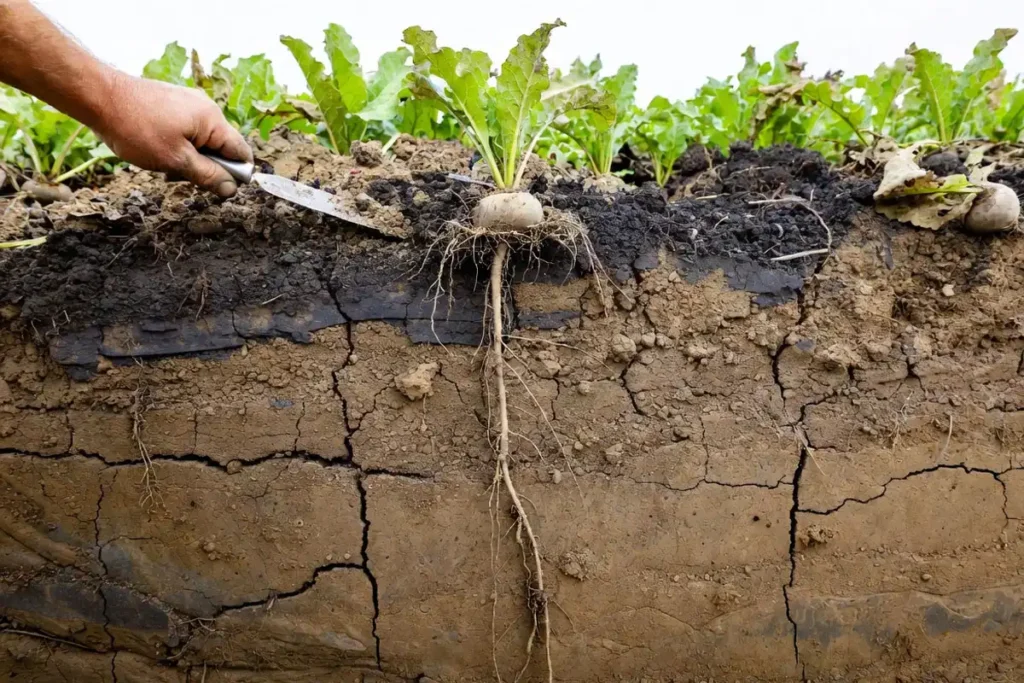
- Sugar beets grow a deep taproot, so they reward deep, well-drained ground with good tilth. Compaction and ponding reduce stand and root shape.
- Soil pH and salinity tolerance vary by variety and region, so local soil tests guide lime and nutrient plans. If you do not already test, start with a basic workflow like this soil testing guide for farming.
Distance to processing
- Sugar beet roots are bulky, perishable, and expensive to haul long distances. In the EU, industry guidance notes factories are traditionally located near beet fields to reduce transport impacts.
That is why sugar beets tend to “cluster” around sugar factories and grower co-ops.
Where are sugar beets grown around the world?
Sugar beets concentrate in temperate farming belts, mostly between cool-summer plains and mild continental climates. Global production data commonly highlights a handful of countries as the biggest producers. In 2023, large producers included Russia, the United States, Germany, France, Turkey, and Poland.
Europe
Europe holds the densest sugar beet footprint because the climate lines up well with beet growth. Within the EU, Eurostat reports that about three-quarters of sugar beet production in 2024 came from four countries: Germany, France, Poland, and the Netherlands.
Industry statistics also show beet area remains highest in Germany, France, and Poland.
North America
North American sugar beets are grown mainly in cooler northern states and provinces, plus irrigated western valleys that manage heat and moisture with water control. In the U.S., commercial production sits in a handful of regional “belts” tied to factories and co-ops.
Black Sea, Central Asia, and nearby regions
Sugar beets also cover big acreages in parts of Russia and Ukraine, and they show up across Turkey and other nearby areas where temperatures stay moderate during key growth periods.
North Africa and parts of the Middle East
Sugar beets grow as a winter or cool-season crop in warmer temperate areas where summer heat is harsh. References like Britannica describe sugar beets as a summer crop in cooler temperate zones and a winter crop in warmer temperate regions, including parts of Africa and the Middle East.
Where are sugar beets grown in the United States?
USDA economic research breaks U.S. sugar beet production into 12 states across five geographic areas, with different water strategies east versus west.
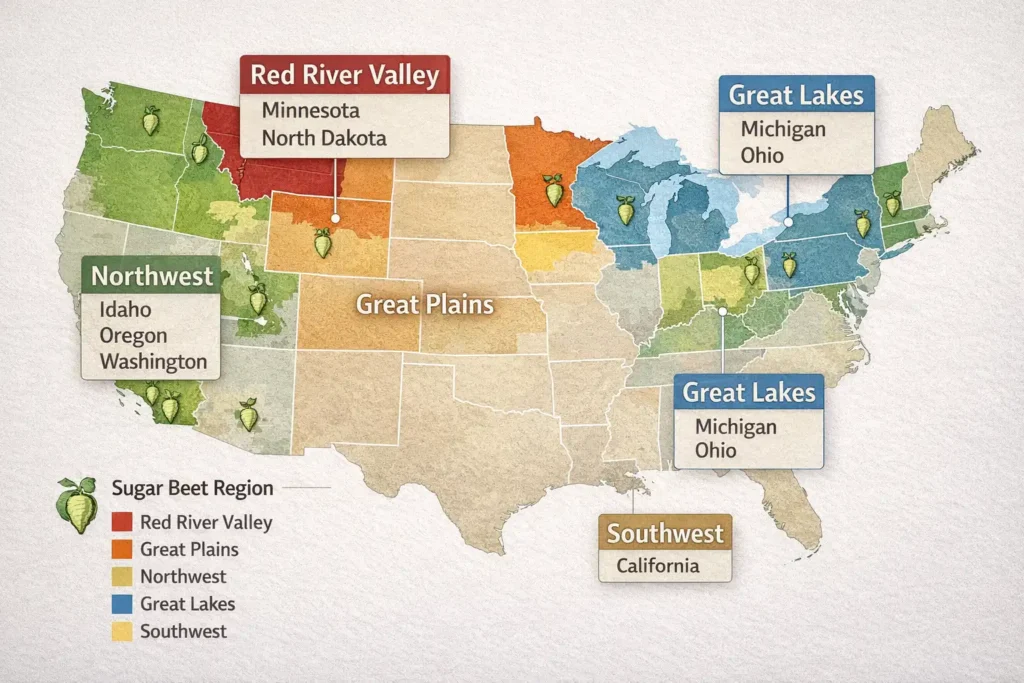
Red River Valley (Minnesota and eastern North Dakota)
This is the largest U.S. beet region by production share in USDA’s regional breakdown.
Flat ground, heavy soils, and cool nights help push sugar content, and the region’s co-ops and factories shape where the crop stays profitable.
Great Plains (Wyoming, Montana, western North Dakota, Colorado, Nebraska)
Plains production ranges from dryland to irrigated systems depending on water access and local rainfall patterns. USDA lists these states inside the Great Plains beet region.
Northwest (Idaho, Oregon, Washington)
This region leans on irrigation and valley climates. USDA groups Idaho, Oregon, and Washington as the “Northwest” beet region.
If you have ever driven those irrigated stretches, you know the look: wide rows, steady water, and a tight harvest schedule tied to the receiving stations.
Great Lakes (Michigan and Ohio)
USDA places Michigan and Ohio in the Great Lakes beet region.
Here, growers often run more rainfall-based systems than the West, and harvest weather drives a lot of decision-making.
Southwest (California)
USDA lists California as the Southwest beet region, with production concentrated where remaining processing capacity exists.
When are sugar beets planted and harvested?
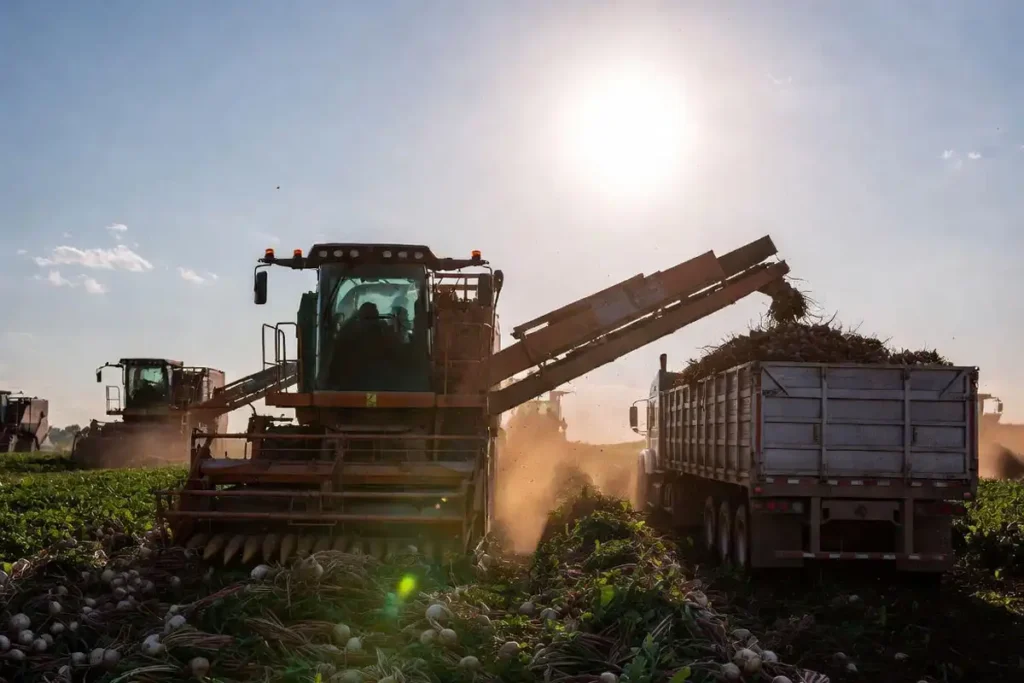
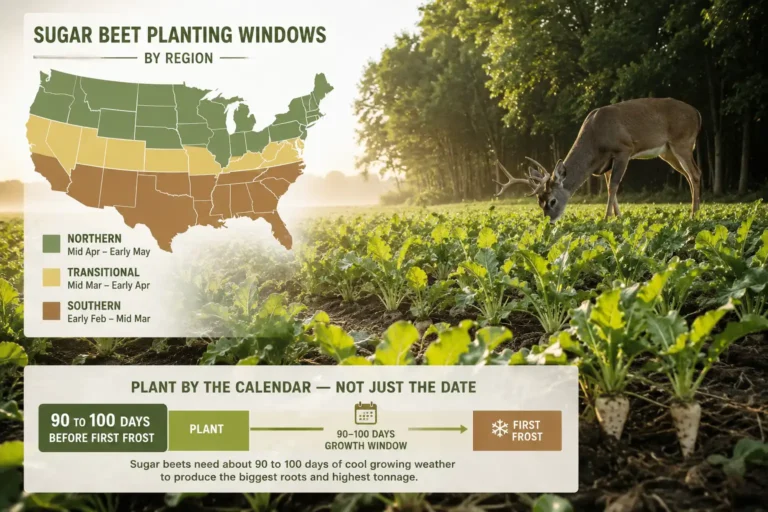
Planting and harvest dates follow local temperature and factory campaign schedules.
- Cool northern regions (summer crop): growers plant in spring after soils warm enough for steady emergence, then harvest in fall. FAO’s temperature guidance helps explain why early-season cold slows emergence while late-season heat reduces sugar yields.
- Warmer temperate regions (winter crop): some areas plant for a winter-season growth window to avoid peak summer heat.
- Crop duration: Britannica notes a growing period on the order of roughly 170–200 days from sowing to harvest in typical production.
For planning by month in your area, use a local calendar and compare it with basics crop planting calendar, then cross-check the beet-specific timing in know when to plant sugar beets.
How to tell if sugar beets fit your farm or garden location
Use this quick workflow as a location test. Each step leads to the next, and the last step gives you a go or no-go decision.
- Match your temperature window to beet biology.
Track your last spring frost risk, your mid-summer heat pattern, and your fall cool-down. Sugar beets build sugar best when late-season days stay moderate and nights cool off. - Check soil drainage and depth where the taproot wants to go.
Dig a few spots, look for compaction layers, and watch where water sits after a hard rain. A beet root that forks or drowns does not store sugar well. - Run a soil test and correct the basics early.
A soil test gives pH, nutrients, and organic matter indicators that guide your lime and fertilizer plan. Follow a simple process like this soil testing workflow. - Confirm your market and your haul.
Sugar beets usually pencil out when a factory, receiving station, or co-op contract sits within practical hauling distance. Factories tend to sit near beet fields for a reason. - Plan rotation and disease pressure before you plant.
Sugar beets respond to rotation planning because disease and weed cycles build when beets return too fast. A straightforward basics crop rotation plan keeps the field cleaner over time.
Solutions when your region fights sugar beets
Problem: summers run hot and sugar content stays low
Heat late in the season pulls sugar yields down, especially when temperatures stay high.
What helps: growers in hot areas shift toward cooler-season production windows, use irrigation to steady growth, and avoid pushing excess late nitrogen that keeps the plant vegetative.
Problem: spring stays cold and emergence drags out
FAO notes germination is possible at low temperatures, but field emergence improves once conditions move into that effective minimum range.
What helps: wait for workable soil conditions, improve seedbed prep, and keep crusting down with good residue and moisture management.
Problem: your soils stay wet or tight
Beets dislike ponding and compaction because the root needs oxygen and room to expand.
What helps: fix traffic patterns, use controlled traffic where it fits, and build soil structure over time with organic matter. If you need a soil-building baseline, start with how to improve soil fertility naturally.
Troubleshooting: field signs your location is the real issue
- Lots of top growth, weak roots: late heat, late nitrogen, or shallow rooting often drives this pattern.
- Forked or misshapen roots: compaction, rocks, or wet feet usually show up here.
- Low sugar at delivery: warm nights late, excess nitrogen late, or harvest delays often show up in the numbers. FAO links higher sugar yields with cooler nights late in the season.
- Bolting and flowering: bolting risk rises when plants receive cold exposure and long-day triggers. Research reviews describe bolting as a yield and sugar-content problem when flowering starts during the production year.
Avoid these common mistakes about “where sugar beets grow”
- Ignoring processing distance. A great field still struggles if the haul burns profit or delivery timing breaks down.
- Planting beets on poorly drained ground. Stand loss and ugly roots follow wet feet.
- Chasing yield with late nitrogen. Sugar beets need a shift from leaf growth to sugar storage late in the season.
- Forgetting rotation pressure. Short rotations invite disease and weed problems that make a region look “unsuitable” when the real cause is field history.
Safety notes that matter in sugar beet country
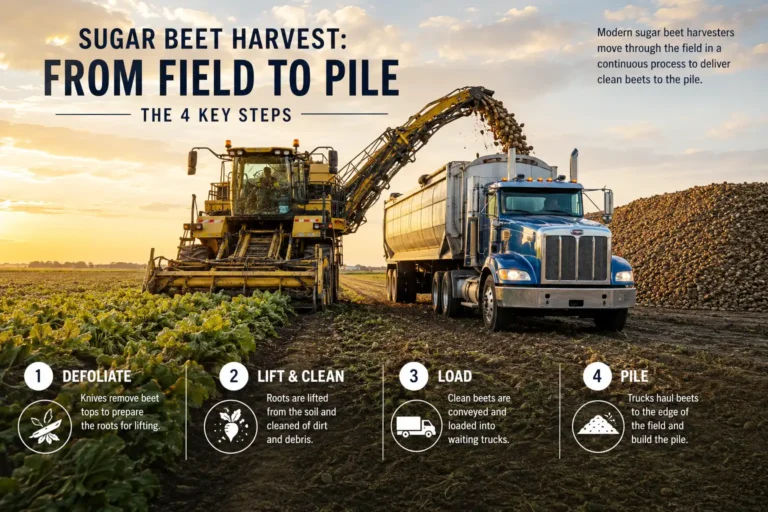
Sugar beet harvest and hauling bring a lot of moving iron and heavy loads.
- Keep people away from beet piles and loading zones. A rolling beet or shifting pile edge injures fast.
- Use high-visibility habits around harvesters and trucks. Blind spots stay large on beet equipment.
- Handle crop protection products with full label discipline. Wear the right gloves, eyewear, and respirator style for the product. This site’s PPE and farm safety gear section helps you match gear to the job.
Conclusion
Sugar beets grow where temperature patterns support a long season with moderate days and cooler nights, soils stay deep and well drained, and a processing outlet sits close enough to keep hauling and timing practical. Europe and North America hold the largest production blocks, and U.S. production centers around a few factory-linked regions like the Red River Valley and irrigated western valleys. If you run the location checklist above, you will know quickly whether your farm fits sugar beets or whether another crop fits your ground better.