Natural Pest Control for Crops: Safe Options That Actually Work

Natural pest control works when a farmer prevents pest buildup, scouts fields on a schedule, and uses targeted biological, cultural, and physical controls before pests cross a damage threshold. This guide covers a start-to-finish workflow: how to identify the pest, break its life cycle, protect beneficial insects, choose low-risk products, apply them safely, and track results so next season improves.
What “natural pest control” means on a working farm
Natural pest control is a pest management system that reduces pest damage by using ecology, timing, and targeted products with lower risk to people and beneficials.
A natural plan focuses on:
- Prevention: the field setup blocks pest build-up.
- Monitoring: the grower finds pests early through scouting.
- Decision points: the grower treats only when damage trends upward.
- Targeted actions: the grower uses physical, biological, and botanical tools that match the pest.
Crop farming pest control goes smoother when you scout, confirm the pest, and treat only when pressure reaches a level that threatens the crop. If you’re unsure whether the damage is from insects or infection, compare what you see against typical field crop disease symptoms before you treat so you don’t chase the wrong problem.
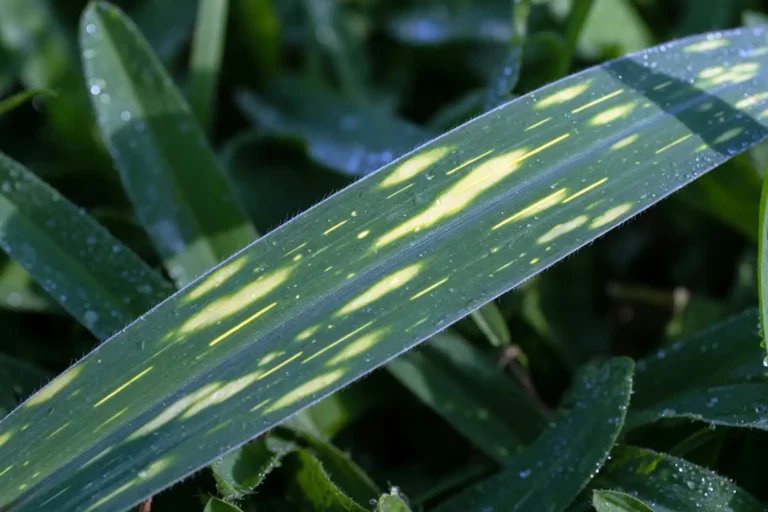
Also know: Sugarcane Mosaic Virus
Start-to-finish workflow for natural pest control
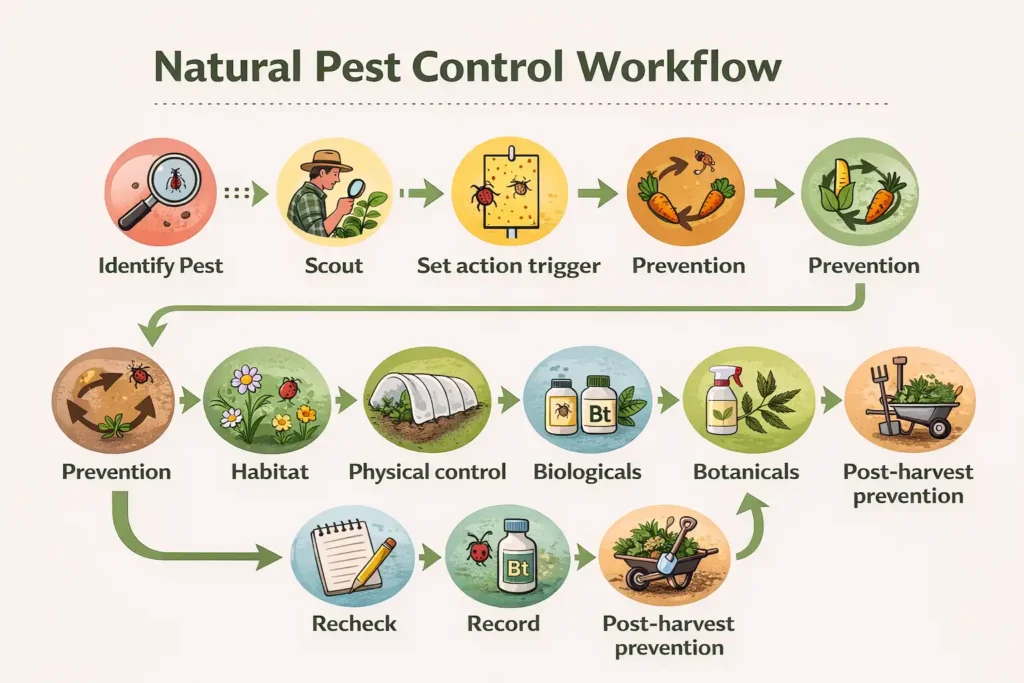
This workflow runs from pre-plant to post-harvest. Each step builds on the last one.
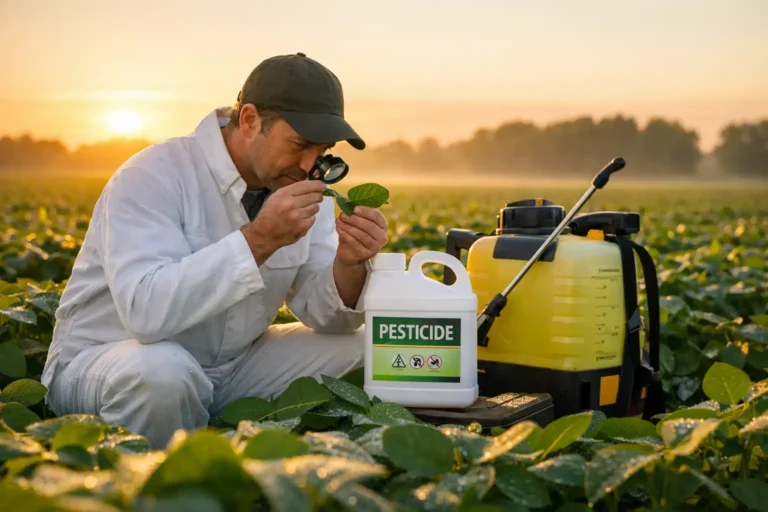
When you do need to apply a product, follow safe pesticide mixing and spraying practices to protect your skin, eyes, lungs, and the beneficial insects you’re trying to keep in the field.
Step 1: Confirm the pest and the damage
Accurate ID drives the right action. Different insects leave different damage patterns.
Use this quick field method:
- Look at the plant part that fails first. New growth, lower leaves, roots, fruit, or stems.
- Check the underside of leaves and the growing point. Many sap-feeders hide there.
- Search for frass, webbing, egg clusters, and cast skins. These signs narrow the suspect list.
- Inspect at two times: early morning and late afternoon. Activity changes with heat and light.
- Separate pest injury from nutrient stress. Nutrient issues hit a pattern across the field.
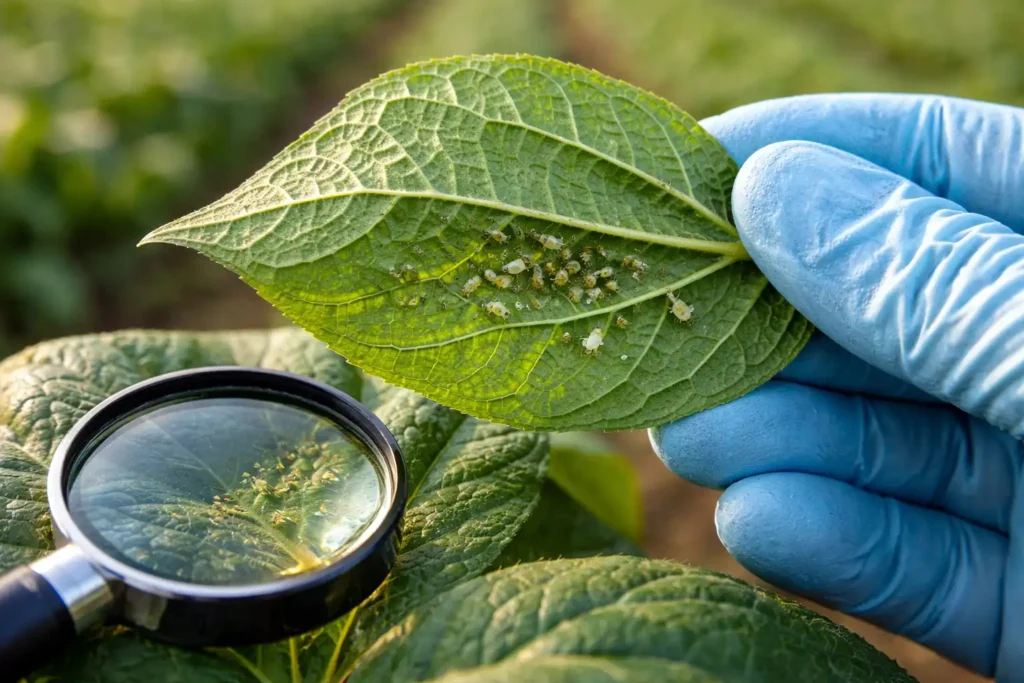
Write the ID in a notebook with the crop stage and weather. That record saves time next week.
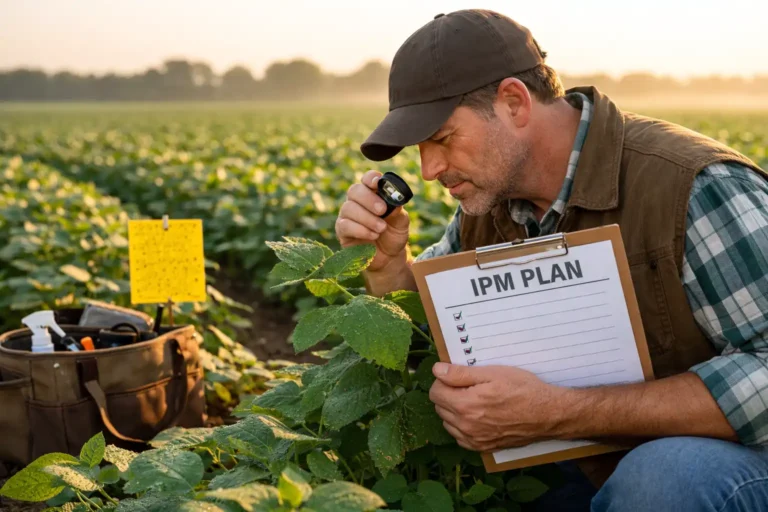
Step 2: Scout on a schedule, not by panic
Scouting prevents surprise outbreaks. A schedule keeps the work honest.
A practical routine:
- Walk the field edge and the interior.
- Stop at multiple points and check a set number of plants each stop.
- Record pest presence, beneficial presence, and fresh damage.
Scouting also reveals weed pressure that shelters insects. Pair this with your weed plan from weed control practices.
Step 3: Set an action trigger
An action trigger is the point where damage trend threatens yield or market quality.
A simple trigger uses three facts:
- Pest numbers rise week to week.
- Damage expands to new plants or new field zones.
- Beneficial insects stay low or arrive late.
This trigger stops “spray-and-hope” habits and protects beneficials.
Step 4: Block pests with cultural control
Cultural control changes field conditions so pests struggle to reproduce.
High-value cultural moves:
- Crop rotation breaks host cycles. Rotation disrupts pests that specialize in one crop family.
- Planting date adjustment dodges peak flights. Timing reduces egg-laying pressure.
- Balanced fertility reduces soft growth. Overfed plants attract sap-feeders.
- Irrigation timing reduces stress. Stressed plants leak sugars and invite pests.
For plant vigor and balanced nutrition, align your plan with soil fertility practices.
Step 5: Use sanitation to remove pest factories
Sanitation removes breeding sites. This step looks boring and pays big.
Sanitation actions that work:
- Remove volunteer plants that host pests.
- Destroy heavily infested crop residue when practical.
- Clean equipment when moving between fields.
- Keep field borders mowed where rodents and some insects stage.
Step 6: Build habitat for beneficial insects

Beneficial insects reduce pest populations by predation and parasitism.
Useful beneficial groups:
- Lady beetles and lacewings consume aphids and small soft-bodied pests.
- Syrphid fly larvae consume aphids.
- Parasitic wasps reduce caterpillars and aphids through egg-laying.
- Predatory mites reduce spider mites in some systems.
Habitat practices:
- Plant flowering strips with staggered bloom periods.
- Avoid broad-spectrum sprays that wipe out predators.
- Keep dust down on field roads, since dust favors mites.
Step 7: Add physical and mechanical controls

Physical control blocks pests from reaching the crop or removes them directly.
Options by situation:
- Row covers block early-season insects on vegetables and small plots.
- Sticky cards track flying pests in high tunnels and small fields.
- Hand removal works for egg masses and early caterpillars in small acreage.
- Traps and barriers reduce some crawling pests and rodents.
Mechanical tools also support clean, consistent application when sprays enter the plan. See CropFarming’s sprayers and application gear for setup and handling.
Step 8: Use biological controls when pressure rises
Biological control uses living organisms or microbes to suppress pests.
Field-relevant biological tools:
- Bt (Bacillus thuringiensis) targets many caterpillars when applied to small larvae on leaf surfaces.
- Beauveria bassiana infects some insects when humidity and coverage fit.
- Beneficial nematodes target some soil-dwelling stages in moist soil.
- Predatory insects and mites fit protected culture and some high-value systems.
Biological tools work best with good timing and good coverage. They perform poorly when applied too late.
Step 9: Use botanicals and “soft” products with precision
Botanical and low-toxicity materials require pest contact and repeat timing. Coverage and intervals drive results.
Common natural-active options:
- Neem-based products affect feeding and development in some soft-bodied insects.
- Horticultural oils smother eggs, mites, and some scale stages when coverage hits the target.
- Insecticidal soaps disrupt cell membranes of soft-bodied pests on contact.
- Kaolin clay reduces feeding and egg-laying on some crops by creating a particle film.
Key rules for these products:
- Spray at cooler parts of the day to reduce leaf injury.
- Hit the underside of leaves when pests live there.
- Recheck in 48 to 72 hours for active pests and fresh feeding.
Step 10: Protect pollinators and your crew during any application
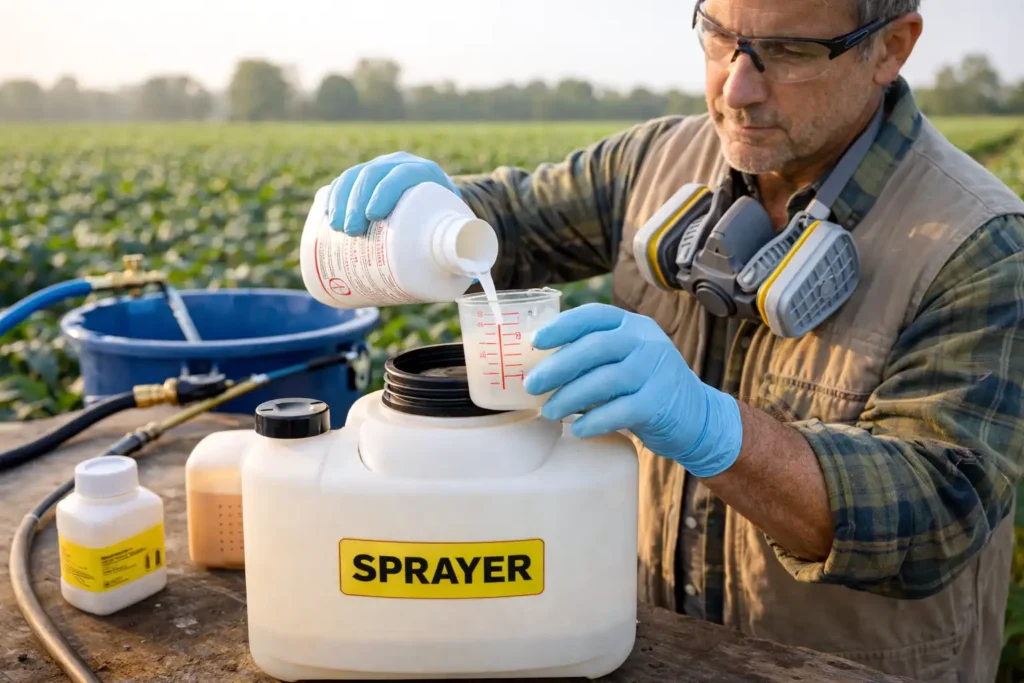
Natural does not mean harmless. Oils, soaps, and botanicals still irritate skin, eyes, and lungs.
Safety actions that stay non-negotiable:
- Wear gloves, eye protection, and a respirator if the label calls for it.
- Mix in a ventilated area and avoid splash risk.
- Keep people and animals out of treated areas until sprays dry.
- Spray when bees stay out of the crop, often early morning or late evening.
Use a consistent PPE kit from farm safety and PPE guidance.
Step 11: Confirm results and adjust the plan
Natural pest control improves through feedback.
After any action:
- Scout the same spots you scouted before treatment.
- Record pest count trend and beneficial count trend.
- Note weather conditions, since humidity and heat change performance.
- Change one variable at a time next round: timing, coverage, or product choice.
Step 12: Close the season with prevention work
Post-harvest actions reduce next year’s pressure.
End-of-season practices:
- Remove cull piles that breed flies and beetles.
- Manage residue based on your crop and pest profile.
- Plan rotation and planting windows early.
- Fix drainage and compaction that weaken roots.
Natural pest control by pest type
Different pests require different “best first moves.”
Aphids and other sap-feeders
Aphids build fast on tender growth. Ants often protect aphids for honeydew.
Best sequence:
- Reduce excess nitrogen that drives soft growth.
- Use strong water sprays in small plots.
- Support predators with flowering habitat.
- Use soap or oil with full leaf coverage when colonies expand.
Caterpillars
Caterpillars do the most damage once they get big.
Best sequence:
- Scout for eggs and tiny larvae.
- Apply Bt early when larvae stay small.
- Use row covers on vulnerable crops during peak egg-laying periods.
- Remove heavily infested leaves in small plantings.
Spider mites
Mites explode in heat and dust.
Best sequence:
- Reduce dust and plant stress.
- Scout undersides for stippling and webbing.
- Use oils with careful label timing and good coverage.
- Avoid harsh sprays that kill predatory mites.
Soil pests and nematodes
Soil pests hide damage until plants stall.
Best sequence:
- Rotate away from host crops.
- Improve soil structure and drainage for healthier roots.
- Use organic matter and cover crops that support soil food webs.
- Apply beneficial nematodes when soil moisture stays steady.
Slugs and snails
Slugs thrive in wet cover and heavy residue.
Best sequence:
- Reduce damp hiding zones near seedlings.
- Improve surface drying through spacing and residue management.
- Use traps in small areas to confirm activity.
- Time any bait products to active periods if they enter your system.
Rodents and birds
Vertebrate pressure often spikes near habitat edges.
Best sequence:
- Mow borders and remove shelter zones.
- Use exclusion netting on high-value crops.
- Harvest on time to reduce long exposure.
- Use traps and deterrents where legal and practical.
Common mistakes that derail natural pest control
- The grower treats without confirming the pest.
- The grower sprays once and stops scouting.
- The grower targets adults while larvae keep feeding.
- The grower sprays during bloom and harms pollinators.
- The grower ignores weeds that host pests at field edges.
- The grower underestimates coverage on leaf undersides.
Troubleshooting guide
Problem: Natural sprays “do nothing.”
Cause often comes from poor coverage or late timing. Fix the nozzle setup, slow ground speed, and target small life stages.
Problem: Pests return one week later.
Cause often comes from repeated egg hatch. Add follow-up scouting and time a second application to the hatch window.
Problem: Leaves burn after oils or soaps.
Cause often comes from heat, drought stress, or mixing conflicts. Spray during cooler periods and follow label mixing rules.
Problem: Beneficial insects disappear.
Cause often comes from broad sprays or repeated applications. Narrow the target, reduce frequency, and rebuild habitat food sources.
A practical weekly checklist during the season
- Walk the field and record pest and beneficial activity.
- Flag hotspots with tape or GPS notes.
- Remove isolated infestations early when feasible.
- Tighten irrigation and fertility to reduce stress and excess growth.
- Use targeted products only when the damage trend rises.
Bottom line
Natural pest control works when the grower runs a system: identify the pest, scout consistently, set an action trigger, and use prevention first. Habitat, sanitation, and plant health reduce pressure before any spray enters the conversation. When sprays fit the plan, timing and coverage decide the outcome. Keep records, protect pollinators, and adjust one variable at a time. That is how natural control stays reliable across seasons.