When to Plant Onions in Georgia (Dates by Region)
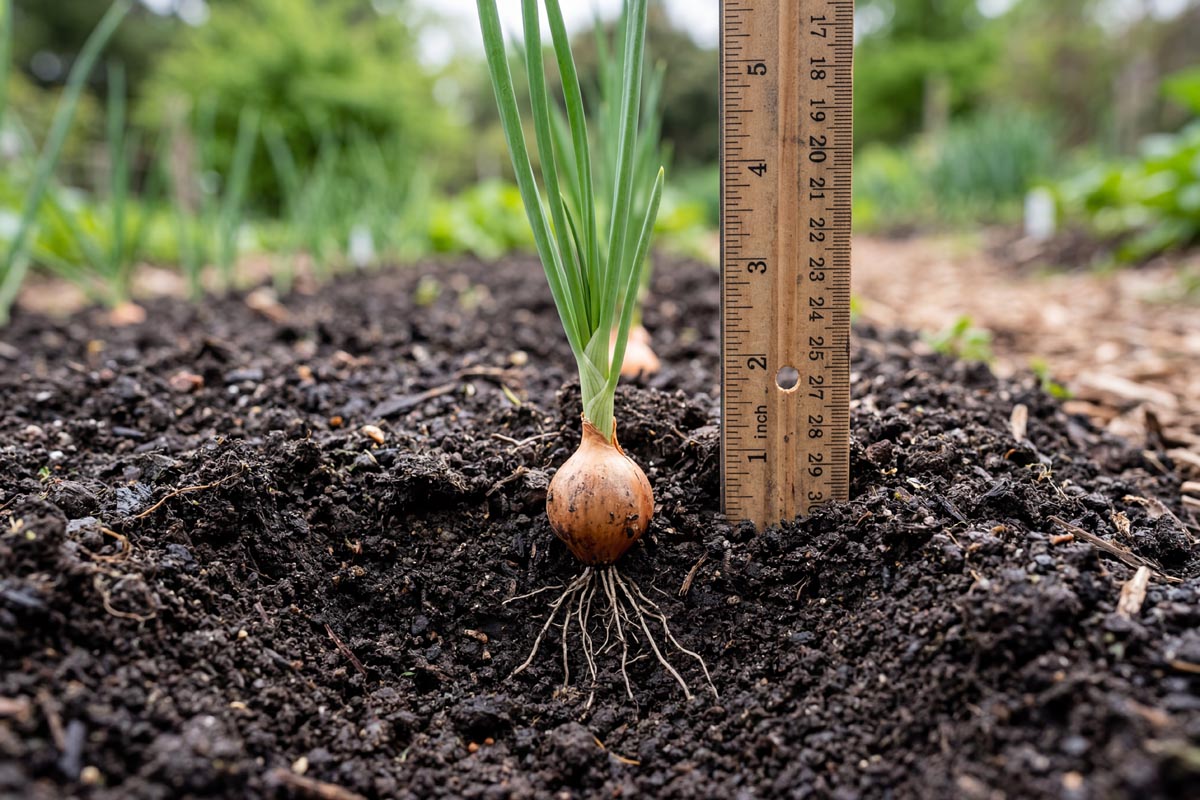
Georgia gardeners plant onions from late fall through early spring, depending on the region. This guide covers planting dates by zone, variety picks, soil prep, and harvest timing so you get full-sized bulbs every season.
Plant onion transplants in south Georgia from October through November. Middle Georgia, plant from January through mid-March. North Georgia, late January through March. Short-day varieties perform best statewide because Georgia’s day length triggers bulbing in spring.
Why Day Length Matters for Georgia Onions
Onions form bulbs based on daylight hours, not temperature. The University of Georgia Cooperative Extension groups onions into three classes. Short-day onions bulb at 10 to 12 hours of daylight. Intermediate-day types bulb at 13 to 14 hours. Long-day onions need 15+ hours.
Georgia sits in USDA zones 6 through 9. Most of the state hits 10 to 12 daylight hours by March and April. That lines up with the short-day bulbing window.
Long-day onions will not form bulbs here. The summer daylight does not reach 15 hours before heat stress kicks in. Stick with short-day or intermediate-day types.
When to Plant Onions in Georgia by Region
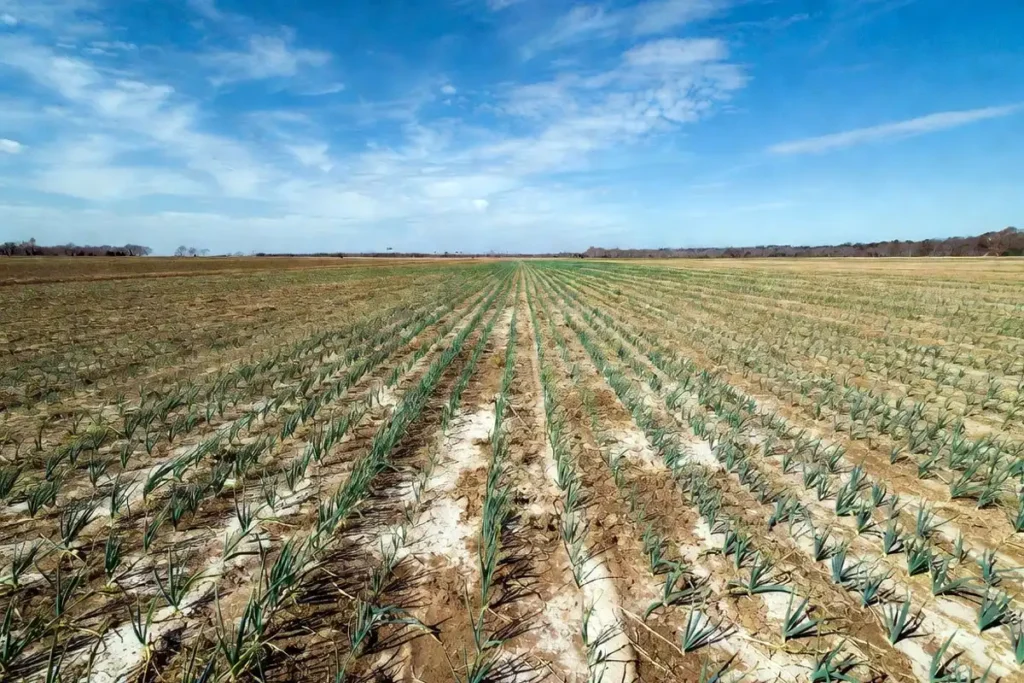
Planting dates shift 2 to 3 weeks depending on your location.
South Georgia (below Macon): Set transplants mid-October through late November. Commercial Vidalia growers plant from November 1 through mid-December. Seeds go into seedbeds in September.
Middle Georgia (Columbus to Augusta): Plant transplants January 1 through March 15. Fall seed sowing runs October 10 through November 10. These dates come from the UGA Vegetable Planting Chart (Circular 963).
North Georgia (above Atlanta): Add 1 to 3 weeks to the middle Georgia dates. Transplants go in late January through late March.
Keep a crop planting calendar pinned in the barn. It helps track these windows without guessing.
What Onion Varieties Grow in Georgia
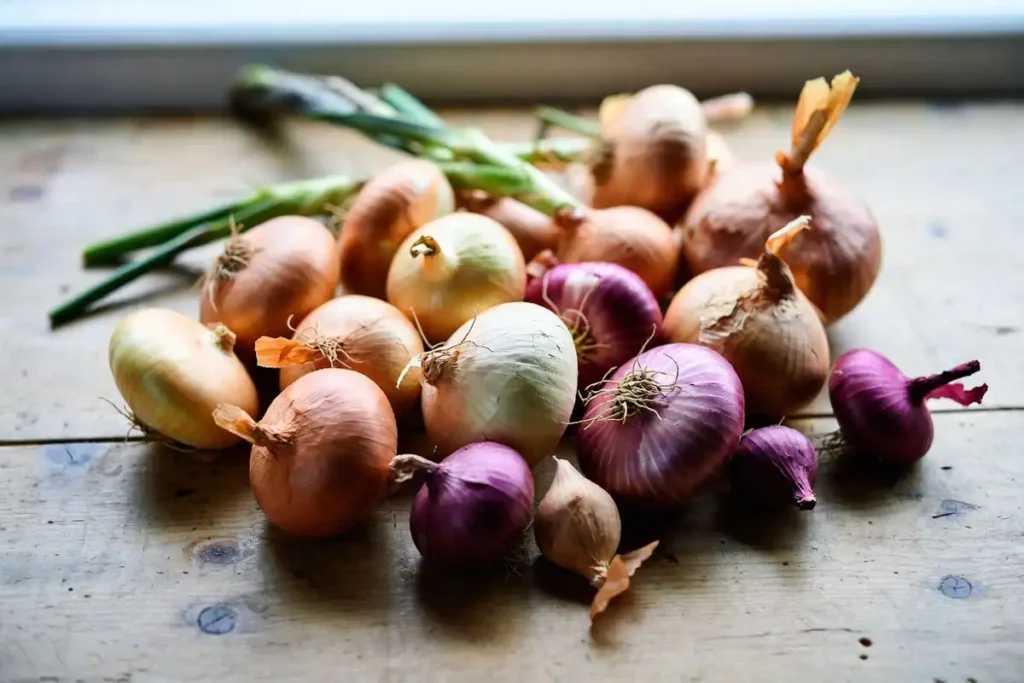
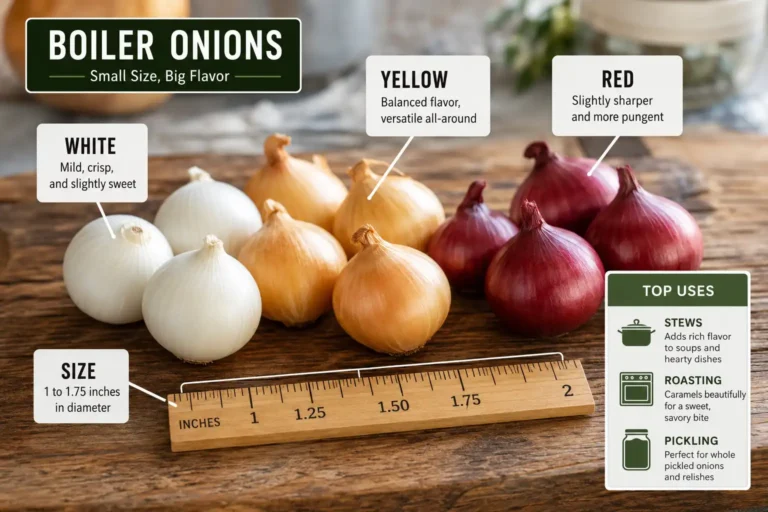
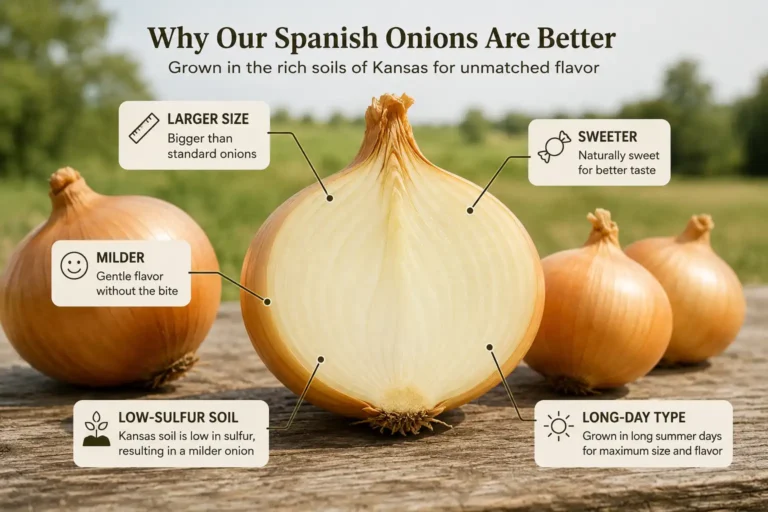
Yellow Granex is the variety behind Vidalia onions. It produces flat, sweet bulbs, especially in low-sulfur soils. The UGA Vidalia Onion Production Guide confirms all commercial Vidalias are Yellow Granex hybrids.
Savannah Sweet offers good disease tolerance with a round bulb. Georgia Boy produces large, sweet, flat bulbs. Red Creole and Burgundy are solid red onion options. Intermediate-day types like Candy also grow here but harvest closer to June.
If you want to grow onions from seed, start indoors 5 to 6 weeks before your transplant date. Seeds germinate best at 70°F soil temperature.
Where to Plant Onions in Your Garden
Pick a spot with 8 to 10 hours of direct sun. Onions need well-drained soil. Georgia’s Piedmont clay benefits from raised beds. South Georgia’s sandy loam drains naturally and produces sweeter onions due to low sulfur content.
Aim for soil pH between 6.0 and 6.5. Run a soil test through your county Extension office before planting. If pH is low, apply dolomitic lime at least a month ahead.
How to Plant Onions in Georgia: Step by step
Step 1: Prepare the Soil
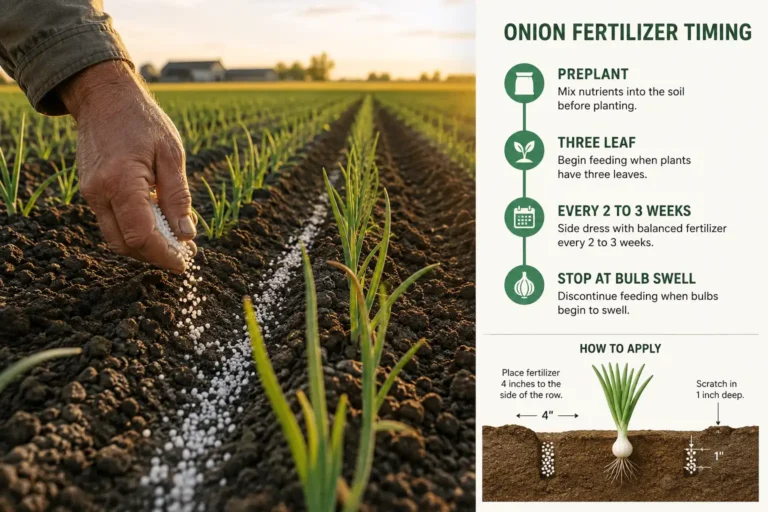
Loosen the soil and mix in 2 inches of compost. Apply 10-10-10 fertilizer at 1.5 pounds per 100 square feet. Rake smooth.
Step 2: Pick Your Planting Method
Transplants (pencil-sized seedlings) give the best results in Georgia. This is what commercial growers use.
Sets (small bulbs) work for green onions but often bolt before forming a full bulb. Long-day sets from big box stores perform poorly here.
Seeds need the longest lead time. Sow in September for fall transplant or January for late-winter transplant.
Step 3: Plant at the Right Depth
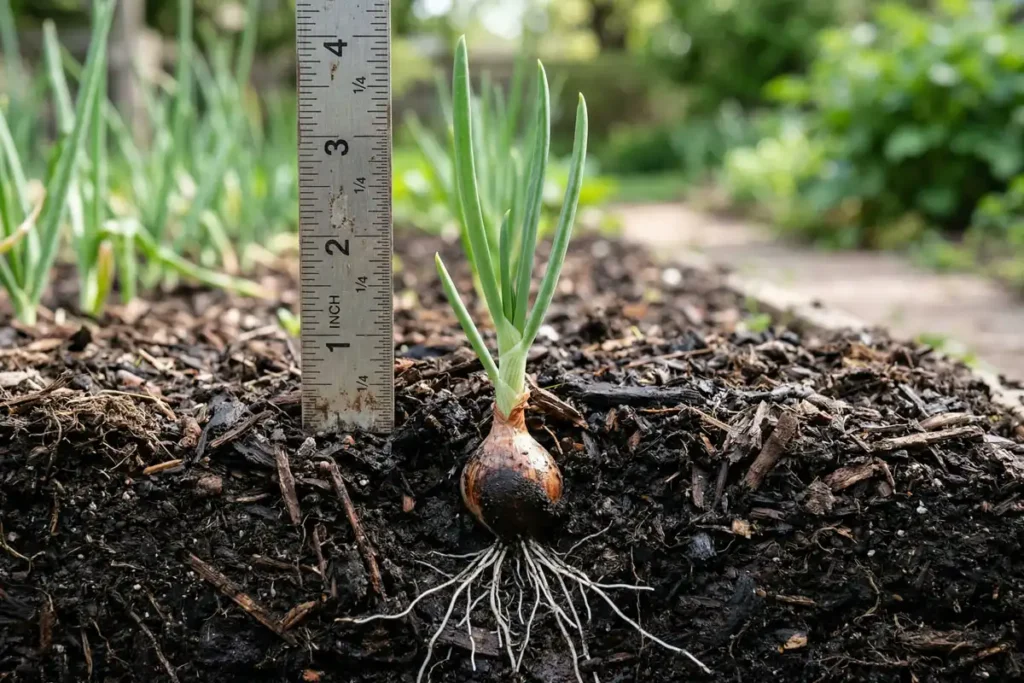
Set transplants 1 inch deep. Do not bury them deeper. Onions grow partially above the soil, and a buried onion will not bulb properly.
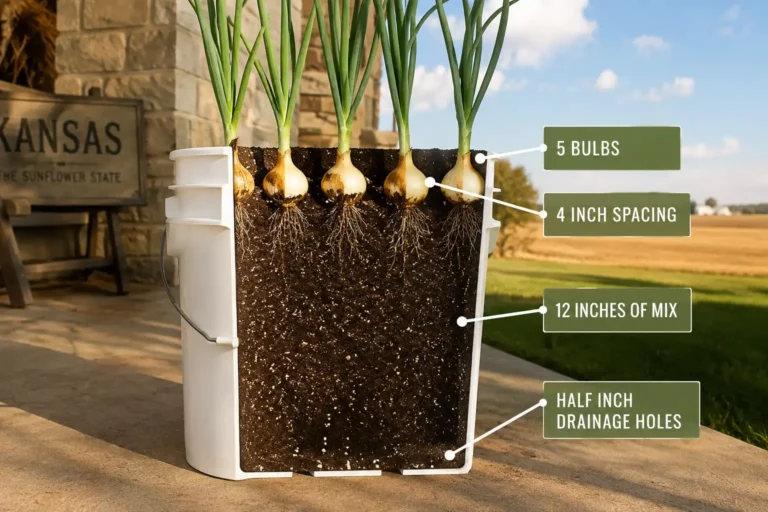
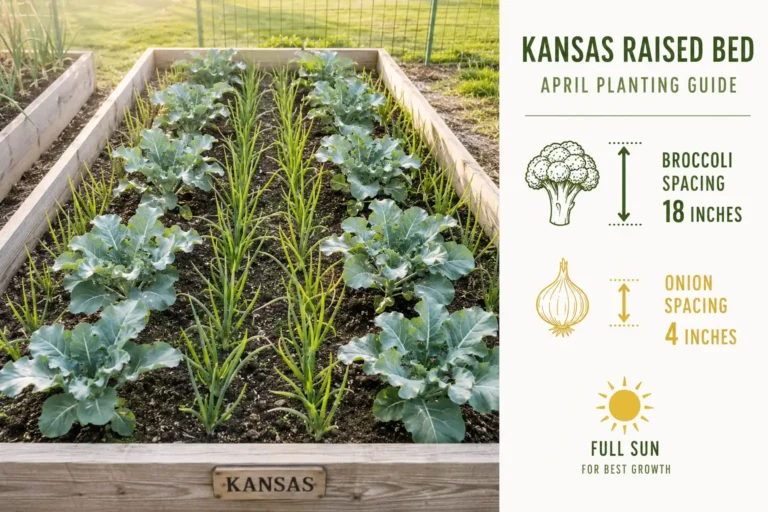
Space plants 3 to 4 inches apart for dry bulbs. Leave 12 to 18 inches between rows. For green onions, space 1 to 2 inches apart and pull every other one early.
Step 4: Water and Mulch
Soak the bed right after planting. Apply 2 to 3 inches of straw mulch to hold moisture and suppress weeds.
Caring for Onions After Planting
Onions have shallow roots and need about 1 inch of water per week. Drip irrigation works better than overhead sprinklers because wet foliage invites fungal problems. Our crop water guide covers water estimating.
Side-dress with nitrogen fertilizer when plants reach 12 inches tall. Each leaf equals one ring in the bulb. More leaves before bulbing means bigger onions.
Hand-pull weeds carefully. Onions compete poorly against weeds, and their shallow roots damage easily.
When to Harvest Onions in Georgia
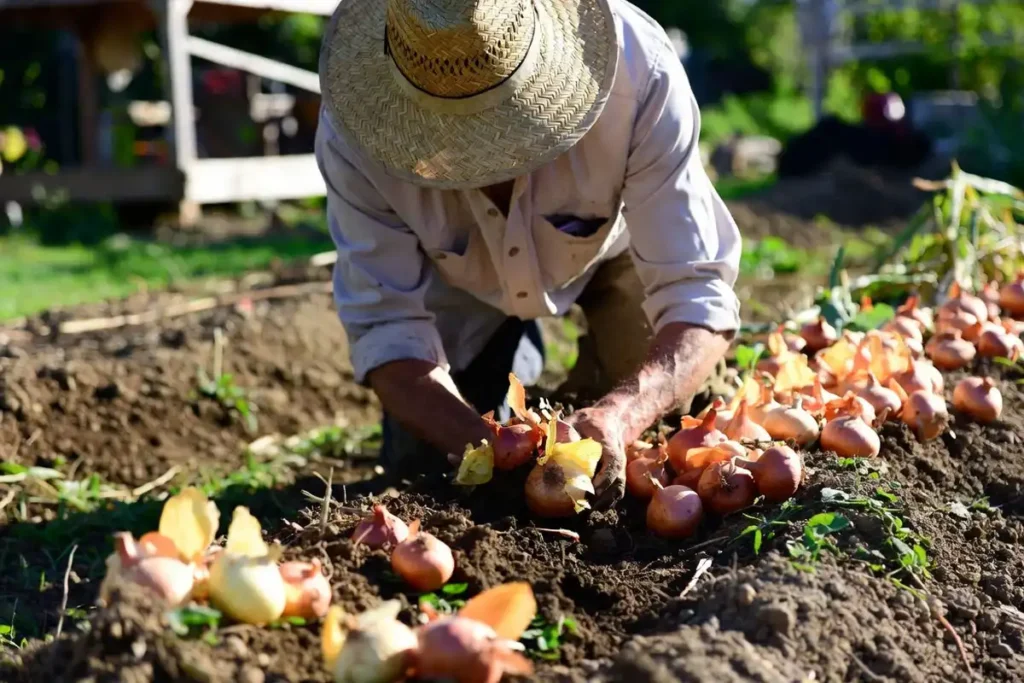
Georgia onions reach harvest from late April through June.
Watch for the green tops to yellow, weaken, and fall over. When about two-thirds of the tops have dropped, the bulbs are ready. Pull them on a dry morning. Cure in a shaded, ventilated area for 2 to 3 weeks. Trim roots and tops, then store in mesh bags in a cool, dry place.
Short-day onions hold more water than long-day types. Use them within 1 to 3 months after curing.
Common Mistakes to Avoid
Planting long-day varieties. They will not form bulbs in Georgia. Always check for “short-day” on the label.
Planting too late. Onions need leaf growth before bulbing starts in March. Late transplants produce small bulbs.
Burying transplants too deep. One inch is the target. Deeper planting blocks bulb formation.
Skipping nitrogen. Onions are heavy feeders. Low nitrogen limits leaf growth, which directly shrinks bulb size.
FAQs on Georgia Onion Planting
Can I plant onions in the fall in Georgia?
What is the best onion to grow in Georgia?
How late can I plant onions in Georgia?
Do onions need full sun in Georgia?
Can I plant garlic and onions at the same time in Georgia?
Last Notes
Georgia’s mild winters and moderate day length create ideal conditions for growing short-day onions. Get your transplants in the ground during the correct window for your region, keep the soil fertile and moist, and you will pull sweet, full-sized bulbs by late spring. Start with proven varieties like Yellow Granex or Savannah Sweet, and adjust your timing each season based on what your local weather delivers.