How to Start a Crop Farm: 8 Budget-Savvy Rules That Work
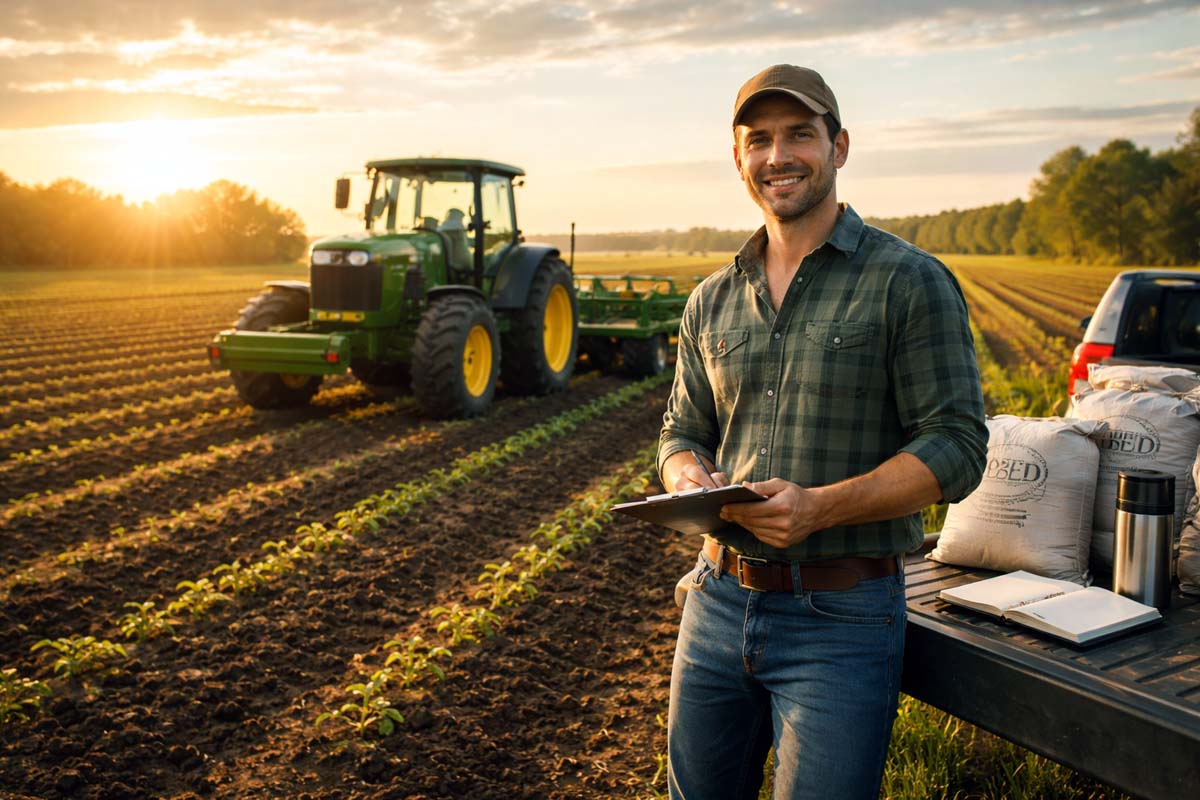
Start a crop farm by securing land, choosing one profitable crop for your area and market, building a per-acre budget, testing and correcting your soil, lining up the right equipment (or custom hire), and following a simple planting–scout–spray–harvest schedule with tight records.
In 2026, land costs, input bills, and weather risk punish sloppy planning.
A profitable start comes from one crop plan, one market plan, and tight field timing.
This guide lays out the steps to help new growers start clean and avoid the expensive “learn it the hard way” season.
What does it take to start a crop farm?
Starting a crop farm takes land access, a sellable crop plan, a per-acre budget, and a simple operating calendar. A new farm wins by doing fewer acres with better timing. A new farm loses by buying too much equipment and planting before the business plan exists.
Know more: How to Establish a Crop Farm: 6 Budget-Smart Basics
How do you pick a crop that sells in your area?
You pick a crop by matching your soil, your growing season, and a real buyer. Call three buyers first. Ask what grades, moisture, packaging, and delivery windows they pay for. Then pick the crop that fits your field work capacity and cash flow.
If you need crop-specific starting points, use the site’s crop guides for planning and terminology.
How do you secure land without getting trapped?
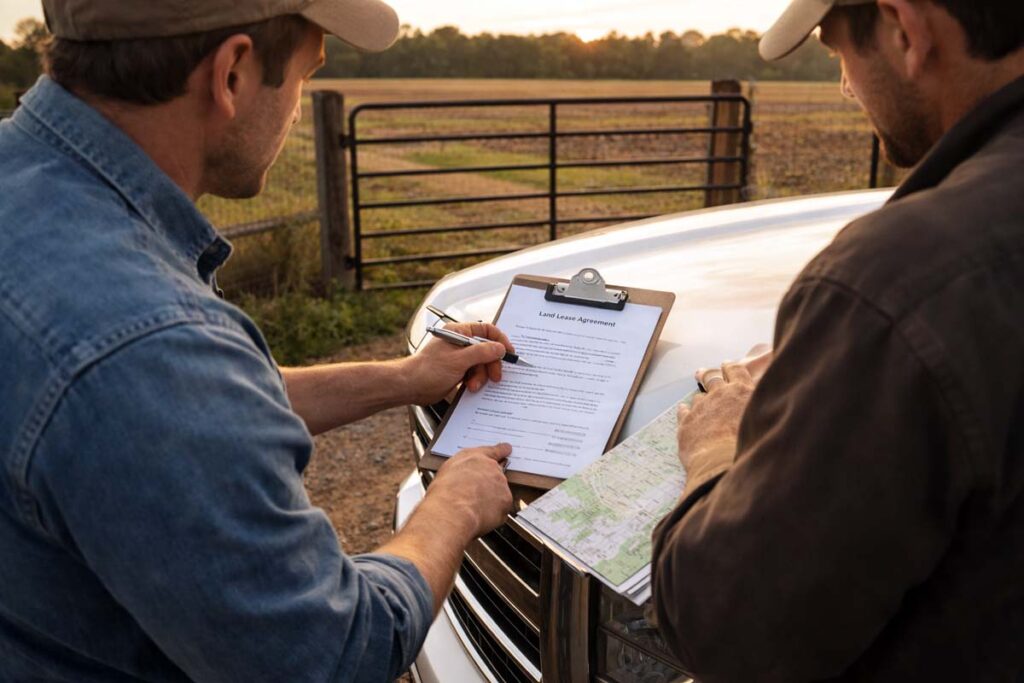
You secure land by getting terms in writing and keeping your first deal simple. A first-year lease works best when it spells out who pays for lime, who owns residual fertility, and what happens after a wet harvest. A “handshake” lease turns into a fight when prices change.
How do you build a first-year budget that actually works?
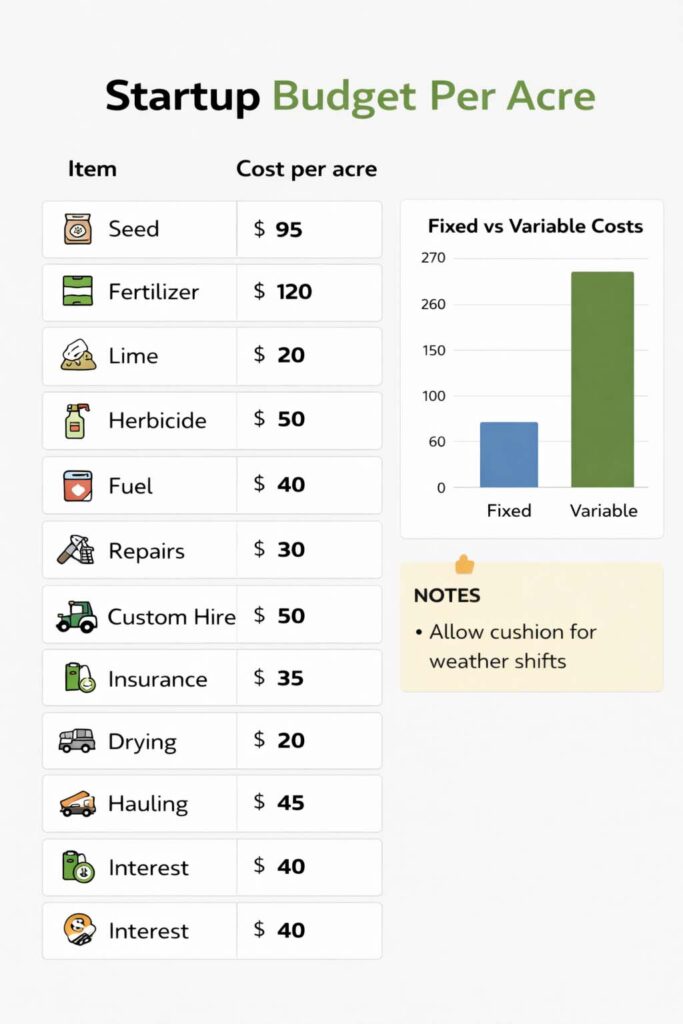
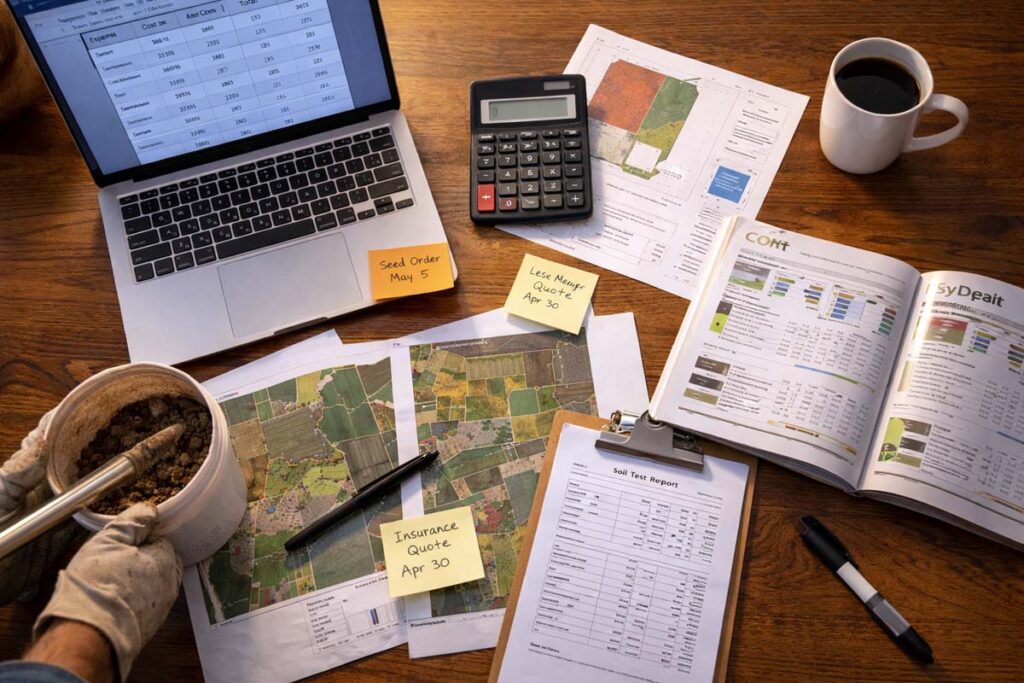
You build a first-year budget by pricing the season per acre, not by guessing a whole-farm number. List seed, fertility, crop protection, fuel, repairs, hauling, drying, and insurance. Add a repair cushion for hoses, bearings, tires, and sprayer parts.
A budget stays useful when you track every pass and every rate in-season, not after harvest.
What soil tests do you run before you plant?
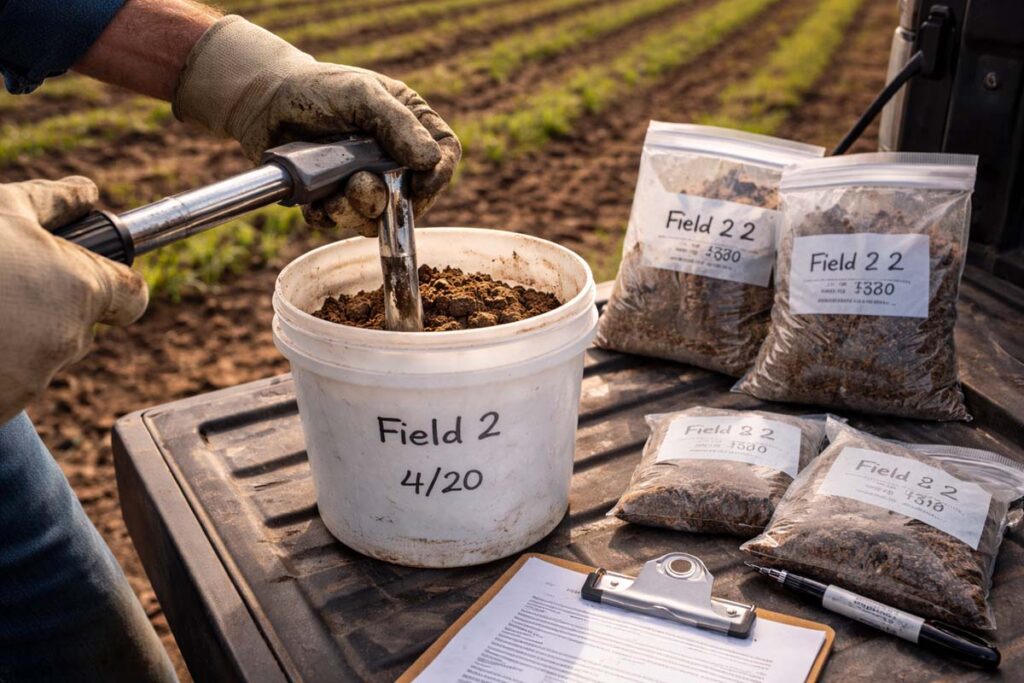
You run a baseline soil test for pH, phosphorus, potassium, and organic matter. Pull 15–20 cores per management zone at a consistent depth, then keep the results tied to a field map. Correct pH first. A clean pH makes every fertilizer dollar work harder.
For tools and process, start with soil testing and measuring tools and the soil fertility practices hub.
How do you plan water and drainage for a new field?
You plan water by identifying where the field sheds water and where it holds water. Walk the field after a rain. Mark ponding spots, compacted turn rows, and erosion channels. In dry areas, residue management and weed control timing protect moisture better than last-minute fixes.
If irrigation exists, write down flow rate, coverage, and repair parts before the season starts.
What equipment do you actually need to start?
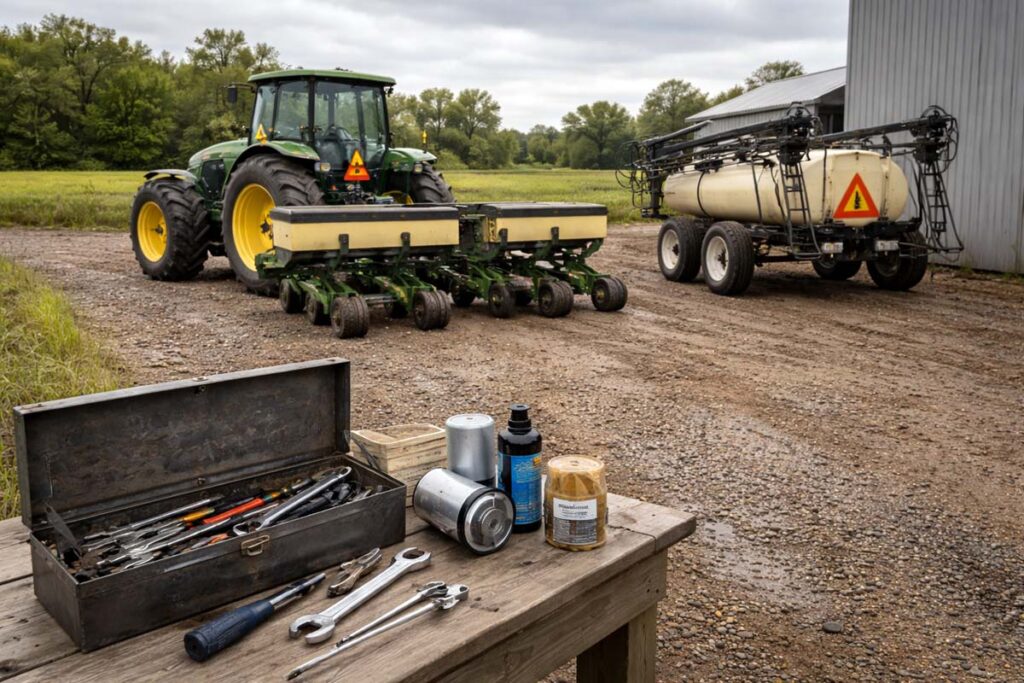
You need equipment that hits timing, not equipment that looks impressive. A new crop farm needs a dependable planting setup, a safe spray setup, and a harvest plan. Many beginners pencil out with custom harvest and owned “in-season” tools, because breakdowns during planting and spraying cost more than the payment saved.
Use these hubs to match tools to your acres:
How do you set up weed control without wasting money?
You set up weed control by choosing a system and running it on schedule. Weed control fails when the first pass gets delayed. Start clean, then layer control based on crop stage and weed size. Record product, rate, water volume, wind, and temperature every time.
For step-by-step planning, use the weed control practice hub.
How do you scout a field like a pro in year one?
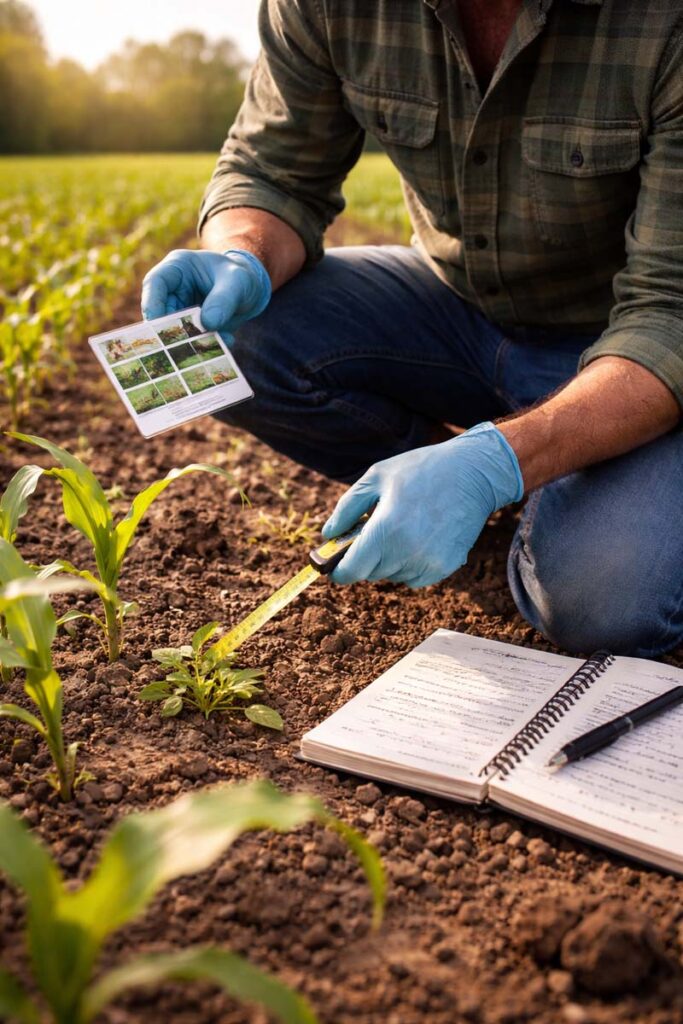
You scout by walking the same pattern every week and writing down what you see. Count stand density in a measured length of row. Note weed species and height. Check for insect feeding and early disease. Flag trouble spots on a map so the next pass targets the problem instead of the whole field.
Scouting keeps a small farm efficient because it prevents “blanket decisions.”
How do you handle pests and disease without guessing?
You handle pests and disease by identifying the issue, confirming pressure level, and matching the fix to the growth stage. Take clear photos, check field history, and look for patterns tied to low areas, edges, or compacted zones. A good decision uses timing and threshold logic, not panic sprays.
Start here for a system approach:
What does harvest and storage planning look like for beginners?
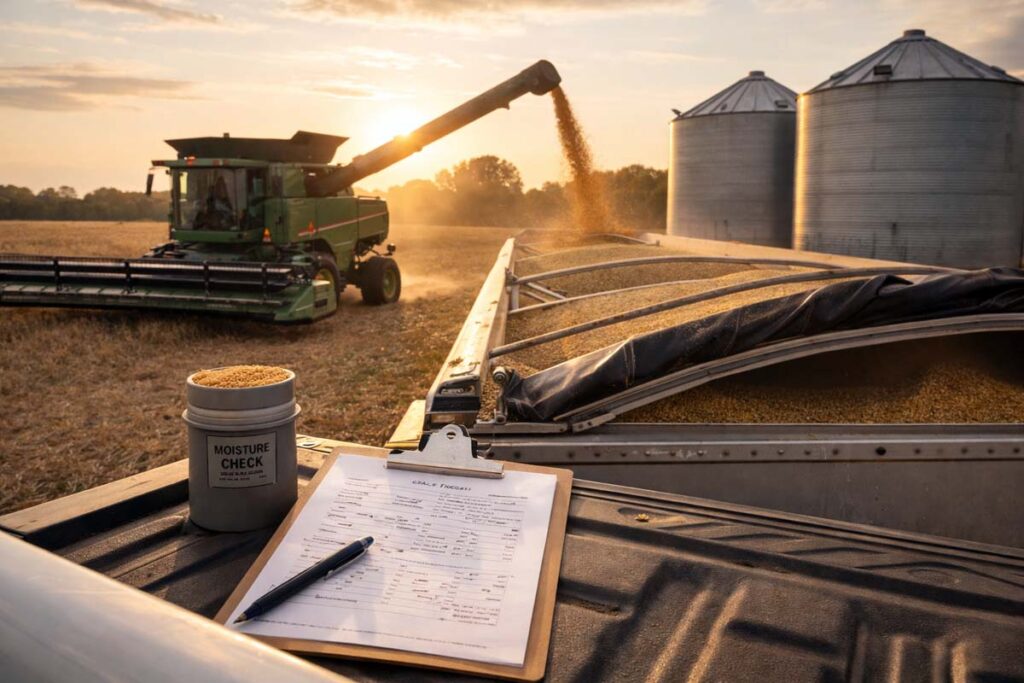
Harvest planning starts before planting because it controls cash flow and loss risk. Line up harvest help, trucks, storage, and drying before the first acre goes in. Keep grain moisture tools ready. Store only when the math supports it: storage cost, shrink, interest, and expected price move.
Use this hub to build your checklist:
How do you sell your crop without getting burned?
You sell your crop by knowing your buyer specs and writing pricing rules before harvest stress hits. Pick a method you execute: cash sales, contracted sales, or stored sales. Price in chunks tied to dates or field milestones. Document expected production conservatively to avoid overselling.
A marketing plan stays simple when it stays written.
What records matter most in the first season?
The records that matter most are field operations, input rates, yield, moisture, and repair costs by machine. A new farm improves fast when it knows cost per acre and profit per acre by field. Keep one system that gets updated the same day the work happens.
What safety systems belong on every new crop farm?
Safety systems start with PTO discipline, chemical handling, and rollover protection habits. Store PPE where mixing happens. Lock out power before servicing augers or moving parts. Keep a clean water source for eye wash and a spill kit near the chemical area.
Use the site’s safety hub as your baseline checklist.
What is a clean 90-day plan to start a crop farm?
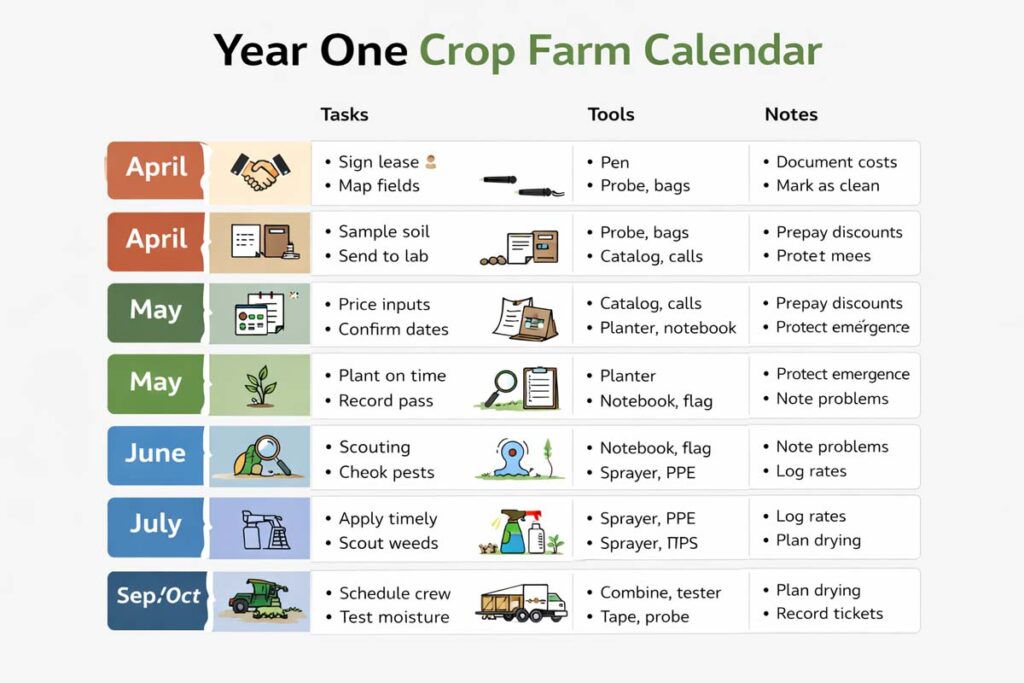
A clean 90-day plan locks land, buyer, budget, and soil data before major spending. It also builds a calendar that protects timing.
- Days 1–14: secure land terms, pick a buyer, map fields
- Days 15–30: soil test, set yield targets, build per-acre budget
- Days 31–60: order inputs, line up equipment and custom work, prep storage
- Days 61–90: finalize spray plan, set scouting schedule, stage parts and PPE
FAQs on Start a Crop Farm
How much money do you need to start a crop farm?
Is it better to lease or buy land first?
What is the biggest mistake new crop farmers make?
Bottom line
A crop farm starts successfully when it runs like a business from day one. Secure land in writing, pick a crop tied to real buyers, test the soil, budget per acre, and protect timing with simple systems. Do that, and the first harvest becomes a repeatable model instead of a one-time risk.