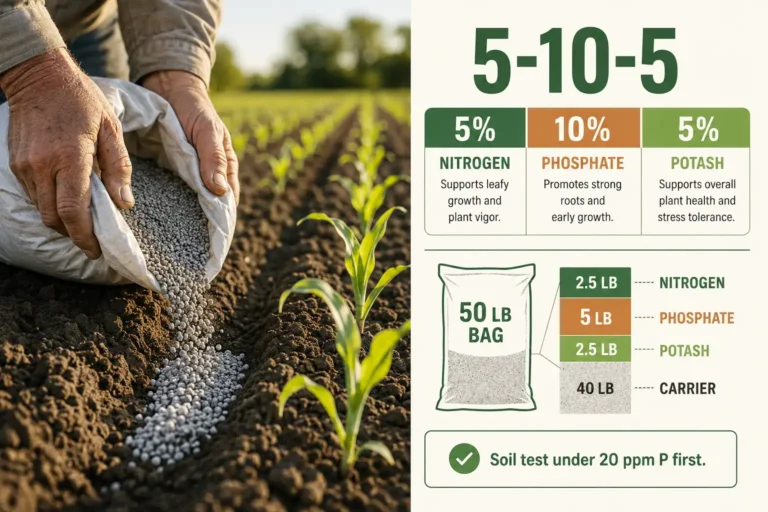
How to Improve Soil Fertility Naturally: 8 Smart Moves for Bigger, Steadier Yields

Improve soil fertility naturally by feeding soil biology, protecting soil structure, and balancing nutrients with simple, repeatable field habits. Fertile soil holds water, cycles nitrogen, and keeps roots breathing during heat and heavy rain. The goal is steady improvement, not a quick spike. Start with a soil test, then add organic matter, grow cover crops, keep living roots longer, and cut the tillage that burns residue. When you match those moves to your soil type and drainage, yields and consistency follow.
What does “soil fertility” mean on a working field?
Soil fertility means soil supplies plant nutrients and supports strong roots through water holding, airflow, and active biology. A fertile field cycles nitrogen, keeps phosphorus available, and stores potassium on clay and organic matter. Fertility also includes pH, compaction, and residue cover because each one controls nutrient uptake and root growth. (Semantic SOP reference: )
Crop farming soil preparation means you manage residue, correct compaction, and shape a seedbed that holds moisture without turning into clods.
Know more: Soil Testing for Farming: What to Test + How to Read Results
How do you know what your soil needs first?
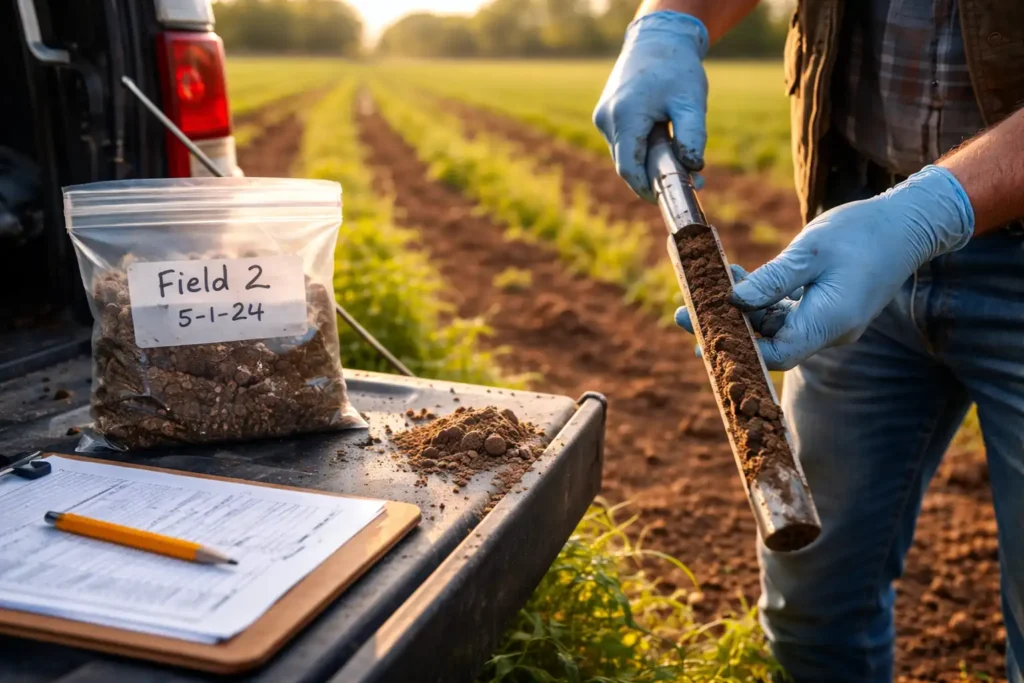
A soil test tells you pH and nutrient levels so you stop guessing and stop over-applying. Pull cores from a consistent depth across a management zone, mix them, and label them by field and date. Use the report to target lime, phosphorus, and potassium where they pay back. For sampling gear and field basics, see soil testing and measuring tools.
Safety note: Wear gloves and eye protection when handling soil test chemicals or lime dust. Use farm safety PPE when you spread dusty materials.
Learn more: Guide to Compost for Plants
What natural practices increase organic matter the fastest?
Organic matter rises when you add carbon and reduce how fast soil burns it off. Compost, well-managed manure, cover crop biomass, and crop residue all add carbon. Reduced tillage keeps that carbon in place by limiting oxygen flush and aggregate breakup. Keep the surface covered and keep roots growing longer to feed microbes with root exudates.
Good “carbon in” options (pick what fits your operation):
- Finished compost applied before a crop that uses steady nutrition.
- Manure with a tested nutrient analysis and a plan to prevent runoff.
- High-biomass cover crops that leave thick residue after termination.
- Leaving more stalk and leaf residue in place after harvest.
How do cover crops improve fertility without synthetic fertilizer?
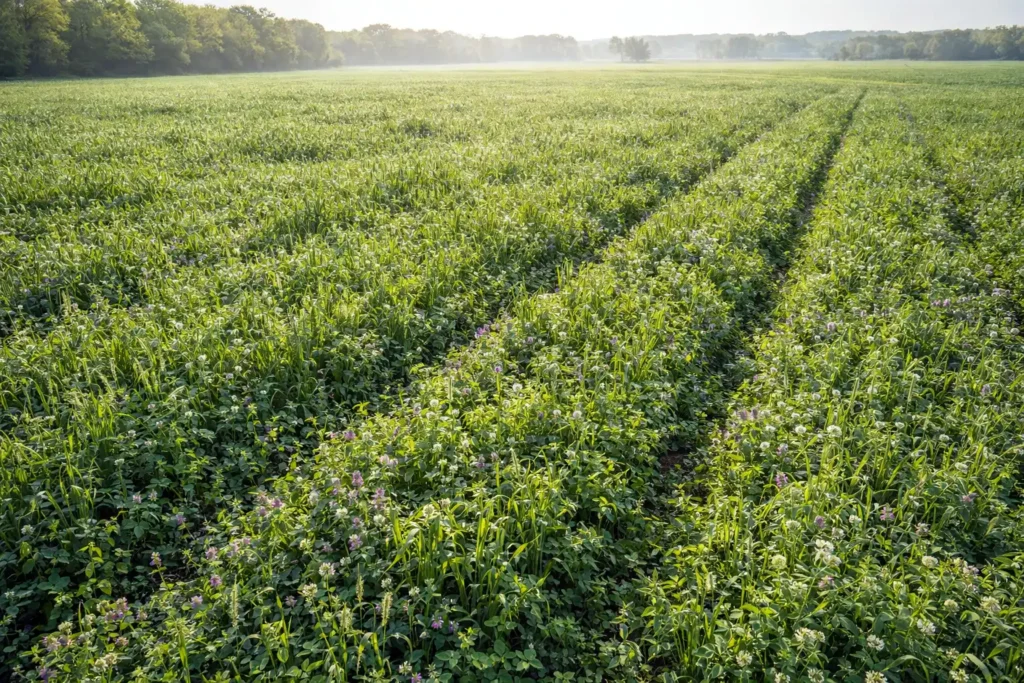
Cover crops improve fertility by capturing leftover nutrients, adding biomass, and building soil structure with living roots. Legumes add nitrogen through symbiotic bacteria in root nodules. Grasses scavenge nitrate and protect against erosion. Mixed species spread risk across weather swings and provide different root shapes for aggregation. For crop options, use the site’s legume crop guides and local extension seeding charts.
Practical mix examples you can manage:
- Rye + hairy vetch for spring nitrogen plus thick mulch.
- Oats + radish for fall growth and easier winter kill in cold zones.
- Clover frost-seeded into small grains for living cover after harvest.
How does crop rotation rebuild nutrient cycling?
Rotation rebuilds fertility by changing residue type, rooting depth, and pest pressure. Corn residue feeds different microbes than soybean residue. Deep-rooted crops pull nutrients from lower layers and leave channels for the next crop’s roots. Rotations also cut disease cycles, which keeps roots healthier and nutrient uptake steadier. If you plan a new system, compare notes with how to establish a crop farm to match rotation choices to labor and equipment.
How do you correct soil pH naturally and safely?
pH control comes from lime (to raise pH) and sulfur-based materials (to lower pH), applied at rates based on a soil test. Lime works slowly, so plan months ahead of sensitive crops. Good incorporation helps in no-till transitions, but aggressive tillage can trade pH correction for structure loss. Handle lime dust with a respirator and eye protection during spreading.
What role do compost and manure play in fertility?
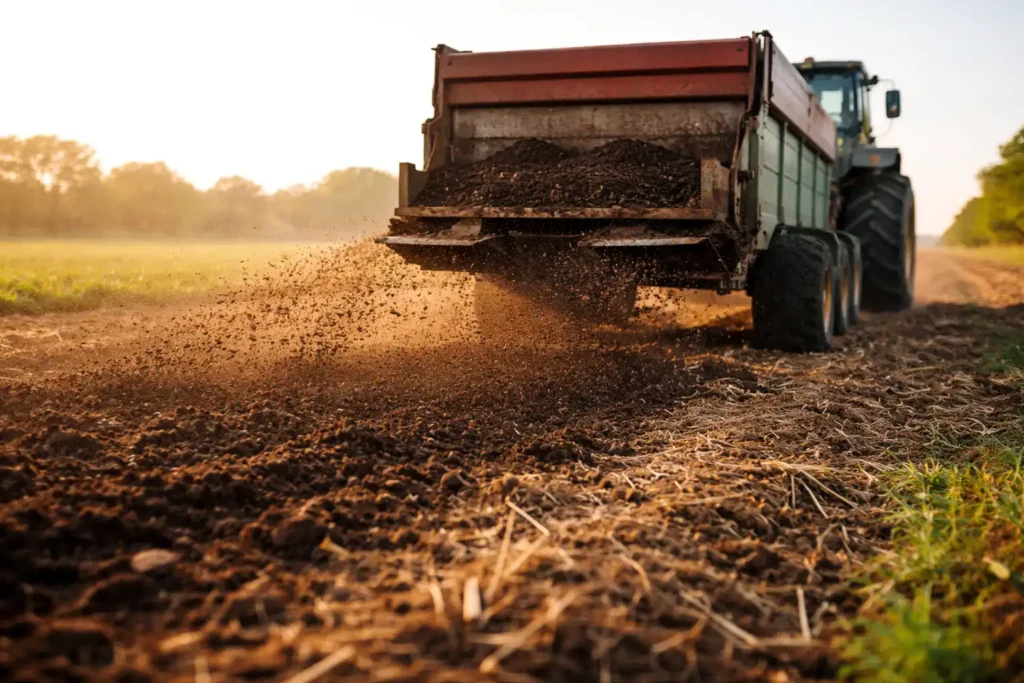
Compost provides stable organic matter and slow nutrient release. Manure provides faster nitrogen and potassium, plus carbon that feeds biology. Both can overload phosphorus if you apply by habit instead of by test. A nutrient analysis and calibrated spreader protect yield and protect waterways. For application setup and calibration habits, review sprayers and application gear.
How do you protect soil structure so nutrients stay available?
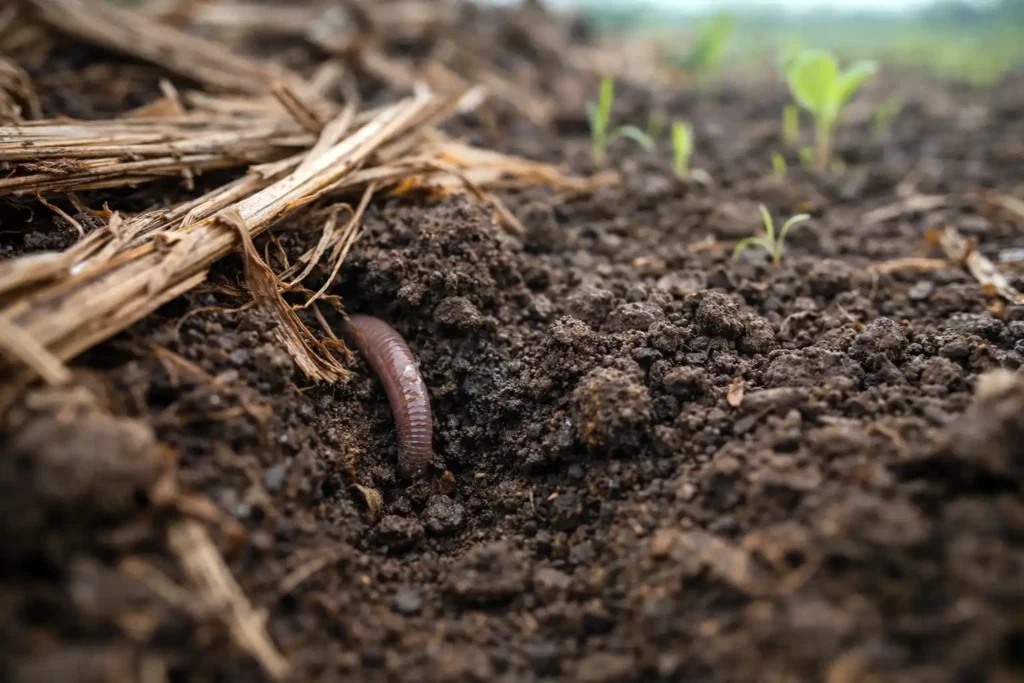
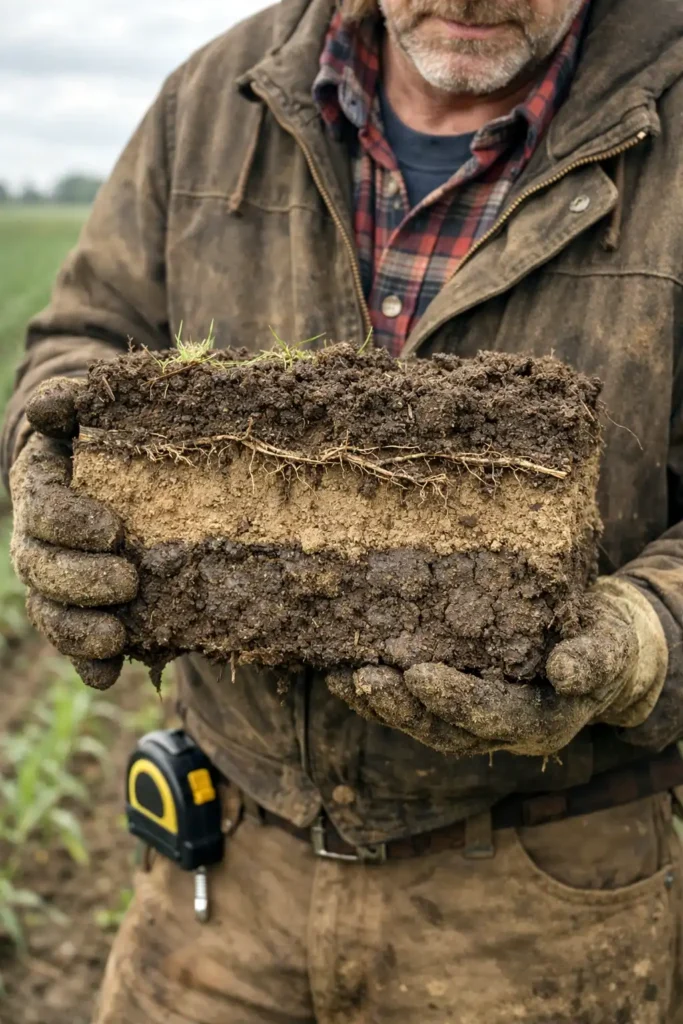
Structure controls air, water, and root access to nutrients. Compaction blocks roots and turns rainfall into runoff. Heavy traffic on wet ground causes the worst damage. Controlled traffic lanes, higher residue, and fewer passes keep aggregates intact. If you fight weeds while reducing tillage, line up tools and timing using weed control practices and weed control tools.
Field checks that catch structure problems early:
- Spade test for roots turning sideways at a hard layer.
- Infiltration check after a rain: puddles that linger signal sealing.
- Earthworm counts under residue as a quick biology signal.
How does water management affect soil fertility?
Water management controls nutrient movement and oxygen levels around roots. Saturated soil loses nitrogen through denitrification and limits root respiration. Dry soil slows nutrient diffusion to roots. Good residue cover reduces evaporation and crusting, while proper drainage and careful irrigation prevent nutrient loss. If you manage water systems, use irrigation and water practices and irrigation parts and systems to tighten scheduling and distribution.
What is a simple seasonal plan to improve soil fertility naturally?
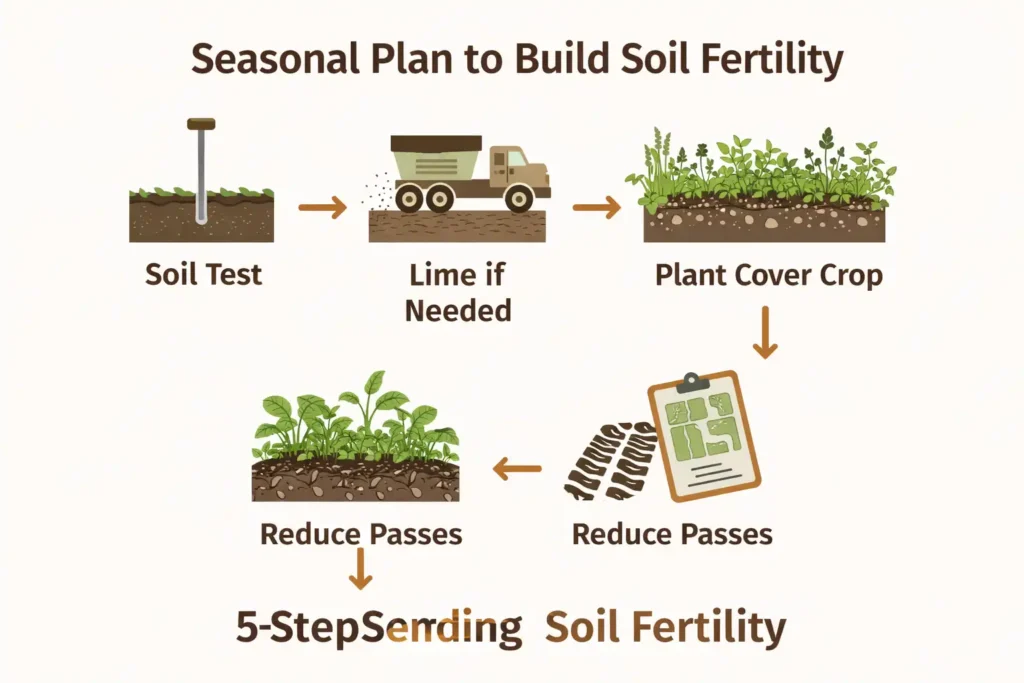
A simple plan works when each step supports the next step: test, feed biology, protect structure, then adjust nutrients. Start small on a few acres, measure results, and scale what works.
- Late winter to early spring: Pull soil samples and set lime and P/K targets from the report.
- Planting window: Place starter nutrients where roots find them early, then apparent needs drop later.
- Midseason: Keep compaction down by avoiding wet passes and limiting traffic lanes.
- Post-harvest: Seed a cover crop fast, then manage termination to keep residue where erosion hits hardest.
- Year-end review: Compare yield maps, tissue tests, and soil trends by zone, not by whole field.
Mistakes that slow fertility gains
The biggest slowdowns come from guessing and overworking soil. Skipping tests, applying manure without a phosphorus plan, and tilling to “fluff” soil all backfire over time. Another common miss is ending living roots too early, then wondering why infiltration and soil biology stall.
Bottom line
Natural soil fertility improves when you run a steady system: soil testing, organic matter additions, cover crops, smart rotations, and protected structure. Those steps increase nutrient cycling, improve water handling, and keep roots active through stress. Pick two changes you can manage well this season, document what you did, and build from there.