When to Plant Lettuce in Kentucky (2026 Planting Calendar)
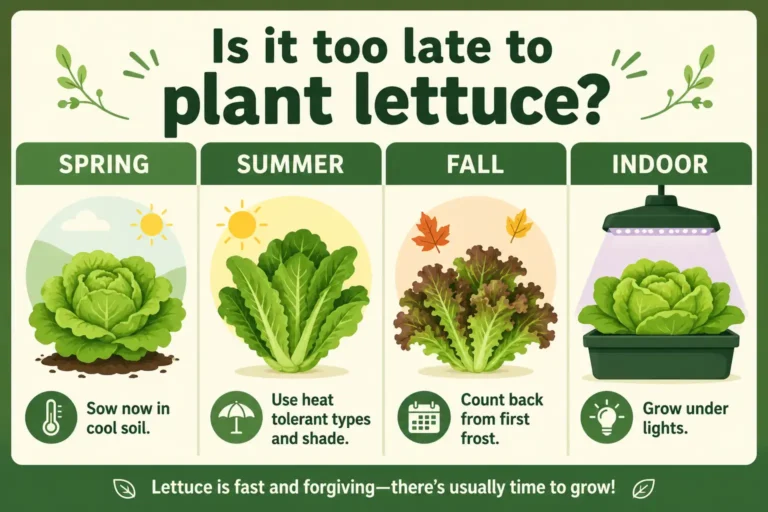
Lettuce is a cool-season crop, and timing decides whether you get crisp heads or a bitter, bolted mess. Knowing when to plant lettuce in Kentucky comes down to your region and the season. Below are the spring and fall windows for every part of the state.
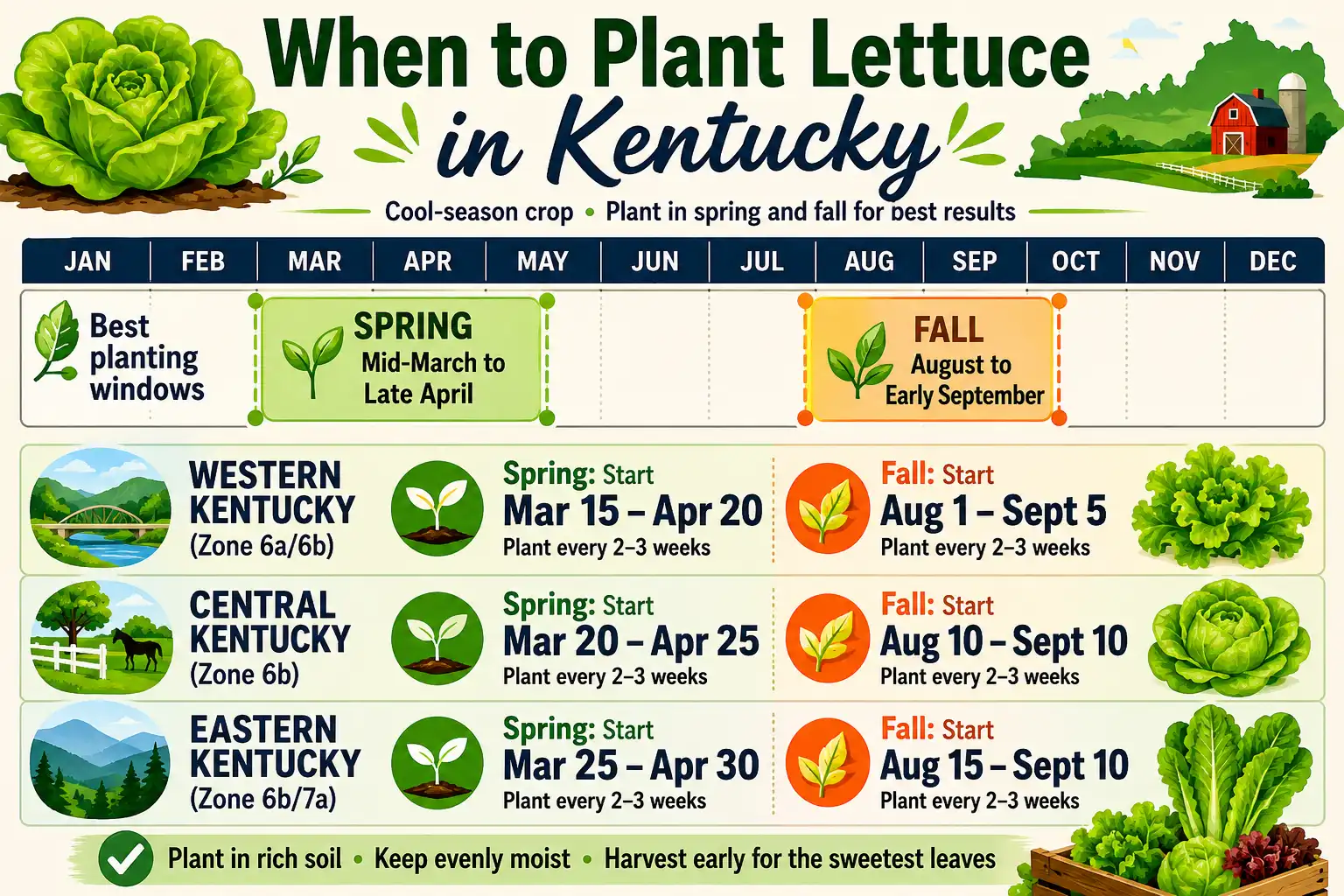
Plant lettuce in Kentucky in early spring and again in late summer for fall. Western Kentucky starts around March 15, central around March 25, and eastern around April 1. Sow fall lettuce from August into early September.
When to Plant Lettuce in Kentucky for the Best Harvest
The best time to plant lettuce in Kentucky is early spring and late summer. Lettuce grows in cool weather. Once summer heat arrives, it bolts and turns bitter. So you plant on the shoulders of the year, before the heat and after it breaks.
Two windows work statewide. Spring runs from mid-March through April. Fall runs from August into early September. Your exact dates shift by region, since Kentucky covers several hardiness zones.
How Do Kentucky’s Hardiness Zones Affect Lettuce Timing?
Kentucky’s hardiness zones set your earliest and latest safe dates. The state spans USDA hardiness zones 6b through 7b. Western counties sit warmest, often zone 7a or 7b. Central Kentucky lands around 6b to 7a. The eastern mountains run cooler, near 6a to 6b.
These differences matter for a cool-season crop. Warmer western counties thaw sooner in spring and stay mild later in fall. So you get an earlier spring start and a later fall window than gardeners out east. The University of Kentucky Cooperative Extension splits the state into western, central, and eastern zones for exactly this reason.
Spring Lettuce Planting Dates in Kentucky
Set out spring lettuce about two weeks before your last frost. Lettuce tolerates light frost once it hardens off, so you do not wait for warm soil. Here are the earliest safe spring dates from University of Kentucky Extension:
- Western Kentucky: around March 15
- Central Kentucky: around March 25
- Eastern Kentucky: around April 1
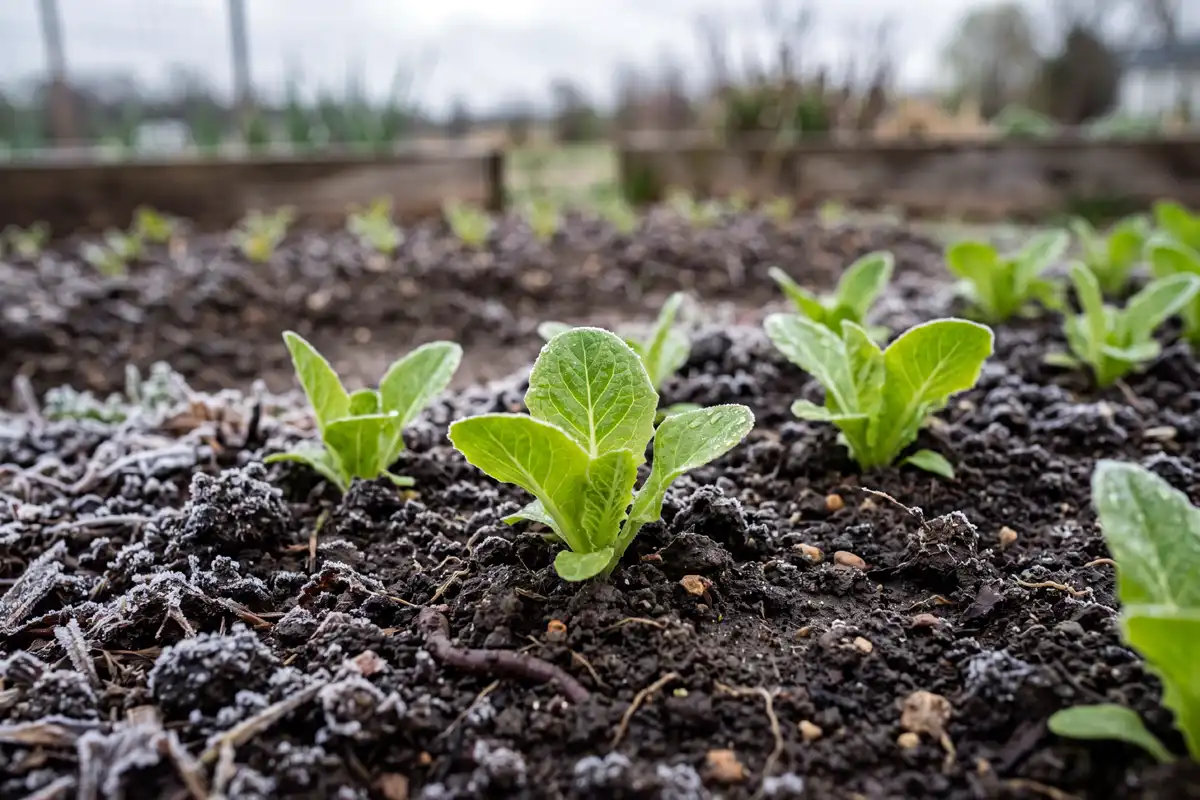
Those dates land ahead of the average last freeze. In Paducah, the last freeze usually passes by early-to-mid April. Lexington clears it by late April. Eastern counties can hold a freeze risk into early May. Young lettuce shrugs off the light frosts in between.
Want a jump on the season? Then start seeds inside five to seven weeks before these dates. Starting lettuce indoors keeps transplants ready to set out the moment the ground can be worked. After that, harden them off for a week so the move outside does not stall them.
When Should You Plant Fall Lettuce in Kentucky?
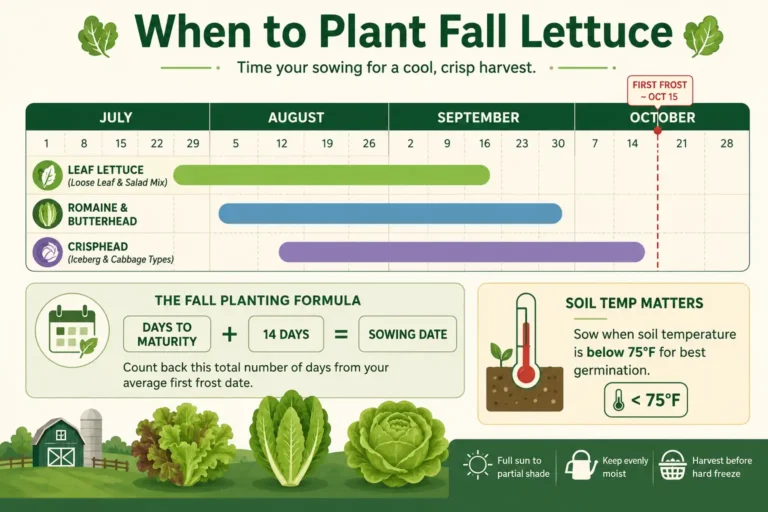
Plant fall lettuce in Kentucky from early August into early September, with leaf types going in last. Cooler fall nights actually sweeten the leaves. The catch is getting seed down while the soil is still warm, then letting plants finish as temperatures drop.
University of Kentucky Extension lists these latest safe fall dates for leaf lettuce:
- Western Kentucky: by September 1
- Central Kentucky: by August 15
- Eastern Kentucky: by August 1
Notice the pattern flips in fall. Warmer western Kentucky gets the latest date, because frost holds off longer there. Cooler eastern counties need an earlier start so heads mature before a hard freeze.
Head and butterhead types need more time, so move their dates up. Plant bibb (butterhead) transplants about two weeks earlier than leaf lettuce in your region. Plant iceberg and other head types about a month earlier. Leaf lettuce finishes in 40 to 60 days, which is why it can go in latest. For variety picks and frost protection, our guide to planting a fall crop covers the cool-weather window in more detail.
What Soil Temperature Does Lettuce Need to Germinate?
Lettuce germinates best in soil around 70 to 75°F. At that range, seed sprouts in just two to three days. Seed still germinates in cool soil down to the mid-30s°F, but it crawls along and can take two weeks or more.
Heat is the real problem. Above about 80°F, lettuce seed stalls out from thermoinhibition, a built-in dormancy that shuts down germination in hot soil. So summer sowings fail, and fall crops do better started in shade or indoors. A soil thermometer takes the guesswork out. Check the soil, not the air, since the two can read several degrees apart.
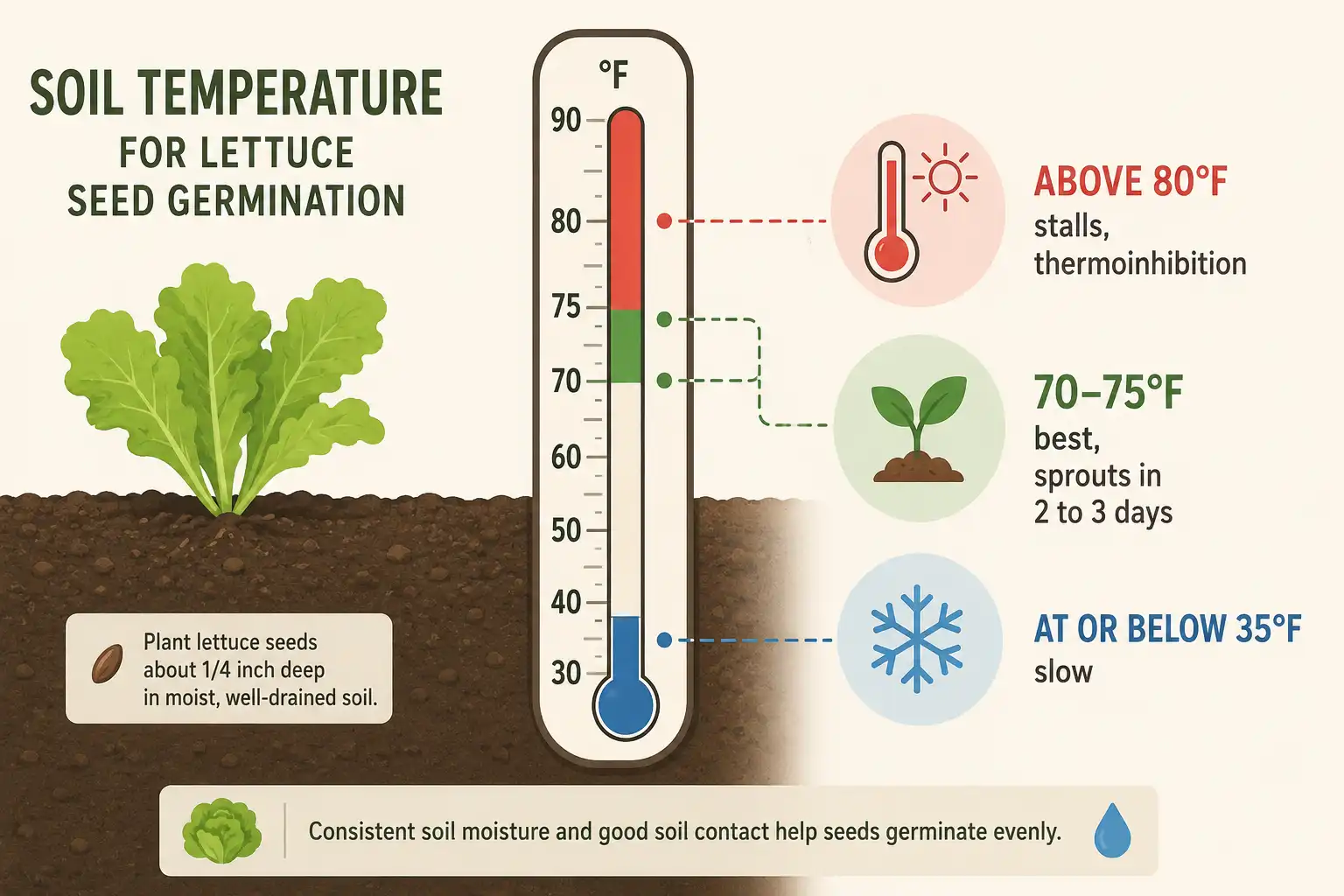
Set seed shallow, about a quarter inch deep, because lettuce needs light to sprout. If you bury it, germination drops. The breakdown of how deep to set the seed walks through depth and spacing in more detail.
Should You Direct Seed or Transplant Lettuce?
Both work in Kentucky, and the choice mostly comes down to timing. Direct seeding is simplest for leaf and loose-leaf types in cool spring or fall soil. Transplanting gives you a head start in spring and tighter spacing for head lettuce.
For an early spring crop, transplants win. You start them inside while the garden is still cold, then set them out on the dates above. Moving seedlings to the garden without stalling them takes a little hardening off and careful root handling. In fall, direct seeding leaf lettuce is easy once the worst heat passes.
How Do You Keep Lettuce From Bolting in Kentucky Summers?
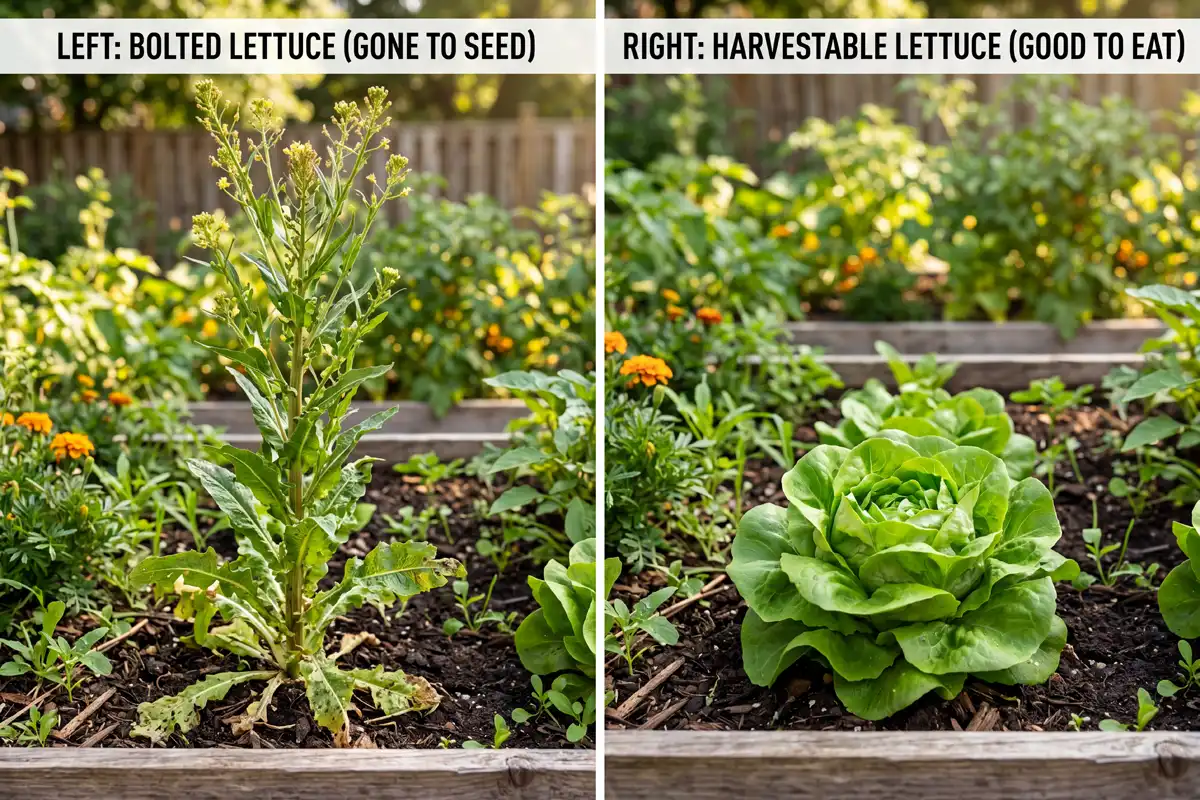
Keep lettuce cool and harvest it before the heat peaks. Kentucky summers turn hot fast, and once daytime highs sit in the 80s with warm nights, lettuce bolts. Bolting sends up a flower stalk and floods the leaves with bitterness.
A few moves stretch the season. Pick heat-tolerant and Batavian types for late spring. Give plants afternoon shade through June. Keep the soil evenly moist, since dry stress speeds up bolting. Even then, summer is tough, so our notes on growing lettuce through the summer heat go deeper on holding crops past June.
A Simple Succession Schedule for Kentucky Lettuce
Sow a small batch every two to three weeks instead of all at once. That way you cut steady, tender lettuce instead of a flood that bolts together. Start in spring on your regional date and keep sowing until daytime highs climb into the upper 70s.
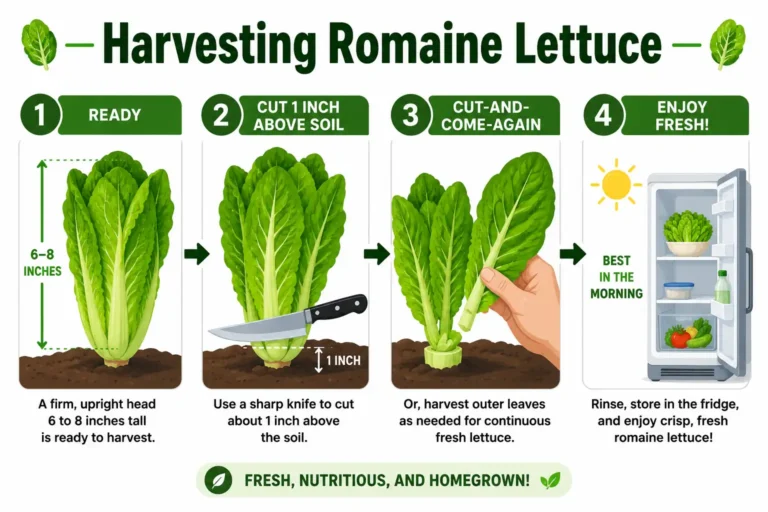
Then pause through the hottest weeks. Pick the seeding back up in late summer for fall. Knowing when the heads are ready to cut helps you clear beds on time and slot in the next round. A steady rhythm beats one big planting every time.
Bottom Line for Your Kentucky Garden
Lettuce rewards good timing more than almost any crop. Hit the spring window from mid-March to April for your region, then come back in August for a fall crop. Start cool, keep the soil moist, and harvest before the heat to stop bolting. Get those dates right and you will cut crisp lettuce from early spring well into fall.