When to Plant Fall Lettuce for Sweet, Crisp Cool-Weather Heads
Fall lettuce gives you the crispest, sweetest heads of the year, but only if you sow at the right moment. Knowing when to plant fall lettuce comes down to your first frost date, your soil temperature, and the lettuce type you pick.
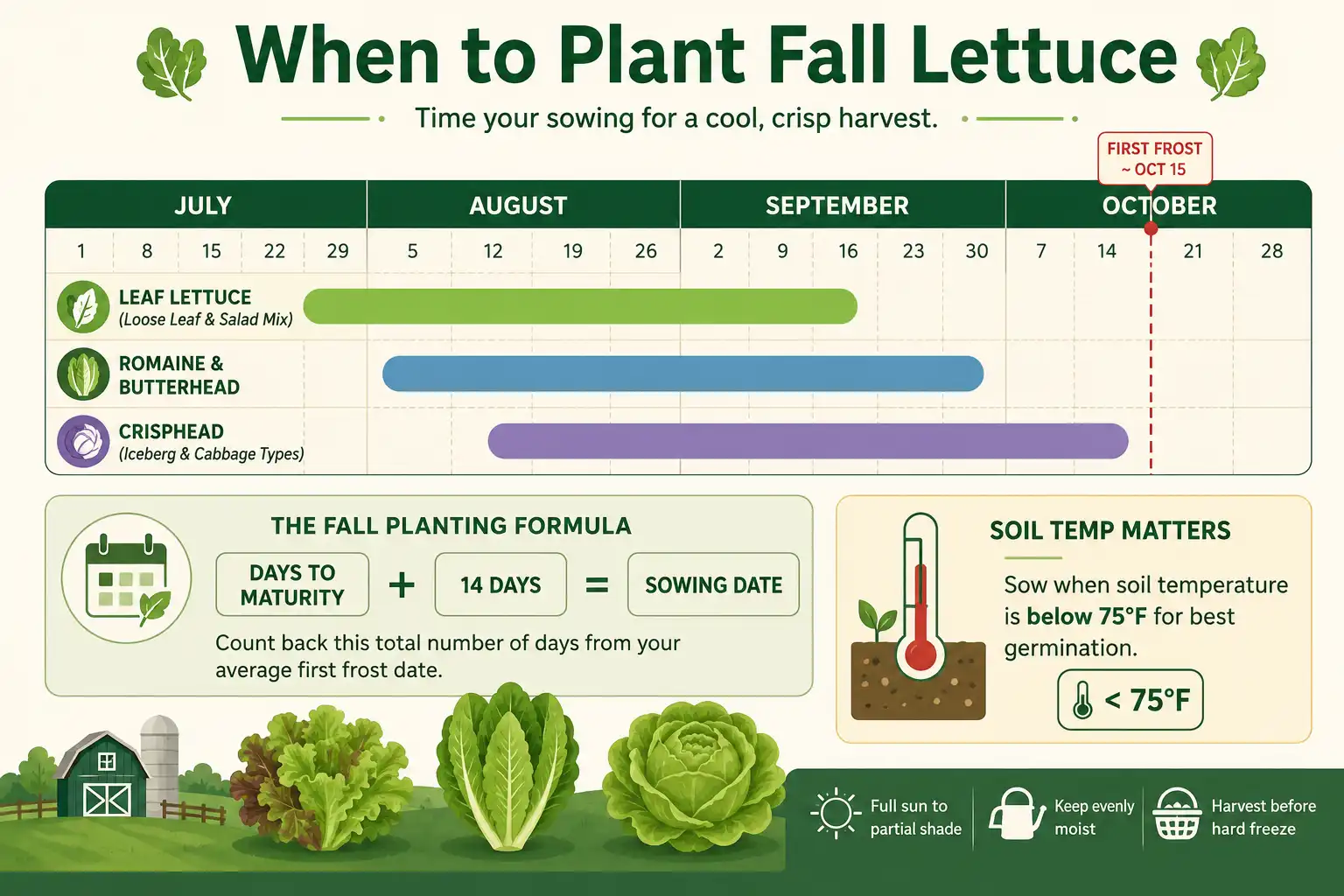
Plant fall lettuce about 8 to 12 weeks before your first fall frost. In zone 6a, that means late July through mid-August. Count back your variety’s days to maturity, then add two weeks for slower fall growth.
When to Plant Fall Lettuce in Your Zone
For most of the country, sow fall lettuce 8 to 12 weeks before your average first fall frost. In USDA hardiness zone 6a, the first frost lands around mid-October. So main fall lettuce sowing typically runs from late July through mid-August.
Faster leaf types can go in a little later than slow-heading kinds. Crisphead needs the earliest start of all. Your exact dates shift with your location, so the frost date matters far more than the calendar month.
K-State Research and Extension data shows central and eastern Kansas hit a 50 percent chance of a 32 degree night around October 11. So mid-October serves as the planning anchor, with dates counted backward from there. If you farm north of me, move everything up a week or two. South of me, you get a later window and a longer fall run.
How Do You Count Back From Your First Frost Date?
Add your variety’s days to maturity to about 14 days, then count that total back from your first frost date. That sum is your sowing deadline.
The extra 14 days is what growers call the fall factor. Days shorten in September and October, light gets weaker, and lettuce grows slower than the seed packet promises. So the packet’s day count runs long in fall. Iowa State Extension and other land-grant programs use this same count-back method for fall crops.
Lettuce also gets a break that frost-tender crops don’t. Beans and cucumbers need an extra two-week buffer to finish before frost kills them. Lettuce shrugs off a light frost, so skip that buffer. That cushion is why you can push lettuce later than almost anything else in the fall garden.
Here’s the math. A 55-day romaine plus 14 days equals 69 days. Counted back from October 12, that puts the sowing date around the first few days of August. For a 45-day leaf lettuce, count back about 59 days, which lands in mid-August. Knowing how long lettuce takes to reach harvest is the one number this whole method depends on.
Fall Lettuce Planting Dates by Lettuce Type
Leaf lettuce is the most forgiving, so it gets the widest window. Romaine and butterhead need a bit more lead time. Crisphead is the fussiest and wants the earliest sowing.
For zone 6a beds, here is how the dates shake out. Leaf lettuce goes in from late July through late August. It matures in 40 to 50 days, so even an August sowing finishes before hard cold. Romaine and butterhead go in from late July through the first week of August, since these take 55 to 70 days to head up. Crisphead, the iceberg type, needs sowing by mid-July if you try it at all. It wants 70 to 85 cool days, and that start falls in real summer heat. So iceberg is often skipped for fall and grown only in spring in most years.
Shift each window earlier as you go north, and later as you go south. A grower in zone 5 should sow a week or two ahead of these dates. A zone 7 grower gets extra time on the back end.
Why Is Late-Summer Soil Too Hot for Lettuce Seed?
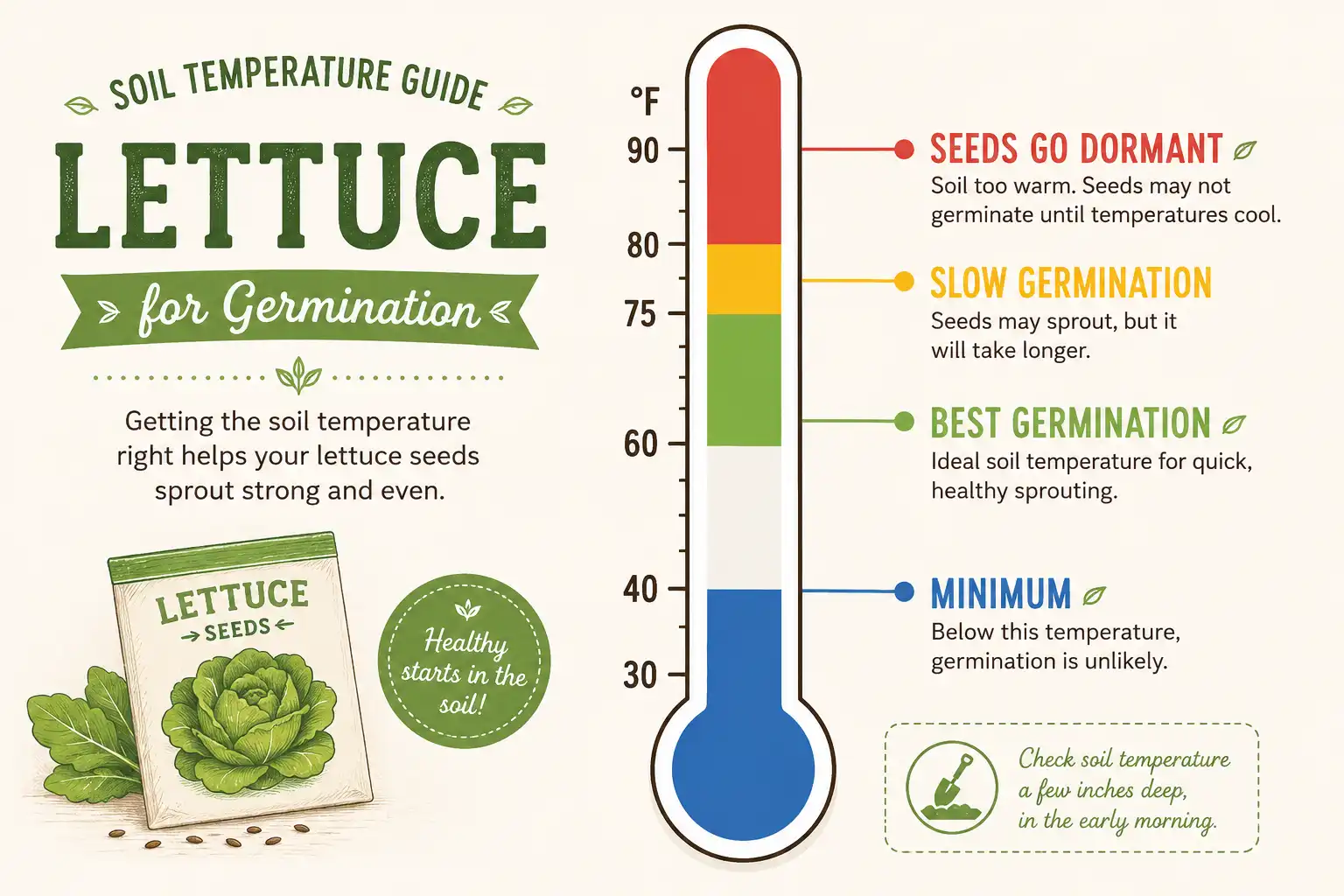
Lettuce seed stops germinating once soil climbs past about 80 degrees. That trait is called thermoinhibition, and it’s the biggest reason fall lettuce fails. So even a perfectly timed August sowing can sit in the ground and do nothing.
Lettuce came from the Mediterranean, where wild plants learned to wait out hot, dry summers. A natural hormone shuts the seed down in heat so it won’t sprout into a season that would kill it. Modern varieties still carry that wiring.
The sweet spot for lettuce germination is 60 to 75 degrees, with most seed happiest near 68. It will sprout as low as 40 degrees, just slowly. Above 80 degrees, germination drops off a cliff. In Kansas, August soil often reads 85 degrees two inches down even when the dawn air feels mild. Check soil temperature with a probe, not the air. The two can differ by ten degrees or more.
How Do You Germinate Lettuce Seed in Late-Summer Heat?
Cool the seed, cool the soil, or do both. Those are your three levers for getting lettuce up in late-summer heat. Each one chips away at thermoinhibition.
Pre-chill the seed first. Seed goes on a damp paper towel, sealed in a bag, and set in the fridge for two to five days. Cool, moist conditions break dormancy before the seed ever hits the ground. After that, the seed sprouts fine even in warm soil.
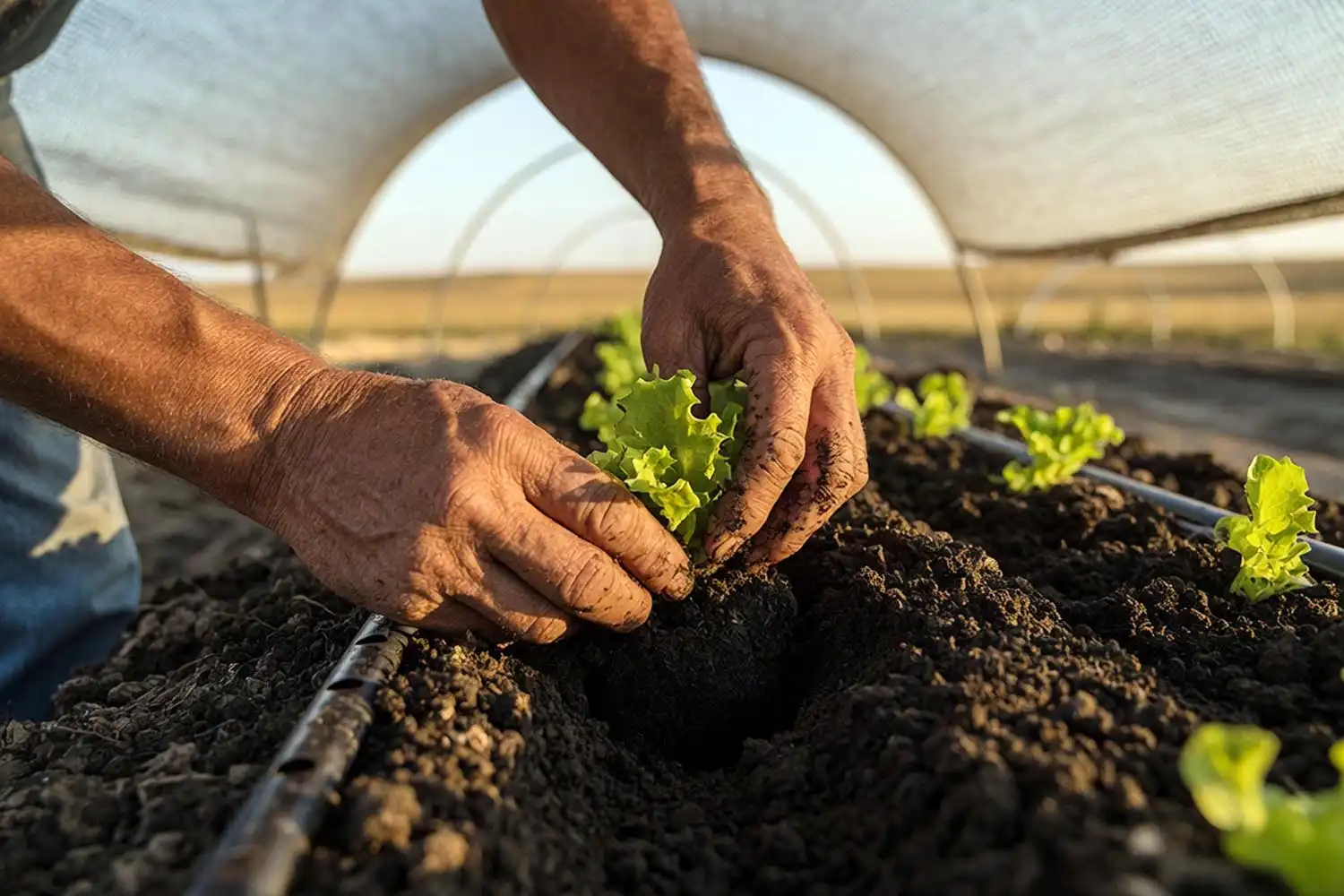
Start transplants indoors where it’s cooler. Sow into cell trays in an air-conditioned room, then set the seedlings out three to four weeks later once the worst heat passes. Transplants also dodge the slug and flea beetle pressure that hammers tiny direct-sown seedlings in late summer. Getting lettuce seed to sprout is the whole battle, and a cool room wins it easily.
Sow late in the day and water hard. If you direct sow, wait for evening, soak the bed, and the soil temperature drops overnight. A board or a sheet of shade cloth laid over the row holds that coolness through germination. Pull the cover the moment seedlings show.
Reach for primed or pelleted seed too. Primed seed has already started the germination process at the supplier, so it tolerates higher soil temperatures. Pelleted seed is also easier to space, which cuts your thinning work. Both help when you’re growing lettuce through summer heat and into early fall.
Which Lettuce Varieties Hold Up Best in Fall?
Pick slow-bolting types for the warm start and cold-hardy types for the cool finish. Fall asks lettuce to handle both ends. So it helps to use varieties bred for that swing.
For the hot sowing window, heat-tolerant romaines like Jericho and Coastal Star hold up well. Jericho was bred in Israel for desert heat, so it resists bolting better than most. Summercrisp types like Muir and Nevada also take warmth without turning bitter. Among leaf types, Black-Seeded Simpson stays fast and reliable while it resists going to seed.
For the cold tail of the season, look at Winter Density and the old standby Arctic King. These shrug off frost and keep their texture in cold soil. Grow a mix every fall and always have something coming on, whatever the weather does.
How Much Frost Can Fall Lettuce Take?
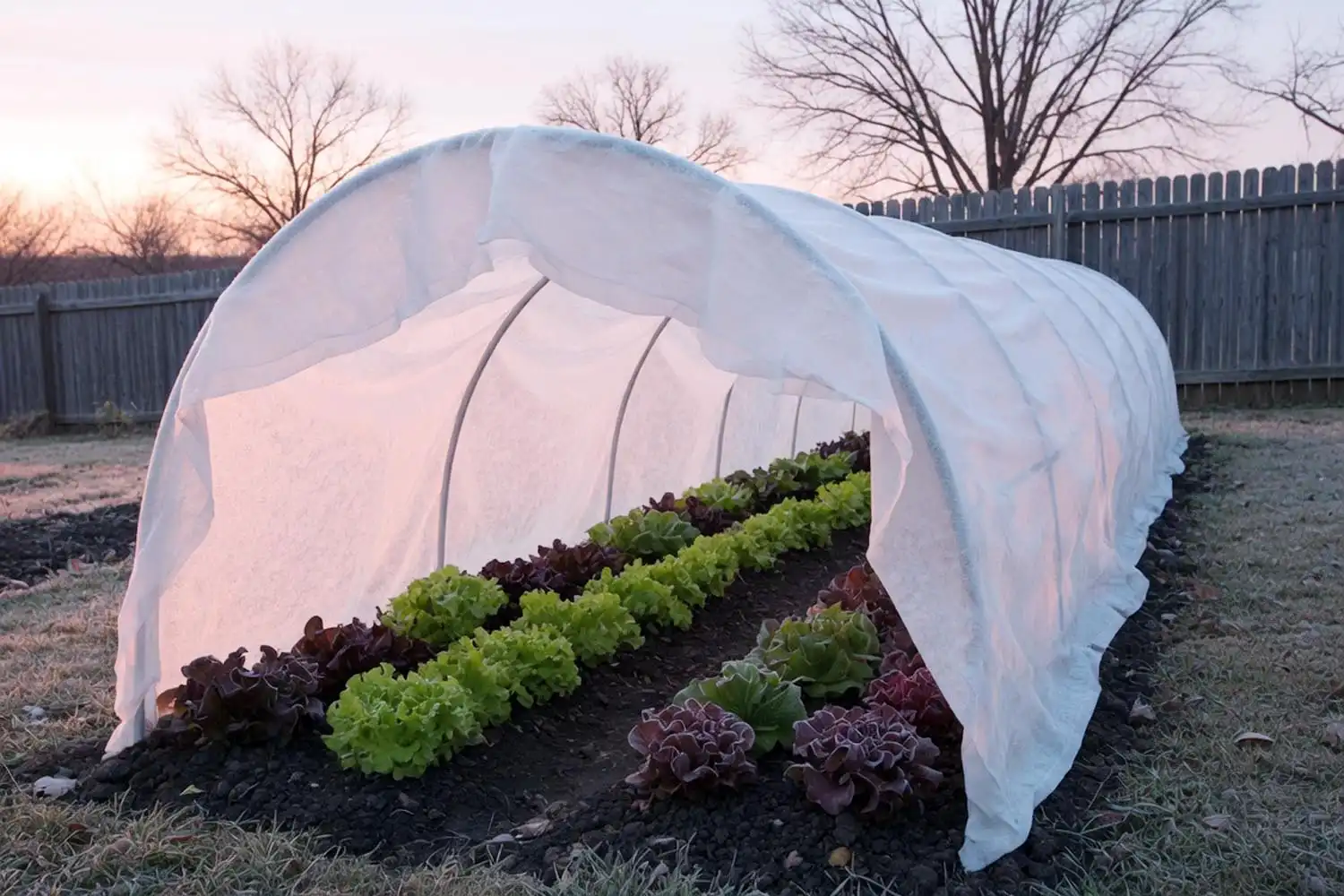
Lettuce takes a light frost in stride, down to about 28 to 32 degrees, and a little cold actually sweetens the leaves. Cool nights push the plant to store sugars. So fall heads often taste better than anything cut in spring. That sweetness is a big reason for timing lettuce for the sweetest heads around the cool end of the season.
Mature plants run more tender than young ones, though. A full, open head holds water in its leaves and bruises when it freezes hard. Small transplants and baby greens take cold better. So the biggest heads typically get cut first when a hard freeze is coming.
A floating row cover buys you weeks. Run low tunnels of spun fabric over the fall beds once nights drop into the 30s. The cover traps a few degrees of warmth and blocks frost from settling on the leaves. With a cold frame or a low tunnel, you can keep cutting fresh lettuce well past Thanksgiving in Kansas. If you want to stretch it further, those same cover tricks let you keep lettuce going into winter in milder spots.
Bottom Line
Fall lettuce plan stays simple. First, finding the first frost, then counting back the days to maturity plus two weeks, sets the sowing dates. Late July and August do the heavy lifting in zone 6a.
Then pre-chilling seed or starting transplants in the house helps beat the heat. It helps to use slow-bolting varieties for the warm start and cold-hardy ones for the finish. A row cover stretches the harvest deep into fall. Get the timing right, and fall lettuce will be the best crop you grow all year.