What Is Buttercrunch Lettuce? A Farmer’s Full Guide for 2026
Buttercrunch shows up in every seed catalog and garden center. So what is buttercrunch lettuce actually worth on a home plot? It is a tender, heat-tolerant butterhead that holds sweet flavor longer than most
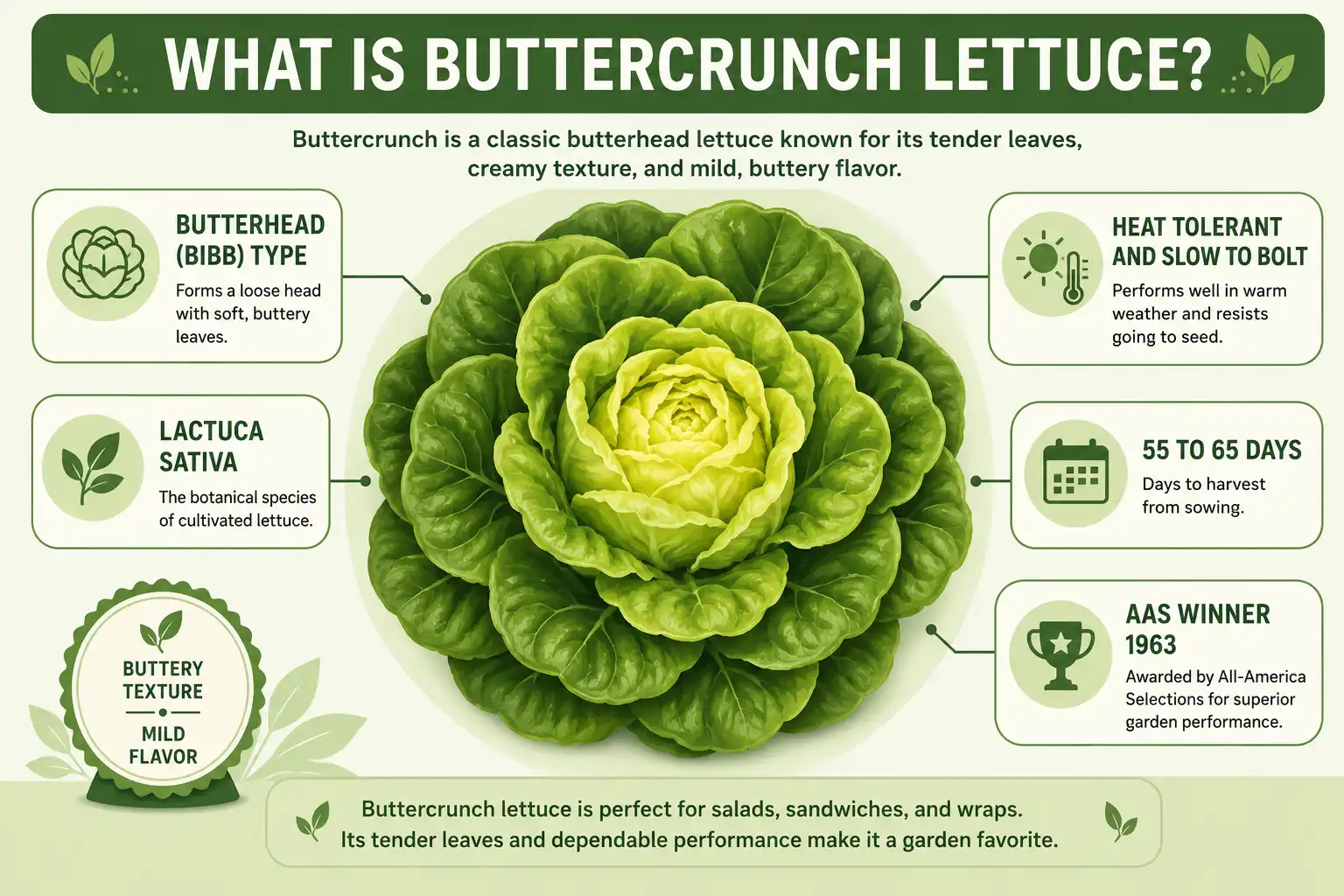
Buttercrunch lettuce is a butterhead (Bibb-type) variety of Lactuca sativa. Cornell University bred it, and it won a 1963 All-America Selections award. It forms soft, sweet leaves around a creamy heart, tolerates heat, and resists bolting.
What Is Buttercrunch Lettuce, Exactly?
Buttercrunch lettuce is a butterhead variety, also sold as a Bibb-type lettuce. Botanically, it is Lactuca sativa, the same species as romaine, leaf, and iceberg lettuce. So the plant is ordinary lettuce, just bred into a soft, loose-heading form. The name points to its texture. Leaves feel buttery and tender, never tough or waxy. K-State Research and Extension groups butterhead with the tender, rounded types that form a soft head. That description fits Buttercrunch well. On the plot, it grows as a neat little rosette instead of a tight ball.
What Does Buttercrunch Lettuce Taste and Feel Like?
Buttercrunch tastes mild and faintly sweet, with none of the bitterness you get from stressed lettuce. The texture is the real draw. Outer leaves stay soft and pliable, so they fold without cracking. The inner heart turns creamy yellow and crisp at the base of each rib. Plus the flavor holds up in warm spells. While other lettuces turn bitter and bolt, Buttercrunch stays mild for a good while longer. That is exactly why it earned its name.
What Does Buttercrunch Lettuce Look Like?
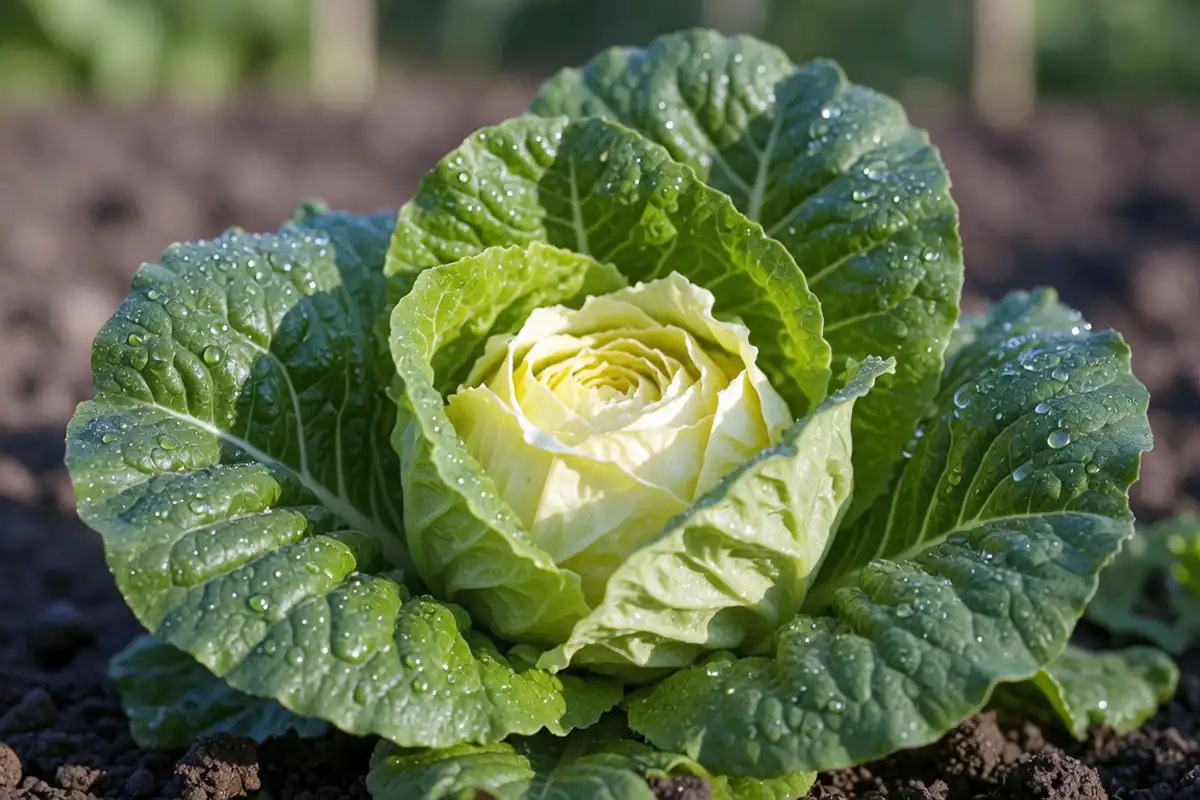
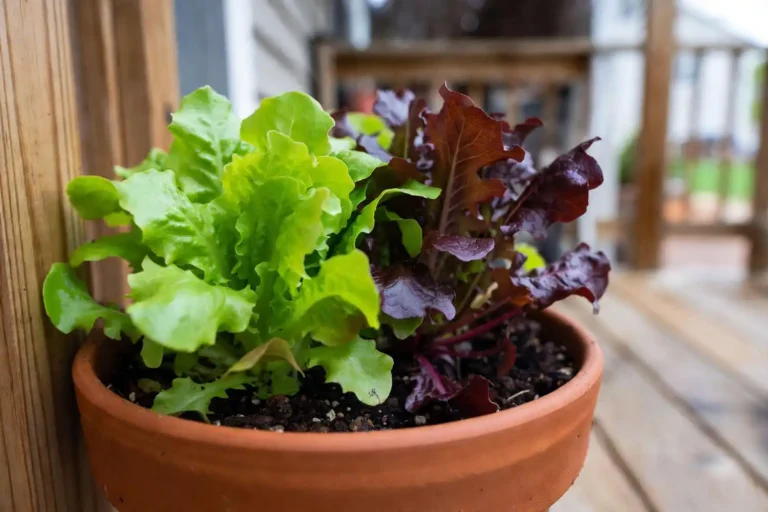
Buttercrunch forms a small, loose head shaped like an open rosette. The outer leaves are broad and thick, colored dark green with a red tinge at the edges in cool weather. They cup gently around a tender inner core. That core blanches to a creamy yellow as the head fills out. Mature heads stay compact, usually 6 to 8 inches across. Because the head stays small, a single plant makes about one good salad. All-America Selections describes the same rosette form and notes its strong bolt resistance.
Where Did Buttercrunch Lettuce Come From?
George Raleigh developed Buttercrunch at Cornell University in the early 1960s. It won the All-America Selections award in 1963 and set the standard for butterhead lettuce for decades. His breeding goal was a butterhead that handled stress better. Raleigh wanted leaves that stayed sweet through poor soils, summer heat, and early bolting pressure. He got it. Buttercrunch is open-pollinated and non-GMO, so you can save your own seed and grow it true the next year. Utah State University still lists it among the recommended butterhead varieties.
Butterhead, Bibb, or Buttercrunch: What’s the Difference?
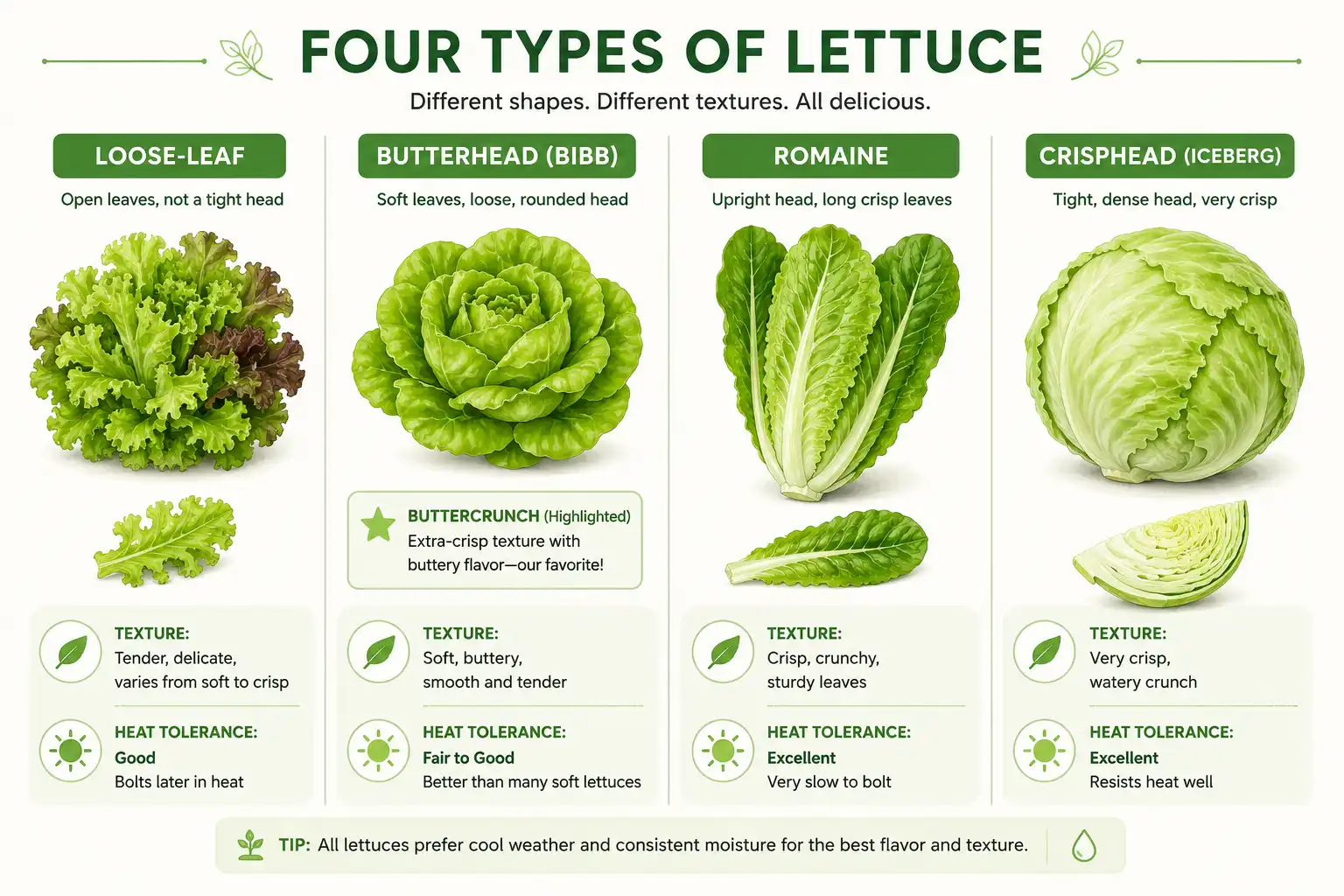
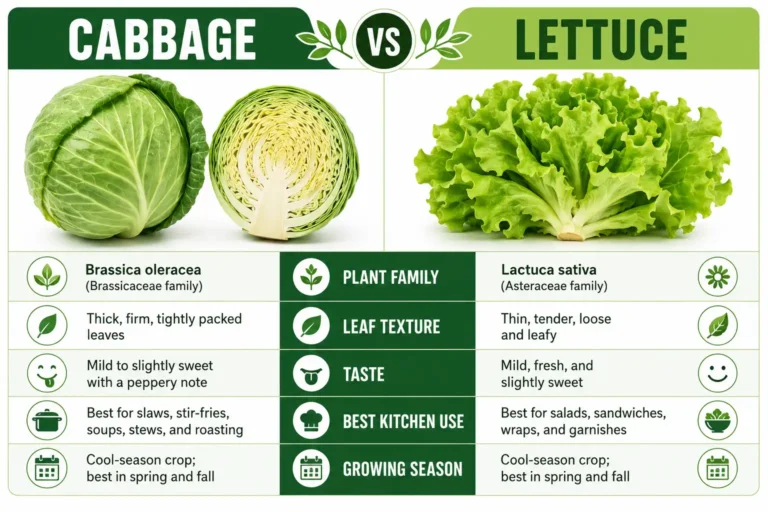
The difference comes down to naming. Butterhead is the lettuce type. Bibb is an older name for the same type. And Buttercrunch is one variety within it. So the three terms describe one family at different zoom levels. Bibb traces back to grower John Bibb, who popularized this soft lettuce in the 1800s. Clemson HGIC describes butterhead and Bibb as loose-heading lettuce with leaves thicker than the leaf types. For comparison, romaine grows tall and upright, while crisphead (iceberg) packs a tight, firm ball. Every Buttercrunch is a butterhead, but not every butterhead is Buttercrunch.
For the broader picture, our guide on growing Bibb lettuce for tender heads covers the whole butterhead class.
Why Do Gardeners Keep Coming Back to Buttercrunch?
Buttercrunch stays popular because it handles heat and resists bolting better than most lettuce. Standard lettuce prefers cool weather. Clemson Extension notes optimum growth between 55 and 65°F, and high heat triggers bolting and a bitter taste. Buttercrunch pushes that window later. This allows a longer cutting season before summer shuts the bed down. It also takes a light frost, which stretches the fall harvest in zone 6a. The compact heads suit containers and tight raised beds too. Fighting heat? Our notes on growing lettuce through summer heat cover the shade and timing tricks.
How Long Does Buttercrunch Lettuce Take to Grow?
Buttercrunch reaches full heads in about 55 to 65 days from seeding. You can start cutting baby leaves much sooner, often around three weeks after the seedlings get going. For a steady supply, sow a short row every two to three weeks. Do this through spring, then again in late summer. That way the harvest never lands all at once. Days to maturity shift with weather, so cool stretches slow it down and warm stretches speed it up.
When and How Do I Grow Buttercrunch in My Kansas Garden?
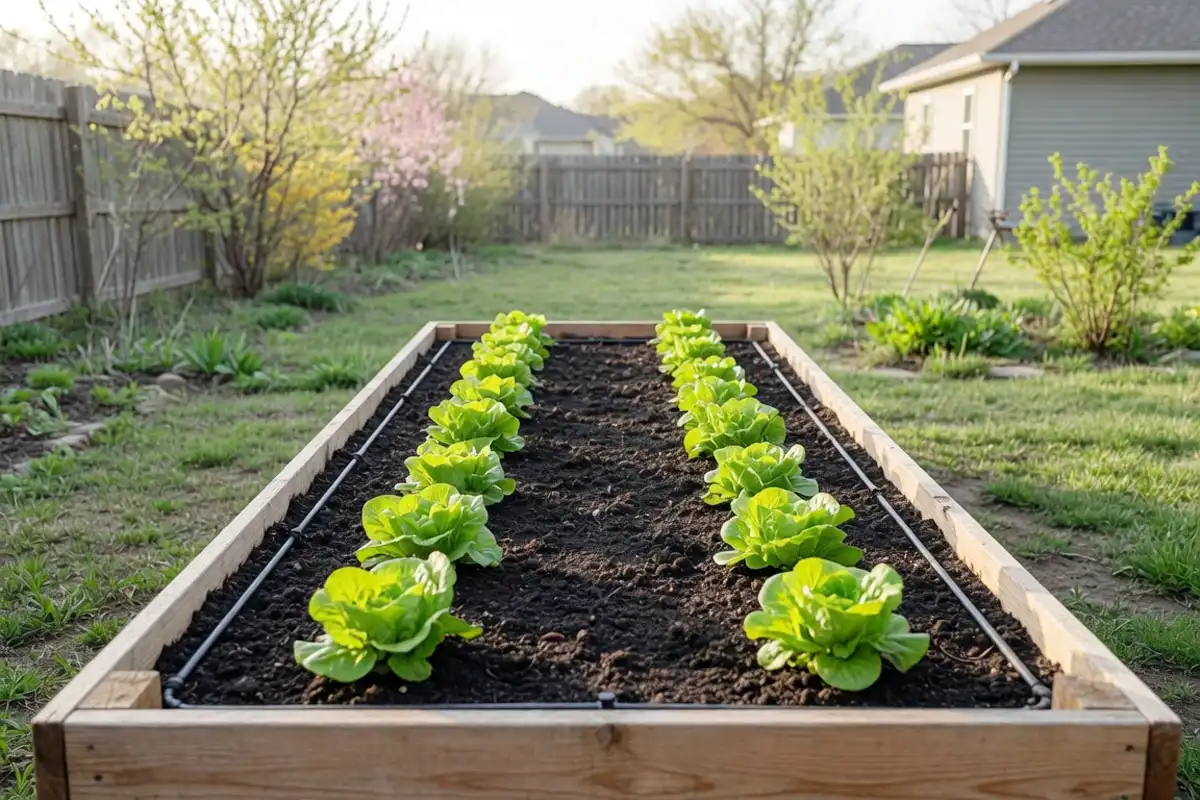
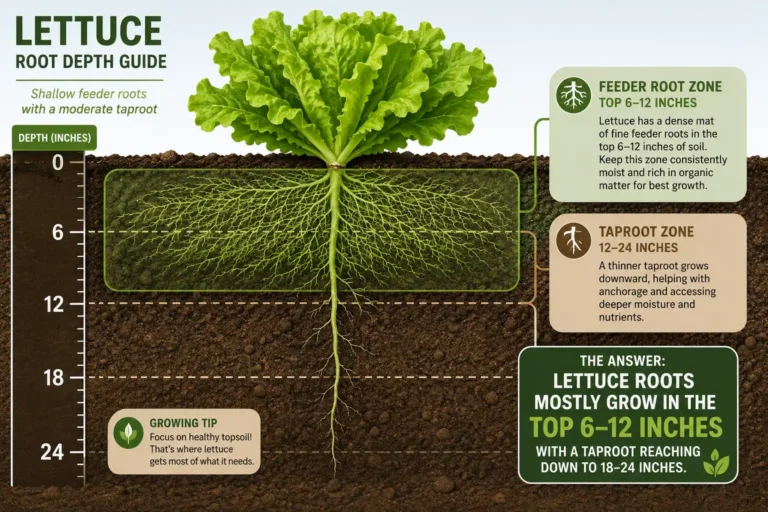
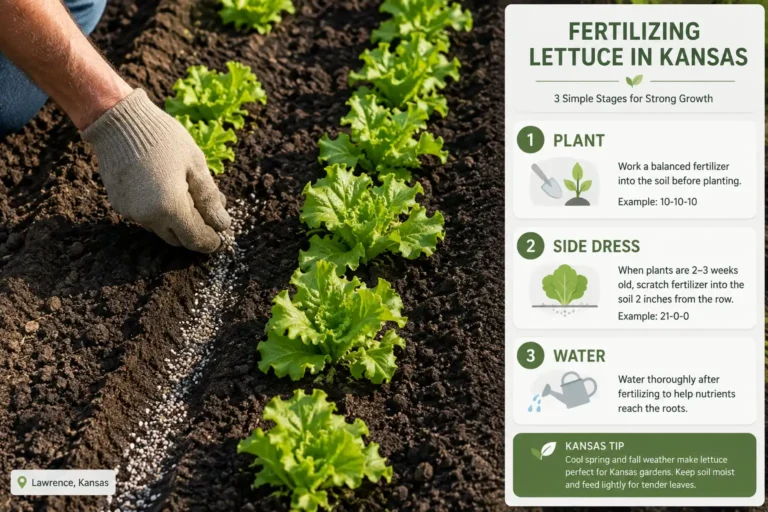
Plant Buttercrunch as a spring and fall crop, the same window K-State recommends for all lettuce. In spring, sow once the soil hits about 40°F and works up easily, usually starting in March here. Buttercrunch seed needs light to sprout, so a barely-there covering works best. A scant eighth of an inch is plenty. Our guide on the right seed depth for lettuce explains why shallow wins. Space transplants 10 to 12 inches apart, with about a foot between rows. Seedlings go in after hardening off. The same steps in the walk-through on planting butter lettuce apply to Buttercrunch. Keep the soil evenly moist but never soggy, since lettuce roots stay shallow. Water in the morning so leaves dry before dark. During hot spells, light shade cloth thrown over the bed helps hold off bolting. For year-round timing, checking soil temperature with the Kansas Mesonet tool before dropping any seed is recommended.
How Do You Harvest Buttercrunch Lettuce?
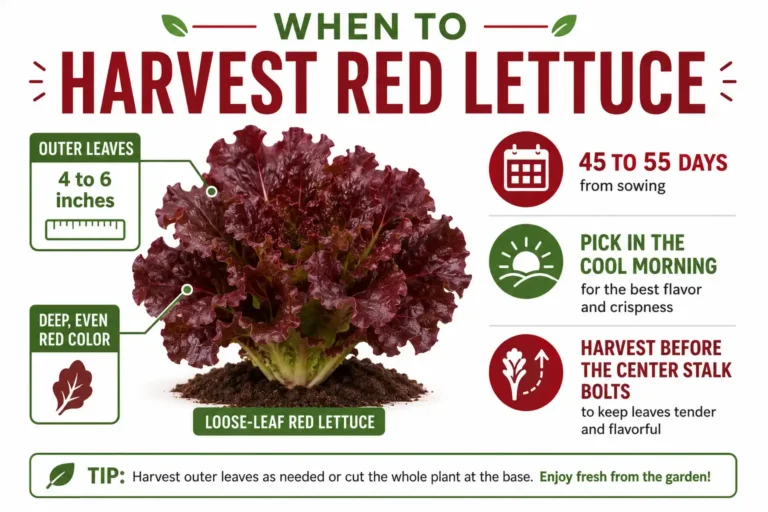
You can harvest Buttercrunch two ways. Pick the outer leaves as you need them, or cut the whole head at the base. For daily salads, pull a few outer leaves and let the center keep producing. method to cut outer leaves so the plant keeps growing feeds the kitchen for weeks. For one clean harvest, slicing the whole rosette just above the soil before it starts to bolt works well. Always pick in the cool morning, when leaves hold the most water and crunch. Timing matters most as summer warms, and our guide on when to pick butter lettuce lines up with Buttercrunch exactly.
What Buttercrunch Earns in the Plot
Buttercrunch is the butterhead for a long, sweet cutting season. It shrugs off heat better than most and takes a light frost. It also fits a small bed or a pot on the porch. Start a short row in early spring, sow again in late summer, and cut from the outside in. For a first-time grower in cool weather, it is one of the most forgiving heads around.