How to Grow Red Leaf Lettuce for Sweet, Crisp Leaves
Red leaf lettuce delivers tender, burgundy-tipped leaves in about six weeks. It grows fast in cool weather, tolerates light frost, and forgives beginner mistakes. The key to growing red leaf lettuce well is steady moisture, cool temperatures, and picking the outer leaves before summer heat turns them bitter.
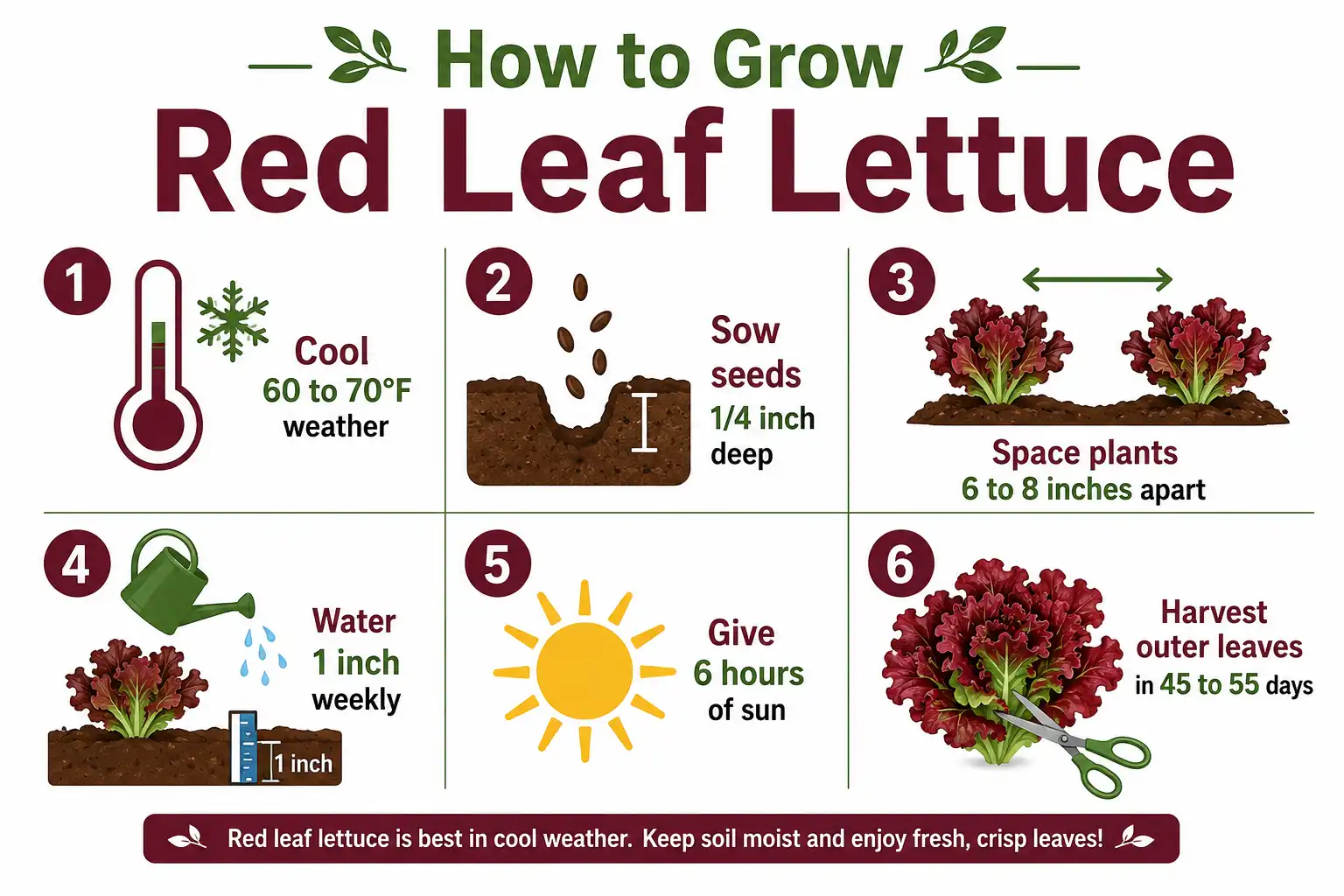
Grow red leaf lettuce in cool weather, 60 to 70°F, in rich, well-drained soil. Sow seeds 1/4 inch deep, thin plants 6 to 8 inches apart, water about an inch weekly, and harvest outer leaves in 45 to 55 days.
Also know: Growing Lettuce Indoors With a LED Light
What Is Red Leaf Lettuce?
Red leaf lettuce is a loose-leaf type of Lactuca sativa with red to burgundy edges and no firm head. The color comes from anthocyanin, the same pigment that reddens apples and blueberries. Bright light deepens that color, while shade and low light fade it toward green.
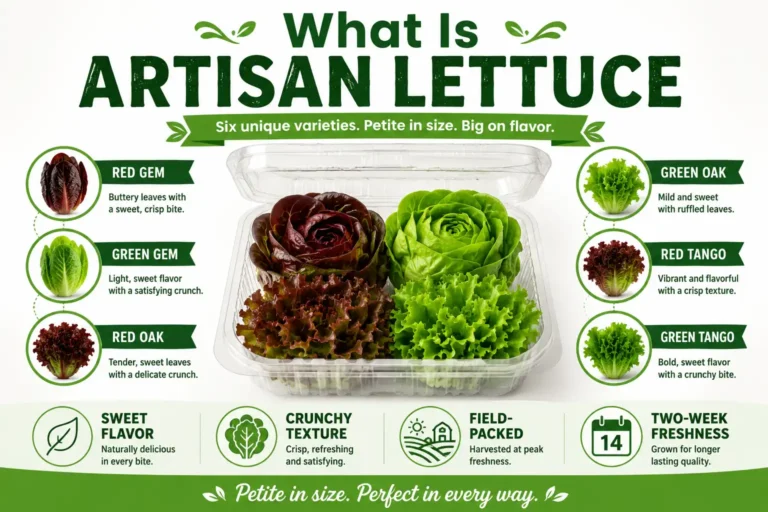
This group grows fast and stays loose, so you pick leaves instead of cutting a head. Popular red varieties include New Red Fire, Red Sails, Lolla Rossa, Red Salad Bowl, and Ruby. Each one handles heat and color a little differently. Keep two or three on hand so the beds stay productive across the season.
When to Plant Red Leaf Lettuce
Plant red leaf lettuce in early spring and again in late summer for fall. It is a cool-season crop, so it grows best between 60 and 70°F. Heat above the mid-70s pushes it to bolt and go bitter.
In USDA hardiness zone 6a, the first round of direct seeding typically happens two to four weeks before the last spring frost. That usually lands in late March. The soil only needs to reach 40°F to sprout seed, though 55 to 65°F gives faster, more even stands. For a fall crop, sow again from mid-August into September, once the worst heat breaks. Cooler fall nights actually darken the red color, so those leaves look their best.
Succession planting keeps you in salad. Drop a short row every two to three weeks instead of one big planting. If you want sweeter leaves and less risk of bolting, timing your lettuce for a sweeter harvest matters more than any other single step.
How Do You Prepare Soil for Red Leaf Lettuce?
Prepare a loose, fertile seedbed rich in organic matter with a pH near 6.0 to 7.0. Lettuce roots stay shallow, so the top few inches do most of the work. Poor, dry soil gives you small, tough, slow-growing leaves.
Work 2 to 3 inches of finished compost into the top 6 inches before seeding. Compost feeds the plants slowly and holds moisture, which lettuce loves. Heavy clay needs the most help, since crusting can trap small seedlings underground. On clay, our guide covers seeds with potting mix instead of garden soil to stop that crust from forming. A quick soil test tells you whether to add lime or extra nutrients first.
How to Plant Red Leaf Lettuce Seeds
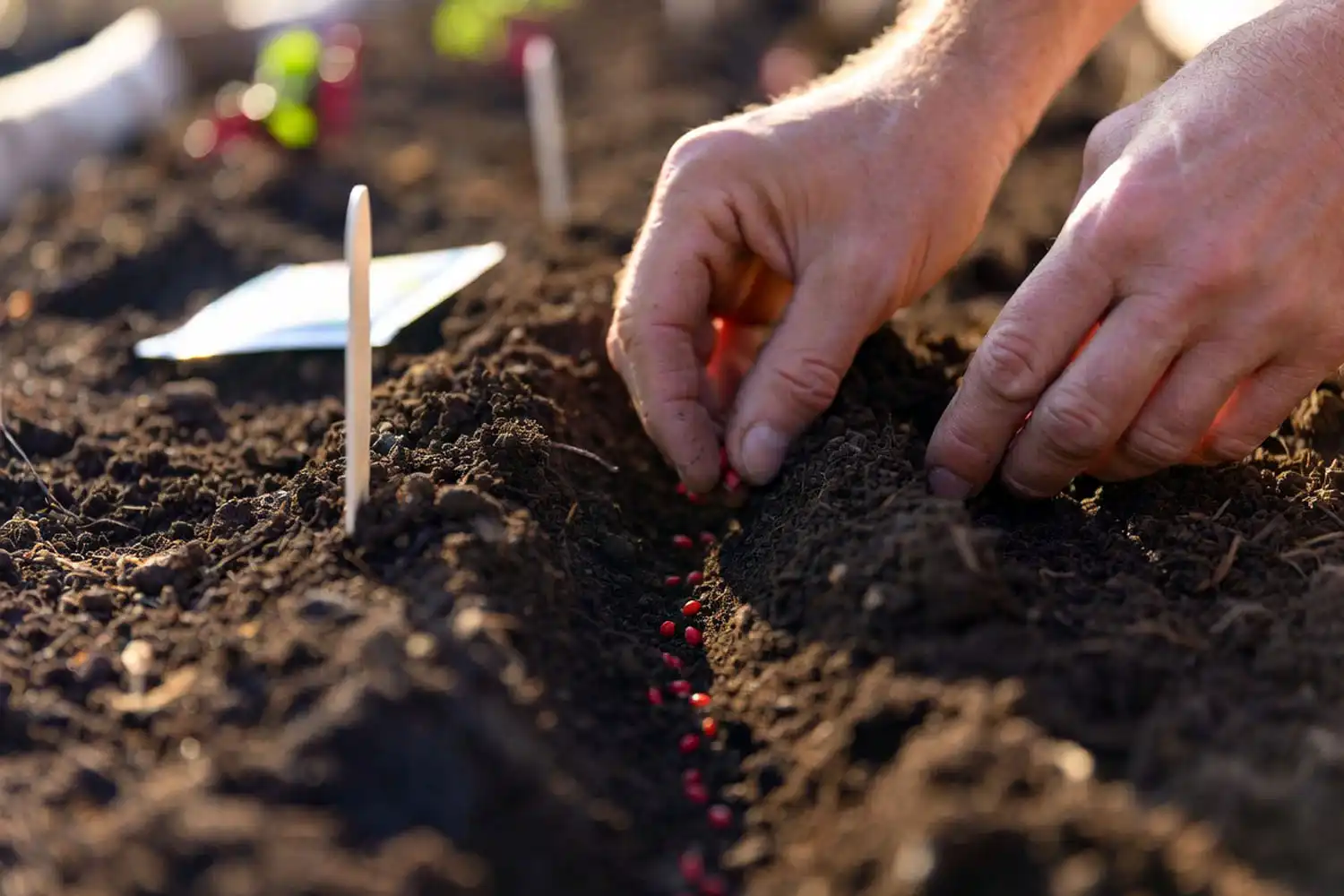
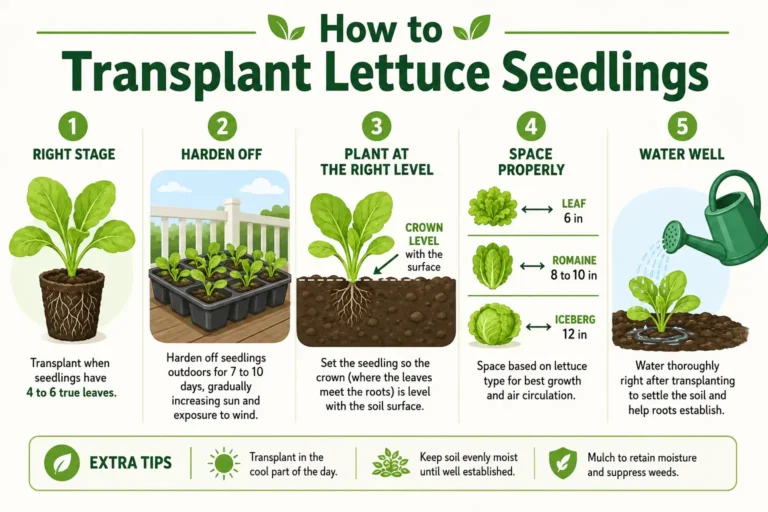
Sow red leaf lettuce seeds 1/4 inch deep, no deeper. The seeds are tiny and need light and warmth near the surface to sprout well. Bury them too deep and they simply will not come up.
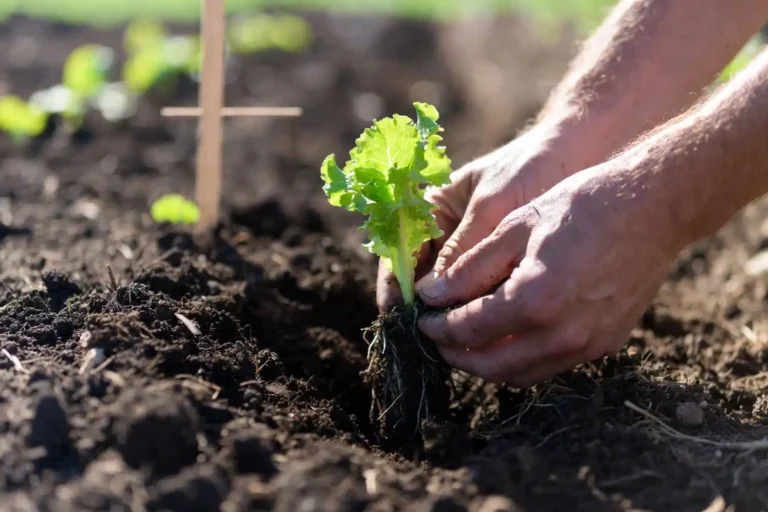
You have two ways in: direct seeding or transplants. Direct seeding is common because lettuce sprouts fast and hates root disturbance. Still, transplants give you a head start in a cold spring. If you are weighing both, this look at sowing seeds directly versus starting transplants walks through the trade-offs.
How Deep and How Far Apart?
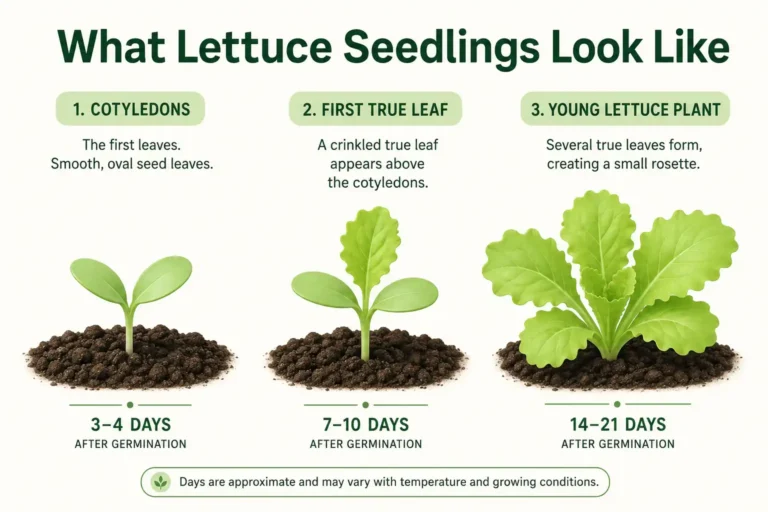
Plant seeds 1/4 inch deep and thin seedlings to 6 to 8 inches apart in rows 12 to 18 inches apart. For baby-leaf salads, sow thicker and skip the wide spacing. Crowded plants stay small, so thin them once they show a couple of true leaves. More on the right seeding depth for lettuce helps if your stands keep coming up patchy.
What If Seeds Will Not Sprout?
Lettuce seed goes dormant in hot soil, usually above 80°F. That is the most common reason a summer sowing fails. Move your seeding earlier or later into cooler weather, keep the surface damp, and you will get even germination. The full notes on getting lettuce seed to sprout cover the heat-dormancy fix in depth.
How Much Sun Does Red Leaf Lettuce Need?
Red leaf lettuce needs at least 6 hours of direct sun for the deepest color. Anthocyanin builds under bright light, so sun-grown leaves turn rich burgundy. Shade-grown plants stay pale and greenish, even on a “red” variety.
There is a catch in summer. Strong afternoon sun plus heat speeds up bolting. So in late spring and summer, morning sun and light afternoon shade work well for lettuce. That keeps good color without cooking the plants. In spring and fall, full sun all day is fine and gives the best red.
How Often Should You Water Red Leaf Lettuce?
Keep the soil evenly moist, about 1 inch of water per week. Those shallow roots dry out fast, and dry stress makes leaves tough and bitter. Check the top inch of soil; if it feels dry, water.
Water at the base, not over the top. Wet leaves invite rot and downy mildew, especially in cool, damp spells. Drip lines or a soaker hose work best for this. A 2 to 3 inch layer of straw mulch also holds moisture and keeps soil cool, which slows bolting. If you have not used it before, adding a layer of mulch is one of the easiest wins for leafy greens.
Feeding Red Leaf Lettuce for Fast, Tender Leaves
Lettuce runs on nitrogen because the part you eat is all leaf. Feed it well and you get bigger, softer, faster growth. Starve it and the leaves turn pale or yellow and grow slowly.
Mix a balanced granular fertilizer or compost into the bed at planting. Follow up with a diluted liquid feed every two weeks once plants are established. Half strength is plenty, since strong doses burn the shallow roots and can even trigger bolting. Yellow lower leaves almost always mean the plant wants more nitrogen.
Common Problems with Red Leaf Lettuce
The three issues most are bolting, bitterness, and pests. Catch them early and the crop stays good. Ignore them and a bed can turn the corner in a few warm days.
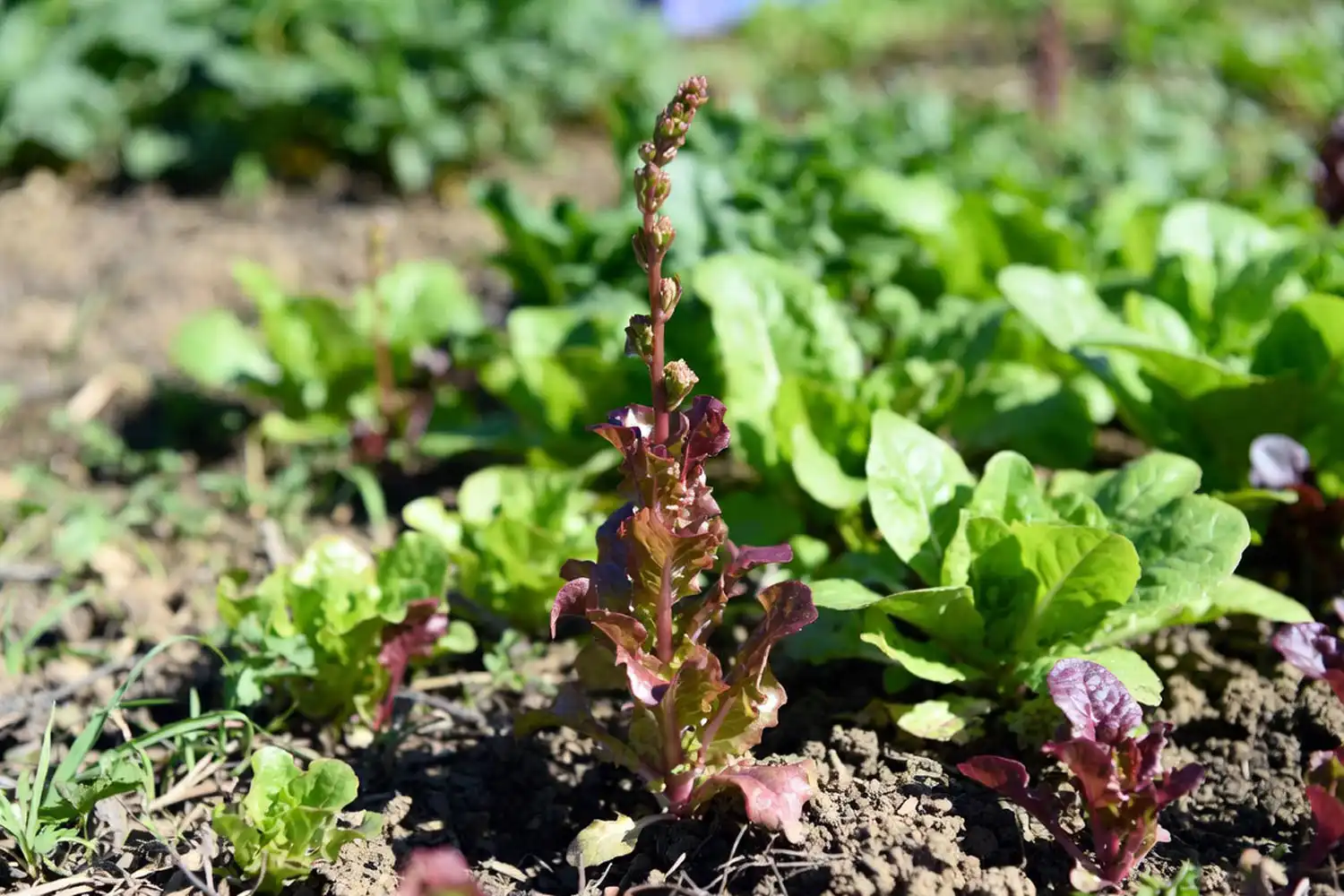
Why Does Red Leaf Lettuce Bolt and Turn Bitter?
Heat and long summer days make lettuce bolt, sending up a flower stalk and turning the leaves bitter. Once a plant bolts, that bitterness will not reverse. Prevent it by planting in the cool shoulder seasons, keeping water steady, mulching, and choosing slow-bolt varieties. Pick leaves often, too, because regular harvest delays bolting.
What Pests Bother Red Leaf Lettuce?
Aphids, slugs, and cutworms cause most of the damage. Aphids cluster under the leaves, so a morning spray of diluted neem oil knocks them back. For slugs, sprinkling diatomaceous earth around the base or setting copper tape on container edges is a common approach. Cutworms snip seedlings at the soil line, so a cardboard collar around young plants stops them. Good spacing and airflow also cut down on leaf rots.
When and How to Harvest Red Leaf Lettuce
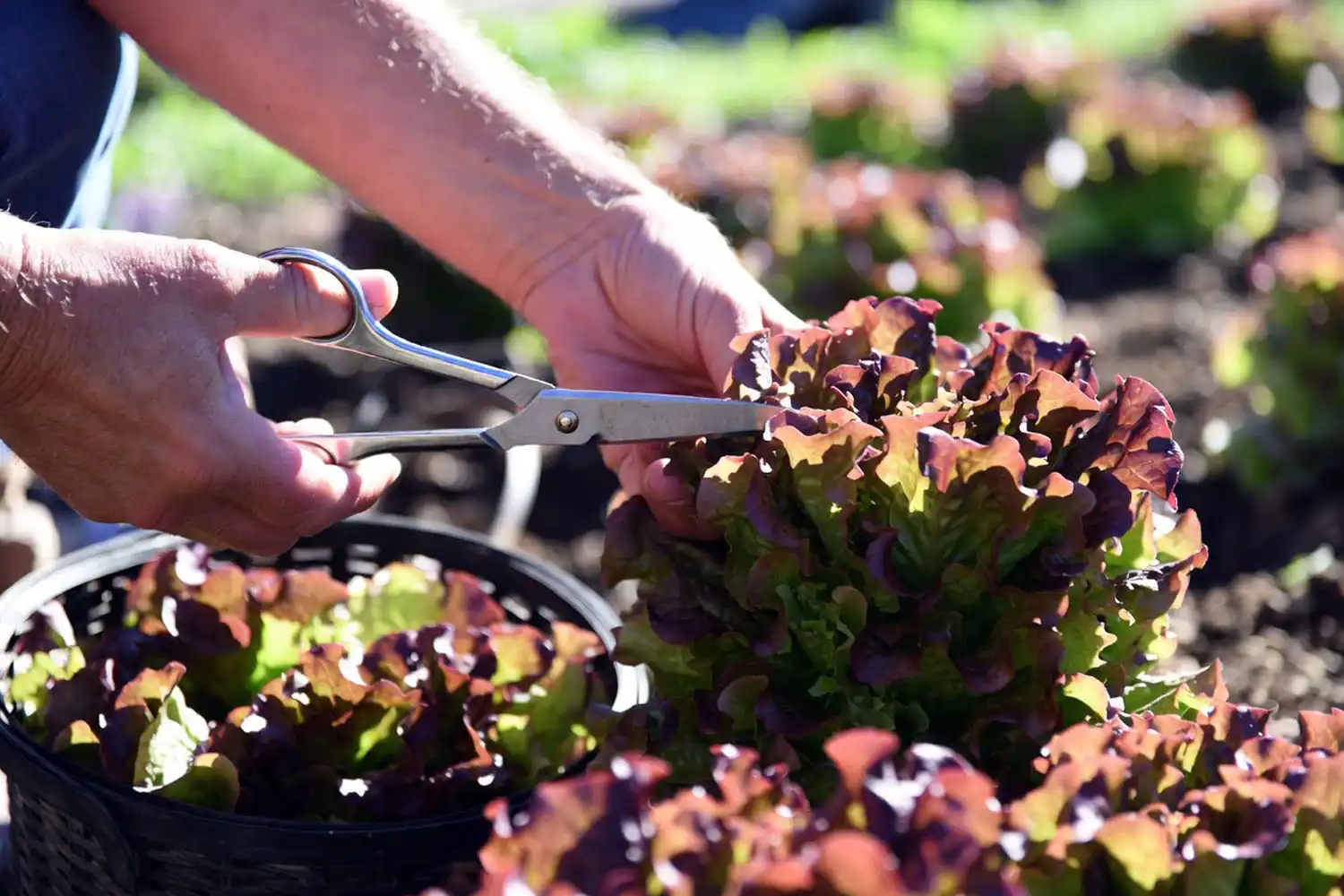
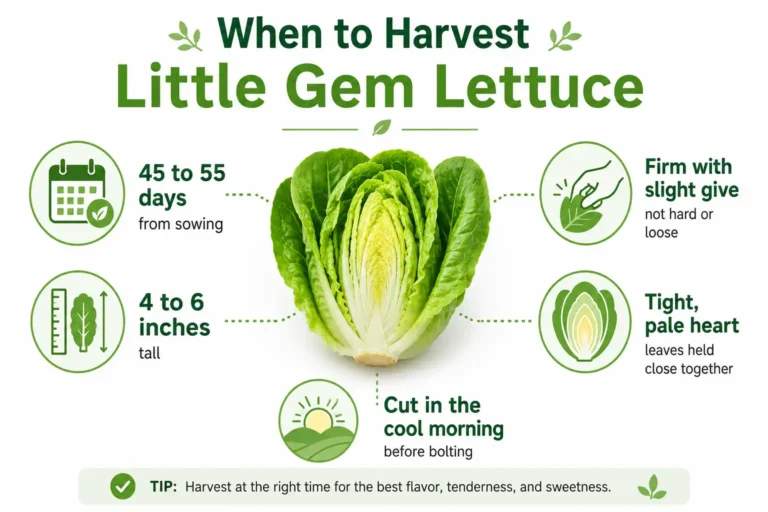
Harvest the leaves 45 to 55 days after sowing, or pick baby leaves around 30 days. Cut in the morning when the leaves are crisp and cool. The cut-and-come-again method lets one planting feed you for weeks.
To do it, snip the outer leaves about 1 inch above the crown and leave the center growing point alone. New leaves push from that center, so the plant keeps producing. Never take more than a third of the plant at once. Water right after cutting to push fresh growth.
Regrowth in cool spring weather takes 7 to 10 days. In warmer June weather it slows to 10 to 14 days. Most plants give you three to five good cuttings before they bolt or turn woody. When the leaves get tough and bitter, pull the plant and sow a fresh round.
Can You Grow Red Leaf Lettuce in Containers?
Yes, red leaf lettuce grows well in pots, window boxes, and grow bags. Its shallow roots only need 6 to 8 inches of soil depth. A container also lets you move plants into shade when summer heat spikes.
Use a pot at least 8 inches deep with drainage holes and quality potting mix. Containers dry out faster, so check moisture daily in warm weather and feed a touch more often. This step-by-step guide on growing lettuce in a pot covers soil, spacing, and watering for small spaces.
Bottom Line for Your Field
Red leaf lettuce rewards cool weather, steady water, and frequent picking. Start in spring or fall, keep the soil moist and fed, and give it bright light for the best burgundy color. Harvest the outer leaves with the cut-and-come-again method, and one planting will feed you for a month or more. When heat sets in and the leaves go bitter, pull them and start a fresh round. That simple rhythm keeps red leaf lettuce available for salads from spring through fall.