How to Germinate Lettuce Seeds: 7 Steps That Work Every Time
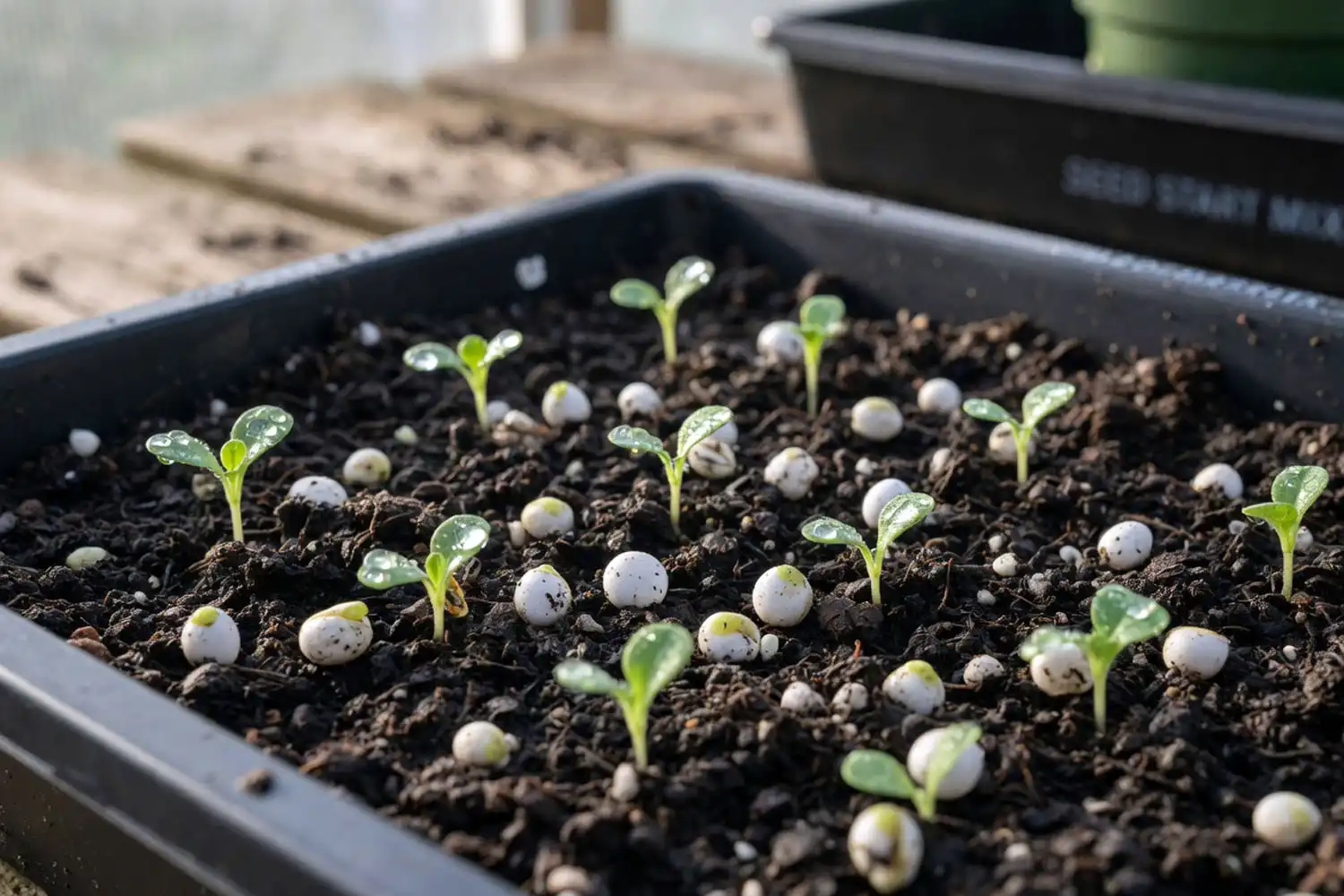
Lettuce is one of the easiest crops in the farm, but only if you nail the start. Learning how to germinate lettuce seeds the right way comes down to cool soil, shallow planting, and steady moisture. Get those three right and sprouts show up in under a week.
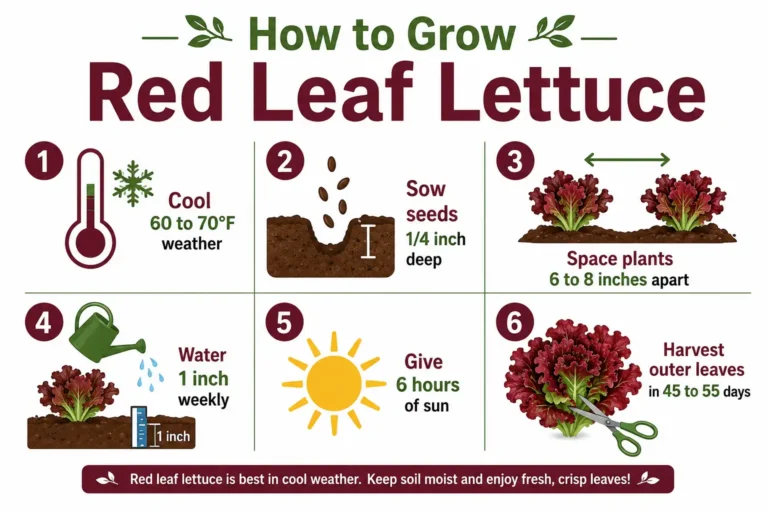
To germinate lettuce seeds, sow them shallow at 1/8 inch deep in soil between 60°F and 70°F. Keep the surface evenly moist and exposed to light. Most varieties sprout within 7 to 10 days under proper conditions.
What Lettuce Seeds Need to Germinate
Lettuce seeds need four conditions: cool soil, light, consistent moisture, and oxygen. Miss one and your germination rate falls fast. Unlike corn or beans, lettuce seeds are tiny and sit near the surface, so the top half-inch of soil matters more than anything deeper.
Every type follows the same rules. Crisphead varieties need more babying, but the basics don’t change.
Know more: How to Grow Lettuce Indoors All Year With Just an LED Light
Ideal Soil Temperature for Lettuce Germination
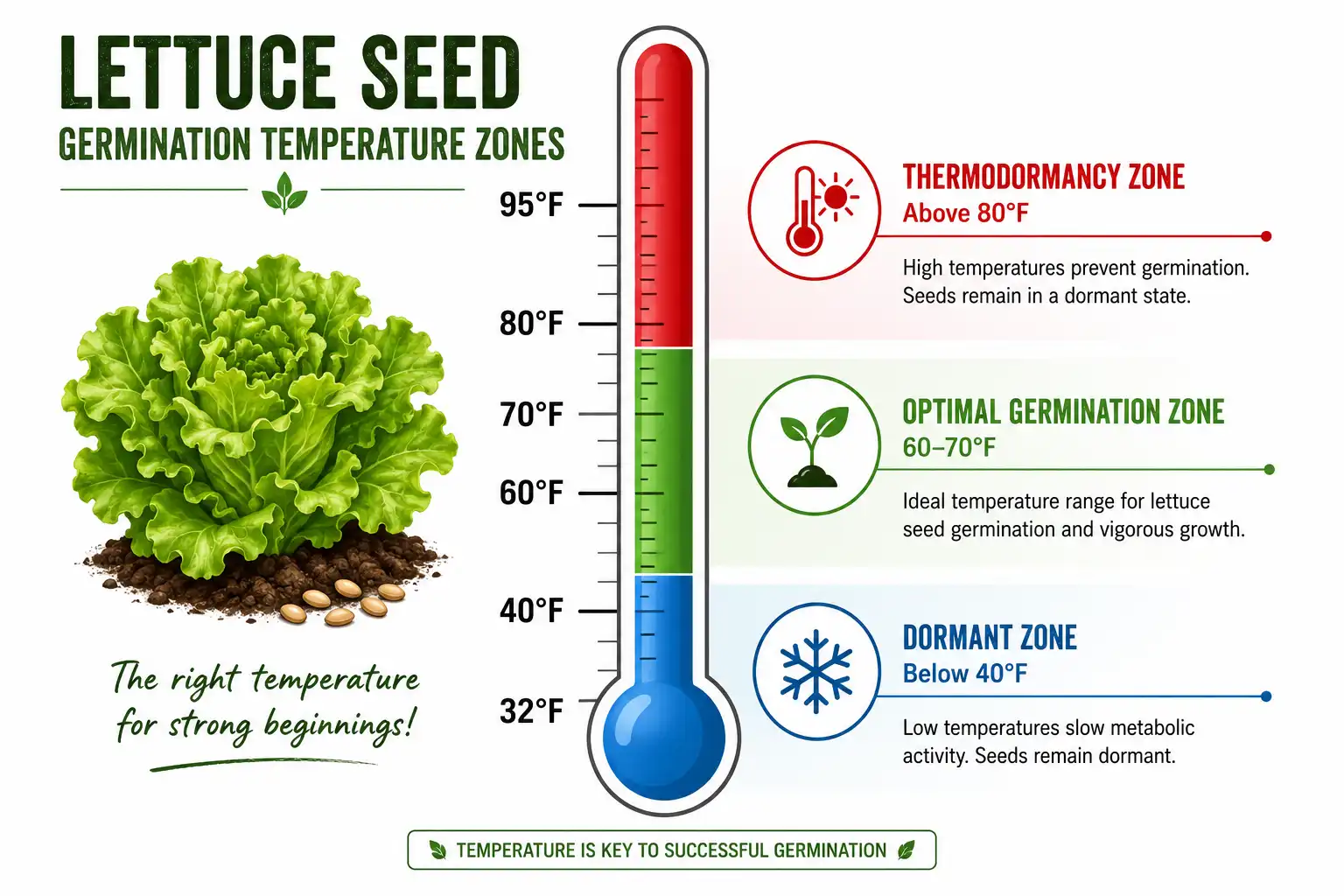
The ideal soil temperature for lettuce germination is 60°F to 70°F. Below 40°F, seeds sit dormant. Above 80°F, they often refuse to sprout at all.
That high-end refusal has a name. It’s called thermodormancy, and it’s the biggest reason summer lettuce sowings fail in the Great Plains.
What Happens Above 80°F
Above 80°F, lettuce seeds shut down. The seed produces a natural hormone that blocks germination until temperatures drop. Once a cool front pushes through, they all pop at once.
If you must sow in the heat, pre-chill the seeds first. Put them in a damp paper towel inside a sealed bag and refrigerate for 24 to 48 hours before planting. This breaks dormancy and gives you a fighting chance.
How to Germinate Lettuce Seeds Step by Step
Here’s the exact process to follow, whether starting in a tray or sowing directly in the bed.
- Pick a fresh seed lot. Lettuce seed stays viable for one to three years if stored cool and dry. Older than that, germination drops below 50 percent.
- Prepare a fine seedbed or seed-starting mix. Lumpy soil traps seeds in air pockets where they dry out. A loose, fine medium gives even contact.
- Sow shallow. Drop seeds 1/8 inch deep, no more. Some growers press them onto the surface and dust with a light cover of vermiculite.
- Press for soil contact. Pat the surface gently. Loose seeds bounce around and germinate unevenly.
- Water with a fine mist. A heavy stream washes seeds away or buries them too deep. Use a spray bottle or a misting wand for the first week.
- Give them light. Lettuce seeds are photoblastic. They need some light exposure to trigger germination, which is why deep planting fails.
- Hold the temperature. A cool basement, a north-facing window, or a seedling tray in a 65°F room all work well.
If you’re starting indoors, a quality system makes this easier. Several seed starting kits handle moisture and humidity automatically.
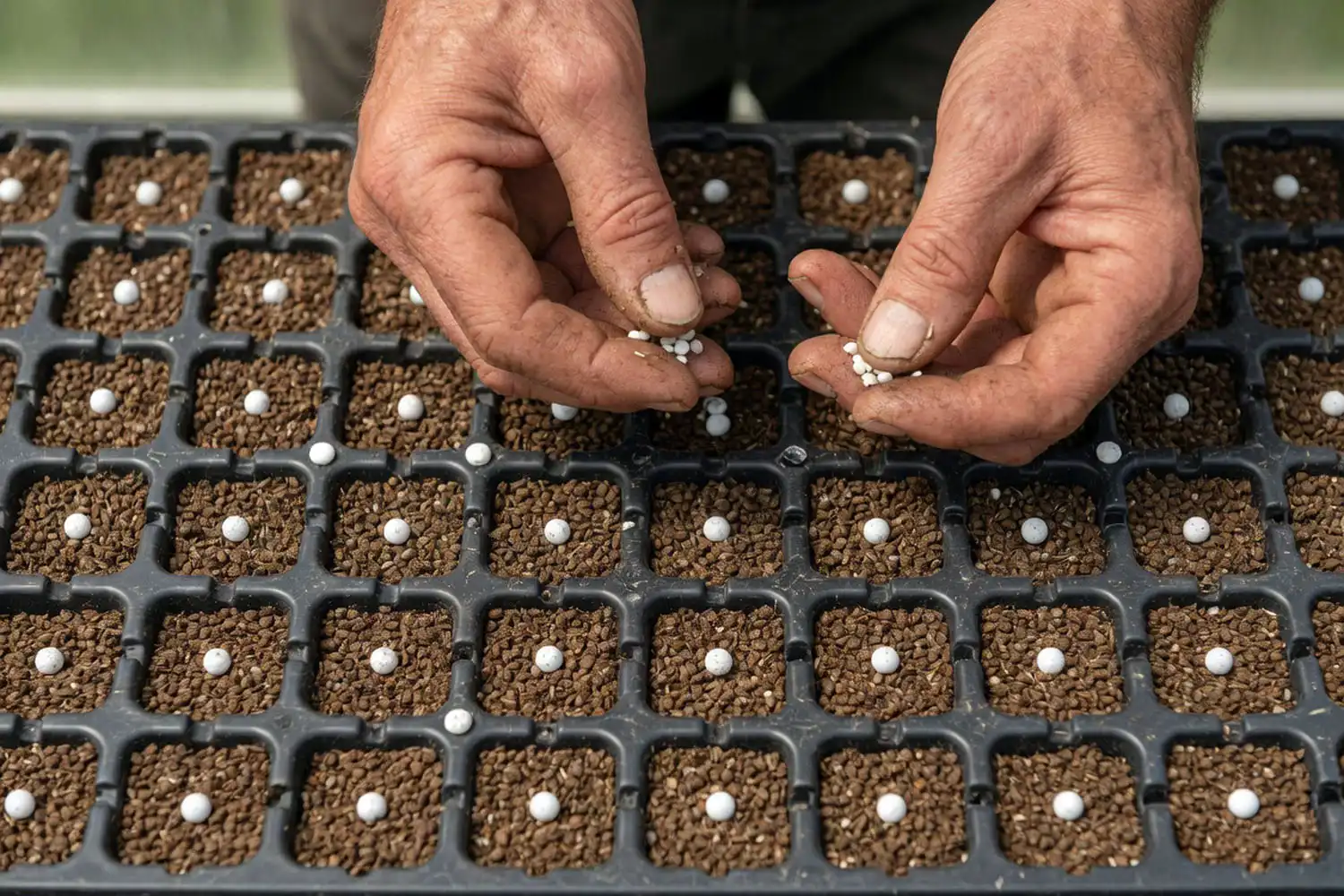
How Deep to Plant Lettuce Seeds
Plant lettuce seeds 1/8 inch deep, or simply press them into the surface. Deeper than 1/4 inch and you’ll lose most of them. The seed coat can’t push through that much soil, and light can’t penetrate to trigger sprouting.
For direct sowing in the field, rake the bed smooth, broadcast or row-sow, then drag a board lightly across to settle the soil. No deep burial. The same issue hits other small-seed crops. There’s a useful technique for seeding small seeds without waste that translates directly to lettuce.
How Long Does It Take Lettuce Seeds to Germinate?
Lettuce seeds germinate in 7 to 10 days under normal conditions. In ideal soil at 65°F with steady moisture, they can sprout in 2 to 3 days. Cold soil stretches that out to 14 days or more.
If nothing pops after 14 days, your seed is likely too old, buried too deep, or the soil dried out at some point.
Indoor Starting vs Direct Sowing
Both methods work, and use both. Indoor starts give me a 4-week jump on spring. Direct sowing skips transplant shock and works great in cool weather.
For deciding between the two, it helps to use transplanting versus direct sowing trade-offs based on the season and variety.
Indoor: start 4 to 6 weeks before your last frost. Use cell trays, hold soil at 65°F, harden off for a week before moving outside.
Direct: sow as soon as the ground works in spring, or about 8 weeks before first fall frost for an autumn crop.
How to Germinate Lettuce Seeds in Hot Weather
Pre-chill the seeds and sow in shade. That’s the short version. In Kansas, the summer ground hits 90°F in the top inch, well above the thermodormancy threshold.
Three tricks that work for me:
- Refrigerate primed seeds for 24 hours before sowing
- Sow under 30 percent shade cloth through emergence
- Water in the evening so the soil cools overnight
Penn State Extension covers similar seed priming methods for heat-stressed vegetable crops when summer sowing is unavoidable.
Common Lettuce Germination Problems
Most failures trace back to five issues.
- Soil too hot. Thermodormancy. Pre-chill the seed or wait for a cool window.
- Dry surface. Lettuce seeds need constant moisture in the top half-inch. Skip one day and you lose the batch.
- Crusted soil. A hard crust after rain blocks sprouts. Mist daily or cover with shade cloth.
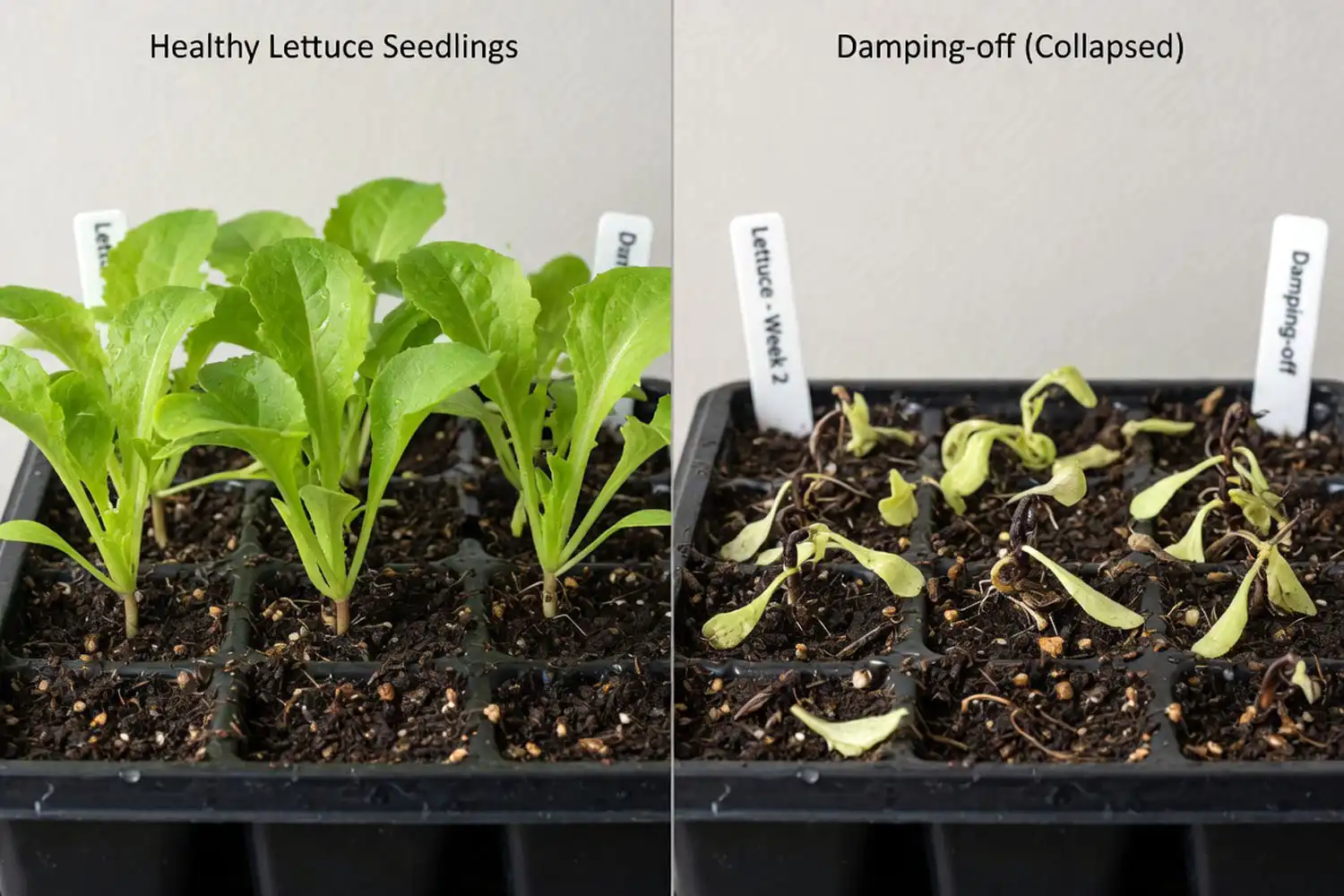
- Damping off. A fungal collapse of young seedlings. Our guide on covers prevention strategiesdamping off in seedlings. Good airflow and clean trays stop it.
- Old seed. Anything over three years old needs a viability test before you trust it in a full row.
How to Test Lettuce Seed Viability
Spread 10 seeds on a damp paper towel, fold it, slip it into a plastic bag, and keep it at 65°F. Check after 7 days. If 8 sprout, you have 80 percent germination, more than enough to plant. Below 50 percent, toss the packet.
Choosing the Right Variety for Easy Germination
Leaf lettuces germinate the easiest. Buttercrunch, Black Seeded Simpson, and Salad Bowl all sprout reliably even in marginal soil. Crisphead types like iceberg are pickier and more prone to thermodormancy.
If you’re picking between seed types, the differences between hybrid and heirloom seeds matter. Hybrids germinate more uniformly. Heirlooms give you flavor and seed-saving options.
What This Looks Like in the Lettuce Bed
Cool soil, shallow seeds, and constant moisture. That’s the whole formula. The first lettuce row typically goes in late March, the second in mid-April, and the fall crop in mid-August under shade cloth. Stick to those three rules and you’ll see sprouts on schedule, season after season.