Why Is Your Lettuce Bitter? Causes and Easy Fixes for 2026
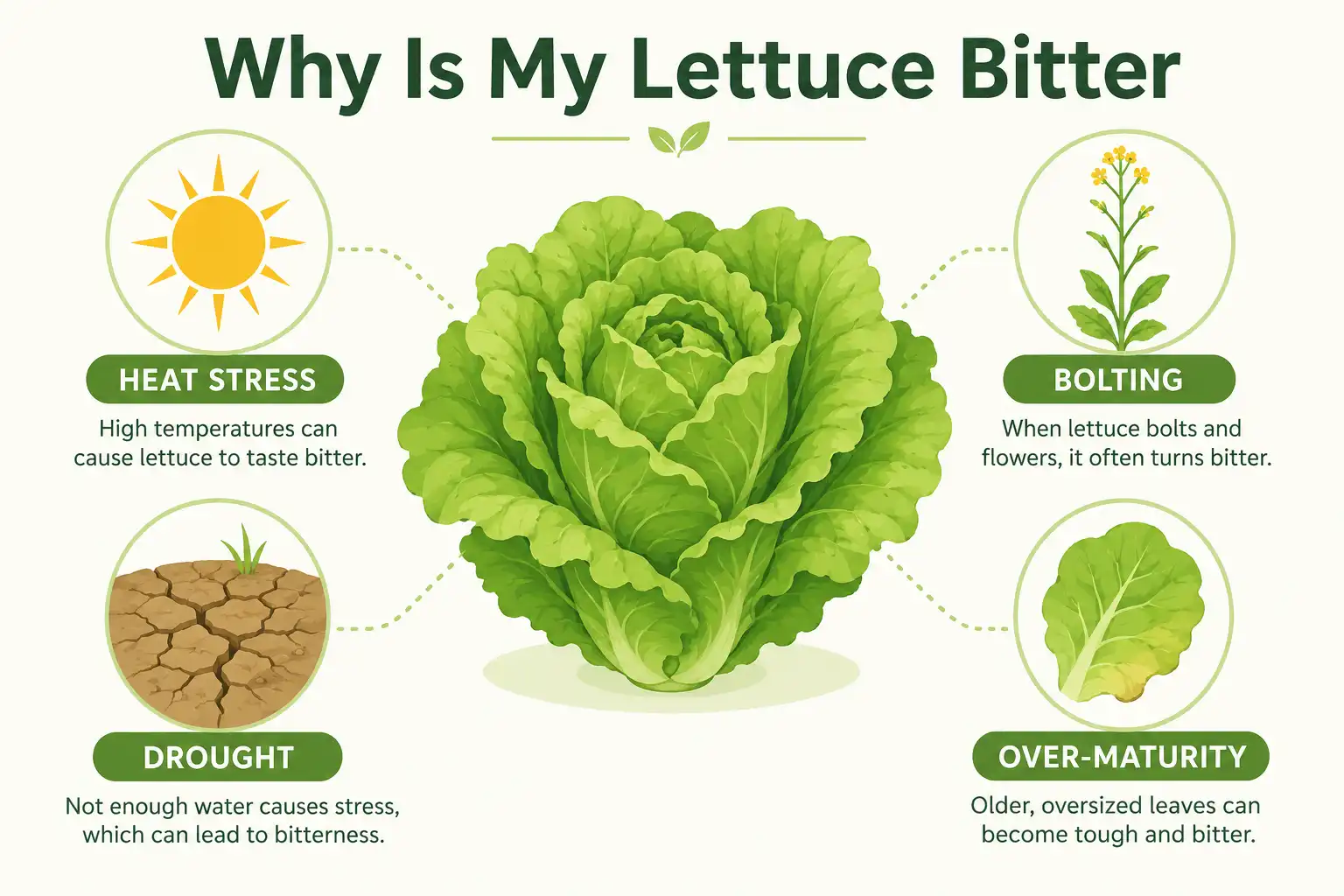
Bitter lettuce ruins a good salad fast. If lettuce turns out bitter, the short answer is plant stress. Heat, bolting, and uneven water push the plant to flood its leaves with sharp defensive compounds.
Your lettuce is bitter because the plant is stressed. Heat above 75°F, bolting, drought, and over-mature leaves raise sesquiterpene lactones, the bitter compounds in lettuce sap. Cool weather, steady moisture, and an early harvest keep the leaves sweet.
Why Is Your Lettuce Bitter? Start With Plant Stress
Your lettuce is bitter because something stressed the plant during the season. Lettuce is a cool-season crop. So when it gets too hot, too dry, or too old, it switches into defense mode. The usual triggers are summer heat, bolting, drought stress, over-mature leaves, a bitter-prone variety, weak fertility, and harvesting in the heat of the afternoon.
The bitter taste itself comes from sesquiterpene lactones, mostly lactucin and lactucopicrin. These sit in the milky white sap (latex) that leaks when you cut a stem. The plant makes this sap to fend off pests. When growth is fast and conditions stay mild, the levels stay low and you never taste them. Once the plant feels stress, it pumps out more, and the leaves turn sharp.
Bolting Is the Top Reason Lettuce Turns Bitter
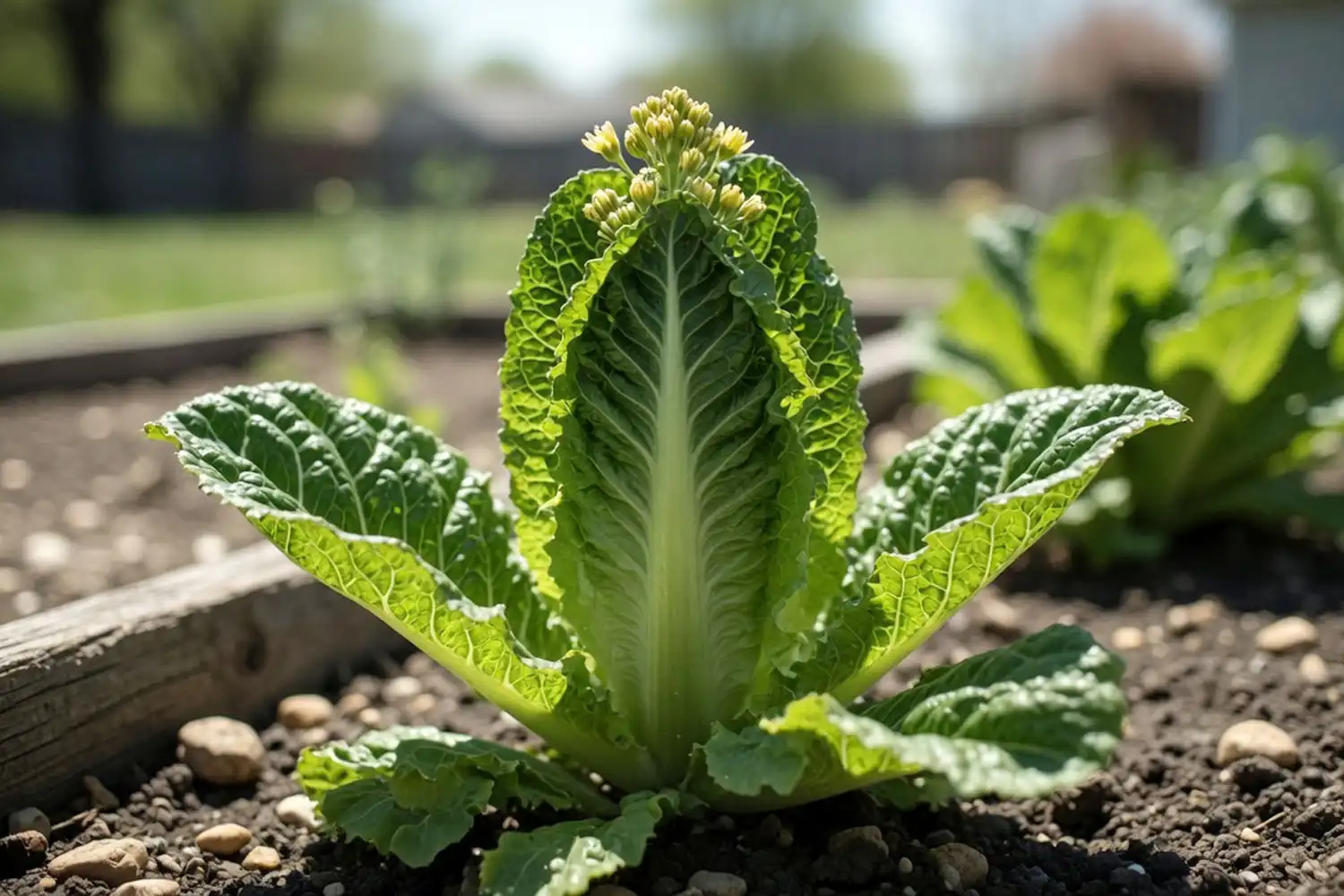
Bolting is the single biggest cause of bitter lettuce. When a plant bolts, it stops making tender leaves and starts pushing up a flower stalk to set seed. During that shift, it sends bitter compounds straight into the leaves.
You can spot bolting early. The center of the plant stretches upward. The head turns cone-shaped. A thick stalk rises from the middle, and learning to read the early signs of bolting helps you harvest before the flavor goes. Long days and rising heat trigger it, which is why lettuce so often bolts as spring tips into summer in Kansas.
Once a stalk shows, the leaves near it taste the worst. So pick the whole plant before it gets tall. After the stalk passes a few inches, raw leaves are usually too harsh to enjoy.
Heat Stress and Bitter Leaves
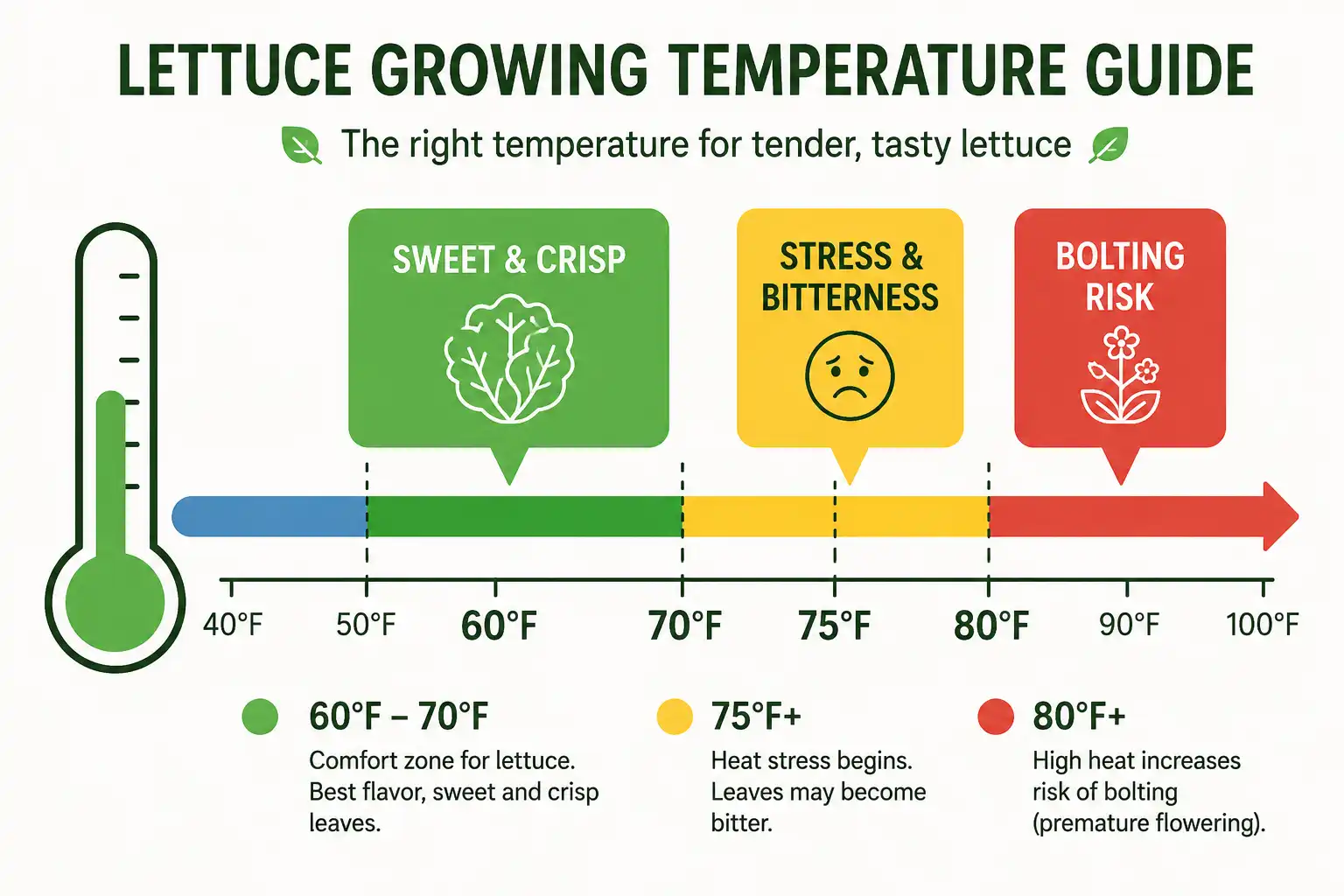
Heat is the main thing that pushes lettuce toward bitterness and bolting. Lettuce grows best between 60°F and 70°F. Once daytime temperatures sit above 75°F, the plant ramps up those bitter compounds to protect itself. Warm nights make it worse, since the plant never gets to cool off and recover.
Heat does double damage. It raises bitterness directly, and it triggers bolting at the same time. So a single hot stretch in June can sour a whole bed. If you want to grow lettuce through the summer heat, give it afternoon shade, mulch the roots, and lean on heat-tolerant types.
Does Uneven Watering Make Lettuce Bitter?
Yes, uneven watering makes lettuce bitter. Lettuce has shallow roots and thin leaves, so it feels dry soil fast. When the bed swings between bone-dry and soaked, the plant reads it as stress and builds up bitter compounds.
Steady moisture is the fix. Keep the top few inches of soil consistently damp, not soggy. Mulch holds that moisture in and keeps roots cool. A soaker hose or drip line beats overhead watering for even delivery. If you are not sure how much water lettuce needs, aim for steady soil moisture, not a rigid schedule. Then check the bed daily during hot weather.
Old, Over-Mature Lettuce Turns Bitter
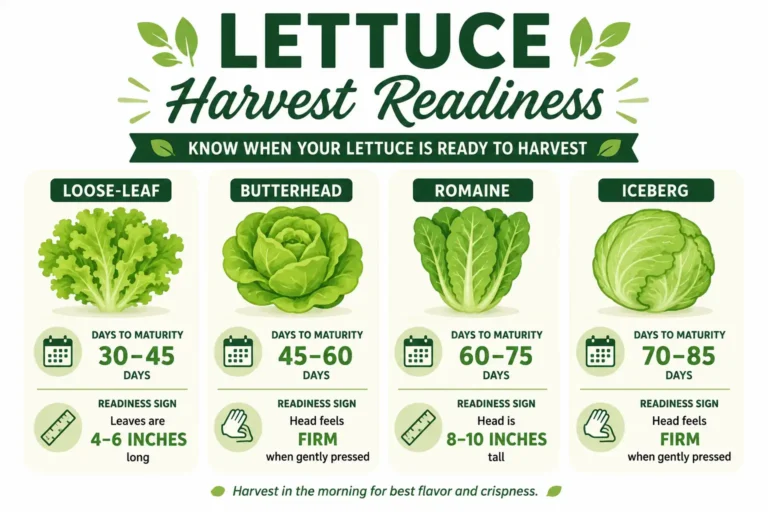
Lettuce gets more bitter the longer it sits past maturity. Older, larger outer leaves hold more of the bitter compounds than young inner leaves. So a head you forgot about for an extra two weeks will taste sharper than one picked on time.
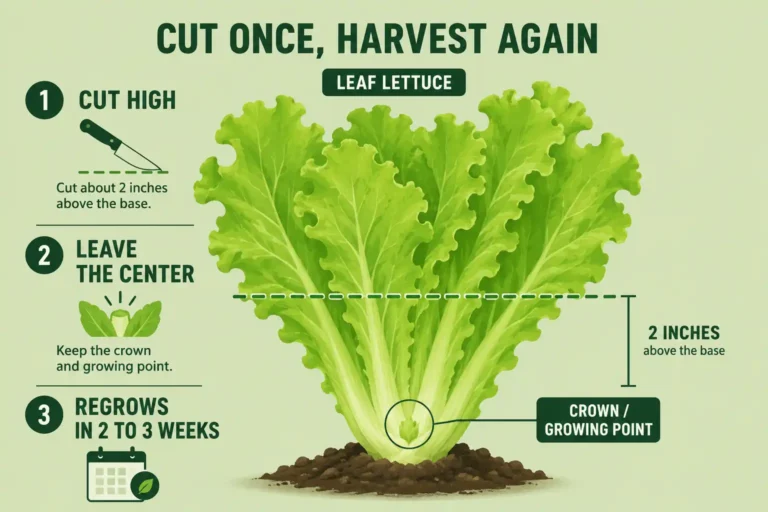
Harvest on schedule to stay ahead of it. Baby leaves are the mildest. Knowing when lettuce is ready to pick lets you cut at peak flavor instead of waiting too long. Take outer leaves first and leave the center to keep going, which gives you tender pickings over a longer window.
Do Some Lettuce Varieties Get More Bitter?
Yes, some lettuce varieties turn bitter faster than others. Crisphead types like iceberg bolt and sour quickly under heat. Butterhead and looseleaf types hold their mild flavor longer and handle warm spells better.
For hot Kansas summers, reach for slow-bolting, heat-tolerant varieties. Jericho, a romaine bred for desert heat, holds up well. Buttercrunch (a butterhead) and looseleaf picks like New Red Fire and Salad Bowl resist bolting better than iceberg. So choosing the right variety for your season cuts your bitterness odds before you even plant.
Does Fertilizer Affect Lettuce Bitterness?
Yes, fertilizer affects lettuce bitterness in two ways. Too little nitrogen slows growth, and slow-growing lettuce tastes more bitter because it never gets that fast, lush start. Too much nitrogen in warm weather pushes soft growth the plant cannot hold, which also feeds bitterness and bolting.
Aim for steady, moderate feeding. Lettuce tastes best when it grows fast and finishes before summer heat. Start with a soil test, which K-State Research and Extension recommends for dialing in fertility. Some extension guides also suggest sidedressing with calcium nitrate for even growth, since it helps prevent the leaf-edge browning called tipburn.
Why Harvest Time of Day Changes the Flavor
Lettuce picked in the afternoon tastes more bitter than the same lettuce picked at dawn. Through the day, the plant builds up compounds as it photosynthesizes in the sun and heat. By late afternoon those levels peak.
So cut your lettuce early in the morning. The leaves are cool, crisp, and at their mildest then. This one habit makes a real difference in flavor, and it costs you nothing but timing.
How to Fix Bitter Lettuce You Already Picked
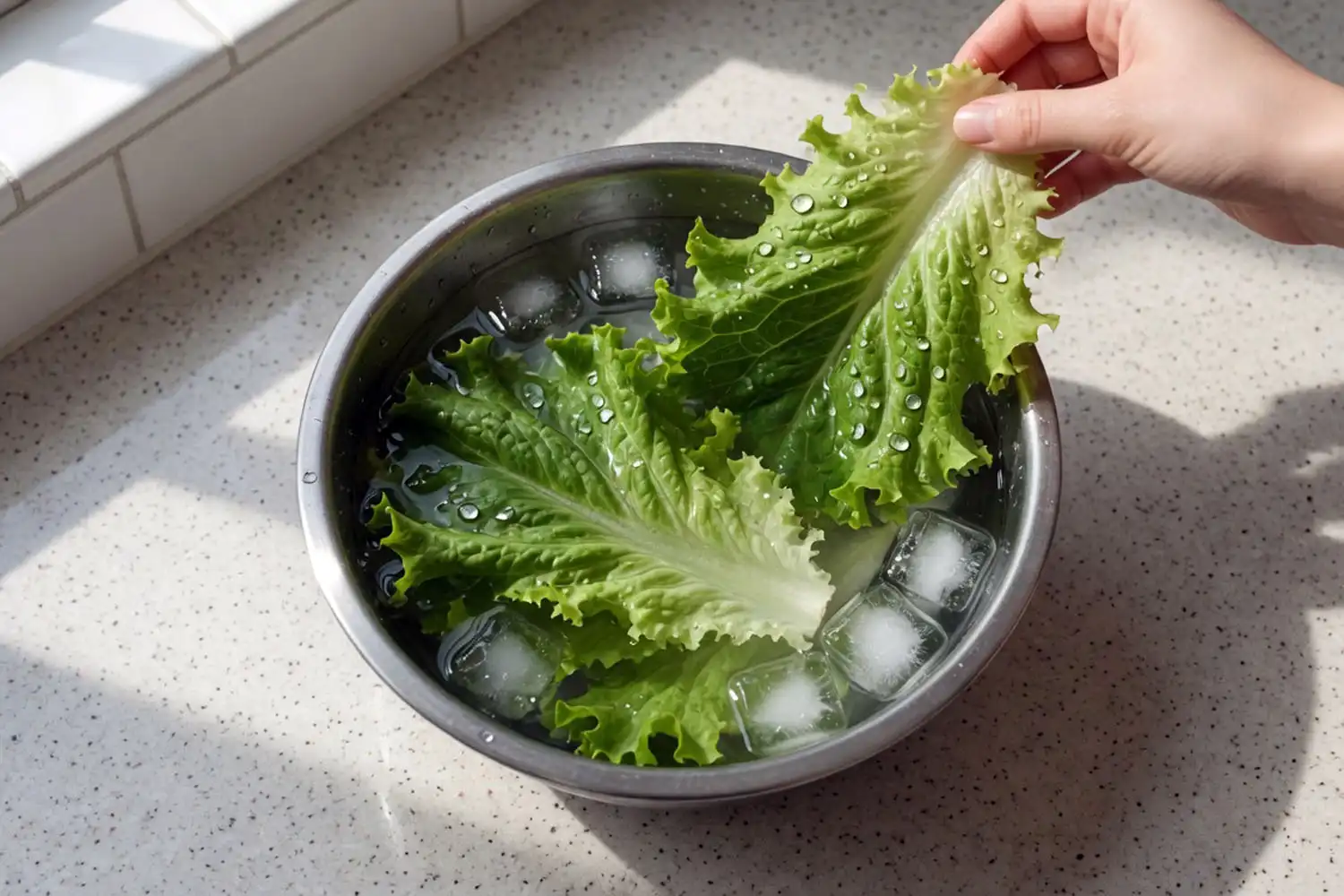
You can tame mildly bitter lettuce with a cold soak. Plunge the leaves into a bowl of ice water for 30 minutes up to an hour. The cold firms the leaves and pulls down some of the bitterness. A day or two in the fridge does the same, and much of the sharp taste fades.
Pairing helps too. A sweet or acidic dressing, like one with honey or vinegar, balances a bitter edge. If the lettuce bolted hard and tastes harsh, skip the salad and cook it instead. You can put bolted lettuce to use in a soup, sauté, or stir-fry, where stronger flavors take over. Heavily bolted leaves can also go to the chickens or the compost pile.
How to Keep Your Lettuce From Turning Bitter
The best way to avoid bitter lettuce is to keep the plant growing fast in cool, steady conditions. Plant in early spring and again in late summer for fall, so the crop matures outside peak heat. In zone 6a, that means getting spring lettuce in early and timing a fall crop as the heat breaks.
Keep moisture even and mulch to hold it. Pick young and pick often. Choose slow-bolting varieties for warm spells. Give afternoon shade when a hot stretch hits. Do all that, and you keep your plants from bolting long enough to bring in sweet, crisp heads.
Is Bitter Lettuce Safe to Eat?
Yes, bitter lettuce is safe to eat. The bitter compounds are not toxic, so bolted or heat-stressed leaves will not hurt you. The taste and texture just turn many people off, which is why bitter heads usually get tossed.
So if your lettuce tastes sharp but looks healthy, it is fine to eat. Soak it, dress it sweet, or cook it. Toss it only if it has actually spoiled, meaning slimy, rotten, or off-smelling leaves.
What to Watch For in the Beds
Bitter lettuce almost always traces back to a stressed, slow-growing, or over-mature plant. Heat and bolting cause most of it, with uneven water close behind. Keep your lettuce growing fast in cool weather, water it steady, pick it young in the morning, and choose varieties that hold up to heat. Do that, and bitter salads stop being a problem on the table, the way they have on countless others.