How Long Does Lettuce Take to Grow From Seed to Harvest
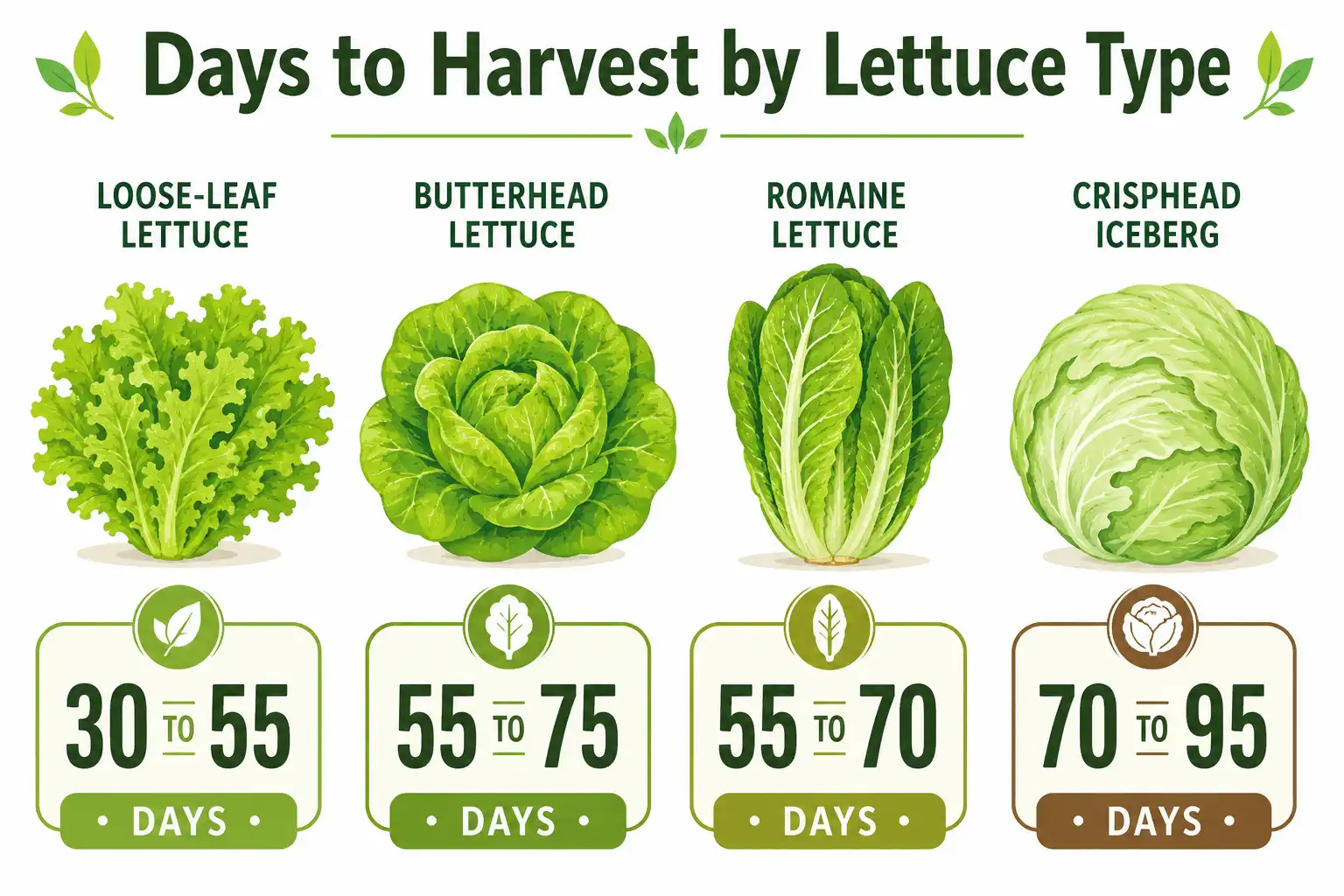
Lettuce is one of the fastest crops you can grow, but the timeline depends on the type. How long does lettuce take to grow? Anywhere from 30 days for baby leaves to 95 days for a firm iceberg head.
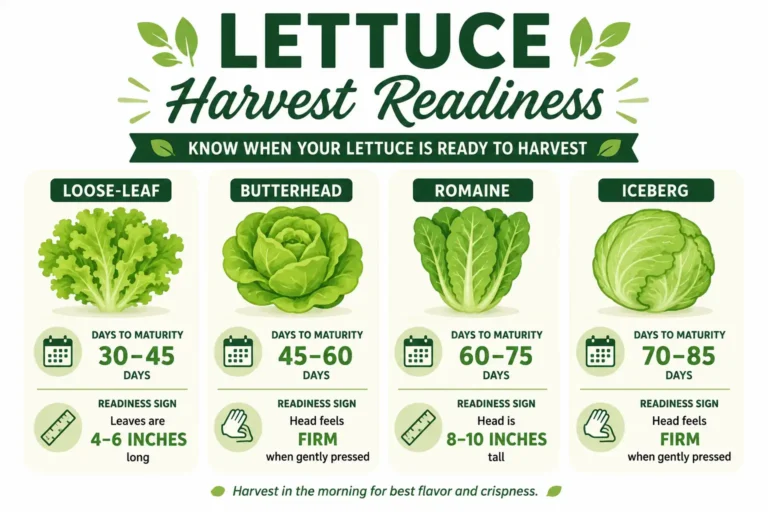
How long does lettuce take to grow depends on the type. Loose-leaf reaches full size in 45 to 55 days, romaine in 55 to 70, butterhead in 55 to 75, and crisphead iceberg the longest at 70 to 95 days.
How Long Does Lettuce Take to Grow by Type?
Lettuce takes 30 to 95 days to grow, and the type sets the clock. Loose-leaf is fastest. Crisphead iceberg is slowest. Romaine and butterhead land in the middle. So pick your type first, then count from your planting date.
How Long Does Leaf Lettuce Take to Grow?
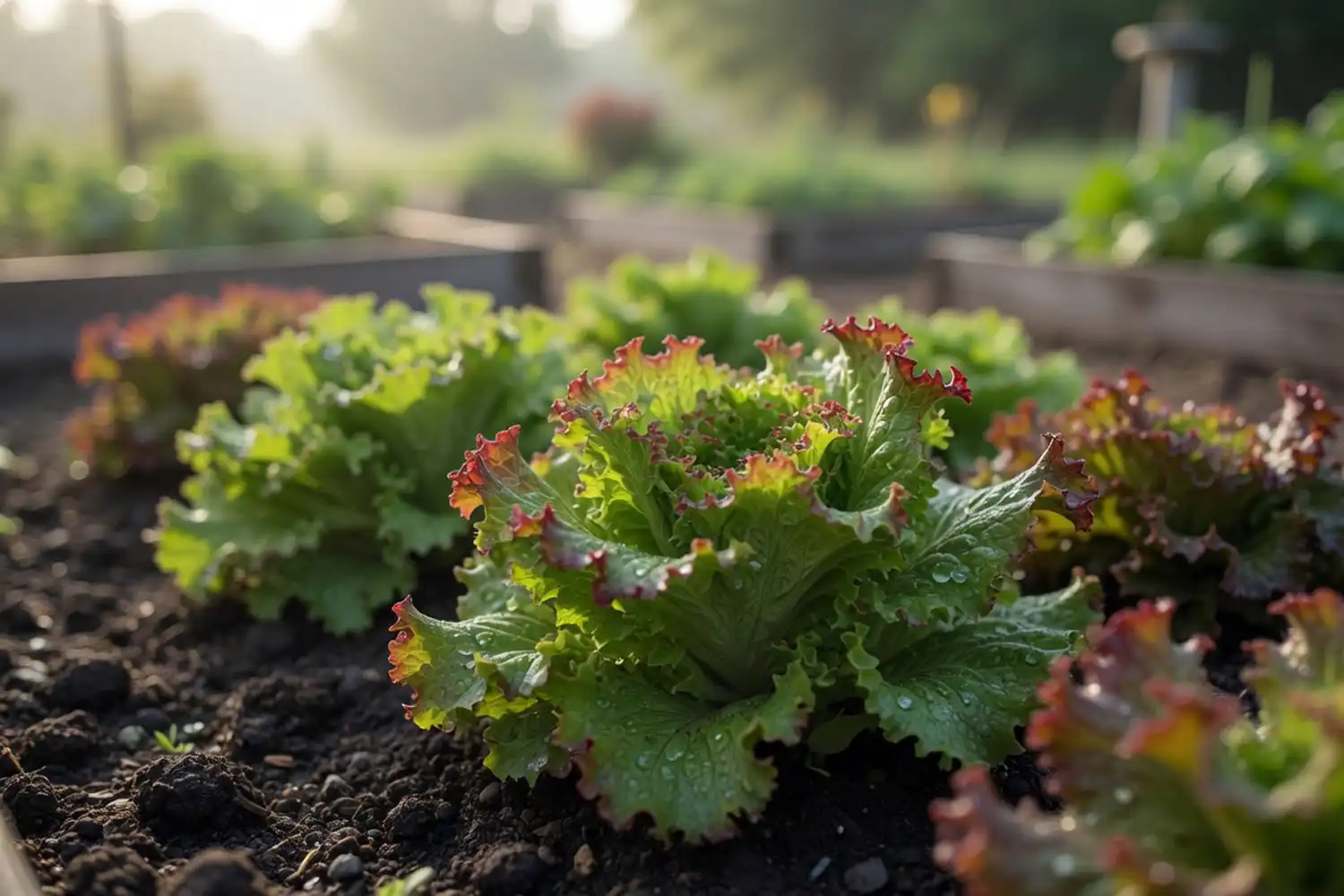
Leaf lettuce grows fastest of all, with full-size leaves in 45 to 55 days. You can start cutting baby greens around 30 days, once leaves reach 4 to 5 inches. Grow loose-leaf types like Black-Seeded Simpson and Red Sails for this reason. They hand me salad weeks before any head lettuce is ready.
Because leaf lettuce never forms a head, you harvest the outer leaves and let the center keep growing. That habit stretches one planting across several weeks.
How Long Does Romaine Take to Grow?
Romaine takes 55 to 70 days to form a full upright head. The leaves elongate and overlap into a tight, narrow head about 8 to 10 inches tall. Iowa State pegs romaine at roughly 70 days from sowing, which matches what to see in the plots. You can also pull outer leaves earlier instead of waiting for the whole head. If you want sturdy hearts without bitterness, growing romaine from seed comes down to steady cool weather and even moisture.
How Long Does Butterhead Lettuce Take to Grow?
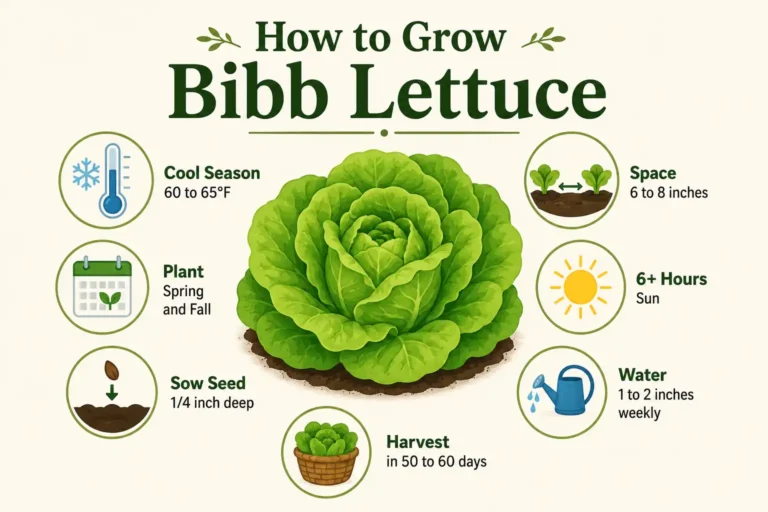
Butterhead lettuce matures in 55 to 75 days, forming a loose, soft head. Bibb and Boston are the common kinds, and Buttercrunch is a common top pick. The leaves cup inward and turn buttery and tender at the center. Heat is the catch. Bibb types go bitter fast once temperatures climb past 75°F, so timing for spring and fall is the recommended approach. For sweet, dependable heads, growing Bibb lettuce works best in the cool shoulder seasons.
How Long Does Iceberg (Crisphead) Lettuce Take to Grow?
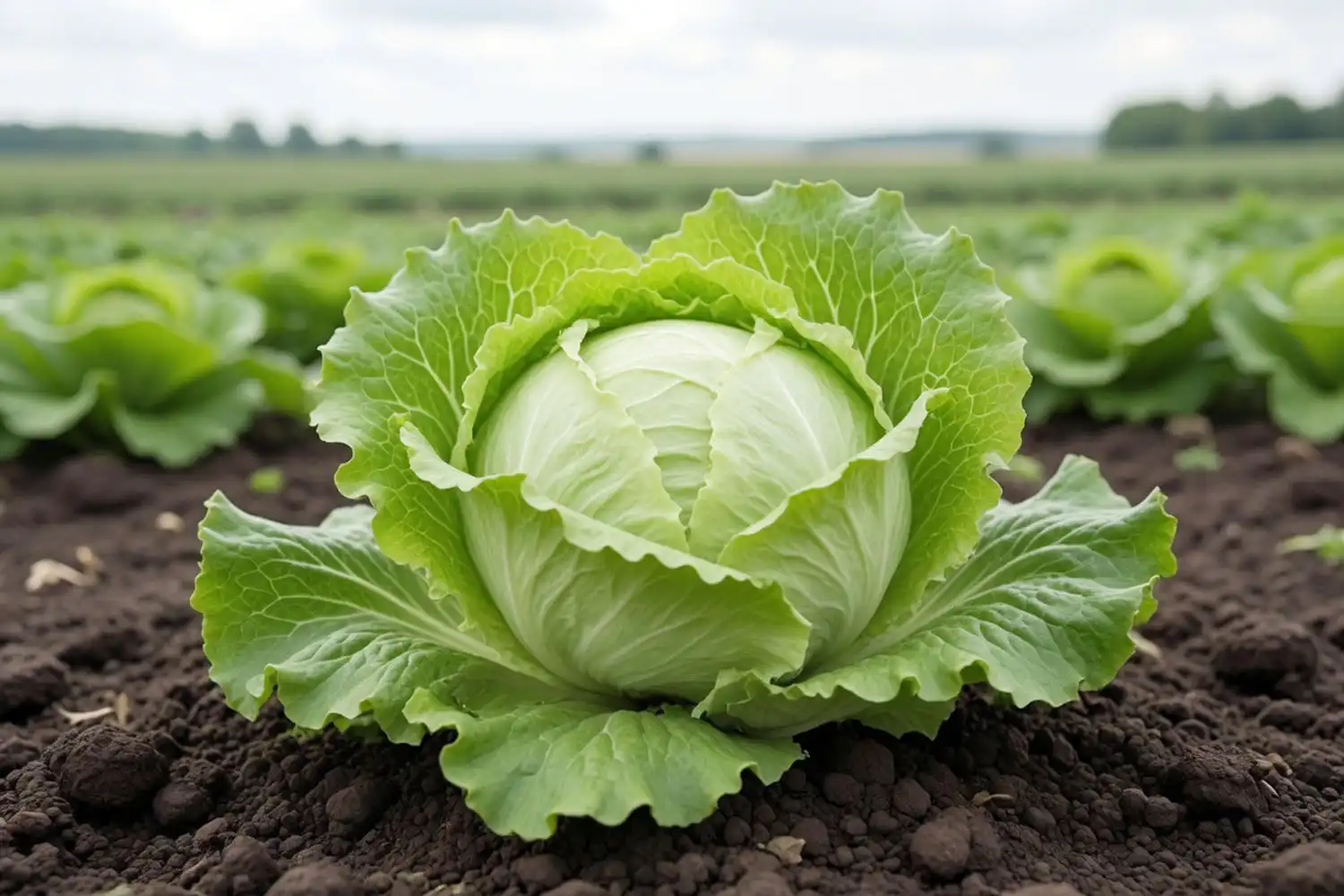
Iceberg, or crisphead, takes the longest at 70 to 95 days. It needs the most time and the most space to wrap its leaves into a firm, solid head. Cultivars like Great Lakes and Ithaca hold up better in warm spells. Iceberg is also the fussiest about water and temperature, so new growers often struggle with it. For the best shot at a tight head, planting iceberg lettuce from transplants in a fall window beats a summer sowing.
Learn more: Grow lettuce at home
What Are the Stages of Lettuce Growth?
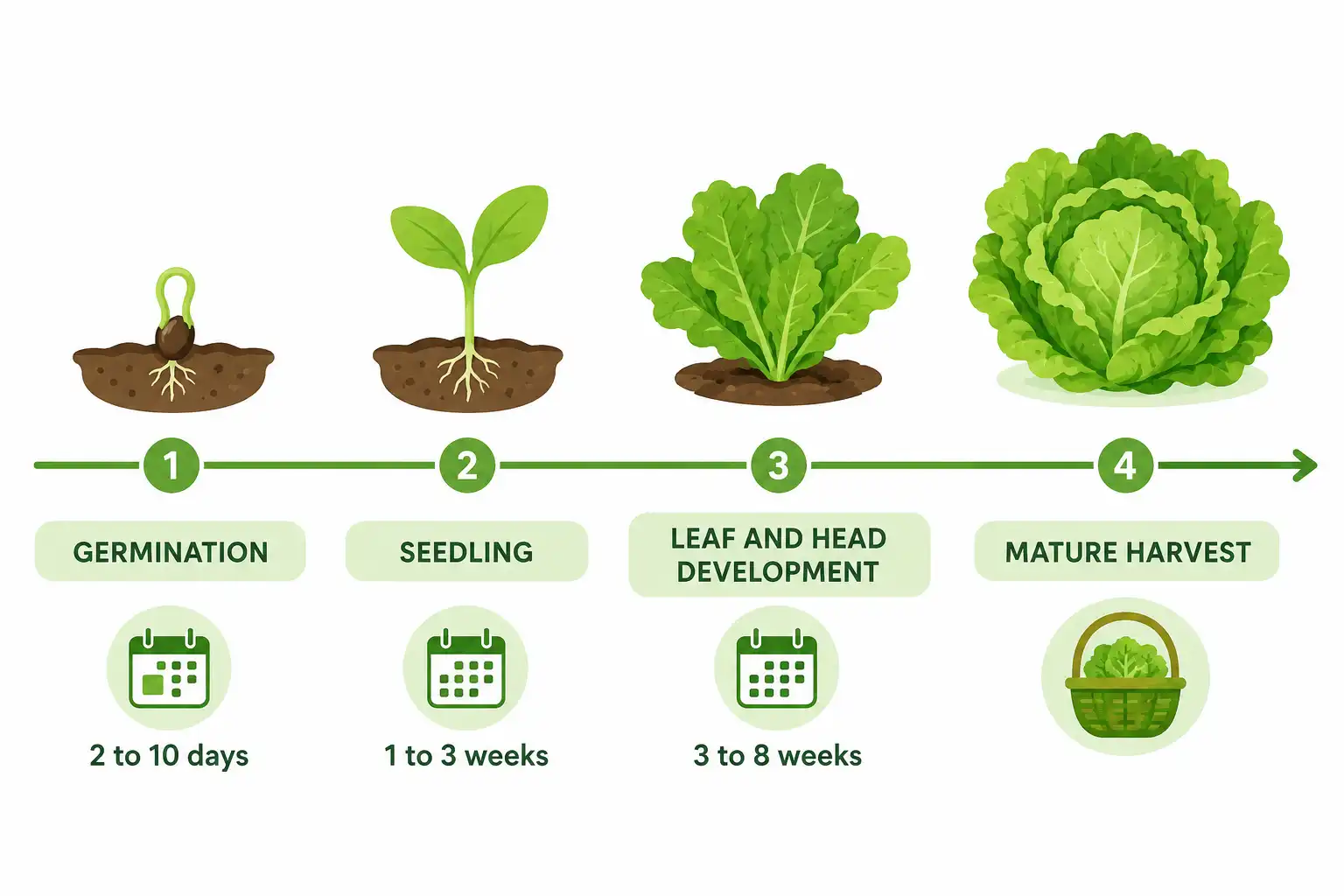
Lettuce moves through four clear stages: germination, seedling, leaf or head development, then maturity. Each stage has a rough time window. Knowing them helps you read your crop instead of guessing.
Germination runs 2 to 10 days. The seedling stage covers the next 1 to 3 weeks, while the first true leaves push out. Leaf and head development takes 3 to 8 weeks, depending on type. Maturity is the day you harvest, which lines up with the day count for your variety.
How Long Does Lettuce Take to Germinate?
Lettuce seeds usually sprout in 2 to 10 days, sometimes up to two weeks in cold soil. Soil temperature controls the speed. The sweet spot sits around 60 to 68°F, where you see sprouts in about a week. Cold soil below 40°F slows things down. Hot soil above 80°F is the real problem, because lettuce seed goes dormant in heat. That is why direct-seed lettuce into warm midsummer ground. If you want the full picture on how quickly lettuce seeds sprout, soil temperature matters more than anything else.
What Affects How Fast Lettuce Grows?
Temperature, season, light, water, and your variety all change the timeline. Temperature leads the list. Lettuce is a cool-season crop that grows best between 60 and 65°F. Growth slows in the cold and stalls or bolts in the heat.
Season ties straight to that. Spring and fall give steady, predictable growth in zone 6a. K-State Research and Extension treats lettuce as a cool-season crop for early spring and fall. A fall crop often produces sweeter heads, so timing your planting for the sweetest heads pays off. Winter changes everything. Under cover, growth crawls, and a head that takes 60 days in fall can take twice that long. If you want salad in the cold months, growing lettuce through winter means accepting a much slower clock.
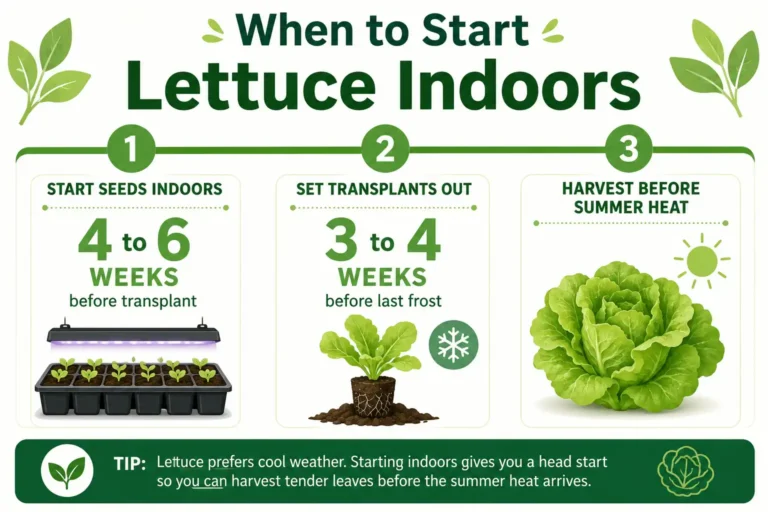
Light speeds growth too. Full sun pushes leaves fast, though lettuce tolerates partial shade in summer heat. Water keeps the clock moving. Steady moisture means fast, tender growth, while stress slows the plant and triggers early bolting. Variety sets the baseline. A 30-day leaf type will always beat a 90-day iceberg, no matter how you treat it. Transplants help as well. Setting out 3-week-old transplants shaves weeks off your field time compared to direct seeding.
How Can You Get Lettuce to Harvest Faster?
Start with transplants, pick fast leaf types, and harvest baby greens early. Those three moves cut the most time. Start seeds indoors and set out transplants to skip the slow early weeks. It helps to use loose-leaf and baby-leaf types when to want quick salads. Cut outer leaves at 4 to 5 inches instead of waiting for full size. Steady water and a light feeding of nitrogen keep growth from stalling. Succession seeding every 1 to 2 weeks keeps fresh lettuce coming all season.
When Can You Start Harvesting Lettuce?
You can start harvesting leaf lettuce as soon as plants reach 4 to 5 inches, often around 30 days. For loose-leaf and romaine, pick the outer leaves first and leave the center to grow. That cut-and-come-again method keeps a single plant cropping for up to two months. Heads work differently. Wait for butterhead, romaine, and iceberg to firm up before you cut them at the crown. After you cut a head at the base, smaller leaves often regrow for a bonus picking. Always harvest in the cool morning so the leaves stay crisp.
What This Looks Like in the Fields
Here is how to plan it. Sow loose-leaf for fast salads, then stagger romaine and butterhead for steady heads through spring and fall. Skip iceberg in summer and grow it as a fall crop instead. Count from your planting date, match the type to your season, and you will hit harvest right on schedule.