How to Grow Bibb Lettuce for Sweet, Tender Heads Every Season
Bibb lettuce is a butterhead type prized for soft, sweet leaves that form a loose, open head. It grows fast and stays tender when you treat it right. Here is how to grow bibb lettuce from seed to harvest.
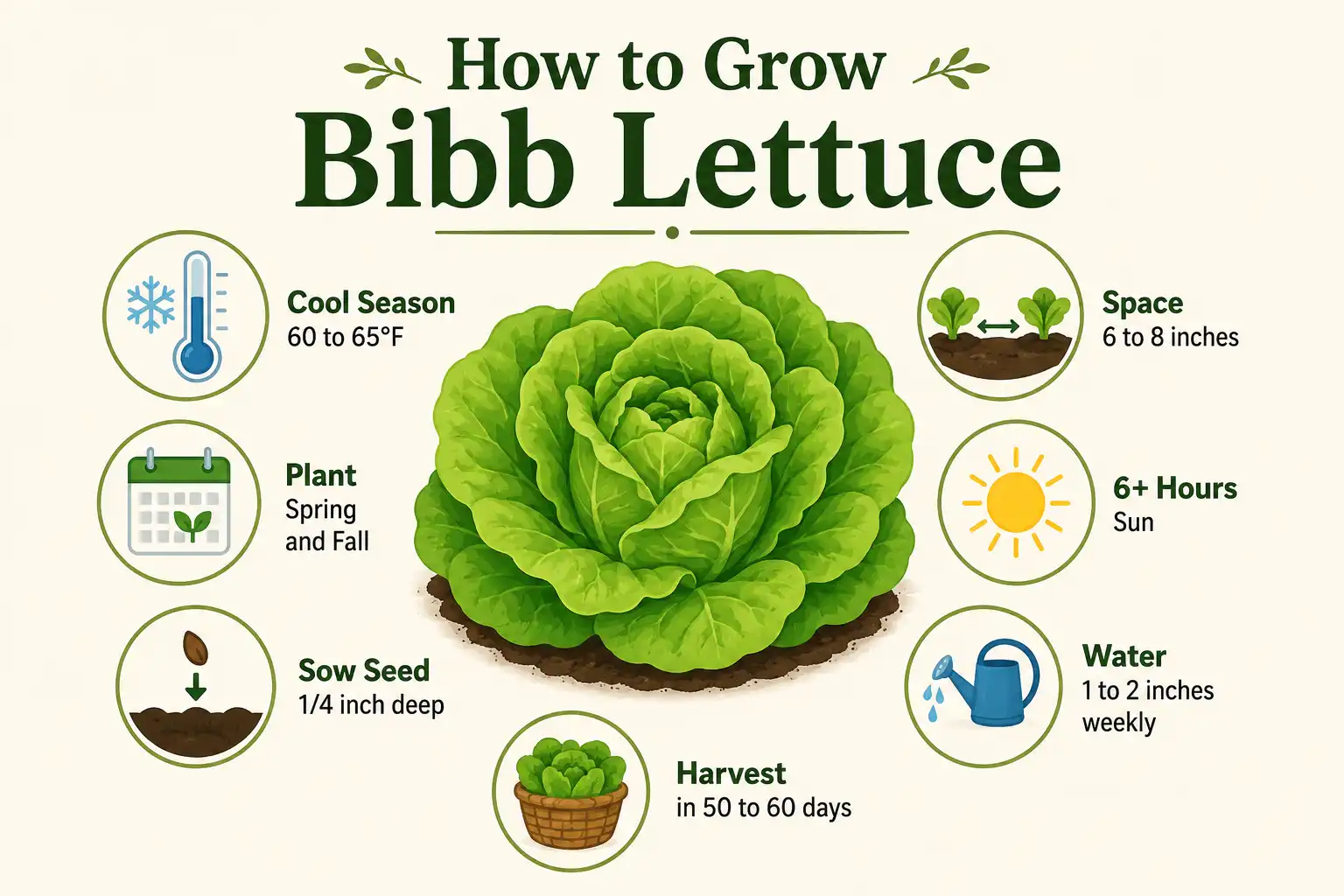
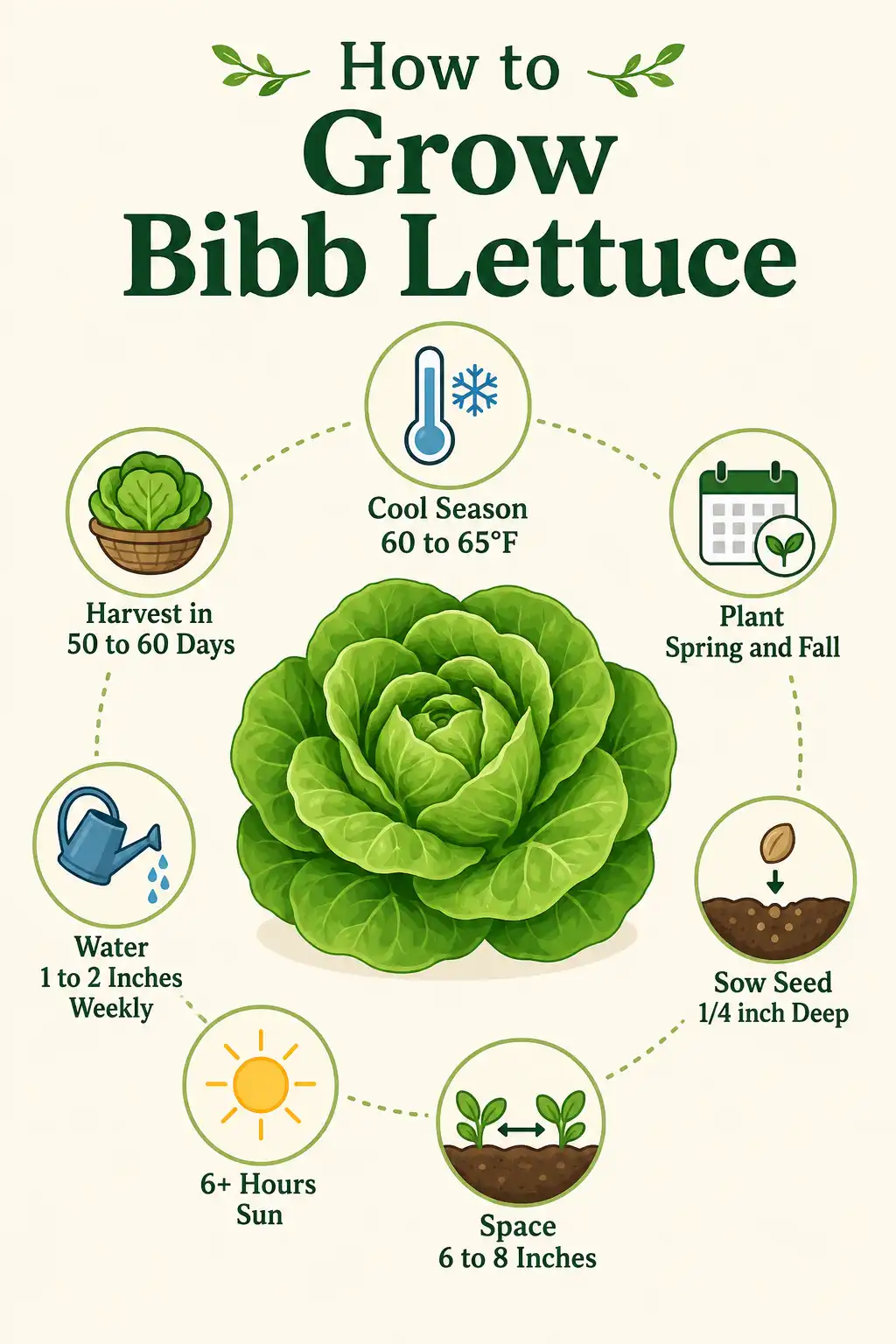
Grow bibb lettuce in cool weather. Plant in spring or fall, sow seed a quarter inch deep, and space plants 6 to 8 inches apart. Keep the soil evenly moist. Harvest tender heads in 50 to 60 days.
What Is Bibb Lettuce?
Bibb lettuce is a butterhead variety (Lactuca sativa) with tender, buttery leaves and a small, loose head. People also call it Boston or limestone lettuce, and the names get used interchangeably. The flavor is mild and a little sweet, with none of the crunch you get from iceberg.
Most types mature in about 50 to 60 days. The soft leaves bruise easily and do not ship well, so a home-grown head beats anything from the store. Because bibb is a butterhead, the same steps for planting butter lettuce carry straight over to this crop.
Learn more: Grow Lettuce Indoors With Just an LED Light
When to Plant Bibb Lettuce
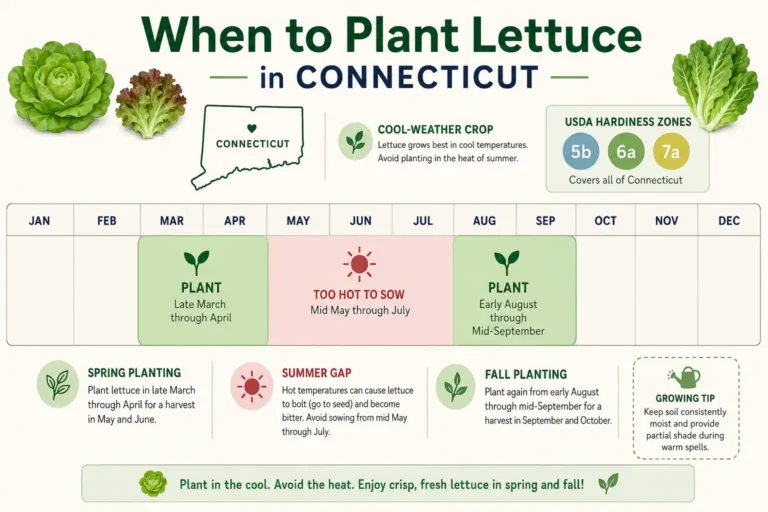
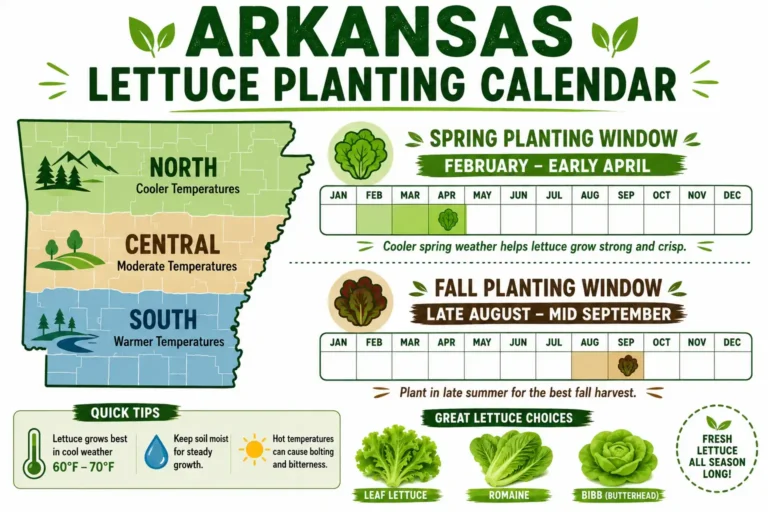
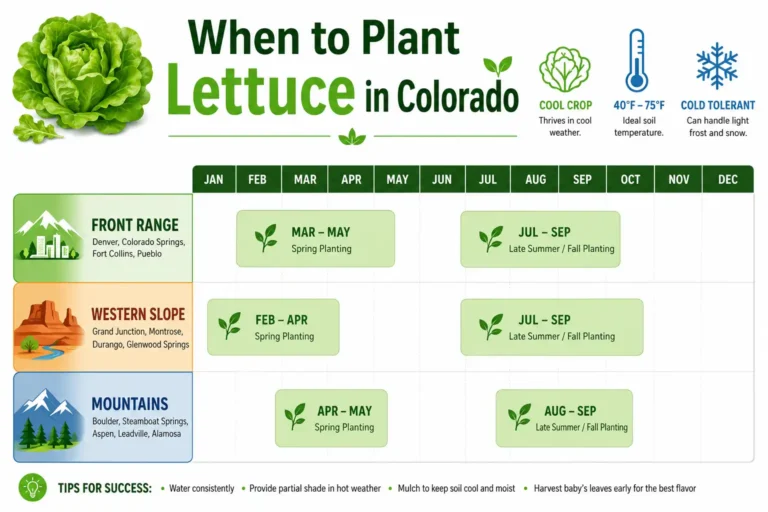
Plant bibb lettuce in early spring and again in late summer for a fall crop. It is a cool-season green that grows best between 60 and 65°F. Once the weather pushes past 80°F, the plants stress and bolt.
In USDA hardiness zone 6a, the spring round typically gets sown from mid-March to early April. For fall, plant from mid- to late August, which matches what K-State Research and Extension recommends for leaf and bibb types across the Great Plains. If you want transplants, start seed indoors 4 to 6 weeks before you set them out.
Stagger your sowings every two weeks so you are not stuck with one big flush. That way you keep cutting fresh heads for longer. For the sweetest leaves, pay attention to timing your lettuce for the sweetest harvest and aim for heads that mature while it is still cool.
What Soil Does Bibb Lettuce Need?
Bibb lettuce needs loose, well-drained soil that is rich in organic matter. The roots are shallow, so they want a steady supply of moisture and nutrients near the surface. A loam works best, but bibb still does fine in heavier clay as long as it drains.
Work in two to three inches of compost before you plant. Aim for a soil pH between 6.0 and 6.8. If you are not sure where your ground stands, run a basic soil test first so you can fix pH or fertility before the seed goes in.
How Do You Plant Bibb Lettuce Seeds?
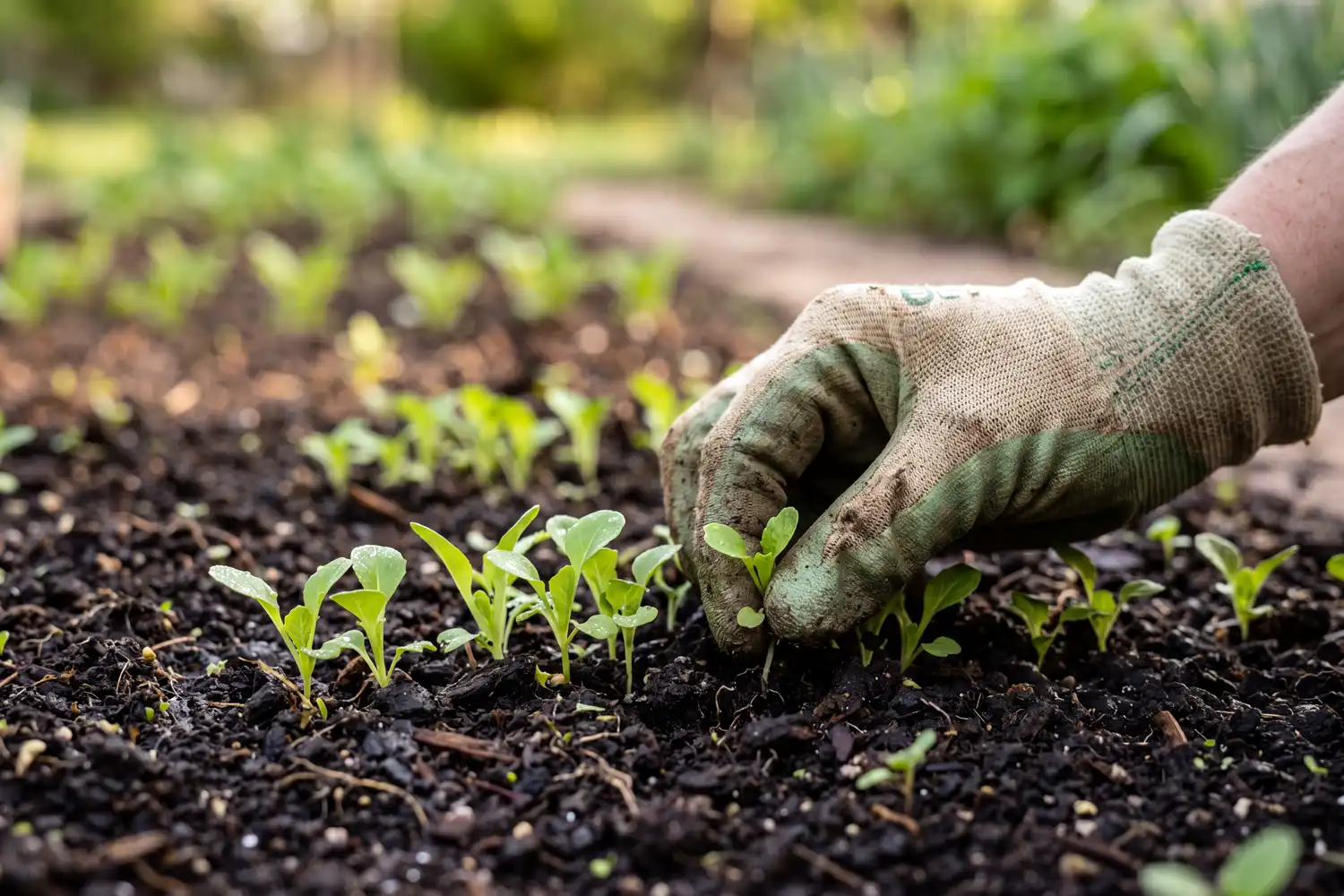
Sow the seeds a quarter inch deep in loose, moist soil. The seed is tiny, so cover it lightly and keep it from drying out. Lettuce seed germinates best around 70 to 75°F, but it sprouts in soil as cool as 40°F. Skip planting in soil warmer than about 85°F, since heat shuts germination down.
For transplants, start seed indoors and keep the trays cool. Move seedlings to the garden once they have 4 to 6 true leaves. Harden them off over a few days first. Direct-sown rows work great too, especially in spring. If you struggle with patchy stands, our notes on getting lettuce seed to sprout walk through the cool-soil tricks it helps to use.
How Far Apart to Space Bibb Lettuce
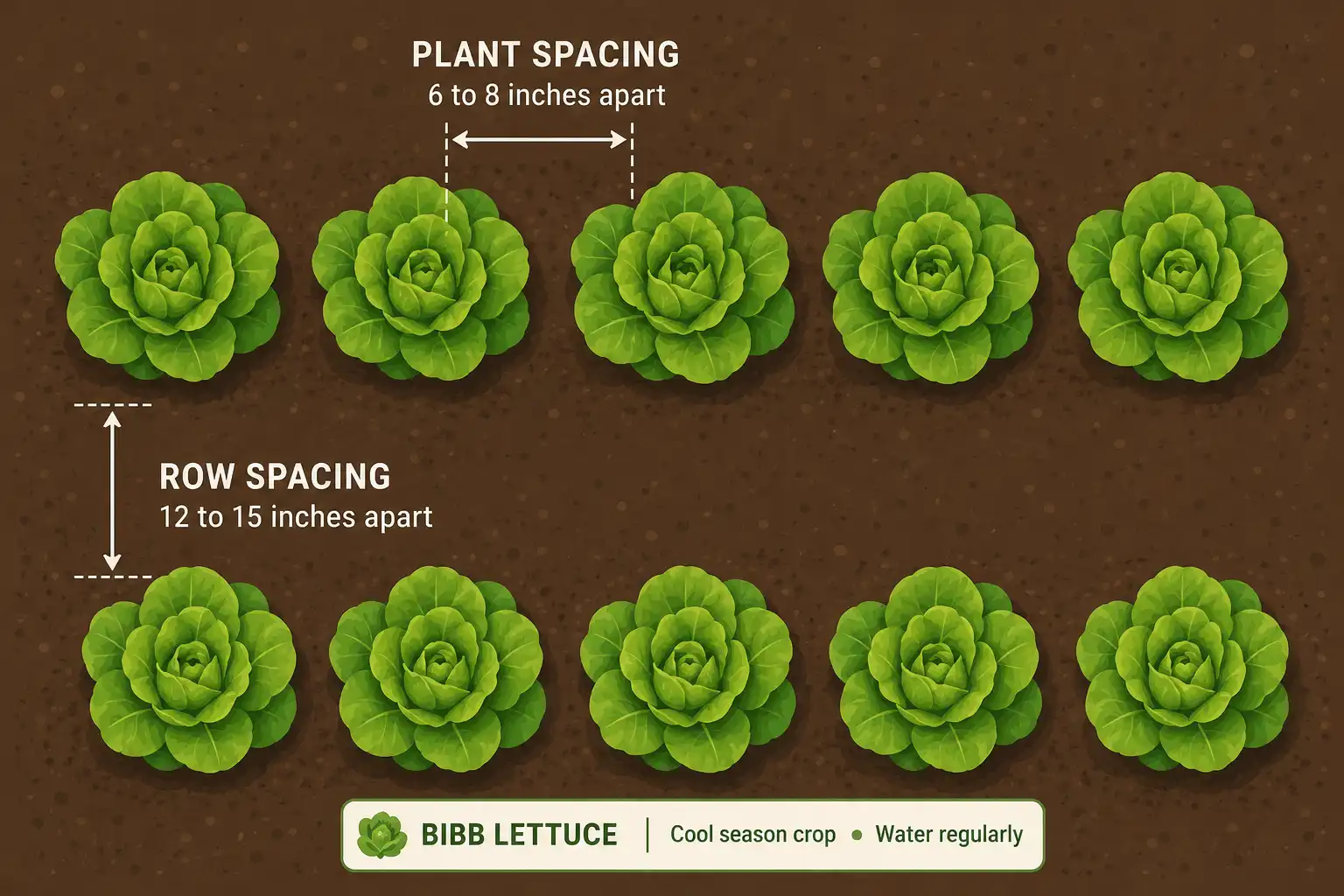
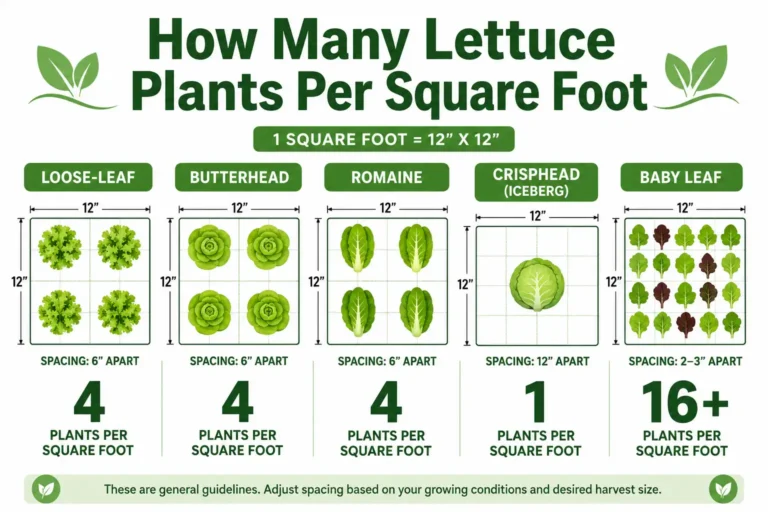
Space the plants 6 to 8 inches apart, in rows 12 to 15 inches apart. That spacing gives each head room to fill out without crowding its neighbors. Crowded plants trap humidity, which invites disease and slows growth.
If you direct-sow, thin the seedlings once they reach a couple of inches tall. Pull the weak ones and leave the strongest plant every 6 to 8 inches. Do not toss those thinnings either, since the baby leaves go right into a salad.
How Much Sun Does Bibb Lettuce Need?
Bibb lettuce needs at least 6 hours of sun per day. Full sun in spring and fall gives you the fastest, healthiest growth. But in late spring, when afternoons heat up, a little shade helps a lot.
Warm-edge sowings do well where they catch morning sun and get shaded by mid-afternoon. That cooler spot slows bolting and keeps the leaves from turning bitter. A row cover or shade cloth does the same job if you have no natural shade.
How Much Water Does Bibb Lettuce Need?
Bibb lettuce needs steady moisture, about 1 to 2 inches of water per week. Those shallow roots dry out fast, and dry stress is the quickest way to bitter, tough leaves. So check the top inch of soil often and water before it crusts over.
Do not swing to the other extreme either. Soggy soil rots the roots and breeds disease. A layer of straw or shredded-leaf mulch keeps moisture even and the soil cool. Water in the morning, which leaves the foliage dry by night and cuts down on slugs.
Do You Need to Fertilize Bibb Lettuce?
Bibb lettuce needs only light feeding because it grows so fast. If you worked compost into the bed, the plants often have all they need. A single side-dress of balanced fertilizer about three weeks after planting keeps growth steady.
Go easy on nitrogen, though. Too much pushes soft, floppy growth and raises the risk of tipburn, and it leaches away in Kansas rains. Steady, moderate feeding beats a heavy hand every time.
Common Problems Growing Bibb Lettuce
Most trouble with this crop traces back to heat or uneven water. Catch it early and the fixes are simple.
Why Does Bibb Lettuce Bolt?
It bolts when heat and long days trigger a flower stalk. Once that happens, the leaves turn bitter and the plant is done. The fix is timing: plant so the heads mature while it is still cool.
If you garden in a warm spot, reach for a slow-bolt variety like Summer Bibb, which holds two to three weeks longer than most butterheads. Shade and steady water buy you extra time too.
What Causes Tipburn on Bibb Lettuce?
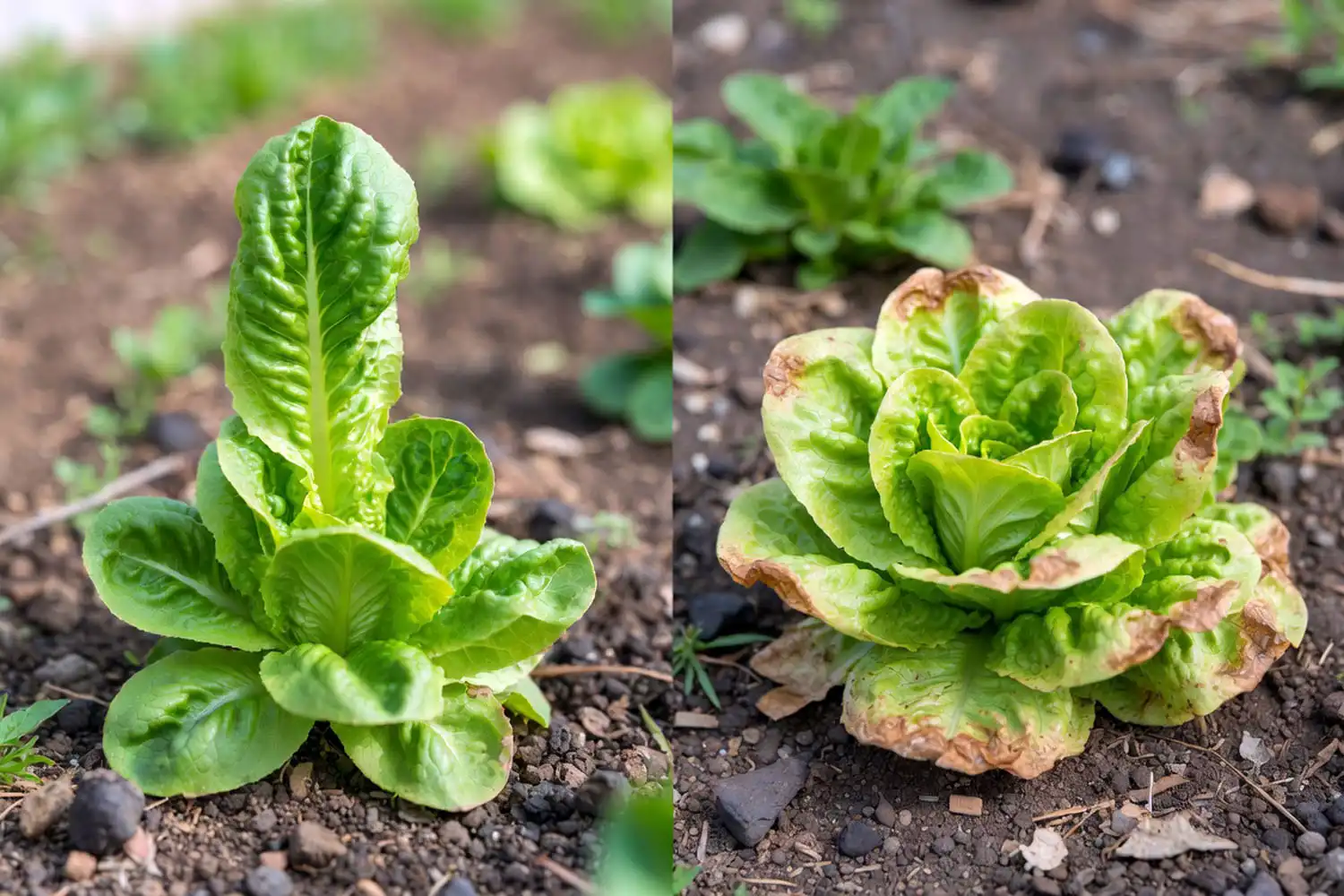
Tipburn comes from calcium not reaching the fast-growing leaf tips, not from low calcium in your soil. It usually shows up as brown, crispy edges on the inner leaves during a hot, fast growth spurt. Water stress and excess nitrogen make it worse.
The cure is consistent moisture and moderate feeding. Keep the soil evenly damp, hold the nitrogen down, and most tipburn clears up on its own.
Pests and Diseases to Watch
Aphids, slugs, and flea beetles cause most of the bug damage on lettuce. A hard spray of water knocks aphids off, and hand-pick slugs in the evening when they come out. Armyworms, cabbageworms, and loopers can chew leaves too, so scout often.
At the seedling stage, watch for damping off at the seedling stage, a soilborne rot that topples young sprouts. Clean trays, good drainage, and not overwatering keep it in check.
When to Harvest Bibb Lettuce
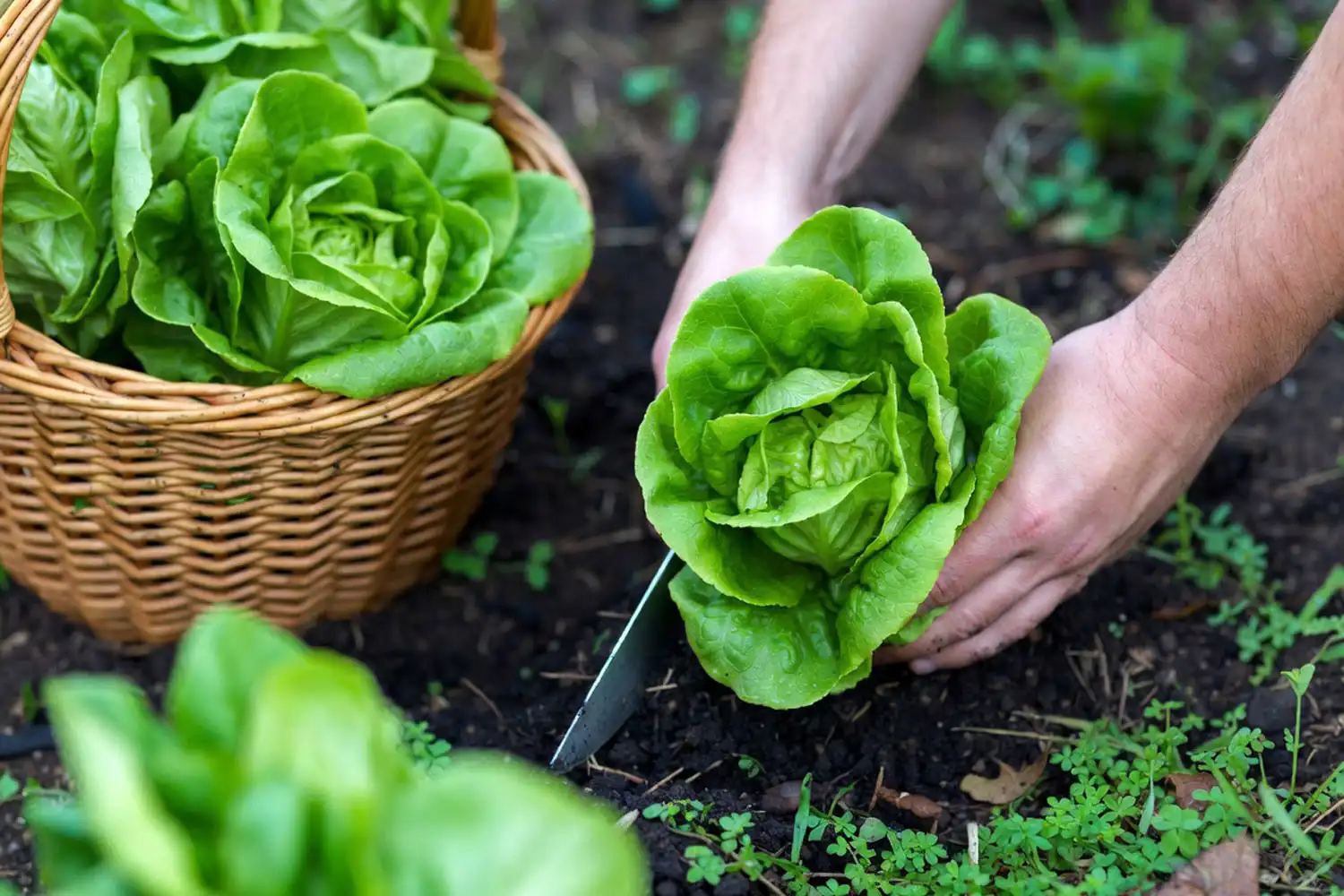
Harvest bibb lettuce 50 to 60 days after planting, before hot weather sets in. You have two ways to do it. Pick the outer leaves a few at a time for a cut-and-come-again supply, or cut the whole head at the soil line once it forms.
Harvest in the morning when the leaves are crisp and full of moisture. Cut earlier rather than later, because a head left too long turns bitter. If a heat wave is coming, pull everything that is close, even if the heads are small.
How to Grow Bibb Lettuce in Containers
Yes, bibb lettuce grows well in a container at least 6 inches deep with drainage holes. The compact heads suit pots, raised beds, and small patios. Use a quality potting mix and keep it evenly moist, since pots dry out faster than ground beds.
A 12-inch pot holds three or four plants nicely. Set it where it gets morning sun and afternoon shade in warm weather. This step-by-step guide to growing lettuce in a pot covers mix, watering, and spacing in more detail.
What This Looks Like in the Farm
Bibb lettuce rewards good timing more than anything else. Plant it cool, water it steady, and pull the heads before summer heat turns them bitter. Get those three right and you will cut sweet, tender butterhead leaves through most of spring and fall. Start with a small spring sowing, then add a fall round once you see how it does in your soil.