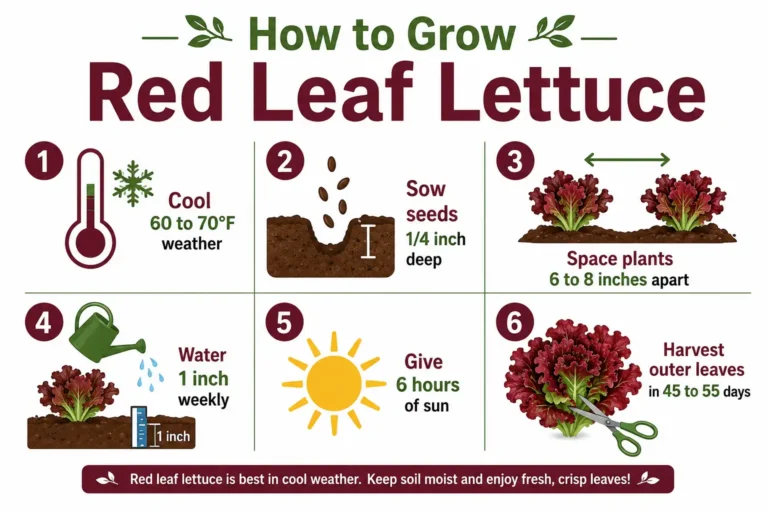
Is Lettuce a Perennial or Annual? What Every Grower Should Know
You planted lettuce last spring. This year the bed sits bare, and you wonder if it should have returned on its own. So, is lettuce a perennial that comes back yearly, or do you replant every season?
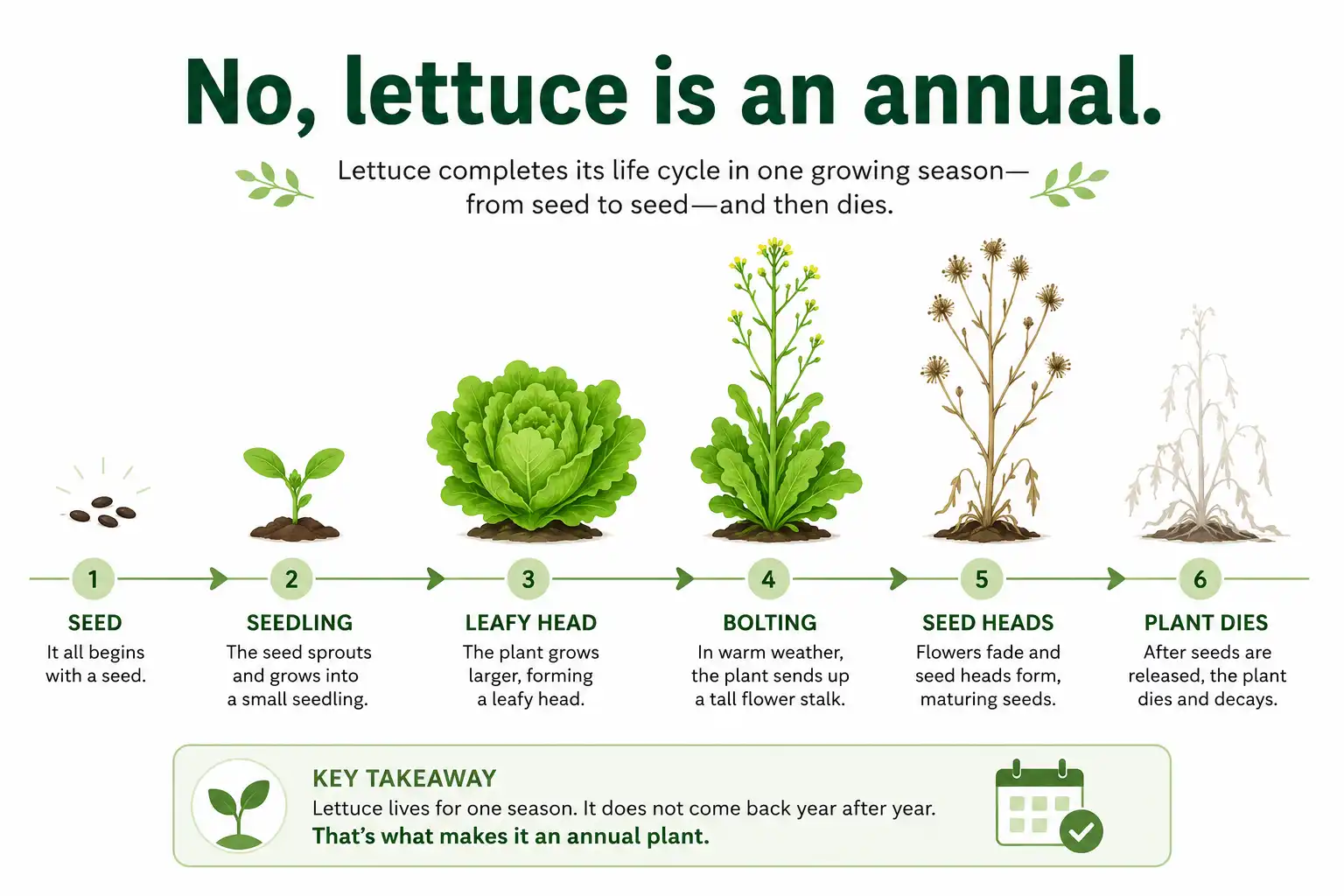
Is lettuce a perennial? No. Lettuce is an annual. It finishes its whole life in one season, then dies after flowering. The same plant won’t return from its roots next year, so you replant each season.
Is Lettuce a Perennial, Annual, or Biennial?
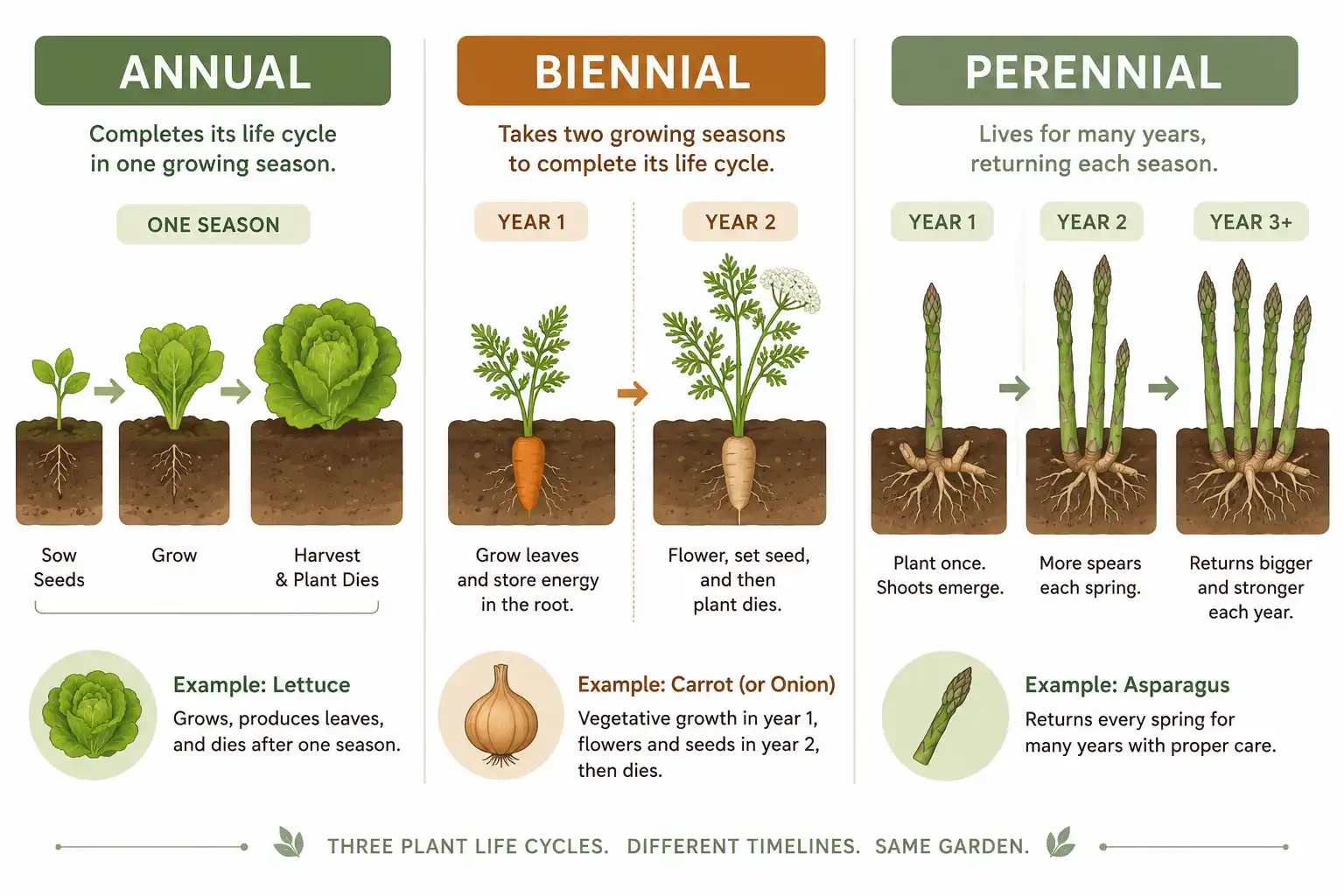
Lettuce is an annual. It sprouts, grows leaves, flowers, sets seed, and dies inside a single season. A perennial lives for years and regrows from the same roots. A biennial takes two seasons, growing leaves the first year and flowering the second. Garden lettuce (Lactuca sativa) does none of that. Instead, it races through one short life cycle and finishes.
Some confusion comes from its wild cousins. Prickly lettuce (Lactuca serriola) is the wild ancestor of salad lettuce. It grows as an annual or biennial weed across the Great Plains. A few wild members of the Lactuca genus even live as perennials. Still, the lettuce you grow for salad is an annual, plain and simple.
What the Lettuce Life Cycle Looks Like
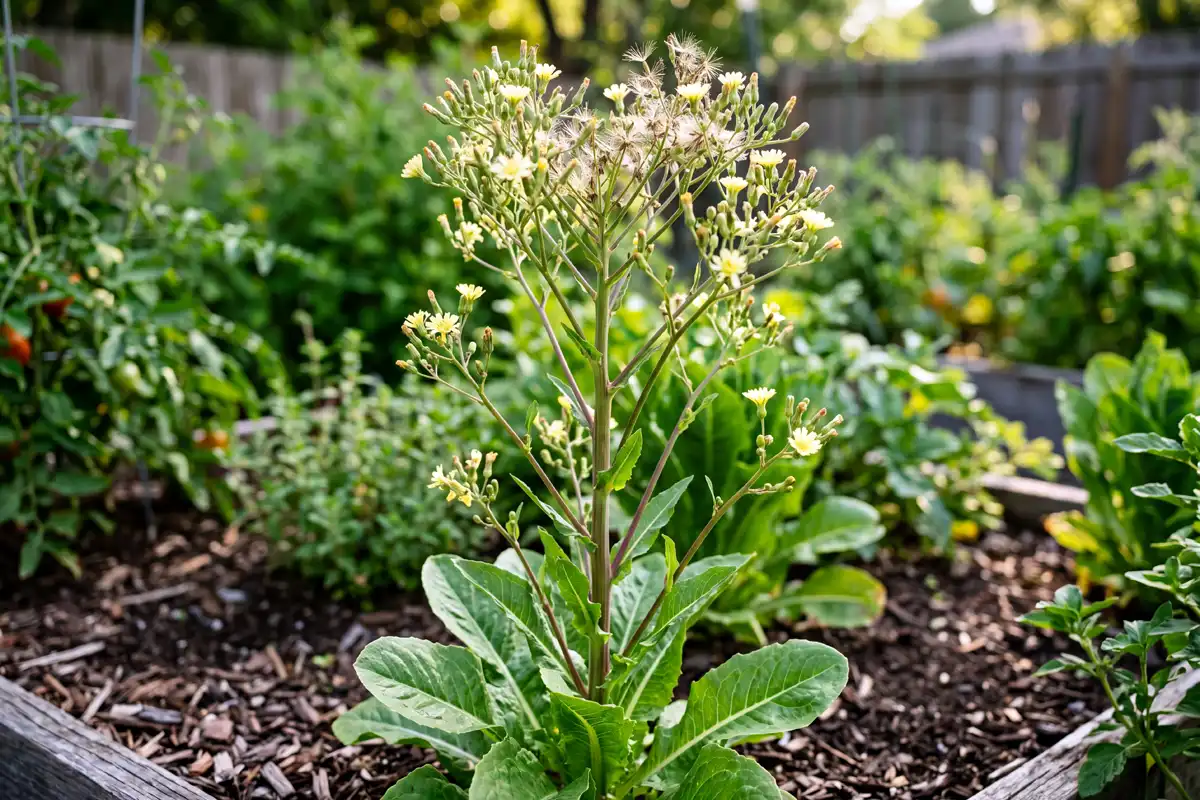
The lettuce life cycle runs through one season, start to finish. First, a seed germinates in cool soil. Then the plant forms a low rosette of leaves, which is the part you harvest. After that, heat or long days trigger bolting, where it shoots up a tall stalk. Finally it flowers, sets seed, and dies.
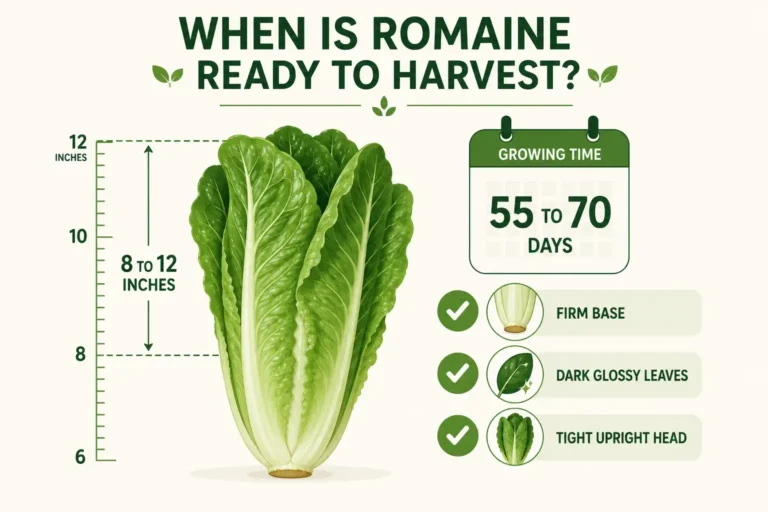
Timing moves fast. Most types reach harvest in about 30 to 70 days. See how long a lettuce plant takes from seed to harvest in this full timeline. Once summer heat hits, bolting can come within days. Spring lettuce often bolts by late June when temperatures climb past 80°F. After bolting, the leaves turn bitter and tough, so the eating window closes quickly.
Does Lettuce Come Back Every Year?
No, the same lettuce plant does not come back every year. Once it flowers and dies, that plant won’t grow back. So if your old bed looks empty, that is normal for an annual.
You might still see lettuce pop up on its own, though. That happens when a bolted plant drops seed and those seeds sprout the next season. Gardeners call this self-seeding, and the way lettuce reproduces makes it common. Still, those volunteers are brand-new plants, not the old roots waking up. If you want a head start, you can also save seed from your best plants and sow it on your own schedule next year.
Why Do People Think Lettuce Is a Perennial?
People think lettuce is a perennial because it keeps producing after harvest and sometimes survives mild winters. Both habits look like perennial behavior. Neither one is.
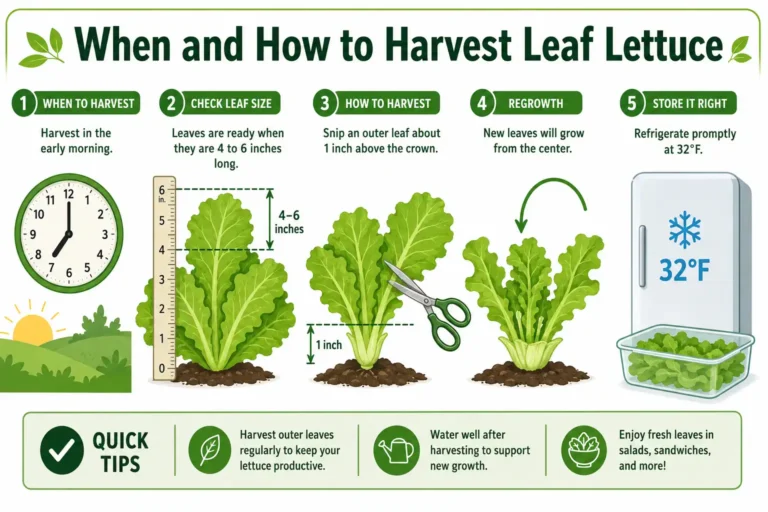
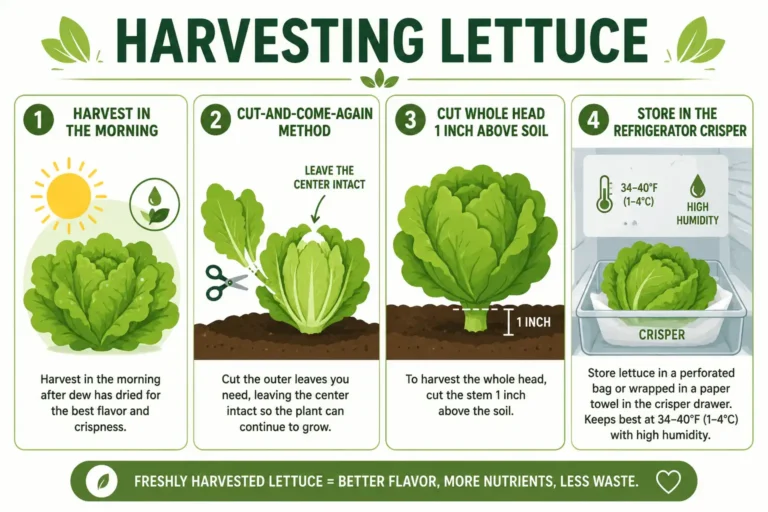
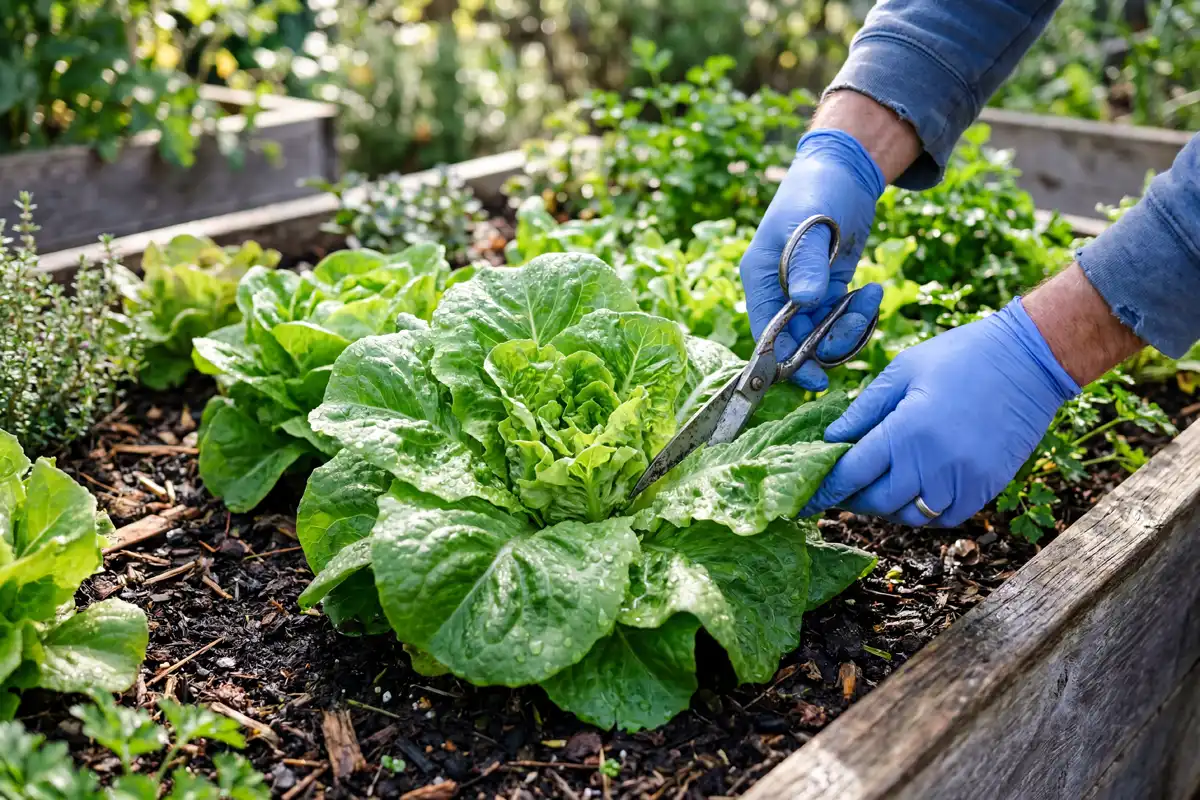
First, there is cut-and-come-again harvesting. With leaf types, cutting outer leaves so the plant keeps growing gives you weeks of fresh greens. That regrowth is the same annual plant continuing its one life cycle, not a perennial returning. It still bolts and dies the same season.
Second, there is overwintering. In mild zones, or under a cold frame, some plants survive the cold and green up again in spring. You can even grow lettuce through the winter in many regions. Yet those plants bolt as soon as spring warms up. They are simply finishing their single cycle, stretched across the cold months.
Can You Keep Lettuce Going Without It Coming Back?
You can stretch your lettuce supply for months, but you cannot turn an annual into a perennial. The trick is steady replanting, not waiting on old roots. Three habits keep the field in fresh leaves from spring through fall.
First, plant in succession. Sow a small batch every two to three weeks, so a new crop matures as the last one bolts. Second, pick the right varieties. Slow-bolt and heat-tolerant types like Slo-Bolt, Muir, and Coastal Star hold longer in warm weather. Third, manage heat. Shade cloth, mulch, and steady water all slow bolting. These tricks for keeping summer lettuce from bolting buy you extra weeks. K-State Research and Extension and UC Master Gardeners both point to cool soil as the key to delaying bolting.
What This Means for Your Lettuce Bed
Lettuce is an annual, so plan to replant every season instead of waiting for it to return. The same plant will not come back, though dropped seed may give you volunteers. To keep a steady harvest, sow small batches often. Choose slow-bolt varieties, and keep the soil cool once summer heat moves in. Treat it as a quick, repeatable crop, and you will cut fresh leaves for months.