How Much Water Does Lettuce Need Each Week? (2026 Guide)
Lettuce is mostly water, so getting irrigation right matters more than with most garden crops. If you have wondered how much water does lettuce need, the answer is simpler than you think.
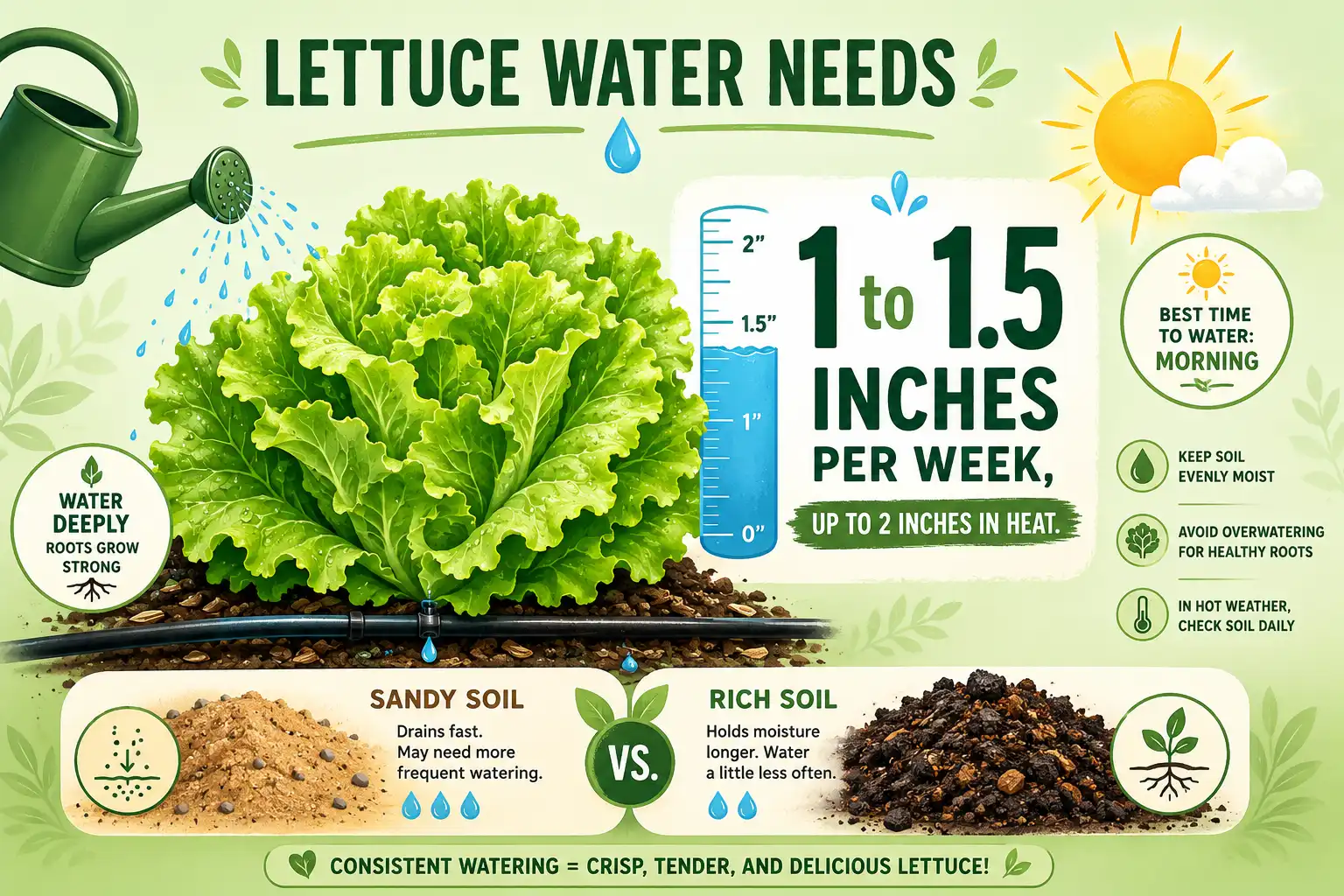
How much water does lettuce need? About 1 to 1.5 inches per week in mild weather, and up to 2 inches in heat. Because lettuce roots stay shallow, water lightly and often, not deep and rare.
How Much Water Does Lettuce Need Each Week?
Plan on 1 to 1.5 inches of water per week for most lettuce. In hot, dry spells, push that toward 2 inches. One inch over a square foot works out to about 0.62 gallons. So a 4 by 8 foot bed wants roughly 20 gallons a week at the 1 inch mark. Utah State University Extension gives the same 1 to 2 inch range. Your real number still moves with soil type and temperature. In Topeka, 1.25 inches is the baseline through a normal spring. Bump it up once June heat sets in. That same logic scales up. The method for working out water needs for crops applies to every bed in your garden.
Its may help you: Drip Irrigation Kit With Water Timer
How Often Should You Water Lettuce?
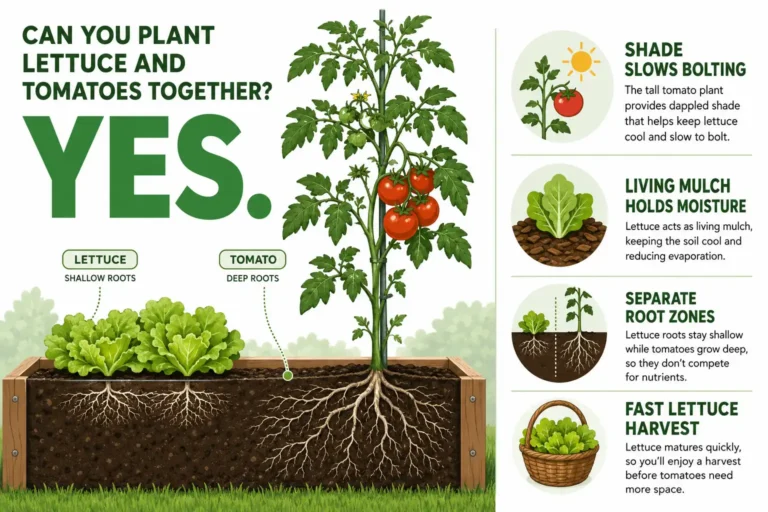
Water lettuce lightly every 1 to 3 days instead of soaking it once a week. The reason is simple. Lettuce keeps most of its working roots in the top few inches of soil. So it cannot pull moisture from deep down the way a tomato can. That shallow setup is why lettuce root depth drives your schedule more than the calendar does. Soil type sets the frequency. Sandy ground drains fast, so it needs water more often but less each time. Rich, organic soil holds moisture longer and stretches the gap between waterings. Utah State University Extension makes the same point. Soil type does not change the total water a crop needs, only how often you apply it. To check moisture, push a finger an inch into the bed. Water if it feels dry at that depth. Wait if it still feels damp.
How Do Lettuce Water Needs Change by Growth Stage?
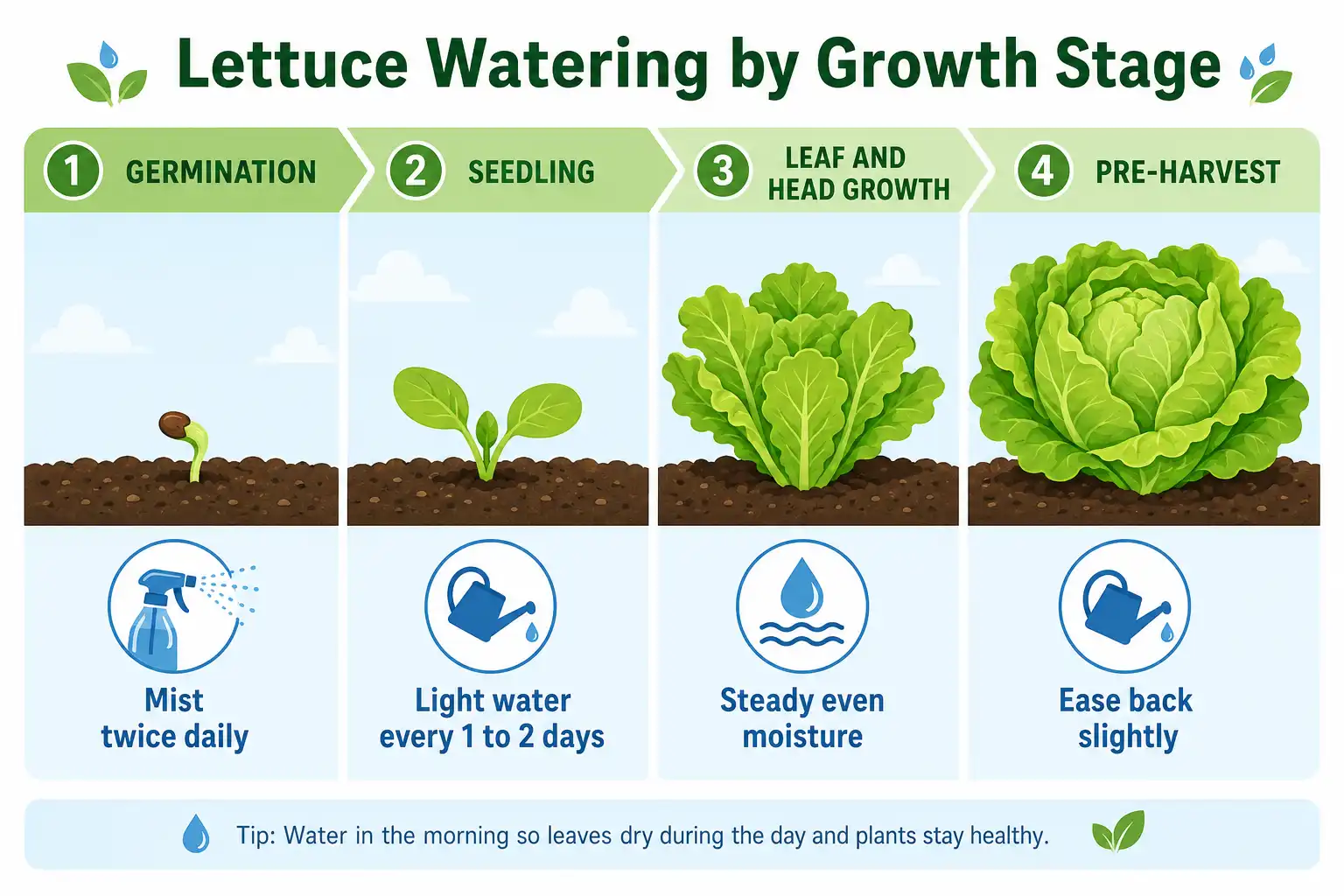
Water needs climb from seeding through head formation, then ease off just before harvest. Each stage has its own target.
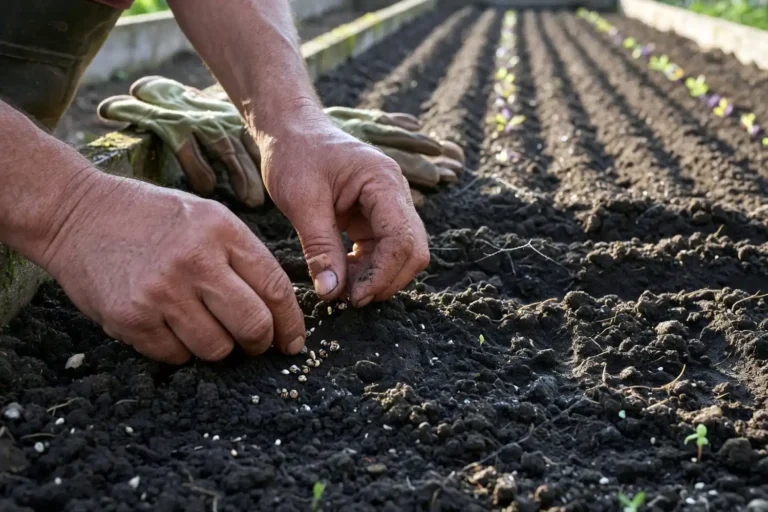
Germination comes first. Lettuce seeds sit only 1/8 to 1/4 inch deep, so the surface must stay moist around the clock. Cornell University notes those tiny seeds dislodge easily. Water with a fine mist twice a day until they sprout. Next comes the seedling stage. Once true leaves show, backing off to a light drink every day or two and keeping the top inch damp is the recommended approach. The growth stage is when lettuce drinks the most. As leaves and heads bulk up, even moisture matters more than ever. University of Maryland Extension ties steady base watering to faster growth and sweeter leaves. Pre-harvest is the last step. A few days out, easing back slightly helps heads firm up. Still, let the bed go bone dry.
Do Heat and Sunlight Change How Much You Water Lettuce?
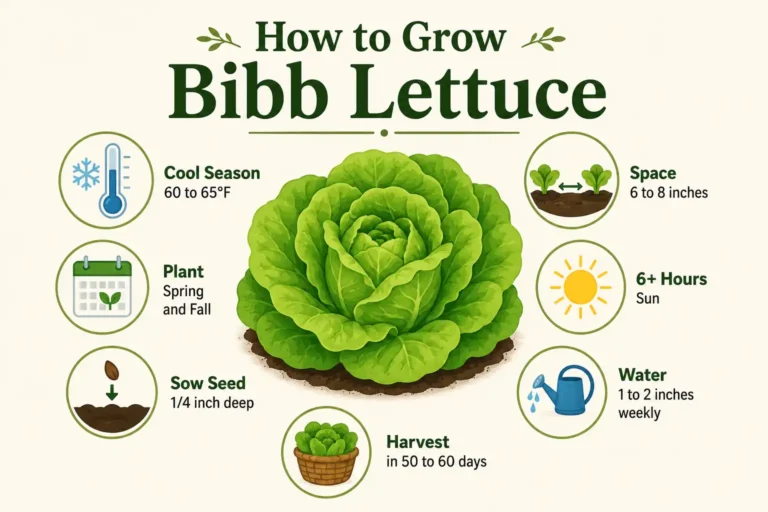
Yes. Heat, wind, and strong sun dry the soil faster, so lettuce needs water more often in those stretches. Lettuce wants 6 or more hours of sun a day. The more light it gets, the quicker the bed dries. Once you know your spot, you can match watering to how much daily sunlight lettuce gets. During a Kansas July, the beds sometimes need water every single day. Wind makes it worse by pulling moisture from soil and leaves alike. Heat also speeds bolting, so steady moisture buys you sweeter leaves for longer. For battling summer heat, the playbook for growing lettuce through summer leans on shade and consistent water.
How Much Water Does Container and Raised-Bed Lettuce Need?
Containers and raised beds dry out faster than in-ground rows. So they often need water once or twice a day in warm weather. The smaller the pot, the faster it dries. A 6 inch pot in July can go dry by afternoon. Check those daily and water until it drains from the bottom. Raised beds hold more soil, so they buffer better than pots. Still, they dry quicker than ground level. When planting lettuce in a raised bedadd a couple inches of mulch and water at the base to hold moisture longer. In-ground rows stay coolest and need watering least often of the three.
What’s the Best Way to Water Lettuce?
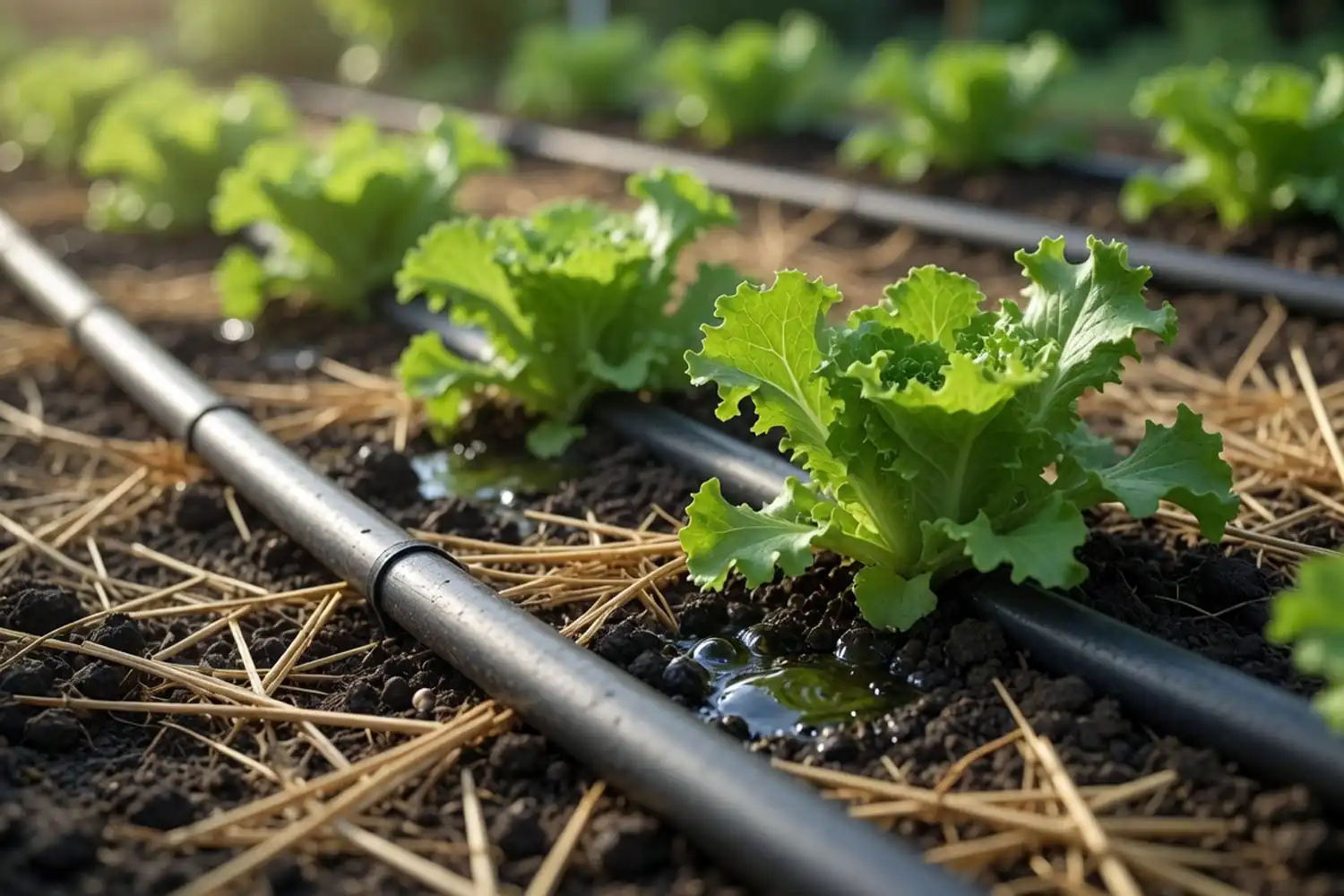
Drip irrigation or a soaker hose at the base is the best method, because it keeps water off the leaves and cuts disease. Overhead watering soaks the foliage and invites trouble. Utah State University Extension recommends drip for shallow-rooted leafy greens. It delivers water right to the roots and wastes far less. If you are weighing options, the rundown on drip versus sprinkler setups covers cost and coverage. Water early in the morning. That way, leaves dry through the day and fungal problems stay down. A layer of straw or grass-clipping mulch holds soil moisture and keeps weeds back too.
What Are the Signs of Overwatering and Underwatering Lettuce?
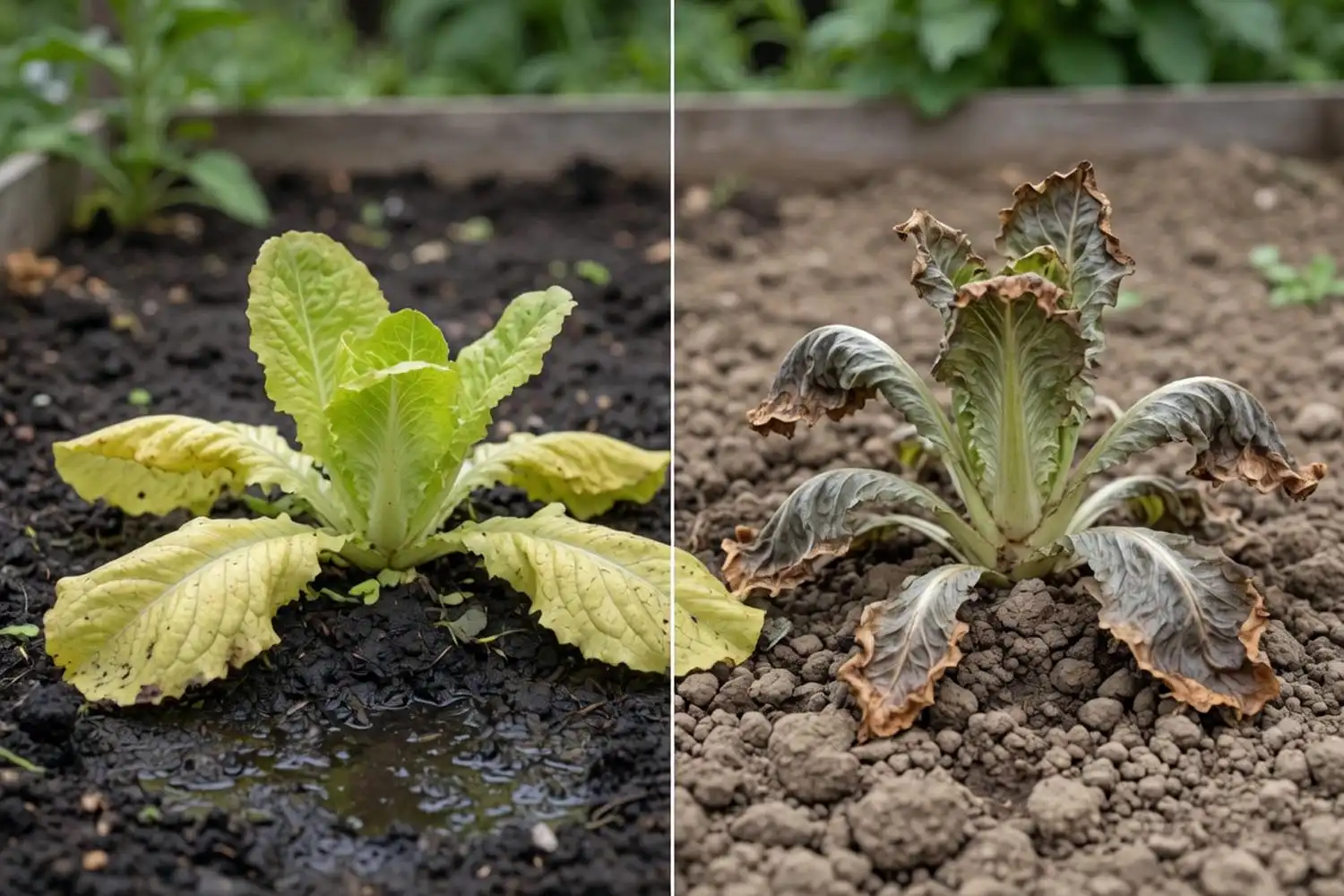
Wilting, yellowing, and rot point to overwatering. Bitter leaves, bolting, and browning edges usually mean too little or uneven water. Both problems trace back to inconsistent moisture, which is the real enemy with lettuce.
Overwatering keeps soil soggy and starves roots of air. That sets up downy mildew, bottom rot, and lettuce drop (Sclerotinia), which all thrive in cool, wet conditions. NC State Extension flags these as the main disease risks on mature plants. Underwatering shows up as wilted, tough leaves and a bitter bite. Hot, dry stress also pushes lettuce to bolt, which sends up a seed stalk and wrecks flavor. Tipburn is the one that fools people. Those brown, crispy inner leaf edges are not a soil calcium shortage in most cases. UC IPM explains that tipburn comes from water stress and low transpiration, which block calcium from reaching fast-growing leaf tips. The fix for nearly all of it is the same. Keep moisture even, water at the base, and avoid swings between soggy and bone dry.
Bottom Line
Keep it simple. Aiming for 1 to 1.5 inches a week, running drip at the base, and checking the soil with a finger before every watering are the key steps. In spring that means a light drink every couple days. By July it can mean daily water. Steady beats heavy every time with lettuce. Get the moisture even, and you will pull sweet, crisp heads instead of bitter, bolting ones.