What to Do With Bolted Lettuce (Eat It, Save Seeds, Compost)
Your lettuce shot up tall, turned bitter, and started flowering. That’s bolting. The good news: bolted lettuce still has value. You can use the leaves, save the seeds, or feed the plant to your soil. Here is what to do with bolted lettuce on your farm or in your garden.
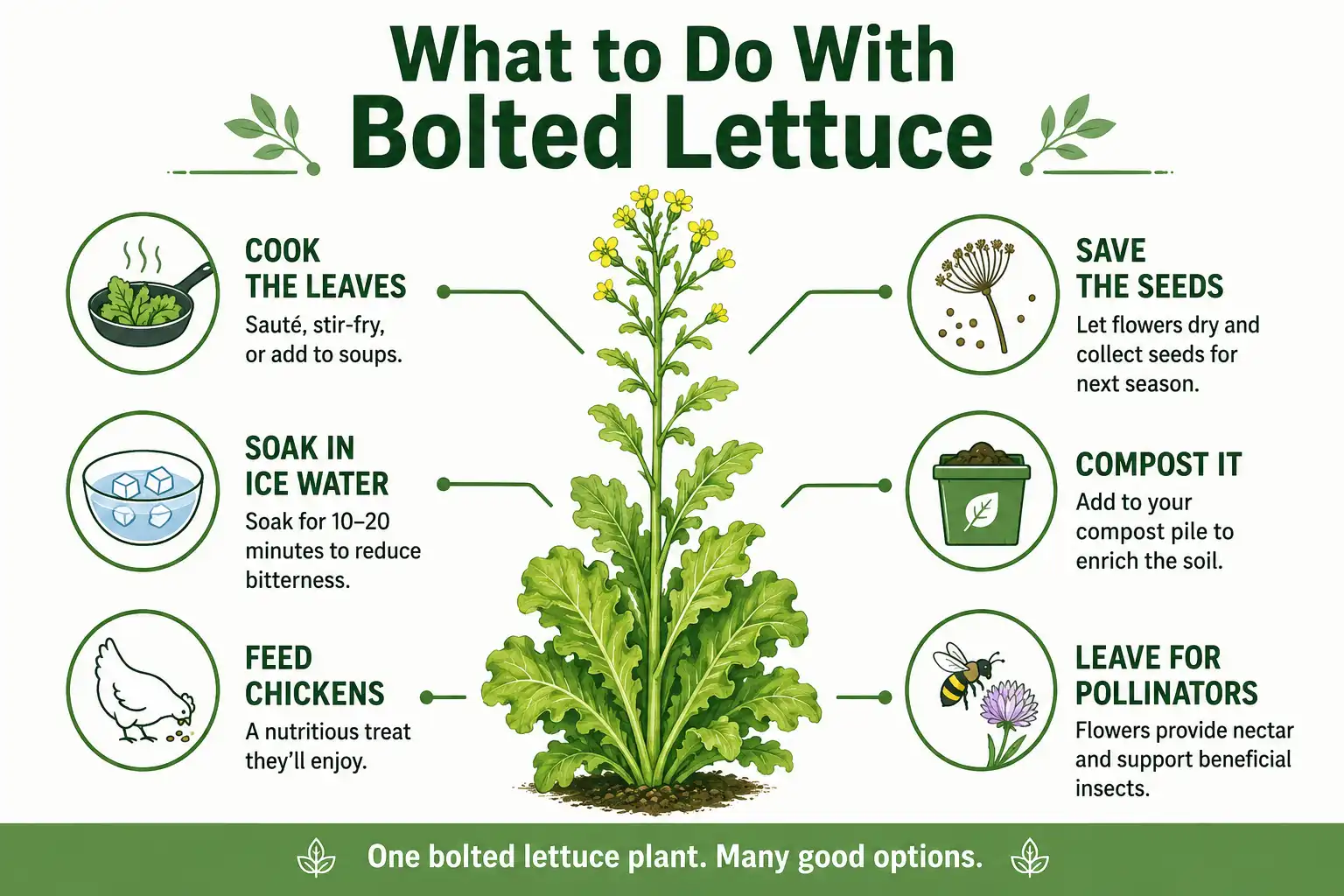
What to do with bolted lettuce comes down to a few choices. The leaves are safe but bitter, so cook them or soak them in ice water. You can also save the seeds, then compost the rest.
What Does It Mean When Lettuce Bolts?
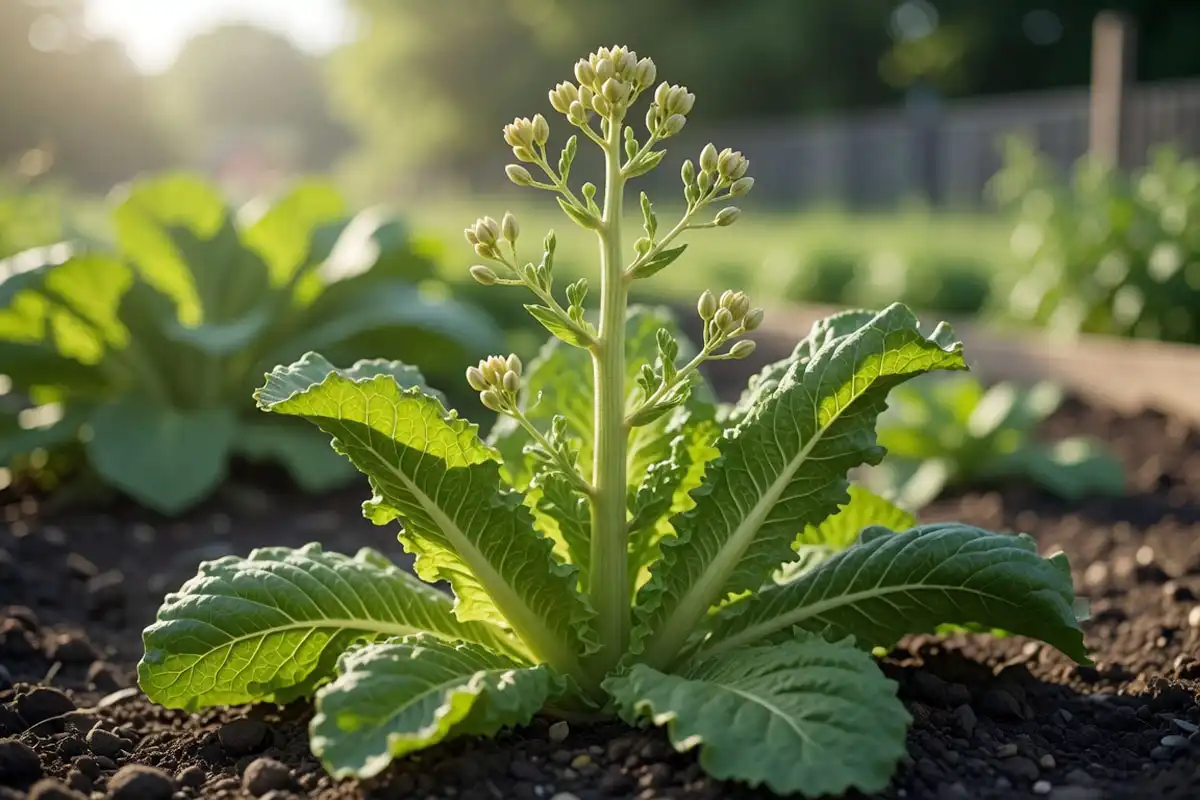
Bolting means your lettuce has stopped making leaves and started making seeds. The plant sends up a tall center stalk. Leaves get smaller and turn bitter. Then small flowers open at the top.
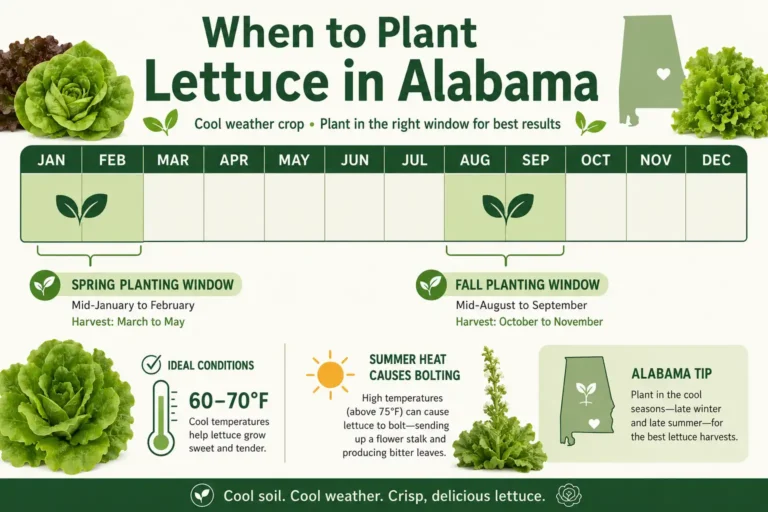
Lettuce (Lactuca sativa) is a cool-season crop. It grows best between 60°F and 65°F. Heat and long summer days trigger the switch to flowering. University of Minnesota Extension points to heat and lengthening days as the main causes. Stress speeds it up too, so drought, crowding, or transplant shock can push a plant over the edge.
Spring lettuce often bolts by late June. The first warm spell does it. Once a plant bolts, it will not go back to making sweet leaves. That part matters before you decide your next step. If you want the full picture of the seed stage, see how lettuce reproduces.
Can You Still Eat Bolted Lettuce?
Yes, you can still eat bolted lettuce, though it turns bitter as the plant matures. The leaves are safe. They are not toxic. The bitterness comes from a milky white sap, lactucarium. This sap carries compounds called sesquiterpene lactones. As the plant bolts, it makes more sap, so the leaves taste sharper.
Timing matters here. Early in bolting, the lower and inner leaves often stay mild enough for a salad. Once the seed stalk shoots up tall, most leaves get too bitter to enjoy raw. At that point, cooking is your best move.
How Do You Make Bolted Lettuce Less Bitter?
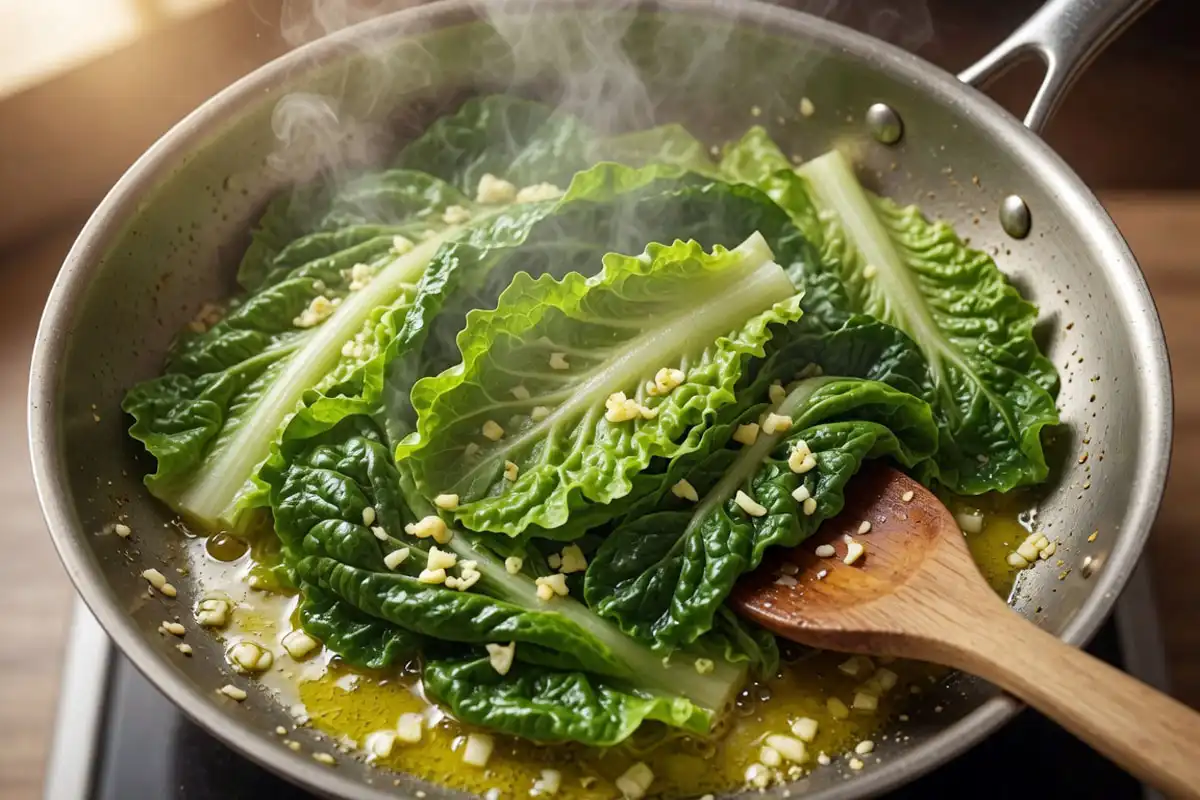
To make bolted lettuce less bitter, harvest the leaves in the cool morning. Then soak them in ice water or cook them. Both methods work, and cooking works best on heavily bolted plants.
Start with the leaves lowest on the plant. They hold the least bitterness. Pick them before the afternoon heat, since cool leaves taste milder.
For raw use, soak the leaves in ice water for 30 to 60 minutes. Cold, crisp leaves read as less bitter on the tongue. Pair them with fat, salt, or a little sweetness to balance the sharp edge. A creamy dressing helps a lot.
For bitter leaves, cooking is the real fix. Heat breaks down the sharp compounds. You can sauté bolted lettuce in olive oil with garlic. You can drop it into soups, stir-fries, or braised greens. Treat it like spinach or chard, and it cooks down fast.
If a plant has fully flowered, the leaves may be too bitter even for the pan. Compost those and move on.
Should You Pull Bolted Lettuce or Let It Grow?
Pull bolted lettuce if you want the bed space back. Let it grow if you want seeds or flowers for pollinators. The plant will not produce good eating leaves again, so the choice comes down to your goal.
Bolting is not contagious. One bolted plant does not make its neighbors bolt, because heat and day length drive the process, not the plant itself. Still, a tall seed stalk casts shade and pulls water and nutrients from the soil. If your other lettuce is still cropping well, pulling the bolted plant frees up those resources.
Leave a few plants standing every summer. Some for seed. A couple can be left for the bees. The rest can be pulled and tossed in the compost.
How Do You Save Seeds From Bolted Lettuce?
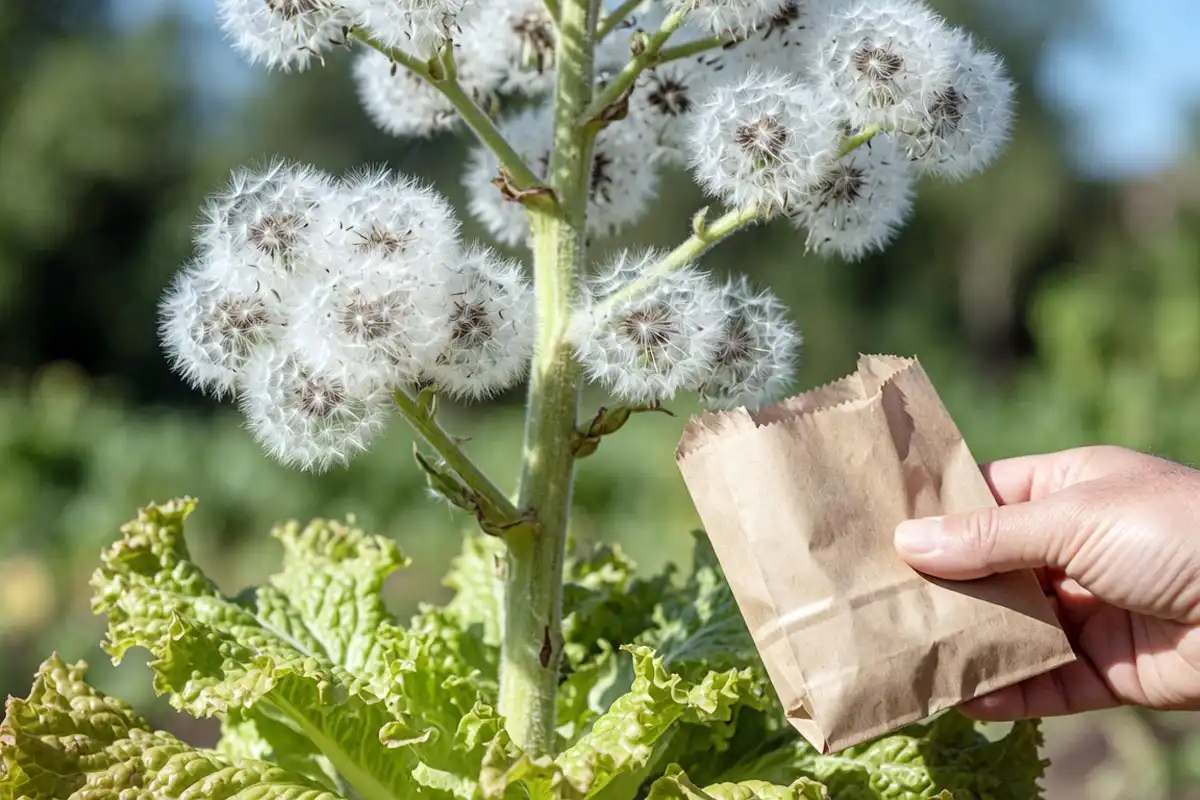
To save seeds from bolted lettuce, let the plant flower fully. Then collect the fluffy seed heads about 12 to 24 days after the flowers open. Each plant gives you thousands of seeds, far more than you need.
Here is how the seed stage runs. First, the stalk produces small yellow flowers. After each flower closes, it forms a white tuft, much like a tiny dandelion. That tuft holds the mature seed inside.
Flowering happens over two to three weeks, not all at once. Wait until about half the heads have turned fluffy. Then cut the whole stalk or shake the heads into a paper bag. Let everything dry for a week in a warm, airy spot.
After drying, rub the heads between your hands to free the seeds. Separate the seed from the white chaff. Store the clean seed in a labeled envelope, somewhere cool and dark.
One thing matters for seed saving: variety type. Lettuce mostly self-pollinates, so open-pollinated and heirloom types come true from saved seed. Hybrid (F1) lettuce will not, so its seedlings turn out unpredictable. Stored well, lettuce seed stays viable for about 3 to 5 years. For a full walkthrough, our guide on saving lettuce seeds covers cleaning and storage in detail.
What Else Can You Do With Bolted Lettuce?
Beyond eating and seed saving, you can compost bolted lettuce, feed it to animals, or leave it for pollinators. None of it has to go to waste.
Composting is the easy default. Chop the plant up and add it to your compost pile as green, nitrogen-rich material. It breaks down fast. A good pile turns a bolted crop into fuel for next season’s beds.
Chickens, rabbits, and goats will eat bolted lettuce too. Offer it in moderation, since greens are a treat, not a full ration. Hens clear a few bitter heads in no time.
Pollinators are the reason some plants are left to flower. Lettuce blooms feed bees and hoverflies, and hoverfly larvae prey on aphids. That free pest control earns the plant its space. You can also let a plant drop seed where it stands, which sometimes gives you volunteer lettuce in the fall.
How Do You Keep Lettuce From Bolting Next Time?
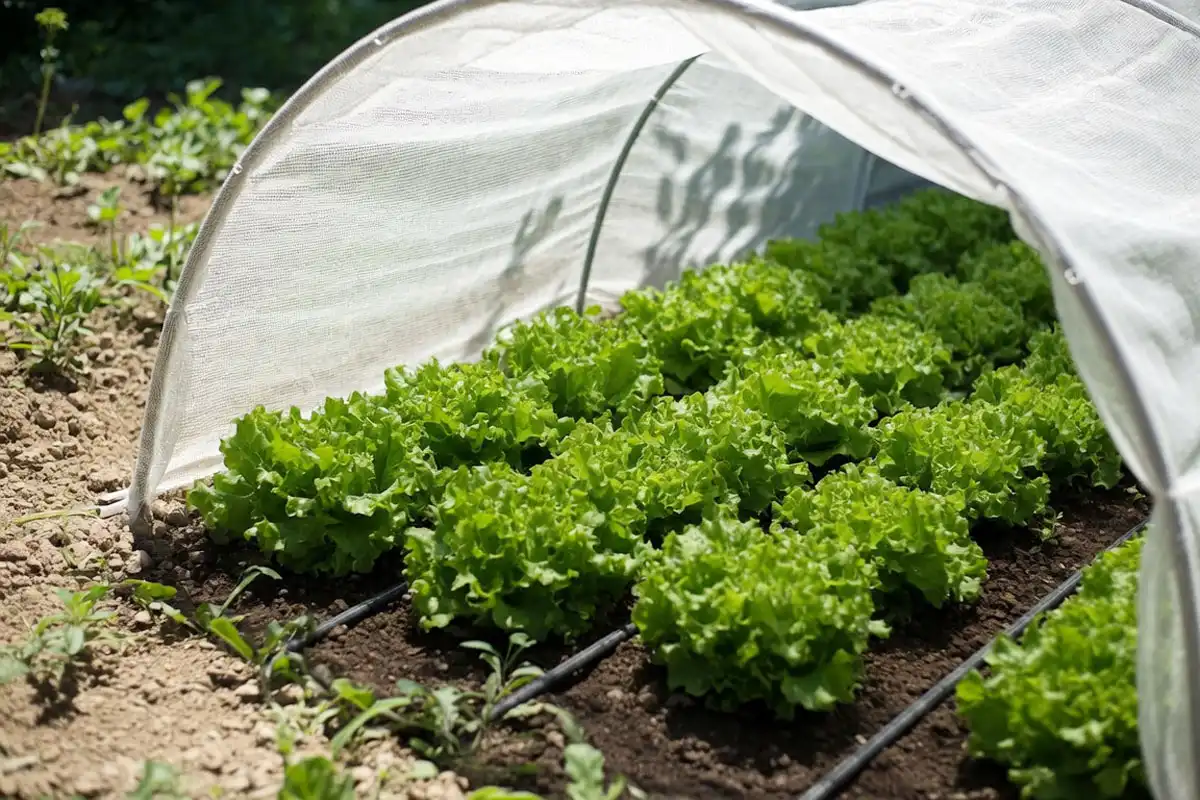
To keep lettuce from bolting, plant it in cool weather and pick slow-bolt varieties. Give it shade and steady water once the heat arrives. You cannot stop bolting forever, but you can push it back by weeks.
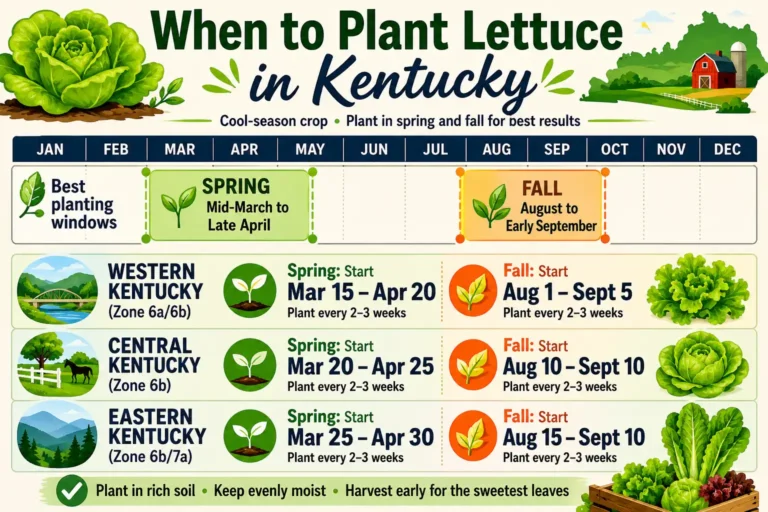
Plant in the cool windows. In USDA hardiness zone 6a plot, that means early spring and again in late summer for a fall crop. K-State Research and Extension recommends spring and fall planting for lettuce across the Great Plains. Lettuce grown for cool weather stays sweet far longer. Cool-season timing is the single biggest lever. It helps to know when to plant lettuce for a sweeter crop.
Pick slow-bolt varieties. Types like Jericho, Coastal Star, Muir, and Nevada hold out longer in heat. Buttercrunch handles warmth fairly well too. Seed catalogs list bolt resistance, so read the notes before you buy.
Cool the soil and the plants. Mulch keeps roots cooler and holds moisture. A bit of afternoon shade buys real time. That is why some growers run shade cloth or tuck lettuce behind taller crops. If you want the heat-season approach, our notes on growing lettuce through summer heat go deeper.
Keep water steady. Drought stress is a bolting trigger. Even moisture keeps the plant in leaf mode longer. Harvest early and often, and start new plants every two to three weeks so a fresh batch is always coming on.
What to Do With Bolted Lettuce in the Plot
Bolted lettuce is not a loss. The milder leaves are eaten, the bitter ones cooked, with a few plants left to run to seed for next year. Whatever is left feeds the compost or the chickens. So when a row shoots up tall in the July heat, do not sweat it. Sort the plants by job, then start a fresh batch for fall. That way nothing goes to waste, and the bed stays in production.