When to Plant Lettuce in Florida (North, Central & South)
Knowing when to plant lettuce in Florida comes down to one thing: heat. Lettuce is a cool-season crop, and Florida summers cook it. Get your timing right and you can harvest crisp leaves from fall straight through winter, all across the state.
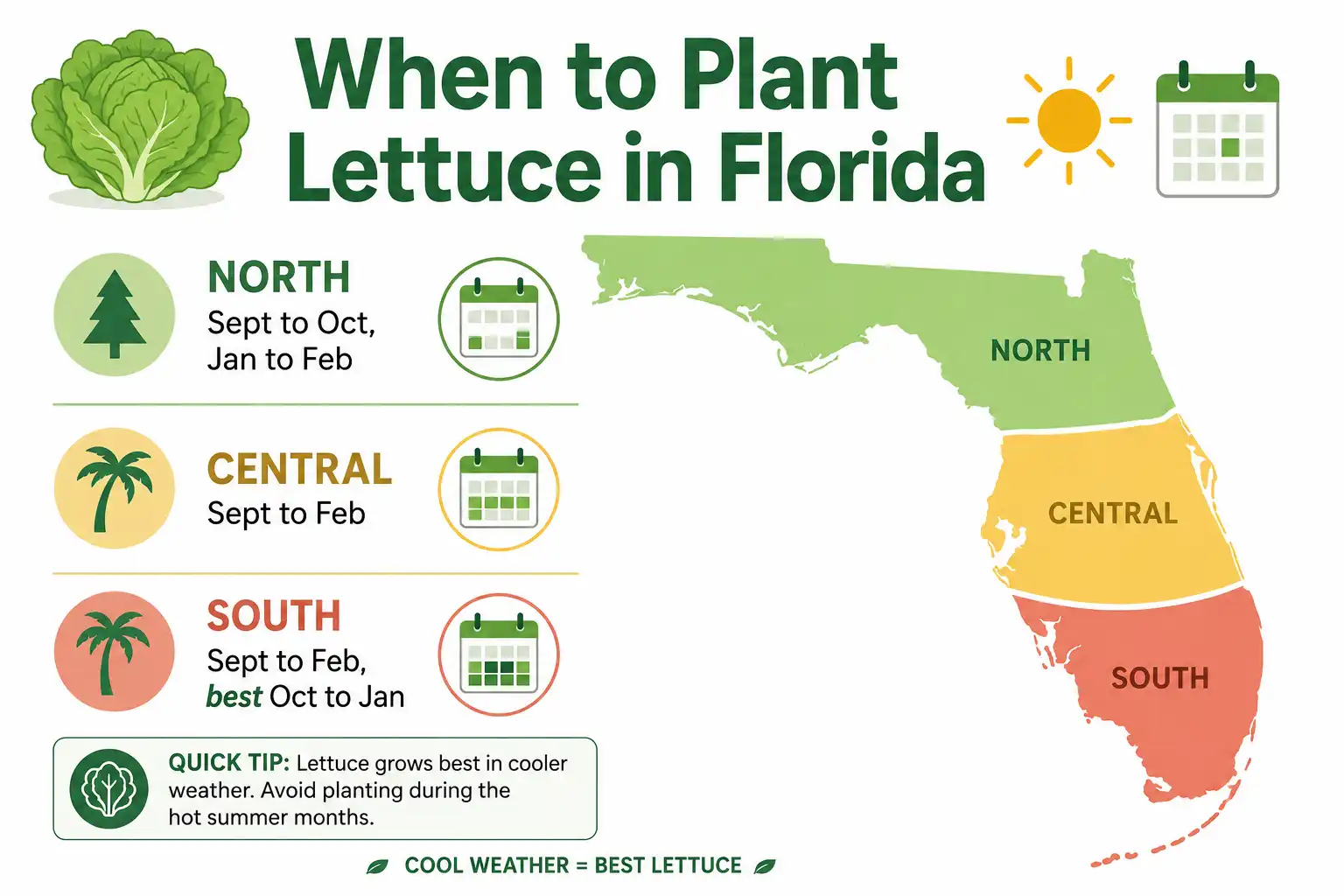
Plant lettuce in Florida during the cool season. North Florida growers plant September to October and again January to February. Central and South Florida run September through February, with October to January the sweetest window.
When to Plant Lettuce in Florida by Region
The best time to plant lettuce in Florida is the cool season, roughly September through February. Florida really has two gardening seasons. The warm one runs April to October. The cool one runs November to March. Lettuce belongs in the cool one. UF/IFAS treats it as a winter vegetable, and the whole state follows that pattern.
Florida runs almost backwards where lettuce is a spring and fall crop. Down there, winter is the main event.
Your exact window shifts by region. Florida stretches across USDA hardiness zones 8 through 11. So the panhandle sits a full zone or two cooler than the Keys. That spread changes both your start date and how long the season lasts. North gets a shorter window with frost risk. South gets a long, frost-free run but a hotter shoulder on each end.
|
Region |
USDA Zones |
Best Planting Window |
Notes |
|---|---|---|---|
|
North Florida |
8b to 9a |
Sept to Oct, then Jan to Feb |
Frost risk, keep cover ready |
|
Central Florida |
9a to 10a |
Sept through Feb |
Occasional light frost |
|
South Florida |
10a to 11a |
Sept through Feb (best Oct to Jan) |
Frost-free, heat is the limit |
When to Plant Lettuce in North Florida?
In North Florida, plant lettuce from September to October, then again from January to February. This two-window setup comes straight from the UF/IFAS planting guide. The fall window catches the cooling temperatures after summer. The late-winter window lets you plant again as the worst freezes pass.
North Florida (think Tallahassee, Gainesville, Jacksonville) sits in zones 8b to 9a. Hard freezes hit here most winters. Lettuce handles a light frost fine, but a hard freeze below 28°F will burn tender leaf types. So you have two solid moves. Plant in fall and keep row cover ready for cold nights. Or wait and set your main crop in late January, once the deep cold eases.
September planting works, but watch the heat. Early fall soil can still run hot, and that wrecks germination. Our guide covers the fix for that further down.
When to Plant Lettuce in Central Florida?
In Central Florida, plant lettuce from September through February. That gives you a long, flexible window with much less freeze worry than the panhandle. Central Florida (Orlando, Tampa, Ocala) falls in zones 9a to 10a.
Start in September or October for fall salads. Then keep planting small batches every two to three weeks through winter. This succession approach keeps fresh heads coming instead of one big flush you cannot eat fast enough. Frost still shows up some December and January nights, so keep a light cover handy. It rarely lasts long here.
When to Plant Lettuce in South Florida?
In South Florida, plant lettuce from September through February, with October to January as the prime stretch. South Florida (Miami, Fort Lauderdale, Naples) sits in zones 10a to 11a and stays essentially frost-free. Heat, not cold, is your only real enemy here.
September often runs too warm for clean germination, and February starts heating back up. So October through January gives you the most reliable, sweetest heads. This is also the heart of Florida’s commercial lettuce country. About 11,000 acres grow in the Everglades Agricultural Area, just south of Lake Okeechobee. That crop runs on rich muck soil, mostly from fall into early spring. Backyard timing follows the same logic.
Why Does Timing Matter So Much for Florida Lettuce?
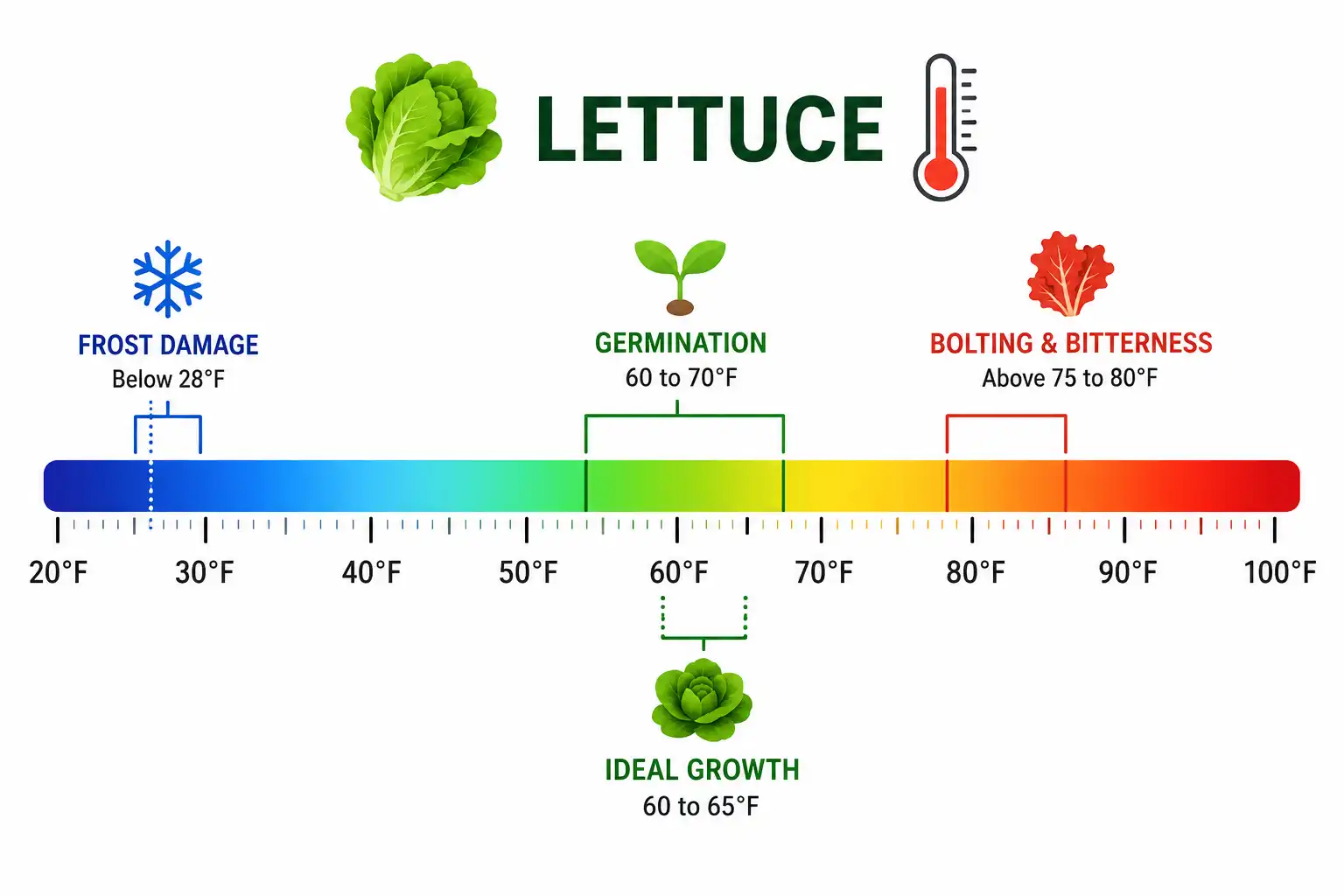
Timing matters because lettuce bolts and turns bitter in heat. Lettuce (Lactuca sativa) grows best with air temperatures around 60 to 65°F. Push it past about 75 to 80°F for days on end, and the plant shifts gears. It sends up a flower stalk, the leaves turn bitter, and eating quality drops fast. Growers call that bolting.
Florida’s problem is simple. Plant too early in fall or too late in spring, and your lettuce hits the heat wall fast. You lose it before you ever cut a head. Right timing keeps the whole crop inside the cool window. Want the deeper playbook? Our guide on growing lettuce in Florida without it bolting covers shade, watering, and variety picks. see how to keep lettuce from bolting in any climate.
How Do You Get Lettuce Seeds to Germinate in Florida Heat?
Cool the seed and the soil, because lettuce seed will not sprout when it is hot. Lettuce has a built-in trait called thermodormancy. Once soil climbs above roughly 75 to 80°F, the seed simply refuses to germinate. Early fall in Florida hits that easily. So you have to work around it.
Here is what works:
- Chill the seed first. Seal seed in a damp paper towel and refrigerate it for two to five days before sowing. That breaks the dormancy.
- Sow late in the day or on a cooler, overcast day so the soil is not baking when the seed goes in.
- Start indoors in air conditioning, then move the seedlings out once they are up and growing.
- Keep the surface damp and shaded until sprouts appear. Light, frequent watering cools the soil surface.
- Sow shallow. Lettuce seed needs light to germinate, so press it onto the surface and barely cover it, about ¼ inch.
These tricks matter most for September and early-fall plantings. By November the soil cools on its own. For more on sprouting times and methods, see our notes on getting lettuce seeds to germinate.
Which Lettuce Types Should You Plant in Florida?
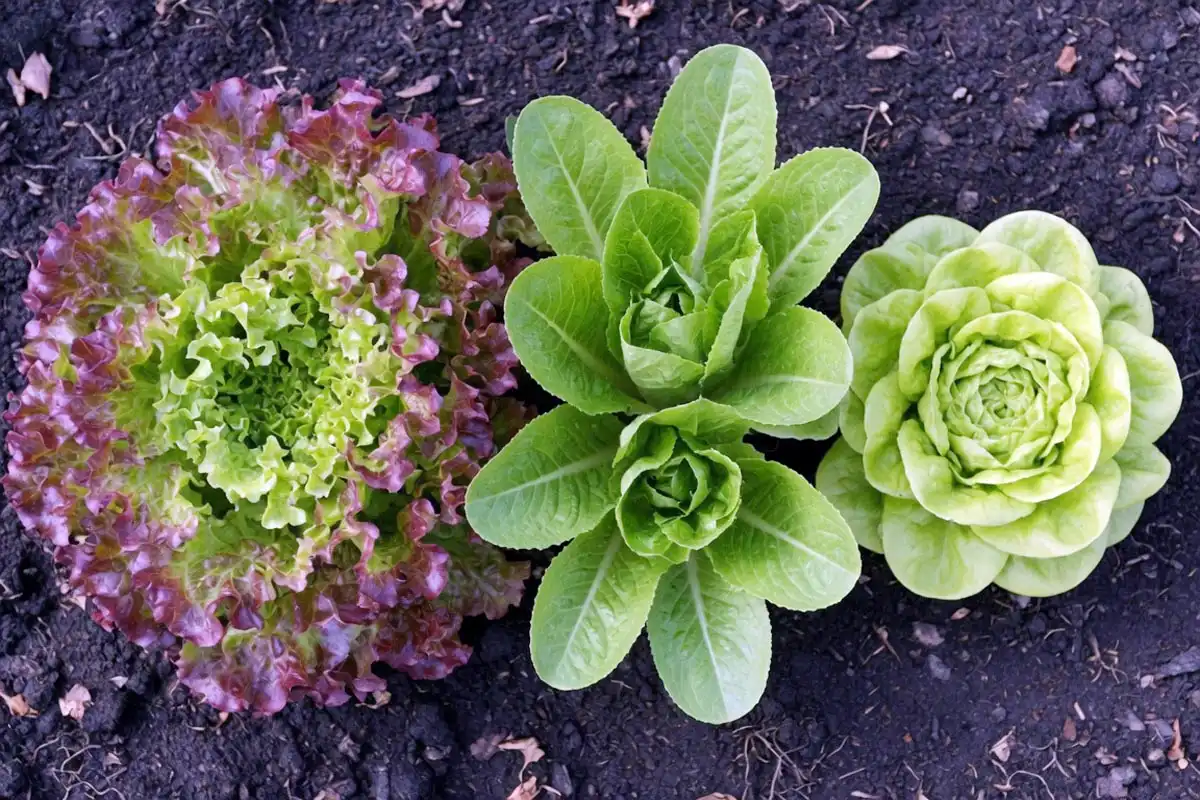
Plant leaf lettuce first, then romaine and butterhead, and save crisphead for your coolest weeks. Leaf (looseleaf) types handle Florida’s mild climate best, and they let you pick outer leaves for weeks. UF/IFAS lists strong choices for the state.
Good Florida picks by type:
- Leaf: Black-seeded Simpson, Salad Bowl, Red Sails, New Red Fire, Oak Leaf.
- Romaine: Parris Island Cos, Outredgeous.
- Butterhead: Buttercrunch, Ermosa, Bibb, Tom Thumb.
- Crisphead: Great Lakes, but only in your coldest stretch.
If you are pushing the warm edges of the season, lean on heat-tolerant varieties. Jericho romaine, Anuenue butterhead, and the summer crisp (Batavia) and Salanova types hold up longer before bolting. Those buy you extra weeks in September and again in spring.
Should You Direct Seed or Transplant Lettuce in Florida?
Both work, but transplants help you beat the heat at the edges of the season. Direct seeding is cheap and easy once the weather cools, usually from October on. For early-fall or late-spring plantings, transplants give you an edge. You start them in a cool spot. That skips the hot-soil germination problem. Then you set out plants that already have a head start.
Start seedlings four to six weeks before your planting date. Starting them under lights or in a shaded spot also helps. You control moisture and temperature during that fussy seedling stage. The timing is covered in this piece on starting lettuce seedlings indoors for spring and fall.
How Do You Protect North Florida Lettuce From Frost?
Cover the bed on freezing nights and uncover it by mid-morning. Lettuce shrugs off light frost down to about 28 to 32°F. Below that, tender leaf types take damage. So in North Florida, and parts of Central, keep cover within reach from December through February. Frost cloth, an old sheet, or a floating row cover all work.
Drape the cover before sunset to trap ground heat, and make sure it reaches the soil on all sides. Take it off once temperatures climb the next day so plants do not overheat. Mature, hardened-off plants handle cold better than fresh transplants. That is one more reason the fall-planted crop often pulls through.
Can You Grow Lettuce Through a Florida Summer?
Mostly no, not standard lettuce. Florida summer heat and humidity push lettuce straight into bolting and bitterness. From June through August, you fight the plant the whole way. A few heat-tolerant varieties under 30 to 50% shade cloth can stretch into late spring. Still, a true summer crop is rough going.
Most Florida growers swap in heat-loving greens for summer instead, like Seminole pumpkin shoots, Malabar spinach, or Okinawa spinach. Then they circle back to lettuce in fall. Maybe your cool season is winding down. If you are not sure there is still time, two of our guides can help. See the guides on growing lettuce through the winter and on timing fall lettuce planting to fit in one more round.
How to Time a Florida Lettuce Patch
When planting lettuce in Florida, anchoring everything to the cool season and the region is the recommended approach. In North Florida, it helps to run the fall and late-winter windows with cover on hand. In Central and South, it helps to start in October and plant small batches into winter. Lead with leaf types, cool the seed for early plantings, and let the heat-tolerant varieties carry the shoulder weeks. Get the calendar right and the rest of the crop mostly takes care of itself.