How to Grow Lettuce in Florida Without It Bolting in the Heat
Knowing how to grow lettuce in Florida means working with the cool season, not against the heat. The state’s climate flips the planting calendar most gardeners learn elsewhere. Plant in fall and winter, choose the right types, and you can cut fresh leaves for months.
Grow lettuce in Florida from September through February, when temperatures cool. Plant heat-tolerant looseleaf and romaine types in rich, well-drained soil. Keep moisture steady, give afternoon shade in warm spells, and harvest before heat turns leaves bitter
How to Grow Lettuce in Florida Without Fighting the Heat
Lettuce is a cool-season crop, and in Florida the heat is the one thing you plan around. Warmth works against you two ways. Hot soil stops seed from sprouting, and hot air pushes mature plants to bolt and turn bitter. So every step below, from timing to variety to watering, aims at one goal. Keep the crop cool, then harvest before spring warms up.
When Should You Plant Lettuce in Florida?
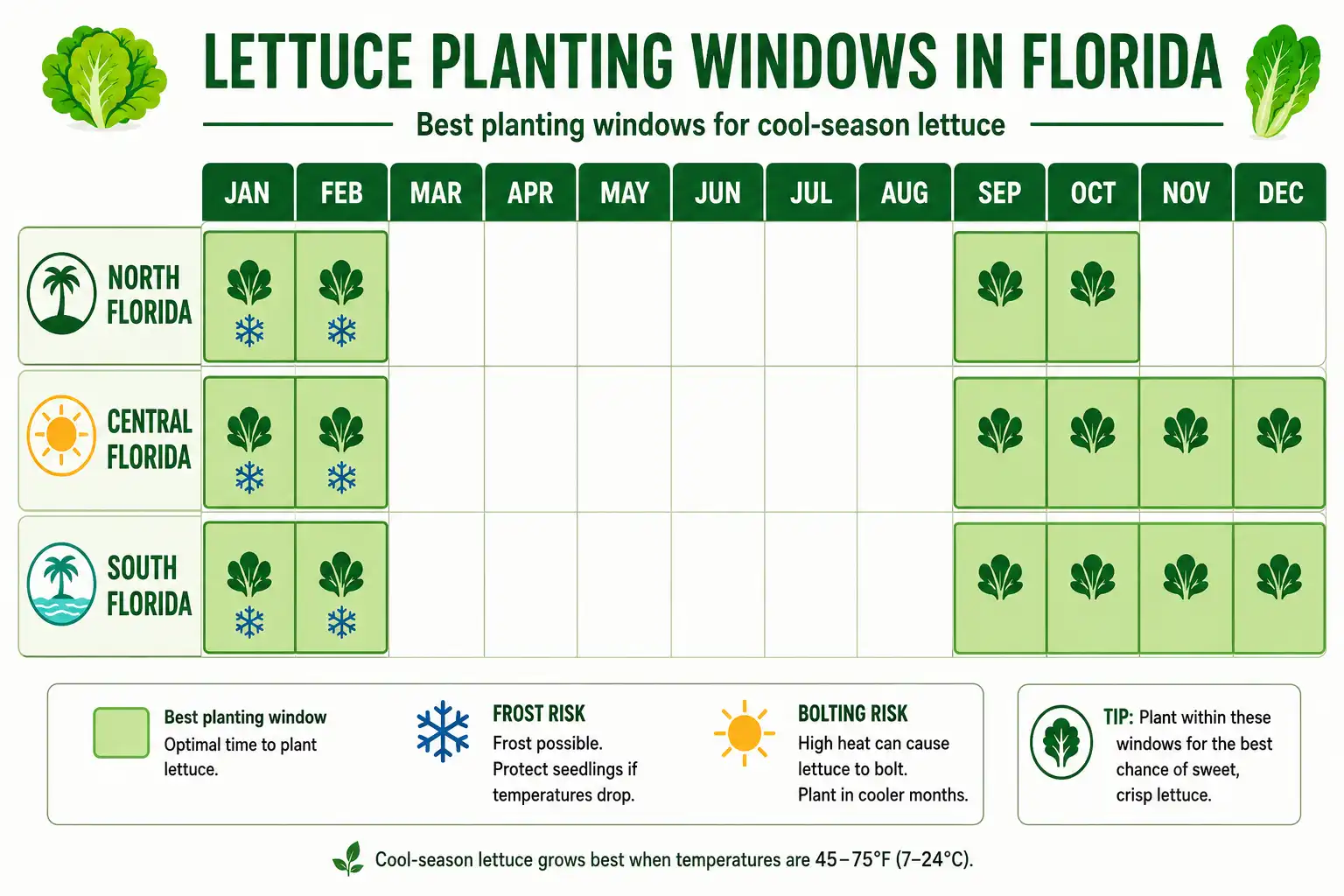
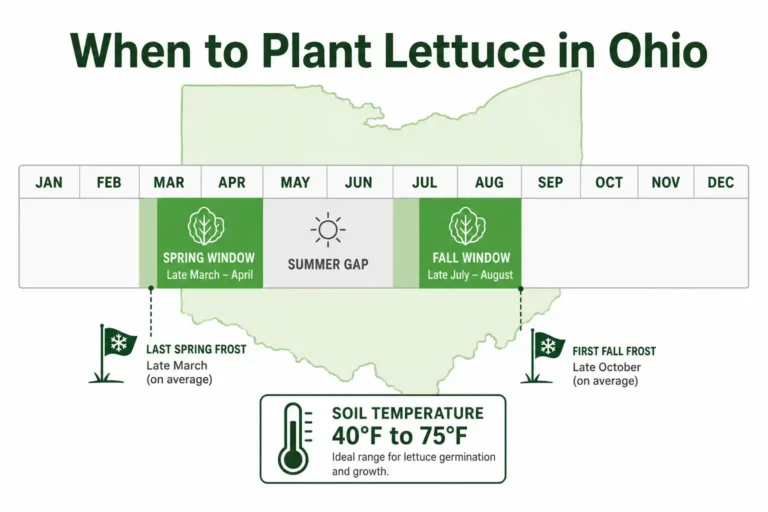
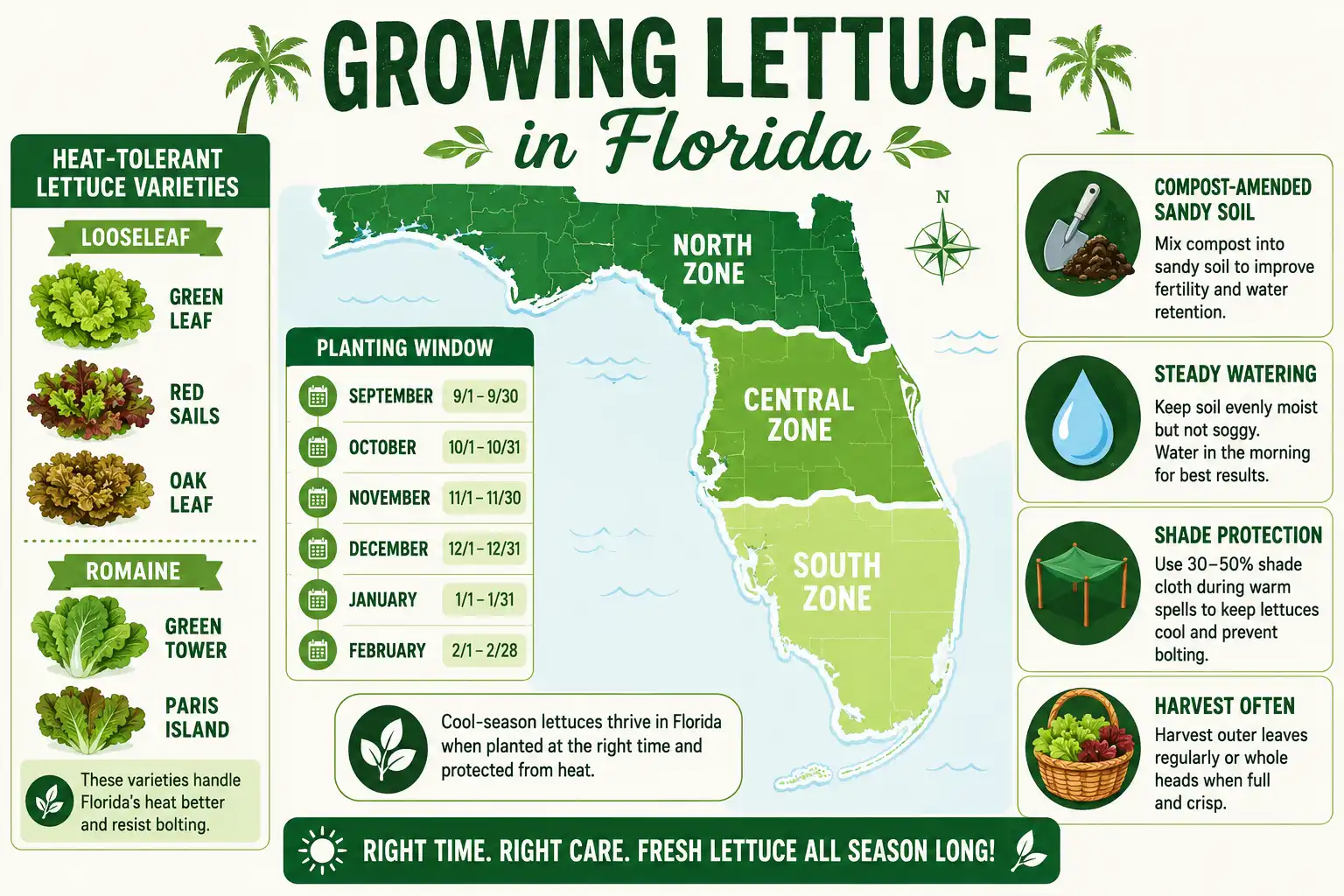
Plant lettuce in Florida during the cool months, roughly September through February. Summer heat shuts lettuce down, so the calendar runs opposite to northern states.
Your region sets the exact window. UF/IFAS splits the state into three planting zones, and timing shifts as you move south.
In North Florida, sow from September into October, then plant a second round in January and February. In Central and South Florida, the window runs from September through February. Commercial growers around Lake Okeechobee, in the Everglades Agricultural Area, run lettuce from late September into early May because winters stay mild that far south.
Florida sits across USDA hardiness zones 8a through 11. The warmer your zone, the later into spring you can keep cutting. Frost still bites tender heads in the north, so keep row cover handy on cold nights. For a closer look at growing lettuce through winter, the cold months are when this crop shines down here.
Learn more: Growing Lettuce at Home
What Lettuce Varieties Grow Best in Florida?
Looseleaf and romaine types grow best in Florida because they handle warmth and resist bolting better than tight heads. Crisphead lettuce (the iceberg type) struggles unless you grow it in the coldest stretch of winter.
For looseleaf, point Florida growers toward Black-Seeded Simpson, Salad Bowl, Red Sails, New Red Fire, and Oak Leaf. These mature fast and tolerate heat well. Romaine holds up too, and Parris Island Cos is a proven pick for the South. Outredgeous, a red romaine, also performs.
Butterhead lettuce works in cool spells. Buttercrunch, Bibb, and Ermosa form tender heads when nights stay cool. Save Great Lakes and other crisphead types for December and January only.
Looseleaf forgives beginners. It shrugs off poor soil and gives you cut-and-come-again leaves in about 45 days. If romaine is your goal, our notes on keeping romaine from bolting cover the timing that protects flavor.
How Do You Prepare Florida’s Sandy Soil for Lettuce?
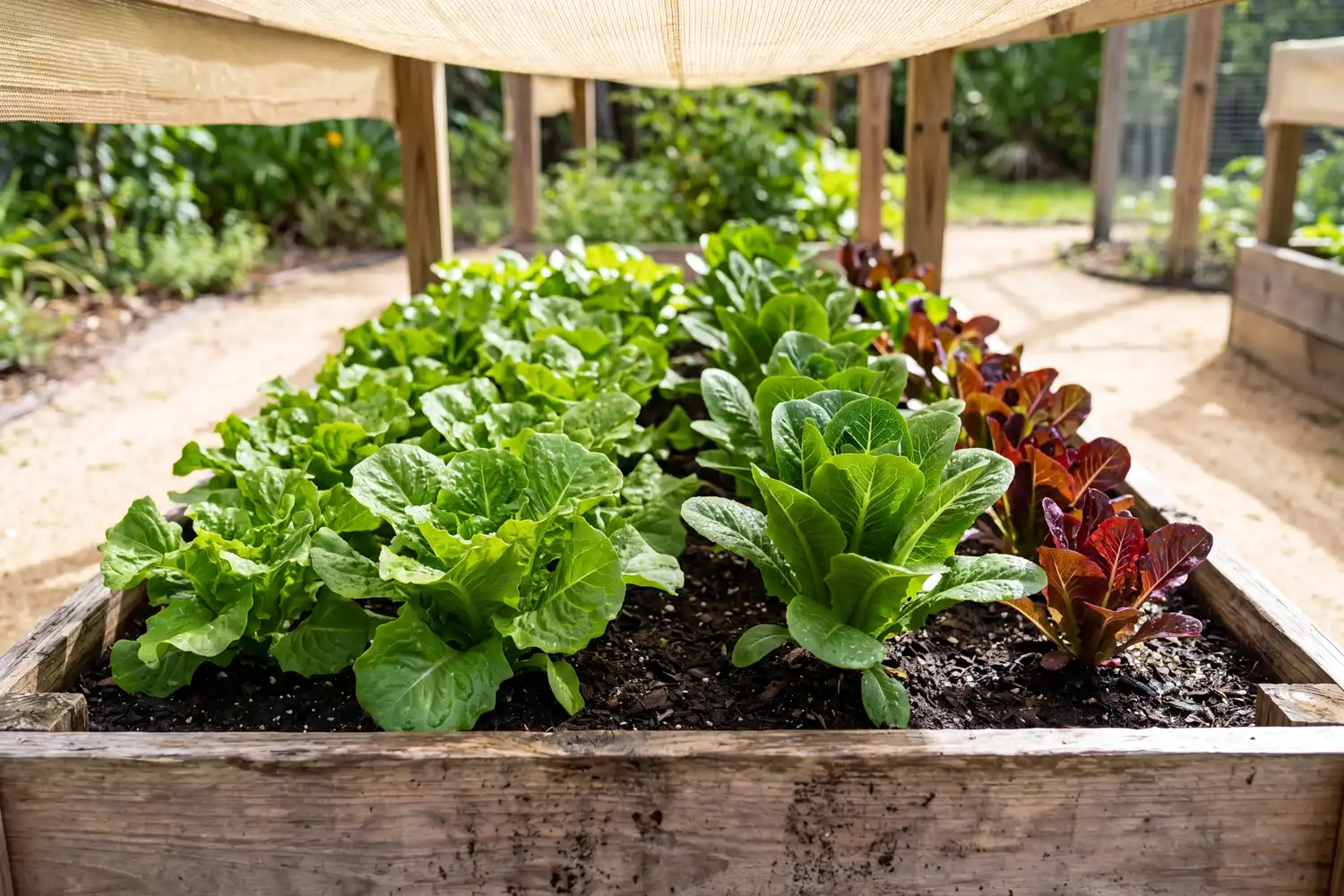
Work plenty of compost into Florida’s sandy soil and aim for a pH between 6.0 and 6.8. Most Florida ground drains fast and holds little organic matter, so lettuce roots need help staying fed and moist.
Lettuce belongs to the Asteraceae family and grows shallow roots. The top 6 inches of soil matter most. Before planting, mix in 2 to 3 inches of finished compost. That feeds the crop and helps sandy soil hold water.
Keep fertilizer light. Lettuce wants nitrogen for leafy growth, but too much synthetic feed burns the roots. A pre-plant application of 5-10-10 works, or lean on compost. Then sidedress once with calcium nitrate as heads fill out. Sandy soil leaches nutrients quickly, so you may need a second feeding after heavy rain.
Raised beds solve drainage and root-zone problems at once. They warm and dry faster after Florida’s downpours. For a full rundown on building soil fertility naturally, healthy soil is where every good crop starts.
How Do You Start Lettuce Seed in Florida’s Heat?
Lettuce seed refuses to sprout in hot soil, so early fall plantings often fail unless you cool the seed first. This catches a lot of Florida gardeners off guard.
Here is the reason. Lettuce seed enters a state called thermo-dormancy when soil runs above 80°F. The seed simply waits. September soil in Florida often sits near 85 to 90°F, which is why direct-sown seed stalls instead of germinating.
You have three ways around it. First, chill the seed in the refrigerator for a few days before sowing. Second, start seed indoors in air conditioning, then transplant once it is up. Third, wait until soil cools below 75°F and sow then. Optimum germination runs between 60 and 68°F.
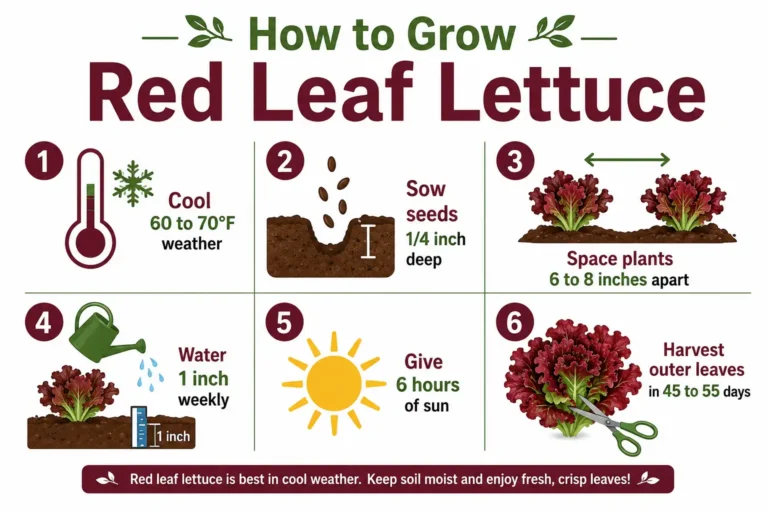
Sow shallow no matter which method you pick. Lettuce seed needs light to germinate, so cover it with just 1/8 to 1/4 inch of fine soil. Keep the seedbed damp until sprouts appear, usually in 7 to 10 days. Our guide on germinating lettuce seed walks through the temperature tricks, and if you are unsure about cover depth, here is how deep to set lettuce seed.
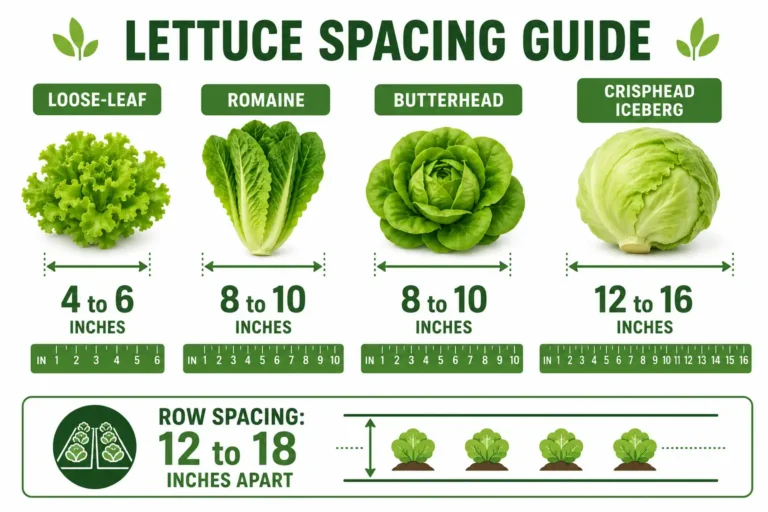
Space plants once they are growing. Set rows about 18 inches apart and thin looseleaf to 8 to 12 inches between plants. Heading types need the wider end of that range for airflow. Sow a fresh batch every 2 to 3 weeks, and you will harvest steadily through the season instead of all at once.
How Much Water Does Lettuce Need in Florida?
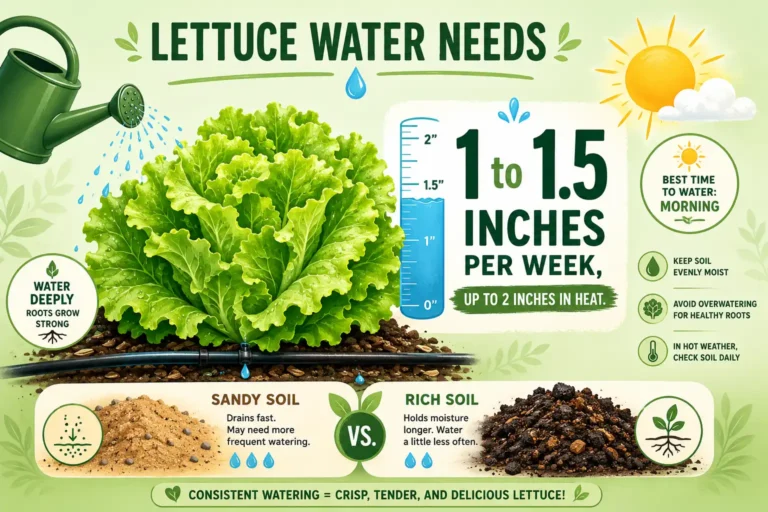
Lettuce needs steady, even moisture, which means frequent watering in Florida’s fast-draining sandy soil. Dry spells stress the plants and push them to bolt and turn bitter.
Keep the seedbed consistently damp for the first two weeks. That stretch, during germination and establishment, is when water matters most. Once plants settle in, water deeply every few days, then check more often during hot, windy weather.
Water in the morning so leaves dry before nightfall. Wet foliage overnight invites disease, especially downy mildew. A light layer of straw or leaf mulch holds soil moisture and keeps roots cooler between waterings.
Drip irrigation suits lettuce well because it keeps water at the roots and the leaves dry. Hand watering works fine in a small bed as long as you stay consistent.
How Do You Keep Lettuce From Bolting in Florida?
Keep lettuce from bolting in Florida by planting in the cool season, using afternoon shade, and harvesting before the heat builds. Bolting is when the plant sends up a flower stalk, and once it starts, the leaves turn bitter.
Heat and long days trigger bolting. As Florida warms in March and April, lettuce races to seed. So time your crop to mature before then.
Shade buys you time. A 40 percent shade cloth over the bed lowers leaf temperature and can delay bolting by a week or two. Growing lettuce in light shade through warm spells also slows bolting, so an afternoon-shaded spot earns its keep.
Variety choice helps too. Slow-bolt types like Black-Seeded Simpson and Jericho hold longer in warmth. When you see a center stalk start to stretch, harvest the whole plant right away.
What Pests and Diseases Hit Florida Lettuce?
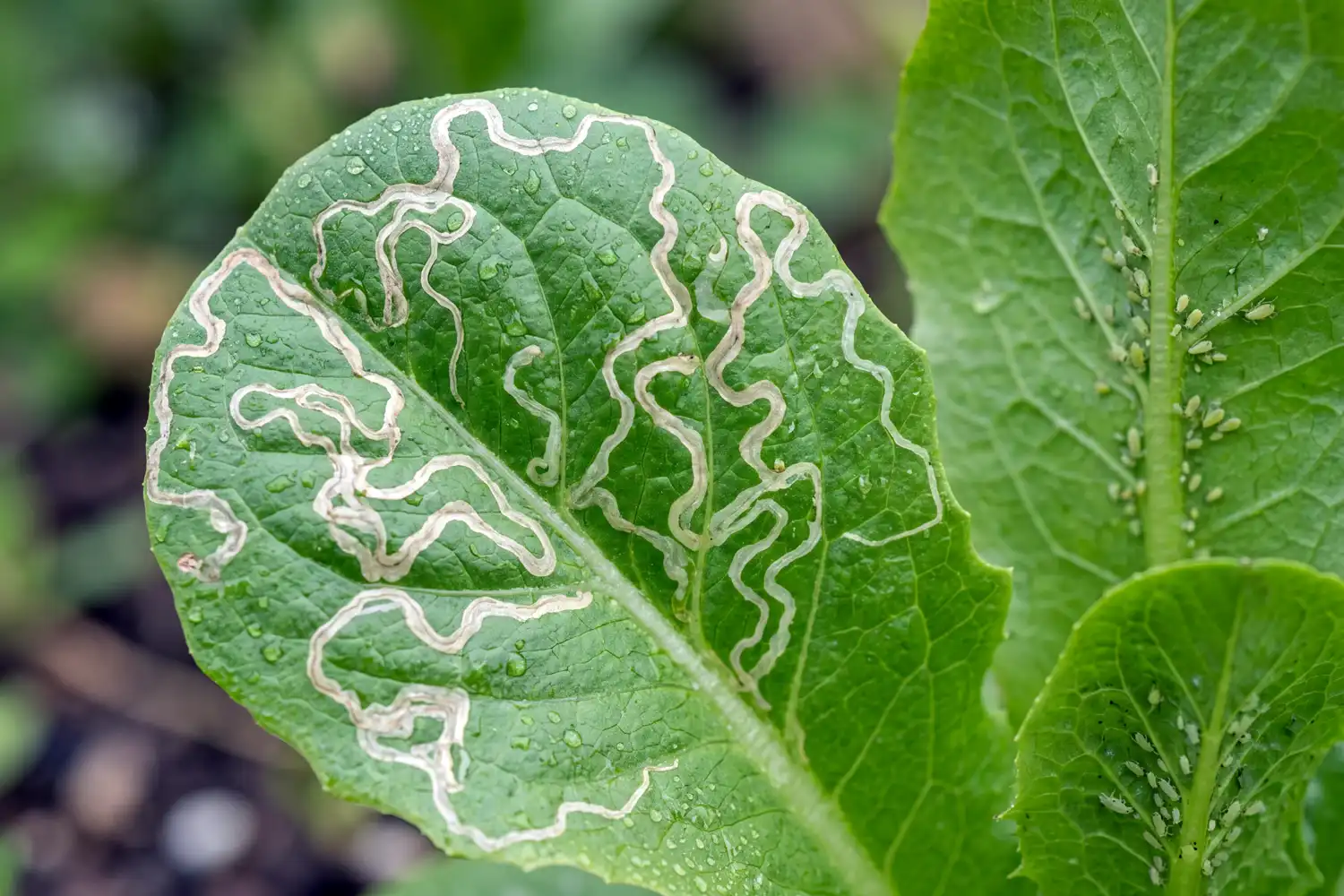
The main threats to Florida lettuce are serpentine leafminers, aphids, caterpillars, and thrips, plus diseases like downy mildew and bottom rot in wet weather. Florida’s warmth and humidity keep pests active all season.
Serpentine leafminers leave winding white trails inside the leaves. Aphids cluster on tender growth and can spread lettuce mosaic virus, so knock them back early with a strong water spray or insecticidal soap. Caterpillars like loopers and armyworms chew ragged holes. A spray of Bacillus thuringiensis (Bt) controls them without harming you or the crop.
On the disease side, downy mildew (caused by the pathogen Bremia lactucae) shows up as pale spots on top and gray, fuzzy growth underneath. It spreads in cool, damp conditions. Bottom rot and Fusarium wilt also turn up in Florida fields.
Prevention beats treatment here. Space plants for airflow, water in the morning, and clear out old crop debris fast. Commercial growers keep a lettuce-free period from late spring into fall to break the disease cycle, and home gardeners can rotate beds for the same reason.
When and How Do You Harvest Lettuce in Florida?
Harvest Florida lettuce in the cool morning, and start cutting looseleaf outer leaves once they reach 3 to 4 inches. Morning leaves are crisp and full of water, so they store better.
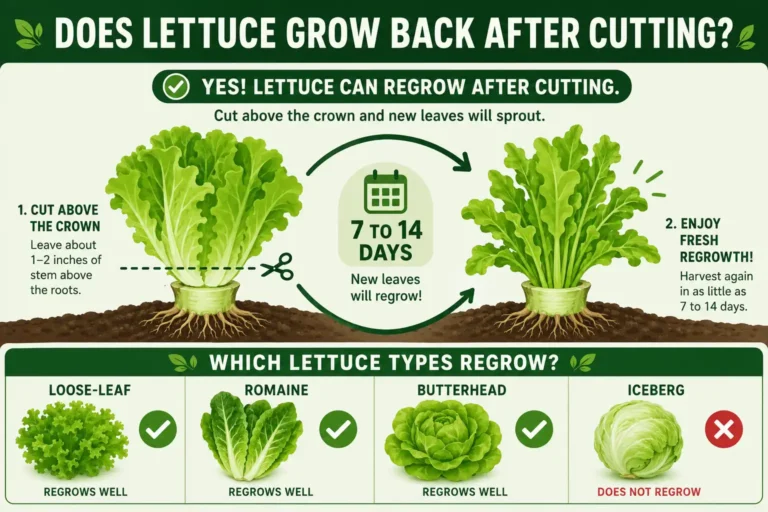
For looseleaf and romaine, pick the outer leaves and let the center keep growing. This cut-and-come-again method stretches one planting over several weeks. For heading types, cut the whole head at the base once it feels firm.
Most types are ready 45 to 80 days after sowing, depending on the variety. Looseleaf comes first, heads take longer. Watch for any sign of a flower stalk. Once a plant bolts, pull it, because the leaves only get more bitter from there.
Rinse, dry, and refrigerate your lettuce right after cutting. It keeps about a week in the crisper.
Bottom Line for Your Florida Garden
Lettuce rewards Florida growers who respect the calendar. Plant from fall through winter, lean on looseleaf and romaine, and beat the heat with shade and smart timing. Cool the seed before you sow in early fall, keep moisture steady in that sandy ground, and harvest before spring warmth sets in. Do that, and you will cut fresh salads for months while the rest of the country waits out the cold.