How to Plant Lettuce from Seed: Timing, Depth, and Spacing
Lettuce is one of the easiest crops to grow if you get the timing right. Here is exactly how to plant lettuce from seed and end up with a clean, healthy stand.
Plant lettuce from seed by sowing 1/4 inch deep in cool, moist soil between 45°F and 65°F. Space rows 12 to 18 inches apart, keep the bed damp until germination, then thin seedlings to 6 to 10 inches.
When Should You Plant Lettuce from Seed?
Plant lettuce from seed about 2 to 4 weeks before your last spring frost, then again in late summer for a fall crop. Lettuce is a cool-season crop that germinates best when soil sits between 40°F and 75°F.
Drop the first spring seeding around late March. Soil temperature matters more than the calendar date. If the ground feels icy or waterlogged, wait. Once the top inch of soil holds at 45°F for a few days.
For fall lettuce, sow seeds in mid to late August. The trick is starting them when summer heat is breaking. Seeds will not germinate above 80°F, and seedlings bolt fast in heat.
If you grow in USDA hardiness zone 6 like much of the Great Plains, plan around your frost dates. Northern growers in zones 3 to 5 push everything back two to three weeks.
Which Lettuce Varieties Grow Best from Seed?
Loose-leaf and butterhead types are the easiest lettuce varieties to grow from seed for new farmers. They germinate fast, tolerate spacing mistakes, and give you a harvest in 30 to 50 days.
The four main lettuce groups:
- Loose-leaf: Black Seeded Simpson, Red Sails, Salad Bowl. Easy, fast, cut-and-come-again.
- Butterhead: Buttercrunch, Bibb. Soft heads, mild flavor, beginner-friendly.
- Romaine: Parris Island, Little Gem. Upright heads, more heat tolerance.
- Crisphead: Iceberg, Great Lakes. Slower, trickier, best in cool long springs.
For the field, it helps to use Black Seeded Simpson and Buttercrunch. They handle Kansas weather swings without bolting too fast.
How Do You Prepare the Soil for Lettuce Seeds?
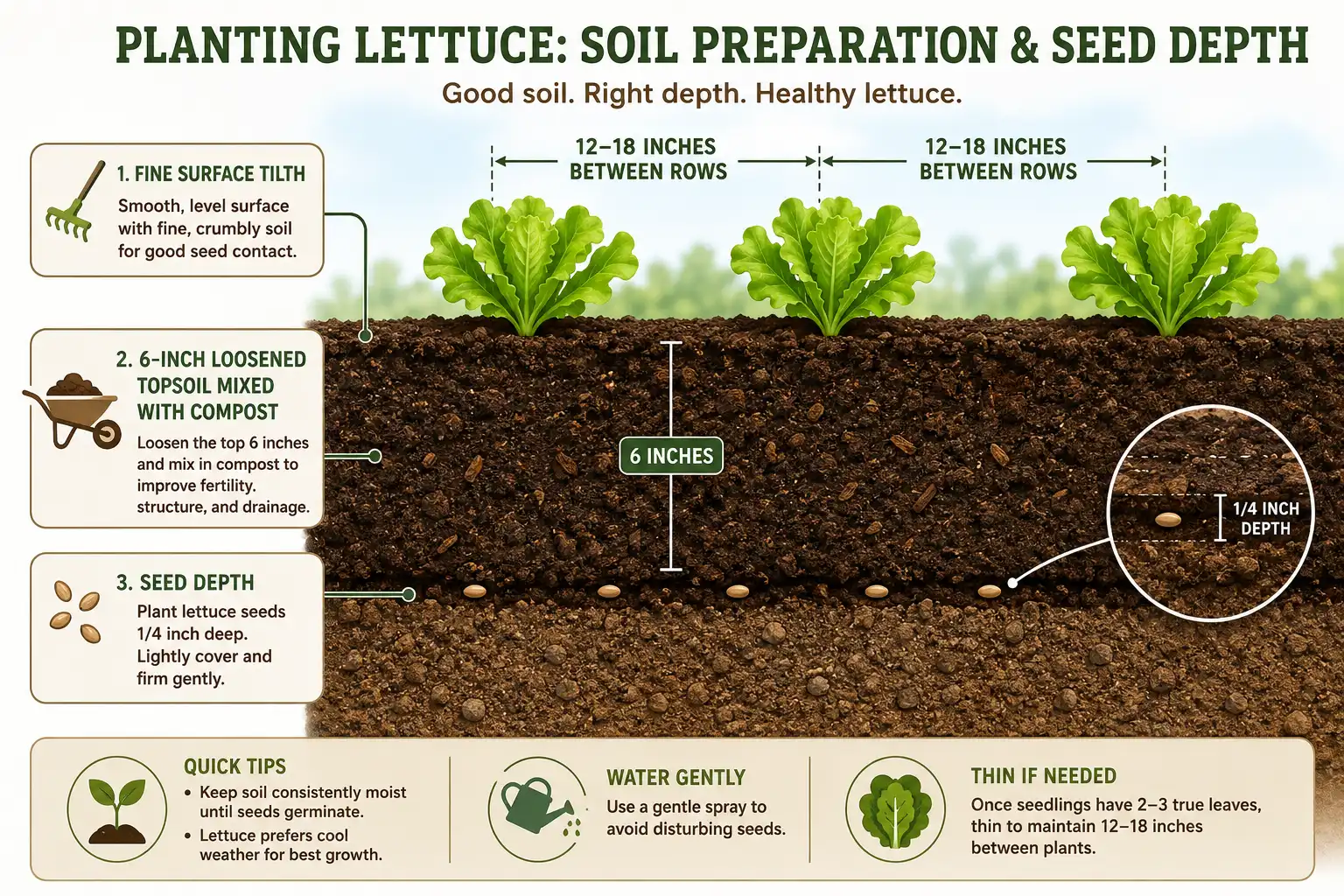
Prepare soil for lettuce by loosening the top 6 inches, mixing in compost, and raking out clods until the bed is fine and level. Lettuce has shallow roots and tiny seeds, so a smooth surface is everything.
Aim for a pH between 6.0 and 7.0. Run a quick soil testing check before your first season on a new bed. Lettuce also wants well-draining soil with plenty of organic matter. Add about 2 inches of finished compost and till it shallow.
Skip heavy nitrogen fertilizer at planting. Too much nitrogen pushes loose, watery growth and invites tipburn. A balanced 10-10-10 worked in at light rates is plenty.
How to Plant Lettuce Seeds Step by Step
Here is the simple process every season.
Direct Sowing Outdoors
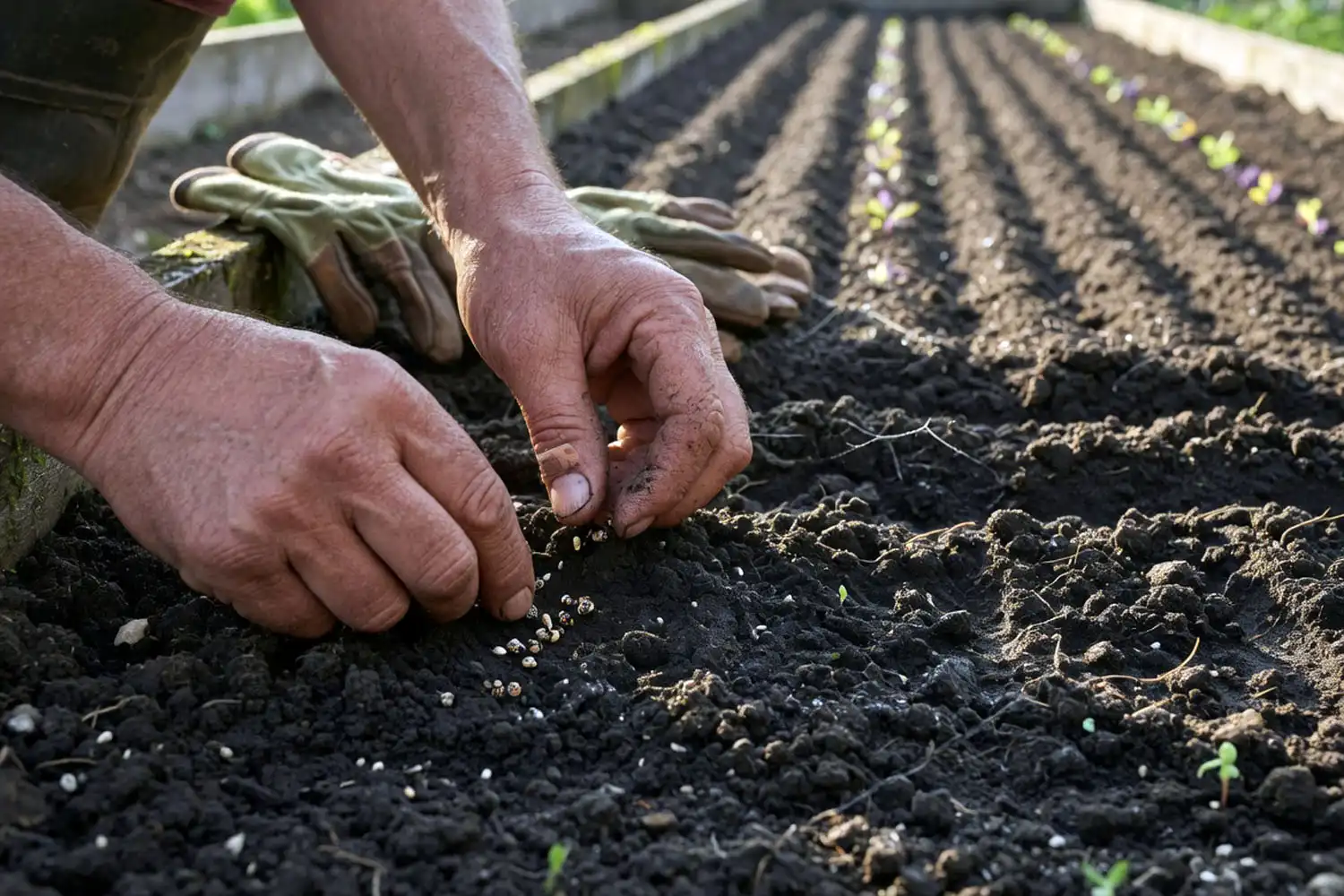
Direct sowing is the fastest way to plant lettuce from seed in most home and small-farm settings. Lettuce seedlings have delicate roots that hate transplant shock, so seeding in place often beats moving them.
Step by step:
- Rake your bed smooth and moisten the top inch.
- Mark shallow rows or furrows about 1/4 inch deep.
- Sprinkle seeds thinly. Aim for one seed every 1 inch.
- Cover lightly with 1/4 inch of fine soil or vermiculite.
- Tamp the surface gently and water with a fine mist.
- Keep the bed evenly moist until you see green.
Germination takes 7 to 14 days at 50°F to 70°F. Faster in warm spring weather, slower when nights are cold.
Starting Lettuce Seeds Indoors
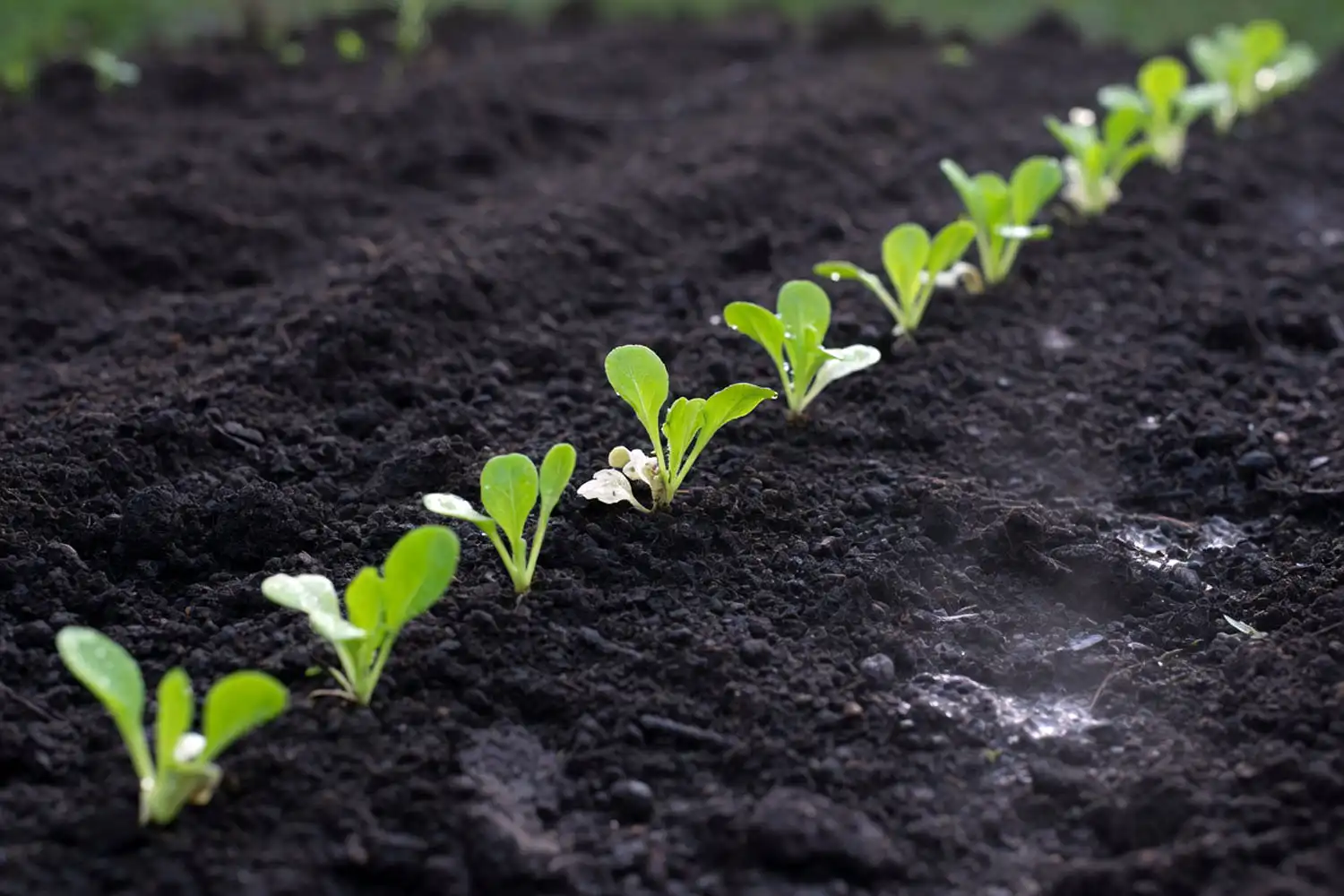
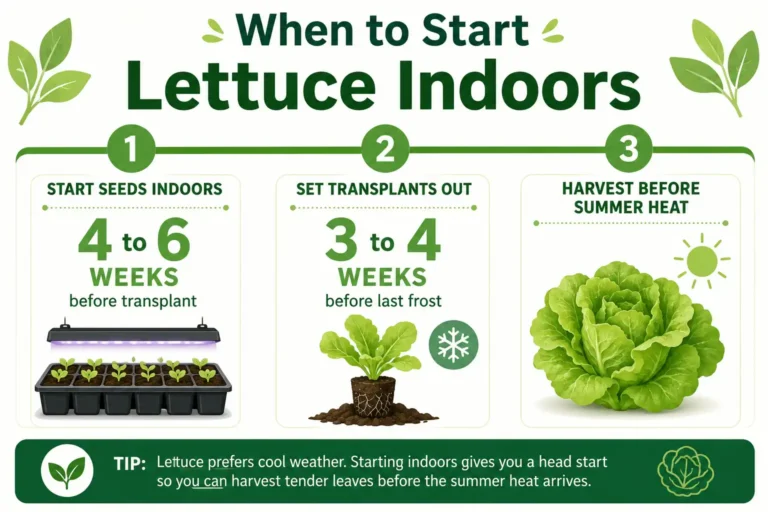
Start lettuce seeds indoors 4 to 6 weeks before transplanting outside, but only if your spring is short or you need a head start on early heads. Most growers do not need this step, since lettuce loves cool weather and direct seeding works fine.
If you do start indoors, use a sterile mix and a quality seed starting kit. Sow two seeds per cell, thin to the strongest, and harden off seedlings for 7 to 10 days before transplanting. Our guide on covers the trade-offs in detaildirect sowing versus transplanting.
How Deep Should You Plant Lettuce Seeds?
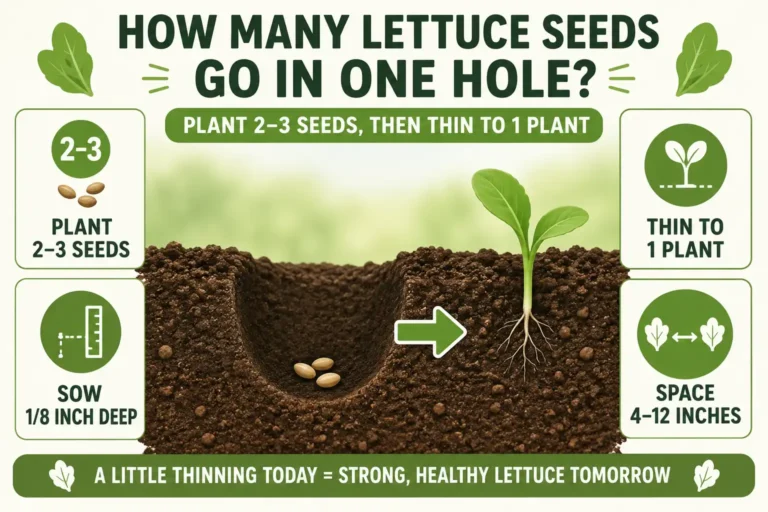
Plant lettuce seeds 1/8 to 1/4 inch deep. No deeper. Lettuce seeds need some light to germinate well, so burying them too far will tank germination rates.
If your soil is heavy clay, plant on the shallow end at 1/8 inch and cover with a light layer of vermiculite. In sandy loam like parts of the field, 1/4 inch is fine. The seed should be just barely tucked in.
How Far Apart Should You Space Lettuce?
Space lettuce 6 to 10 inches apart for loose-leaf and butterhead, and 10 to 12 inches apart for romaine and crisphead. Rows should be 12 to 18 inches apart.
Direct sowing calls for planting thick and thinning later. Crowded seedlings compete for light and water, and crowded heads stay small. Correct plant spacing is the difference between a clean row of full heads and a tangled mess that bolts early.
How Often Should You Water Lettuce Seeds?
Water lettuce seeds lightly once or twice a day until they germinate. The top 1/2 inch of soil must stay damp, never dry, never soggy.
After germination, drop to deeper, less frequent watering. Lettuce needs about 1 inch of water per week, more in hot weather. Water early in the morning to keep leaves dry overnight, which cuts disease pressure.
A light layer of mulching once seedlings are 2 inches tall holds moisture and keeps soil cool. Both matter for lettuce.
When Should You Thin Lettuce Seedlings?
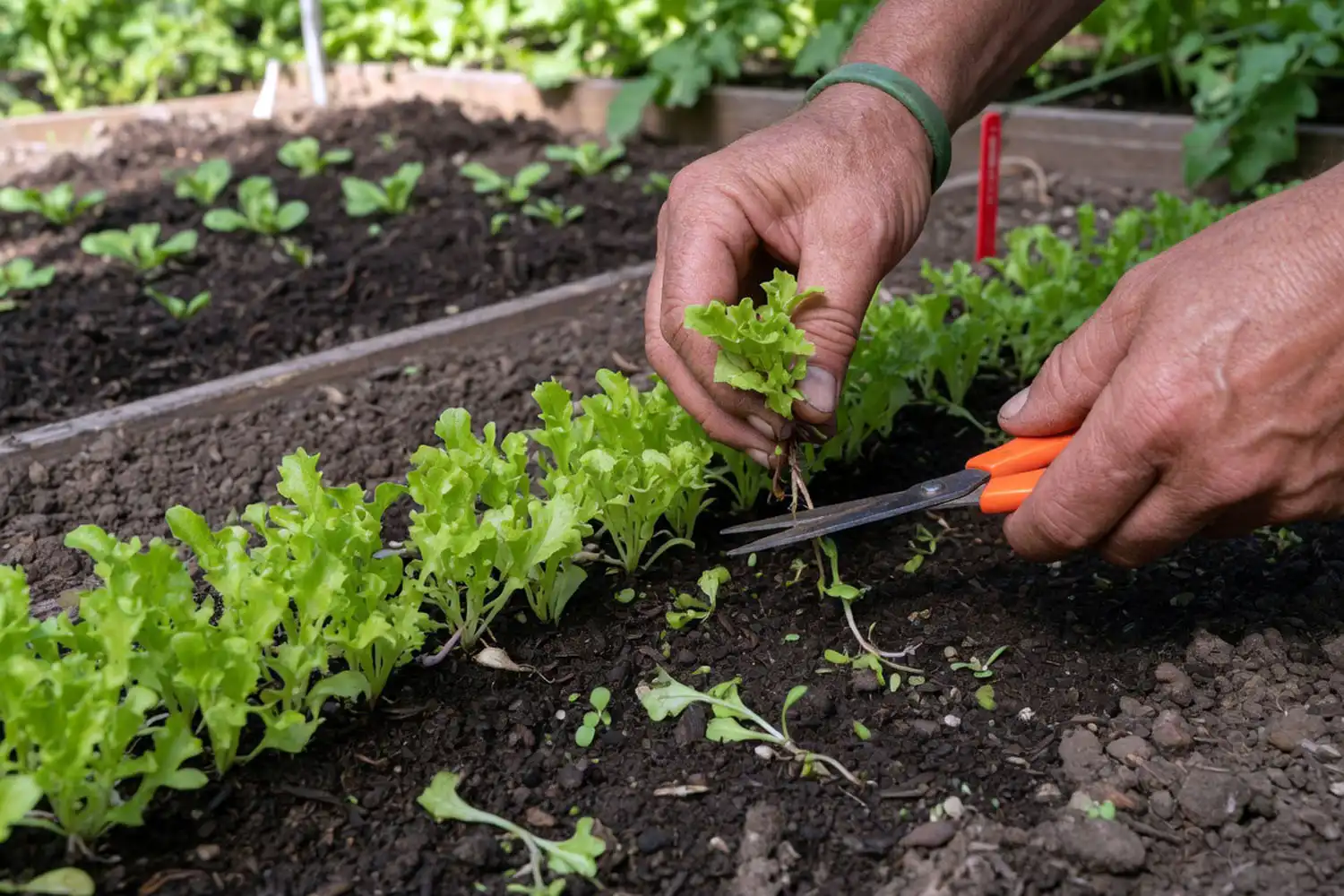
Thin lettuce seedlings when they reach 2 to 3 inches tall, usually 10 to 14 days after germination. Pull the weakest plants and leave the strongest ones at proper spacing.
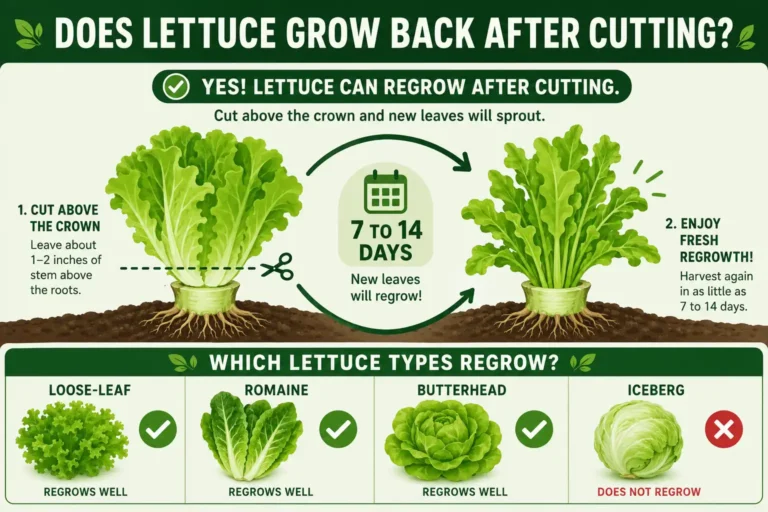
Use scissors to snip thinned seedlings at soil level instead of pulling. Pulling disturbs nearby roots. The baby greens you cut go straight into a salad. Nothing wasted.
What Problems Should You Watch For?
The biggest problems when planting lettuce from seed are damping off, poor germination from heat, and slug damage on young seedlings.
Damping off is a soil-borne fungal disease that kills seedlings at the soil line. Keep soil from staying soggy, use clean tools, and avoid planting too thick.
Other issues to watch:
- Slow germination: soil is usually too cold or too hot. Adjust timing.
- Leggy seedlings: not enough light, especially indoors.
- Bolting: high temperatures and long days trigger this. Choose heat-tolerant varieties for late spring plantings.
- Bitter leaves: heat stress or inconsistent watering.
For state-specific timing or variety recommendations that fit your zone, K-State Research and Extension’s horticulture program publishes home garden lettuce guidance worth bookmarking.
What Works in the Farm
Plant lettuce from seed twice a year and treat it like the workhorse it is. Spring sowing in late March, fall sowing in mid-August, shallow seeding, thin early, mulch lightly, water steady. Get those right and your first harvest will be on the table inside 40 days.