Can You Grow Lettuce in Winter? Cold-Hardy Varieties That Work
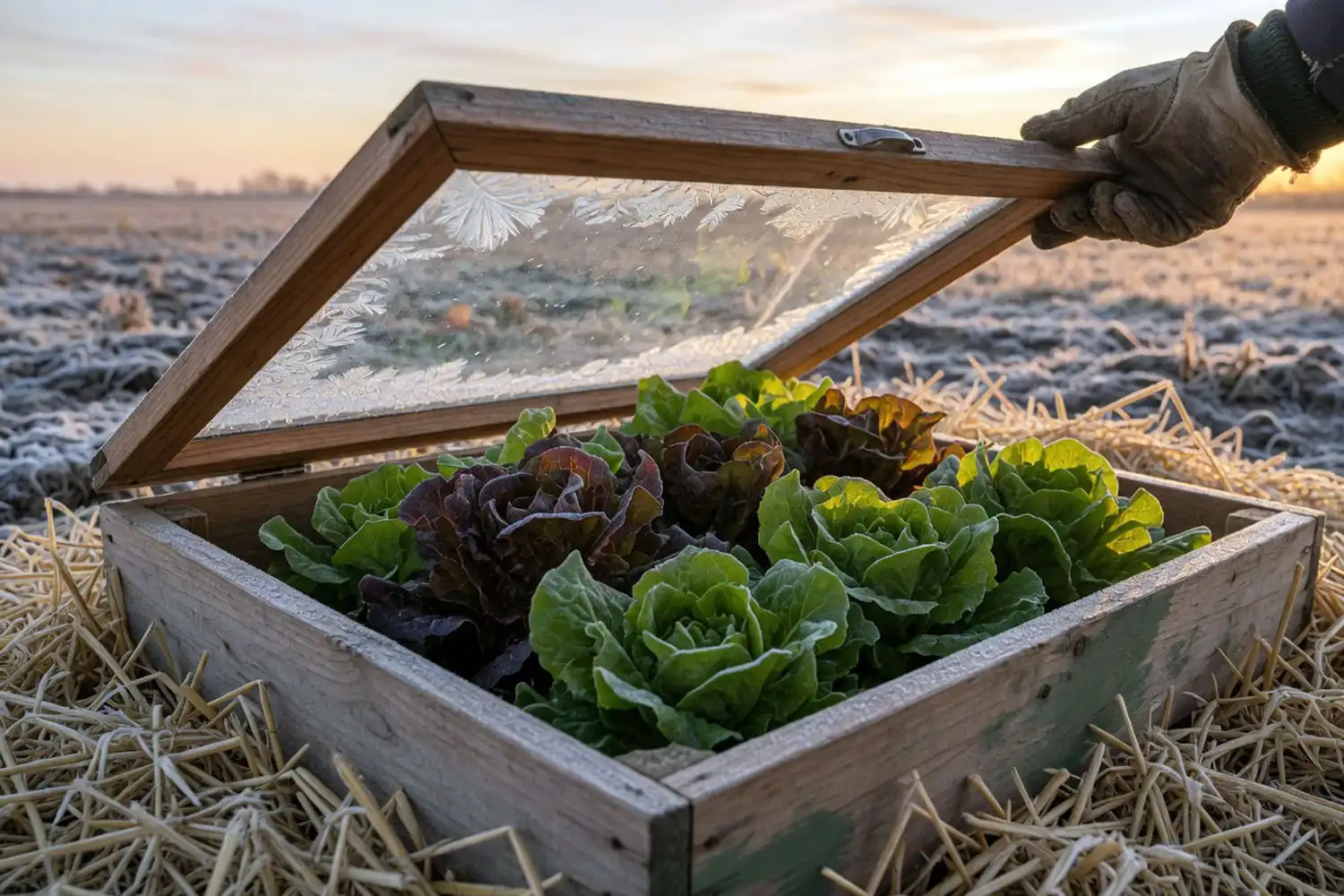
Winter lettuce grows just fine if you give it the right setup. Cold frames and a low tunnel in Kansas carry crops through the worst of the cold, and the leaves stay sweeter than anything cut in summer. You can grow lettuce in winter with the right protection and timing.
Yes, you can grow lettuce in winter using cold frames, low tunnels, hoop houses, or unheated greenhouses. Cold-hardy varieties like Winter Density, Rouge d’Hiver, and Arctic King handle freezing nights when shielded from harsh wind and ice.
Can You Grow Lettuce in Winter?
Yes, lettuce grows in winter as long as you protect it from wind, hard freezes, and waterlogged soil. Lettuce is a cool-season crop. It actually prefers temperatures between 45°F and 65°F, which is a range you can hold under simple covers through most of a USDA hardiness zone 5 or warmer winter.
The trick is not the cold itself. Lettuce can survive nights in the low 20s°F when it’s hardened off. The real problems are wind burn, ice locking the crown, and the short days that slow growth. Solve those three, and you’ll cut salad through January.
n Kansas, romaine and butterhead can be harvested under a 6-mil low tunnel down to 12°F. The plants stop growing in that cold, but they hold their quality. As soon as the sun warms the tunnel above 40°F, they bounce back.
Best Lettuce Varieties for Winter Growing
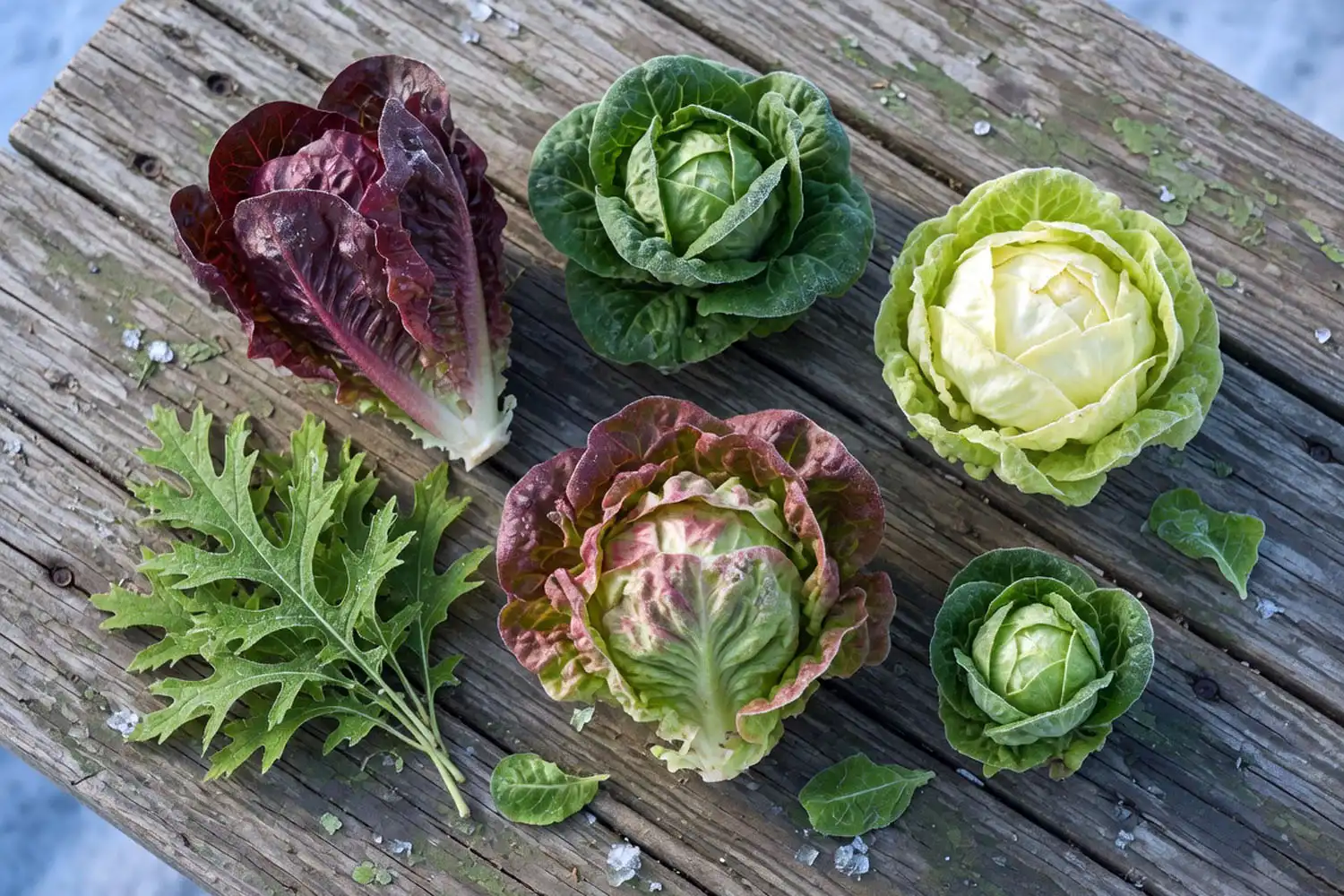
The best lettuce varieties for winter are cold-hardy types bred for short days and freezing nights. Pick varieties with thick leaves, tight hearts, and proven cold tolerance.
Here’s what to plant every fall in the plot:
- Winter Density (semi-cos): The hardiest one. Crisp, sweet, survives 15°F under cover.
- Rouge d’Hiver: A French heirloom red romaine. Pretty and tough.
- Arctic King: A butterhead bred for winter. Compact and reliable.
- North Pole: Bibb-style. Holds well in cold tunnels.
- Marvel of Four Seasons: Loose-leaf with red tips. Forgiving.
- Tango: Frilly green oakleaf. Grows back fast after cuts.
- Salanova types: Modern cut-and-come-again varieties bred for indoor and tunnel production.
Avoid summer crisphead types and most iceberg varieties. They bolt fast as soon as days lengthen and don’t take cold well. For a deeper look at picking strong starts, our guide on hybrid vs heirloom seed selection walks through what to weigh before you order.
Winter Growing Methods That Actually Work
You have four practical ways to grow lettuce in winter: cold frames, low tunnels, hoop houses, and indoor setups. Each fits a different scale and budget.
Cold Frames
Cold frames are insulated boxes with a clear lid. They trap solar heat during the day and slow heat loss at night. On a sunny 30°F day, the inside hits 60°F by noon.
Vent the lid when it climbs above 60°F or your lettuce will wilt. Close it well before sunset to bank heat. A 4 by 4 foot frame holds about 20 to 25 lettuce plants at 6 inch spacing.
Low Tunnels
Low tunnels are short hoops covered with 6-mil greenhouse plastic or frost cloth. They’re cheap and fast to set up. A 50-foot low tunnel runs me about $40 in materials and protects roughly 100 lettuce plants.
For deep cold snaps, doubling up works well: a layer of Agribon AG-30 floating row cover directly on the plants, then the plastic over the hoops. This combination has carried lettuce through 5°F nights.
Hoop Houses and Unheated Greenhouses
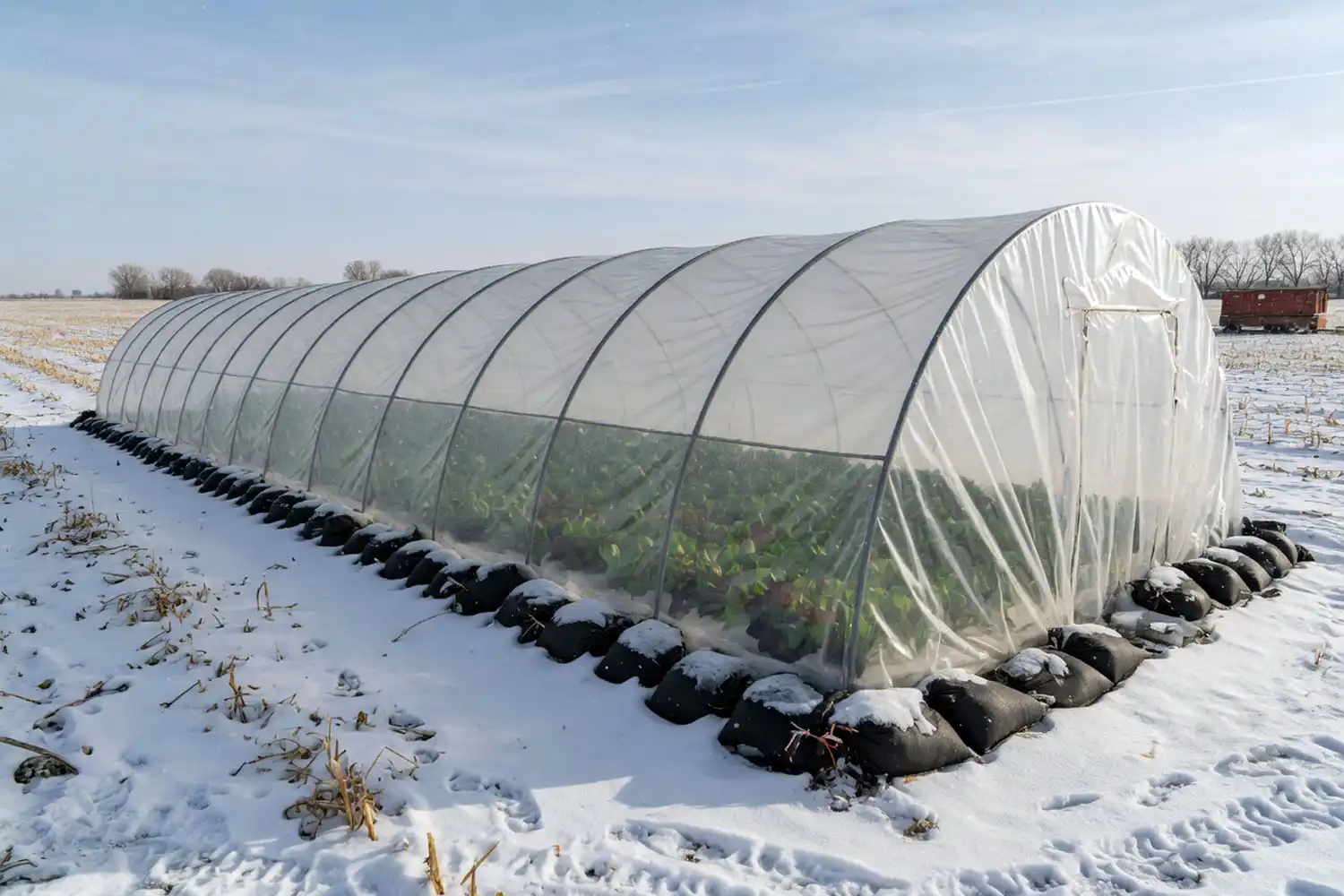
Hoop houses are taller versions of low tunnels you can walk into. An unheated greenhouse with a single layer of poly typically gains about 8 to 10°F over outside temperatures. Add a layer of row cover inside, and you’ve got a workable winter salad operation.
Eliot Coleman’s work in Maine showed lettuce surviving USDA hardiness zone 3 winters with this exact stack: unheated greenhouse plus floating row cover.
Indoor Growing
Indoor lettuce works year-round if you give it 12 to 14 hours of light per day. A basic LED grow light over a tray of Salanova or butterhead will produce continuous cuts. Keep room temperatures between 60°F and 70°F.
When to Plant Lettuce for Winter Harvest
Plant winter lettuce so it reaches near-harvest size before the Persephone Days begin. Persephone Days are the stretch of weeks when daylight drops below 10 hours, and plant growth nearly stops. In most of the US, that runs from early November through early February.
Here’s a Kansas seeding schedule for winter:
- First sowing: September 1 to 10 (transplant by October)
- Second sowing: September 20 to 30 (transplant by mid-October)
- Third sowing: October 10 to 20 (heads will be small but usable through winter)
The goal is to get plants to 75% mature size before December 1. Once they’re there, they hold steady all winter and you harvest as needed. For zone-specific timing, this detailed crop planting calendar covers winter sowing dates across the US.
You can also sow in late January under cover for an early spring crop. Day length is the main signal, not the calendar.
How Cold Can Winter Lettuce Survive?
Most cold-hardy lettuce survives down to 20°F unprotected and as low as 10°F with a single layer of row cover. Winter Density and Arctic King have pushed through 5°F in double-covered tunnels.
Three factors decide survival:
- Hardening off: Plants gradually exposed to cold develop antifreeze proteins like glycine betaine that lower their freezing point.
- Wind exposure: Wind kills hardy plants faster than cold air does. Cover blocks both.
- Wet vs dry crowns: A wet, frozen crown rots. Good drainage matters more than people realize.
Don’t try to harvest frozen leaves. Wait until midday when they thaw fully. Cutting frozen tissue turns into mush within an hour.
The University of Minnesota Extension has solid research on season extension and cold hardiness that backs up what to see.
Soil Prep for Winter Lettuce
Prepare beds in early fall with finished compost and a balanced fertilizer. Winter lettuce needs loose, well-drained soil that won’t waterlog when freeze-thaw cycles hit.
Our fall prep checklist:
- Work in 2 inches of finished compost per bed
- Add 1 pound of 10-10-10 per 100 square feet, or use a slow-release organic blend
- Check pH and aim for 6.0 to 6.8
- Form slight raised beds (4 to 6 inches) so meltwater drains off
A simple soil test before planting tells you if you need lime or sulfur. Don’t skip this. Winter lettuce won’t recover from a nutrient lockout the way summer crops can.
Mulch with 1 to 2 inches of straw between rows once plants are established. The right mulching approach for cool-season crops keeps soil temperatures steady and reduces splash that spreads disease.
Watering Lettuce in Winter
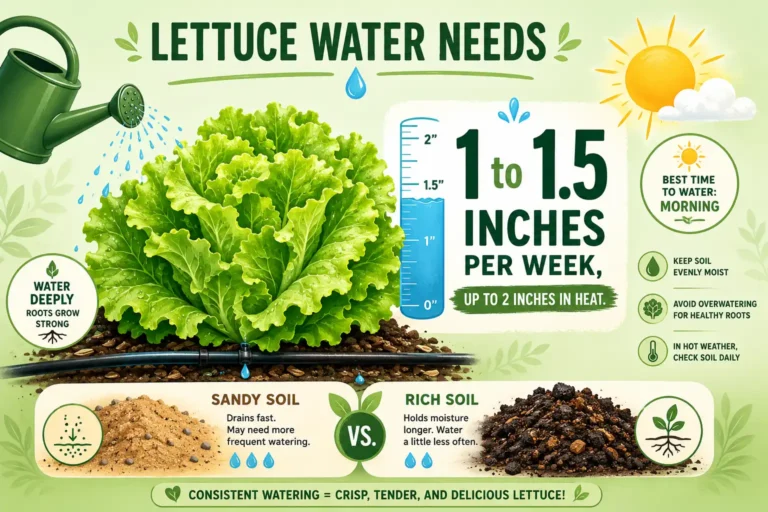
Water winter lettuce sparingly, only when the top inch of soil is dry and the day is mild. Cold roots can’t pull much water, and waterlogged beds invite root rot.
Winter watering rules:
- Water in the morning so leaves dry before nightfall
- Use room-temperature water if hand-watering, never icy hose water on the crowns
- Drip lines work best because they keep foliage dry
- In a cold frame, water maybe once every 10 to 14 days
A small drip irrigation setup with a timer handles the job without overdoing it. Skip overhead sprinklers in winter. Ice on the leaves does real damage.
Pests and Diseases in Winter
Winter lettuce dodges most summer pests but gets hit by aphids, slugs, and damping-off fungi. Cool, damp tunnels create perfect conditions for gray mold (Botrytis) and downy mildew.
What to watch for:
- Aphids: Build up fast inside tunnels. A quick blast of neem or insecticidal soap on a warm afternoon knocks them back.
- Slugs: Active in mild spells. Iron phosphate bait works in cold weather.
- Botrytis gray mold: Vent tunnels on sunny days. Pull infected leaves immediately.
- Damping-off: Hits seedlings. Don’t overwater starts. This seedling care and damping-off guide covers prevention.
For a fuller toolkit, natural pest control methods lay out what to keep on hand before you spot trouble.
Common Mistakes Growers Make With Winter Lettuce
The biggest mistake is planting too late. If your seedlings aren’t 75% mature by December 1, they won’t fill out until February. Other slip-ups:
- Skipping the hardening off period: Tender greenhouse starts crash in the first hard freeze.
- Sealing tunnels on sunny days: Lettuce cooks at 75°F. Always vent.
- Watering at night: Wet leaves at sunset means frozen leaves by midnight.
- Cutting too close to the crown: Leave at least 1.5 inches for regrowth.
- Ignoring snow load: Knock snow off low tunnels before it caves the plastic.
What This Looks Like in Practice
Winter lettuce is one of the most rewarding crops. Cold makes the leaves sweeter as the plants build up sugars to resist freezing. With a few cold frames or a single low tunnel, you can cut salad straight through Kansas winter and skip the supermarket bagged stuff entirely.
Start with Winter Density and a basic low tunnel. Sow in September, harden off in October, harvest from November through March. Once you’ve done one winter, you’ll never want to take a season off again.