What Is Artisan Lettuce? A Guide for Home Gardeners
Walk through the produce aisle and you’ll spot small clamshells packed with tiny, colorful lettuce heads. That’s artisan lettuce. It looks fancy, costs more than a bag of romaine, and confuses plenty of shoppers.
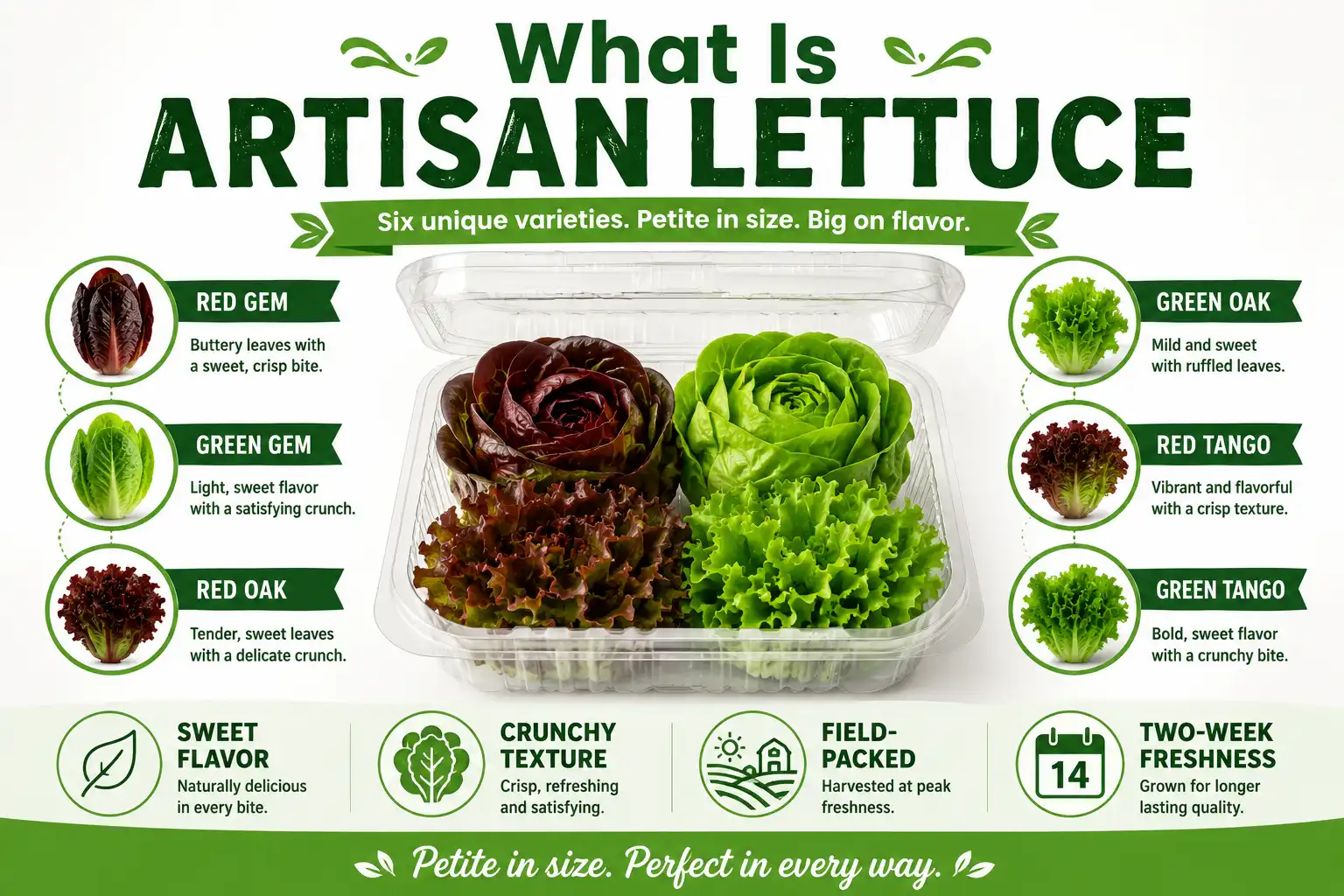
Artisan lettuce is a brand of petite, fully mature lettuce heads from Tanimura & Antle. Each pack holds four small heads chosen from six gem, oak, and tango varieties. They taste sweet, stay crisp, and outlast bagged greens.
What Is Artisan Lettuce, Exactly?
Artisan lettuce is a trademarked line of small, gourmet lettuce heads grown by Tanimura & Antle, an employee-owned family farm based in California. The heads are fully mature, just bred to stay petite. Each clamshell holds four whole heads pulled from six varieties.
The company launched the line more than 15 years ago. They started with a mini-head lettuce seed sold in Europe but new to the United States. After years of trials, they learned to grow red and green types side by side. So today the pack always shows a mix of colors.
Most of the crop comes from fields in California and Arizona. Some also grows in greenhouses in Tennessee. That spread keeps fresh heads in stores all year.
One note on the name. Tanimura & Antle owns the Artisan trademark. Still, shoppers often use the term loosely for any small, multi-variety gourmet lettuce sold whole.
Also know: About Buttercrunch Lettuce
What Varieties Are in Artisan Lettuce?
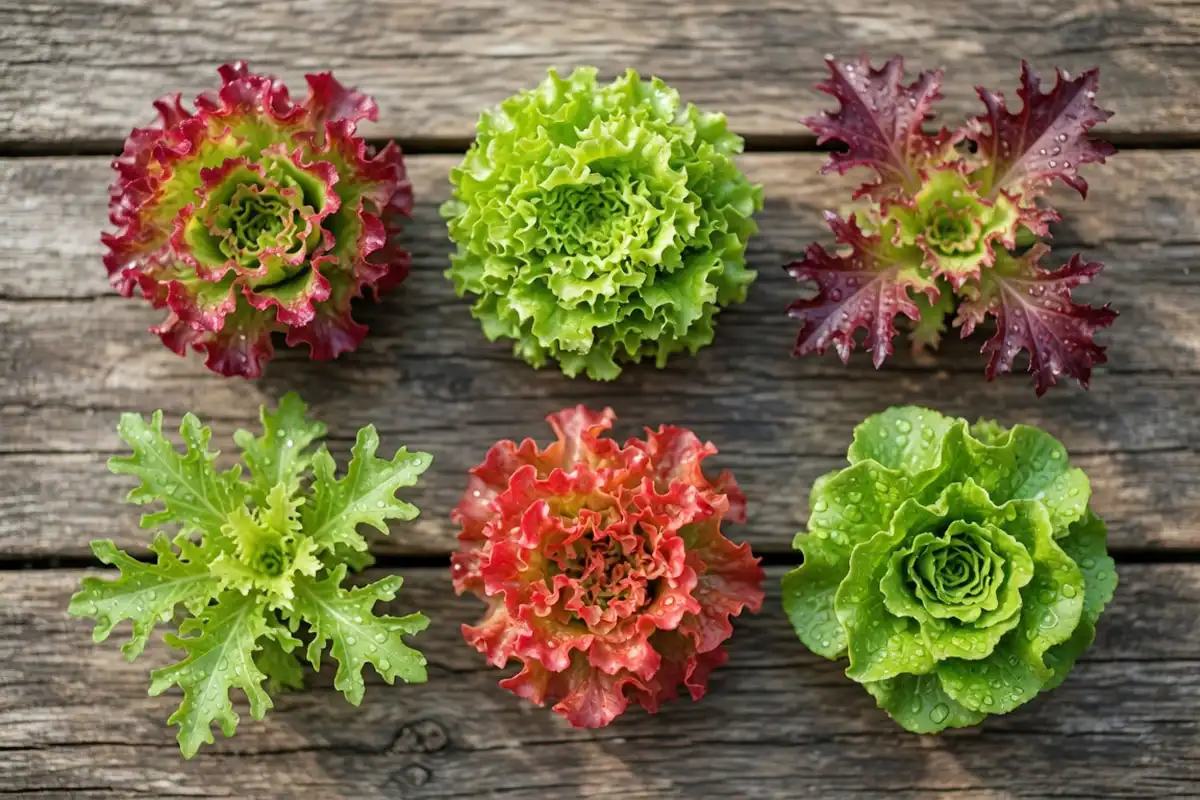
Tanimura & Antle grows six artisan lettuce varieties: red gem, green gem, red oak leaf, green oak leaf, red tango, and green tango. Each pack mixes four heads from that group. The three shapes eat a little differently:
- Gem types are dense and compact. They snap like a romaine heart.
- Oak leaf types are soft and scalloped, with a mild, slightly nutty taste.
- Tango types are frilly and ruffled. They hold dressing well and stay mild.
Color adds the rest. Red leaves bring a deeper look and a touch more bite. Green leaves stay sweet and tender. If you like the red ones, growing red leaf lettuce at home gives you the same color without the store price.
The brand has grown past these six, too. You’ll now find Artisan Romaine, Artisan Sweet Gem, Artisan Baby Iceberg, and a few specialty items under the same label.
How Is Artisan Lettuce Different From Regular Lettuce?
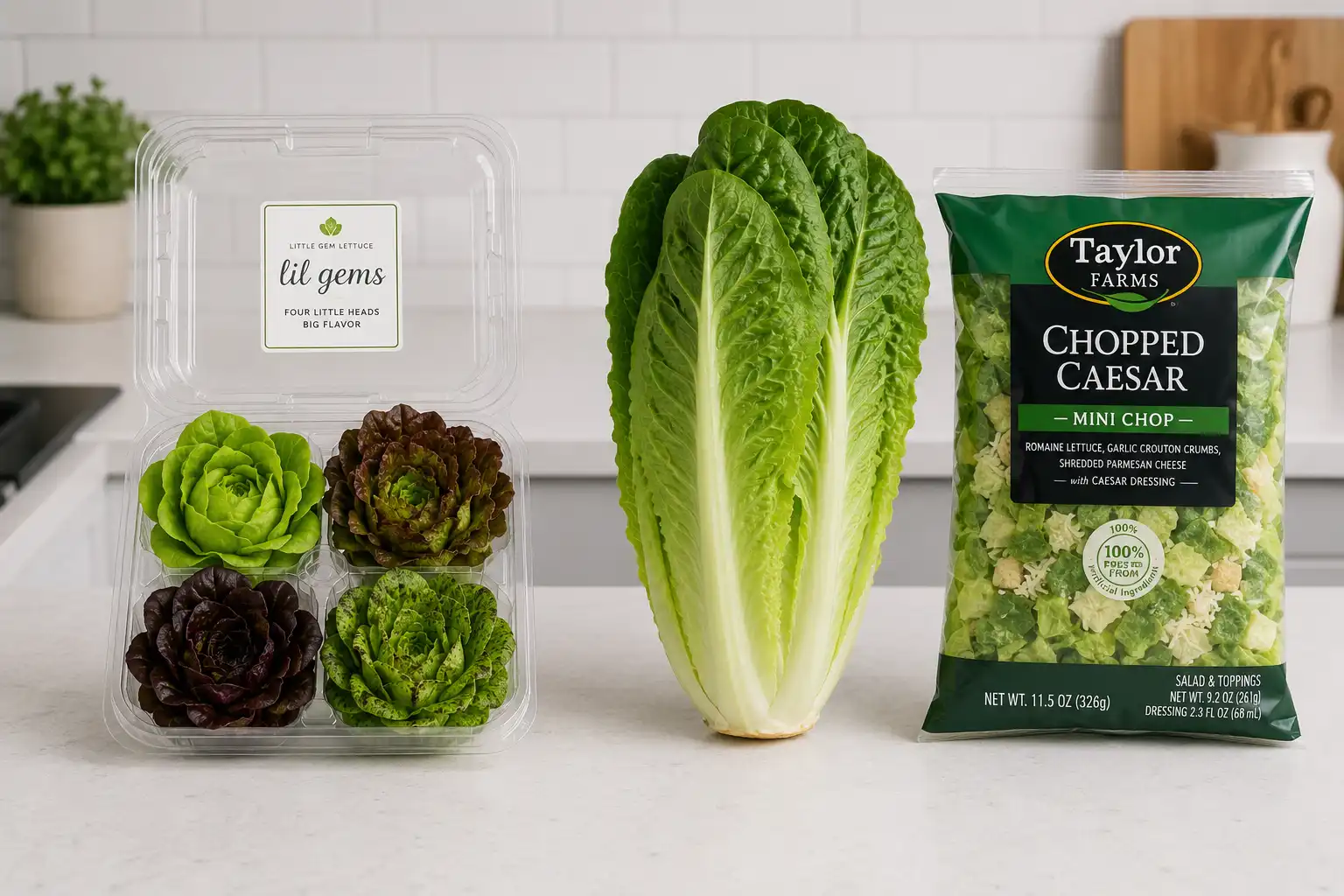
Artisan lettuce differs from regular lettuce in three ways: size, how it’s sold, and shelf life. Each one shows up the moment you open the pack.
First, the heads are small but fully grown. A regular romaine or iceberg head is big and meant to be cut down. An artisan head fits in your palm.
Second, you buy whole heads, not chopped leaves. The four heads sit loose in a clamshell. Growers field-pack them and skip the wash. So you rinse and dry them at home before serving.
Third, the heads last. Left whole in the pack, they stay crisp far longer than a bag of cut salad. A bagged mix can wilt in a few days. Whole artisan heads often hold for two weeks or more.
Flavor sets them apart as well. The leaves run sweet and crunchy, closer to a freshly cut head of butter lettuce than to a tired bag of shredded greens.
Is Artisan Lettuce GMO?
No, artisan lettuce is not GMO. No genetically modified lettuce is sold anywhere in the United States. Tanimura & Antle built the line through normal seed selection and plant breeding.
They started with a specialty mini-head seed and bred for size, color, and flavor. None of that changes the plant’s DNA in a lab. The colors and shapes come from natural lettuce diversity.
Lettuce is Lactuca sativa, the same species as your romaine and iceberg. Red gem and green oak are just cousins on the same family tree. So the fancy look is breeding and careful harvest timing, nothing engineered.
What Does Artisan Lettuce Taste Like?
Artisan lettuce tastes sweet and mild, with a crunch closer to a romaine heart than to soft leaf lettuce. Each shape brings its own note.
Gem heads are crisp and a little sweet. Oak leaf is tender and slightly nutty. Tango is frilly and clean-tasting, and it carries dressing well.
Because the heads are small, you can mix a few leaves of each color in one bowl. That gives you a gourmet-looking salad fast. The leaves also work in sandwiches, wraps, burgers, and lettuce cups. Gem heads work well as a crisp base, then oak leaves layered on a burger.
Can You Grow Artisan Lettuce at Home?
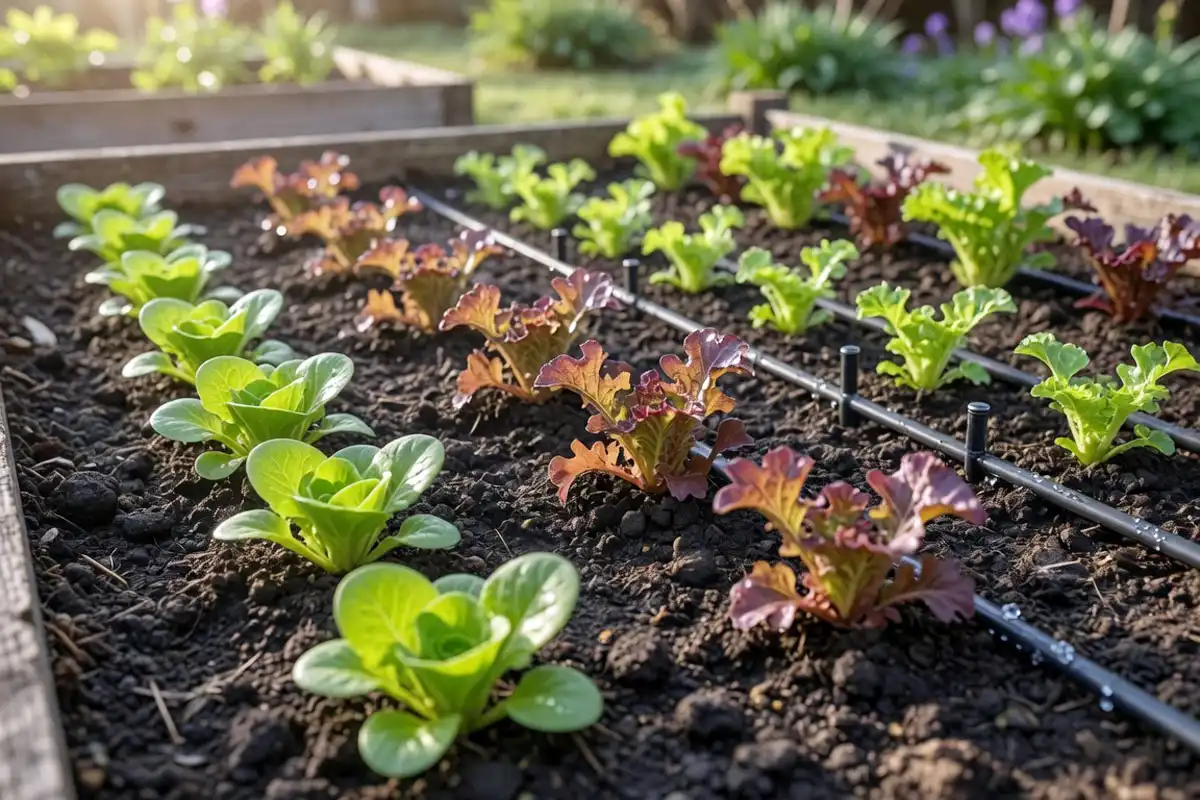
You can grow lettuce just like artisan lettuce at home, though you can’t buy Tanimura & Antle’s exact seed. Their seed is proprietary. The trick is to grow the same types.
Plant a gem (mini romaine), an oakleaf, and a frilly looseleaf or multi-leaf type. Together they give you the same colors, shapes, and sweet flavor.
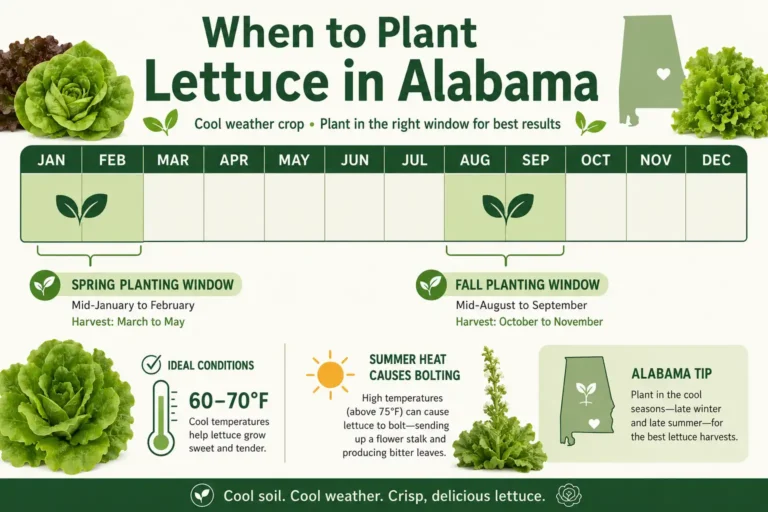
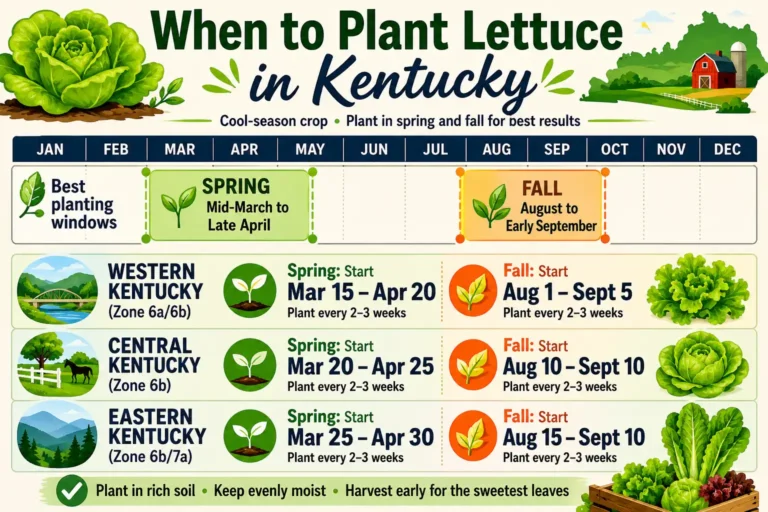
Treat it as a cool-season crop. In Kansas, USDA hardiness zone 6a conditions apply. Sow in early spring. Sow again in late summer for a fall cut. Lettuce hates summer heat, so it bolts and turns bitter when it gets too warm.
Here is how to keep it simple:
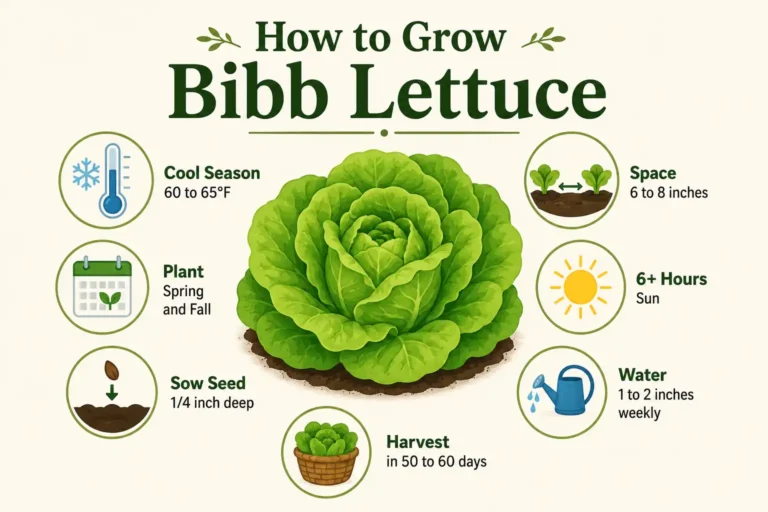
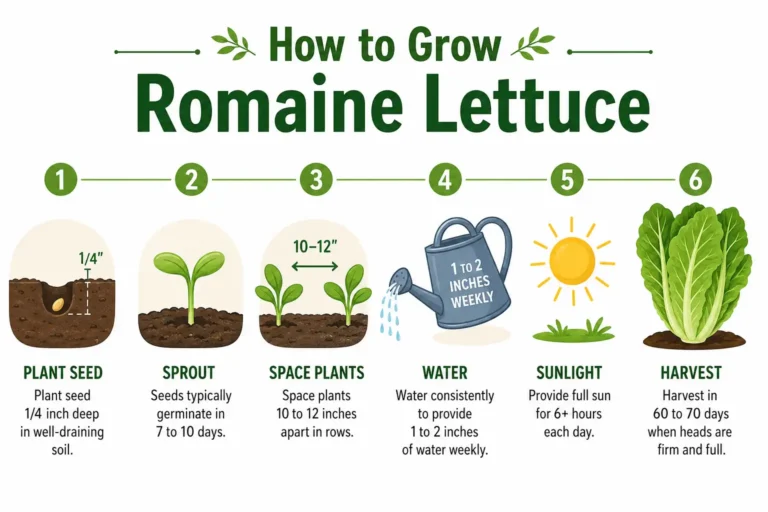
- Sow seeds about a quarter inch deep in loose, rich soil.
- Space small heads 6 to 8 inches apart.
- Keep the soil evenly moist and give morning sun.
- Harvest small whole heads young, or pick outer leaves as you go.
- Sow a new short row every two to three weeks for a steady supply.
For tight, sweet heads, knowing when to pick Little Gem heads makes a real difference. You want them firm but not split. If you would rather snip leaves over many weeks, cut the leaves so the plant keeps growing instead of pulling the whole plant. New to leafy greens? The full guide on growing lettuce at home walks through soil, water, and timing from start to finish.
Is Artisan Lettuce Healthy?
Yes, it is healthy. Artisan lettuce is low in calories and brings vitamin A, vitamin K, and folate to the plate. Like all lettuce, it is mostly water, so it hydrates well and adds light fiber.
Darker red and green leaves carry more nutrients than pale iceberg. The Tanimura & Antle packs even meet the American Heart Association’s heart-healthy criteria.
Whole heads help here, too. Because the leaves stay attached until you cut them, they hold their nutrients better than greens chopped and bagged days earlier.
Where Can You Buy Artisan Lettuce?
You can buy it at many grocery stores, including Aldi, all year. It comes in a clamshell of four small heads.
Tanimura & Antle grows it in California, Arizona, and Tennessee greenhouses, so supply stays steady through every season. Price usually sits a bit above a single head of romaine, yet well below a specialty-market salad mix. Look for the Tanimura & Antle name, since the brand is not tied to one store.
Bottom Line for Your Salad Bowl
Artisan lettuce is just premium, small-format lettuce sold as whole heads. It is bred, not engineered, and it earns its price with sweet flavor and long fridge life. If you like it from the store, you can copy it at home with a few gem, oak, and leaf types. Grow a short row in spring and again in fall. You’ll get the same colorful bowl for the cost of a seed packet.