When to Plant Lettuce in Arkansas: Spring and Fall Timing by Region
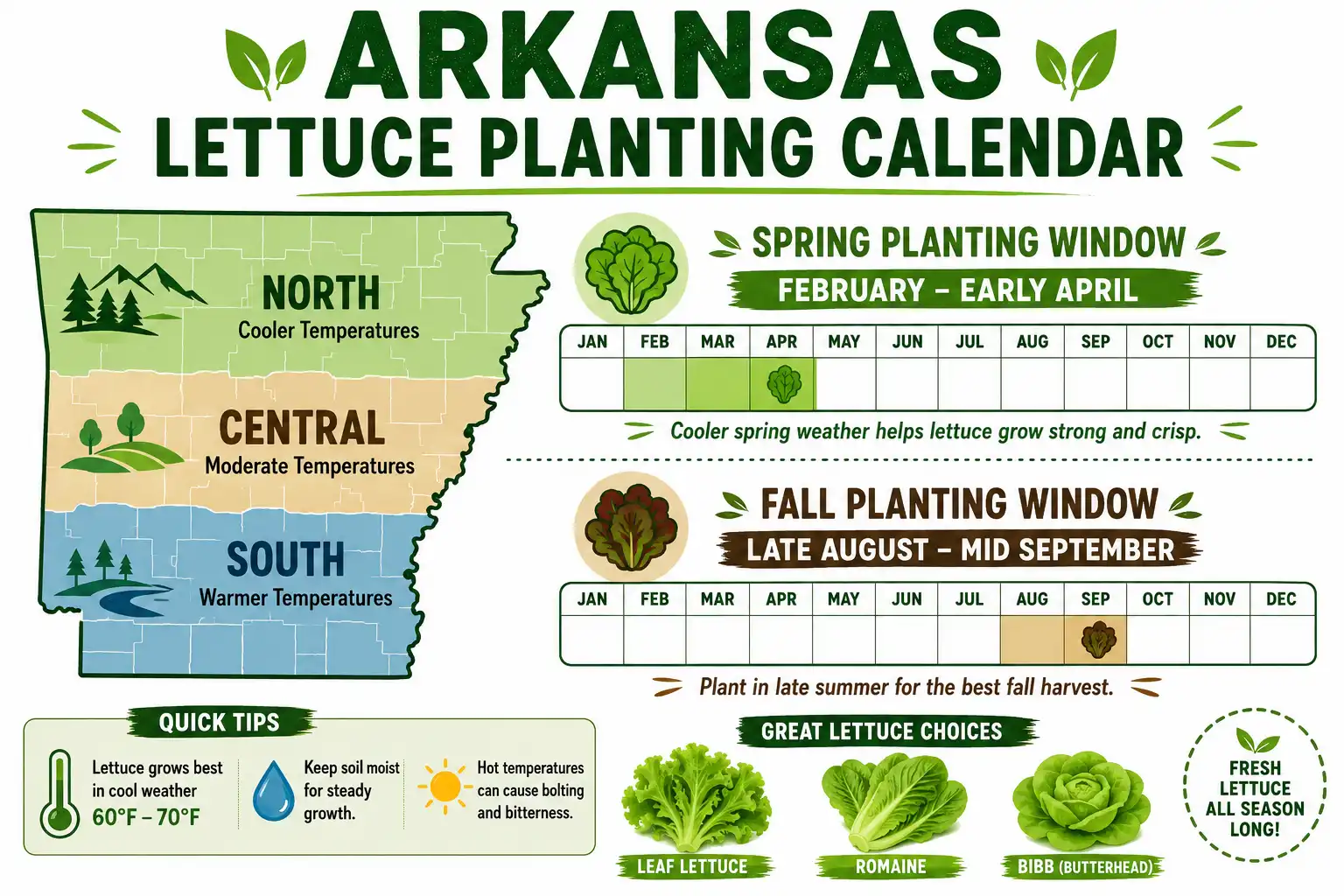
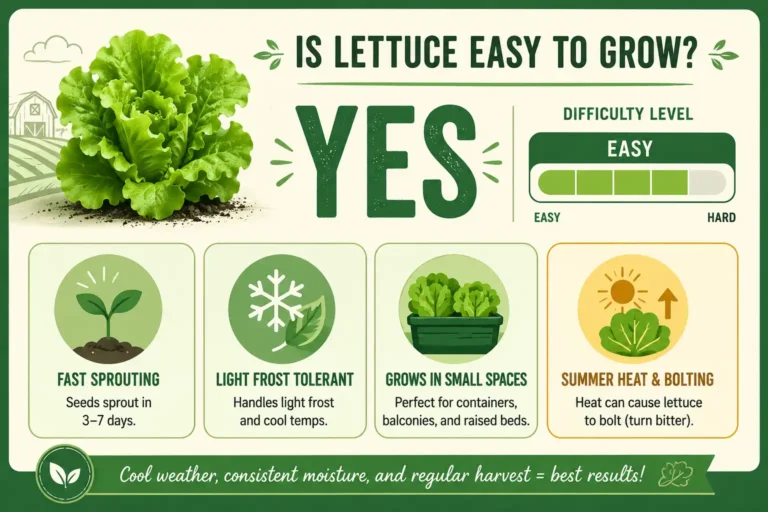
Lettuce is a cool-season crop, and Arkansas gives you two strong windows for it. Knowing when to plant lettuce in Arkansas comes down to your region’s frost dates and soil temperature. Get the timing right and you harvest sweet, crisp heads before summer heat ruins them.
Plant lettuce in Arkansas in early spring (February to early April) and again in fall (late August to mid September), timed to your frost zone. Spring sowings go in 2 to 4 weeks before the last frost.
Why Arkansas Gives You Two Lettuce Seasons
Lettuce hates summer heat. It grows best when days sit in the 60s and low 70s, and Arkansas summers blow right past that. So the state hands you two clean planting windows instead of one long season. You plant in late winter for a spring harvest, then again in late summer for a fall harvest. Both windows dodge the worst of the heat.
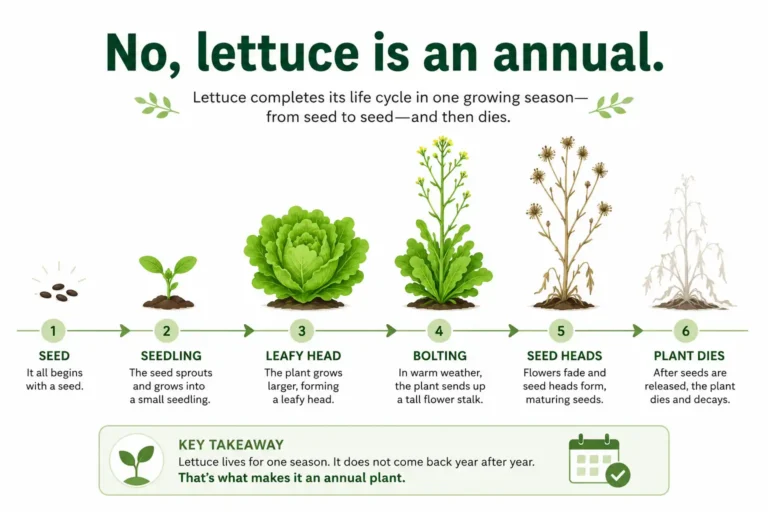
Arkansas runs warmer than the field up in Kansas, so these windows shift a little earlier and later on the calendar. The mild winters help too. Across much of the state, lettuce keeps growing well into December with a little cover. Get the timing right, and lettuce is one of the easiest crops you can grow here. Miss it, and your plants bolt, turn bitter, or never sprout at all.
When to Plant Lettuce in Arkansas by Region
Your planting dates depend on where you live in the state. The University of Arkansas Division of Agriculture splits Arkansas into frost zones, from the warm south up to the cool Ozark highlands. Those freeze dates set your windows. Here is how the timing breaks down for leaf and looseleaf types, which are the fastest and most forgiving.
|
Region |
Spring window |
Fall window |
Avg. last spring freeze |
Avg. first fall freeze |
|---|---|---|---|---|
|
South Arkansas |
Early Feb to mid March |
Late Aug to late Sept |
around March 20 |
around Nov 15 |
|
Central Arkansas |
Mid Feb to late March |
Late Aug to mid Sept |
around April 1 |
around Oct 30 |
|
North Arkansas (Ozarks) |
March to mid April |
Mid Aug to early Sept |
around April 20 |
around Oct 20 |
Head types like crisphead and romaine need more time. So start them 2 to 3 weeks earlier in each window. That gives the heads room to fill before heat or hard frost ends the season.
Spring Lettuce: Plant Early, Beat the Heat
For spring, the rule is simple. Get lettuce in the ground as early as you can work your soil. Lettuce shrugs off light frost, so you do not need to wait for the last freeze date. Hardened transplants survive down to about 20°F. That early start matters, because lettuce must mature before summer heat arrives. Sow too late and your plants bolt just as they should be sizing up.
In south and central Arkansas, soil is usually workable by February. Up in the Ozarks, wait until March, once the ground thaws and drains. Direct sow leaf types 1/4 to 3/8 inch deep. For head types, start seeds indoors 3 to 4 weeks ahead, then set the transplants out so they have time to form. Make your last spring sowing 6 to 8 weeks before sustained 80°F days, and the crop finishes sweet.
Fall Lettuce: Often the Sweeter Crop
Fall is the stronger lettuce window in most of Arkansas. Here is why. Temperatures fall steadily instead of climbing, so your crop matures into cool weather rather than heat. A light frost even sweetens the leaves. Pest pressure also drops once nights cool off.
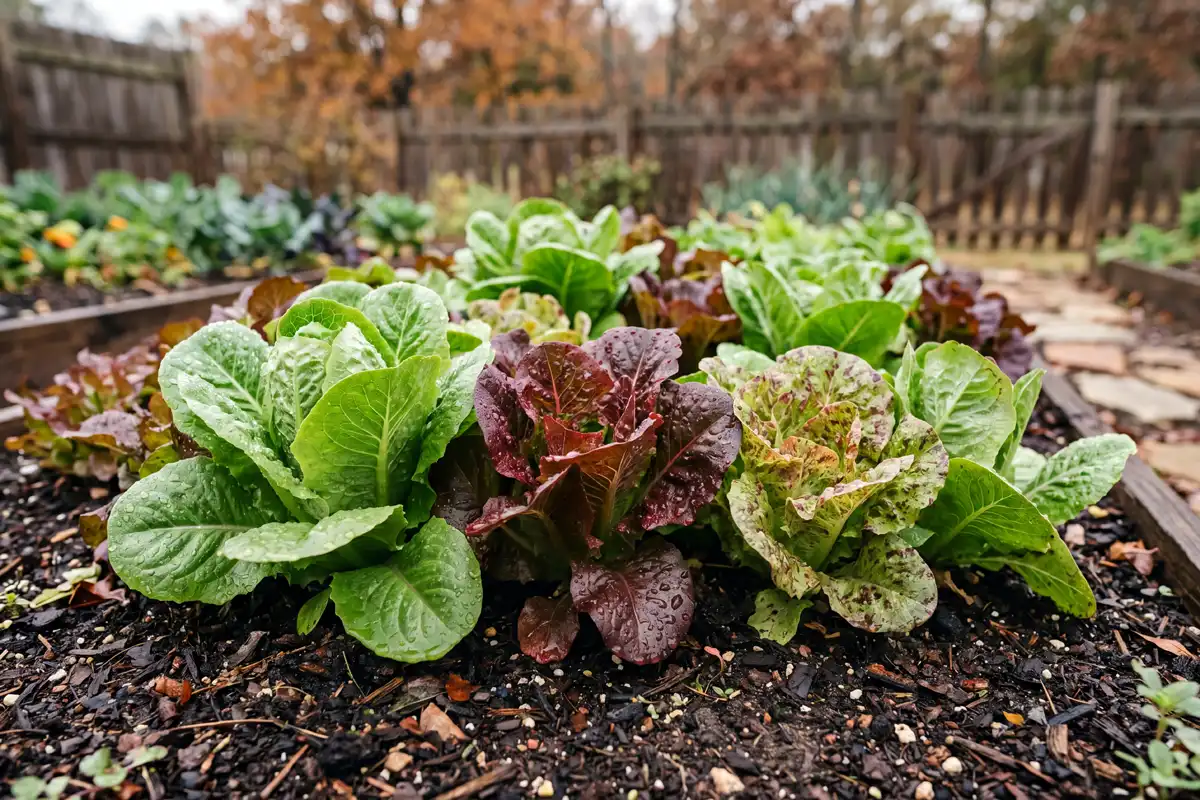
The catch with fall is the start. You sow in late summer, when soil can still hit 85°F or more. Lettuce seed stalls in hot soil, a problem covered next. So plan your dates around your first fall freeze and the days your variety needs. Count back from frost, then add two weeks of buffer. In central Arkansas, that puts most fall sowings between late August and mid September. Down south, push a week later. Up north, move a week earlier. For the full method, timing your fall lettuce planting is worth a closer look.
What Soil Temperature Does Lettuce Need to Germinate?
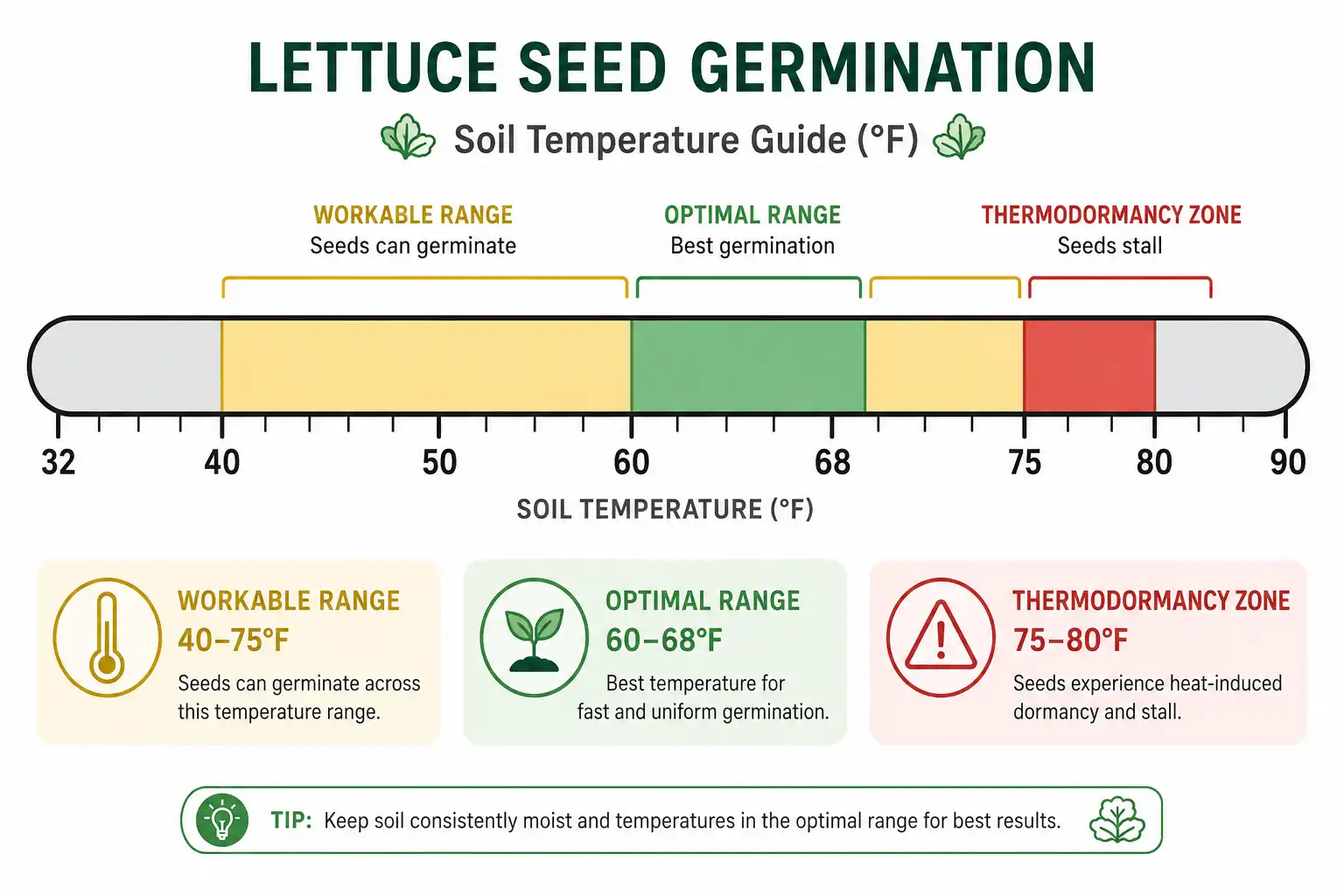
Lettuce germinates best when soil sits between 60°F and 68°F. It will still sprout in soil as cool as 40°F, just slowly. The trouble starts on the warm end. Once soil climbs above 75°F to 80°F, lettuce seed often goes dormant and refuses to sprout. That stall has a name, thermodormancy, and it trips up a lot of fall plantings.
So measure soil temperature, not air temperature, since the two differ by several degrees. A few tricks help with getting lettuce seeds to sprout in warm soil. Sow in the cool of early morning. Water the bed first to drop the temperature. Shade the row, or start seeds indoors where you control the heat. Skip the heat mat entirely, because it pushes soil right past the dormancy point.
How Cold Can Lettuce Take?
Lettuce handles cold far better than heat. Hardened plants survive temperatures down to about 20°F, especially leaf and romaine types. A light frost will not hurt an established crop, and it often makes the leaves taste sweeter. That cold tolerance is why spring lettuce can go in weeks before your last freeze. It is also why fall lettuce holds in the field into late autumn. Young seedlings are more tender, though, so cover them with frost cloth if a hard freeze threatens before they toughen up.
Direct Sow or Transplant in Arkansas?
Both work, and the right choice depends on the season. In spring, direct sowing is fine, because cool soil lets seeds sprout easily. For fall, transplants give you an edge. You start seeds indoors during late summer, away from hot soil, then set out healthy plants once the worst heat breaks. Starting lettuce indoors also lets head types get a jump on the season. Either way, transplant on a cloudy evening and water well, so the roots settle without heat stress.
Match Your Lettuce Type to the Window
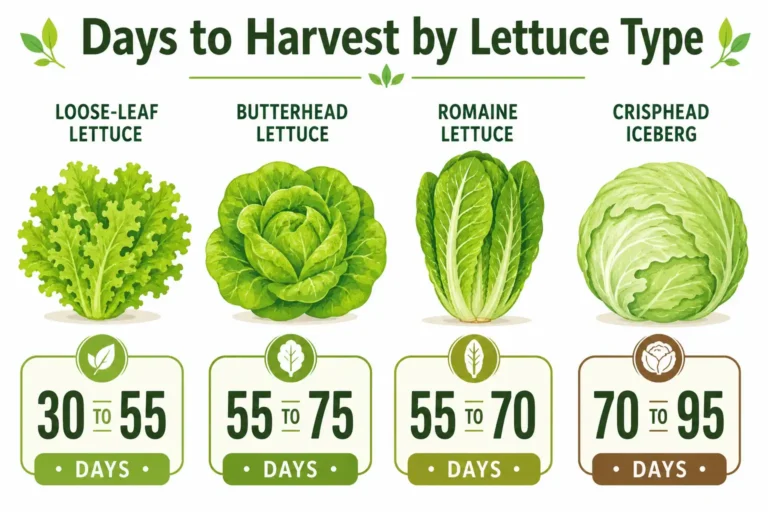
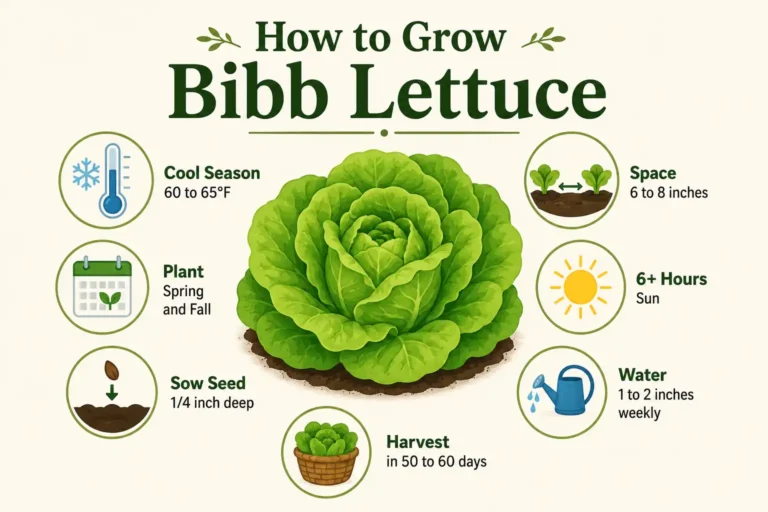
Faster types fit tighter windows. Looseleaf and leaf lettuce mature in 45 to 55 days, so they slot into both spring and fall easily. Butterhead and Bibb take 55 to 65 days. Romaine runs 60 to 75 days. Crisphead, the iceberg group, needs 70 to 85 days and the steadiest cool weather, which makes it the trickiest type here. For spring, lean on quick leaf types that beat the heat. Then save the long-season heads for fall, when cool weather lingers. If summer catches you wanting greens anyway, there are ways to push leaf lettuce through the summer heat.
Stretch the Harvest With Succession Planting
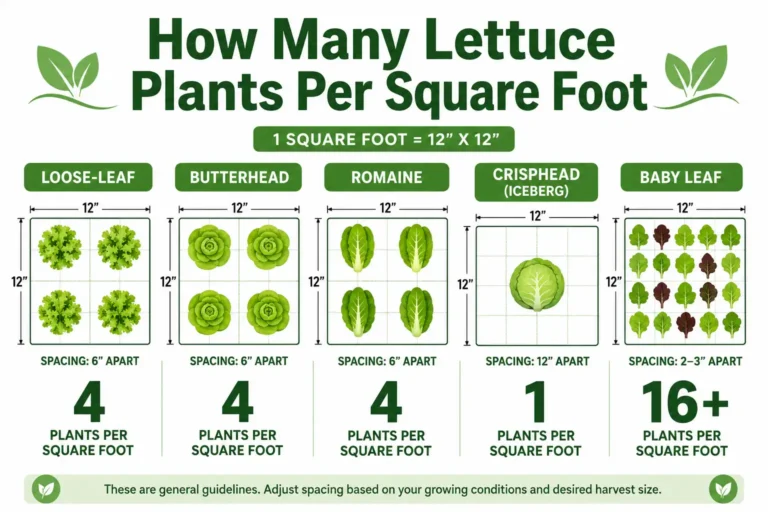
Do not plant all your lettuce at once. Instead, sow a short row every 10 to 14 days through each window. That way you harvest a steady supply rather than one big flush that bolts before you eat it. Keep the rows small for this reason. In spring, stop new sowings as the heat builds. In fall, keep going until about a month before your first hard freeze. Succession planting is the simplest way to pull more weeks of lettuce from the same patch.
Can You Grow Lettuce Through an Arkansas Winter?
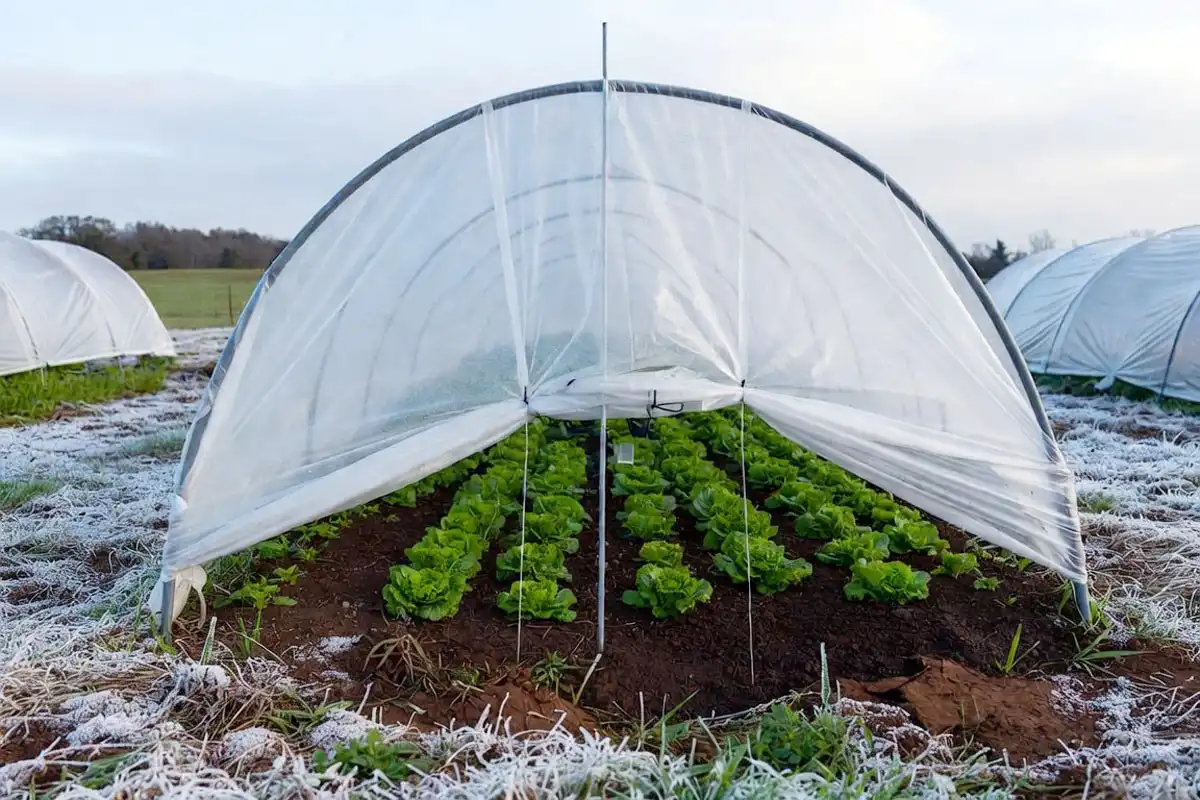
In much of Arkansas, yes, with a little protection. The state sits mostly in USDA hardiness zones 7a to 8a, with the far north around 6b. Those mild winters let lettuce hang on far longer than it does further north in Kansas. A simple low tunnel or row cover buys several degrees of warmth, and a cold frame buys even more. With that cover, leaf lettuce often keeps producing through December and into the new year in the southern half of the state.
Growth slows hard once daylight gets short, so do not expect fast new leaves in deep winter. Still, established plants hold in good shape and give you fresh cutting. There is more to keeping lettuce alive through the cold months. Even so, the cold season runs more workable here than most folks expect.
Bottom Line for Your Arkansas Beds
Lettuce is forgiving in Arkansas if you respect the heat. Plant your spring crop early, as soon as the soil works, and harvest it before June. Then circle back in late August for a fall crop, which usually turns out sweeter and easier. Watch your soil temperature at sowing, match your variety to the window, and stagger your plantings. Do that, and you will eat fresh lettuce from your own beds for most of the year.