When to Plant Lettuce in Georgia (Dates by Region)
Knowing when to plant lettuce in Georgia comes down to two cool windows: early spring and fall. Lettuce hates Georgia summer heat, so timing decides whether you grow crisp, sweet leaves or a bitter, bolted mess.
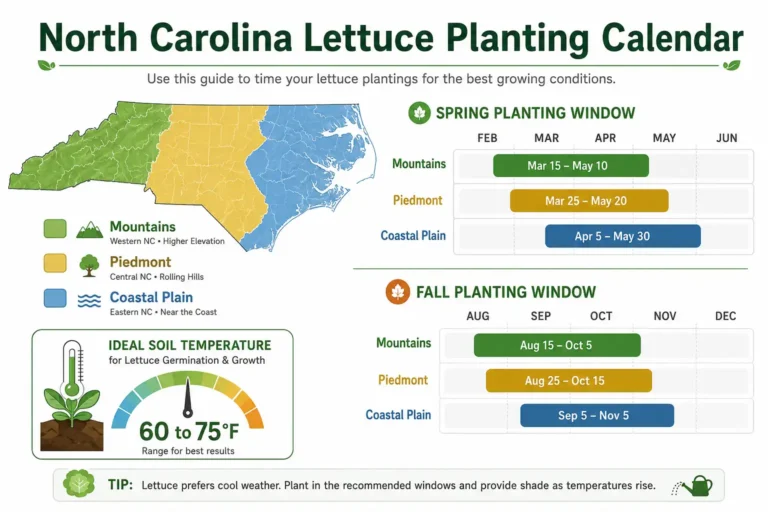
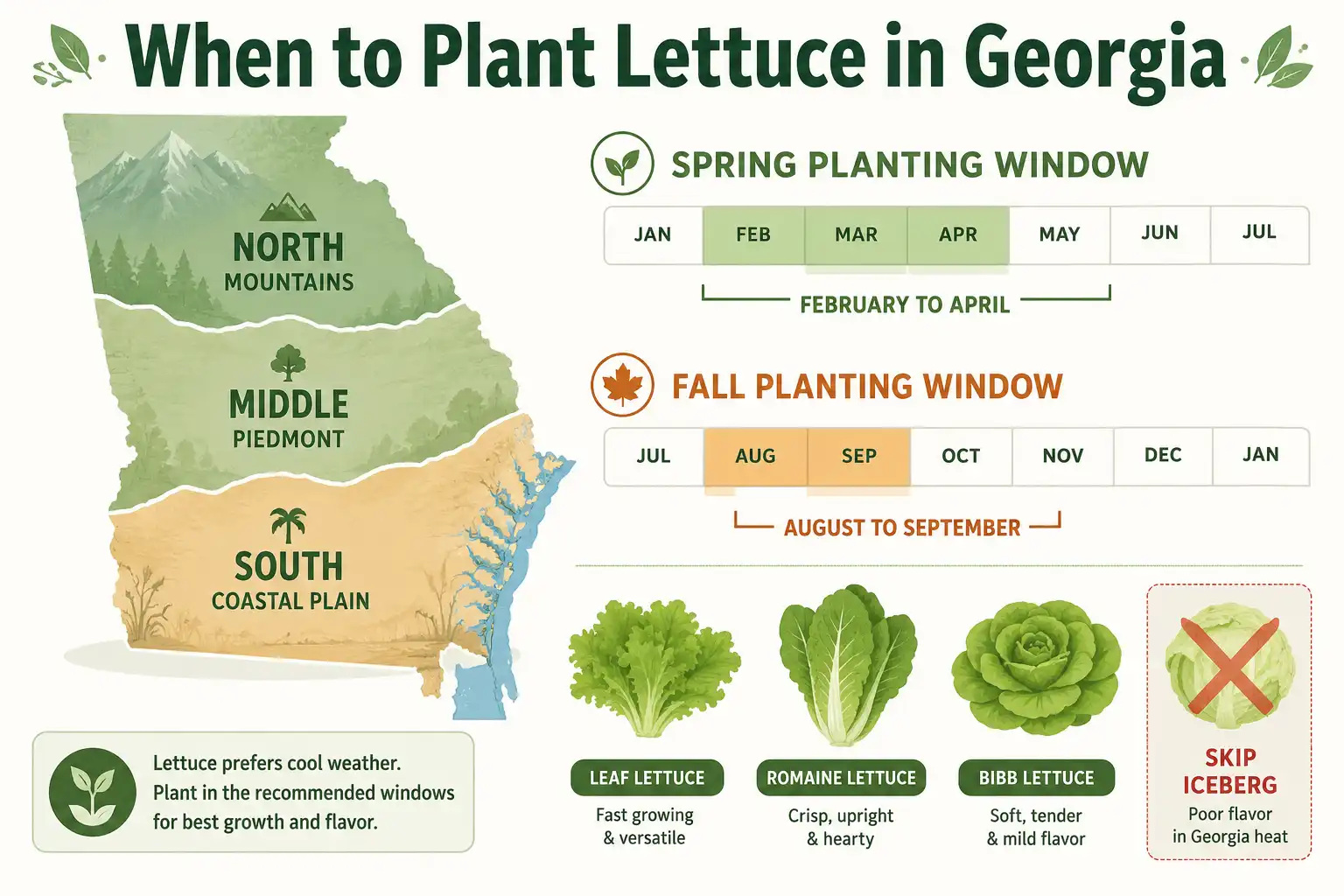
The best time to plant lettuce in Georgia is early spring and fall. Sow from mid-February to early April, then again from August through September. South Georgia starts a couple weeks earlier, and north Georgia runs a couple weeks later.
When Is the Best Time to Plant Lettuce in Georgia?
The best time to plant lettuce in Georgia is during the two cool stretches, early spring and fall. Lettuce (Lactuca sativa) is a cool-season crop. It grows fastest at daytime temps near 60°F to 65°F, and it shrugs off a light frost. Push it into summer heat, though, and it bolts and turns bitter.
University of Georgia Cooperative Extension lists lettuce among the crops you plant in early spring or early fall. The state has two main planting seasons, spring (roughly March through May) and fall (mid-July through September). Lettuce belongs at the cool ends of both. For most gardens, that means late winter into early spring, then late summer into fall.
Stagger your sowings instead of planting everything at once. Drop a few seeds every two weeks across the window. That way you harvest steadily rather than facing one giant flush. If sweetness is your goal, timing your planting for the sweetest leaves matters as much as the variety you pick. Cool nights are what build that mild, crisp flavor.
Spring Lettuce Planting Window
Plant spring lettuce about three to four weeks before your last expected frost. Lettuce handles light frost just fine, and cool soil actually helps the seed sprout. The trick is racing the heat. You want full heads or a heavy leaf harvest before late May and June turn hot.
In middle Georgia, that puts spring sowing from mid-February to early April. Start with leaf types, since they mature fast. If you are new to seed starting, our walkthrough on planting lettuce from seed covers spacing and watering so your spring crop comes up even. Get the seed in early, because a late start runs straight into bolting weather.
Fall Lettuce Planting Window
Start fall lettuce in late summer, once the worst heat begins breaking, usually August into September. Fall is the easier season across most of Georgia. Temperatures fall steadily instead of climbing, so your lettuce matures into cooler, sweeter conditions and rarely bolts.
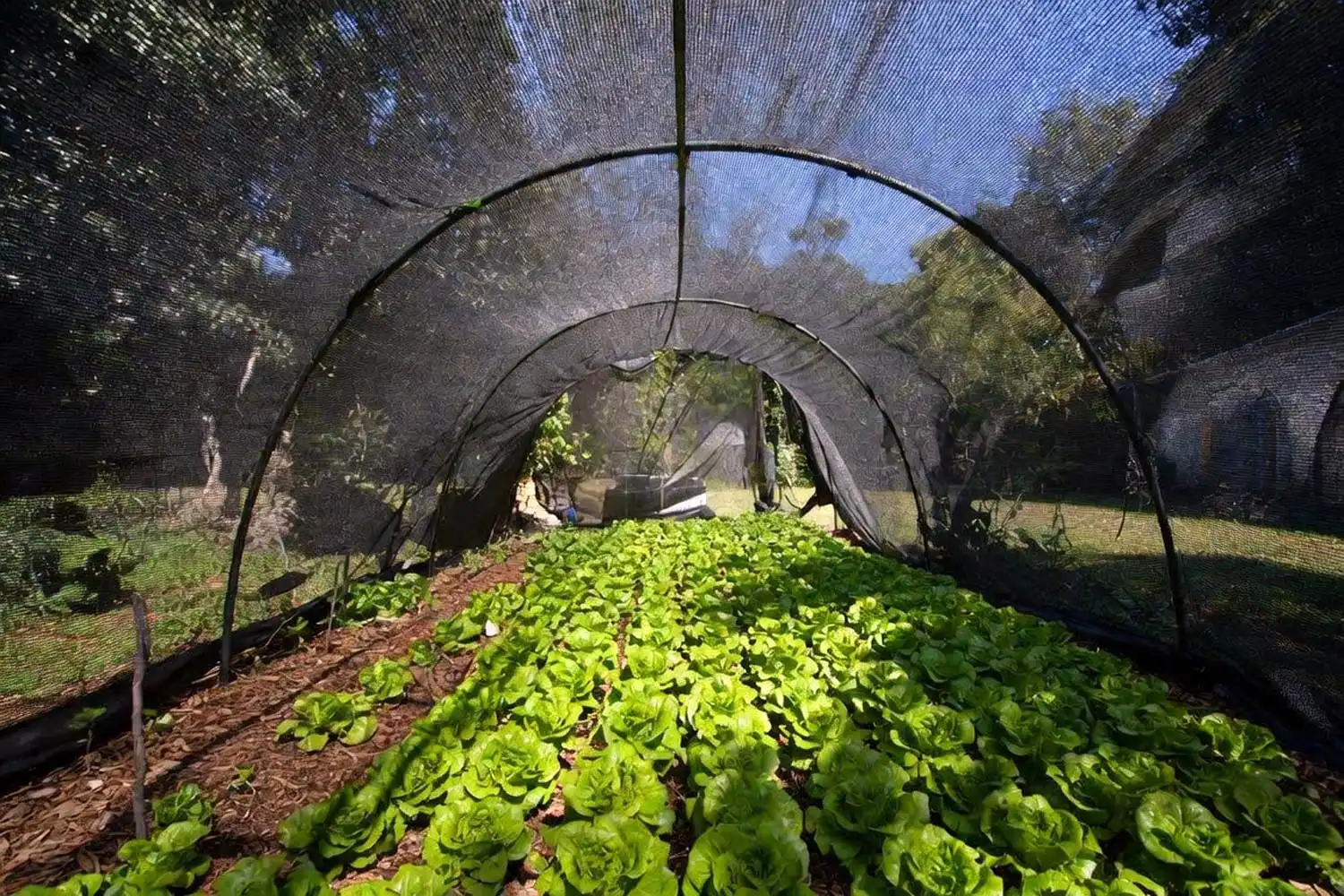
The catch is early. August soil can still run hot, which slows or stalls germination. Many Georgia growers start fall seed indoors or under shade cloth, then transplant once nights cool down. A fall planting often carries right into late fall and early winter harvests, especially in the southern half of the state.
Georgia Lettuce Planting Dates by Region
Georgia stretches across several USDA hardiness zones, from about zone 7a in the mountains to 9a near the coast on the 2023 map. Those zones shifted about a half zone warmer compared to the older 2012 map. Because frost dates change as you move across the state, your lettuce calendar shifts too. Treat middle Georgia (the belt from Columbus through Macon to Augusta) as the baseline, then adjust.
North Georgia (Mountains, Zones 7a to 7b)
North Georgia plants later in spring and earlier in fall than the rest of the state. The mountain counties (Blairsville, Dalton, Blue Ridge) hold the coldest temps and the tightest calendar. Last spring frost usually lands in mid to late April, and the first fall frost arrives around mid-October.
For spring, sow from late March into late April. For fall, plant from late July into early September. That gives heads time to size up before hard frost. Run your dates about two weeks behind middle Georgia in spring and two weeks ahead in fall.
Middle Georgia (Piedmont, Zones 8a to 8b)
Middle Georgia is the baseline for the whole state’s planting chart. The Piedmont (Atlanta, Athens, Macon, Augusta) sees its last spring frost from late March to early April and its first fall frost in early to mid-November. That long shoulder season gives you room to work.
Sow spring lettuce from mid-February to early April. Plant fall lettuce from August through late September. Leaf and bibb types fit both windows easily. With cool nights stretching late, fall plantings here often produce well into December.
South and Coastal Georgia (Zones 8b to 9a)
South Georgia starts earliest in spring and runs latest in fall. The coastal plain and coast (Savannah, Valdosta, Brunswick) carry the mildest winters in the state. Last spring frost can come as early as late February or mid-March, while the first fall frost holds off until late November.
Sow spring lettuce from late January to mid-March before the heat builds. Plant fall lettuce from mid-August into mid-October, sometimes later. Many southern gardeners simply grow lettuce straight through the cool months. Your real enemy down here is heat, not cold.
What Soil Temperature Does Lettuce Need to Germinate?
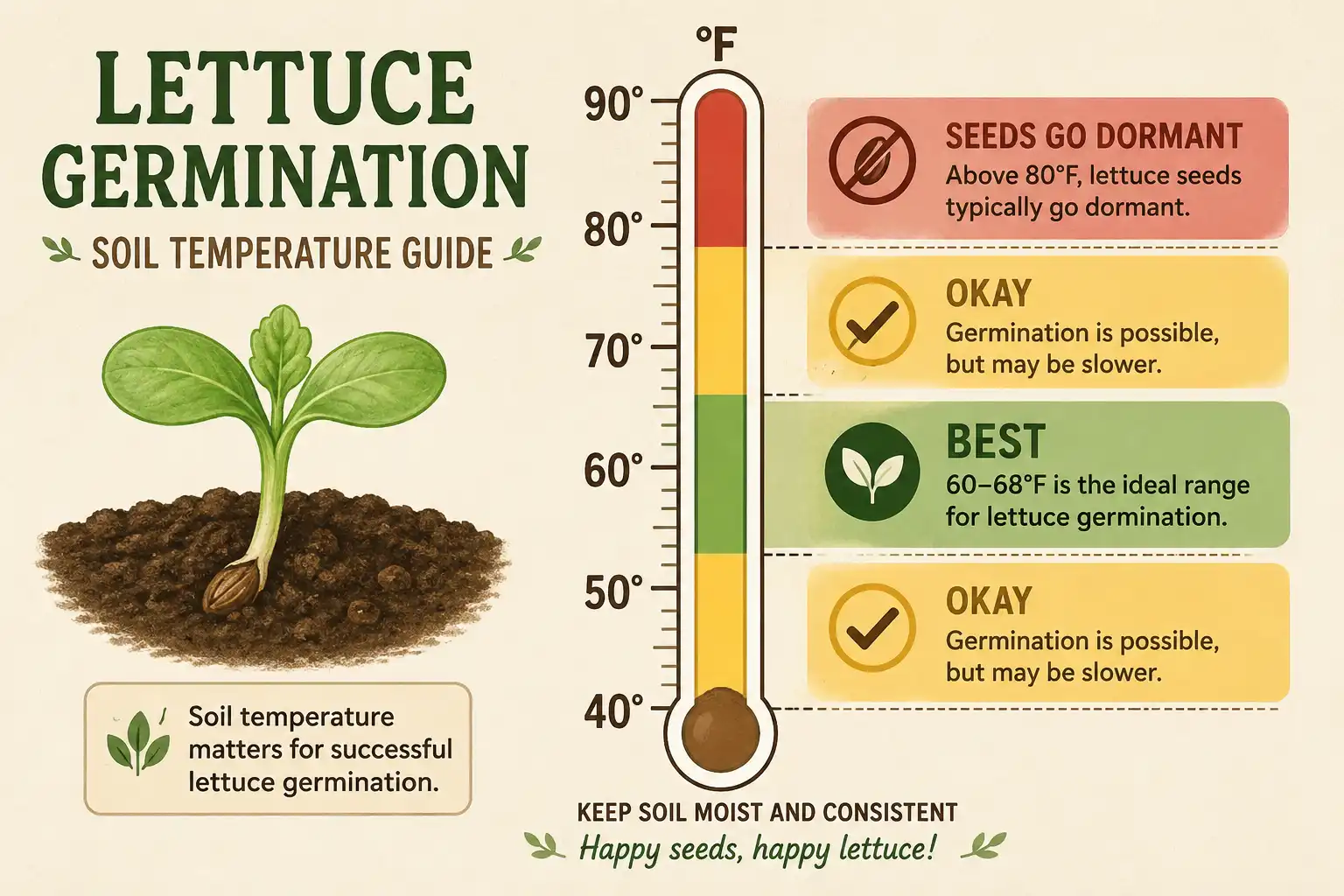
Lettuce germinates best when soil sits between 60°F and 68°F. Seeds sprout across a wide band, from about 40°F up to 75°F. Above 80°F, though, they go dormant and refuse to come up. That heat dormancy is the main reason August fall sowings fail in Georgia.
A few moves beat the heat. Sow in a shaded spot, or start seed indoors where it stays cool. Water the bed in the afternoon to drop the soil temperature. Setting the seed at the right seed depth helps too, since lettuce needs light and shallow planting to sprout well. Press seed lightly into moist soil rather than burying it.
Which Lettuce Types Should You Plant in Georgia?
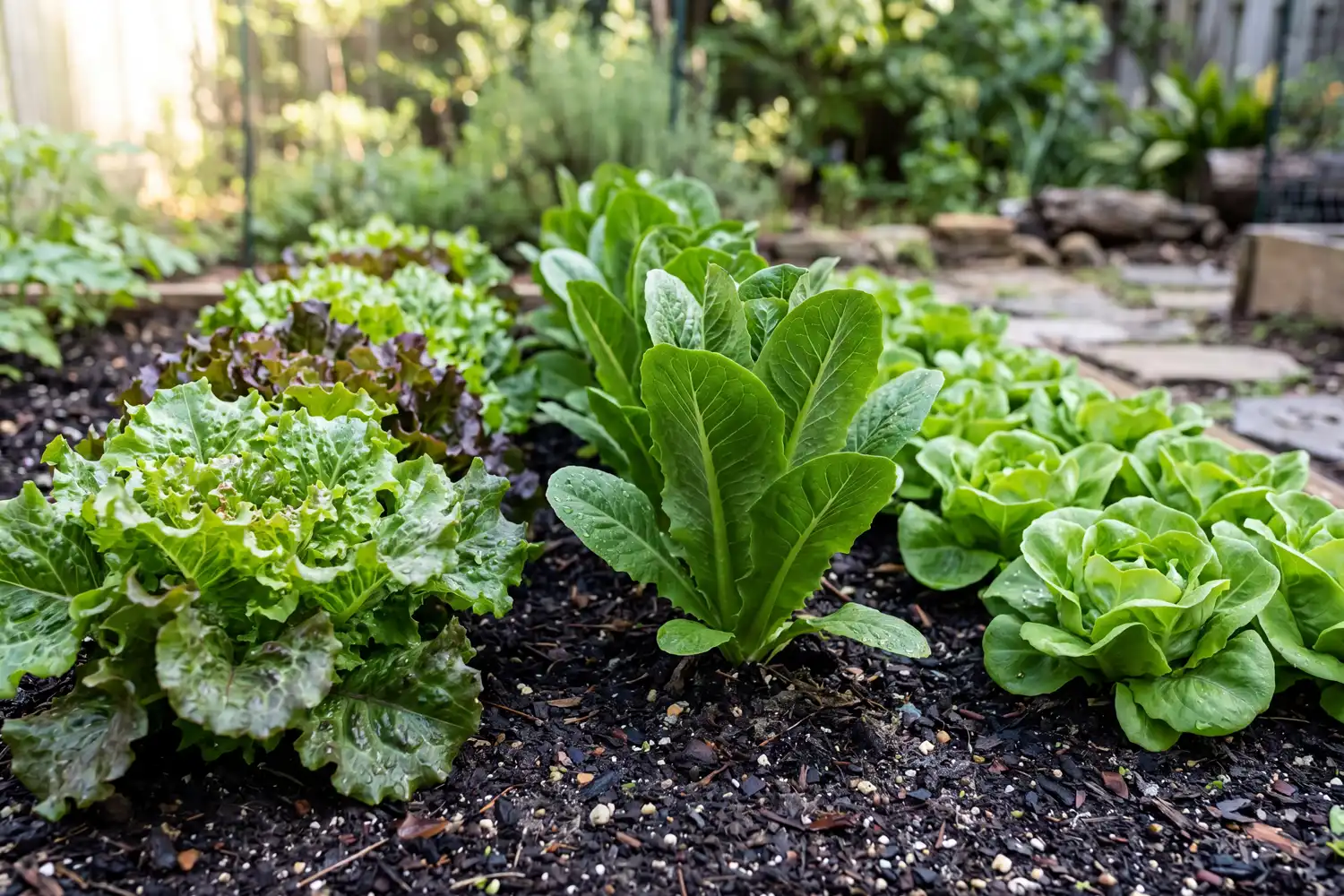
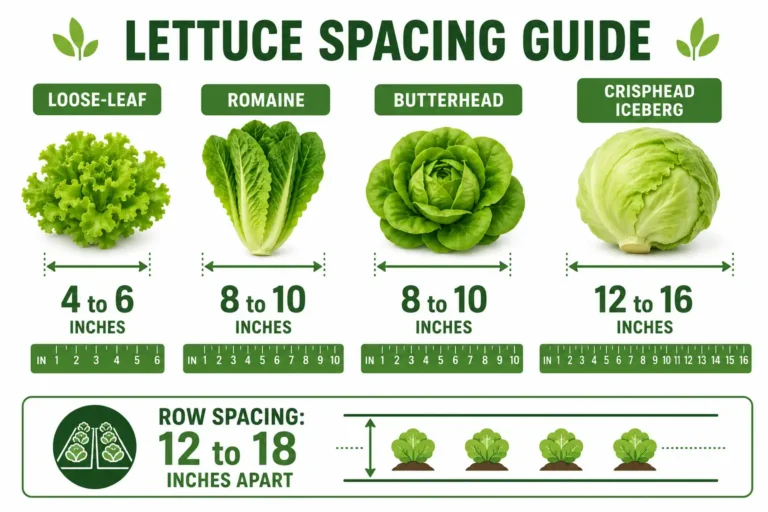
Leaf, romaine, and bibb lettuce grow best in Georgia, so skip crisphead types like iceberg. UGA Extension points out that tight head lettuce struggles in the hot Georgia climate. Leaf lettuce is the most forgiving and the fastest to harvest. Romaine forms loose upright plants that hold up well. Bibb makes small, buttery loose heads.
Proven varieties save you trouble. For leaf, plant Black-seeded Simpson, Slobolt, or Red Sails. For romaine, Green Towers and Cimmaron perform across the state. For bibb, Buttercrunch and Little Gem are reliable picks. If romaine is your target, our guide on growing romaine from seed without it bolting walks through keeping those upright heads sweet. Match the type to your season, and you cut your bolting risk before you even sow.
Can You Plant Lettuce in Georgia During Winter?
Yes, much of Georgia can grow lettuce right through winter, especially the south and the milder Piedmont. Lettuce takes a light frost without harm. In zones 8 and 9, cool but rarely freezing days suit it perfectly. A row cover or low tunnel carries the crop through the occasional hard freeze.
North Georgia mountains run too cold for unprotected winter lettuce, so a cold frame helps there. Across the lower half of the state, winter is prime lettuce season. If you want to push the calendar, the piece on growing lettuce through the winter covers protection and variety choices. Sandy loam beds with good drainage make winter growing far smoother.
How Do You Stop Lettuce From Bolting in Georgia Heat?
To stop lettuce from bolting, harvest before summer heat sets in and use shade, mulch, and heat-tolerant varieties. Bolting is when the plant shoots up a flower stalk, and the leaves turn bitter once that happens. Heat and long summer days trigger it. Since Georgia summers come on fast, timing is your first defense.
Several habits keep leaves sweet longer. Plant in your cool windows and stagger sowings so nothing sits too long. Give beds afternoon shade or stretch shade cloth over them in late spring. Mulch heavily to keep roots cool and soil moist. Pick bolt-resistant varieties like Slobolt or Jericho. Then harvest promptly, because waiting only invites bitterness. For more heat-season tactics, our guide on keeping summer lettuce from bolting goes deeper on shade and timing.
What to Tell a Georgia Grower
Lean on fall as your easy season and spring as your early-start season. Match your dates to your region: south Georgia goes first, the mountains go last. Plant leaf, romaine, or bibb, and leave iceberg alone. Watch the heat more than the cold, and stagger your sowings so the kitchen stays stocked.
In Kansas, zone 6a winters slam the door on lettuce for months. Georgia’s milder climate hands growers a longer table than colder zones allow. Use it, time it right, and you can pull crisp leaves from your garden most of the year.