What Is Frisée Lettuce? A Farmer’s Guide to Curly Endive
Frisée lettuce shows up in fancy salad mixes and French bistro dishes. The leaves are frilly and pale, with a sharp bite. The name is a little misleading, though. Frisée is not really lettuce at all.
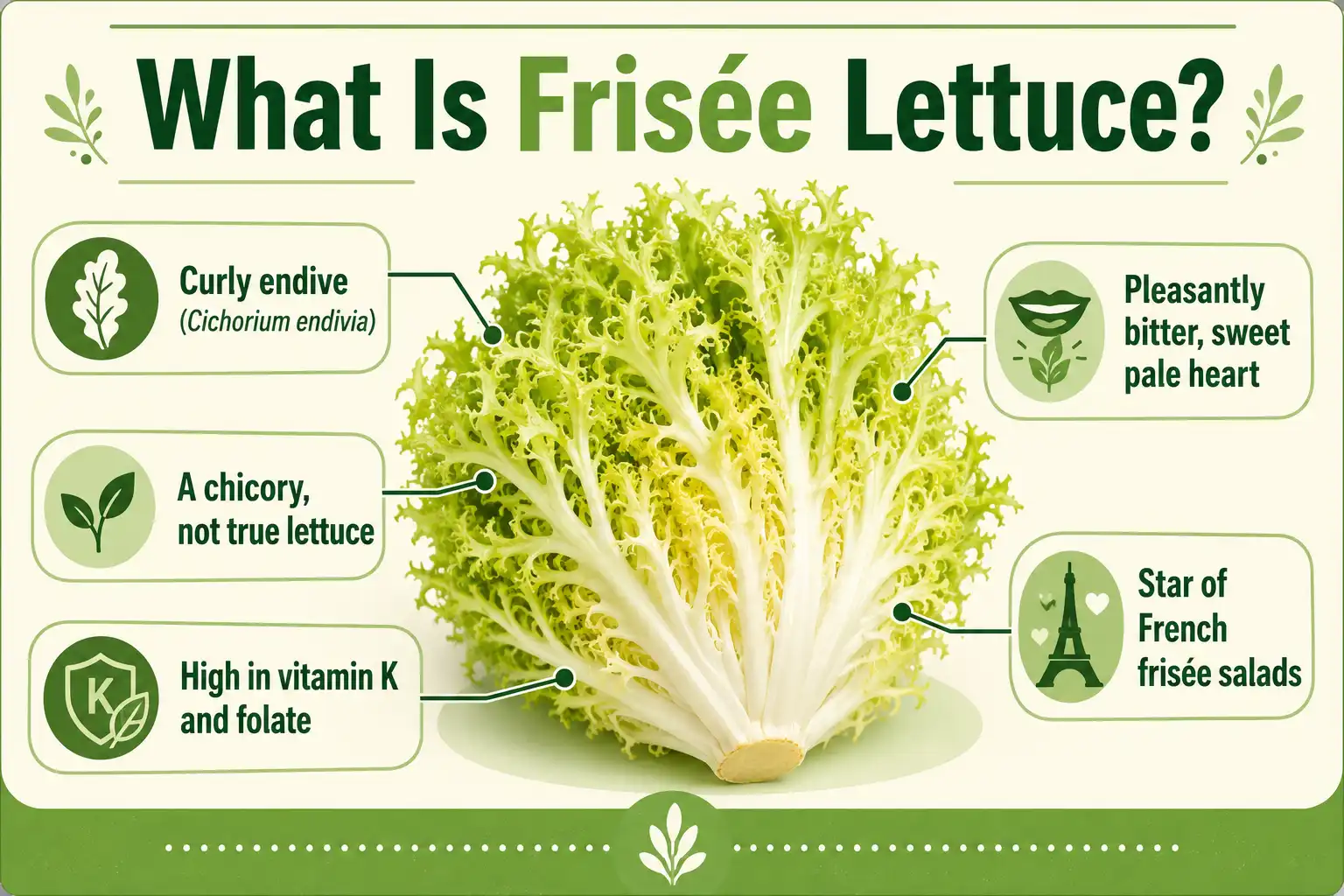
Frisée lettuce is not lettuce. It is curly endive (Cichorium endivia), a frilly chicory green with a pleasantly bitter taste. Cooks and grocers sell it as a salad green, but it belongs to the chicory family, not the lettuce family.
What Is Frisée Lettuce, Exactly?
Frisée lettuce is the curly, frilly form of endive, known to botanists as Cichorium endivia. It grows as a loose rosette of lacy, deeply cut leaves. The outer leaves are dark green. The center fades to a pale, creamy heart. “Frisée” is simply French for “curled,” which fits the look.
People call it lettuce because they use it like lettuce, mostly raw in salads. But it sits in the chicory genus, inside the daisy family (Asteraceae). True lettuce is a different plant entirely, Lactuca sativa. A soft head of buttercrunch is real lettuce. Frisée is a chicory wearing a lettuce label.
You will also see it called curly endive or chicorée frisée. In some parts of the country, folks just call it chicory, which only adds to the mix-up.
What Does Frisée Taste Like?
Frisée tastes pleasantly bitter, with a peppery edge and a crisp, almost crunchy texture. The dark outer leaves carry the most bite. The pale inner heart is milder, more tender, and a touch sweet.
That bitterness comes from compounds tied to chlorophyll, which is why blanching the center tames it (more on that below). The bite is meant to be there, and it does real work in a salad. It is nothing like the harsh, off taste you get when lettuce turns bitter from heat stress or bolting. With frisée, the bitterness is the point.
Frisée vs Escarole vs Endive: What’s the Difference?
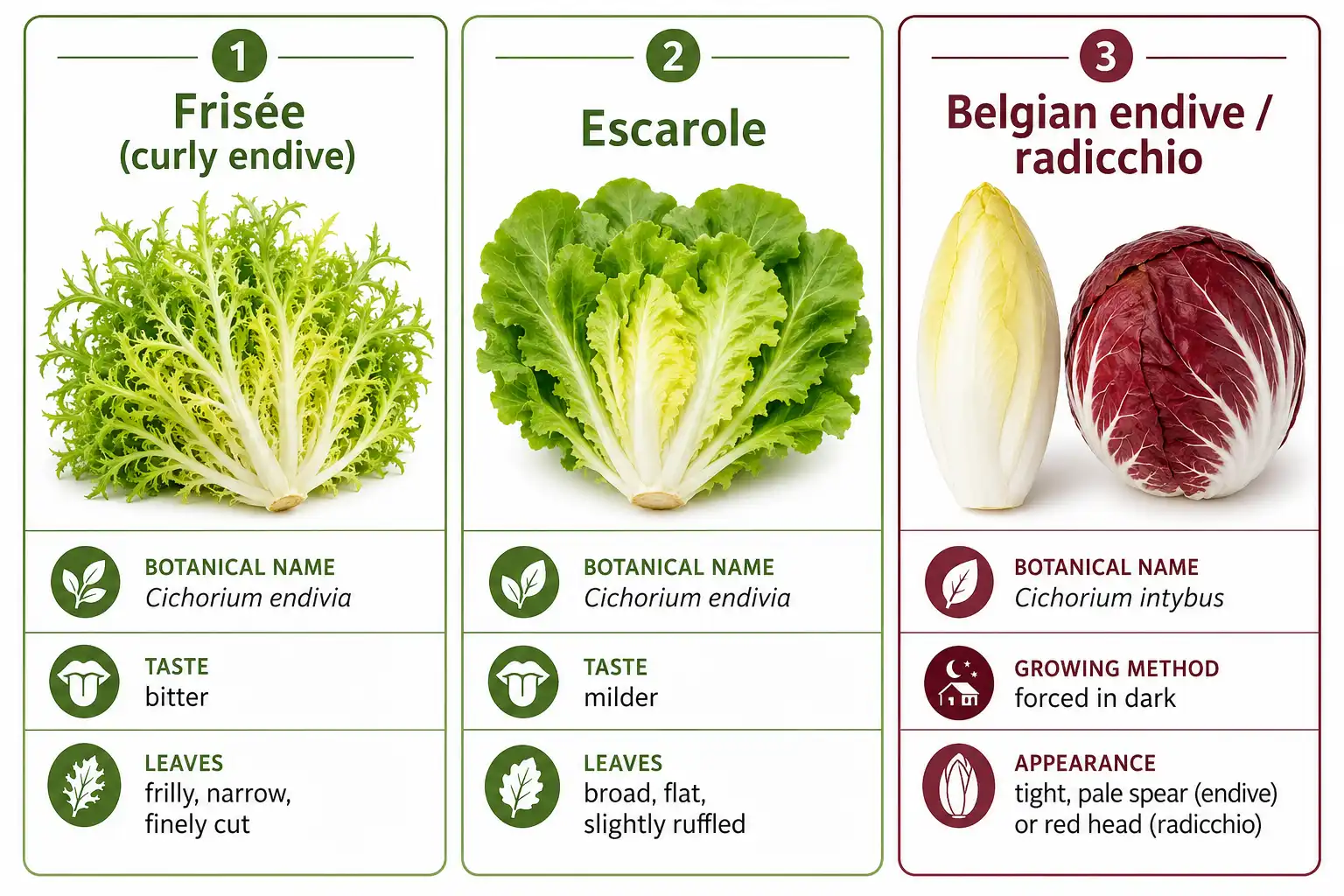
Frisée and escarole are the same species with different leaf shapes. Belgian endive and radicchio are a separate chicory. Frisée is curly endive, with narrow, ruffly, deeply cut leaves (var. crispum). Escarole has broad, flatter leaves (var. latifolium) and runs milder and less bitter. Same plant, just two leaf forms.
Belgian endive, radicchio, and common chicory are a different species, Cichorium intybus. Belgian endive gets forced in the dark from chicory roots into those tight, pale spears. Frisée grows out in the open field like any leafy green. That split is why the names get tangled at the store, where all these greens often share one bin.
How Is Frisée Grown?
Frisée grows as a cool-season annual, ready to harvest about 70 to 100 days after sowing. It wants full sun and well-drained soil that still holds moisture. The soil pH range is wide and forgiving, anywhere from 5.5 to 8.3, so most garden beds work. Mix in compost before.
Best growth happens around 60 to 65°F. Frisée handles heat a bit better than lettuce, but sharp swings in temperature still push it to bolt. Time the crop for steady, cool conditions.
Here is how to plant it:
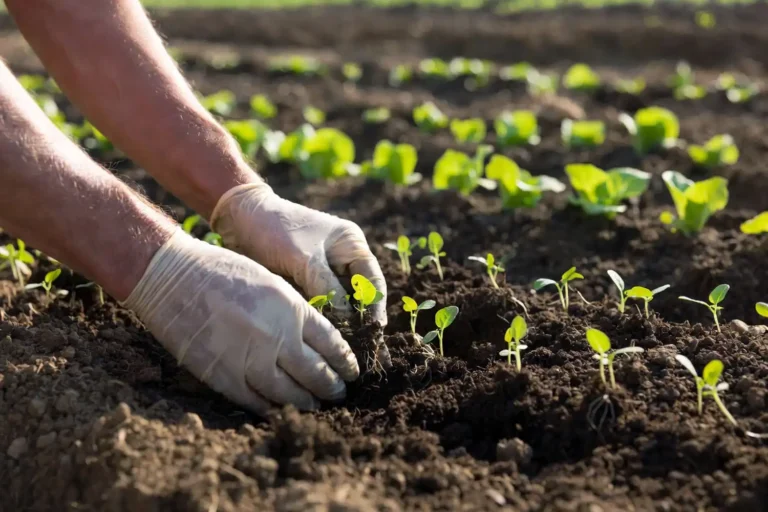
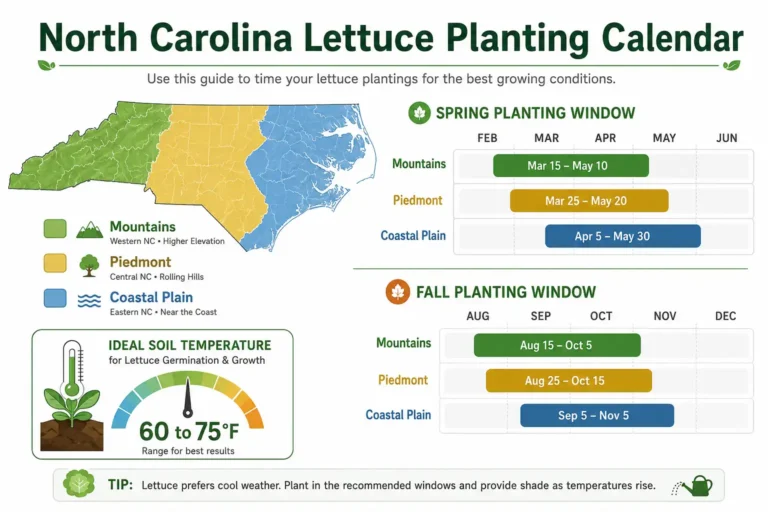
- Direct-sow seed 4 to 6 weeks before your last spring frost, or start indoors 6 to 8 weeks ahead and transplant once temperatures settle.
- Space plants 6 to 12 inches apart, with rows 18 to 24 inches apart.
- Keep soil moisture even all season.
Frisée typically gets run on the tighter end, about 8 inches apart. Close spacing pushes the leaves upright and helps the centers blanch on their own. Watch your watering, too. Uneven moisture plus a calcium shortfall causes tip burn, and the curly types are the most prone to it.
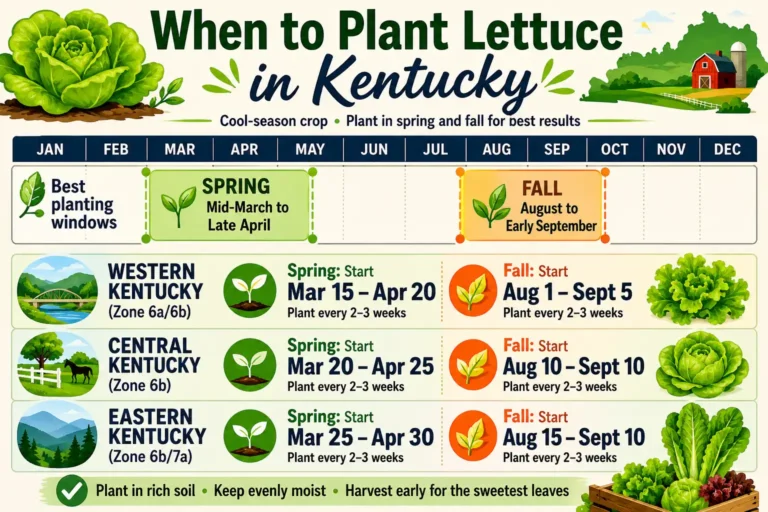
In Kansas (USDA hardiness zone 6a), the best frisée comes as a fall crop. Sow in mid to late summer and harvest into the cool weather. The chill knocks back the bitterness and keeps the plants from bolting. The same tricks that keep lettuce from bolting work on frisée too.
How Do You Blanch Frisée to Cut the Bitterness?
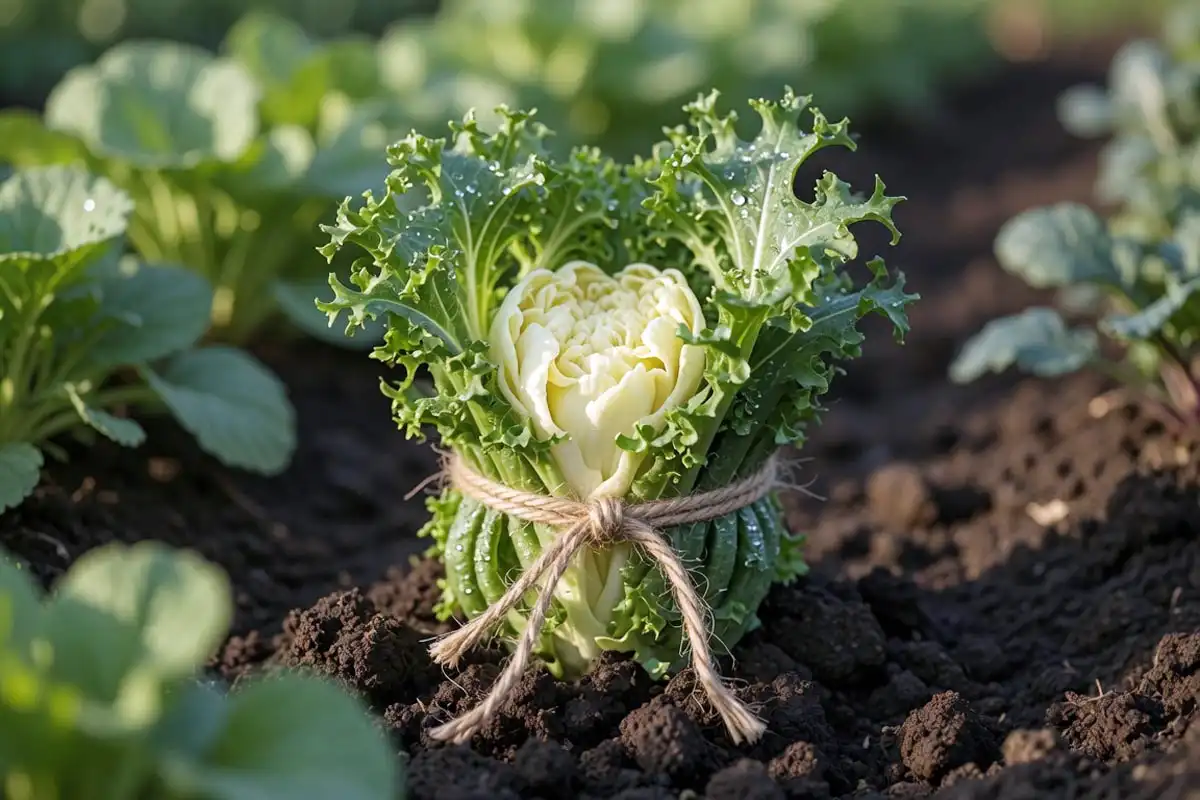
Blanch frisée by blocking light from the inner leaves for one to two weeks before harvest. Light feeds chlorophyll, and chlorophyll feeds the bitter taste. Cut the light, and the heart turns pale, tender, and sweeter.
Two simple methods work. First, gather the outer leaves up over the head and tie them with twine. Second, set a pot or bucket over each plant to block the sun. Only tie plants when they are bone dry, since wet leaves under a tie will rot fast. Do not blanch more than you can eat in a few days, because blanched heads go downhill quickly. Some varieties, like Pancalieri, self-blanch and save you the step.
Is Frisée Good for You?
Frisée is very low in calories and loaded with vitamin K, folate, and fiber. According to USDA FoodData Central, a cup of raw chopped endive (about 50 grams) has roughly 8 calories. That same cup gives you close to a full day’s vitamin K. You also get a good shot of folate, plus some vitamin A and vitamin C.
It runs about 95% water, so it fills your plate without piling on much else. One trade-off worth knowing: the darker outer leaves hold more nutrients than the pale, blanched heart. So when you blanch for a softer flavor, you give up a little nutrition in return.
How Do You Use Frisée in the Kitchen?
Use frisée raw in salads, where its bitter crunch stands up to bold, fatty, and sweet flavors. The classic is frisée aux lardons. That French bistro plate combines frisée, crispy bacon, a poached egg, and a warm vinaigrette. The warm fat and the runny yolk soften the bitter edge beautifully.
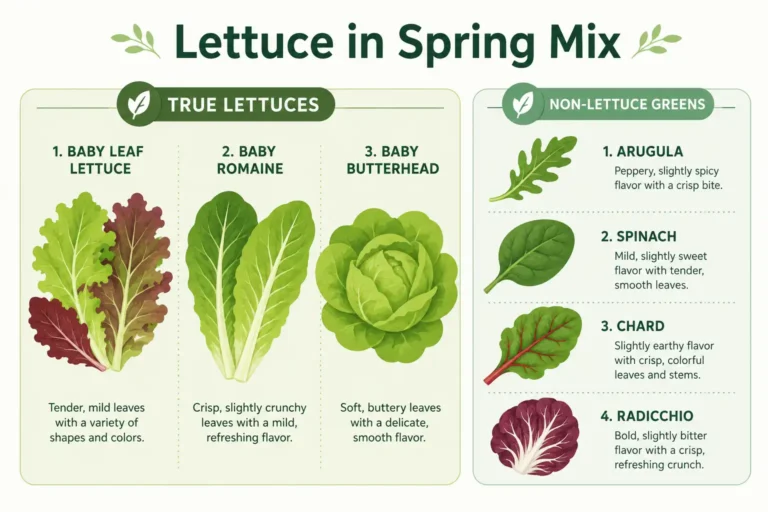
Frisée also pairs well with goat cheese, citrus, pomegranate, toasted nuts, and a mustardy dressing. Its frilly leaves grab dressing better than flat greens do. You can cook it, too. A quick sauté or a turn in a pot of beans and greens mellows the bite. That bitter backbone is also why frisée earns a spot in the spring mix blends at the store. It gives the milder lettuces some character.

How Do You Store Frisée So It Stays Crisp?
Store frisée unwashed in the refrigerator, loosely wrapped in a paper towel, for up to five days. Moisture is the enemy in storage, so wash it only right before you eat it. Wrap the head in a dry paper towel or a clean cloth. Then slip it into a loose bag and set it in the crisper drawer.
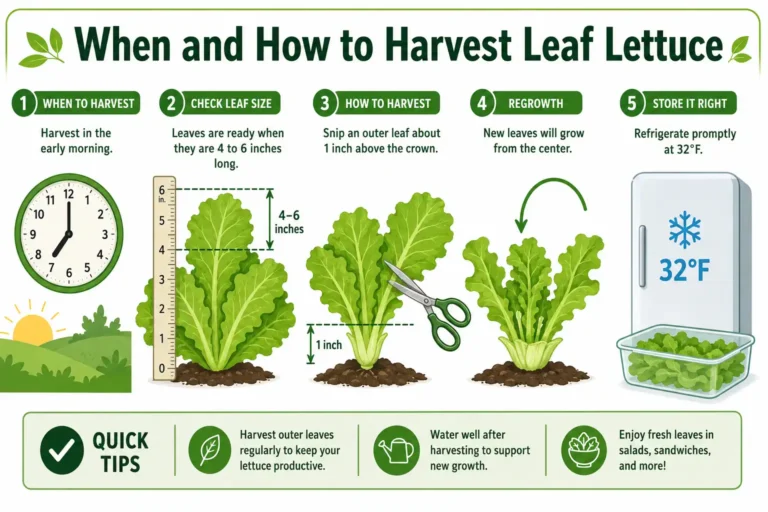
The same habits that keep harvested lettuce crisp apply to frisée. Check it every couple of days and pull any leaves that turn slimy before they spoil the rest.
Bottom Line
Frisée lettuce is a handy name, but it is curly endive through and through. So treat it like the chicory it is. Grow it cool. Blanch the center if the bite is too much for you. Then lean on that bitterness in a salad with bacon or goat cheese. A fall planting gives the sweetest, crispest heads of the whole year.