What Is Sugarcane Used For? Sugar, Fuel, and More (2026)
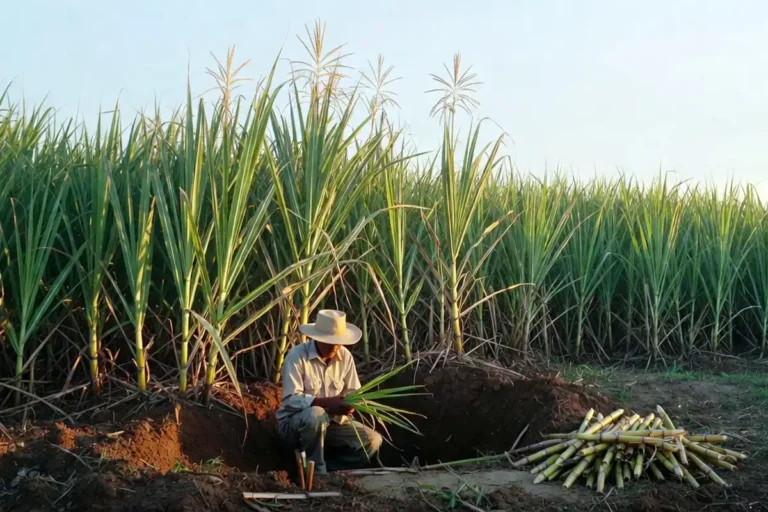
Most people know sugarcane as the source of table sugar. That is only the start. This tall tropical grass feeds sugar mills, fuel plants, paper lines, and even bioplastic factories. So what is sugarcane used for once the stalk leaves the field?
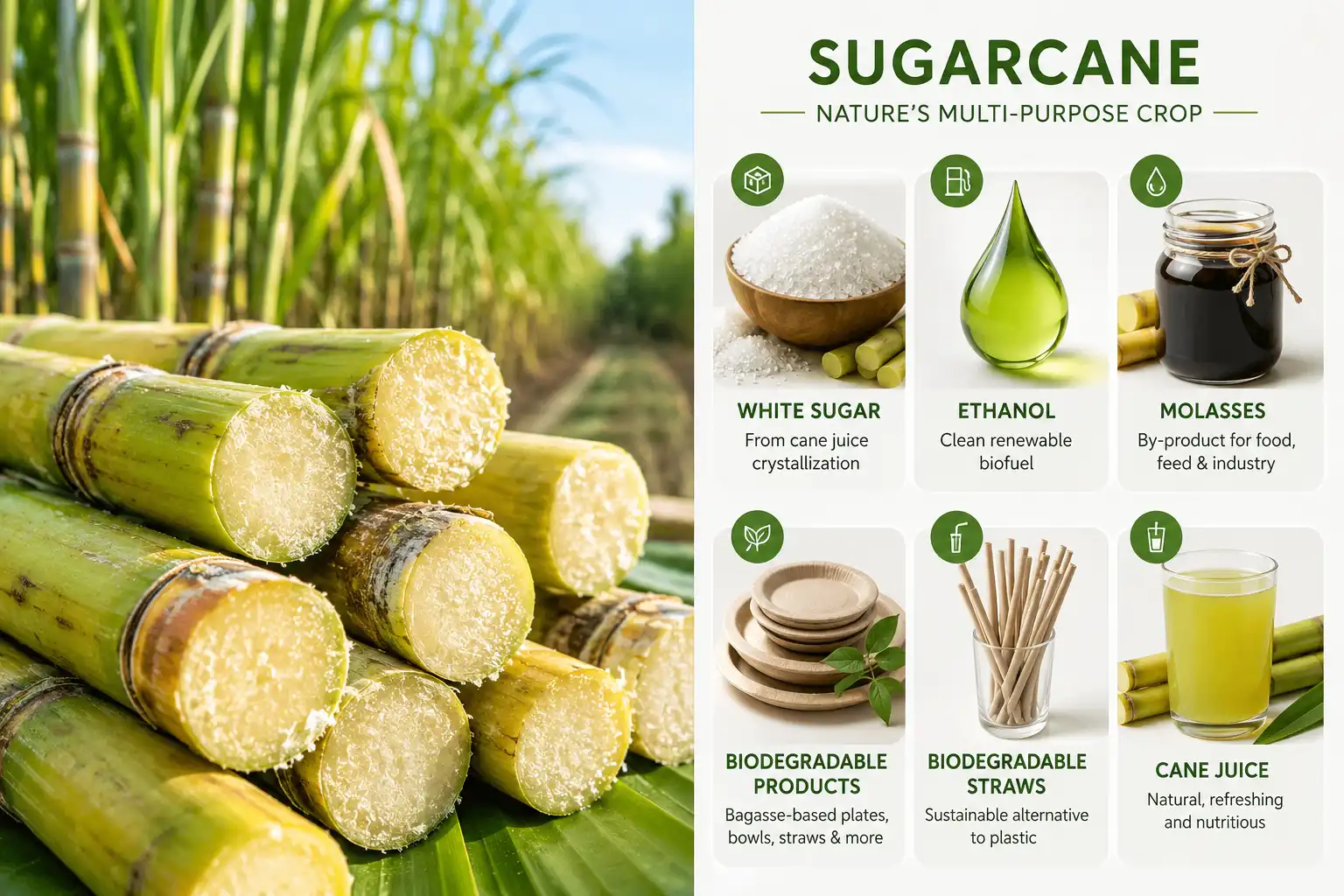
Sugarcane is used for sugar first, and that covers most of the crop. The rest becomes ethanol fuel, molasses, rum, animal feed, fresh juice, jaggery, and bagasse products like paper, biodegradable plates, and drinking straws.
What Is Sugarcane Used For Around the World?
Around the world, sugarcane is used mostly to make sugar, with fuel ethanol as the second biggest job. After that come molasses, rum, fresh juice, animal feed, and a long line of bagasse products.
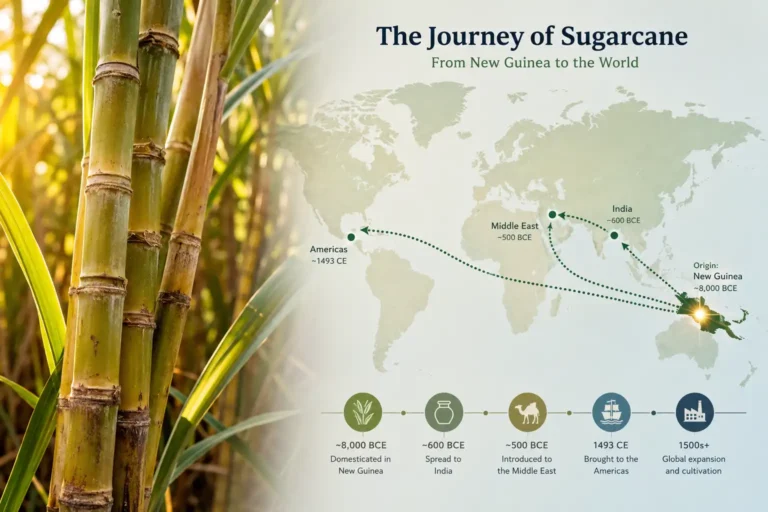
Sugarcane is a tall perennial grass in the Poaceae family. Its scientific name is Saccharum officinarum. The stalk stores sucrose, and that sweet juice drives almost every use here. If you want the plant basics first, here is the sugarcane plant itself.
Brazil grows more cane than any country, and India runs a close second. Together they set the pace for both sugar and ethanol.
This table shows how the crop splits by main use:
| Product from sugarcane | What it is | Common uses |
|---|---|---|
| Sugar (sucrose) | Refined, raw, and brown sugar | Food, baking, drinks, industry |
| Ethanol | Fuel alcohol from fermented juice or molasses | Vehicle fuel, blends, industrial alcohol |
| Molasses | Thick syrup left after sugar crystallizes | Baking, animal feed, rum, fermentation |
| Bagasse | Fiber left after juice extraction | Paper, tableware, straws, mill fuel, board |
| Fresh juice and jaggery | Pressed cane juice and unrefined blocks | Drinks, whole-cane sweeteners |
| Bioplastic and wax | Cane-based polyethylene and stalk wax | Packaging, cosmetics, polishes |
Know more: Ratooning in Sugarcane
How Much of the World’s Sugar Comes From Sugarcane?
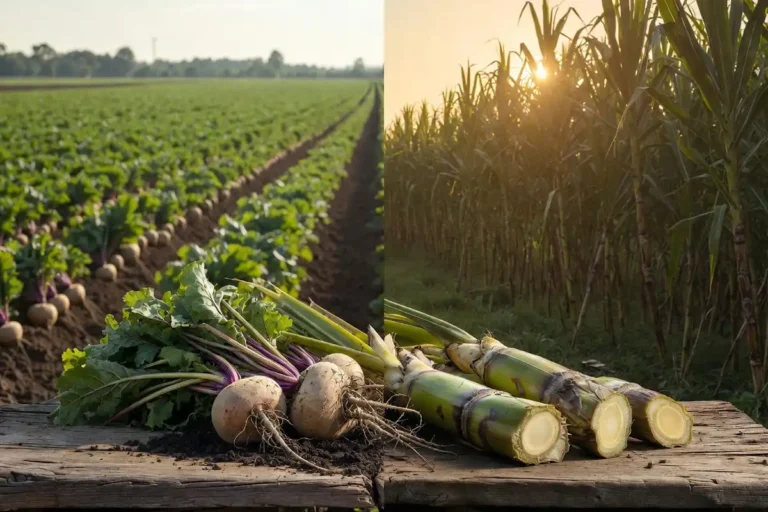
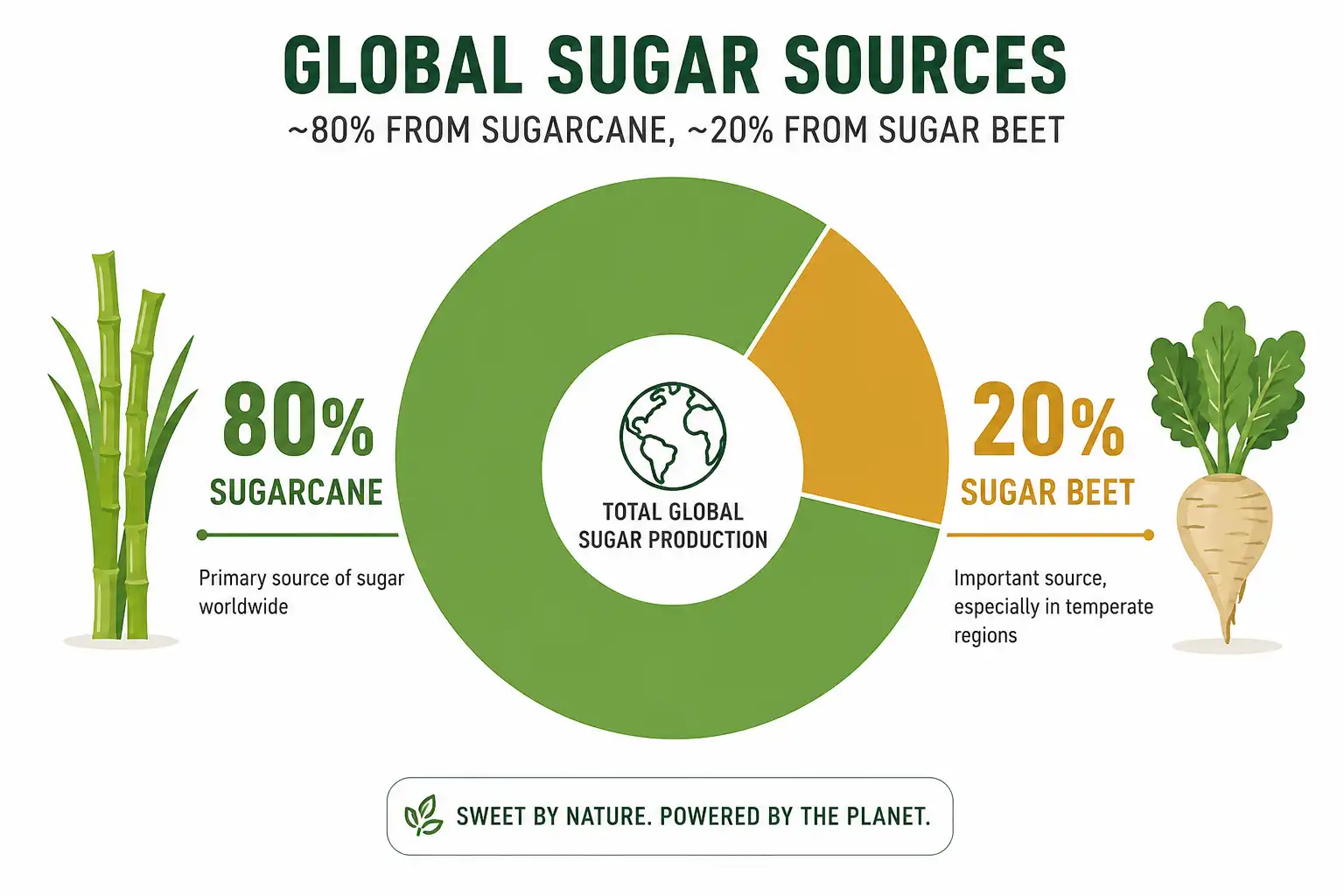
About 80 percent of the world’s sugar comes from sugarcane. Sugar beets make the other 20 percent, mostly in cooler regions.
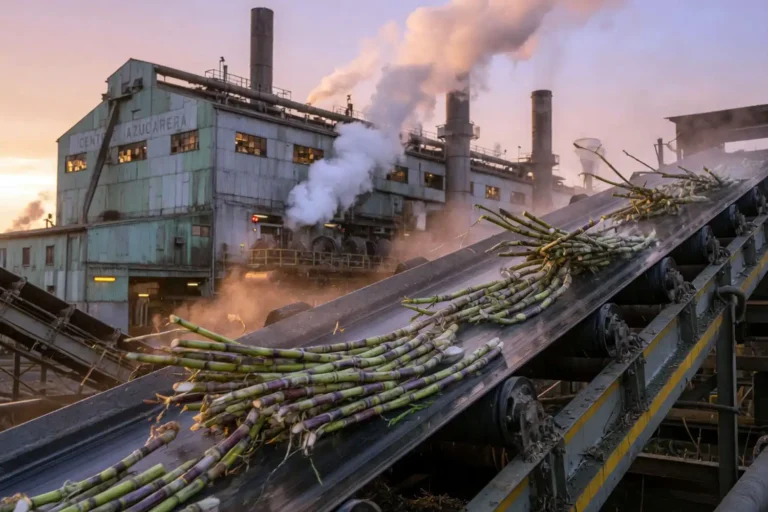
Sugar is the top reason farmers grow cane. First, mills crush the stalks and pull out the juice. Then they boil and spin it into crystals. The result is raw sugar, and refineries clean that into the white sugar on your shelf. Here is how the mill turns cane juice into raw sugar.
Cane gives you several sugars, not just one:
- Raw and turbinado sugar keep a little molasses and a light brown color.
- White refined sugar is pure sucrose with the molasses stripped out.
- Brown sugar is white sugar with molasses added back, or partly refined cane sugar.
- Jaggery and panela are whole cane sugar, boiled down with nothing removed.
What Foods and Drinks Come From Sugarcane?
Sugarcane gives us sugar, molasses, cane syrup, jaggery, fresh juice, rum, and cachaça. In short, it is the base for many sweeteners and a few famous drinks.
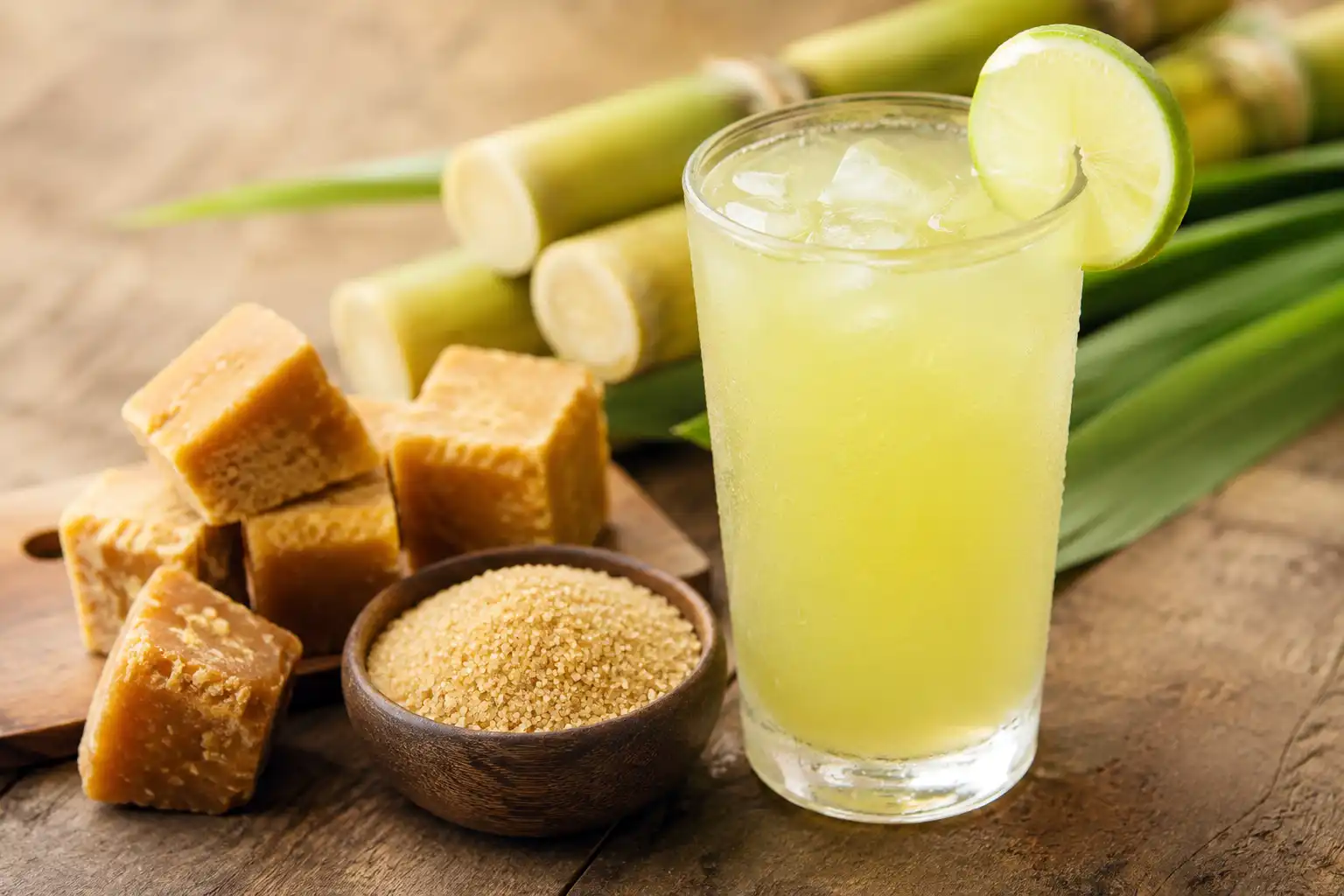
Sugarcane is a grass. So the edible part is the sweet juice inside the stalk, not a grain or a fruit. People in warm countries chew raw cane or press it fresh. That fresh drink is popular across Asia, Latin America, and the Caribbean. If you are curious about flavor and safe amounts, the health side of fresh cane juice covers it.
Down in Louisiana, growers still boil cane into open-kettle cane syrup. That syrup is a regional staple on biscuits and cornbread. Jaggery and panela do the same job in India and Latin America. Molasses adds deep flavor to baking, barbecue sauce, and gingerbread. Rum and Brazilian cachaça both start as fermented cane juice or molasses, then head to the still.
Can Ethanol Be Made From Sugarcane?
Yes, cane makes ethanol, and it is one of the crop’s biggest uses after sugar. Yeast ferments the cane juice or molasses into alcohol, then a still concentrates it into fuel-grade ethanol.
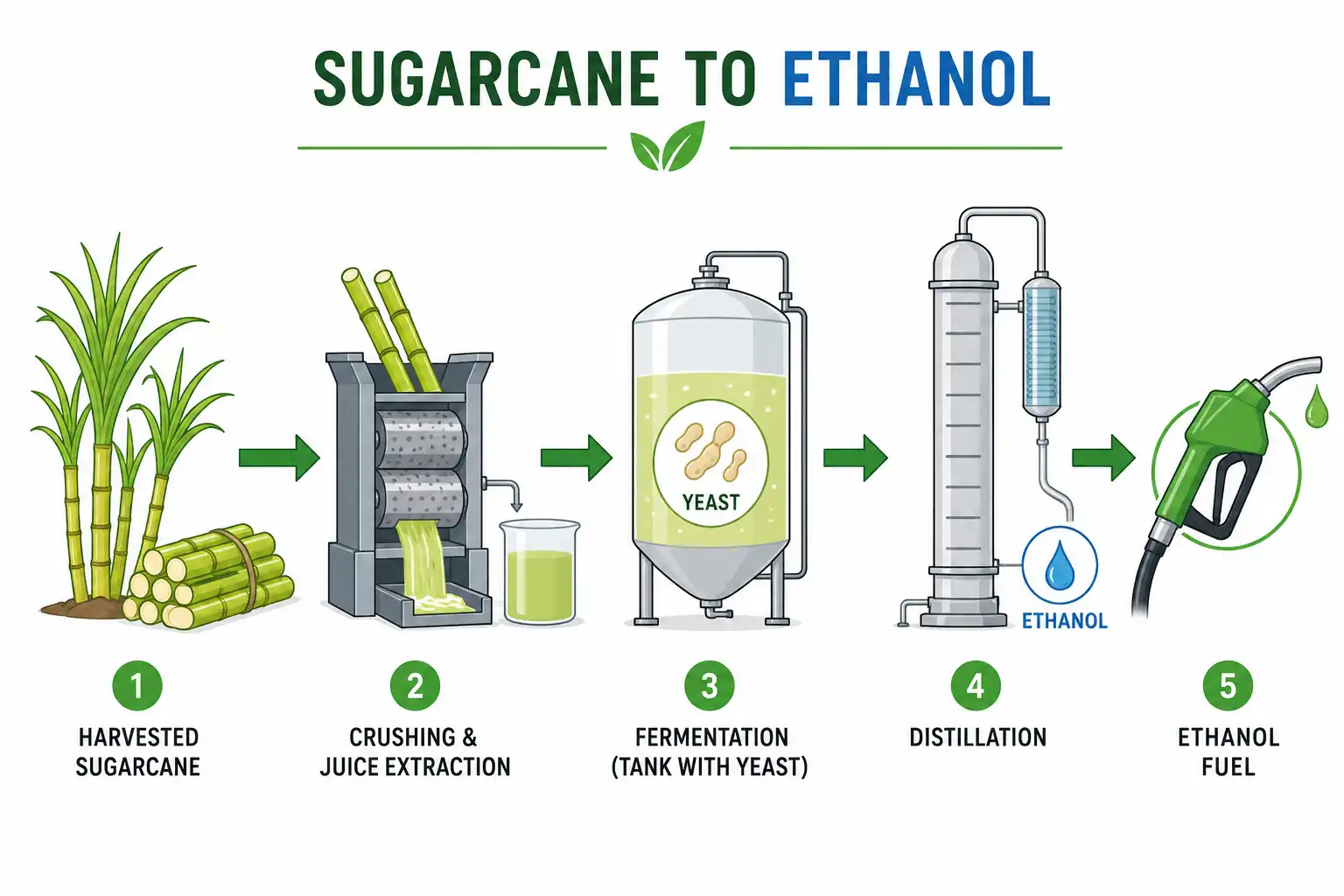
Brazil built its whole fuel system around cane ethanol. Many Brazilian cars run on flex fuel, so drivers choose ethanol or gasoline right at the pump. Cane ethanol also burns cleaner than several alternatives, so it counts as a renewable fuel.
In the United States, the story is different. Most of the fuel ethanol comes from corn, not cane. Most of farmers grow far more corn, and it sits close to the ethanol plants in the Midwest. Still, cane ethanol trades on world markets, and it shapes fuel prices even here.
Can Sugarcane Be Used to Make Paper?
Yes, sugarcane makes paper. The fiber left after the mill squeezes out the juice is bagasse. Factories pulp it into paper and molded goods.

Bagasse is the workhorse byproduct of every cane mill. Once the juice is gone, mills either burn the fiber or sell it. Burning bagasse creates steam and electricity, so many mills run on their own crop waste. We call that setup cogeneration, and it can power the mill plus nearby homes.
The rest of the bagasse becomes useful products. Factories mold it into paper, cardboard, and pulp packaging. They also press it into biodegradable plates, bowls, and takeout boxes. Cane straws are another common product, and reusable straws made from the fiber have replaced plastic in many cafes. Some plants even bond bagasse into particleboard for construction.
What Else Is Sugarcane Used For?
Besides food, fuel, and paper, sugarcane also feeds bioplastic, cosmetics, livestock, and fertilizer uses. Almost nothing from the stalk goes to waste.
Cane ethanol can turn into ethylene, which then becomes plant-based polyethylene. Brands sell it as green plastic for bottles and bags. Molasses and cane tops make solid animal feed, since livestock take both the energy and the sweetness. The leftover filter cake (press mud) goes back on fields as fertilizer. Even the stalk’s waxy coating has value, and processors refine it into cane wax for polishes and cosmetics.
How Is Sugarcane Used in the United States?
In the United States, sugarcane is used almost entirely for sugar. That includes the molasses and bagasse energy that come with it. American cane is a food crop first, not a fuel crop.
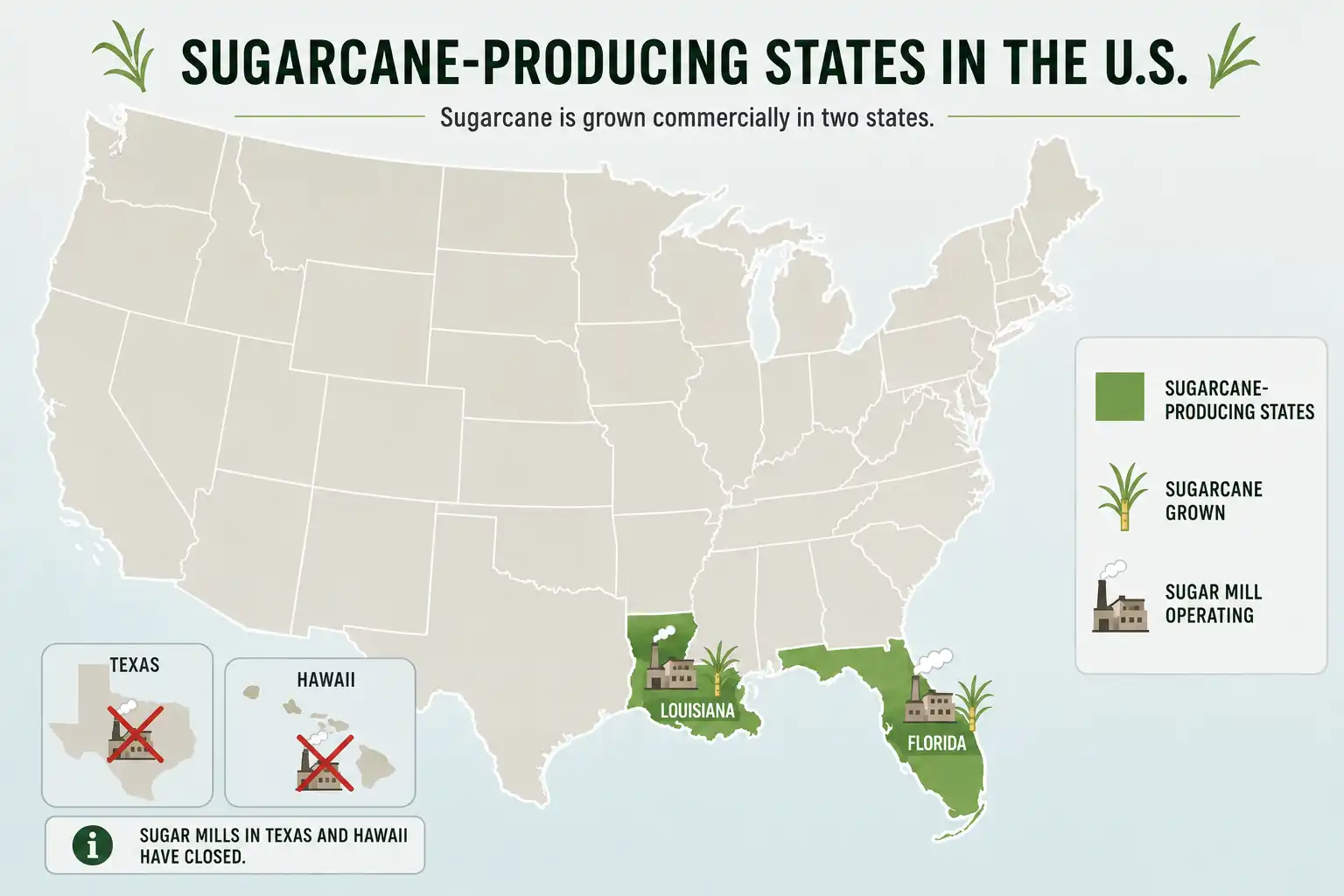
Two states grow the nation’s cane today: Florida and Louisiana. Texas ran cane for years. But its last mill closed in 2024, after long water shortages hit the Rio Grande Valley. Hawaii left the business back in 2016. So the map is smaller than it once was. Today the mills that grind US cane sit in Florida and southern Louisiana.
One more point matters for accuracy. Across the whole US sugar supply, cane covers only about 45 percent. Sugar beets, grown in the Upper Midwest and West, make the rest. So cane rules world sugar at 80 percent, yet it trails beets at home. The USDA tracks both crops each year, and the split shifts a little with weather.
Few Words in the Last
Sugarcane earns its keep because almost every part sells. The juice makes sugar and ethanol. The leftover fiber makes paper, tableware, and mill power. The syrup and molasses feed both people and livestock. Do not grow cane up. Still, the USDA reports and growers down south tell the same story: one tall grass, a dozen paychecks. So if you buy sugar, fuel, or a paper plate, you have probably used sugarcane today.