Sugarcane Straws Benefits: Safety, Cost, and Disposal
Sugarcane straws are showing up in cafés, farm markets, and home kitchens as the standard swap for plastic. The sugarcane straws benefits cover compostability, durability in real drinks, food safety, and cost. This guide breaks down every benefit, plus how to choose and dispose of them properly.
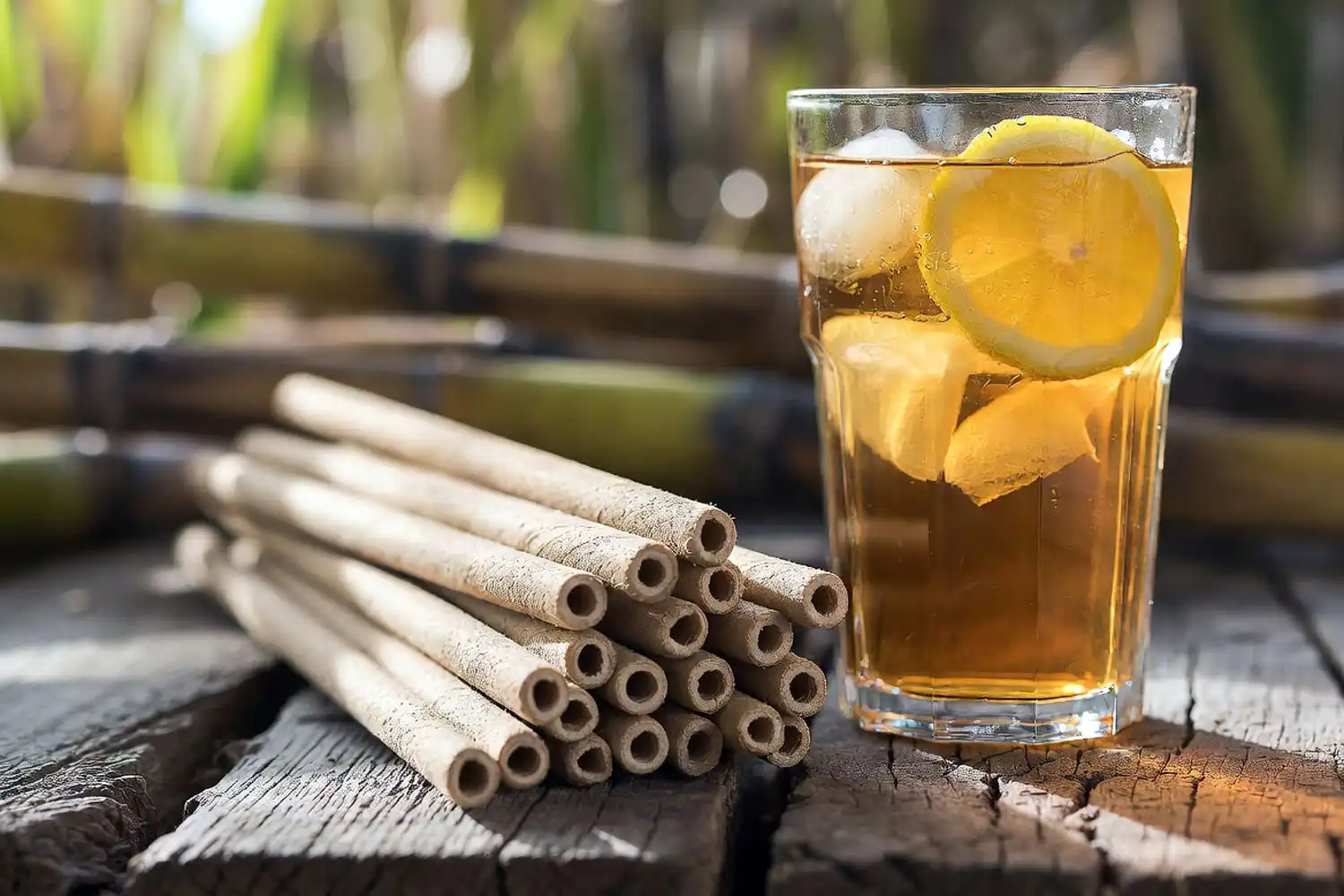
Sugarcane straws are biodegradable straws made from bagasse, the fiber left after juice extraction. They hold firm in cold drinks, compost in 60 to 90 days, and reuse a crop byproduct instead of plastic.
What Are Sugarcane Straws Made From
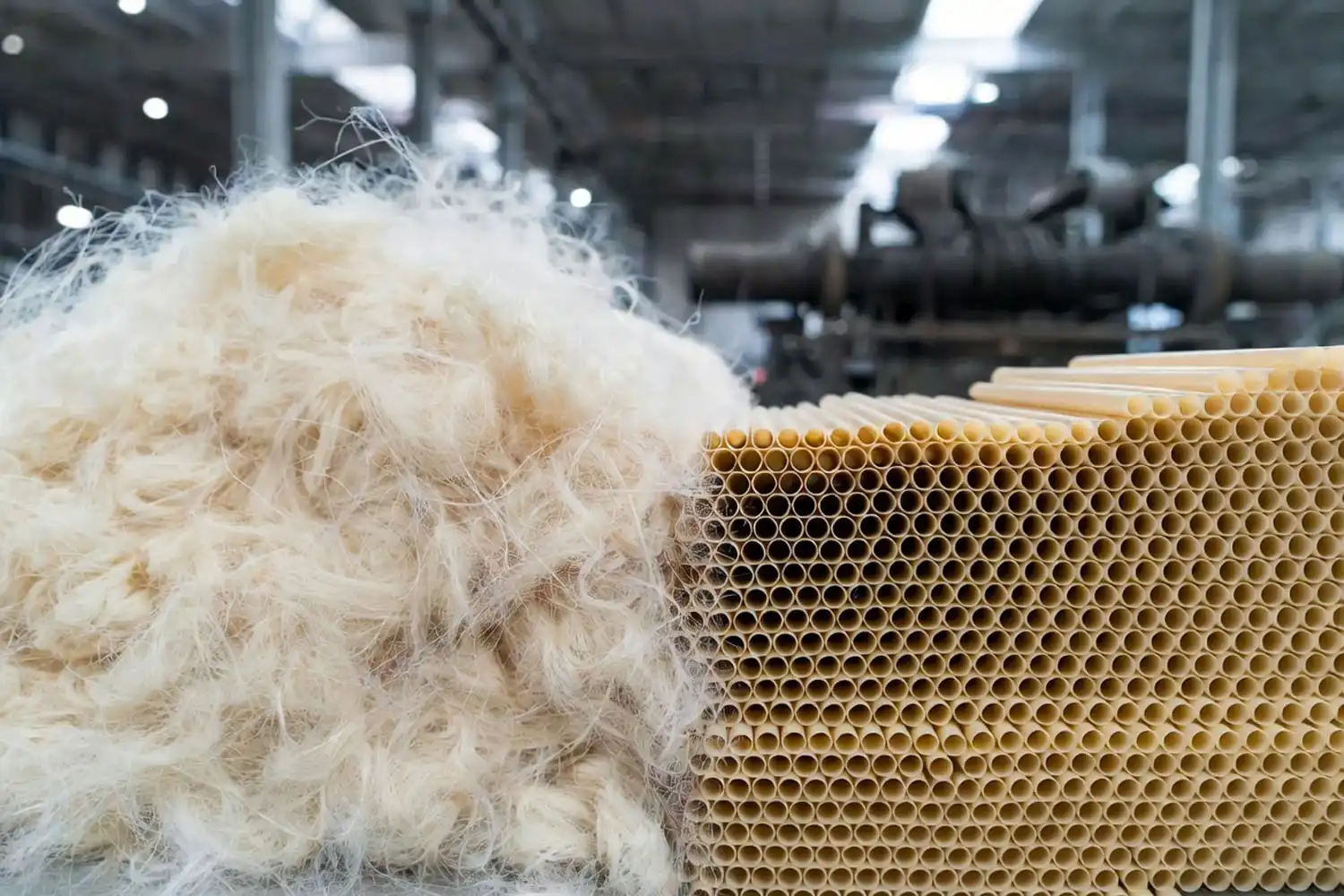
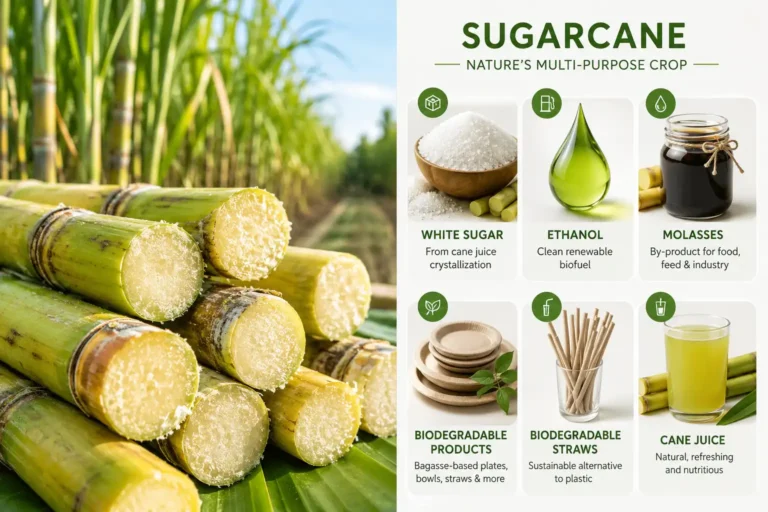
Sugarcane straws are made from bagasse, the fibrous pulp left after sugarcane stalks are crushed for juice. Mills once burned this fiber for boiler fuel or dumped it. Now manufacturers press it into food-grade tubes, dry them, and ship them as straws.
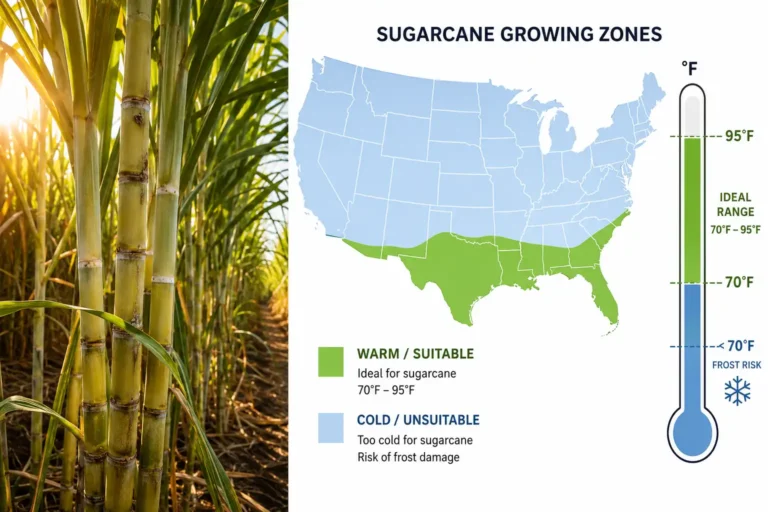
The bagasse comes from the same Saccharum officinarum plant that produces table sugar. Most supply chains pull from Louisiana, Florida, and overseas mills tied to large sugarcane growing regions.
Read more: Natural Wax Coating on Sugarcane Stalks
Why Sugarcane Straws Beat Plastic Straws
Sugarcane straws skip the petroleum step entirely. Plastic straws come from oil, take hundreds of years to break down, and shed microplastics into water and soil. Bagasse straws come from a yearly crop, break down in months, and leave no plastic residue behind.
The cost gap has also closed. A bulk box of 1,000 bagasse straws now runs close to a comparable plastic box in most farm and restaurant supply stores.
Learn more: Sugarcane Mills in the USA
How Sugarcane Straws Hold Up in Drinks
Sugarcane straws stay rigid in cold drinks for several hours and in hot drinks for 30 to 60 minutes. Paper straws turn to mush in 20 minutes. Bagasse holds its shape because the fiber is dense and lightly pressed, not glued together with starch.
Cold beverages like soda, water, juice, and iced coffee work best. Smoothies and thick milkshakes pull through fine. Hot tea and coffee work for the time it takes to finish the drink.
Are Sugarcane Straws Safe to Drink Through
Sugarcane straws are safe to drink through when manufactured to FDA food-contact standards. Look for straws labeled FDA-compliant and free of bleach, plastic liners, or PFAS coatings. The natural beige color is a good sign. Bright white straws often signal chemical bleaching.
Reputable manufacturers also pass migration testing under USDA and FDA rules. That testing checks whether any compound moves from the straw into the drink. Certified bagasse straws stay neutral.
See also: Countries Produces the Most Sugarcane
Environmental Benefits of Sugarcane Straws
Bagasse straws cut waste on two ends at once. They keep crop residue out of burn piles and they keep plastic out of waterways. The EPA reports that food-service plastics make up a heavy share of single-use trash in U.S. landfills.
Using straws made from a sugarcane crop byproduct also shrinks the carbon load of every drink served. The fiber would have been burned or buried. Now it does a second job before it composts.
For composting setup that works with these straws, the EPA’s home composting guide covers pile structure, ratios, and turning schedules.
How Sugarcane Straws Compare to Paper and PLA Straws
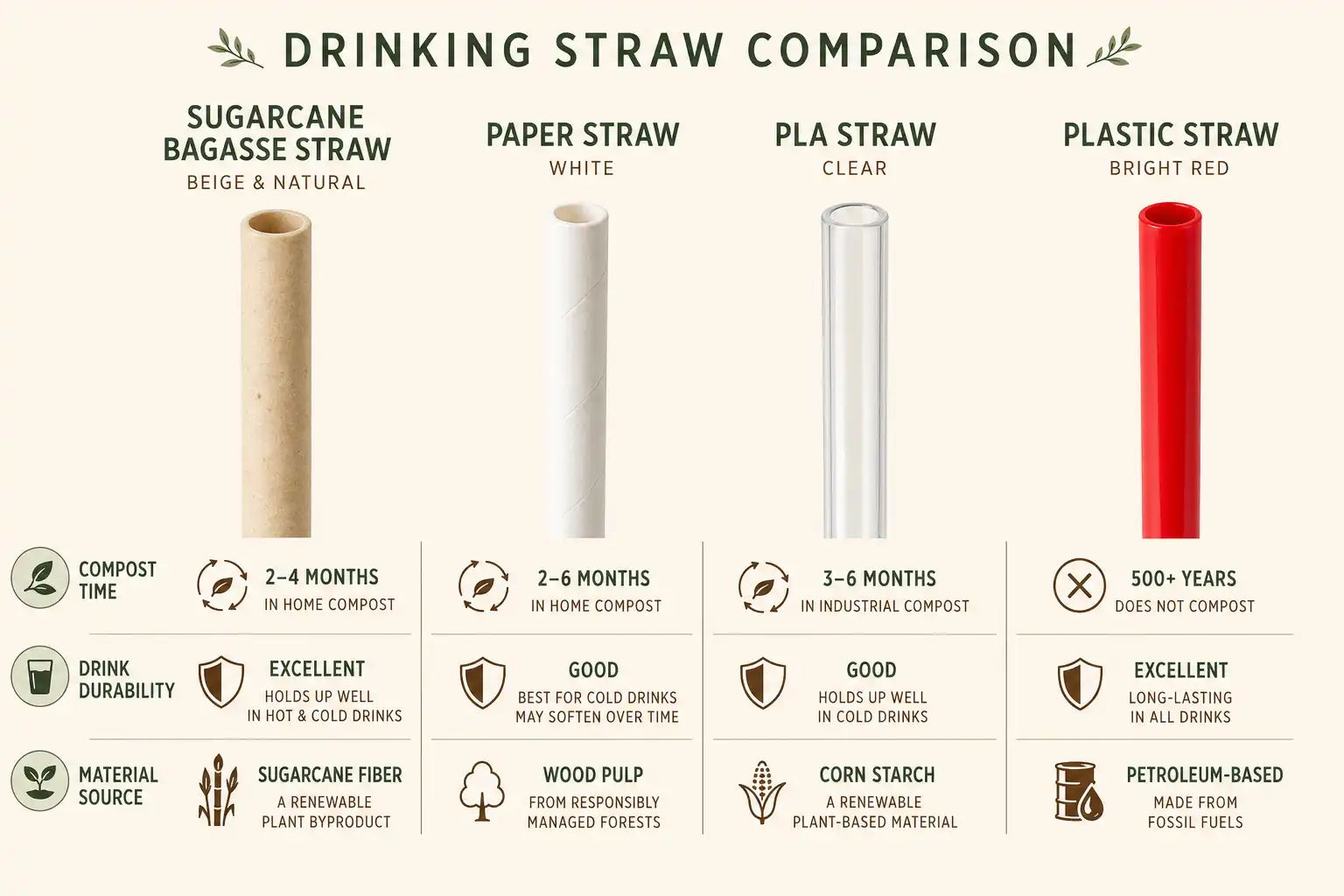
Sugarcane straws outperform paper on durability and beat PLA on home compostability. Paper soaks up moisture fast and changes drink flavor within minutes. PLA looks like plastic but needs industrial composting at 140°F to break down. Bagasse breaks down in a backyard pile in two to three months.
How to Dispose of Sugarcane Straws Properly
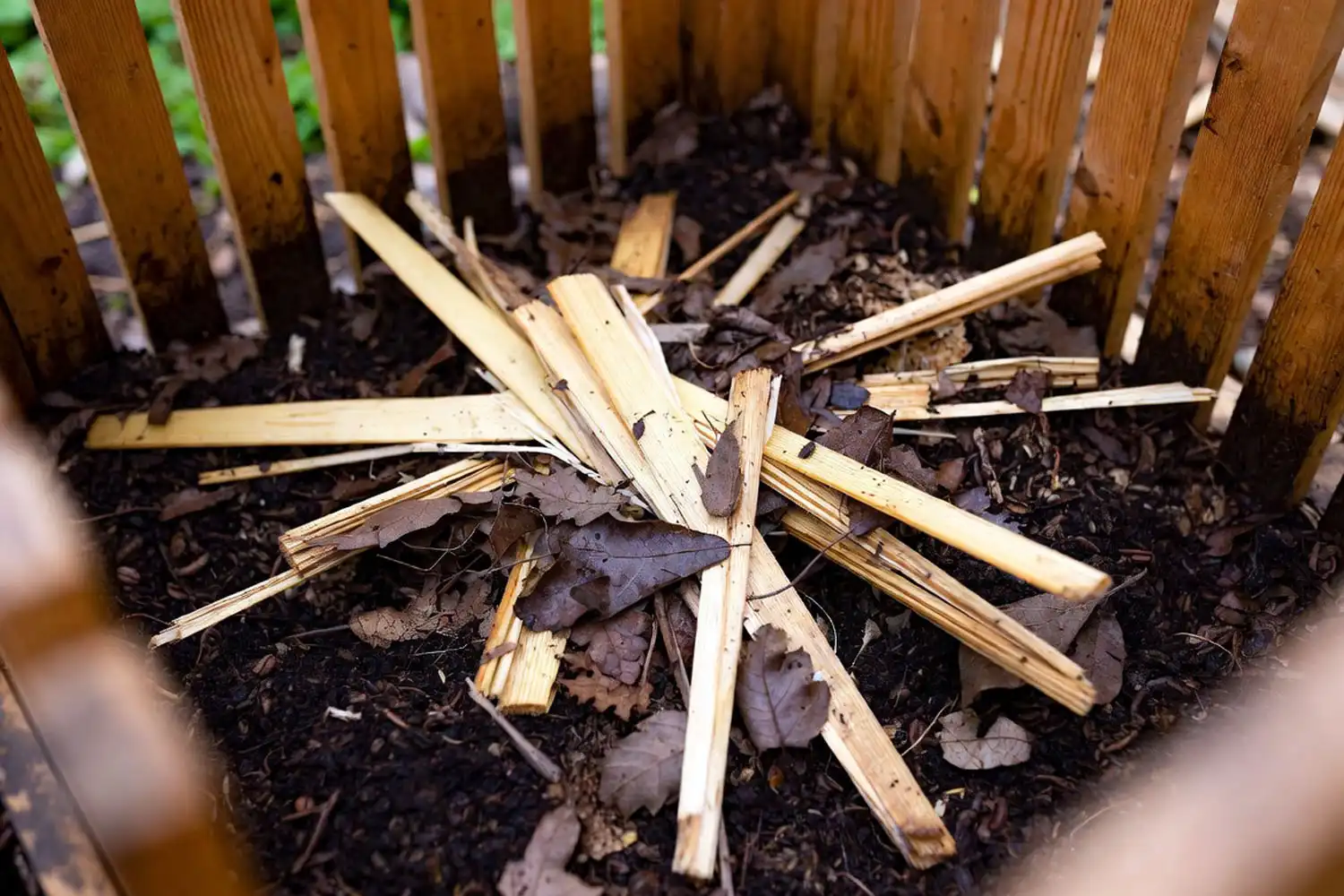
Put used sugarcane straws into a compost bin, not the recycling stream. Recycling centers cannot process them and they slow the sorting line. Follow these steps to compost them at home:
- Rinse off liquid and food residue.
- Drop the straw into a kitchen compost pail.
- Move it to an outdoor pile or tumbler.
- Bury it under 4 inches of brown material like dry leaves or straw.
- Turn the pile every 7 days.
- Check for full breakdown after 60 days.
Most certified bagasse straws meet ASTM D6400 or BPI compostable standards. Both confirm the material breaks down without leaving toxic residue in the finished compost.
What to Look For When Buying Sugarcane Straws
Buy straws certified by BPI or ASTM D6400, made from 100 percent bagasse, and free of plastic liners. Natural beige color, sturdy walls around 0.3 inches thick, and clear sourcing from a named mill all matter. Avoid straws only labeled “plant-based” with no other certification. That phrase alone carries no standard.
Box sizes from 200 to 2,000 work for most home and small-business use. Many farms tied to local sugarcane harvest supply chains now stock them at the co-op.
Cost of Switching to Sugarcane Straws
Sugarcane straws cost roughly 2 to 4 cents per straw in bulk packs of 1,000 or more. Plastic runs 1 to 2 cents. The gap closes once compost replaces trash bag volume and waste hauling fees drop. For a small café or farm market stand, the price difference per drink runs under a nickel.
Restaurants serving 200 drinks a day pay around $8 to $10 in straws. The same volume in plastic costs about $4. Most operators absorb the difference or pass a small fee to the customer.
Do Sugarcane Straws Affect Drink Taste
Sugarcane straws are tasteless and odorless when properly made. They don’t leach flavor into water, tea, or coffee. Cheap or under-dried straws can give a faint hay note in hot drinks. A quality straw from a certified mill stays neutral across cold and hot beverages.
Bottom Line
Sugarcane straws give a clean win on plastic waste without sacrificing the drink itself. Pick a certified pack from a named mill, run it through cold and hot drinks for a week, and switch fully once the brand holds up. Compost the used straws on-site to close the loop. The benefits stack up quickly: less plastic, full compostability, food safety, and a real second use for a crop byproduct.