What Does Sugarcane Juice Taste Like? Sweet, Grassy, and Clean
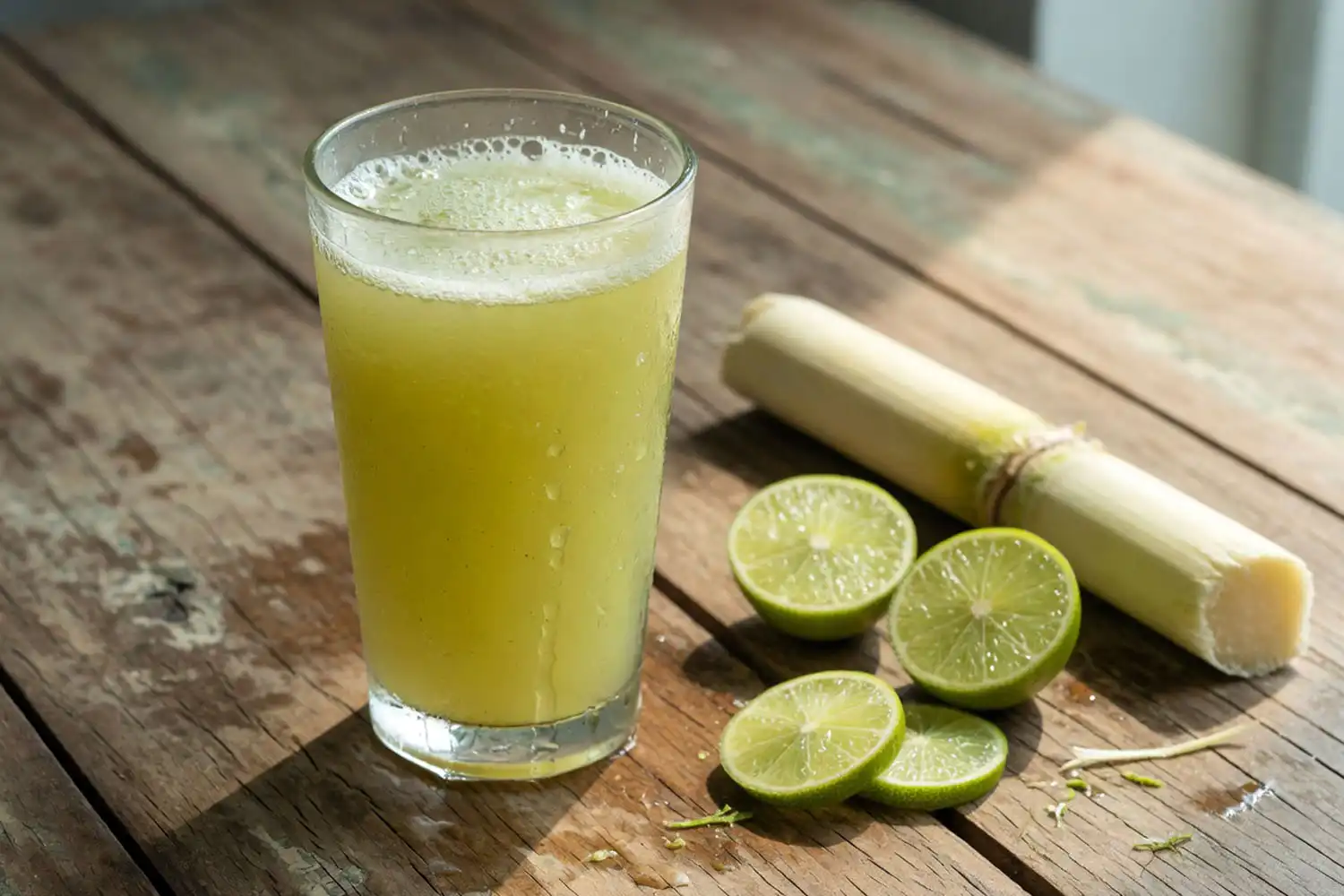
Sugarcane juice surprises a lot of first-time tasters. Most people ask me what does sugarcane juice taste like expecting something as strong as syrup. It is not. The flavor is gentle, layered, and unmistakably plant-based. “This guide covers every note to expect from a fresh glass.
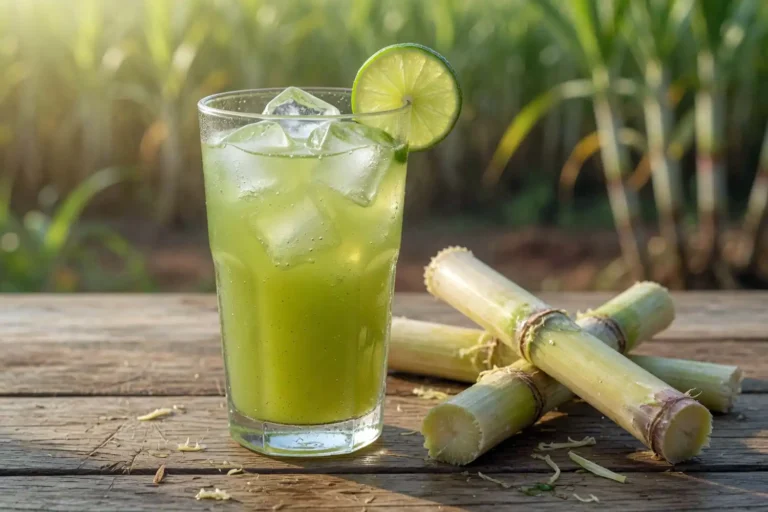
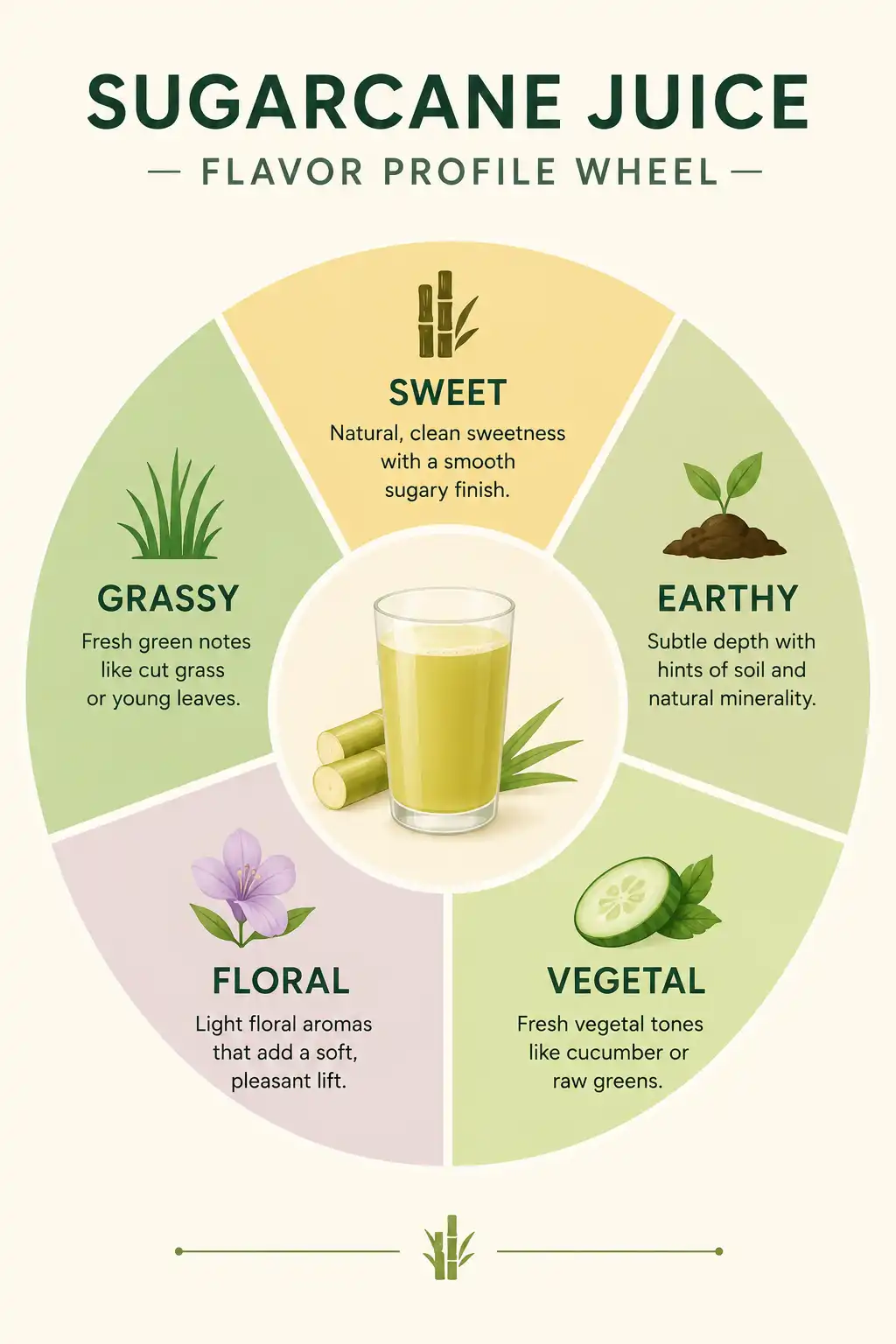
Sugarcane juice tastes lightly sweet, grassy, and faintly earthy with a clean vegetal finish. The sweetness is softer than table sugar and balanced by green notes from the stalk. Fresh juice carries a fragrant, slightly floral aroma and feels smooth on the tongue.
Does Sugarcane Juice Taste Sweet?
Yes, sugarcane juice is sweet, but the sweetness is far gentler than table sugar dissolved in water. The juice carries roughly 15 to 20 percent sucrose by Brix measurement, depending on the cultivar and harvest timing. The sweetness comes through clean rather than sticky. It does not coat your tongue the way soda or commercial syrup does. The natural water content in the stalk dilutes the sugar enough to keep the drink refreshing rather than cloying.
What Flavors Come Through Besides Sweetness?
The dominant secondary note is green and grassy, almost like fresh hay or young corn silk. You also pick up faint earthy and mineral hints, plus a slight vegetal finish similar to cucumber or fresh celery. Trace polyphenols and amino acids from the rind give the juice a delicate floral aroma. If the cane was harvested at peak maturity, you may catch a whisper of honey-like depth at the back of the palate. None of these notes overpower the sweetness. They sit underneath it and round out the flavor.
Why the Flavor Surprises First-Time Tasters
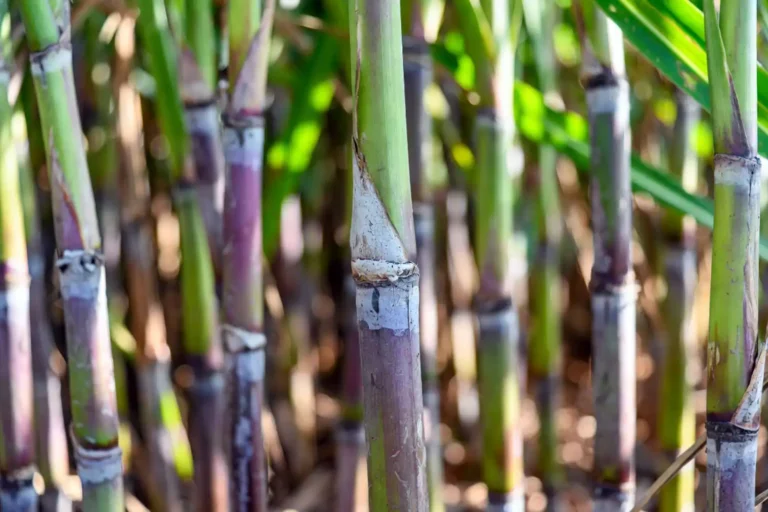
The name “sugarcane” sets up the wrong expectation. People imagine pure sweetness because they associate the plant with refined sugar production. The whole stalk of sugarcane (Saccharum officinarum) is a tall tropical grass, and the juice tastes like one. That green, plant-forward character is the part that catches new drinkers off guard. Once you accept that you are drinking a fresh plant juice rather than liquid candy, the flavor makes complete sense. If you want a complete guide see the sugarcane crop itself, it covers the structure, varieties, and growing conditions in detail.
How Variety and Growing Region Change the Taste
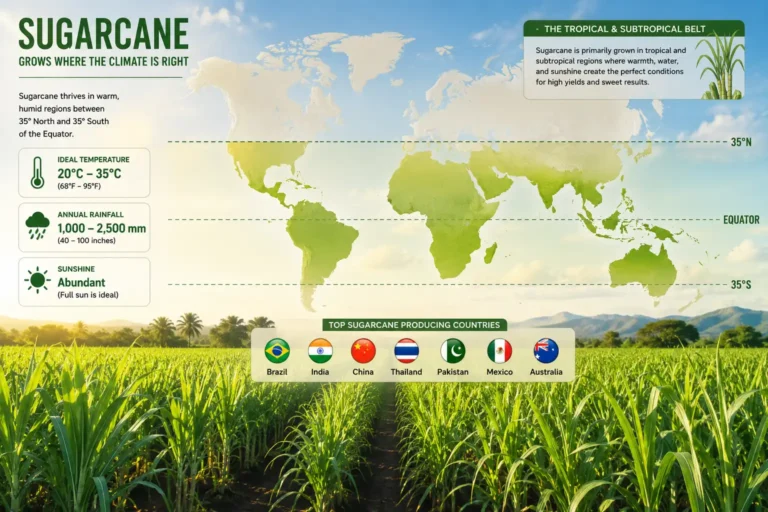
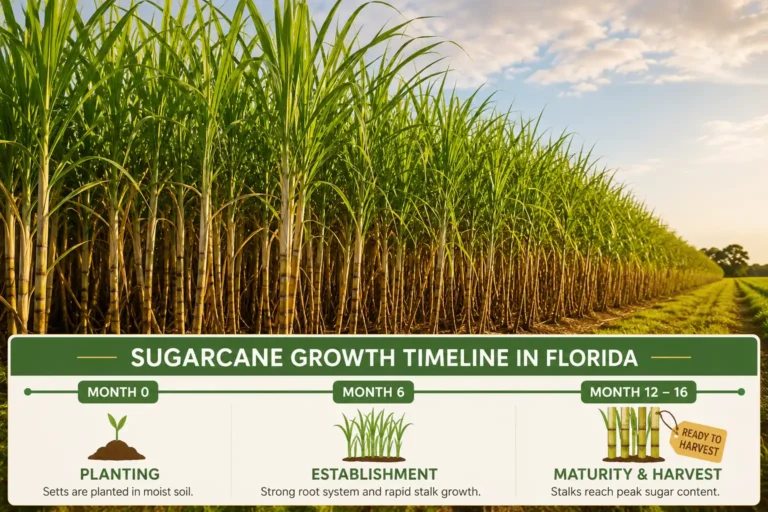
Different cultivars and regions produce noticeable flavor differences. Louisiana-grown cane, raised on heavy alluvial soils along the Gulf Coast, tends to give a richer, slightly molasses-tinged juice. Florida sugarcane belt varieties grown on muck soils south of Lake Okeechobee often press cleaner and lighter.
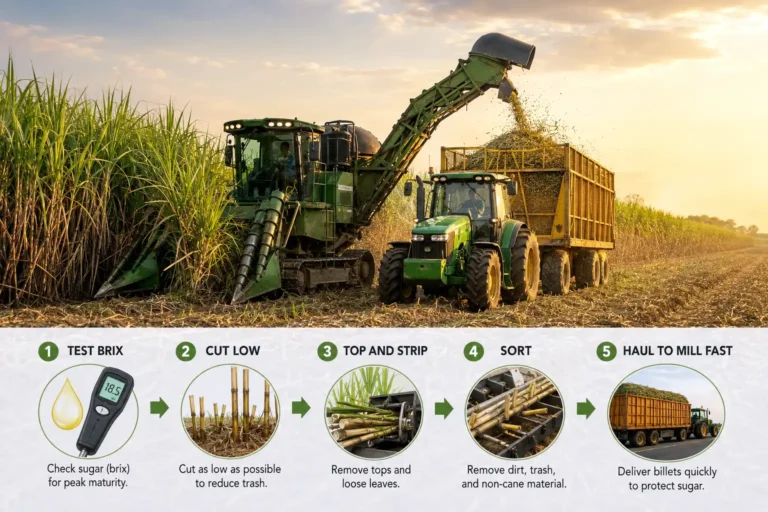
Indian and Southeast Asian cultivars, which dominate the global juice trade, run sweeter with stronger floral aromatics. The USDA and the LSU AgCenter both publish data on regional varieties, and the sugar content can vary by two to three Brix points between cultivars. Cane harvested at the right maturity window also tastes far better than cane cut too early or too late. Our guide on harvesting sugarcane explains why timing matters so much for flavor.
Why Does Fresh Sugarcane Juice Taste Different From Bottled?
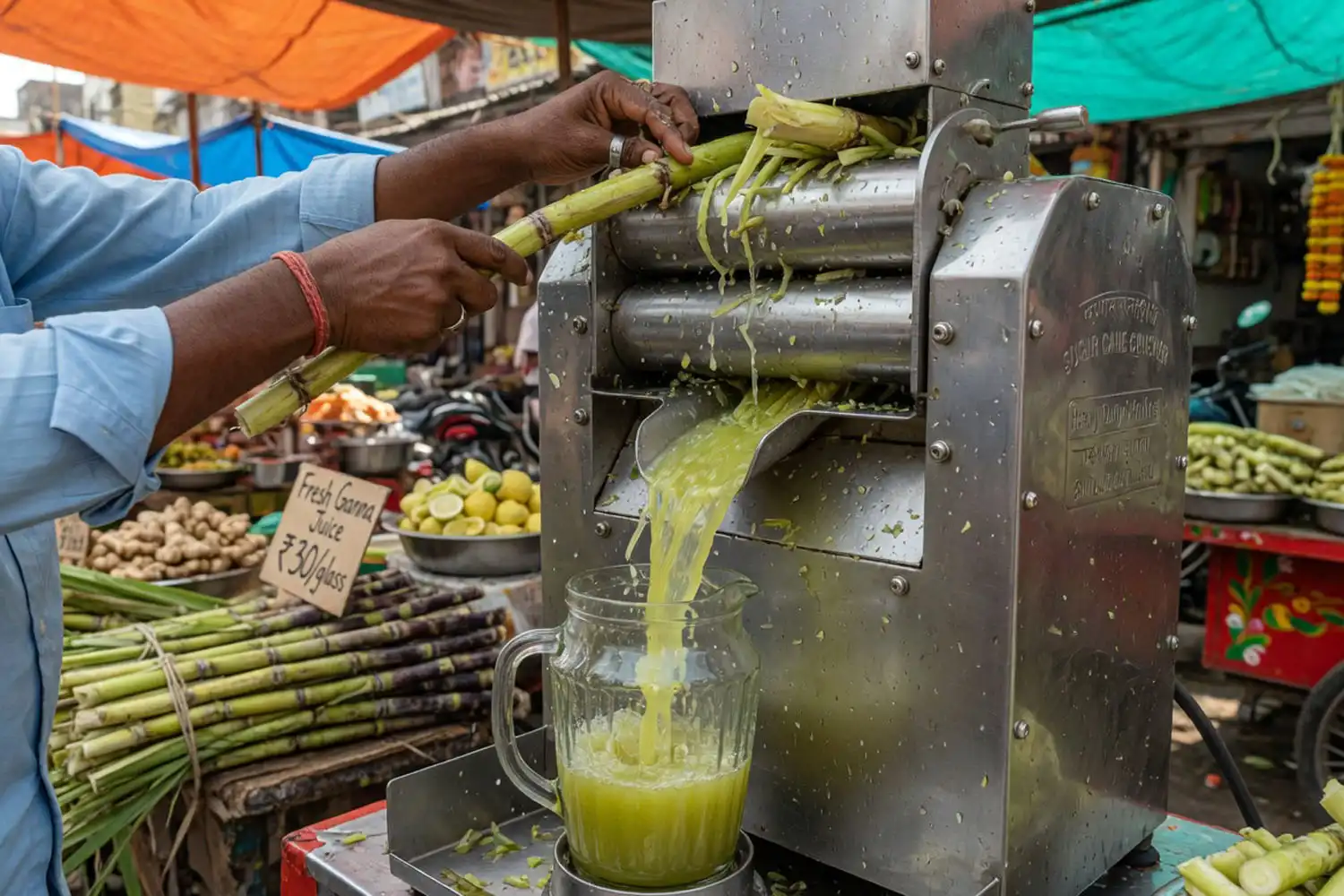
Fresh juice tastes alive, while bottled juice tastes flat. Sugarcane juice oxidizes within minutes of pressing. The fresh, fragrant grassiness fades fast and is replaced by a duller, slightly metallic flavor. Pasteurization, which bottled brands rely on for shelf life, strips out volatile aromatic compounds and dulls the floral top notes. Bottled juice can still taste pleasant, but it never matches a glass pressed in front of you at a roadside stall in Florida or Louisiana. To get the real taste, drink it within 15 to 20 minutes of pressing or store it on ice immediately.
How Lime, Ginger, and Mint Change the Taste
A squeeze of lime is the most common addition because it cuts the sweetness and lifts the floral notes. Ginger adds heat and a sharp spice contrast that wakes up the palate. Mint brings cooling brightness and pairs especially well with the grassy character of the juice. Black salt, used in South Asian preparations, deepens the mineral edge and pulls forward the earthy undertones. These additions do not mask the cane flavor. They frame it. A plain glass shows you what the cane itself tastes like. A dressed glass shows you what the cane can become.
How Does Sugarcane Juice Compare to Other Sweet Drinks?
Sugarcane juice sits in its own category. Against coconut water, it is sweeter and less salty, with more body. Against fresh sugar beet juice, it is lighter and grassier without the deep root character. The two crops produce the same refined sugar, but the raw juices taste nothing alike. Our article on the difference between sugar beets and cane explains the contrast in detail. Against commercial fruit juice, sugarcane juice has less acidity and a cleaner finish. Against maple sap, it is sweeter, less woody, and carries a brighter aromatic profile.
Common Off-Flavors to Watch For
A few problems can ruin the taste. Cane cut more than 24 hours before pressing starts to ferment, giving the juice a sour, yeasty edge. Juice pressed from a poorly cleaned roller mill picks up rancid, oily notes. Stalks that froze in the field before harvest release a sharp, almost vinegary flavor as the cell walls break down. If you taste anything sour, alcoholic, or metallic in your glass, the juice was either old, contaminated, or made from cold-damaged cane. Fresh, clean juice should never taste sour. If you are growing your own, our notes on growing the sugarcane plant cover how to protect field quality right up to pressing day.
Is Sugarcane Juice an Acquired Taste?
For most people, no, it is not an acquired taste. The flavor is mild enough that the first sip is usually pleasant, even if surprising. The green and earthy notes sit far below the sweetness. Children often enjoy it on the first try, especially with a little lime. People raised on heavy soda may need a few sips to adjust to the cleaner, less sugary profile, but adjustment is quick. For more on cane varieties and regional production research, the LSU AgCenter sugarcane page is a solid resource.
Bottom Line for Your Glass
Sugarcane juice tastes sweet, grassy, and gently floral, with a clean vegetal finish. It is far less intense than the name suggests. Drink it fresh, ideally within 20 minutes of pressing. Add lime, ginger, or mint to bring out the character. Buy from regions known for quality cane, and pass on anything that smells fermented or sour. Once you taste it cold and fresh on a summer afternoon, the appeal is obvious. It is one of the most refreshing plant drinks you can put in a glass.