Health Benefits of Sugarcane Juice and the Safe Daily Limit
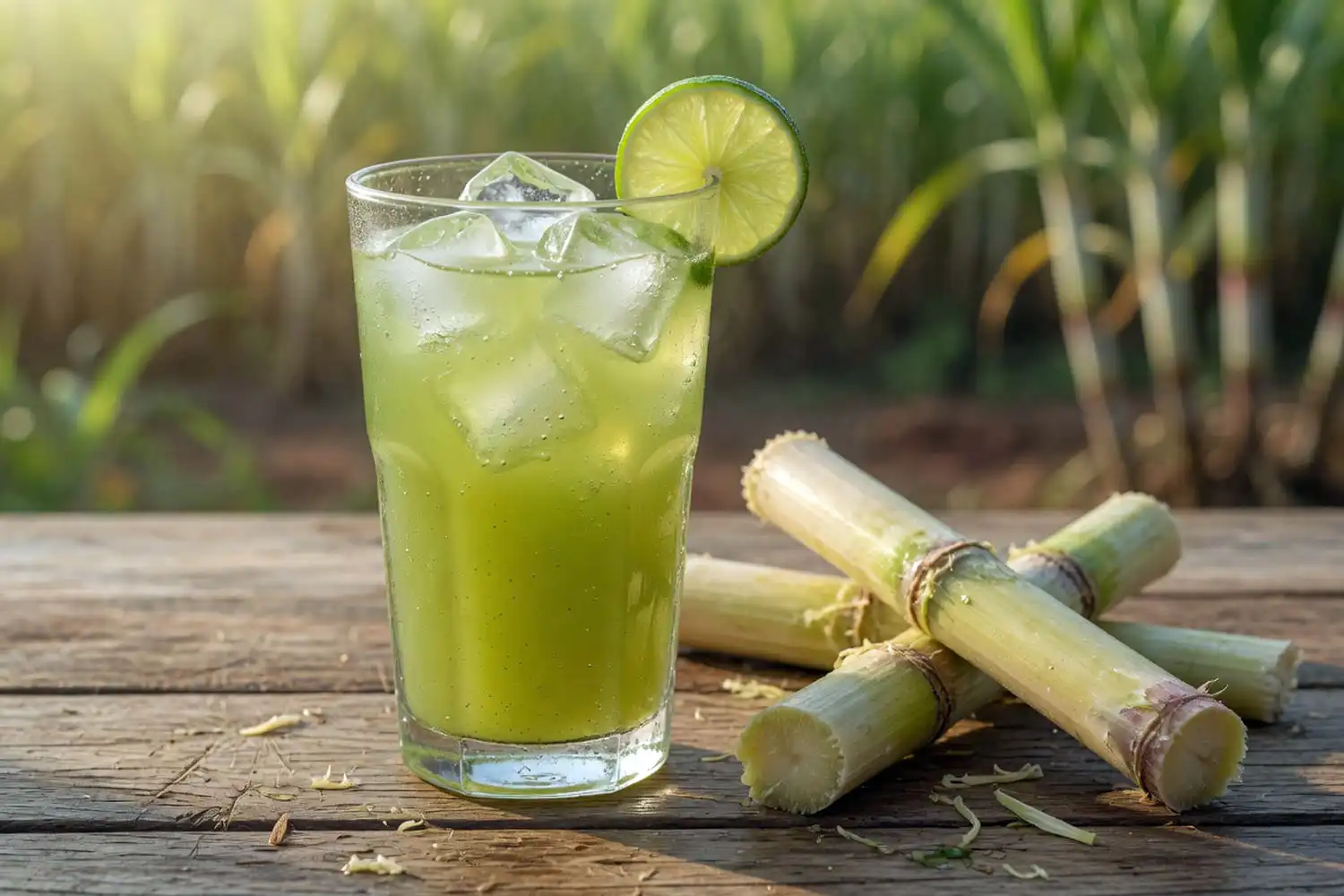
Sugarcane juice has shown up at more roadside stands and farmers markets each year. People keep asking me what it actually does for the body. Here is the straight answer on the health benefits of sugarcane juice, with the limits.
Sugarcane juice gives fast natural energy, hydrating electrolytes, and plant antioxidants that support liver, digestion, and skin. It also carries high natural sugar, so adults should limit it to one small glass a day.
What Is in a Glass of Sugarcane Juice
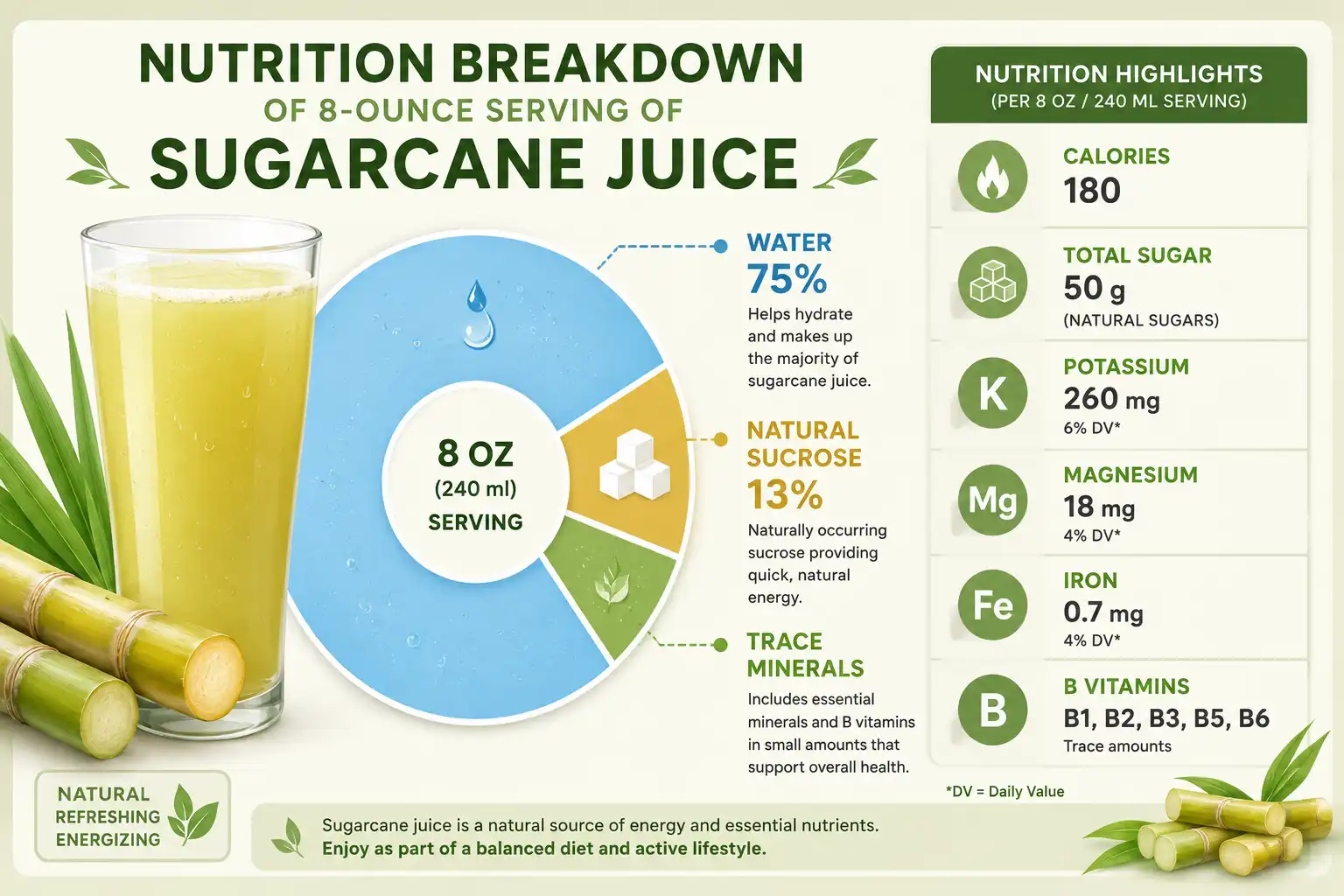
A glass of fresh sugarcane juice runs about 70 to 75 percent water, 13 to 15 percent natural sucrose, and small amounts of soluble fiber and plant compounds. An 8-ounce serving has roughly 180 calories and 50 grams of sugar. You also pull in trace iron, calcium, potassium, magnesium, and B vitamins from the cane.
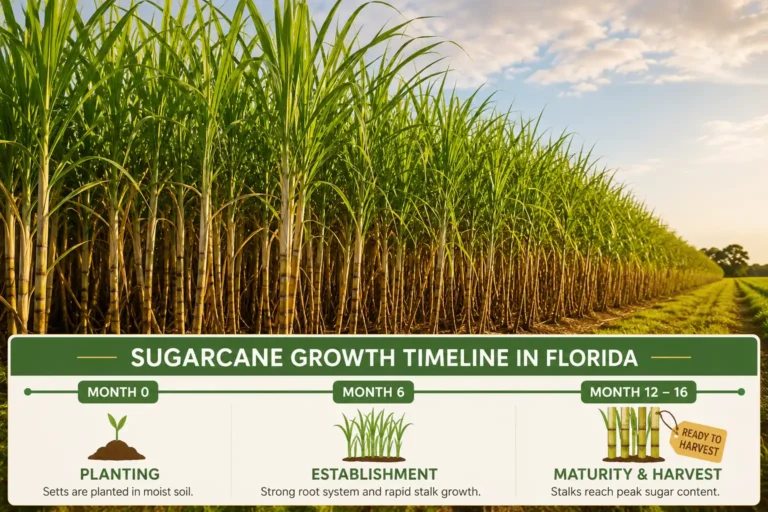
The drink carries polyphenols and flavonoids as well. These antioxidants come from the plant itself. The sugarcane crop builds these compounds during its long 10 to 12 month growing season.
Top Health Benefits of Sugarcane Juice
Fast Natural Energy
Sugarcane juice raises blood sugar quickly because it is mostly sucrose with some glucose and fructose. Field workers, cyclists, and runners use it as a real food alternative to sports drinks. The simple sugars hit the bloodstream within minutes and pull no artificial coloring or preservatives along.
Hydration and Electrolyte Replacement
The juice carries potassium, magnesium, and small amounts of sodium. These electrolytes help the body hold onto water during heat stress. On a hot afternoon, a glass of cane juice can produce a similar effect to a commercial sports drink.
Liver Support
Sugarcane juice is mildly alkaline. Several clinical studies link it to better recovery in jaundice patients because it supports bilirubin clearance and keeps the liver hydrated. The plant antioxidants also lower oxidative load on liver tissue.
Digestive Health
The potassium and small fiber content in fresh cane juice support smoother digestion. People with mild constipation often report relief after a few days of one glass per day. The juice also helps balance stomach acidity for those prone to mild reflux.
Kidney Function
The diuretic effect of sugarcane juice is well documented in traditional medicine. It increases urine output, which helps flush low-level urinary irritation. Some traditional practitioners use it during recovery from mild UTIs, though it is not a replacement for medical treatment.
Skin Health
Sugarcane is a natural source of glycolic acid, an alpha hydroxy acid used in modern skincare. Drinking the juice does not work the same way as topical application, but the antioxidants and trace minerals support skin cell turnover and reduce dullness over time.
Immune Support
Vitamin C, flavonoids, and polyphenols in the juice give the immune system raw material to work with. It is not a cure-all, but a regular small glass adds something useful that processed soft drinks do not.
Sugarcane Juice and Blood Sugar
Sugarcane juice has a glycemic index in the 43 to 58 range, which lands in the moderate zone. The bigger concern is glycemic load. A full 8-ounce glass carries about 50 grams of sugar, which is more than the American Heart Association daily limit for added sugar in just one drink.
People with type 2 diabetes, prediabetes, or insulin resistance should treat sugarcane juice like any other sweet beverage. Either skip it or keep portions very small, around 2 to 3 ounces taken with a meal so the sugar absorbs more slowly.
How Much Sugarcane Juice Is Safe Per Day
For healthy adults, one 6 to 8 ounce glass per day is a reasonable upper limit. Athletes and people doing heavy outdoor work in heat can go a bit higher when they are burning the calories. Children under 12 should stay under 4 ounces, and toddlers should not have it as a regular drink.
Think of it the way you would think of fresh apple cider in the fall. It is real, useful, and seasonal, but it is not a daily quart-sized drink.
Fresh vs Bottled Sugarcane Juice
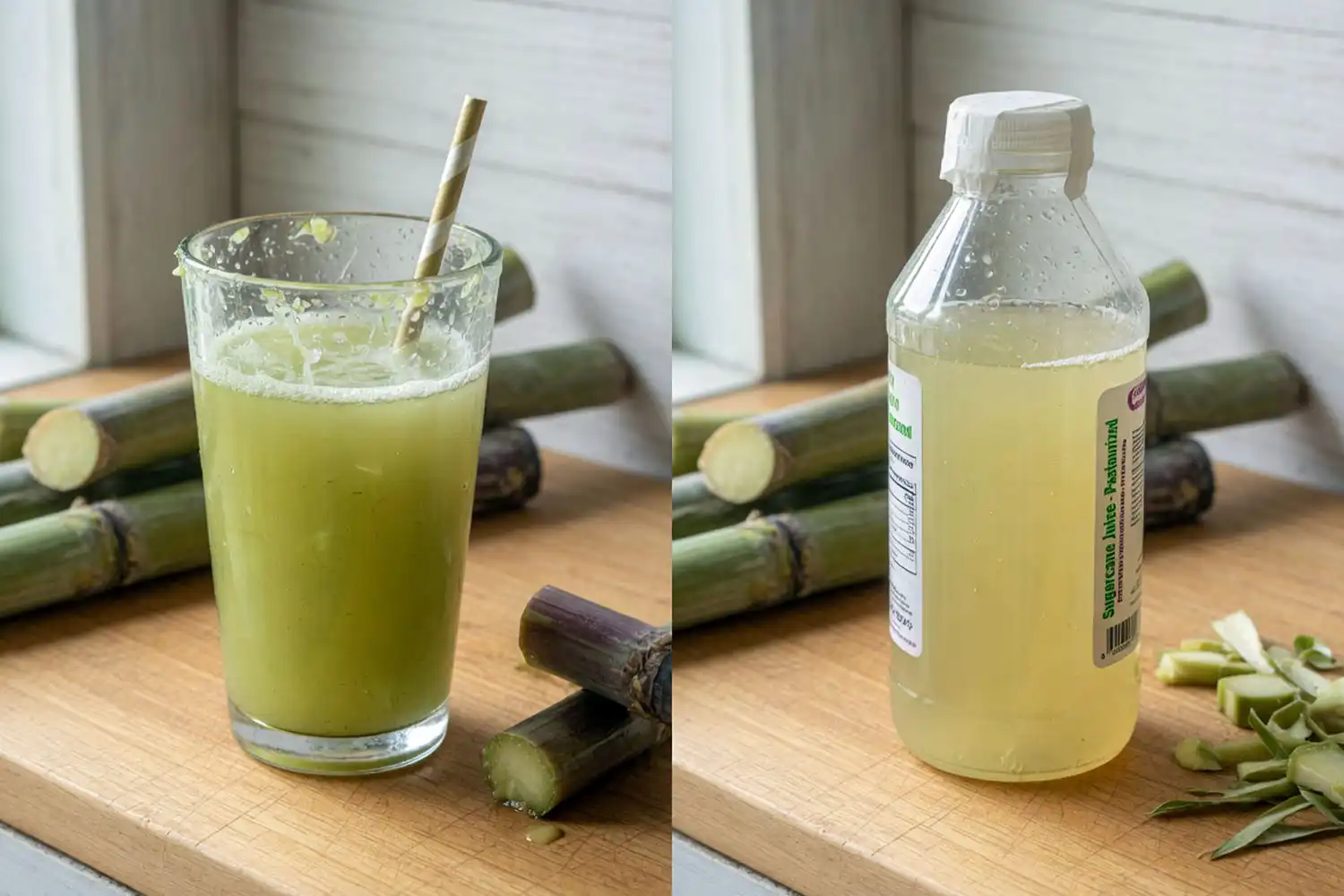
Fresh sugarcane juice keeps almost all of its antioxidants for the first 15 to 20 minutes after pressing. After that, the polyphenols start to oxidize and the flavor turns. Bottled sugarcane juice on the shelf has been pasteurized and is often sweetened or stretched with added water. It loses most of the live plant compounds and gives you little beyond the calories.
If the juice came from a vendor who pressed it in front of you, drink it within the hour. If it is bottled, read the label and expect a different product than fresh.
Best Time to Drink Sugarcane Juice
The best time is mid-morning or right after physical work. The simple sugars give a clear energy lift, and the electrolytes replace what you lost through sweat. Drinking it on an empty stomach in the morning is fine for most people, though some report mild stomach discomfort.
Avoid it late at night. The sugar load can disrupt sleep and the diuretic effect will pull you out of bed.
Who Should Avoid Sugarcane Juice
Avoid or strictly limit sugarcane juice if you have type 2 diabetes, are on a low-sugar medical diet, are recovering from a yeast infection, or have a history of severe dental decay. Pregnant women can drink it in small amounts, but should discuss it with their doctor given the sugar load.
Anyone on blood-thinning medication should also check first. Sugarcane contains policosanol, which has mild anticoagulant activity and may interact with prescribed thinners.
How Sugarcane Juice Compares to Other Sweeteners
Compared to refined white sugar, sugarcane juice keeps the minerals and antioxidants that are stripped out during refining. Compared to honey or maple syrup, it is more watery and lower in calories per serving. Compared to sugar beet juice, the two are nutritionally close at the basic level, but the antioxidant profile differs. The full breakdown on the two crops sits in the post comparing sugar beets and sugarcane.
Where Good Juice Actually Comes From
The cleanest, best-tasting juice comes from cane harvested at full maturity, usually 10 to 12 months in the field. Cane cut too early carries less sucrose and a grassier flavor. If you want to understand the growing cycle, the post on planting sugarcane and the one on sugarcane harvest timing walk through how mature cane becomes the juice you taste at a stand.
For verified nutrition values, the USDA FoodData Central database lists sugarcane juice entries you can cross-check.
Final Words
Sugarcane juice is a legitimate functional drink in small servings. It delivers real energy, supports hydration, and carries plant compounds you simply do not get from bottled sodas or sports drinks. The catch is the sugar load. Treat it like a seasonal treat, drink it fresh within the hour, and pair it with a meal if you are watching blood sugar. That is the honest reading from someone who works around the crop.