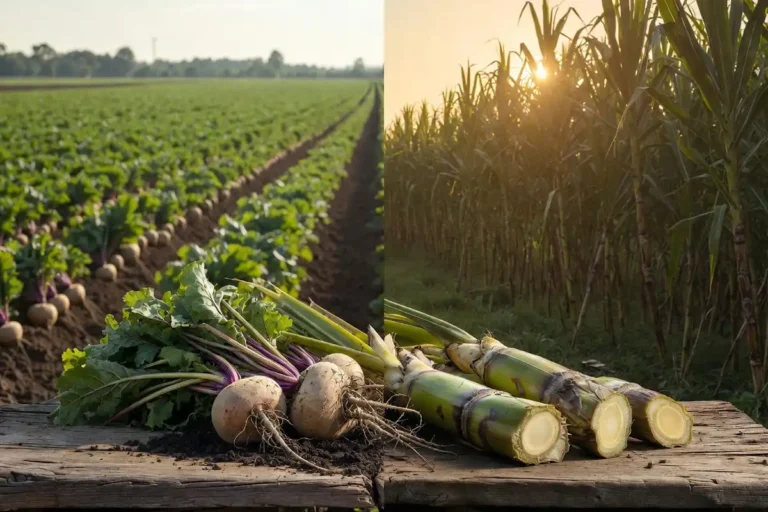
What Is a Sugar Beet: 101 Uses, Plant Parts, and Processing
A sugar beet is a root crop grown for the sucrose stored in its thick taproot, and factories extract that sucrose to make white sugar. This guide explains what sugar beets look like, what they are used for, where they grow best, and how processors turn the root into white crystals. You will also see the key growing steps and the common field problems that can cut yield or sugar quality.
Sugar beet is a cultivated beet plant (Beta vulgaris) grown for sugar. Farmers harvest the large white root, then processors wash and slice it and pull out sucrose in hot-water diffusion. The refined sugar becomes table sugar, and the byproducts (beet pulp and molasses) often go to livestock feed and other uses.
What is a sugar beet?
A sugar beet is a cultivated form of Beta vulgaris grown for the high sucrose content in its root.
The plant builds sugar in the leaves through photosynthesis, then stores that sugar in the taproot. Processors buy the crop based on how much extractable sucrose the roots carry.
If you’re planning to grow sugar beets, tightening your crop farming practices like soil prep, rotation, and early weed control makes a big difference in root size and sugar quality.
What does a sugar beet look like?
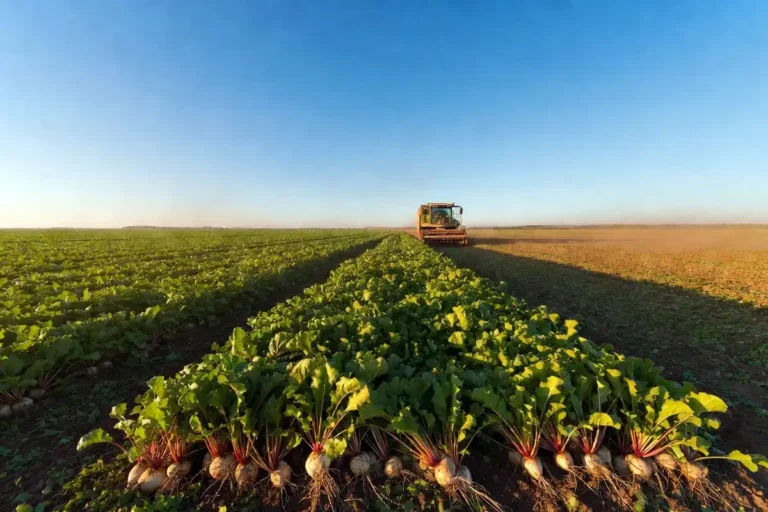
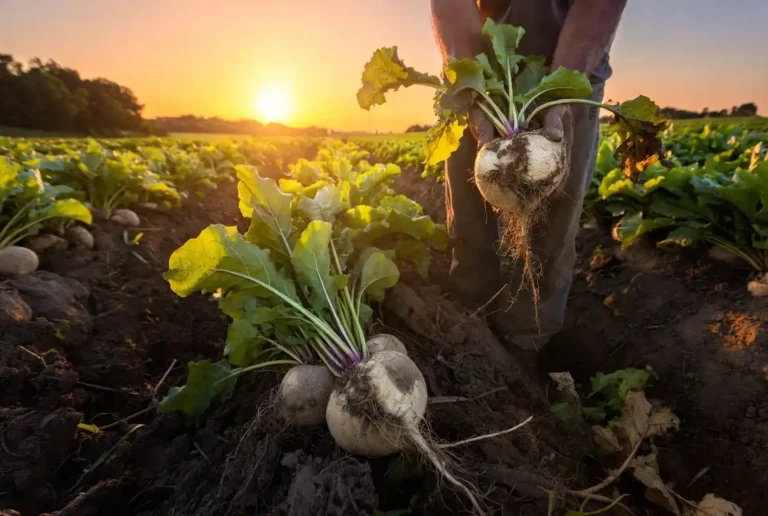
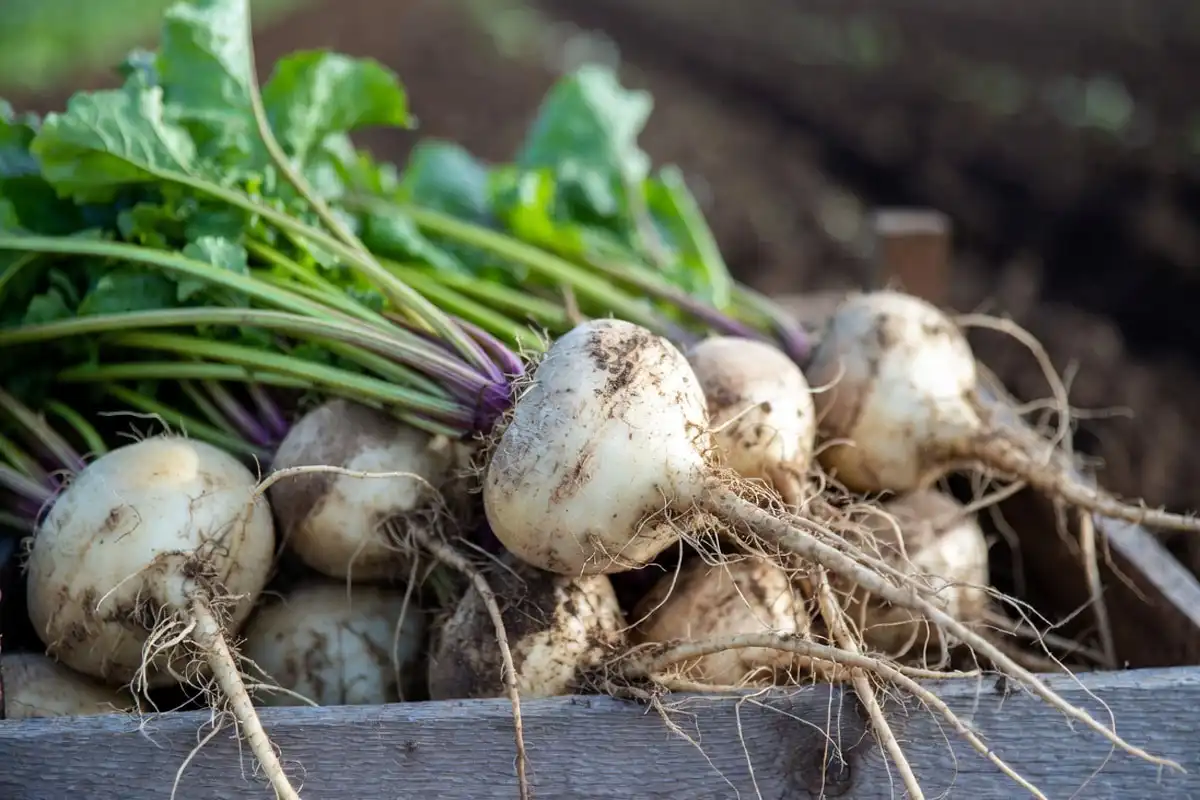
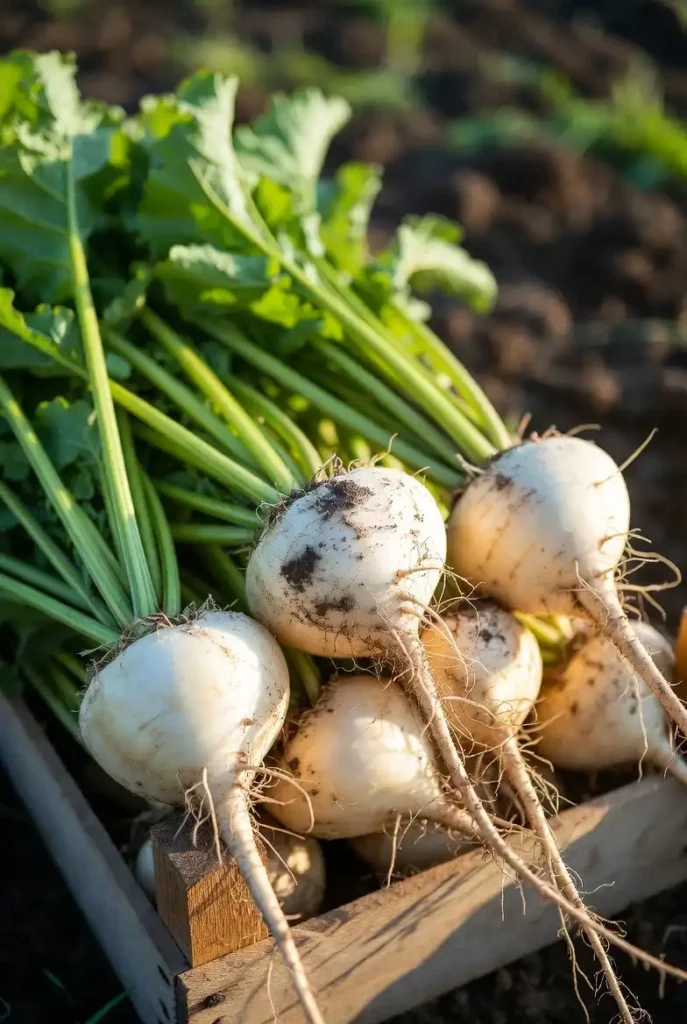
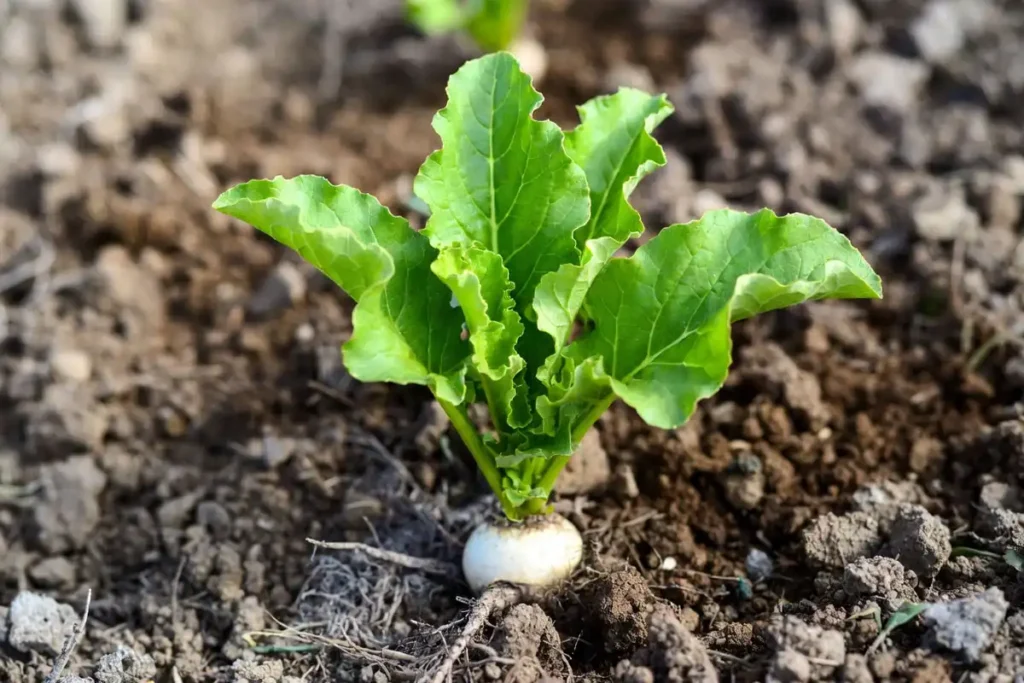
A sugar beet looks like a big, pale turnip-shaped root with a bunch of leafy greens on top. The root is usually white to creamy tan, smooth, and conical or blocky, with a broad shoulder near the top. In the field, you often see the crown sitting slightly above the soil line, and the plant makes a rosette of long, wavy green leaves that spread out close to the ground. See below exactly what a sugar beet looks like in the photo.
What is a sugar beet used for?
Sugar beet is mainly grown to make beet sugar, which becomes the same kind of granulated sugar people use for baking, cooking, and food processing.
It also has valuable byproducts, so the crop rarely goes to waste:
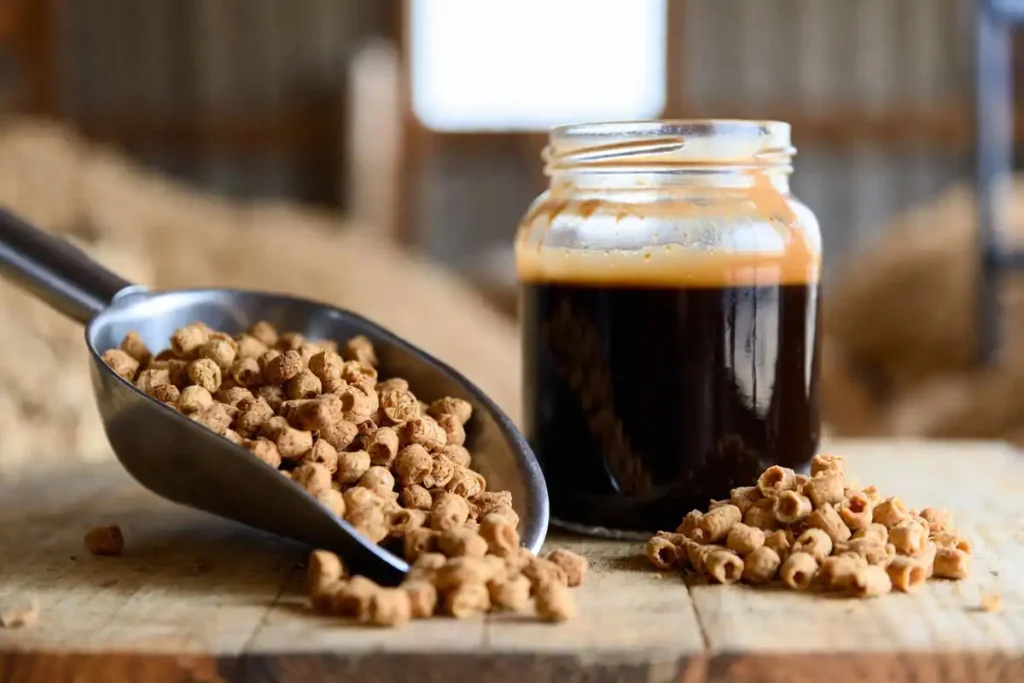
- Beet pulp: commonly used as livestock feed and sometimes in pelleted feeds.
- Molasses: used in animal feed blends and in some industrial and fermentation uses.
- Rotation value: used in crop rotations to spread weed, pest, and disease pressure across years, depending on the farm system.
How is a sugar beet different from table beets?
A sugar beet is bred for sugar yield and factory extraction, not for color or fresh eating.
Here is the practical difference you will notice:
- Root color: Sugar beet roots are usually white to pale and more blocky or conical than red table beets.
- Flavor: Sugar beets taste sweet but milder and more earthy than a good table beet.
- End use: Table beets go to fresh markets. Sugar beets go to a processor for sucrose extraction.
What part of the sugar beet plant gets processed into sugar?
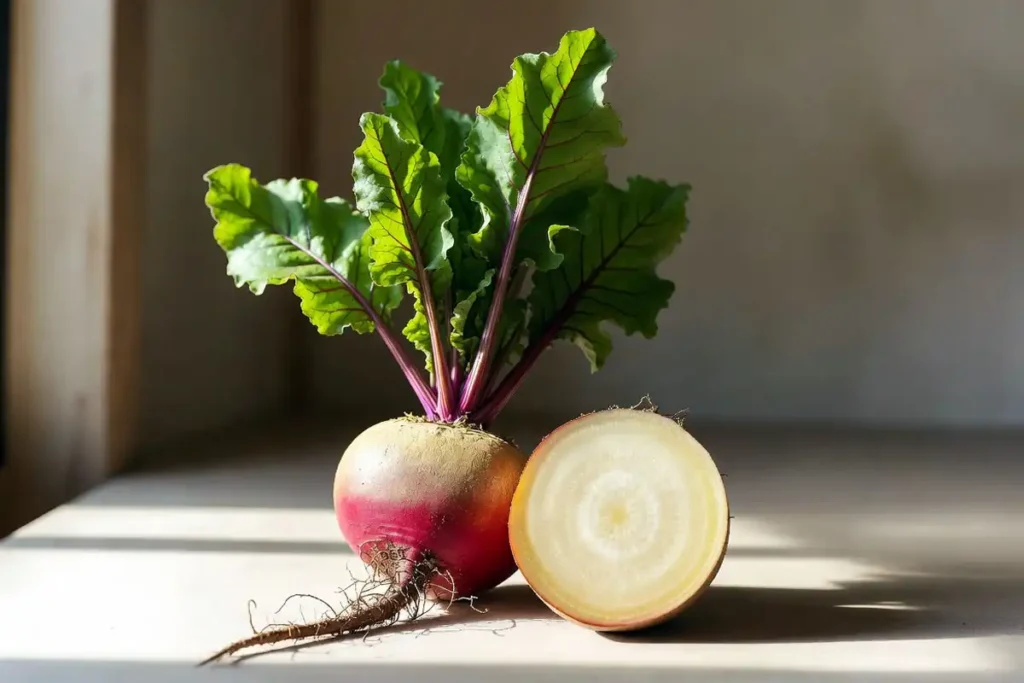
Factories process the taproot (the main root) into sugar. That is the big, white to creamy, smooth, conical root that looks like an oversized, pale parsnip or turnip.
Here is how the plant parts fit together in the field:
- Leaf rosette (the top leaves): This is the solar panel. The leaves do photosynthesis and make sugars.
- Crown (where leaves attach): This sits near the soil surface and connects leaves to the root.
- Taproot (the root): This is the storage tank. The plant moves sugars down from the leaves and stores them here. This is what gets harvested and sent to the factory.
How do factories turn sugar beets into white sugar?
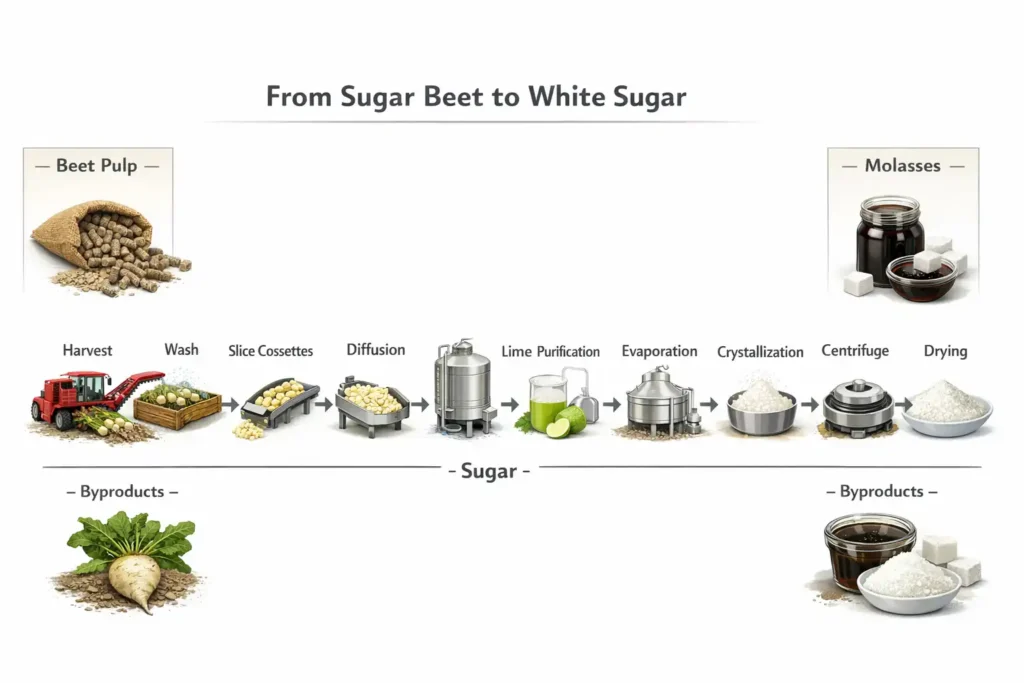
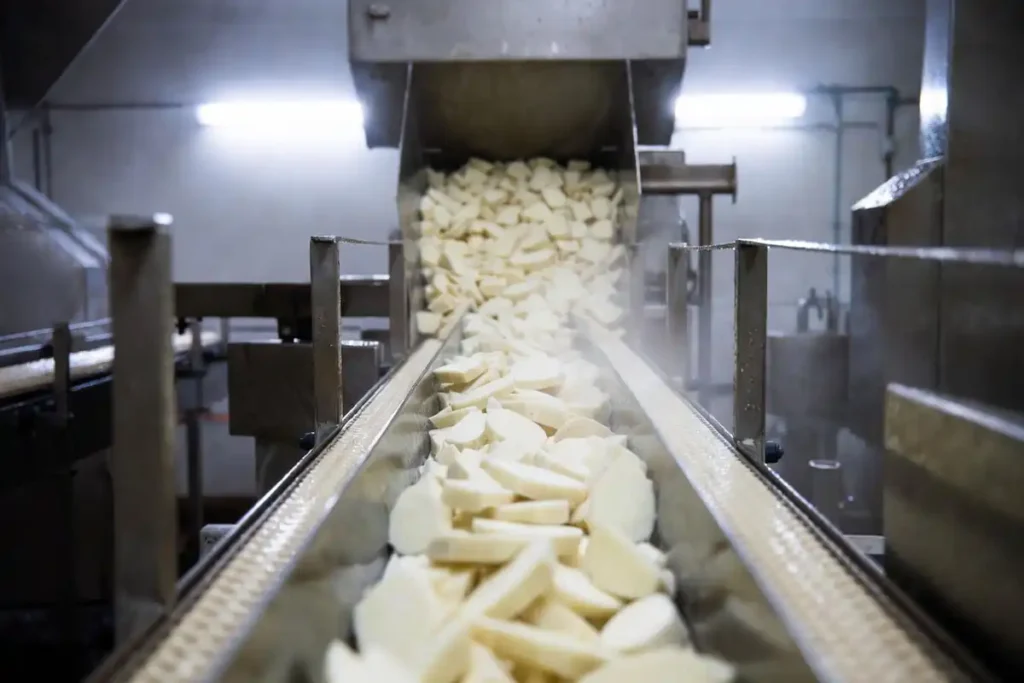
Most beet sugar factories follow the same basic chain from field to crystal:
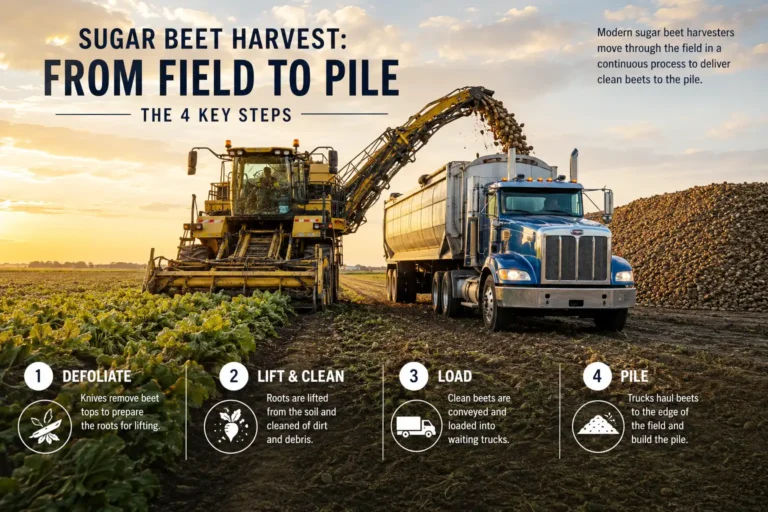
- Harvest: Roots are lifted, topped, and hauled in.
- Wash: Dirt, stones, and plant trash get removed.
- Slice into cossettes: The clean roots are cut into thin strips.
- Hot-water diffusion: Warm water pulls sucrose out of the cossettes into raw juice.
- Purification (lime and carbonation): The juice is cleaned so non-sugars drop out.
- Evaporation: Water is removed to concentrate the juice into syrup.
- Crystallization: Sugar crystals are grown from the syrup.
- Centrifuge: Spinning separates crystals from the remaining syrup.
- Drying and cooling: Crystals are dried into white sugar.
Main outputs:
- White sugar: sucrose crystals.
- Beet pulp: the spent root material, often used for livestock feed.
- Molasses: the remaining syrup after most crystals are removed.
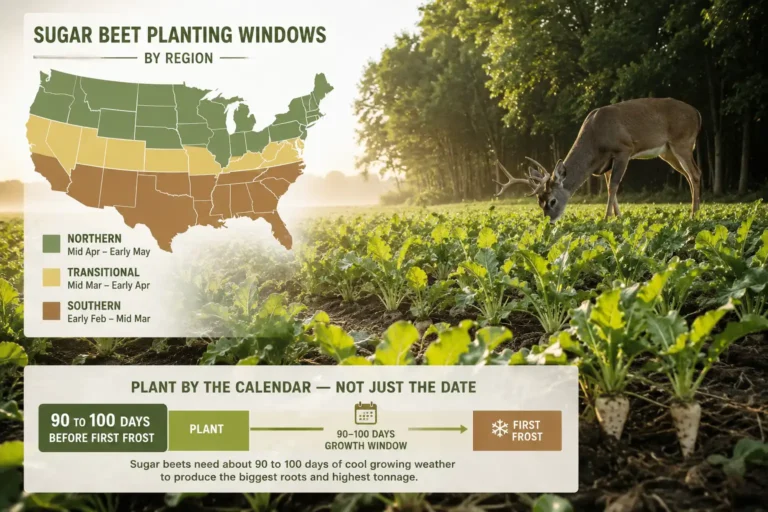
When do farmers plant and harvest sugar beets?
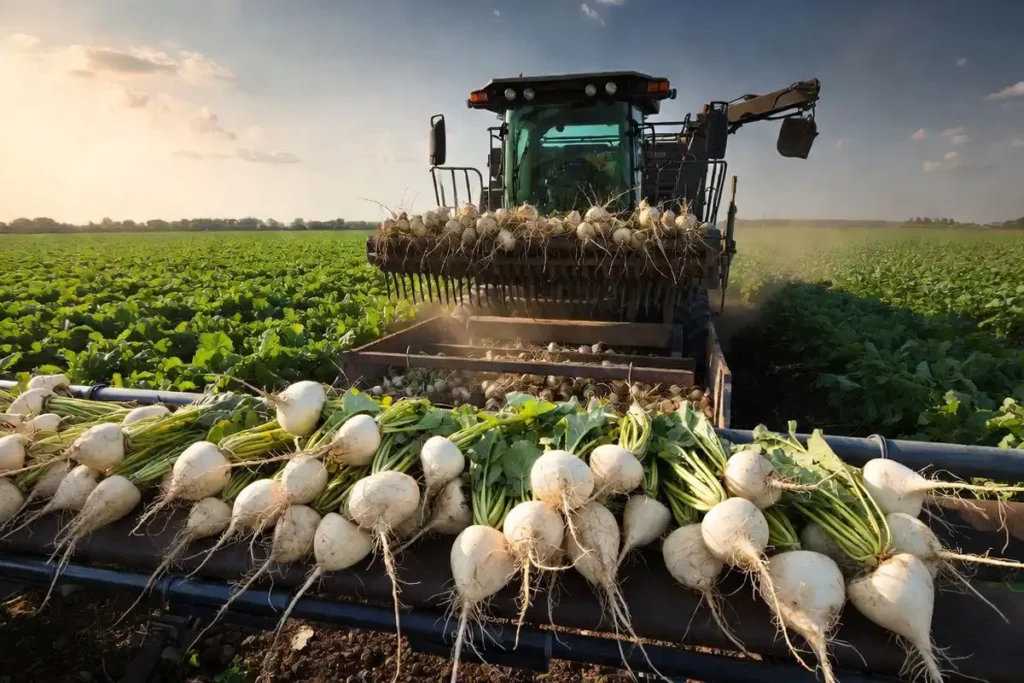
Most growers plant sugar beets in spring and harvest in fall in temperate climates. Sugar beet is botanically biennial, but sugar production harvests the root in year one, before the plant flowers in year two.
If you want a simple seasonal framework, start with a local frost calendar and soil temperature, then build a field-by-field plan. CropFarming’s crop planting calendar helps you map timing against your climate.
Where do sugar beets grow best?
Sugar beets perform best in cooler, temperate zones where summers are not extreme and nights cool down.
Field conditions that usually support strong roots:
- Soil depth and drainage: Deep, well-drained soil helps the taproot expand and lowers root disease pressure.
- Low compaction: Less compaction supports straighter roots and easier harvest.
- Balanced fertility: A soil test gives you a clear plan for pH and nutrients before you spend money on inputs.
How much sugar is in a sugar beet?
At harvest, many sugar beet roots test in the low teens up into the low twenties for sucrose percentage. The exact number depends on variety, weather, soil nutrition, and how clean the root stays through harvest and storage.
On the big picture side, sugar beet is second only to sugarcane as a major source of the world’s sugar.
How do you grow sugar beets step by step?
Sugar beet rewards tight management early, then steady protection through canopy and root fill.
- Pick a clean field and rotation slot. Rotate away from problem crops and keep disease carryover low. Read this crop rotation planning guide to map a workable sequence.
- Test soil, then correct the big limits first. Soil tests guide pH and nutrient decisions and reduce guesswork. Start with this soil testing workflow and act on the top one or two constraints.
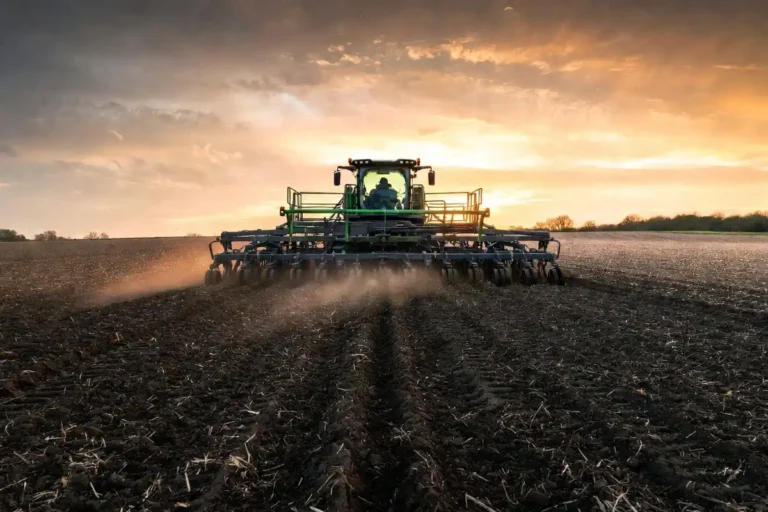
- Prepare a firm, even seedbed. Sugar beet seed needs steady moisture contact. A level seedbed also helps later weed control.
- Plant for a uniform stand. Aim for even depth and solid seed-to-soil contact. Late plants rarely catch up.
- Feed the crop to build leaf area, then root fill. Avoid pushing excess nitrogen late in the season, because it can reduce sugar concentration and raise impurities.
- Control weeds early and consistently. Weeds steal light and moisture when beets are small. Build a season plan with this weed control guide.
- Scout pests and diseases with a plan. Sugar beet problems arrive in waves. Follow this IPM scouting approach so you act on time.
- Harvest at the right maturity and handle roots gently. Harvest timing affects recoverable sugar and storage losses. Read this harvest timing checklist to line up maturity, weather, and labor.
What solutions raise sugar beet yield and sugar quality?
Sugar beet yield and sugar recovery improve when you tighten the basics that drive leaf growth and protect roots late.
- Uniform emergence: Fix planter setup, seedbed firmness, and residue issues first.
- Balanced nutrition: Keep nitrogen in balance so the crop fills roots instead of staying too leafy.
- Early weed control: Win the first half of the season so the canopy closes clean.
- Harvest logistics: Reduce bruising and delays that warm roots and raise storage losses.
Troubleshooting: common sugar beet problems and fixes
Poor stand and patchy emergence
Poor stands usually trace back to uneven planting depth, crusting, cold soils, or clods that keep seed from holding moisture.
What to do next:
- Check depth and seed-to-soil contact in the weak zones.
- Dig seed to confirm whether it germinated, dried out, or rotted.
- Fix compaction or residue bands that dry out rows.
Early bolting or flowering
Bolting shows up when young plants take a cold trigger, then warm back up.
What to do next:
- Review planting date and variety fit for your climate.
- Avoid planting into a cold snap when you can.
- Rogue bolters early so they do not drop seed.
Weed escapes above the canopy
Tall weeds late in the season shade leaves and cut sugar building.
What to do next:
- Identify the weed species and when it escaped control.
- Adjust next year’s early passes so you hit that window.
- Clean up field edges so seed does not keep blowing back in.
Leaf disease that thins the canopy
Leaf spots and blights reduce photosynthesis, which reduces sugar stored in the root.
What to do next:
- Confirm the disease with local extension or a trusted crop adviser.
- Rotate away from host crops and manage residue where the disease overwinters.
- Time control measures early, before the canopy gets heavily damaged.
Root rot and soft roots
Root rots usually increase with wet soils, compaction, and harvest damage.
What to do next:
- Improve drainage and reduce compaction in problem zones.
- Handle roots gently at harvest and during piling.
- Avoid leaving roots in warm, muddy piles for long periods.
Avoid these common sugar beet mistakes
Small misses stack up fast in sugar beets. These are the ones most often:
- Planting into a rough, cloddy seedbed that dries out unevenly.
- Letting weeds get ahead before the crop can shade the row.
- Skipping soil testing, then guessing fertilizer rates.
- Running harvest equipment too aggressive and bruising roots.
- Piling roots where heat and poor airflow raise spoilage risk.
Safety notes for sugar beet work
Sugar beet work mixes heavy equipment, chemical handling, and hand work close to moving parts. A few habits prevent most injuries:
- Equipment: Stay clear of lifters, toppers, and conveyors. Lock out moving parts before you clear a plug.
- Pesticides and seed treatments: Follow the label, wear the PPE listed, and avoid skin exposure.
- Lifting and handling: Use mechanical help for bulk roots and bags. Lift small and steady to protect your back.
- Storage piles: Keep people off steep piles and away from loaders. A rolling root pile can trap a person fast.
FAQs about Sugar Beet
Where are sugar beets commonly grown?
What products and byproducts come from sugar beets?
Why do sugar beets matter in farming and the food supply?
What part of the sugar beet plant is used to make sugar?
How is sugar extracted from sugar beet roots?
Are sugar beets genetically modified?
Can sugar beets be used for anything besides sugar?
Final Thoughts
Sugar beet is a beet crop bred to store sucrose in its root, then deliver that sucrose efficiently to a processor. It grows best where temperatures stay moderate, soils drain well, and early weed control stays consistent. When you manage stand, soil, weeds, and harvest handling as one connected system, sugar beets pay you back in both tonnage and recoverable sugar.