What Types of Lettuce Are in Spring Mix (and What Isn’t)
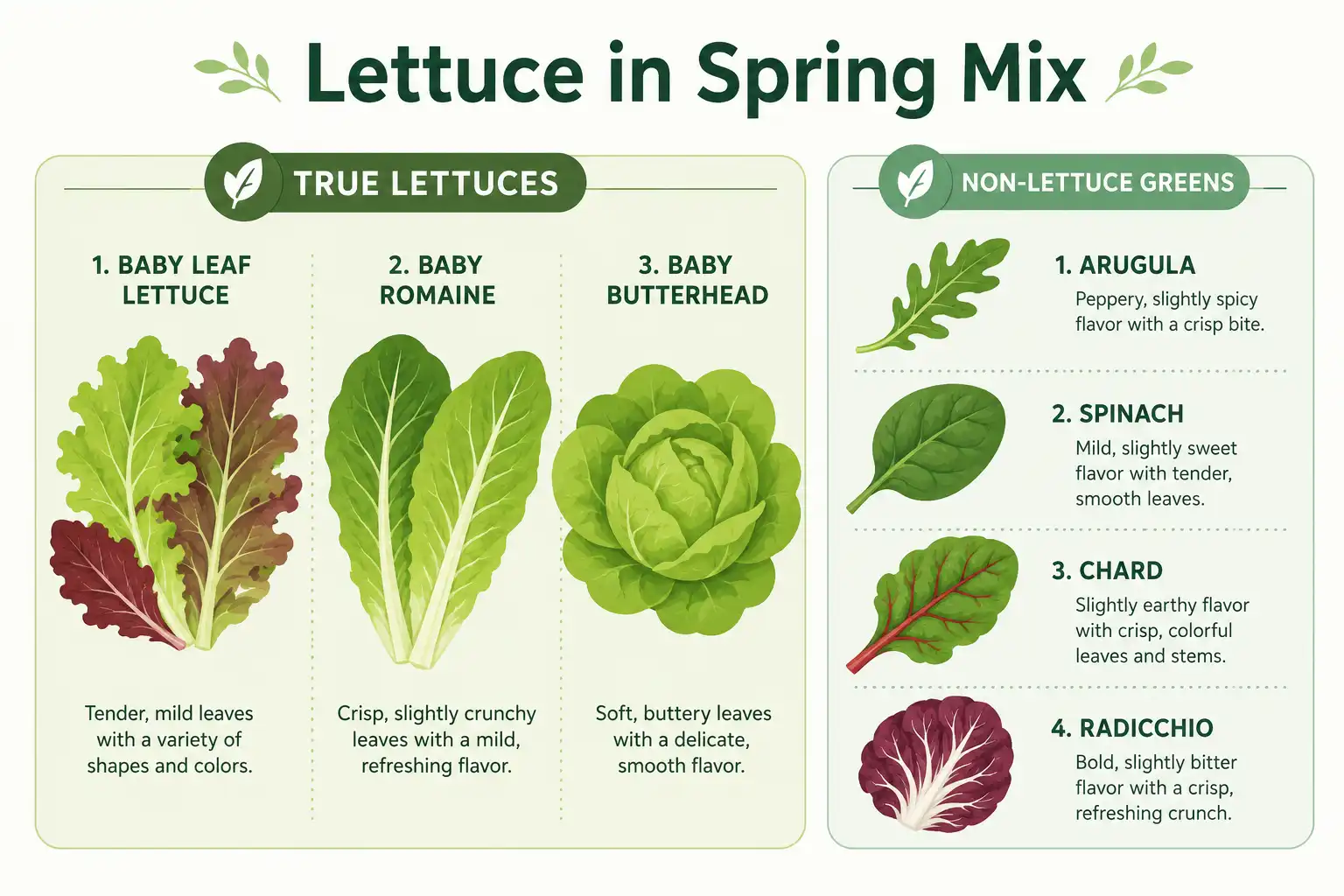
Open a clamshell of spring mix and you are holding a blend of young greens, not a single crop. Knowing what types of lettuce are in spring mix helps you taste, buy, and even grow it better. Most of it is tender leaf, romaine, and butterhead lettuce.
The types of lettuce in spring mix are baby leaf, romaine, and butterhead. The leaf group includes green leaf, red leaf, oakleaf, and lollo rossa. Growers blend these true lettuces with greens like arugula and spinach.
What Is Spring Mix Made Of?
Spring mix is made of young, tender leaves cut from several kinds of lettuce and other salad greens. Growers harvest these leaves early, usually 10 to 21 days after sowing, while they are small and mild. That baby-leaf stage is the whole point. Young leaves stay sweet and soft, so the blend tastes gentler than a full head of lettuce.
You will also see spring mix sold as mesclun or mixed baby greens. The idea started in the Nice region of France, where farmers cut a mix of wild greens for the table. Today the USDA tracks spring mix as its own salad category. The exact recipe shifts with the season and the supplier.
What Types of Lettuce Are in Spring Mix?
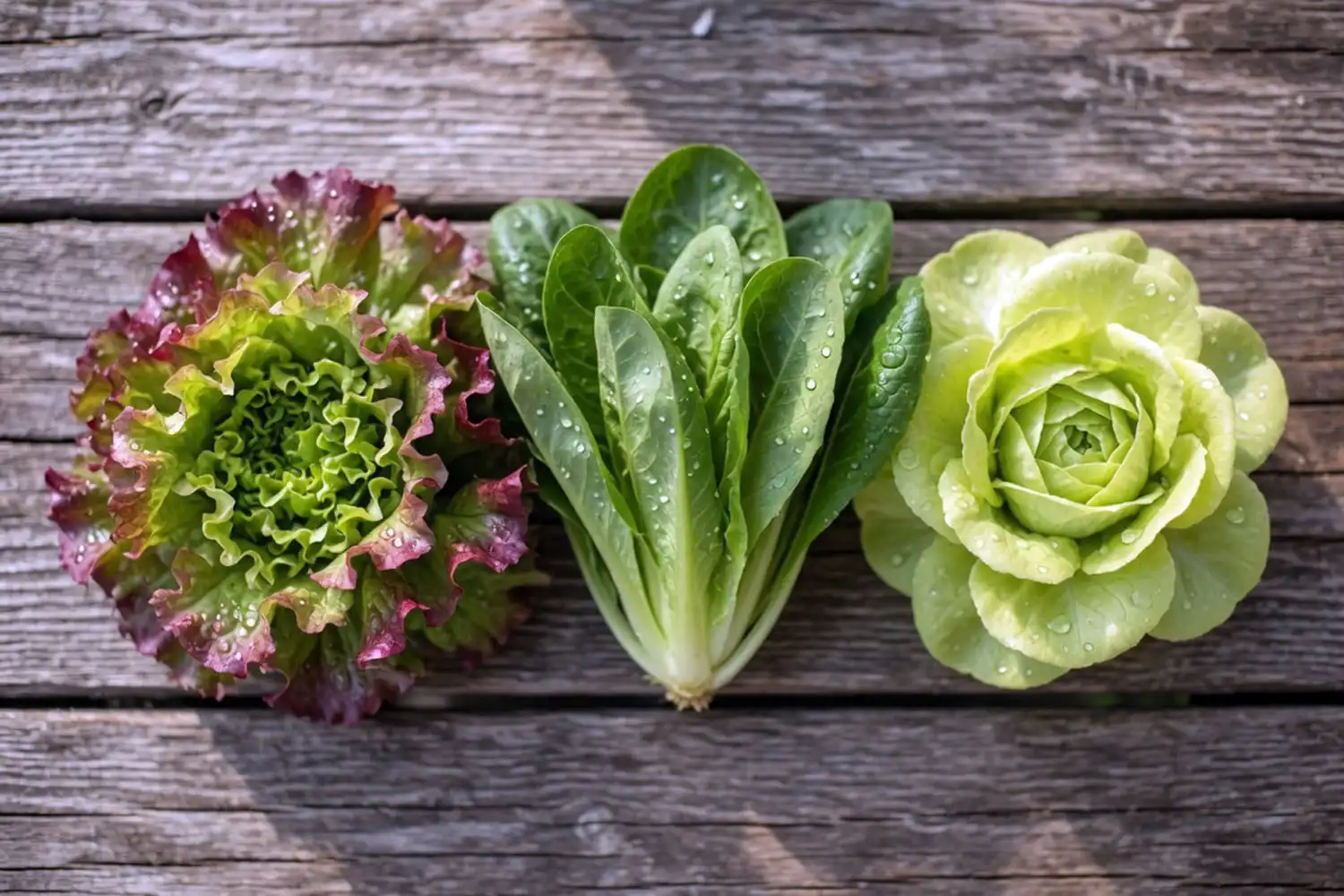
Spring mix usually includes three lettuce types: leaf lettuce, romaine, and butterhead. All three are forms of Lactuca sativa, the species farmers call true lettuce. Each one shows up in green and red versions, which gives the blend its color range.
Leaf Lettuce (Red and Green)
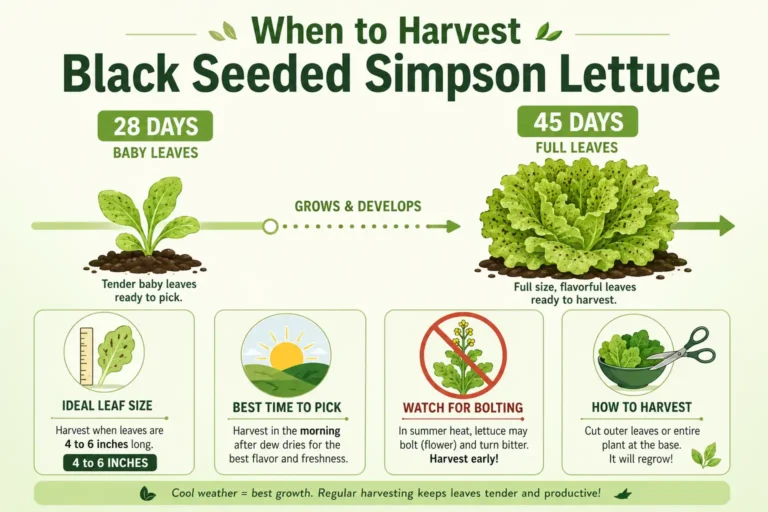
Leaf lettuce is the backbone of any spring mix. This loose-leaf type never forms a tight head. So the leaves grow fast and cut clean at the baby stage. You get green and red leaf lettuce, plus ruffled cousins like oakleaf, lollo rossa, and tango. Common named varieties include Black-seeded Simpson, Red Sails, and New Red Fire.
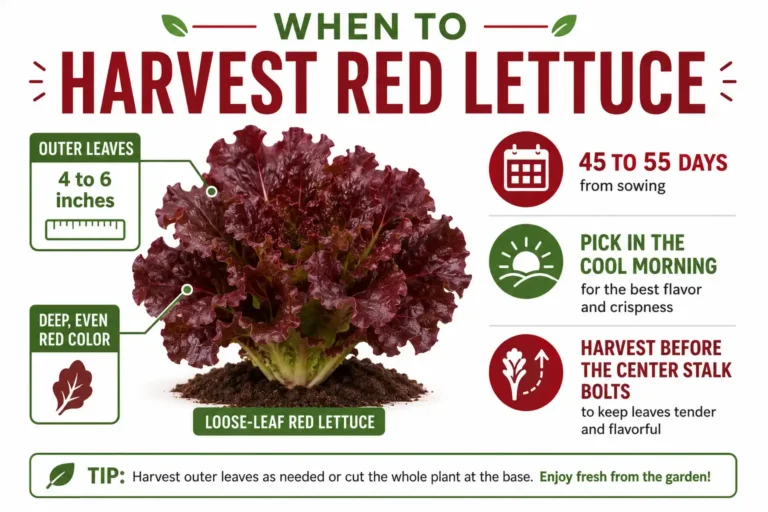
Green leaf tastes mild and slightly sweet. Red leaf adds a gentle bitter edge and deep color. You can grow these crisp leaves easily at home. In fact, growing red leaf lettuce is one of the simplest places to start.
Baby Romaine (Cos)
Baby romaine brings crunch and structure to spring mix. Romaine, also called cos, grows upright with sturdy ribs, even when picked young. Cut small, it holds its shape in the bag and adds a clean snap to each bite.
You will find both green and red romaine in the mix. Mini types like Little Gem fit the baby-leaf format well. Romaine can bolt fast in heat. So if you grow your own, growing romaine from seed takes a little timing.
Butterhead (Bibb and Boston)
Butterhead lettuce gives spring mix its soft, tender leaves. This loose-heading type has thick, smooth leaves with a mild, buttery taste. Bibb is the smaller form, while Boston grows a bit larger and looser.
Both add a delicate texture that balances the crisp romaine. Buttercrunch is a favorite cultivar for its sweet heart and heat tolerance. For sweet, tender heads at home, growing Bibb lettuce rewards a little patience.
What About Iceberg?
Iceberg almost never appears in spring mix. Iceberg is a crisphead lettuce that forms a dense, round head only when fully grown. At the baby stage it has little flavor and pale color. So it adds nothing to a blend built on variety. That is why packers leave crisphead types out and stick with leaf, romaine, and butterhead.
What Other Greens Are in Spring Mix Besides Lettuce?
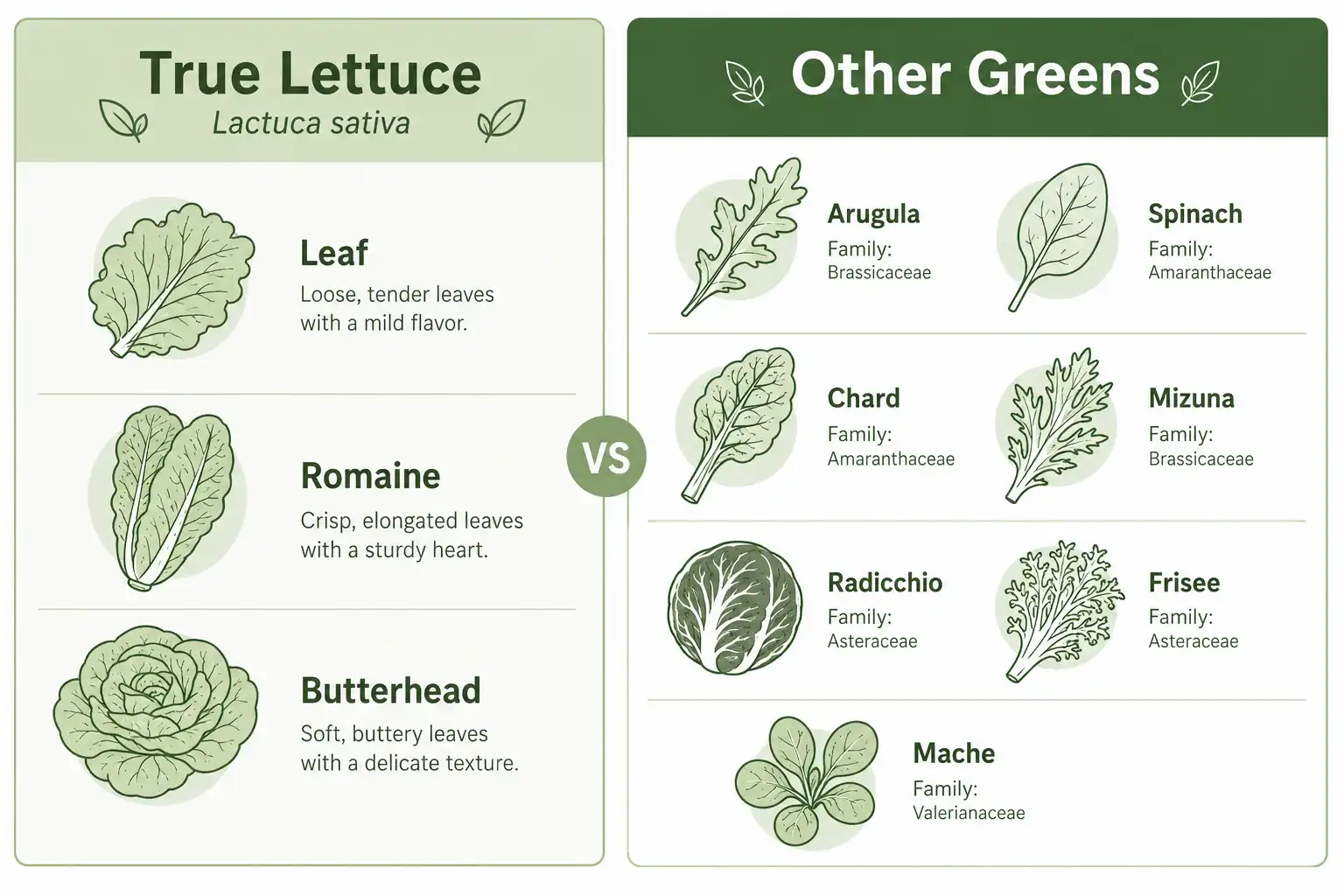
Many greens in spring mix are not lettuce at all. They come from separate plant families, which is why the blend offers such a wide flavor range. Knowing the difference helps if you have an allergy or just want a milder bag.
Here is what often rides along with the lettuce:
- Arugula is a peppery green in the mustard family, not a lettuce.
- Spinach is its own crop entirely, mild and tender as a baby leaf.
- Swiss chard and beet greens add red stems and an earthy taste.
- Mizuna, tatsoi, and mustard greens come from the brassica family and bring a sharp bite.
- Radicchio and frisee belong to the chicory family and add bitterness.
- Mache, sometimes called lamb’s lettuce, is nutty and soft but not a true lettuce.
Spinach is one of the most common add-ins. And pairing spinach with lettuce works in the garden too, since both like cool weather.
Is Spring Mix the Same as Mesclun?
Spring mix and mesclun are close, but not identical. Mesclun is the original French blend, traditionally chervil, arugula, leaf lettuce, and endive. Some mesclun mixes also fold in herbs and edible flowers for extra aroma.
Spring mix is the American supermarket version of that idea. It leans on baby lettuces and tender greens, usually without the herbs. Still, most stores use the two names for the same thing. So the label and the bin often agree.
What Does Spring Mix Taste Like?
Spring mix tastes like a balance of sweet, peppery, and slightly bitter greens. About half the blend stays mild and sweet, which comes from the leaf, romaine, and butterhead lettuce. The rest adds contrast.
Arugula and mustard greens bring the pepper. Radicchio and frisee bring the bitter edge. Spinach and chard sit in the middle, earthy and soft. That mix of notes is why one forkful can taste sweet and the next can taste sharp.
Can You Grow Your Own Spring Mix?
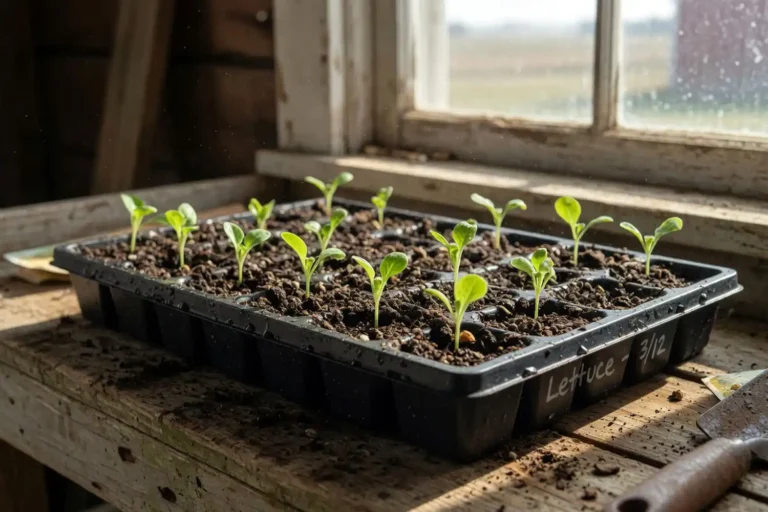
Yes, spring mix is one of the easiest blends to grow yourself. You can buy a premixed mesclun seed packet or blend your own lettuce and greens to taste. Sowing thick in a wide band lets the leaves crowd together and stay small.
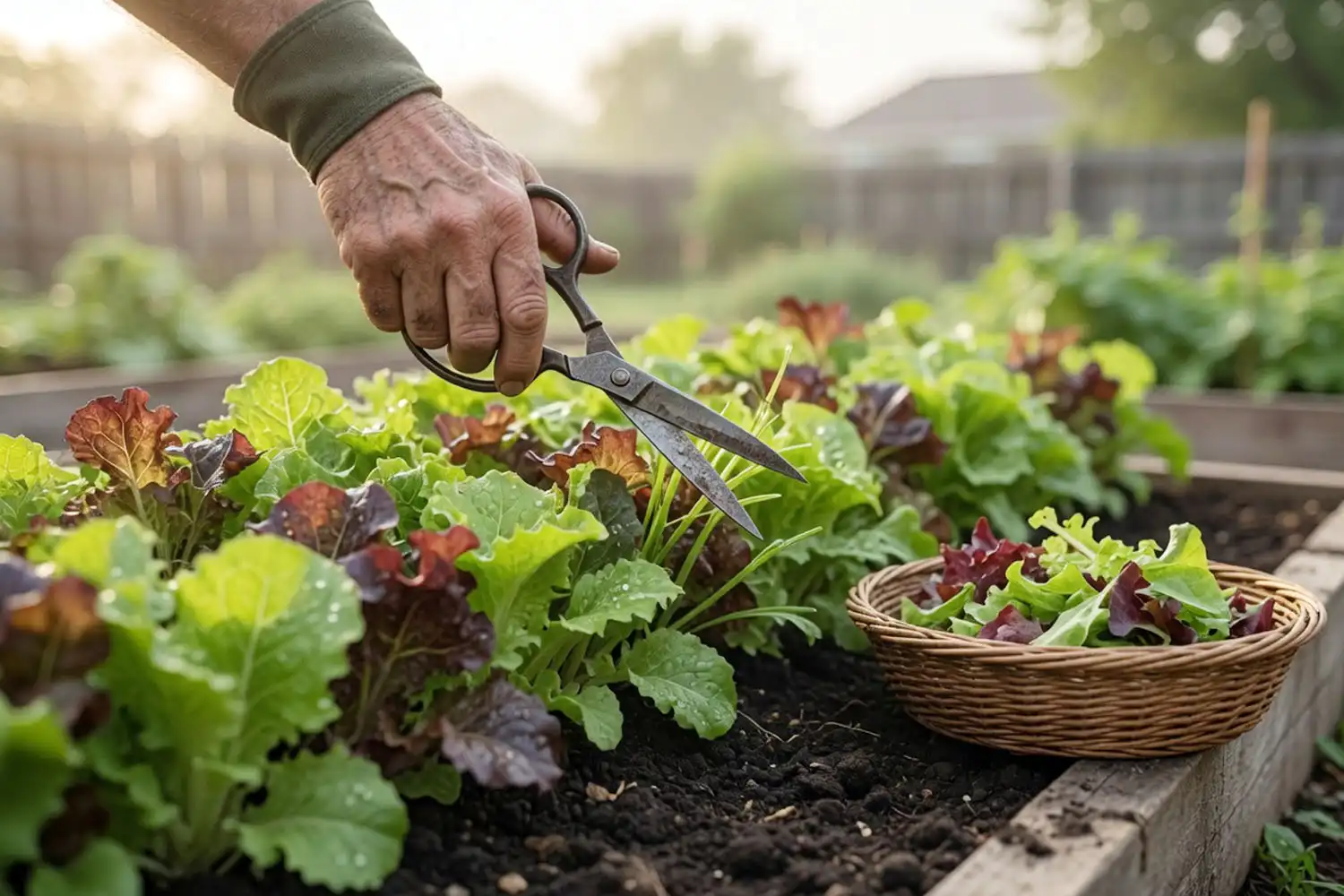
Cut the first leaves at the baby stage, around three weeks after planting. Snip an inch above the crown and the plants push new growth. That way you keep harvesting from the same bed. Sow a fresh patch every two weeks, so run short.
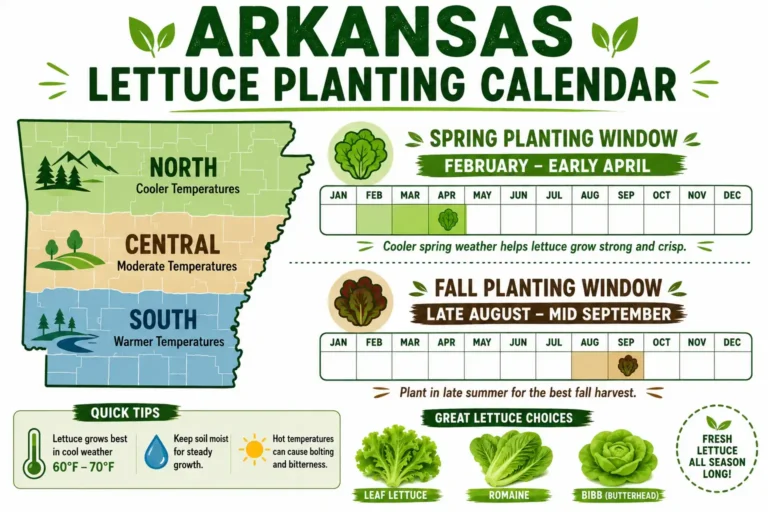
Cool weather keeps everything sweet, so spring and fall are prime windows. Once you get the rhythm of harvesting your own mesclun, a small bed can feed you for a month. New gardeners often start with growing lettuce at home before mixing in the spicier greens.
What to Keep in the Salad Beds
Spring mix is really a team of baby greens, and the lettuce part is leaf, romaine, and butterhead. The other greens, from arugula to radicchio, fill in the flavor and color. Once you can read the blend, you can buy a bag you like or grow one that fits your taste. For me, a wide band of mixed leaf lettuce with a little arugula does the job all spring.