How Much Sunlight Does Lettuce Need Each Day (2026 Guide)
Lettuce is one of the easiest crops to grow, but light trips up plenty of new growers. So how much sunlight does lettuce need? Not the all-day sun other crops crave. It wants steady light and a break from summer heat.
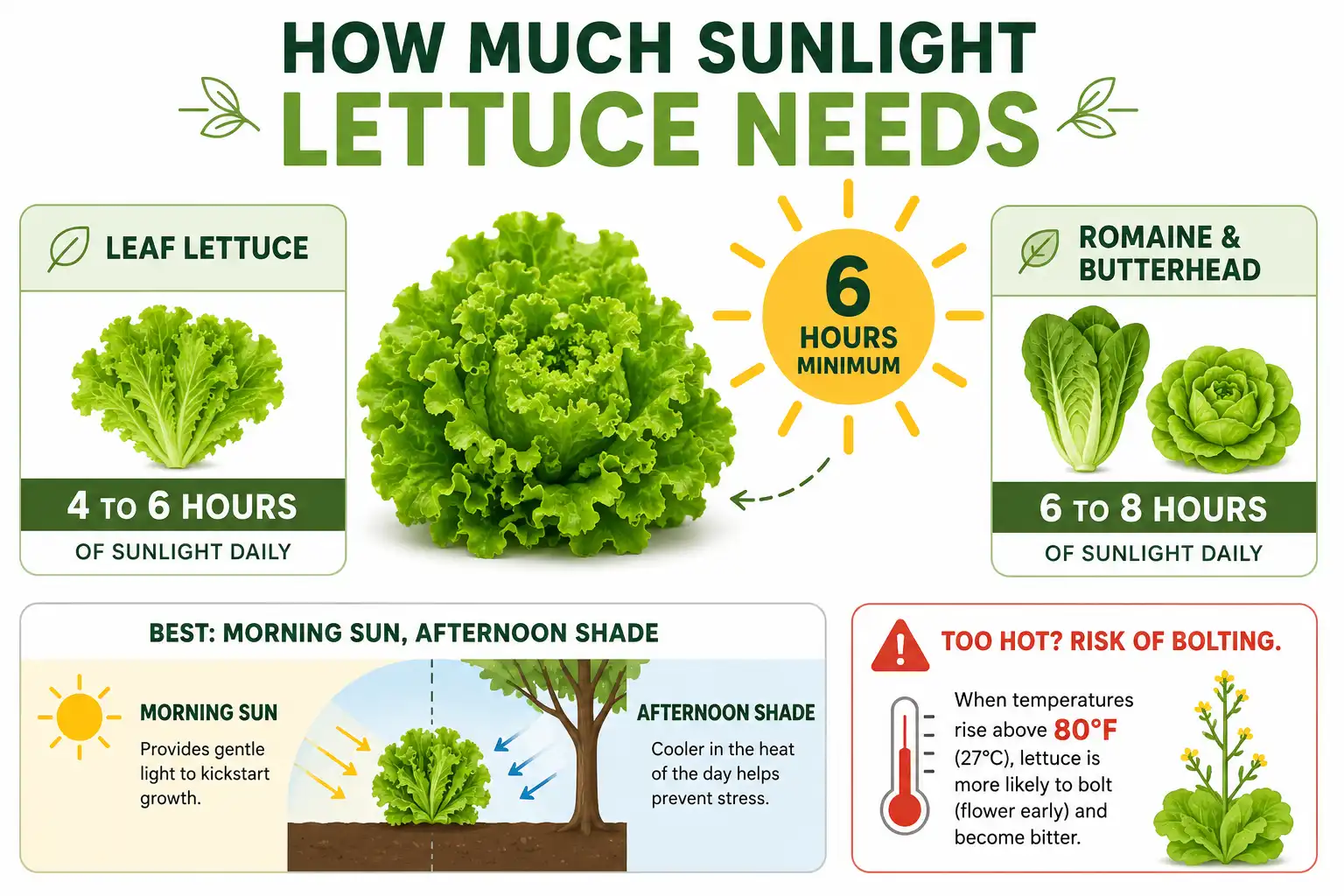
Lettuce needs at least 6 hours of sunlight a day, though leaf types do fine on 4 to 6 hours. Give it full sun in spring and fall, then afternoon shade once summer heat brings on bolting and bitterness.
How Much Sunlight Does Lettuce Need Each Day?
Lettuce needs about 6 hours of direct sun a day to grow well. Leaf types get by on 4 to 6 hours, while heading types like romaine want closer to 6 to 8. That light drives photosynthesis, which is how the plant turns sun into the sugars that build tender leaves.
The University of Maryland Extension lists lettuce as a crop that tolerates partial shade but does best in full sun during spring and fall. So 6 hours is the floor, aiming a little higher when the weather stays cool. Lettuce (Lactuca sativa) is a cool-season green, so it does not want the all-day sun that tomatoes or peppers demand.
Less light slows growth. Leaves come in thin and pale, and heads take longer to fill. More light speeds things up, but only to a point. Once heat climbs along with that extra sun, the plant starts to suffer.
Learn more: How to grow lettuce easily
Does Lettuce Need Full Sun or Partial Shade?
Lettuce wants full sun in spring and fall, then partial shade once summer heat arrives. The seasons decide the answer more than the plant does.
In cool months, full sun gives you fast, sweet growth. Spring and fall beds sit in open sun and the lettuce loves it. But by late June, that same sun cooks the soil and stresses the roots. So summer lettuce does well shifted into spots that catch morning sun, then sit in shade by afternoon. Morning light is gentler, and the break from the hot afternoon sun keeps leaves crisp.
How Much Sun Do Different Lettuce Types Need?
Sun needs change by type, so match your spot to what you grow. Loose-leaf lettuce needs the least light. Heading types need the most.
Leaf Lettuce
Leaf lettuce does fine on 4 to 6 hours of direct sun, which makes it the most forgiving type for a shady yard. Varieties like Black Seeded Simpson and Salad Bowl keep producing even with filtered light. So it helps to use leaf types whenever a bed gets only part-day sun.
Romaine and Butterhead
Romaine and butterhead want 6 to 8 hours to form solid heads, but they still bolt fast in heat. Buttercrunch holds up better than most once temperatures rise. If you grow romaine in summer, plan ahead to keep romaine from bolting by giving it afternoon shade and steady water.
Crisphead and Iceberg
Crisphead types like iceberg are the fussiest. They want full sun, yet they also need cool temperatures to head up tight. That combination is hard to hit, which is why iceberg struggles in a hot Kansas July. Salinas and Great Lakes are common crisphead picks.
Why Does Too Much Sun Make Lettuce Bolt?

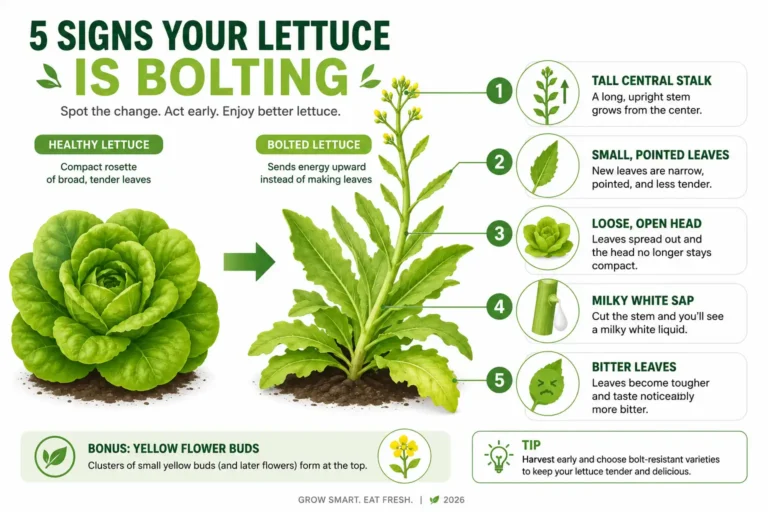
Too much sun and heat push lettuce to bolt, which means it sends up a tall seed stalk and the leaves turn bitter. Two things trigger it: high temperatures and long, intense light.
Bolting usually starts once temperatures pass 70°F, then it speeds up fast above 80°F. The sun adds to the problem by heating both the air and the soil. Because lettuce has shallow roots, hot soil stresses the plant quickly. So cooling the soil buys you time. Iowa State University Extension flags lettuce, along with spinach and carrots, as a cool-season crop that turns bitter and bolts under days of excessive heat.
Once a plant bolts, the leaves stay bitter and you cannot reverse it. The fix is prevention: shade, water, and good timing before the heat hits.
How Do I Protect Lettuce From Too Much Summer Sun?
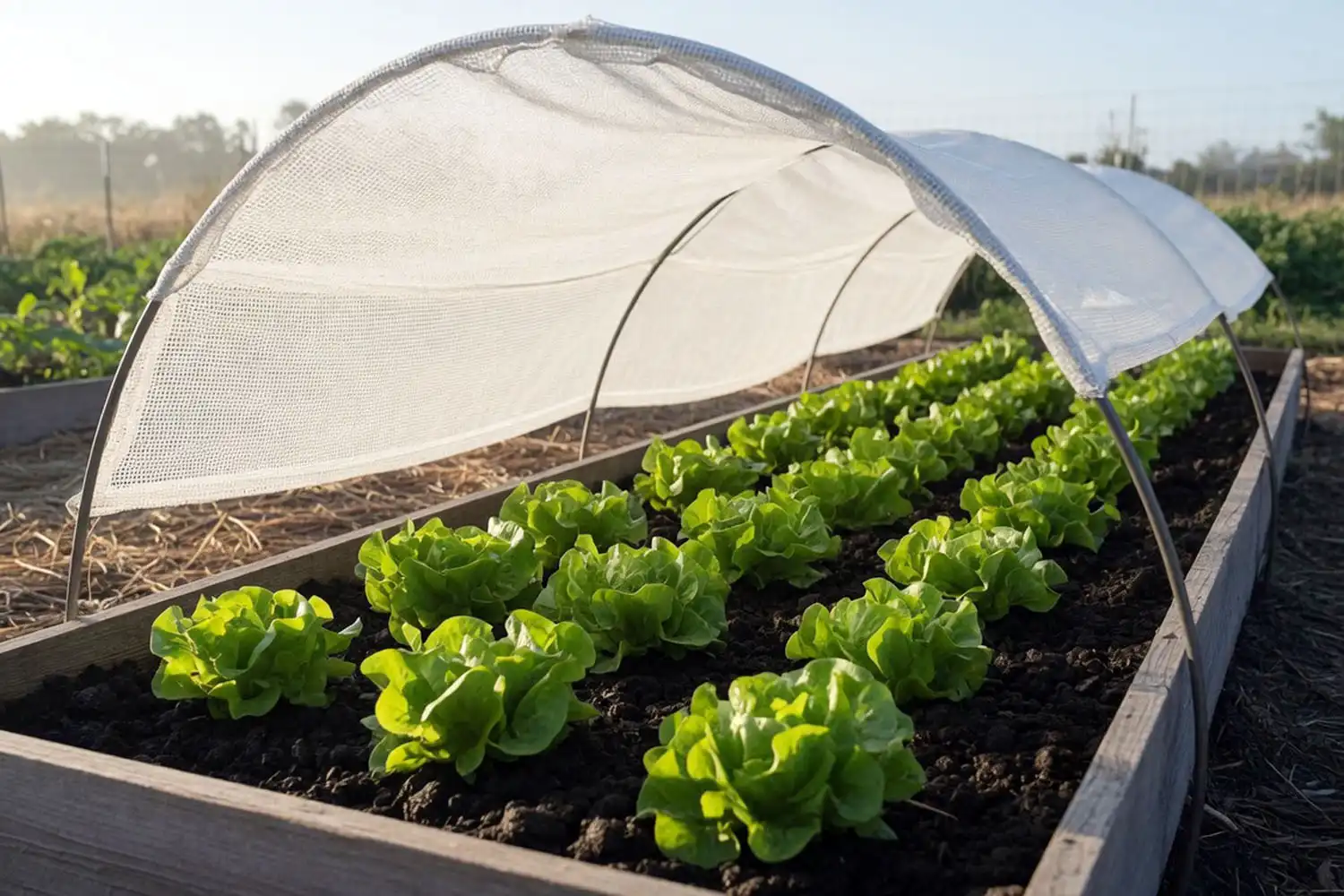
Use 30 to 50 percent shade cloth, or grow lettuce on the east side of taller crops. Both cut the harsh afternoon sun while still letting morning light through.
Iowa State recommends a 30 to 50 percent shade cloth for vegetable crops in heat. Keep it above the plants so it does not touch the leaves. Run shade cloth over the summer beds on a simple hoop frame. Growers near Kansas City even worked with Kansas State University to push cool-season greens deeper into summer, using shade and cool, moist soil together. Another trick is companion shade. Planting lettuce on the east side of sweet corn or tomatoes lets the tall crop block the afternoon sun.
Timing matters just as much as shade. Lettuce planted at the right point in the season dodges the worst heat altogether, and getting your lettuce planting timed right is half the work of a sweet crop. In Kansas zone 6a, push hard in spring and fall. You can also grow lettuce through the winter under cover when the summer sun is too much to fight.
Containers help too. Keep a few pots of lettuce you can slide into shade on the hottest afternoons.
Can Lettuce Grow in Shade?
Yes, lettuce handles partial shade better than nearly any other vegetable, though full shade slows it to a crawl. Three to four hours of sun, plus bright indirect light, can still grow a decent crop of leaf lettuce.
The University of Maryland Extension notes that baby leaf lettuce can grow in indirect light through summer. That is good news for a north-facing bed or a spot shaded by a fence. If you want the full rundown, growing lettuce in a shadier spot works well as long as you stick with leaf types and keep the soil moist. Just know that heads will form loose and slow under low light.
How Much Light Does Lettuce Need Indoors?
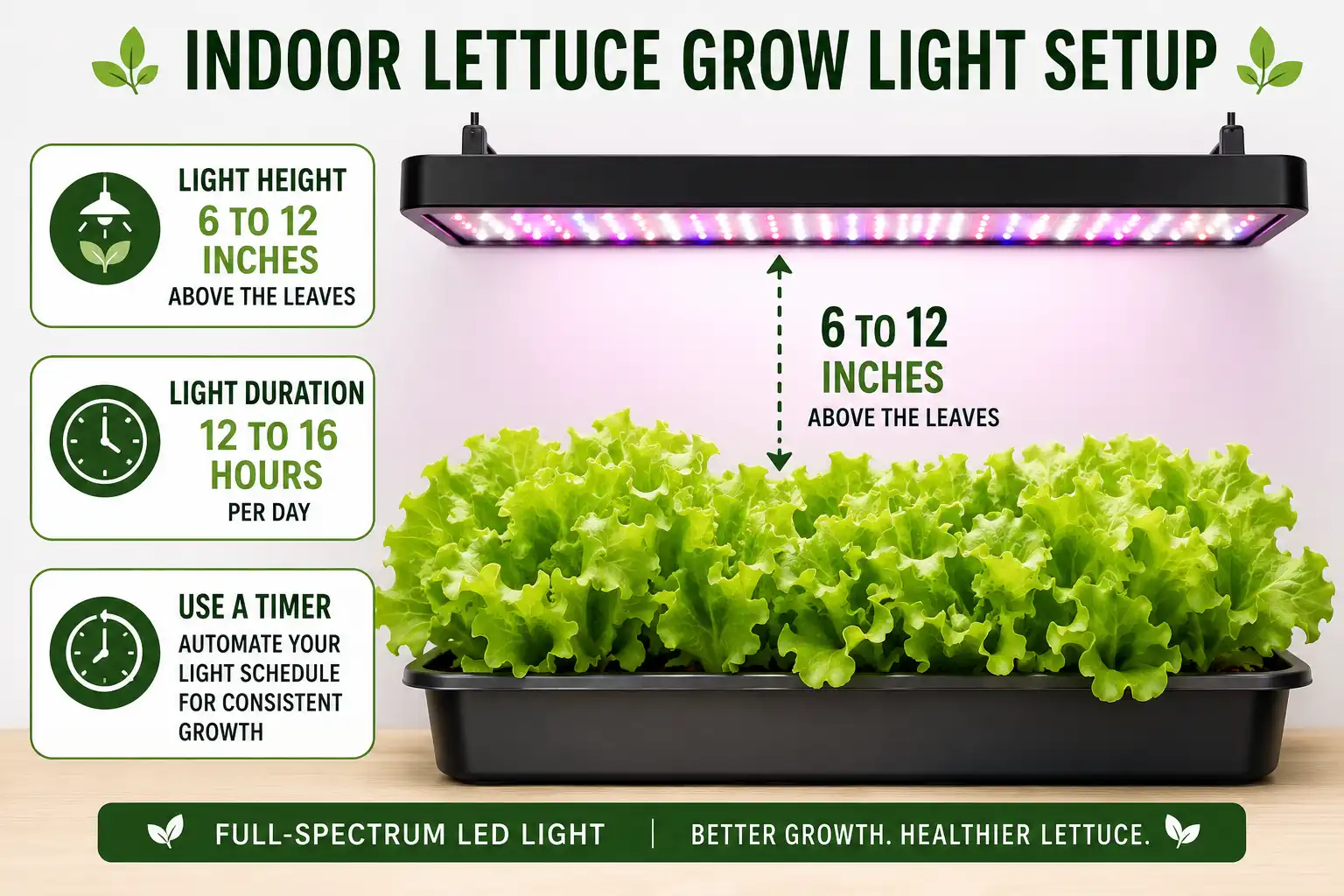
Indoor lettuce needs 12 to 16 hours of light a day, more than it ever gets outdoors. A sunny south window rarely cuts it alone, so most growers add a grow light.
LED grow lights work best because they stay cool and run efficiently. Keep the light 6 to 12 inches above the leaves, then raise it as the plants grow. If your seedlings stretch or go pale, they need the light closer or running longer. Growing lettuce indoors under a grow light can work well through winter, even in colder zones.
Signs Your Lettuce Isn’t Getting Enough Light
Pale leaves, stretched leggy stems, and slow growth all point to too little light. The plant reaches for the sun, so stems get long and weak as it strains upward.
Watch for thin, floppy leaves and wide gaps between them on the stem. Healthy lettuce stays compact and deep green. If you see those stretch signs outdoors, move containers to a brighter spot or thin out whatever shades the bed. Indoors, drop the grow light closer or add an hour or two.
Bottom Line
Six hours of sun is the target, and full sun in spring and fall gives me the best lettuce of the year. Once July heat rolls in, switch to morning sun and afternoon shade with cloth or a tall neighbor crop. That keeps the leaves sweet and holds off bolting. Watch your plants closely. Pale, leggy growth means add light, while bitter, bolting plants mean too much heat. Get the light right and lettuce is about as easy as a crop gets.