How to Grow Lettuce at Home: A Beginner’s Backyard Guide
Lettuce is one of the easiest crops at home. It thrives in cool weather, fits any small space, and gives you fresh salad greens within a month. If you want to learn how to grow lettuce at home, you can start this weekend.
To learn how to grow lettuce at home, plant seeds in loose, well-drained soil at 60 to 70°F, keep moisture steady, give 4 to 6 hours of sun, and harvest outer leaves once they reach 3 to 4 inches.
Best Lettuce Varieties for Home Gardens
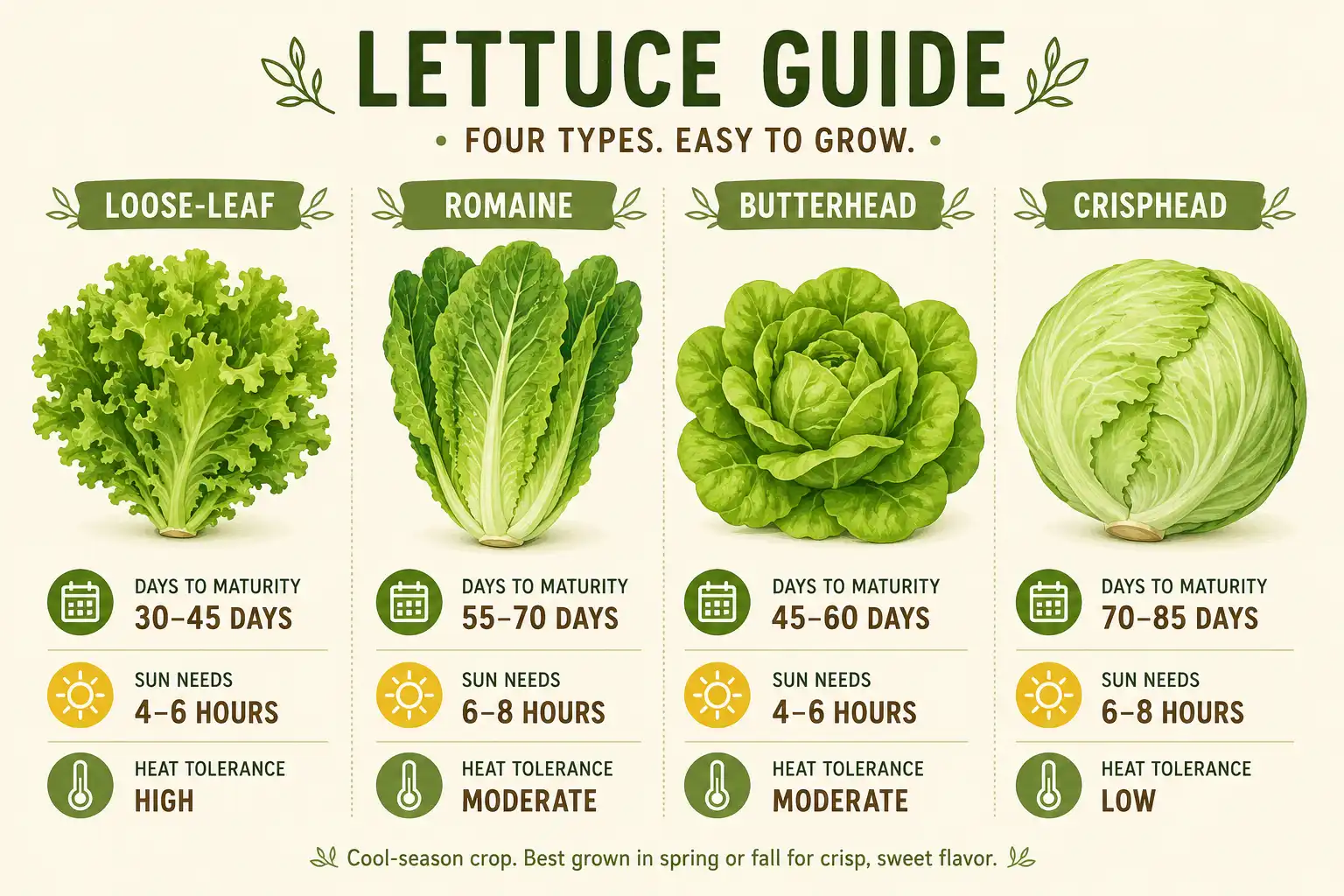
Grow four main types: loose-leaf, romaine, butterhead, and crisphead. Each has a different growing speed, heat tolerance, and harvest style.
Loose-leaf is the fastest and most forgiving. Varieties like Black-Seeded Simpson and Red Sails give you leaves in 28 to 35 days. They handle uneven spring weather well.
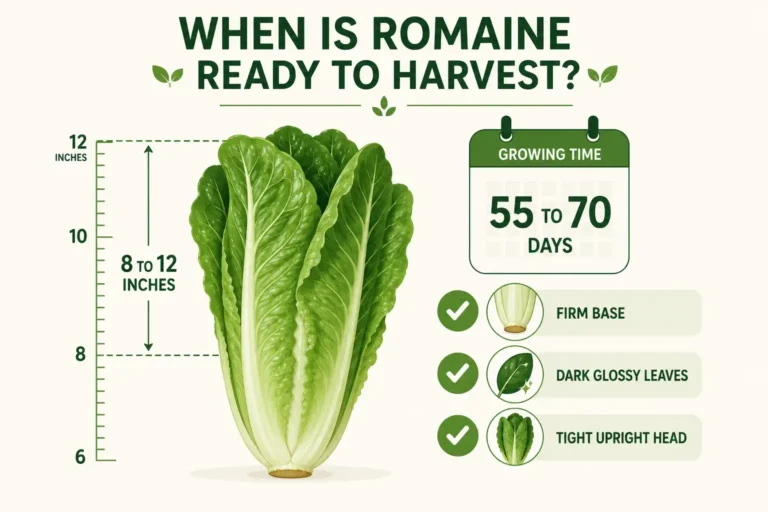
Romaine takes 60 to 75 days. It stands up better to mild heat than other types. Parris Island Cos is a solid pick.
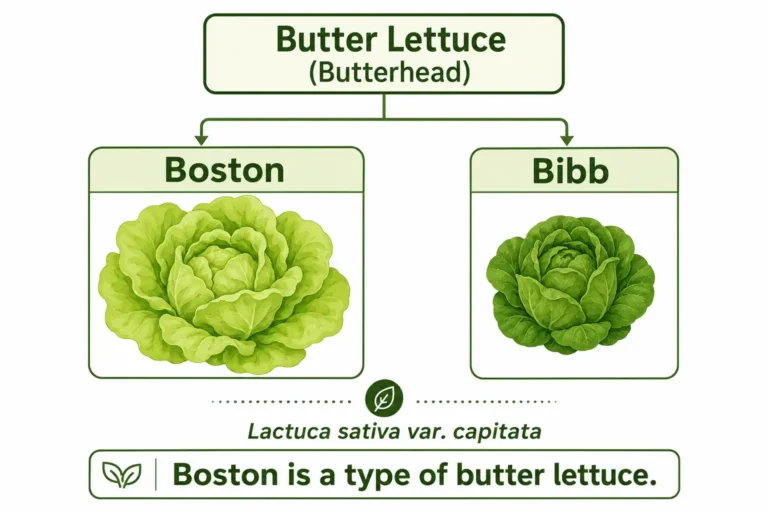
Butterhead forms soft, loose heads. Buttercrunch is a common top pick. It tolerates Kansas spring swings without going bitter.
Crisphead is the iceberg type. It needs a long cool stretch and is the trickiest for home growers.
For your first season, stick with loose-leaf or butterhead. They forgive small mistakes.
When to Plant Lettuce at Home
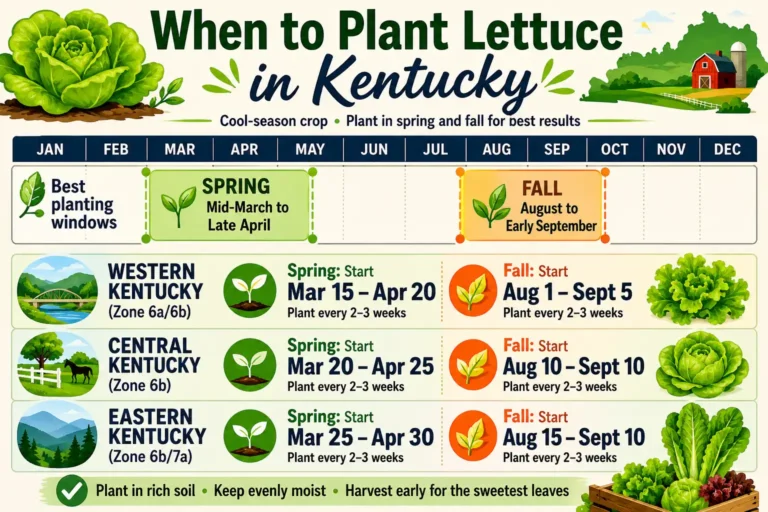
Plant lettuce in early spring and again in late summer for a fall harvest. Lettuce is a cool-season crop. Seeds germinate best between 60 and 70°F, and soil above 80°F triggers bolting and bitter leaves.
That puts me at late March. Fall crops typically go in mid-August. For your area, check the crop planting calendar to time your sowing right.
In warmer zones like 8 or 9, lettuce grows through winter. In colder zones, cover plants with row cover or a low tunnel to stretch the season.
How to Prepare Soil and Containers for Lettuce
Lettuce wants loose, fertile soil with a pH between 6.0 and 7.0. It has shallow roots, so the top 6 inches of soil matter most.
For ground beds, work in 2 inches of finished compost before planting. Lettuce loves nitrogen but burns from heavy synthetic fertilizer, so keep it light. The guide on improving soil fertility naturally walks through what to add and when.
For containers, use any pot at least 6 inches deep with drainage holes. A 12-inch wide pot holds 4 to 5 plants. Fill with quality potting mix, not garden soil. Garden soil compacts in pots and starves the roots.
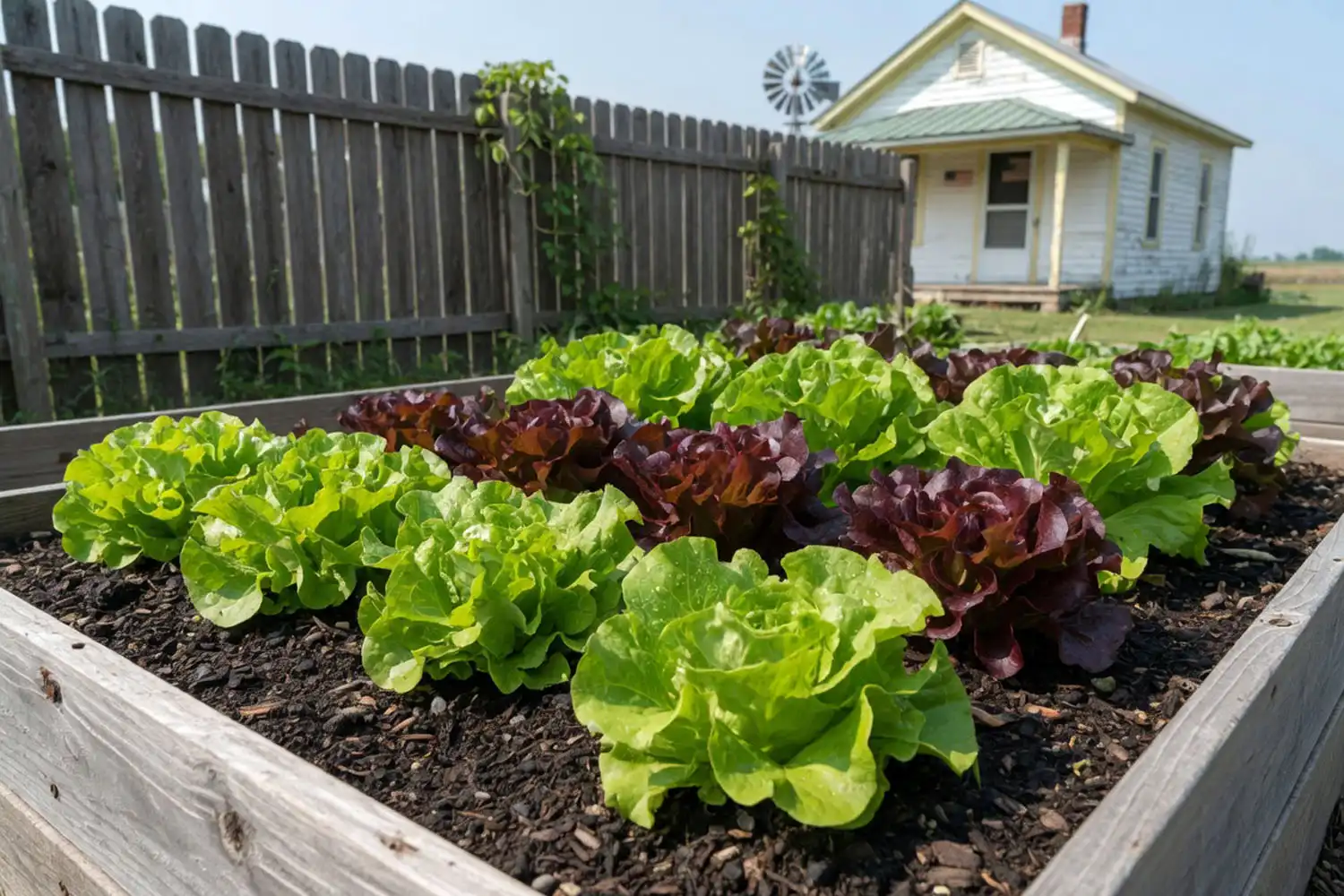
Raised beds work great for home growers. They drain well and warm up early in spring.
How to Sow Lettuce Seeds
Sow lettuce seeds shallow, no deeper than 1/8 inch. The seed needs light to germinate, so do not bury it.
You have two options: direct sow or start indoors and transplant. Both work. Direct sowing skips transplant shock. Transplanting gives you an earlier harvest. The post on direct sowing vs transplanting breaks down which suits your setup.
For direct sowing:
- Rake the soil smooth.
- Sprinkle seeds in a shallow furrow.
- Press gently. Do not cover heavily.
- Water with a fine mist.
- Thin seedlings to 4 inches apart for loose-leaf and 8 to 10 inches for head types.
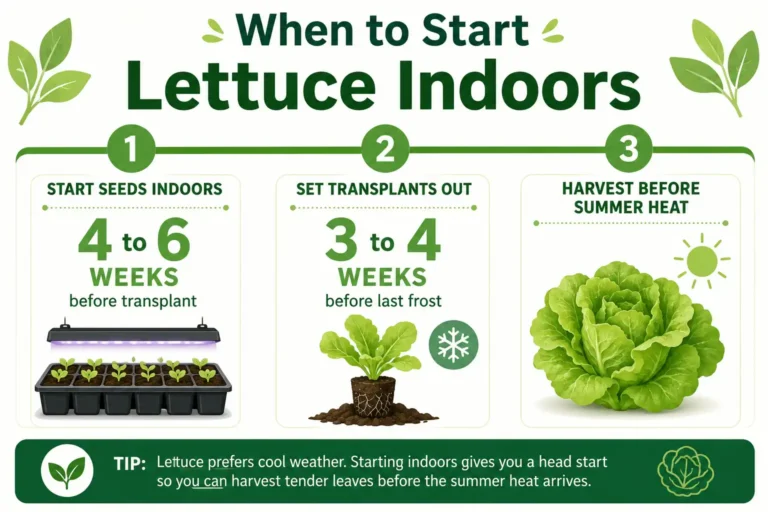
For transplants, start seeds indoors 4 to 6 weeks before planting outside. Use cell trays. Keep seedlings under bright light and watch for damping-off, a fungal collapse that hits stems at soil level. The article on seedling care and damping-off shows how to catch it early.
Sow a new batch every 2 weeks. Succession planting gives you steady salad through the season instead of one big rush.
Watering and Feeding Lettuce
Keep lettuce soil consistently moist, not soggy. Lettuce roots are shallow and dry out fast. In hot weather, water every other morning. In cool spring weather, twice a week is usually enough.
Drip irrigation works best. It keeps leaves dry and prevents fungal disease. The post on drip vs sprinkler irrigation methods explains the trade-offs for small plots.
A digital soil moisture meter takes the guesswork out. Checking every few days during dry stretches is the recommended habit.
Feed lettuce with a balanced fertilizer or compost tea every 2 to 3 weeks. Too much nitrogen makes soft, weak leaves that attract aphids. Penn State Extension recommends a light sidedressing of nitrogen about 3 weeks after planting.
Common Lettuce Problems and How to Fix Them
The three issues most are bolting, tipburn, and pests.
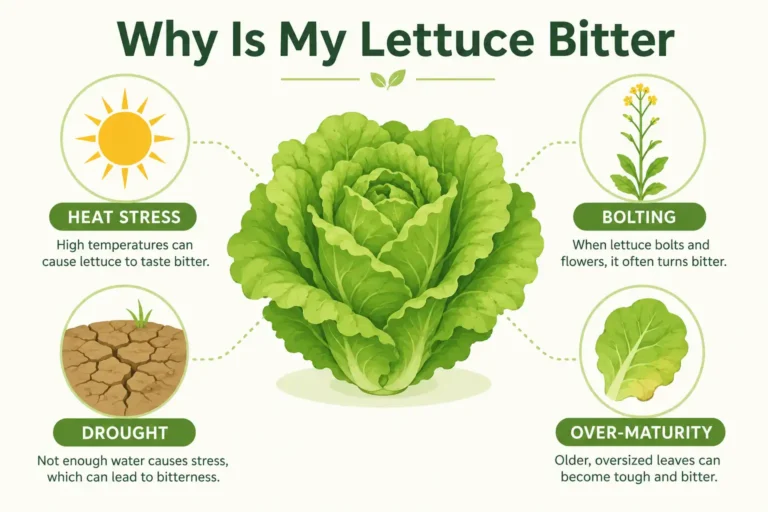
Bolting is when lettuce sends up a tall flower stalk and leaves turn bitter. Heat and long days trigger it. Pick heat-tolerant varieties like Jericho or Nevada, and provide afternoon shade once temperatures climb above 80°F.
Tipburn shows up as brown edges on inner leaves. It is caused by uneven watering and calcium not reaching the leaf tips fast enough. Steady moisture fixes most cases.
Pests are aphids, slugs, and flea beetles. Hand-pick slugs in the evening. A strong spray of water knocks aphids off. Avoiding harsh chemicals on greens meant for eating is the recommended approach. The guide on natural pest control for crops covers safer options for home growers.
When and How to Harvest Lettuce
Harvest lettuce in the morning when leaves are crisp and cool. Cut, do not pull.
For loose-leaf, use the cut-and-come-again method. Snip outer leaves once they reach 3 to 4 inches, leaving the center crown to keep producing. One plant can give you 4 to 6 harvests this way.
For head types, wait until the head feels firm to a light squeeze. Cut the whole head at the base with a sharp knife. Romaine is ready when it stands 8 to 10 inches tall.
Refrigerate harvested leaves in a sealed bag with a dry paper towel. They hold for 7 to 10 days.
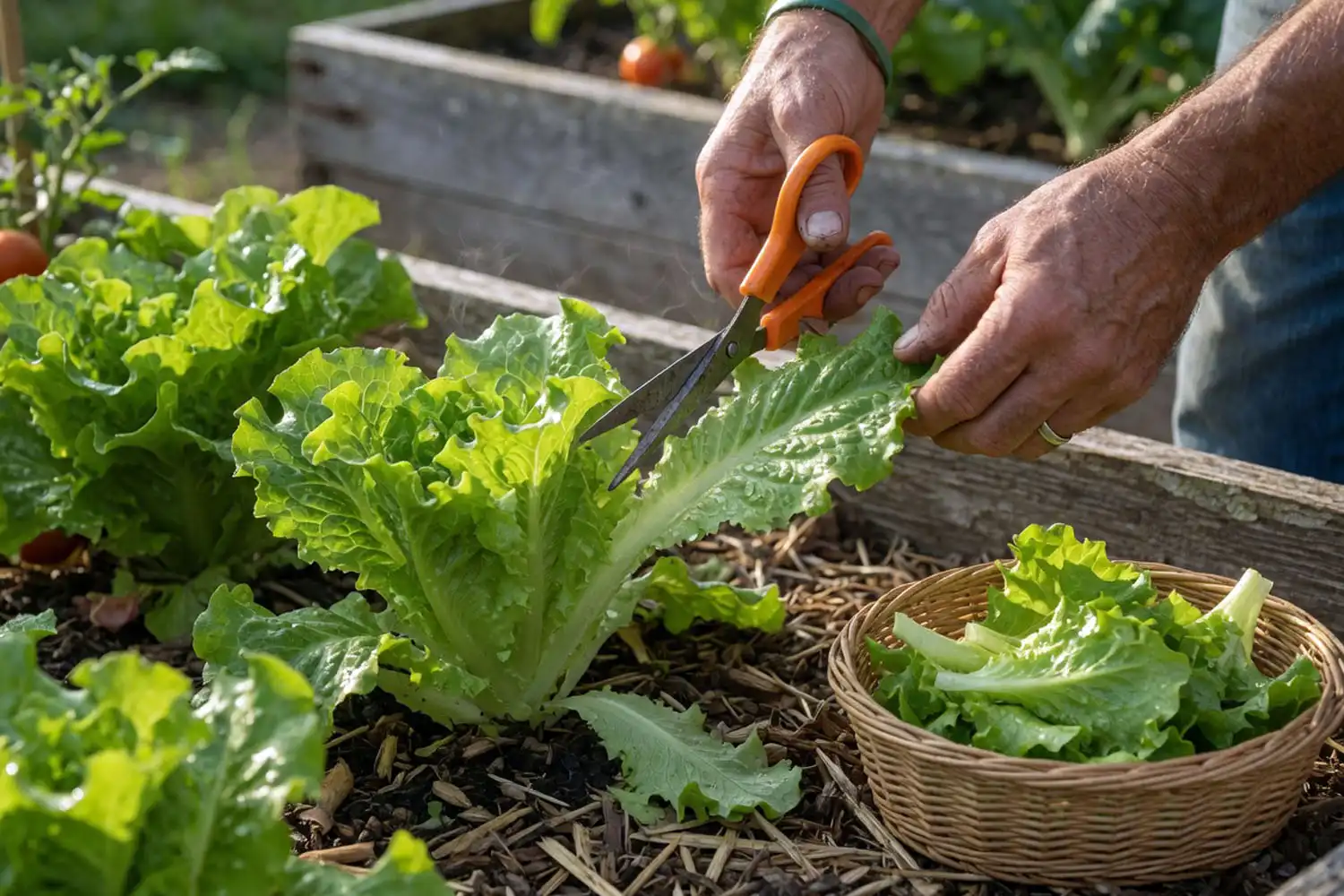
What This Looks Like in Practice
Lettuce rewards you fast. Start with loose-leaf in a small raised bed or a 12-inch pot. Plant a new batch every two weeks. Keep the soil moist, watch for heat, and you will have fresh salad on the table within a month. That is the simplest way to grow lettuce at home, and the same routine works every spring and fall in most zones.