Do You Soak Corn Seeds Before Planting? Pros and Cons
Soaking corn seeds before planting is one of those steps growers go back and forth on every spring. Some swear by it, others never bother. The truth is that it can help, but only under the right conditions. Whether it works for you depends on your seed and your soil.
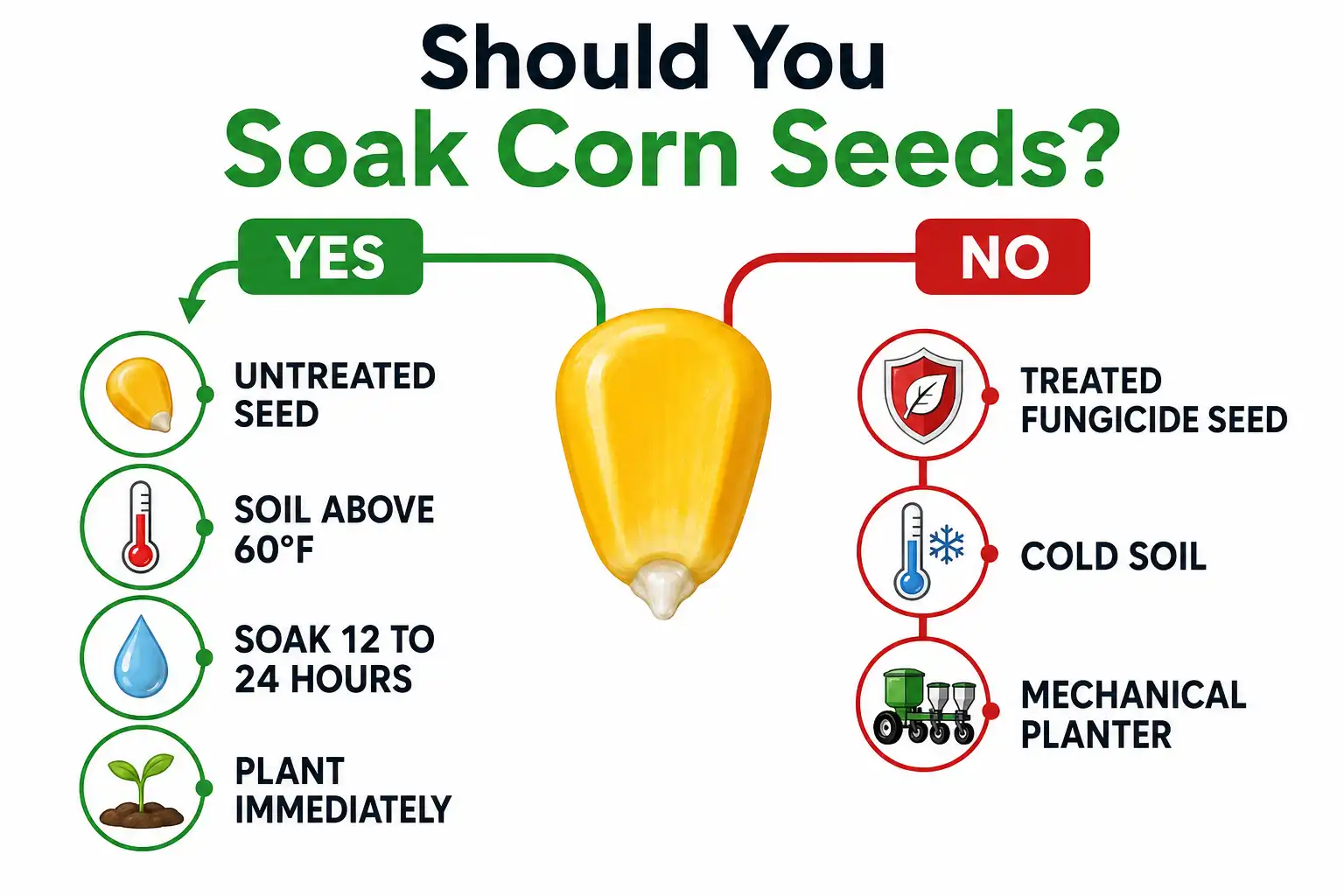
You do not have to soak corn seeds before planting. A 12 to 24 hour soak in warm water speeds germination on untreated seed in soil above 60°F. Skip it for treated seed or cold ground.
Do You Soak Corn Seeds Before Planting?
No rule says you must soak corn before it goes in the ground. Corn sprouts fine from dry seed when the soil is warm and moist. Soaking is an optional step that speeds up the first phase of germination. It helps in some situations and hurts in others.
So the honest answer rests on three things: your seed, your soil temperature, and how you plant. For a small home patch of untreated seed, though, a short soak can shave a few days off emergence.
What Soaking Does to a Corn Seed
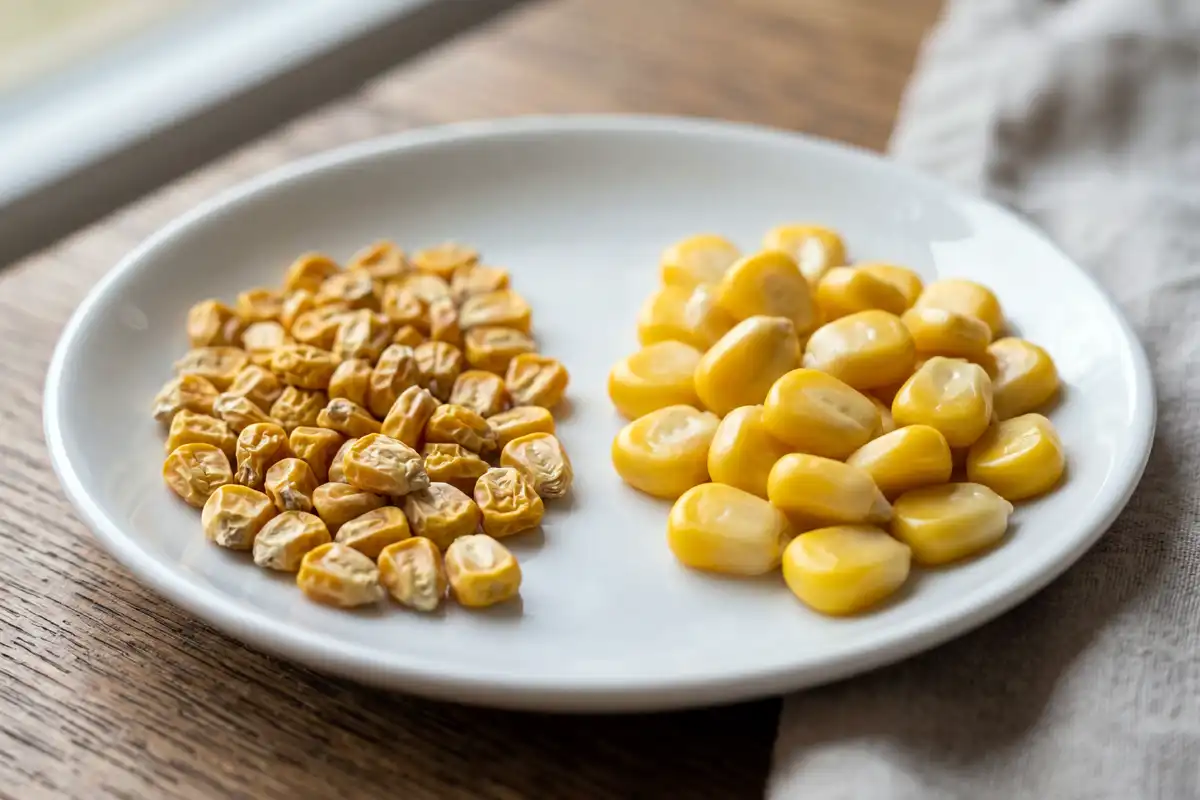
Soaking jump-starts imbibition, the rapid water uptake that wakes a dry seed. A corn kernel has a hard seed coat. Before the embryo can push out a root, the seed has to swell with water. Soaking does that work ahead of time in a jar instead of in the soil.
Here is the part that surprises people. Soaking speeds up germination, but it does not raise your final germination rate. Research on sweet corn shows soaked seed emerges sooner and more evenly. Yet untreated dry seed catches up to the same total within a few days. So you gain speed and uniformity, not more plants.
How Long Should You Soak Corn Seeds?
Soak corn seeds for 12 to 24 hours, and no longer. That window is enough to soften the seed coat and start water uptake. Past 24 hours, two problems show up. The seed runs short on oxygen. It can also begin sprouting in the water, which wastes stored energy before it reaches soil.
Trials that pushed soaking to 48 hours saw germination drop, not climb. Twelve hours suits most sweet corn. Give thick-coated field or flint types closer to a full day. Then drain the seed and plant it right away once the soak is done.
Never Soak Treated Corn Seed
Do not soak corn seed that came treated with fungicide or insecticide. Most commercial corn seed ships with a colored coating that guards against seed rot and early insects. Water strips that coating off and makes a slimy mess. Worse, it leaves your seed open to the rot the treatment was built to stop.
Soaking is for untreated seed only. That means organic, open-pollinated, or saved seed with a clean, intact coat. Most named hybrids come pre-treated, while many heirlooms do not. The differences between hybrid and heirloom seed decide this, and the seed tag will tell you which you have.
Treated seed earns its keep in cold, damp spring soil, where bare kernels rot easily. Untreated seed has no such shield. So preventing damping-off in seedlings comes down to warm soil and good drainage instead of a chemical coat.
The Cold Soil Trap: Imbibitional Chilling Injury
The biggest risk with soaking is pairing it with cold soil. When a corn seed takes up cold water early, the cold can rupture the cell membranes inside. This damage is called imbibitional chilling injury, and it kills the seed outright or leaves you with twisted, weak seedlings.
Agronomists at Purdue University and Iowa State tie this injury to soil below 50°F. The danger window is the first 24 to 48 hours after planting. The classic trigger is a cold rain right after seeding. A common sign is a corkscrewed mesocotyl, where the shoot coils underground instead of reaching the surface.
Here is why this matters for soaking. Soak in warm water, then plant into warm soil. That moves the vulnerable uptake phase into safe conditions. Soak and then plant into cold ground, and it is the wrong combination. You have started germination on a seed that must now survive the cold unprotected. So warm soil comes first, every time. K-State Research and Extension points to that same 50°F floor for corn in Kansas. The same holds for timing. Sweet corn planting timing in Minnesota, or in any short-season state, comes down to soil temperature, not the calendar.
Sweet Corn Types and Their Cold Tolerance
Sweet corn type changes how much cold and soaking a seed can take. The shrunken-2 (sh2) supersweets carry the least starch and the thinnest reserves. So they take up water fast, leak, and rot in cool soil, and they have almost no cold tolerance. Standard sugary types are the toughest, while sugar-enhanced types sit in the middle.
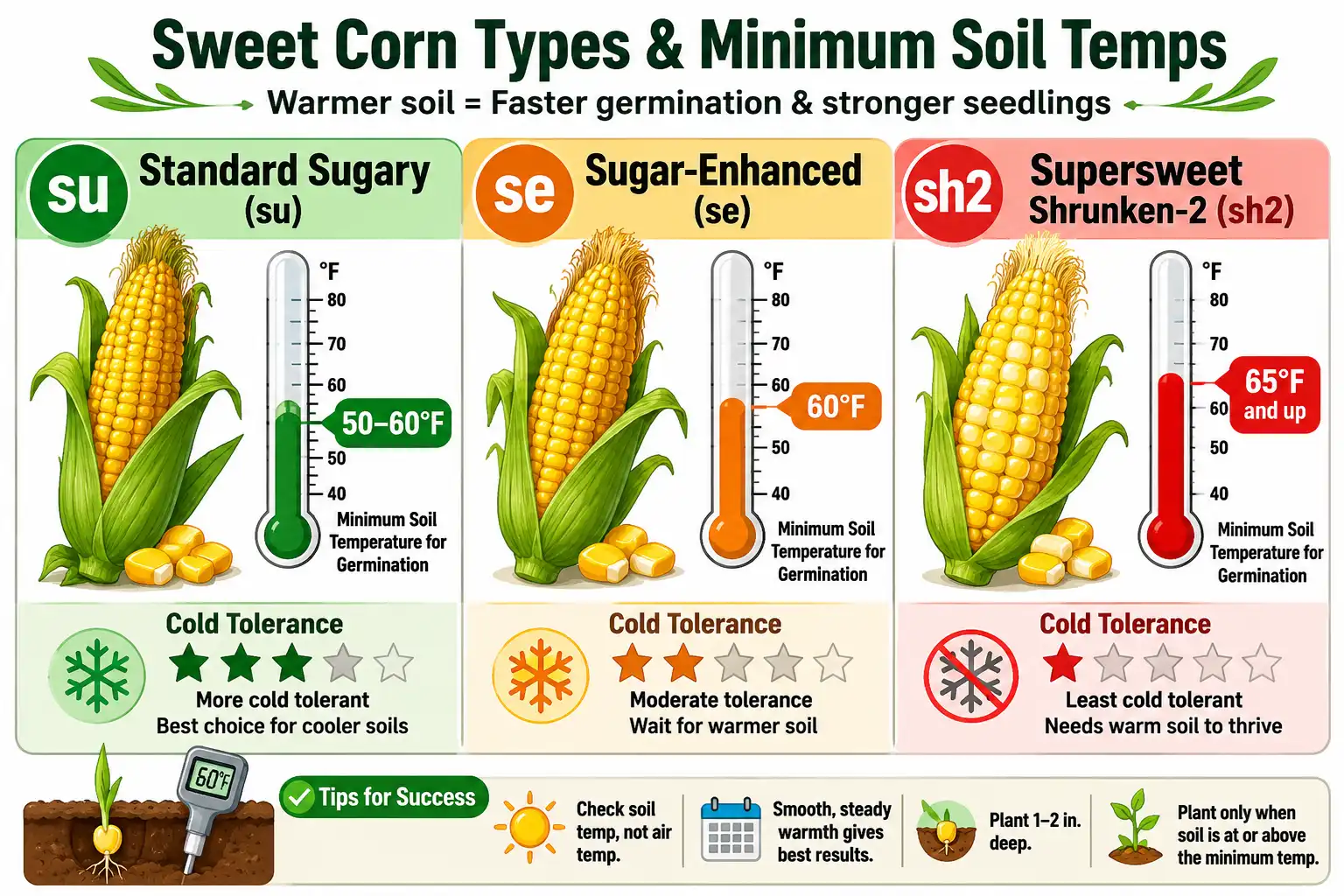
So match your approach to the seed. Plant standard sugary corn once soil hits 50°F to 60°F. Hold sugar-enhanced types for 60°F. Wait for 65°F or warmer before you put supersweet seed in the ground, soaked or dry. The colder a seed’s tolerance, the more a soak can backfire when the soil is not ready.
When Soaking Corn Seed Pays Off
Soaking corn seed pays off in a few clear cases:
- Your seed is untreated, organic, or saved heirloom seed.
- Soil at planting depth has warmed to 60°F or more.
- You garden in sandy or fast-draining ground that dries quickly.
- You are making a mid-summer second planting into dry soil.
- You plant a small patch by hand, not with a seeder.
In dry spells, a soaked kernel does not have to wait on rain to get started. That early moisture is the main reason hand gardeners and some second-crop growers still soak.
When to Skip Soaking
Skip the soak any time seed safety matters more than a few days of speed. Leave corn seed dry in these situations:
- The seed is treated, since the coating washes off.
- You plant with a mechanical seeder or planter, where wet seed clogs and will not space evenly.
- Soil is still cold, or a cold rain is in the forecast within two days.
- You are planting supersweet sh2 seed into marginal soil.
- You are covering more than a small garden plot.
For row-crop acres, dry treated seed planted into warm soil is the standard for good reason. The planter meters it cleanly, and the treatment carries the seed through those first vulnerable days.
How to Soak Corn Seed Step by Step
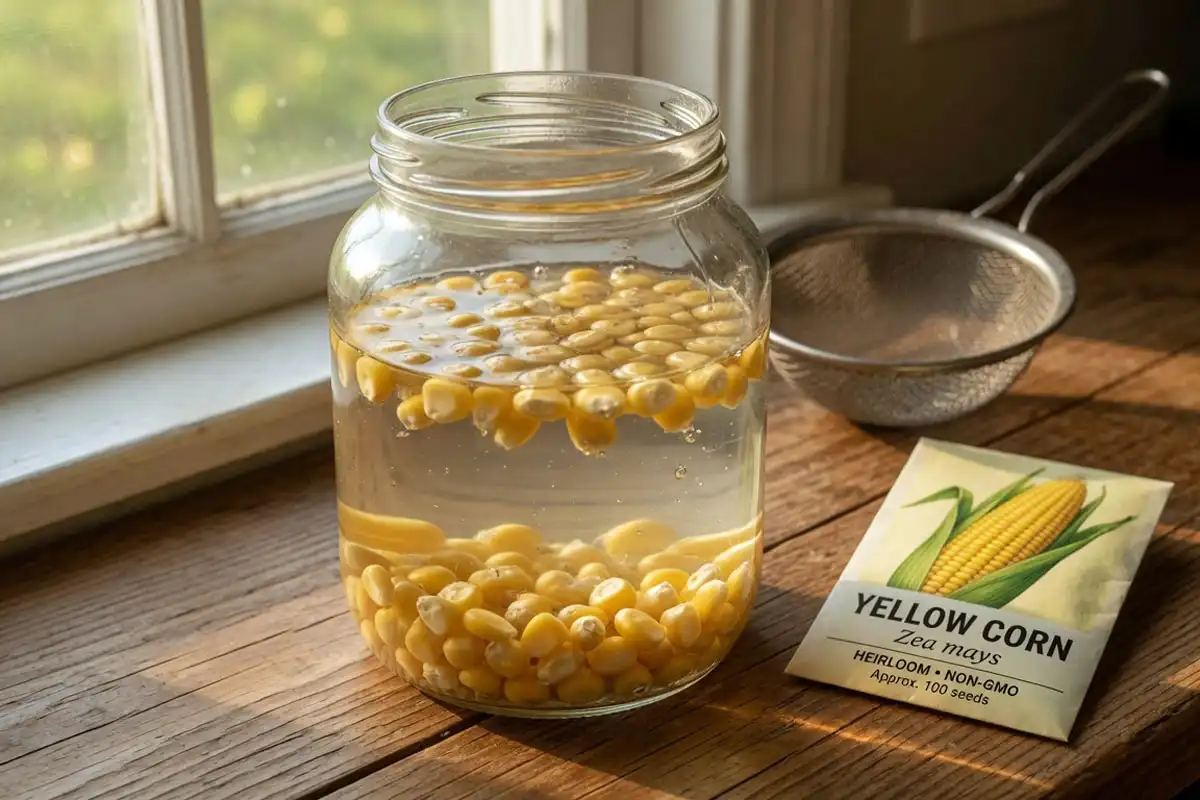
Here is the method for a small patch of untreated corn:
- Inspect the seed. Toss any kernels with mold, cracks, or dark spots.
- Fill a lidded jar or bowl with lukewarm water, never hot.
- Add the seed so it is fully covered. Floating kernels are fine.
- Set it in a warm spot for 12 to 24 hours.
- Drain the seed in a strainer, and do not let it dry out.
- Plant immediately into warm, moist soil.
Clean water works best. If your tap water runs heavy with chlorine, let it sit out overnight first or use filtered water.
What to Do Right After Soaking
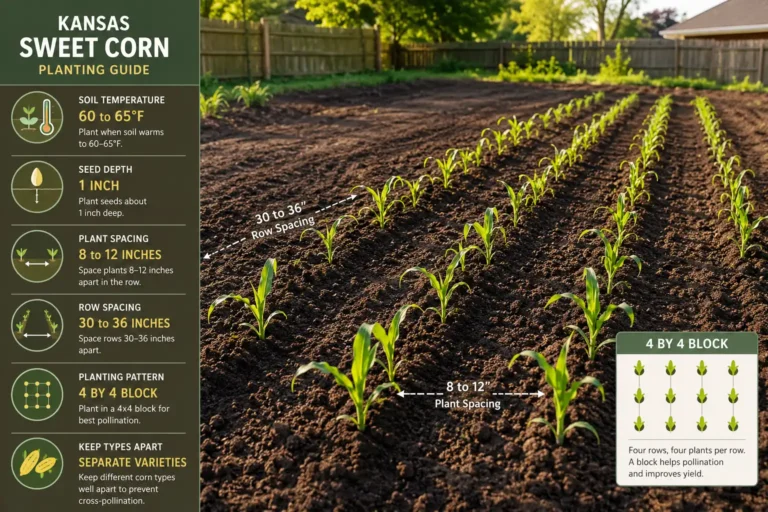
Plant soaked corn the same day, before it dries out. Drop seed 1 to 2 inches deep, a little shallower for supersweet types or cooler soil. Space kernels about 3 inches apart, then thin later. Corn is wind-pollinated. So plant it in a block of at least four short rows, not one long row. Planting corn in blocks rather than single rows is what fills the ears out evenly.
Keep the soil consistently moist after planting. Soaked seed dries faster than dry seed, and letting it dry mid-germination stalls or kills the sprout. So water right after seeding if no rain is coming. In warm soil, soaked corn often breaks ground in four to five days.
Better Options Than Soaking
If soaking feels fussy, you have other ways to get a fast, even stand. The simplest is to wait for warm, moist soil and plant dry seed. Corn rewards patience on soil temperature more than any pre-treatment.
For a head start in a cold spring, sprout seed indoors on a damp paper towel. Then move each sprouted kernel to a cell or pot with bottom heat. Corn dislikes root disturbance, so start it in containers you can transplant whole. This sidesteps the cold-soil risk entirely. It helps to understand the tradeoffs between direct sowing and transplanting before you choose.
Seed companies already prime and treat much of their corn. That lowers the water-uptake rate and rot risk far better than a home soak can. For treated commercial seed, that work is done for you.
Does This Apply to Field Corn and Popcorn?
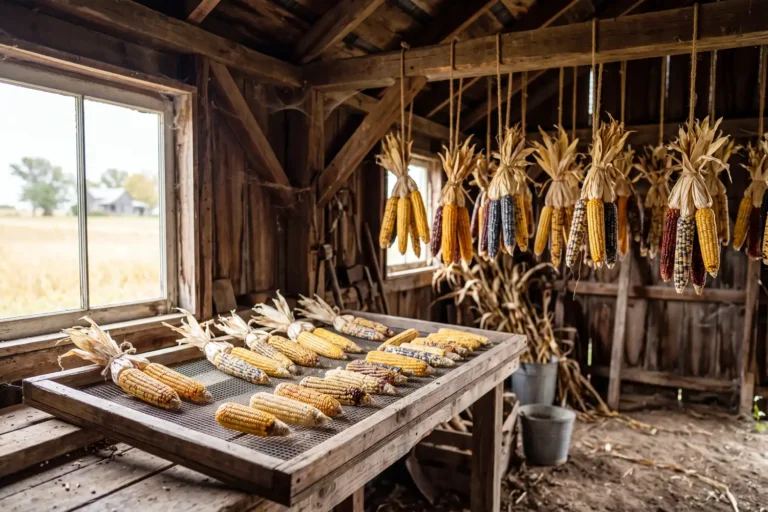
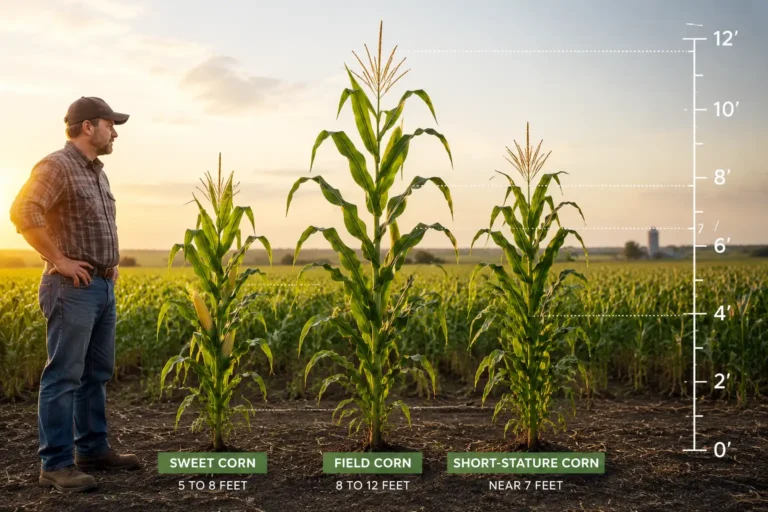
The same rules cover field corn, popcorn, and flint corn. Field corn is almost always treated and planted by machine, so it does not get soaked. Popcorn and dent corn for home use can take a soak like sweet corn, if the seed is untreated. Both still need to mature and dry fully on the stalk, no matter how you start them. Whatever the type, the deciding factors stay the same: treated or not, warm soil or cold, hand-planted or machine.
Bottom Line for Your Field
Soaking is a useful tool, not a must. On a small patch of untreated seed in warm soil, a 12 to 24 hour soak speeds even emergence. For treated seed, a planter, or cold ground, skip it and let warm soil do the work. Either way, soil temperature decides far more than the soak ever will.