Direct Sowing Vs Transplanting: 8 Quick Checks to Choose Right
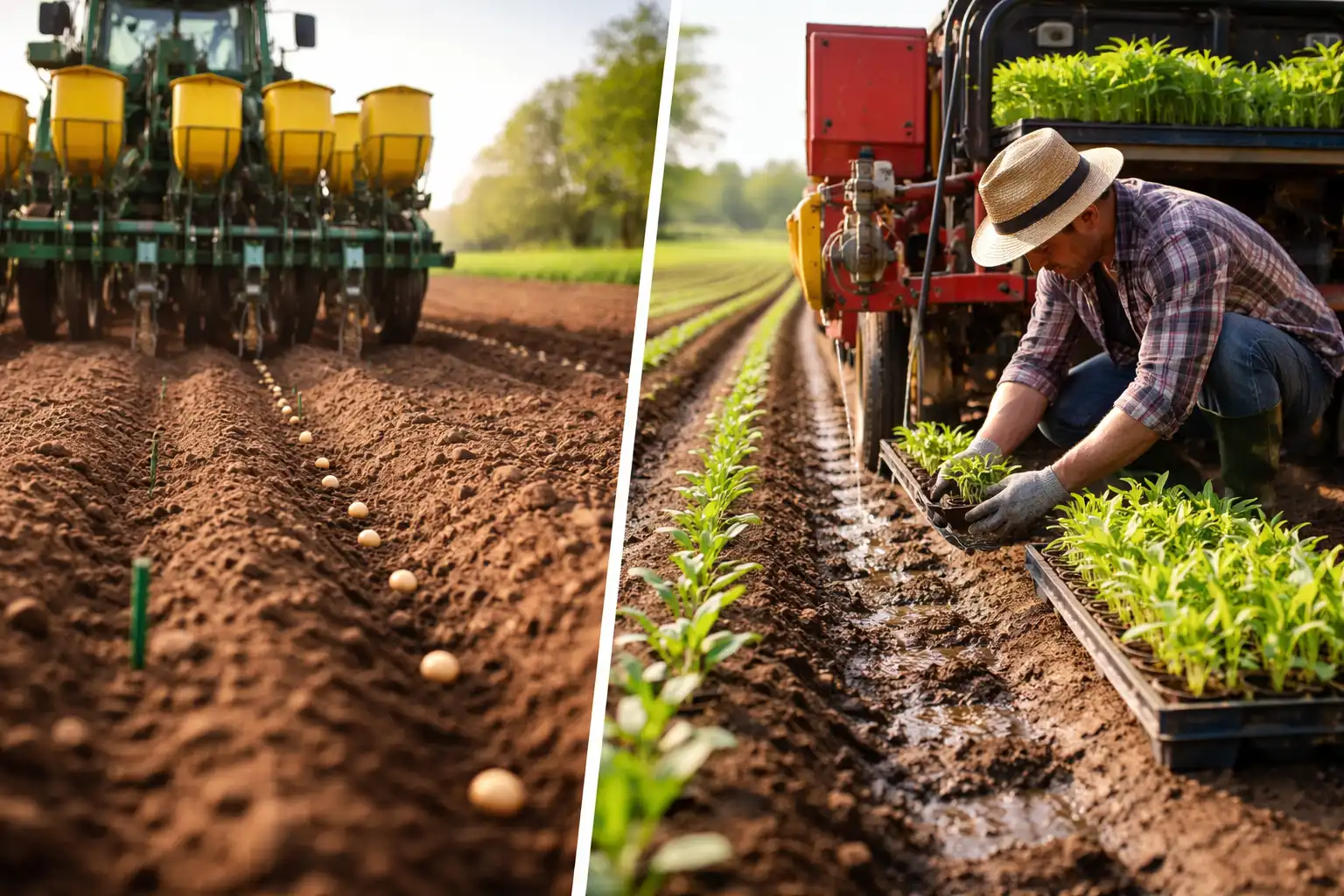
Direct sowing vs transplanting comes down to where a crop starts its life: in the field from seed, or in a controlled space before you set it out. Direct sowing reduces handling and keeps roots undisturbed, but it demands good soil moisture and steady weed control. Transplanting improves stand uniformity and helps you beat early-season stress, but it adds labor, materials, and transplant shock risk. This guide breaks down both methods, the crops that fit each one, and how to decide on your farm.
After this, the starting point for planning is this guide on starting a crop farm, because planting method touches labor, equipment, and timing.
What is direct sowing?
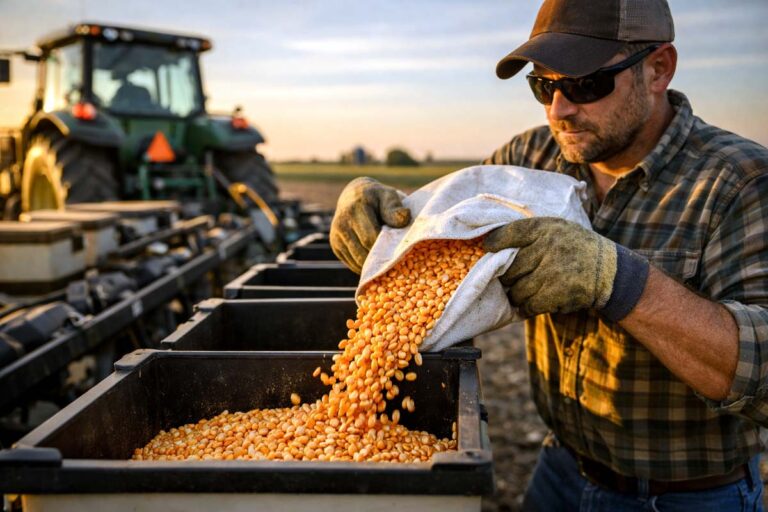
Direct sowing places seed in its final field location, so the plant establishes roots without being moved. The field soil provides germination moisture, temperature swings, and pest pressure from day one. This method fits crops that dislike root disturbance and crops that you plant at scale with drills, planters, or precision seeders.
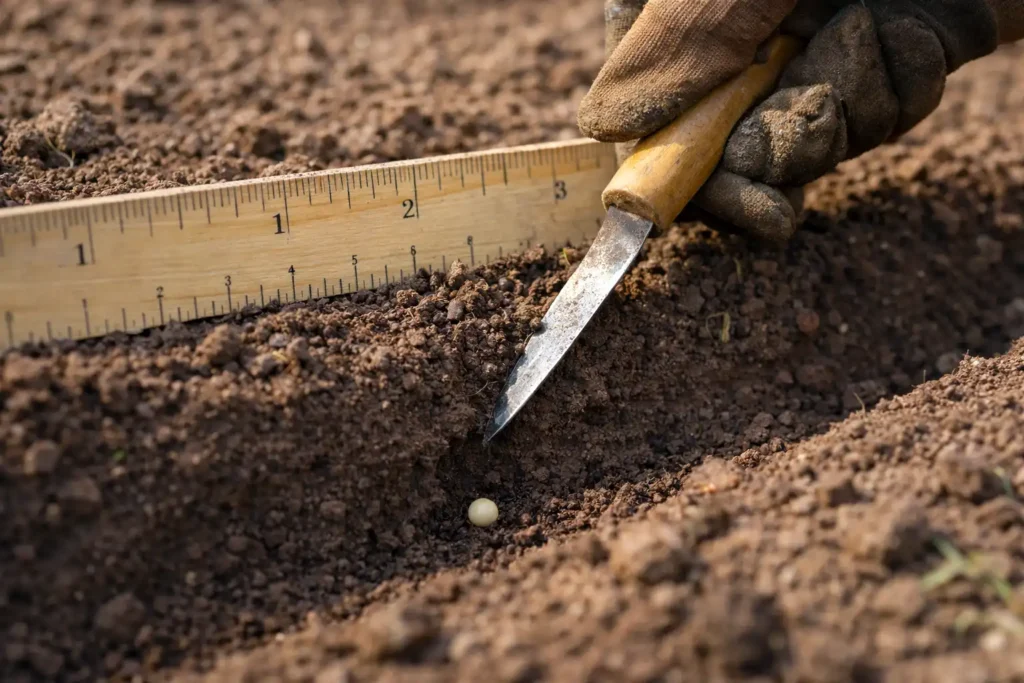
Direct sowing usually pairs best with solid seedbed prep and consistent moisture. If your seedbed needs a refresher, use the basics in planting and seeding practices to tighten spacing, depth, and seed-to-soil contact.
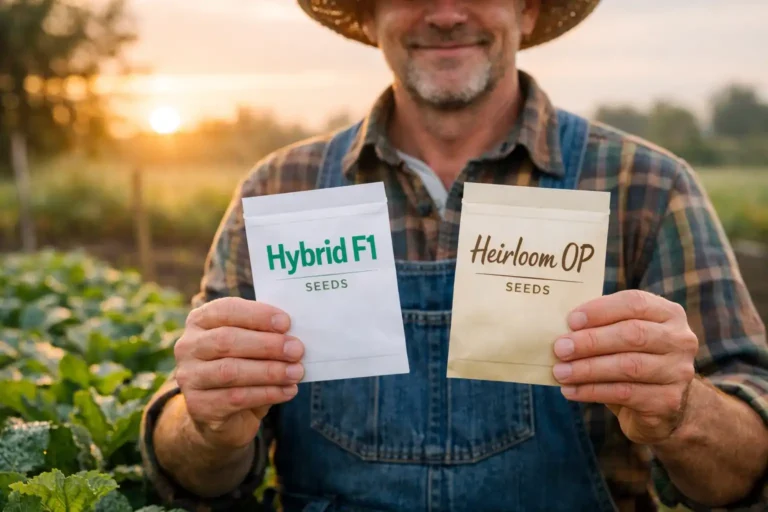
When you’re deciding between direct sowing and transplanting, your seed choice matters too, so read hybrid and heirloom seeds comparison before you lock in varieties for your field conditions and labor plan.
Where direct sowing shines on a farm
Direct sowing shines when the field stays workable, the soil warms on schedule, and you need to cover acreage fast. Grain and row crop systems lean on it because equipment places seed efficiently. It also fits crops that establish fine, sensitive roots that resent being disturbed.
For direct-sown systems, you win or lose on early competition. A clean start from weed control practices keeps seedlings from getting shaded out in the first few weeks.
Common direct-sown crops
Many farm systems direct sow row crops like corn and cereals like wheat because planters and drills deliver consistent depth and spacing. Root crops often direct sow too, including carrots because they form shape and quality in place.
Some crops allow both methods depending on your goals. For example, you can seed lettuce directly for baby leaf, or transplant for head lettuce when uniform spacing matters.
If you’re raising transplants, follow seedling care damping off guide so you don’t lose trays right before planting day and end up behind on your transplant schedule.
What is transplanting?
Transplanting starts a plant in a tray, plug, soil block, or nursery bed, then moves it into the field after it builds a root system. Growers use this method to control temperature, moisture, and early growth, then “set” a uniform stand once field conditions turn favorable.
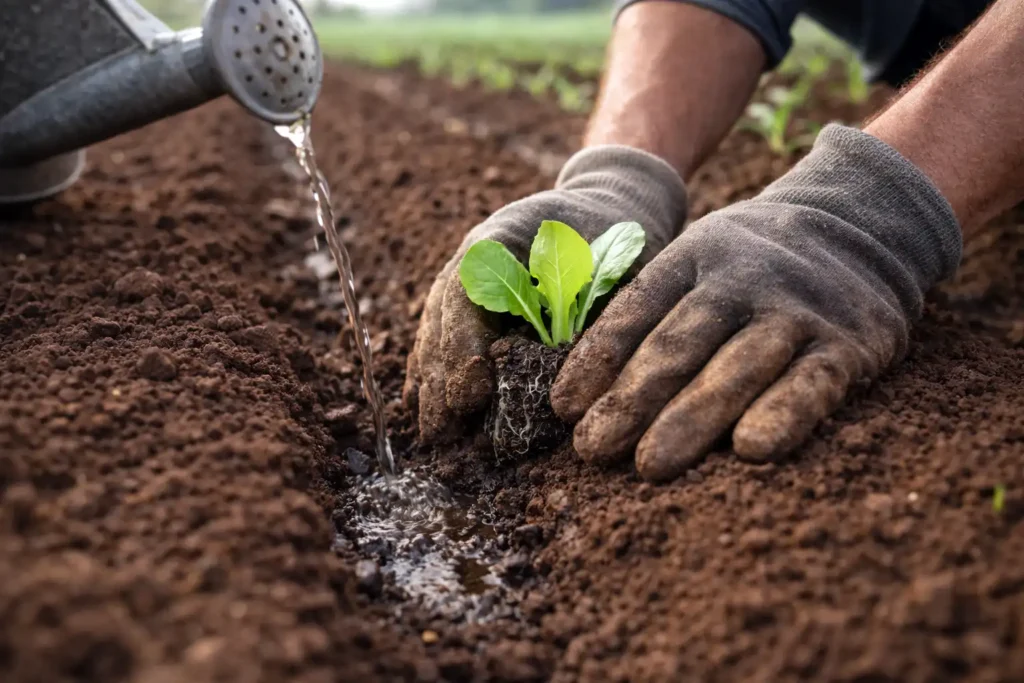
Transplanting relies on good field fertility and gentle handling to keep roots active. Your transplants perform better when you match them with a stable nutrient plan from soil fertility basics.
Where transplanting shines on a farm
Transplanting shines when weather stays unpredictable, weed pressure stays high, or you need predictable spacing for harvest. A larger plant competes better with weeds and tolerates mild early stress better than a sprout. Transplanting also helps when seed is expensive or when germination conditions in the field stay unreliable.
Transplants still attract insects and disease, especially when plants sit tight and humid. A simple scouting routine from pest and disease guidance helps you catch issues early.
Common transplanted crops
Many vegetable farms transplant tomatoes because uniform stands support staking, pruning, irrigation scheduling, and harvest timing. Alliums often use transplants too, including onions when you want consistent bulb size and fewer gaps.
Some crops transplant poorly because their roots hate disruption. When you trial a new crop, run a small side-by-side comparison before you commit acreage.
Direct sowing vs transplanting: the practical differences that matter
Which method costs less up front?
Direct sowing usually costs less up front because seed goes straight to the field and you skip trays, potting mix, benches, and greenhouse heat. The tradeoff shows up in field risk because poor germination, crusting, or washouts create gaps you cannot “fix” without reseeding.
Transplanting costs more up front because you pay for propagation space, supplies, and labor. That spending buys stand uniformity when the field stays risky.
Which method saves the most labor during planting?
Direct sowing reduces hands-on handling, especially when you use a planter or drill. Labor still shows up in seedbed prep, irrigation setup, and weed control.
Transplanting concentrates labor on planting day because a crew handles plants and sets them at the right depth. Mechanical transplanters reduce strain, but they still need setup, water delivery, and steady tray flow.
If you use any mechanized setup, protect your crew. A short checklist from farm safety and PPE helps prevent eye, skin, and respiratory exposure during dusty field work.
Which method improves stand uniformity?
Transplanting usually improves uniformity because you select healthy plants and set spacing by hand or by transplanter. Direct sowing relies on seed placement, germination conditions, and early survival, so stands can vary when weather swings.
Uniform stands support predictable irrigation and harvest planning, especially when you harvest multiple times.
Which method handles weeds better early?
Transplants start bigger, so they shade soil sooner and compete earlier. Direct-sown seedlings start tiny, so weeds can overtake them fast.
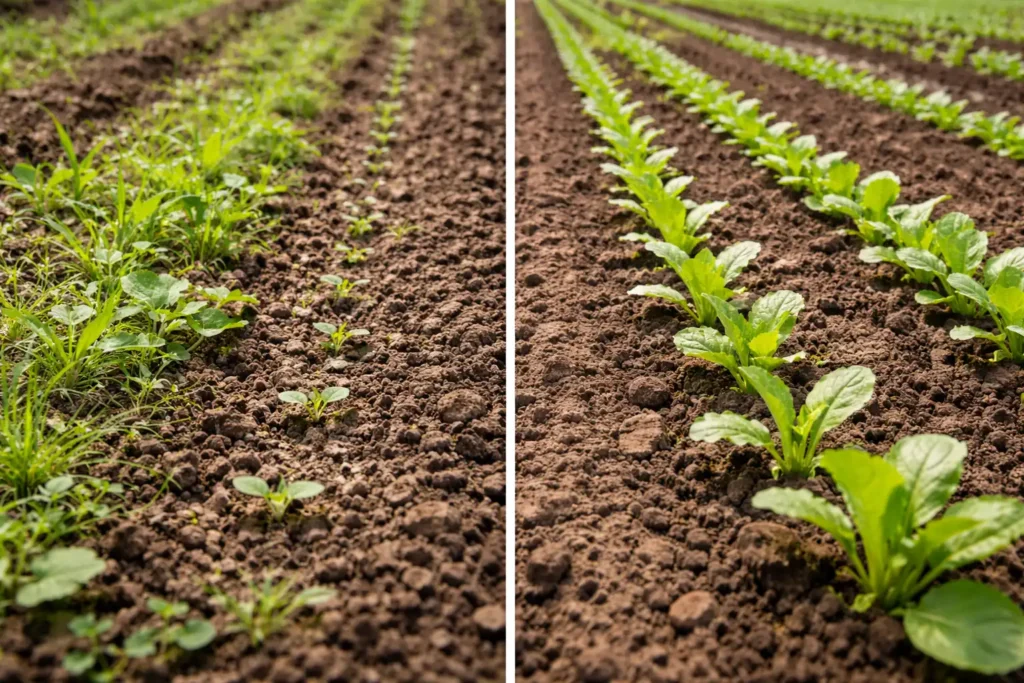
Weed pressure ties directly to row spacing, cultivation timing, and mulch strategy. Use the framework in weed control tools and equipment if you want to match implements to your row spacing.
Which method handles drought stress better?
Direct-sown plants often develop deeper, more natural root systems because they never pause for transplant shock. Transplants can still root deep, but they need careful water management for the first stretch after setting.
Your method matters less than your watering discipline. A clear schedule and delivery plan from irrigation and water management reduces early losses in both systems.
When should a farmer choose direct sowing?
Choose direct sowing when seedling roots need zero disturbance
Crops that form a primary taproot or a delicate early root structure often perform best when they start and finish in place. Root shape and quality depend on steady growth without root bending or pruning. That is why many growers direct sow crops like carrots and other root vegetables.
If you want a quick refresher on how seeds start plants, the explanation in what farmers sow to make plants grow supports better decisions on depth, moisture, and timing.
Choose direct sowing when you plant large acreage
Planters and drills cover ground fast and keep seed depth consistent across fields. This approach fits broad-acre crops like corn and cereals, where the system depends on equipment efficiency and field scale.
Choose direct sowing when field conditions stay stable at planting time
Direct sowing performs best when soil temperature and moisture stay steady enough for germination. Cold snaps, pounding rain, and crusting create uneven emergence and lost stands.
When should a farmer choose transplanting?
Choose transplanting when the season is short or spring stays cold
Transplanting lets you build growth under protection and then set plants when the field turns ready. This approach helps you hit earlier harvest windows and reduce time in the field during risky weather stretches.
Choose transplanting when you need precise spacing for harvest
Hand harvest systems, trellised crops, and mechanical harvest setups benefit from even spacing and consistent plant size. Uniform spacing makes cultivation, irrigation layout, and harvest timing more predictable.
Choose transplanting when pests and weeds punish small seedlings
A larger plant tolerates minor feeding and competes sooner. Transplanting helps when flea beetles, cutworms, or heavy flushes of weeds hit right after planting.
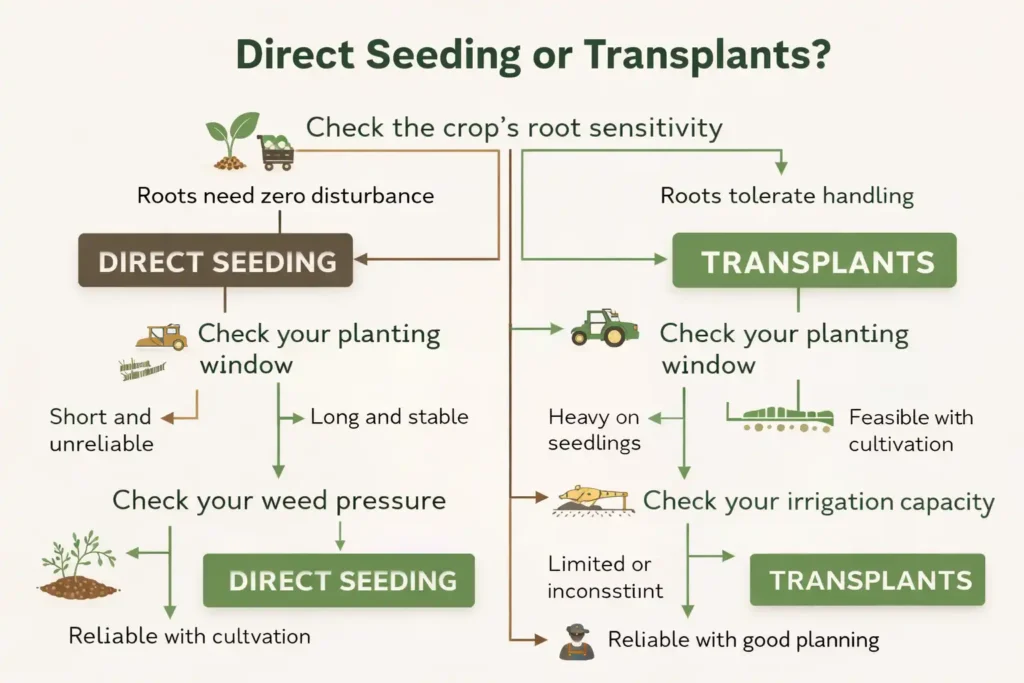
How do you decide between direct sowing and transplanting for your specific crop?
Use this decision flow in order, because each step narrows risk.
- Check the crop’s root sensitivity. Root crops and taproot crops usually prefer direct sowing.
- Check your planting window. Short windows push you toward transplants for timing control.
- Check your weed pressure. Heavy early weeds push you toward transplants or aggressive early cultivation.
- Check your irrigation capacity. Limited water during establishment pushes you toward the method that fits your system best.
- Check your labor reality. A small crew often prefers direct sowing at scale, unless uniformity pays you back.
If your operation is still taking shape, the planning structure in how to establish a crop farm helps you match your planting method to equipment and labor.
How does direct sowing work in the field?
Direct sowing works when you control seedbed firmness, planting depth, moisture, and early competition.
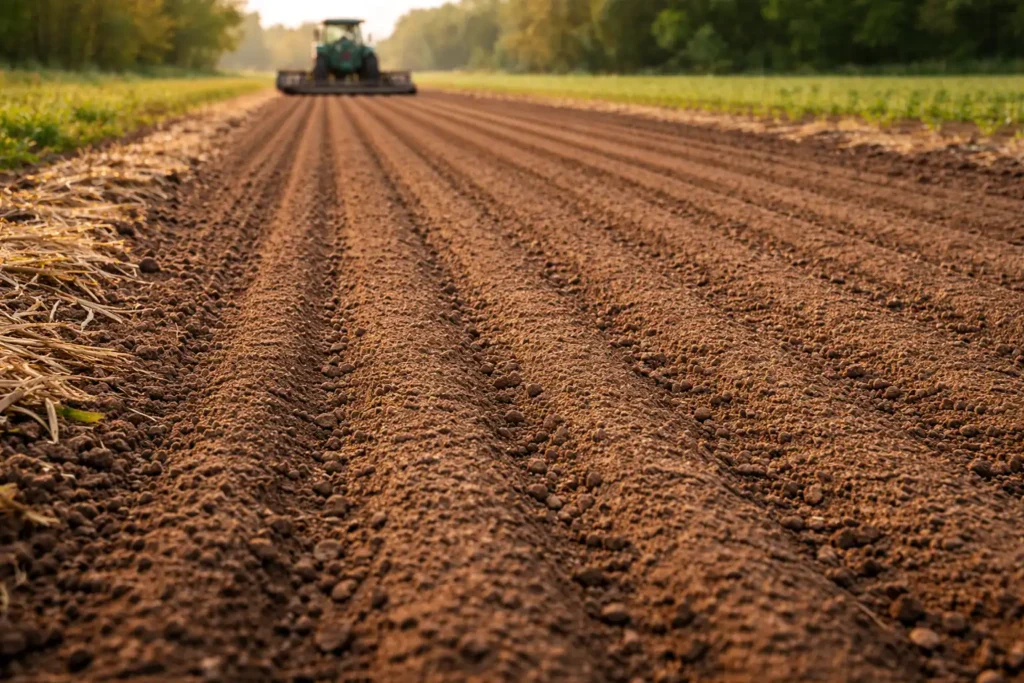
Seedbed preparation that supports fast emergence
A good seedbed holds moisture, stays level, and keeps clods out of the seed zone. Loose soil on top with firmer soil underneath supports good seed-to-soil contact. Residue management also matters because heavy residue cools soil and blocks small seedlings.
Depth, spacing, and seed-to-soil contact
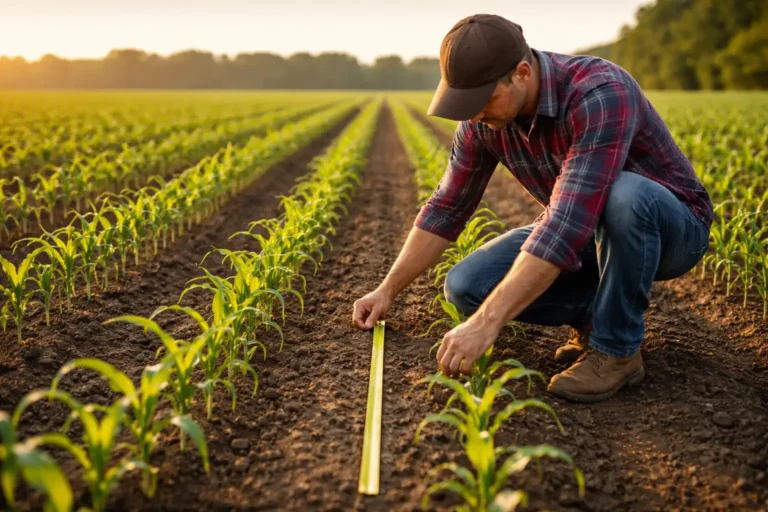
Depth control prevents dry seed and prevents slow emergence. Uniform depth also supports uniform emergence, which helps you cultivate at the right time. Consistent spacing reduces plant-to-plant competition later.
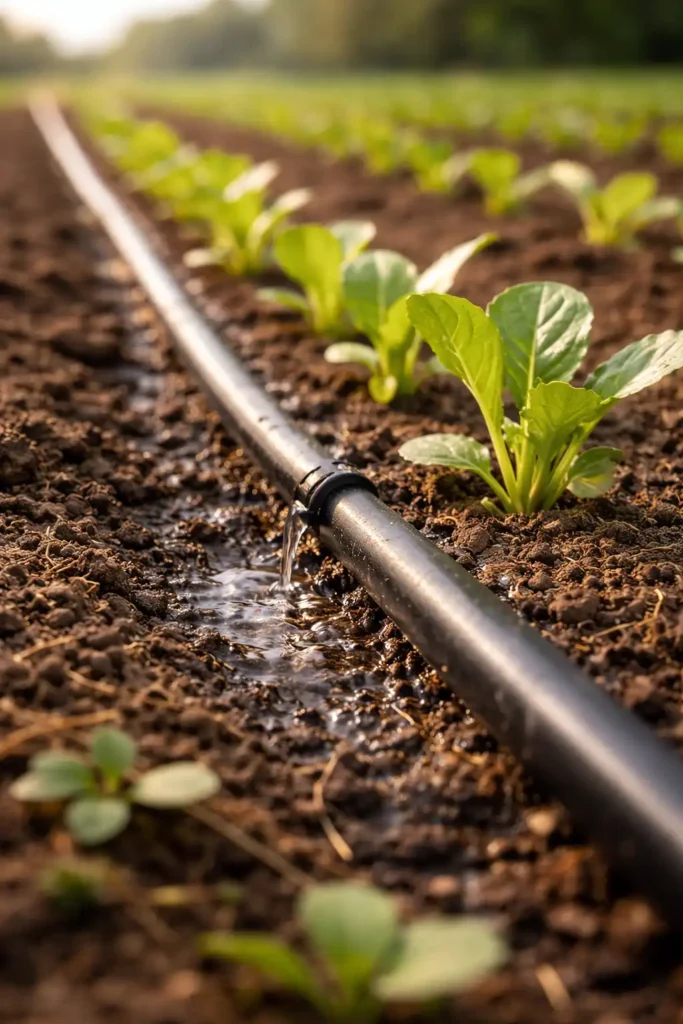
Early moisture management
Seeds need consistent moisture to germinate. Dry topsoil causes patchy stands, and overwatering can crust soil or wash seed. Irrigation timing matters most from planting through emergence.
Early weed control timing
Weeds start fast. If you miss the first cultivation window, seedlings pay the price for weeks. A simple, repeatable plan keeps you on schedule.
How does transplanting work without losing plants?
Transplanting works when plants stay healthy in trays, get hardened off, and get set with water at the root zone.
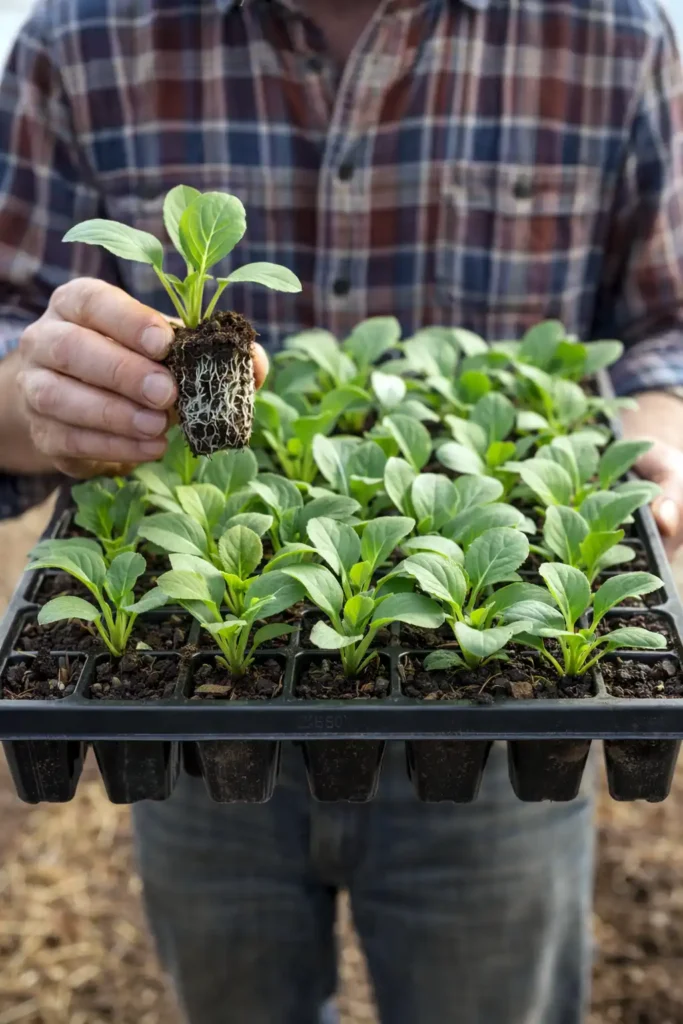
Transplant quality standards that pay off
Healthy transplants show sturdy stems, balanced leaf area, and a root ball that holds together. Overgrown plants struggle because roots circle and water moves poorly through the plug. Weak plants stall after setting and invite pests.
Hardening off reduces shock
Hardening off gradually exposes plants to outdoor wind, sun, and cooler nights. This step strengthens stems and reduces leaf burn. It also helps plants manage field swings better after setting.
Planting depth and root ball contact
Correct depth keeps the root ball moist and active. Good soil contact around the plug prevents air pockets that dry roots. Water-in at planting supports immediate root activity.
Post-transplant irrigation and disease prevention
Transplants need consistent moisture until roots expand into surrounding soil. Wet leaves at night increase disease risk, so targeted root-zone watering reduces problems. Regular scouting catches issues before they spread.
Troubleshooting: quick fixes for common problems
Why do direct-sown seeds fail to emerge?
Seeds fail to emerge when soil crusts, seed dries out, seed sits too deep, or pests feed underground. Fix the seed zone first. Improve seed-to-soil contact, manage moisture, and control surface crust with timely irrigation or light cultivation.
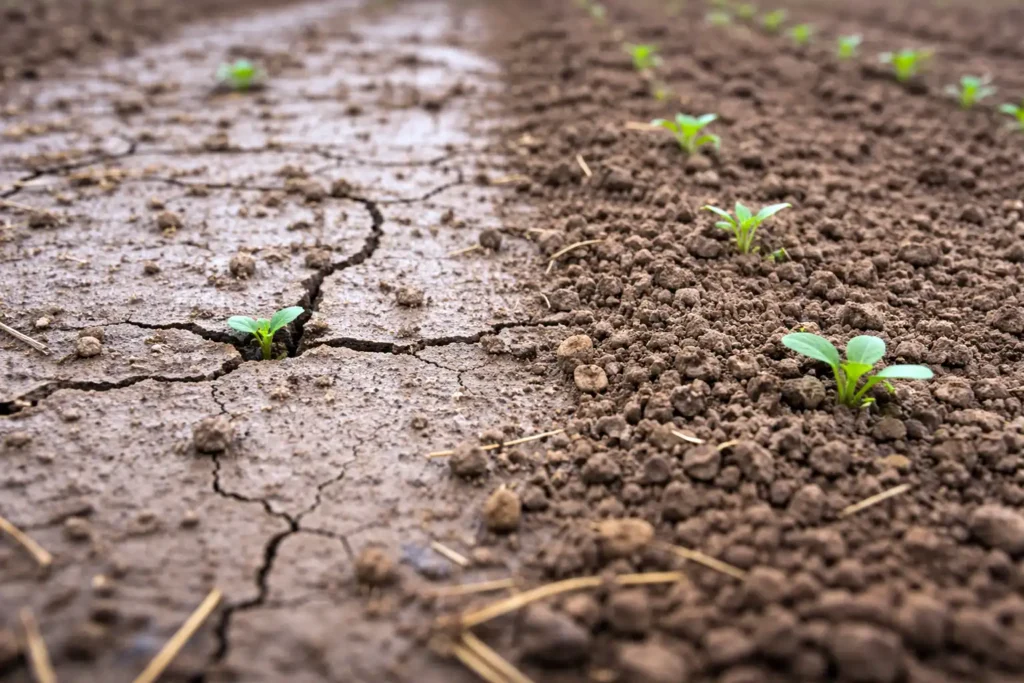
Why do transplants wilt after planting?
Transplants wilt when roots lose contact with moist soil, when wind and sun outpace water uptake, or when plants skip hardening off. Fix planting depth, water-in, and wind protection. Improve hardening off so plants handle field conditions.
Why do stands look uneven?
Uneven stands come from uneven depth, uneven moisture, uneven soil texture, or uneven transplant size. Calibrate equipment, level the seedbed, and keep propagation consistent. Uniform inputs produce uniform stands.
Safety notes that protect you and your crew
Planting season moves fast, but injuries slow a farm down.
- Gloves reduce blisters during hand planting and tray handling.
- Eye protection reduces dust and soil irritation during cultivation and planting.
- Hearing protection protects you around tractors, planters, and pumps.
- Lift with legs and keep trays close to your body to reduce back strain.
If you want a single reference point for basic protection, keep safety gear basics in reach during the season.
Bottom line: the method serves the goal
Direct sowing fits crops that hate root disturbance, farms that plant at scale, and seasons with dependable planting conditions. Transplanting fits farms that need uniform stands, short-season timing control, and faster early canopy to compete with weeds. The best method is the one that matches your crop biology, your field conditions, your irrigation capacity, and your labor on planting week.