Best Fertilizer for Corn in 2026: NPK Grades, Rates, and Timing
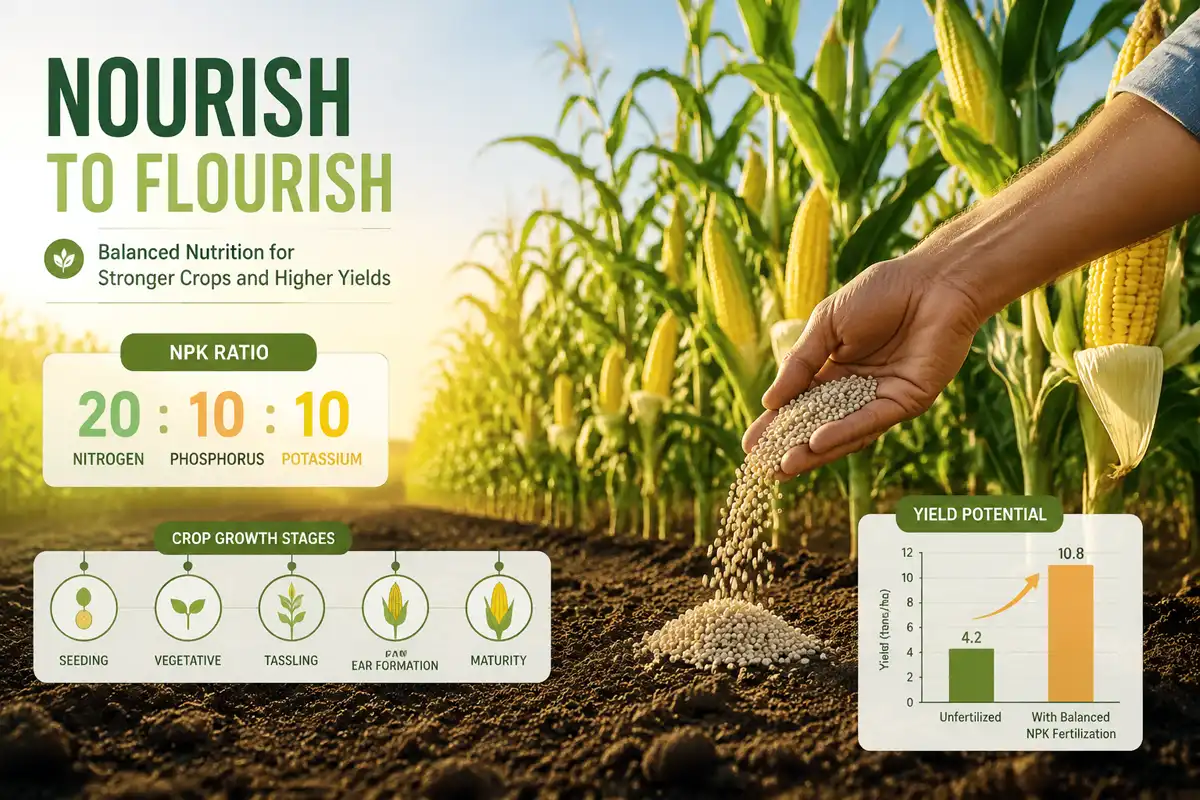
Corn fertilizer is one of the biggest input decisions farmers and gardeners make before planting. The label says feed, but the wrong grade at the wrong stage wastes money. Match the best fertilizer for corn to the growth stage, not to one bag all season.
The best corn fertilizer is Miracle-Gro Water Soluble All Purpose Plant Food. Its 24-8-16 grade pairs high nitrogen with balanced phosphorus and potassium. Espoma Garden-Tone 3-4-4 suits organic growers, and EasyPeasy Urea 46-0-0 handles side-dressing.
Top 3 picks at a glance:
- Best overall: Miracle-Gro Water Soluble All Purpose Plant Food (24-8-16)
- Best organic: Espoma Organic Garden-Tone 3-4-4
- Best for side-dressing: EasyPeasy Urea 46-0-0
9 Best Fertilizers for Corn: Top Picks at a Glance
| Product | Grade | Form | Best use on corn | Feed every |
|---|---|---|---|---|
| Miracle-Gro All Purpose | 24-8-16 | Water soluble powder | Whole season, garden scale | 7 to 14 days |
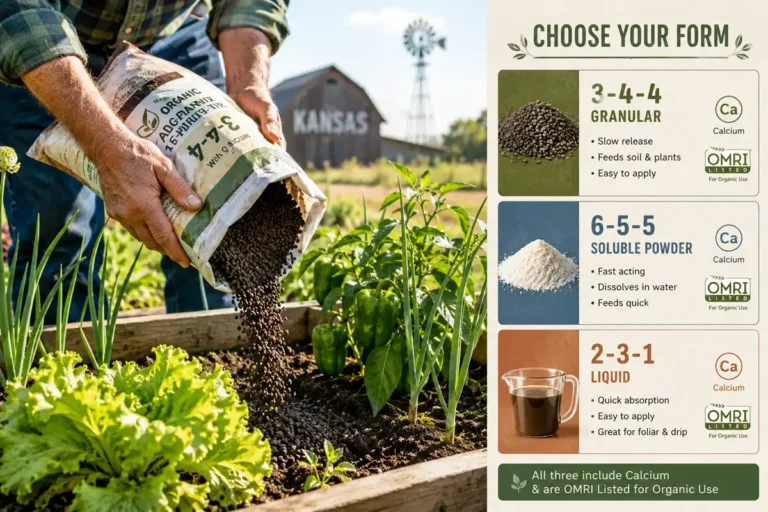
| Espoma Garden-Tone | 3-4-4 | Dry granular | Organic soil building | Monthly |
| Dr. Earth Home Grown | 4-6-3 | Granular | Soil biology and drought | 6 weeks |
| Jobe’s Organics Spikes | 2-7-4 | Spikes | A few container plants | 6 to 8 weeks |
| Burpee Blood Meal | 12-0-0 | Granular | Organic nitrogen boost | 4 to 6 weeks |
| Osmocote Smart-Release | 11 nutrients | Coated granular | Set-and-forget containers | Up to 6 months |
| Leaves & Soul Liquid Corn | 5-1-5 | Liquid concentrate | Seedlings and containers | 7 to 14 days |
| MasterBlend Tomato & Veg | 4-18-38 | Water soluble powder | Potassium near tasseling | 7 to 14 days |
| EasyPeasy Urea | 46-0-0 | Granular | Side-dressing at V6 | Once at V6 |
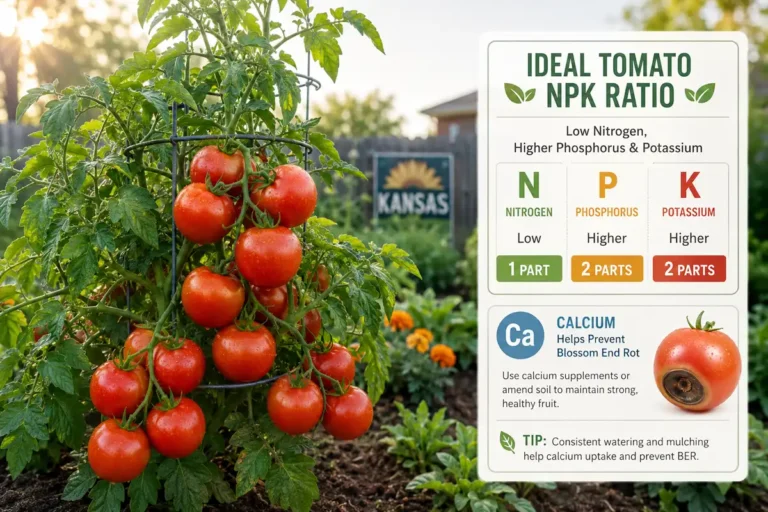
Also see: Top 10 Tomatoes Fertilizers
What Nutrients Does Corn Actually Need?
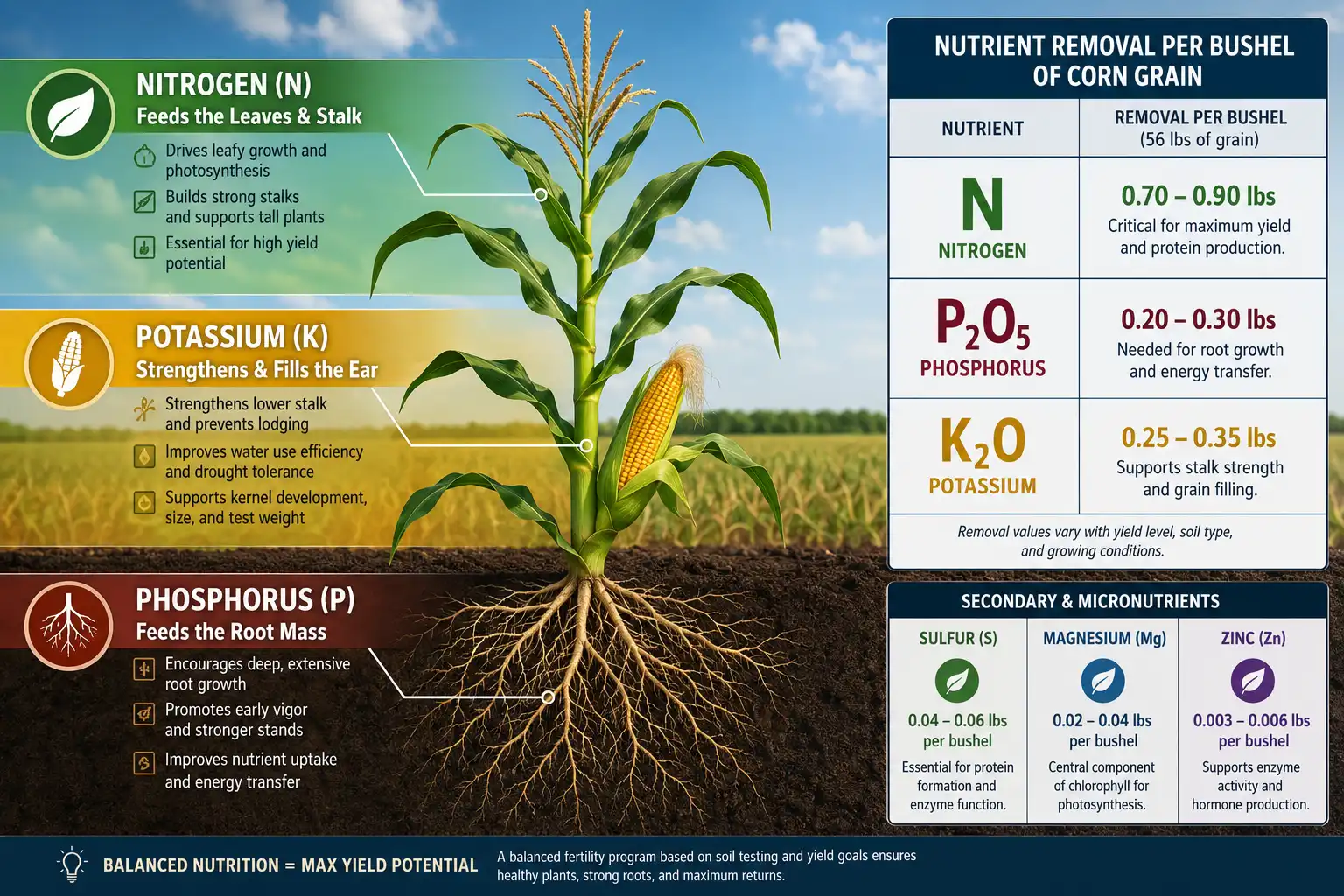
Corn needs nitrogen more than any other nutrient, then phosphorus and potassium, plus smaller amounts of sulfur, magnesium, and zinc.
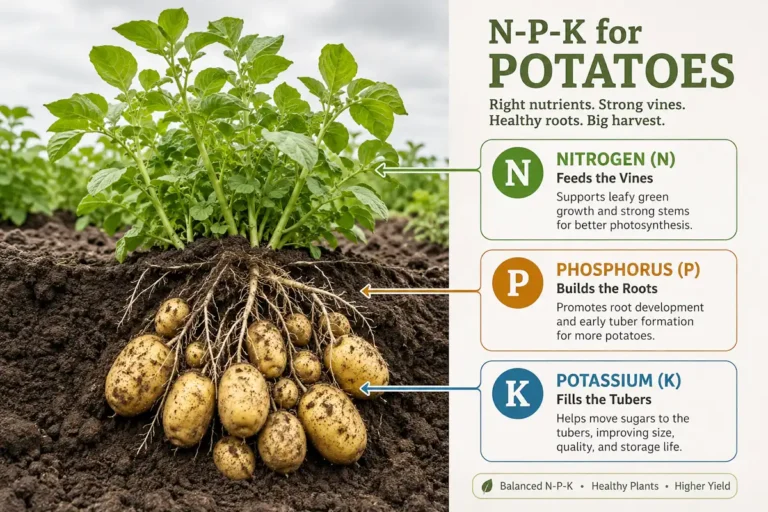
Here is what each one does. Nitrogen builds stalks, leaves, and chlorophyll, and it drives yield harder than anything else you apply. Phosphorus feeds early root growth and gets seedlings moving in cold ground. Potassium strengthens stalks, fills the ear, and helps the plant manage water through dry stretches.
Those three are the macronutrients printed on every bag as NPK. Behind them sit the secondary nutrients corn needs in smaller doses. Sulfur has turned into a real concern since cleaner air cut atmospheric sulfur deposits. Plenty of Kansas ground now responds to it. Magnesium supports chlorophyll production. Zinc matters most on high-pH soils and eroded hilltops.
Removal numbers show the scale. K-State Research and Extension figures each bushel of corn grain hauls off roughly 0.9 pounds of nitrogen. Add 0.33 pounds of P2O5 and 0.26 pounds of K2O. So a 180 bushel crop strips about 162 pounds of nitrogen per acre in grain alone.
What Is the Best NPK Ratio for Corn?
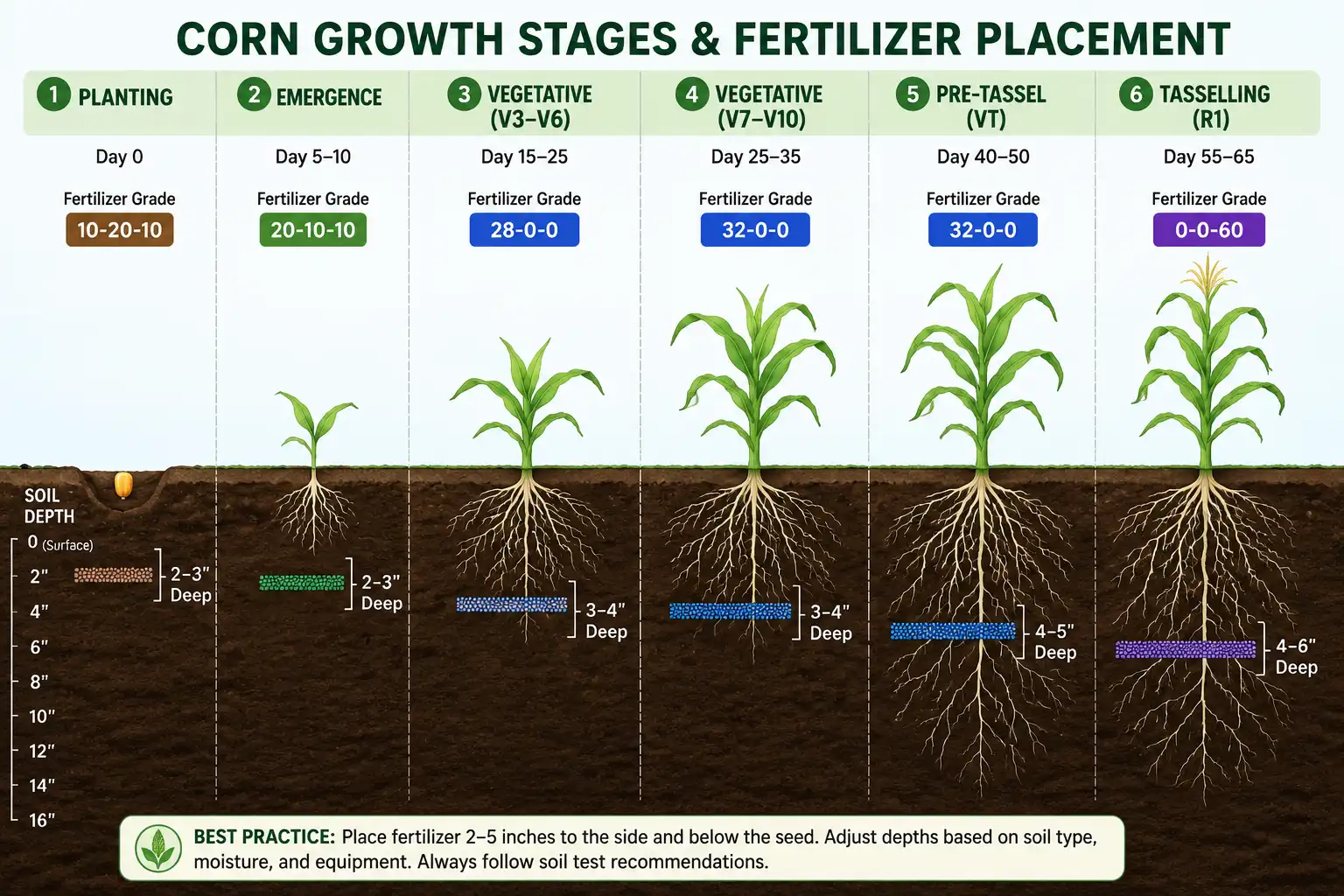
Use a balanced fertilizer like 10-10-10 or 12-12-12 at planting. Then switch to high nitrogen such as 34-0-0 or 46-0-0 at side-dress. Cover potassium needs before tasseling.
That pattern follows the plant instead of the bag. Early on, corn wants phosphorus for roots and only a little nitrogen. Later it wants nitrogen in volume. For sweet corn, 16-16-8 works well as a starter fertilizer because it delivers phosphorus without loading salt beside tender seed.
Field scale changes the math. Once you buy by the ton, your corn NPK choice follows the soil test rather than a fixed ratio. Ground testing high in potassium does not need K in the starter at all. That is why 19-19-19 fits one farm while 18-46-0 fits the next.
Garden growers can skip the NPK ratio for corn question entirely and think in pounds of actual nitrogen instead. Multiply the grade by the bag weight to get there.
Also see: 10 20 20 Fertilizer rating and uses
Types of Fertilizer for Corn (Granular, Liquid, Organic, Slow-Release)
Granular costs less and stores easily, while liquid places more precisely. Organic feeds slowly and builds soil, and slow-release products stretch feeding across weeks. Most corn fertilizer types come down to those four buckets. Your equipment usually narrows the choice before your agronomy does.
Nitrogen-Based Fertilizers
Urea at 46-0-0, ammonium sulfate at 21-0-0, and UAN at 28-0-0 handle most of corn’s nitrogen demand. Each one covers the job, so cost and equipment decide between them.
Anhydrous ammonia still carries the lowest cost per pound of nitrogen on big acres. Yet it needs specialized equipment and careful handling. Ammonium sulfate brings about 24 percent sulfur along for the ride, so it pulls double duty on sulfur-short fields.
Split applications cut leaching. Nitrate travels with water, so one heavy preplant shot on sandy ground can vanish after a wet week. Side-dressing puts nitrogen near the root zone right as uptake climbs.
Volatilization is the other loss route. Surface urea sitting dry on residue can lose a large share of its nitrogen as ammonia gas. Research puts average ammonia loss from untreated surface urea near 30 percent. Urea treated with the urease inhibitor NBPT cuts that roughly in half. So incorporate it, water it in, or buy it treated.
Phosphorus and Potassium: When They Matter
Phosphorus drives early root development while potassium drives stalk strength and grain fill.
Band both at planting according to your soil test. A banded starter puts P where young roots can reach it. That pays most in cold, wet springs and heavy residue. DAP fits this job well, since 18-46-0 as a banded starter supplies 18 percent nitrogen alongside 46 percent P2O5.
Potassium timing runs looser because K does not leach much on medium and heavy soils. Corn still takes up a lot of it, though. Low-K fields show weak stalks and late-season lodging. Many state guidelines call for K2O once soil test levels drop below roughly 120 to 130 ppm.
Organic Options (Compost, Manure, Blood Meal)
Aged manure, compost, blood meal, and corn gluten meal feed slowly while building soil structure and soil microbe activity.
Apply them earlier than synthetics, because they mineralize over weeks rather than days. Blood meal runs about 12-0-0 and releases faster than compost, so it works as an organic side-dress. Look for OMRI-listed products if you sell certified.
One caution on corn gluten meal. It does supply nitrogen. But it also blocks root formation in germinating seeds. That is exactly why gardeners use it as a natural pre-emergent. So keep it away from newly planted corn and apply it only after the stand is up and growing.
Aged manure deserves its own test. Rates swing wildly by source and bedding, and fields with long manure histories often carry plenty of phosphorus already.
Liquid vs Granular: Which Is Better?
Neither is chemically superior, and the Nebraska Corn Board makes that point directly, citing a Michigan State analysis.
Liquid gives you identical nutrient content in every drop. It also moves phosphorus better through soil water. Clean precision application off a planter or side-dress bar comes standard. It also fits fertigation on irrigated ground.
Granular usually costs less per pound of nutrient, stores without freezing worries, and broadcasts fast across wide acres. Placement is the trade-off. A granular band loaded with nitrogen and potassium runs hot, and roots steer away from it.
Equipment settles much of this liquid vs granular fertilizer question anyway. Converting a planter to liquid costs real money, so most growers run whichever system they already own.
How to Choose the Right Corn Fertilizer
Start with a soil test. Then match the grade to your growth stage and soil type. After that, pick organic or synthetic based on your goals and budget. Work through it in that order and you stop paying for nutrients you already have.
Start With a Soil Test
Test before you buy, because guessing costs far more than the test does.
Corn performs best between soil pH 6.0 and 7.0. Below 5.5, aluminum and manganese turn available enough to stunt roots, and phosphorus availability falls at the same time. Lime corrects that, but it works slowly, so spread it in fall ahead of a spring crop.
A test also pinpoints your exact N-P-K gaps and flags any nutrient deficiency before it costs bushels. A basic soil testing kit covers pH and general levels on a garden plot. Field ground deserves a lab test with grid or zone sampling. Retest every 2 to 3 years, or yearly if you push rates hard.
Match Fertilizer to Growth Stage
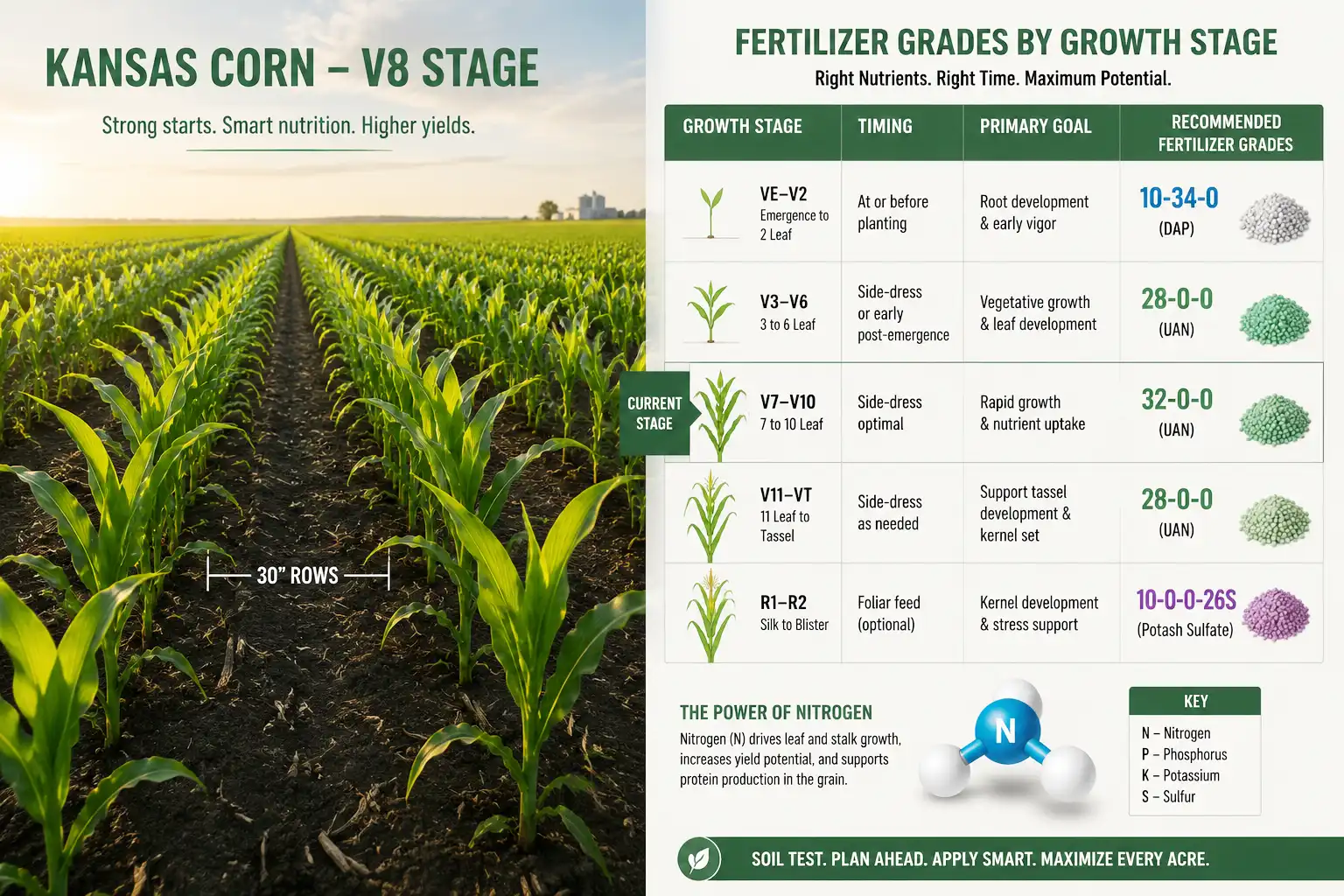
Put phosphorus-rich starter fertilizer down at planting, high nitrogen at V6 to V8, and potassium in place before tasseling.
Uptake data explains the timing. Corn takes up under 12 percent of its season-long nitrogen before V6. Then it absorbs roughly 55 to 60 percent between V6 and tasseling. The rest, close to a third, moves in during grain fill and silking.
So split applications beat one heavy dose almost every time. A quarter of the nitrogen at planting and three quarters at V6 to V8 covers most fields. Growers chasing 200 bushels often add a pre-tassel pass on top.
Growing degree days help you time side-dressing without guessing. Corn generally reaches V6 near 475 growing degree days after planting, which lands around knee high. V12 arrives well after that window shuts, so do not wait for it.
Consider Soil Type, Weather, and Irrigation
Sandy soil leaches nitrogen, so split it or run slow-release. Clay soil holds nutrients, but it loses them to denitrification once saturated.
Time applications away from heavy rain. Two inches falling on freshly broadcast urea pushes nitrate below the root zone on light ground. Saturated clay fails differently, since denitrification turns nitrate into gas within days.
Stabilized nitrogen helps in both cases. A nitrification inhibitor slows the change from ammonium to nitrate, which keeps nitrogen in the less mobile form longer. One catch is worth knowing. Nitrification inhibitors used alone can raise ammonia loss from surface urea. So pair them with a urease inhibitor rather than running them solo.
Fertigation suits irrigated fields well. Feeding small amounts through a pivot spreads nitrogen across the uptake window without another trip across the field.
Corn pulls enough nitrogen per acre that hand-spreading quits being practical past a small plot, so match your blend to a spreader that holds its rate before you plan the pass.
The 9 Best Fertilizers for Corn: Reviews
Here is how the nine stack up before the detail. Match the grade to your growth stage, not to the label on the front.
1. Miracle-Gro Water Soluble All Purpose Plant Food
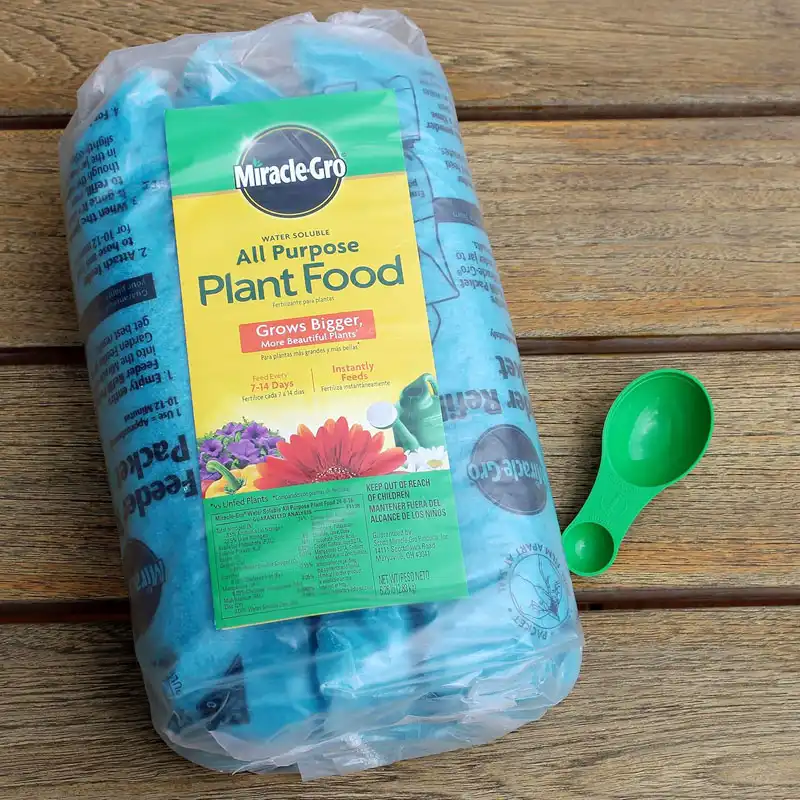
Miracle-Gro belongs to Scotts, and this water soluble powder handles garden corn better than anything else here. The 24-8-16 grade carries the highest nitrogen of any balanced option on this list. It also brings 16 percent potassium for stalk strength and ear fill. Mix it in a watering can, or run it through a hose feeder. One jug covers roughly 2,500 square feet. Feed every 7 to 14 days right through tasseling. Growers feeding sweet corn report faster, greener growth within two weeks.
Specifications:
- NPK: 24-8-16 water soluble powder
- Size: 6.25 lb, pre-measured packets
- Coverage: roughly 2,500 square feet
- Outdoor rate: 1.5 tbsp per 1.5 gallons
2. Espoma Organic Garden-Tone 3-4-4 Plant Food
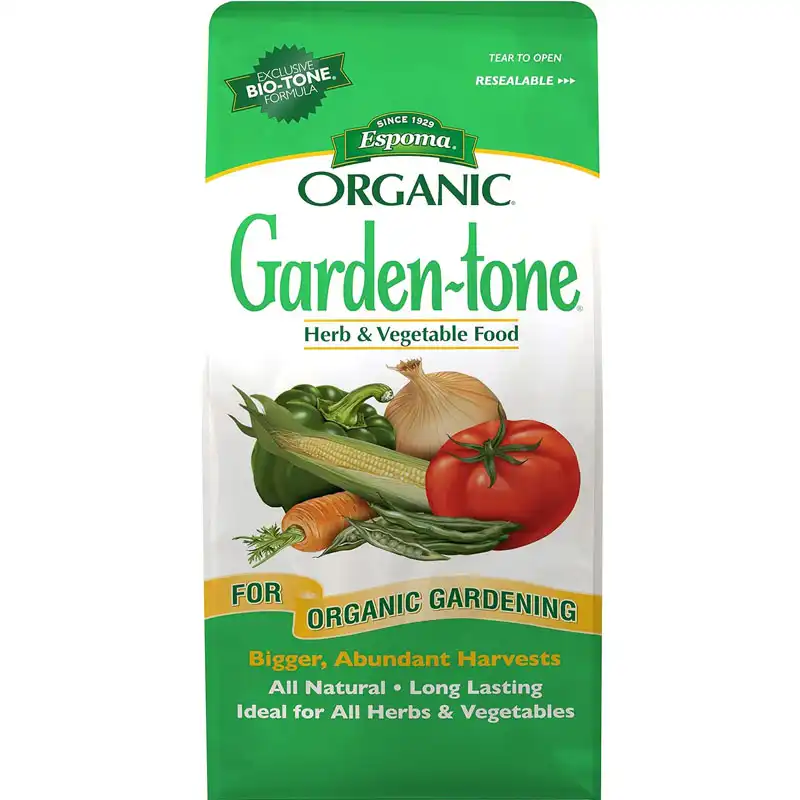
Espoma has made natural organics since 1929, and Garden-Tone is their all-purpose vegetable blend. The 3-4-4 analysis includes 5 percent calcium, which most organic mixes leave out. Its Bio-tone formula adds living microbes that work the root zone over time. You sprinkle it dry along the row, then water it in. No mixing needed. Be straight with yourself about the nitrogen, though. At 3 percent, corn needs a lot of product or a blood meal partner to cover its demand.
Specifications:
- NPK: 3-4-4 with 5 percent calcium
- Size: 4 lb bag, dry powder
- Application: monthly along planting rows
- Certification: approved for organic gardening
3. Dr. Earth Home Grown Vegetable Fertilizer
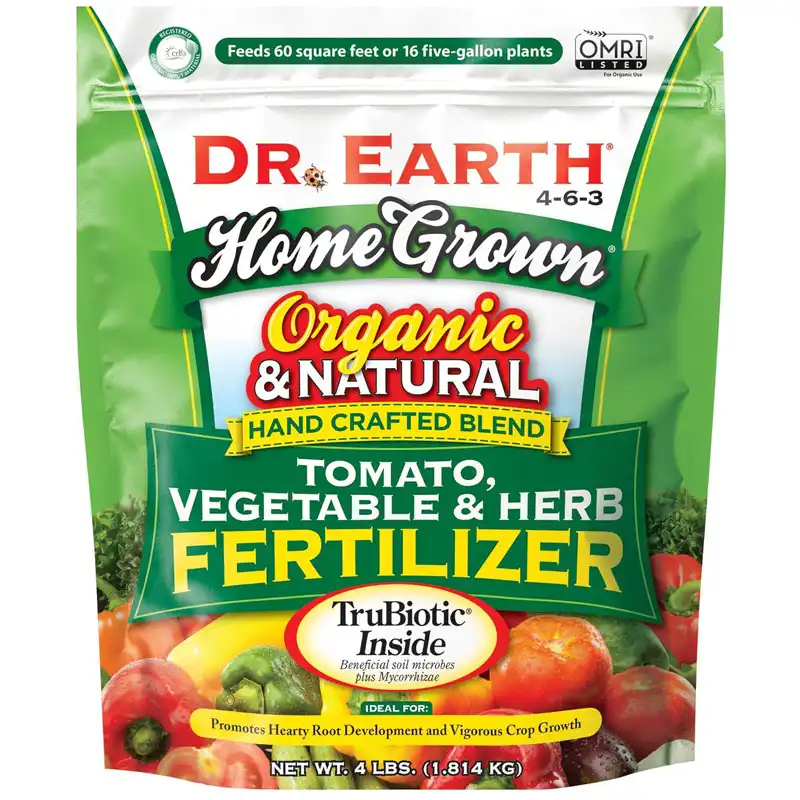
Dr. Earth built this 4-6-3 granular around biology rather than raw analysis. It carries seven strains of beneficial microbes plus eight strains of ecto and endo mycorrhizae. Those fungi extend the root system, which improves drought tolerance and nutrient uptake. The blend holds OMRI listing, Non-GMO Project verification, CCOF, and NOP certification. No chicken manure or sewage sludge goes in it. Target soil pH near 6.5 for the best response, and top dress every 6 weeks.
Specifications:
- NPK: 4-6-3 granular
- Biology: 7 microbe strains, 8 mycorrhizal strains
- Size: 4 lb bag
- Reapply: every 6 weeks as top dress
4. Jobe’s Organics Vegetable Fertilizer Spikes
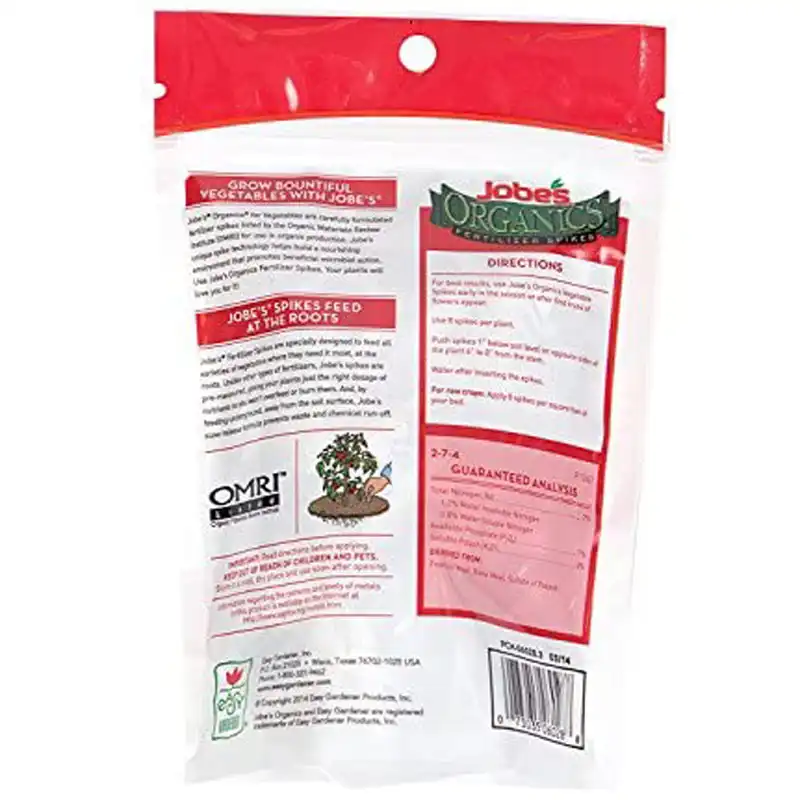
Jobe’s presses its OMRI-listed organic blend into pre-measured spikes. You push one into the soil 6 to 8 inches from the stem. Then it releases for 6 to 8 weeks. No dust, no measuring, no runoff. The 2-7-4 grade suits tomatoes and peppers well. Corn is a different story. A corn block runs 8 to 12 inch spacing, so covering it takes hundreds of spikes. The 2 percent nitrogen also falls well short of what corn pulls.
Specifications:
- NPK: 2-7-4 organic spikes
- Pack: 4 packages, 200 spikes total
- Placement: 6 to 8 inches from stem
- Duration: 6 to 8 weeks per spike
5. Burpee Organic Blood Meal Fertilizer
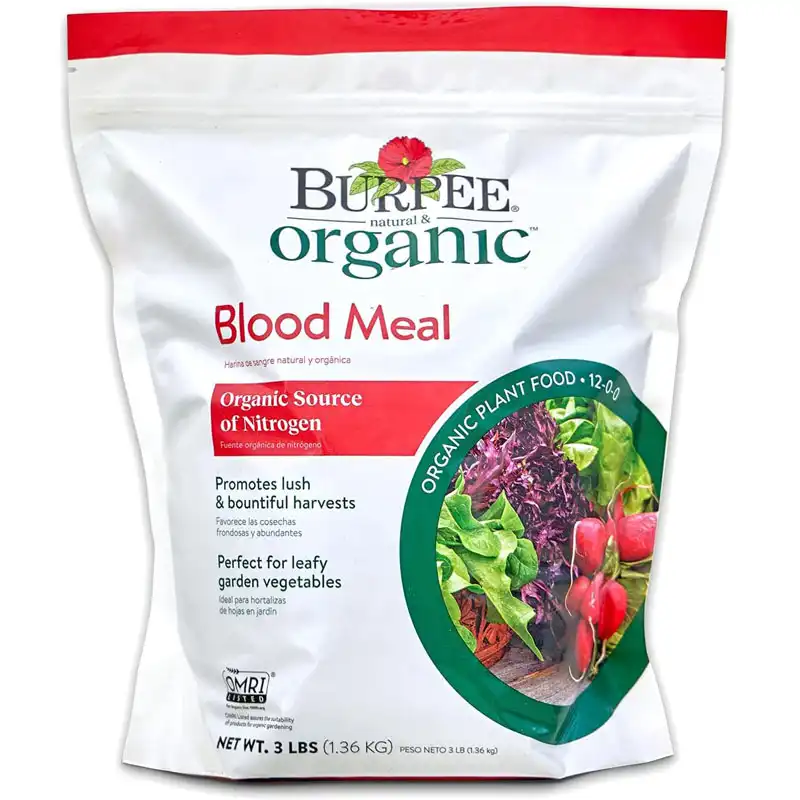
Burpee has served gardeners since 1876, and this is the organic answer to corn’s nitrogen appetite. Blood meal runs 12-0-0, which is four times the nitrogen in most organic blends. It comes from cattle and pig blood, so the nitrogen releases faster than compost yet slower than urea. That makes it a real organic side-dress. Here is the bonus for corn growers: deer, rabbits, and moles avoid the smell. A 3 pound bag covers up to 450 square feet. Wear gloves and a mask while spreading.
Specifications:
- NPK: 12-0-0 granular
- Size: 3 lb, covers 450 square feet
- Release: slow, feeds gradually
- Mixing rate: 3:1 with potting soil
6. Osmocote Smart-Release Plant Food
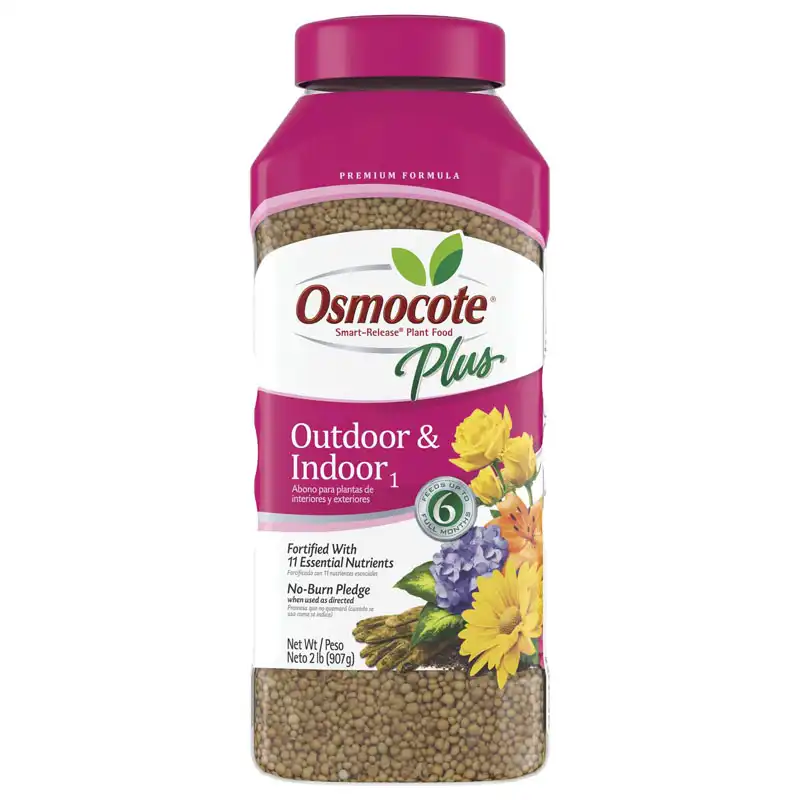
Osmocote coats every granule in resin, and that coating is the whole point. Release speeds up as soil temperature rises, so feeding tracks the plant instead of the calendar. Corn grows hardest in warm July soil. One application supplies 11 essential nutrients for up to 6 months, including micronutrients. Mix 3 tablespoons into the top 1 to 3 inches per 4 square feet. A 2 pound container covers 75 square feet, so treat this as container and raised bed feed.
Specifications:
- Nutrients: 11 essential, resin coated
- Duration: up to 6 full months
- Coverage: 75 square feet per 2 lb
- Rate: 3 tbsp per 4 square feet
7. Leaves & Soul Professional Liquid Corn Fertilizer
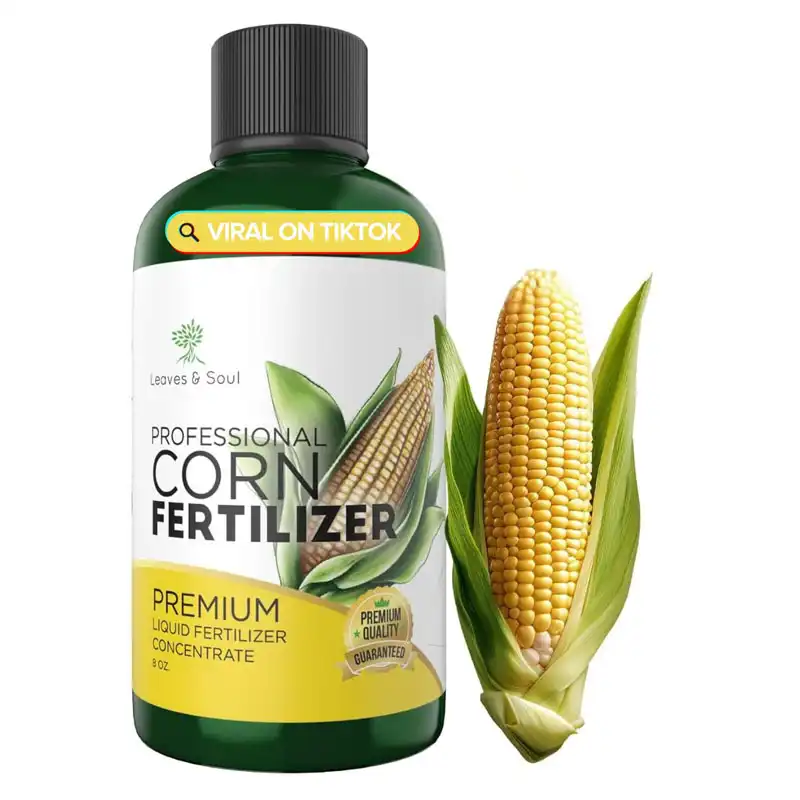
This is the only blend here built specifically for corn, and Leaves and Soul makes it in the USA. The 5-1-5 formula splits nitrogen and potassium evenly, with just enough phosphorus for root development. It dissolves instantly, so nutrients reach roots the same day. That speed helps young corn shake off cold, wet spells. Growers report strong early growth and clean emergence. Run the math first, though. An 8 ounce concentrate at 5 percent nitrogen suits containers and small plots, not a real patch.
Specifications:
- NPK: 5-1-5 liquid concentrate
- Size: 8 fluid ounce bottle
- Frequency: every 1 to 2 weeks
- Storage: cool, dry, away from heat
8. MasterBlend Tomato & Vegetable Fertilizer
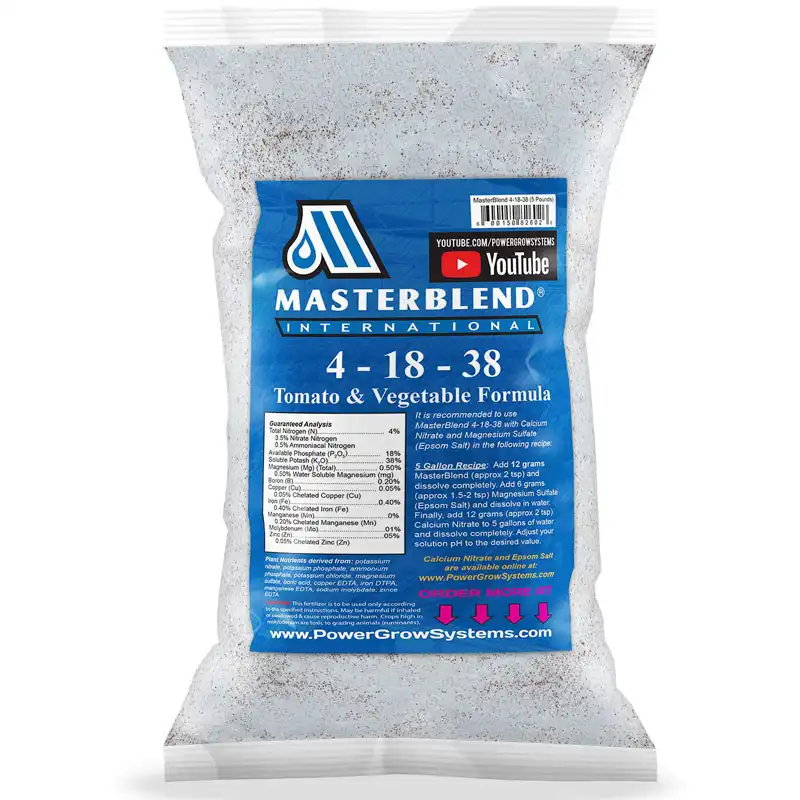
MasterBlend is a professional water soluble blend, and hydroponic growers have leaned on this 4-18-38 formula for years. The 38 percent K2O is what earns it a place in a corn program. Potassium builds stalk strength and fills the ear, which covers the late-season need. Five pounds makes over 300 gallons of solution. One rule matters most: mix MasterBlend, calcium nitrate (15.5-0-0), and Epsom salt separately, then combine them in order. Mixing all three at once causes nutrient lockout.
Specifications:
- NPK: 4-18-38 water soluble powder
- Size: 5 lb, over 300 gallons
- Recipe: 12 g with 12 g calcium nitrate, 6 g Epsom salt
- Systems: soil, drip, and hydroponic
9. EasyPeasy Urea 46-0-0 Fertilizer
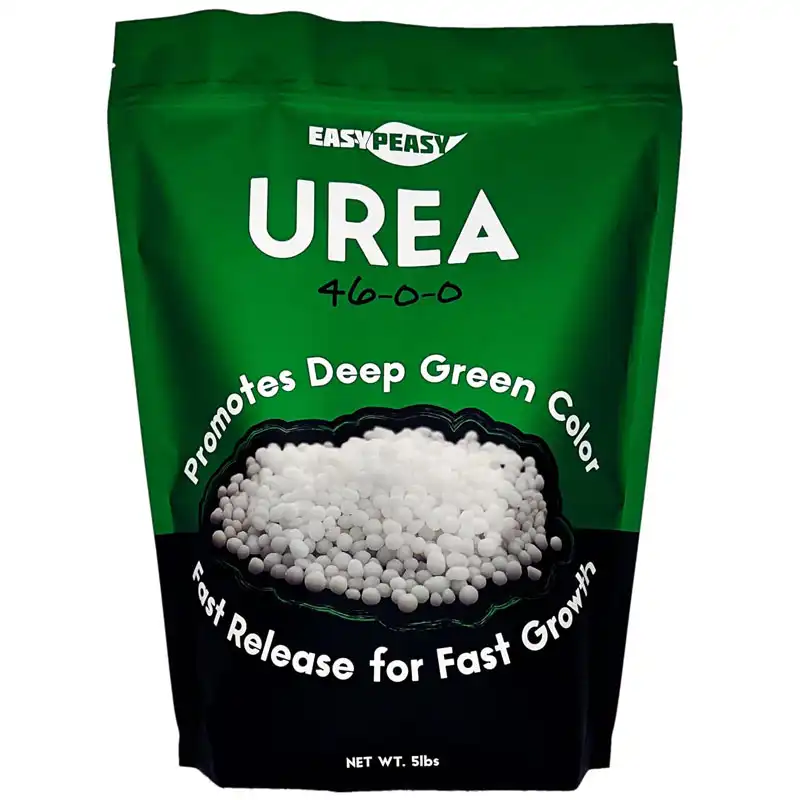
Straight urea at 46 percent nitrogen is what field corn wants at side-dress. This one comes as clean granules with no fillers. Run it through a standard spreader, or dissolve it for spraying. Nitrogen-only means you control the balance, which works once your soil test shows enough phosphorus and potassium. Growers report dark green corn with strong ear development. Water it in thoroughly every time. Surface urea left dry loses nitrogen to volatilizationand the breakdown of urea at 46-0-0 covers that loss in detail.
Specifications:
- NPK: 46-0-0 granular urea
- Size: 10 pound bag
- Application: spreader or dissolved spray
- Caution: water in, avoid foliage contact
When and How to Apply Fertilizer to Corn
Apply starter at planting, 2 inches beside and 2 inches below the seed. Then side-dress nitrogen by V6, while corn sits under 12 inches. After that, hold off on heavy nitrogen once kernels start filling. Placement matters as much as rate here, so when to fertilize corn and where to put it deserve equal attention.
Fertilizing at Planting
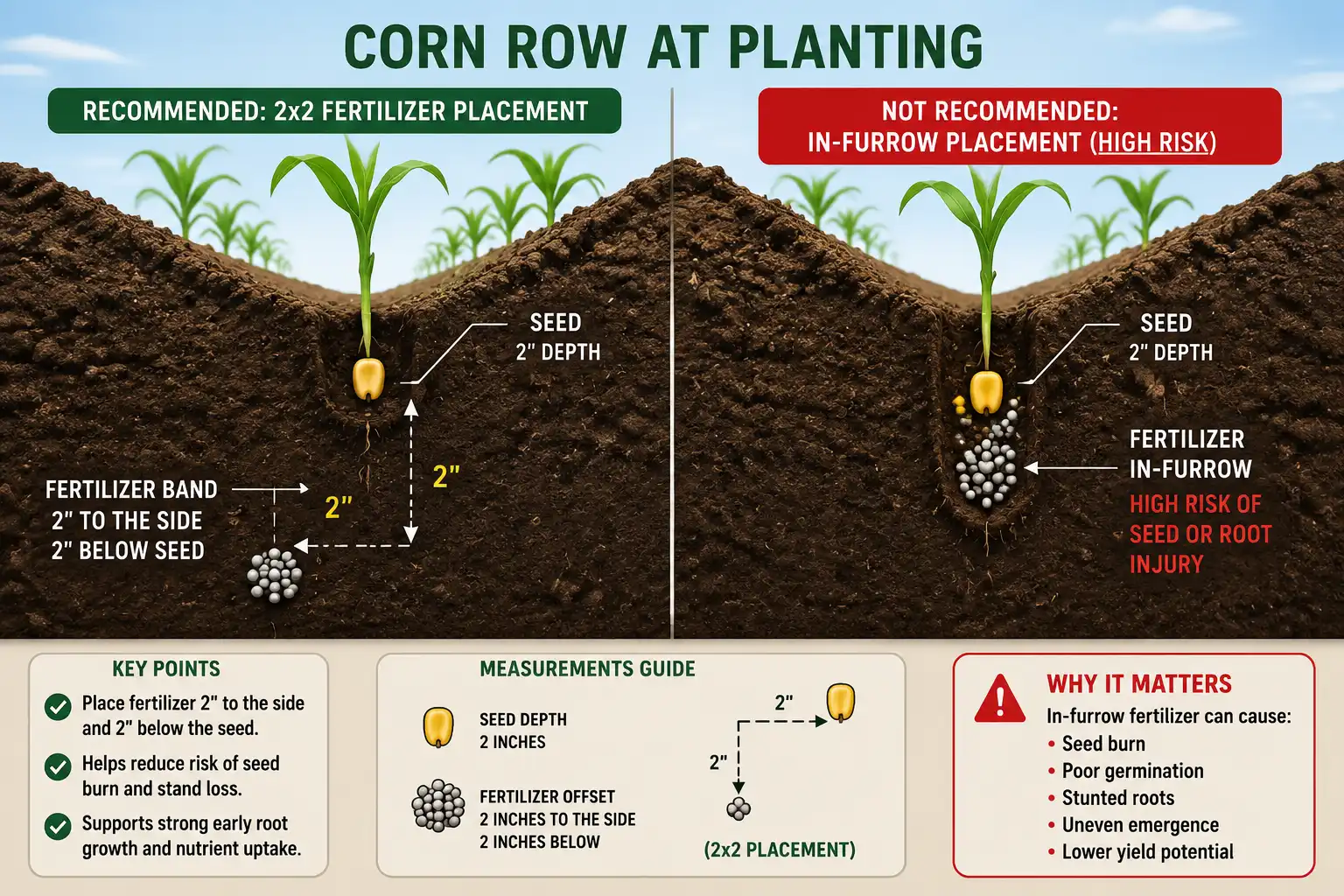
Use a balanced or phosphorus-heavy starter placed 2 inches to the side and 2 inches below the seed.
That 2×2 rule keeps salt away from the germinating seed while leaving fertilizer inside reach of young roots. A surface band beside the row works about as well. K-State research near Scandia found strong responses from 30 pounds of nitrogen with 15 pounds of phosphorus.
Cold soils benefit most from a band. Phosphorus moves poorly at low temperatures, so a starter band gives seedlings something they can actually reach in April ground. That early boost shows up as seedling vigor within two weeks.
In-furrow pop-up fertilizer is a different animal. Keep nitrogen plus K2O under 6 to 8 pounds per acre in direct seed contact on 30 inch rows. Michigan State sets the pop-up ceiling near 10 pounds on silt and clay loams, and 5 pounds on sandy soils. Never run urea or UAN in-furrow at any rate, since urea converts to ammonia and kills seedlings outright.
Salt injury shows up as short, discolored roots and a thin stand. Dry weather after planting makes it worse.
Side-Dressing Corn (Timing and Rate)
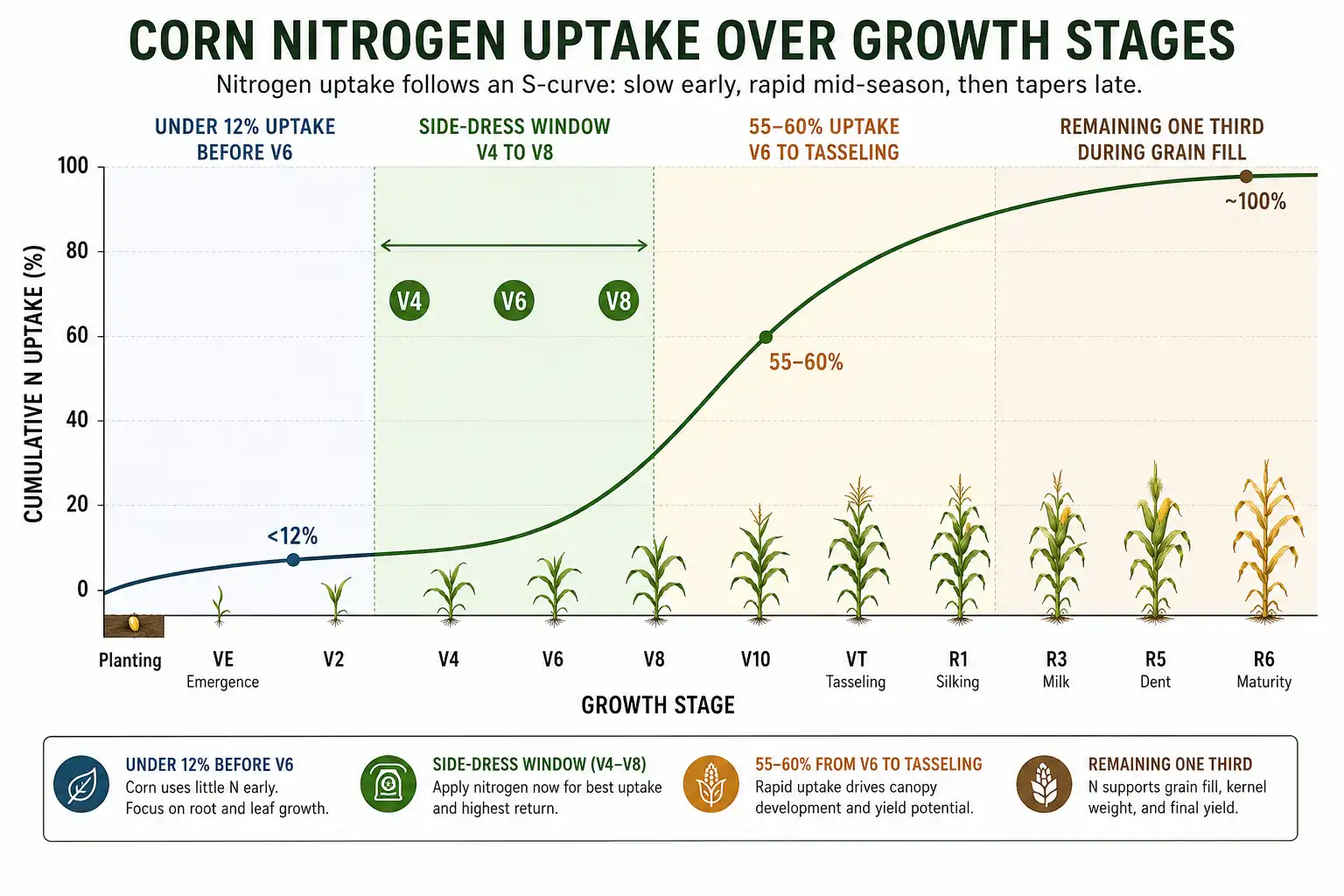
Side-dress nitrogen between V4 and V8, and aim for V6 before corn passes 12 inches tall.
Cornell ran a four-year side-dress trial and found V8 and V10 timings cut yield against V4 and V6. Both late timings still beat applying nothing, yet efficiency dropped. So earlier inside that window is the safer choice.
Place urea, UAN 28%, or ammonium sulfate a few inches off the row. Then knife or incorporate it where your setup allows. Pinning down your liquid fertilizer per acre before you start keeps the pass moving.
Small plots run on simpler numbers. UMass suggests 8 ounces of 10-10-10 per 10 linear feet of row at 12 inches tall. Band it 3 to 4 inches out from the plants on each side. University of Illinois Extension frames it differently: 1 to 2 pounds of actual nitrogen per 100 feet of row. Apply that 2 to 3 times across the season.
A pre-sidedress nitrate test sharpens your rate. Pull the top foot when corn is 12 inches tall, then measure against a 20 to 25 ppm nitrate-N target. Below that, apply. NDSU builds its corn nitrogen guidance around spring soil nitrate sampling. That matters most where carryover nitrate swings hard between years.
How Much Fertilizer per Acre?
Plan on roughly 0.8 to 1.0 pound of fertilizer nitrogen per bushel of realistic yield goal. So a 200 bushel target lands near 160 to 200 pounds of nitrogen per acre.
Here is a correction worth carrying with you. The old 1.2 pounds per bushel figure describes total plant uptake, not fertilizer rate. Nebraska Extension states plainly that it never recommended 1.2 pounds of fertilizer nitrogen per bushel. Soil always supplies some of its own, through mineralization, residual nitrate, legume credits, and irrigation water. Subtract those credits and your fertilizer number always lands lower.
Most Corn Belt states now publish rates through the MRTN approach, short for maximum return to nitrogen. The Corn Nitrogen Rate Calculator sets a rate from trial data plus your current nitrogen and corn prices. Typical MRTN figures for corn after soybeans have been running near 150 to 190 pounds of nitrogen per acre. Nitrogen prices climbed sharply in early 2026. Higher prices pull those numbers down. So recheck the calculator rather than reusing last year’s rate.
Phosphorus and potassium follow the soil test. Common ranges land near 40 to 80 pounds of P2O5 and 80 to 120 pounds of K2O per acre. Working out your corn fertilizer rate per acre against bushels per acre targets keeps spending honest. Variable-rate technology helps once you hold zone data, since it shifts pounds toward the ground that actually responds.
Best Fertilizer for Different Corn Types
Sweet corn wants steady nitrogen for sugar and ear fill. Field corn wants a split high-nitrogen program for grain weight. Popcorn and ornamental corn need only moderate nitrogen, so kernels harden properly.
Sweet Corn
Start with a balanced 10-10-10, then side-dress 34-0-0 or 46-0-0 once plants reach 12 inches.
Consistent nitrogen through tasseling drives kernel fill and flavor. Sugary (su) varieties handle standard practice fine. Supersweet (sh2) types carry weaker seedlings and less salt tolerance near the seed. So keep that starter band light, and wait for 65 degree soil.
Ammonium sulfate suits a second side-dress where soil sulfur runs low. This full guide on fertilizing sweet corn walks the schedule pass by pass.
Field Corn
Run a split program, with balanced 19-19-19 at planting and a high-nitrogen side-dress at V6.
Nitrogen is the yield driver in field corn, so protecting it pays. Anhydrous ammonia remains the cheapest nitrogen per pound across much of the Corn Belt. It also converts slowly enough to hold well through spring. Stabilized nitrogen products cut losses further on tile-drained ground.
Grain fill deserves attention too. Around a third of the crop’s nitrogen goes in after tasseling. So some growers add a pre-tassel pass instead of quitting at V6.
Container and Small-Plot Corn
Feed containers lightly and often. Use 10-10-10 or 20-20-20 diluted every 1 to 2 weeks, plus slow-release granules mixed through the potting soil.
Water the container before you feed. Dry potting mix concentrates salts fast, and corn roots in a pot have nowhere to escape. Fish emulsion works as a gentler option between doses.
Pick dwarf corn varieties for pots, and plan on at least a 15 gallon container per few plants. Plant in a block rather than a line, or hand-pollinate by shaking tassels over the silks.
Common Corn Fertilizing Mistakes to Avoid
Most of these cost bushels quietly, so they are worth checking against your own program.
- Over-applying nitrogen. Excess brings lodging, delayed maturity, and nitrate runoff into waterways. Over-fertilization charges you twice.
- Skipping the soil test. Without one you buy nutrients blind.
- Ignoring pH. Below 5.5, nutrients sit locked in the soil no matter how much you spread.
- Using low-nitrogen lawn fertilizer. Turf grades run short on nitrogen for corn, and weed-and-feed products carry herbicide that damages the crop.
- Broadcasting urea on dry ground with no rain coming. Ammonia loss climbs fast. A urease inhibitor or light incorporation prevents most of it.
- Applying to saturated soil. Denitrification strips nitrate within days.
- Feeding heavy nitrogen during grain fill. Late nitrogen pushes stalk growth and delays dry-down.
- Skipping tissue testing. Pulling the ear leaf at silking confirms whether your program actually worked.
Following extension best management practices heads off most of these before they start.
FAQs on Corn Fertilizer
What is the best fertilizer for corn?
What is the best NPK ratio for corn?
When should I apply fertilizer to corn?
How often should I fertilize corn?
How much fertilizer does corn need per acre?
Can I use lawn fertilizer for corn?
Is 10-10-10 good for corn?
Are organic fertilizers better for corn?
How do I know if my corn needs more fertilizer?
Bottom Line for Your Corn Fertilizer
Test first, then match the grade to the growth stage instead of buying one bag for the whole season. For most growers the best corn fertilizer is a high-nitrogen water soluble feed like Miracle-Gro. Espoma Garden-Tone covers organic plots, and EasyPeasy Urea 46-0-0 handles side-dress passes. Split your nitrogen, protect it from loss, and ease off heavy applications once kernels start filling.