Best Fertilizer for Potatoes in 2026: 11 Picks Ranked by NPK
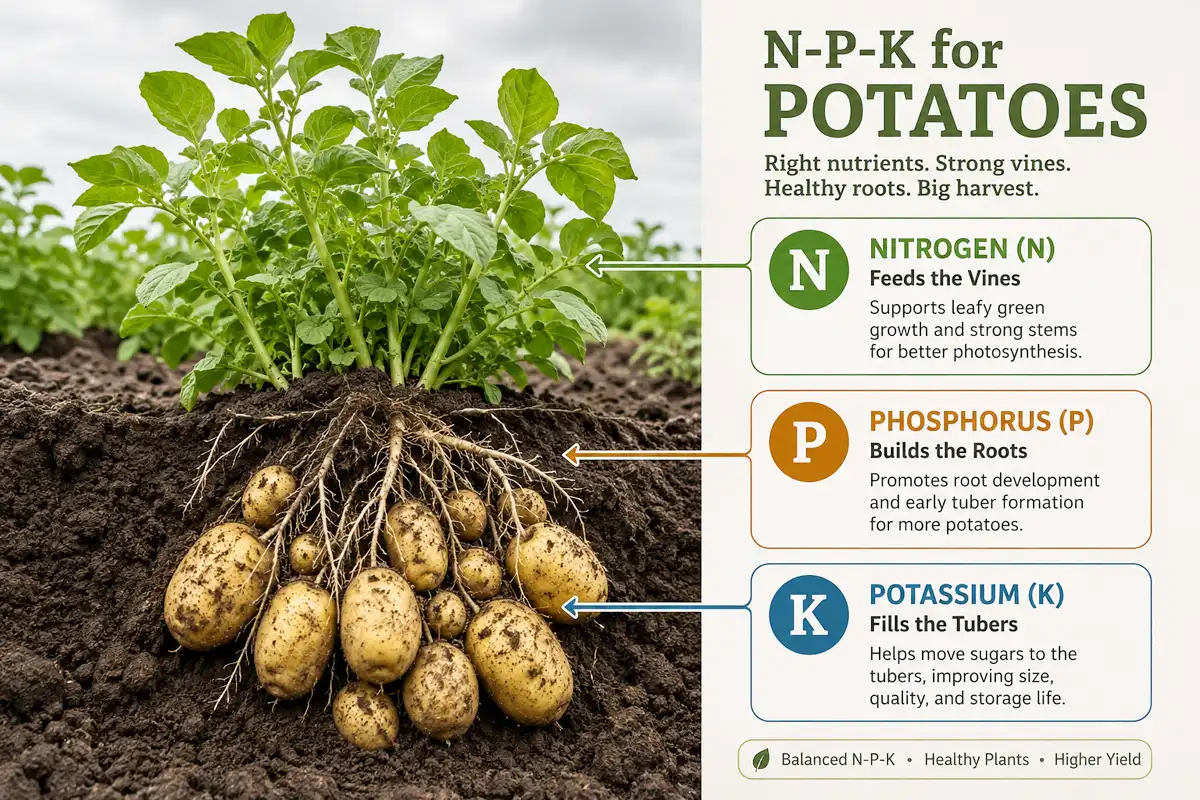
A good potato crop strips over 250 pounds of potash per acre. Yet the roots only reach the top foot of soil, so that shallow zone empties fast during bulking. That is why you need the best fertilizer for potatoes to keep phosphorus and potassium coming as tubers fill.
The best fertilizer for potatoes is Jobe’s Organics Granular Garden Fertilizer, because its 3-4-3 NPK stays low on nitrogen and adds 9 percent calcium. Lilly Miller Morcrop 5-10-10 matches extension rates. Espoma Garden-Tone 3-4-4 adds live soil microbes.
Best Fertilizer for Potatoes at a Glance
- Best overall: Jobe’s Organics Granular Garden Fertilizer
- Best low-nitrogen value pick: Lilly Miller Morcrop Tomato & Vegetable Food
- Best organic for calcium: Espoma Organic Garden-Tone
- Best for soil biology: Dr. Earth Home Grown Tomato, Vegetable & Herb
- Best for containers: Jobe’s Organics Granular All Purpose
- Best phosphorus booster: Espoma Organic Bone Meal
- Best potassium booster: The Grow Co Muriate of Potash
- Best resealable potash: Cz Garden Muriate of Potash
- Best balanced granular: Southern Ag All Purpose Granular
- Best liquid feed: Triple 10 All Purpose Liquid
- Best potato-specific NPK: Old Cobblers Farm Seed Potato Fertilizer
Also see: Top Rated Corn Fertilizers
What Nutrients Do Potatoes Actually Need?
Potatoes need the same three macronutrients as any crop, just in different proportions. Nitrogen builds vines and leaves early. Push it too hard and you grow tall plants over marble-sized spuds. Phosphorus feeds root growth and tuber initiation, the stage that sets how many potatoes each plant carries. Potassium then does the heavy work through tuber bulking, sizing spuds and firming skins for storage.
Here is what most bags ignore. Potatoes pull more potassium than nitrogen, roughly 12 percent more by University of Maine Extension figures. So real fertilizer for potatoes carries serious potassium.
Secondary nutrients matter too. Calcium sets skin and limits hollow heart. Magnesium sits in every chlorophyll molecule. Sulfur runs short on sandy ground, where potatoes rank among the most sensitive crops. Boron pairs with calcium on cell walls.
Because Solanum tuberosum is a heavy feeder with a shallow root system in the top foot of soil, it cannot chase nutrients. Put the feed where the roots already sit.
What Is the Best NPK Ratio for Potatoes?
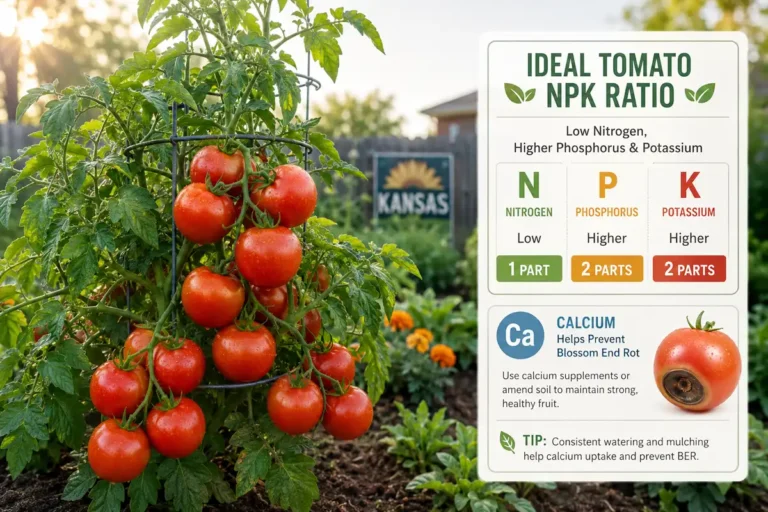
A low-nitrogen, high-phosphorus, high-potassium ratio suits potatoes best, so 5-10-10 and 8-16-16 both beat a balanced bag. Balanced 10-10-10 still works early, but only when a soil test shows no shortfall.
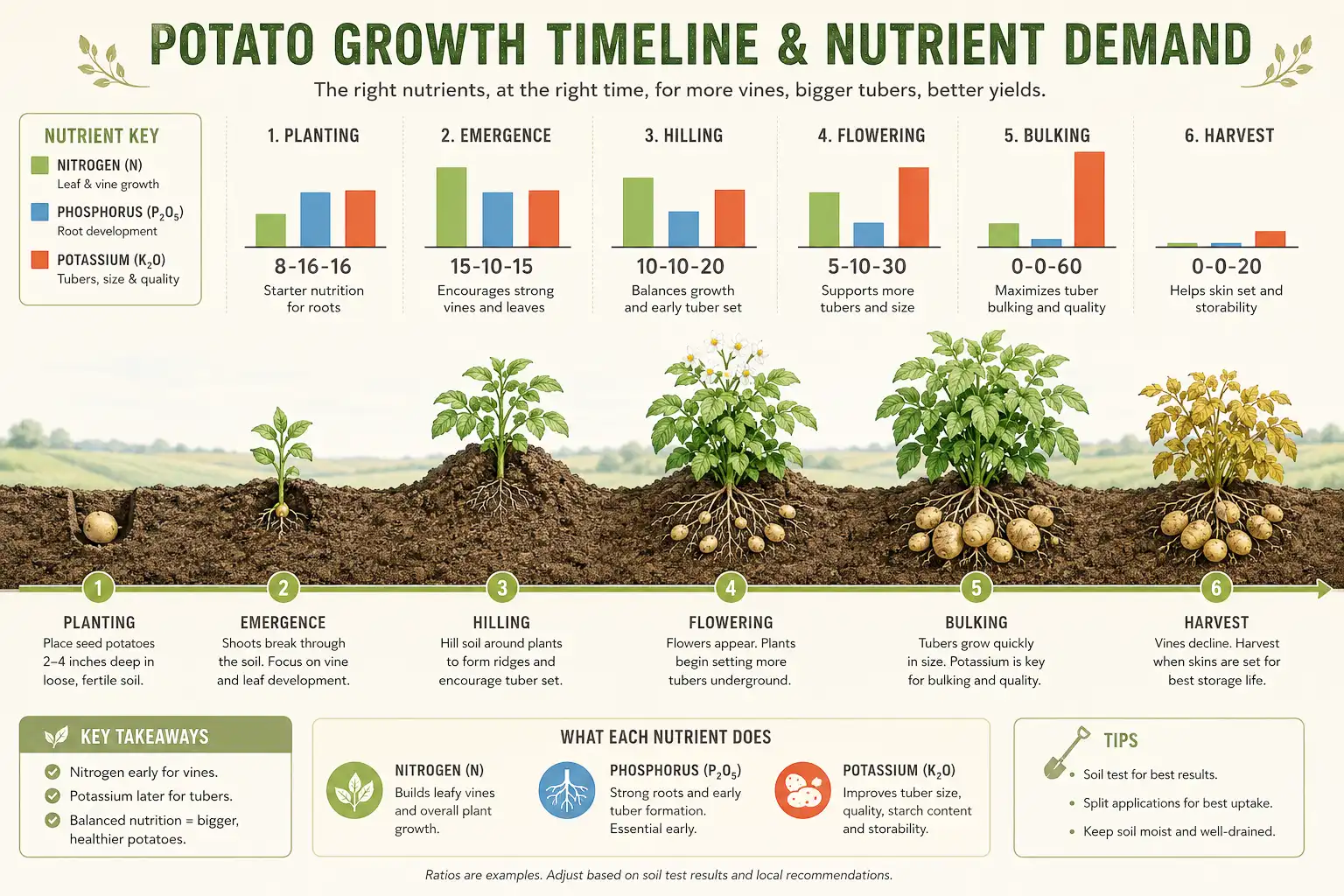
Two feeding programs are valid, and both.
The simple route uses one low-nitrogen blend all season. Work a 5-10-10 or 8-16-16 blend into the bed at planting, then repeat at side-dressing. That potato fertilizer NPK ratio holds steady all season, making it a solid fit for gardens and small plots.
The staged route gives moderate nitrogen early, then swings hard to potassium at the flowering stage when tuber bulking starts. Many growers finish with 0-0-60 muriate of potash or a high-potassium blend such as 14-7-21.
Variety changes the timing. Russet Burbank runs a long season and keeps using nitrogen late. Yukon Gold matures earlier, so taper nitrogen sooner. Either way, the best fertilizer for potatoes never leads with nitrogen after tubers set.
The 11 Best Potato Fertilizers: Ranked and Reviewed
1. Jobe’s Organics Granular Garden Fertilizer (3-4-3)
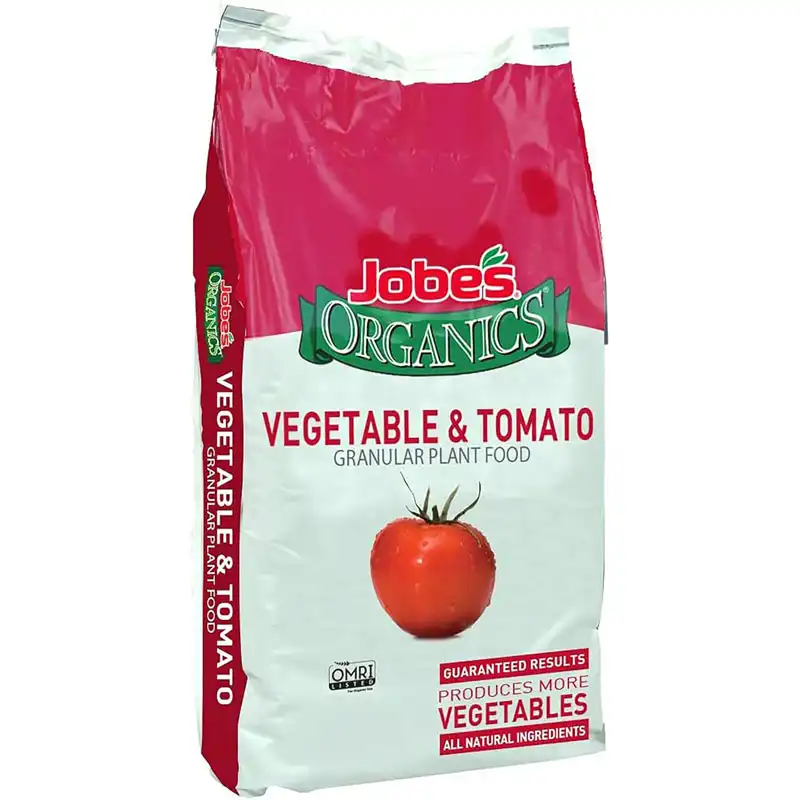
Jobe’s has made fertilizer in Kentucky since 1969, and this OMRI-listed granular is a common first bag on potato ground. The 3-4-3 analysis keeps nitrogen low, right where tubers want it. What sells me sits behind the NPK: 9 percent calcium, plus magnesium and sulfur. We rarely lime potato ground, since we hold pH down for common scab, so calcium runs short. Potassium here comes from sulfate of potash, not chloride, so starch density holds.
Specifications:
- NPK: 3-4-3 with 9% calcium
- Form: slow-release granules
- Size: 16 pounds
- OMRI listed for organic production
2. Lilly Miller Morcrop Tomato & Vegetable Food (5-10-10)
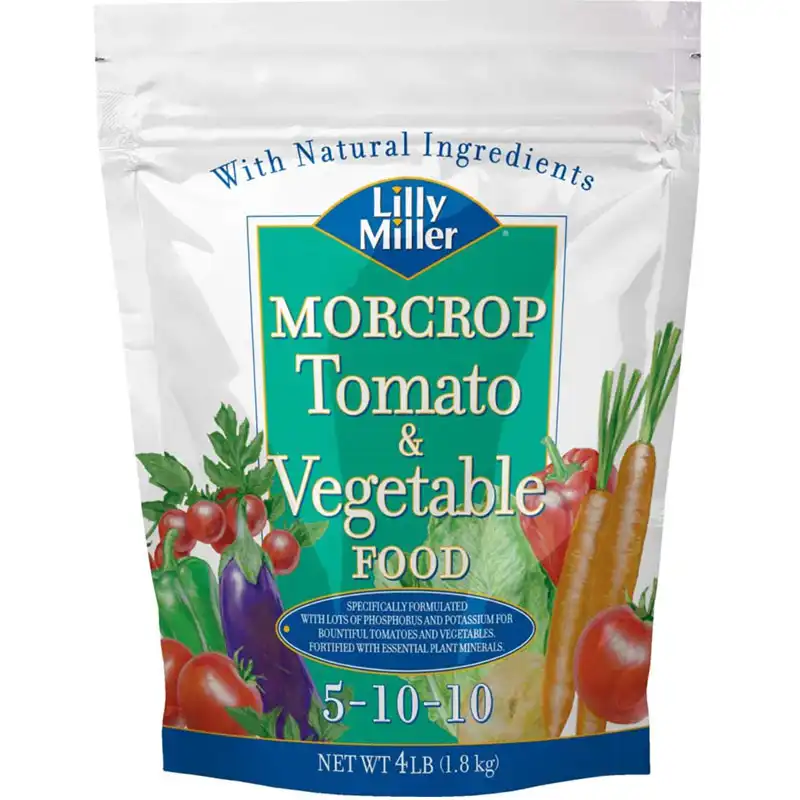
Lilly Miller has been around since 1906, and Morcrop is the standby on most farm store shelves. This 5-10-10 blend matches the exact ratio Minnesota Extension cites for potatoes at 1.5 pounds per 100 square feet. Nitrogen arrives in two forms, quick-release and slow-release, so early plants get a push while later feeding stays steady. Added micronutrients round it out. Feed at planting, then every 4 to 6 weeks. Sprinkle around the base, keep granules off stems, and water in.
Specifications:
- NPK: 5-10-10
- Form: ready-to-use granules
- Size: 4 pounds
- Reapply every 4 to 6 weeks
3. Espoma Organic Garden-Tone (3-4-4)
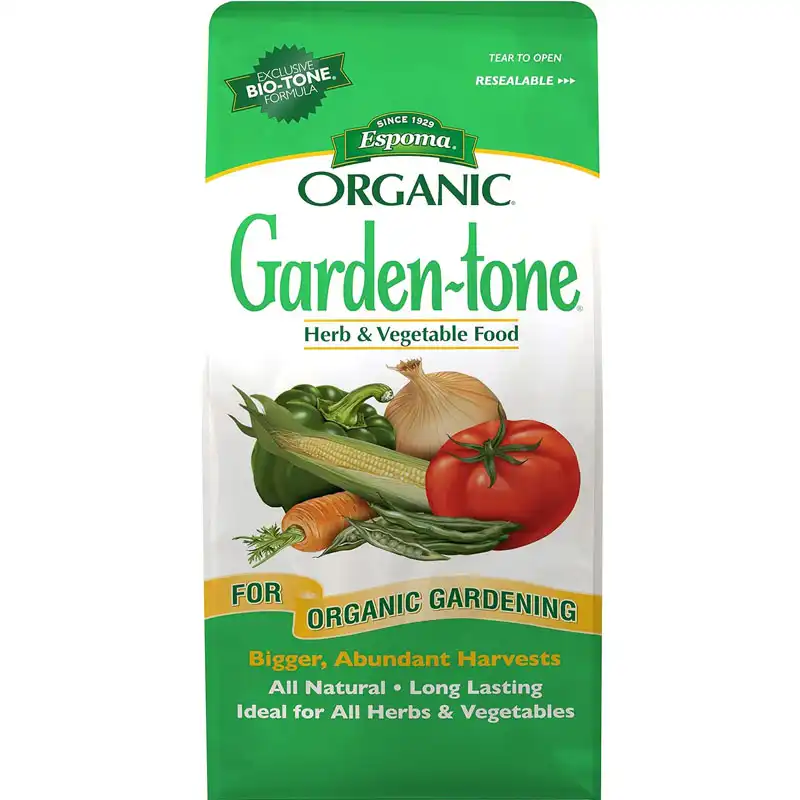
Espoma has led natural organics since 1929, and Garden-Tone is their vegetable blend. The 3-4-4 analysis runs low on nitrogen and carries 5 percent calcium, which helps skin set and limits hollow heart. Their Bio-tone package adds live microbes that break the feed down. It holds OMRI registration as an Organic Input Material, with no sludges. Feed monthly, along the drip line or beside the row, then water in. For potatoes, this gets worked into the bed at planting and repeated at each hilling.
Specifications:
- NPK: 3-4-4 with 5% calcium
- Form: granules and powder
- Size: 4 pounds
- Bio-tone microbe package included
4. Dr. Earth Home Grown Tomato, Vegetable & Herb (4-6-3)
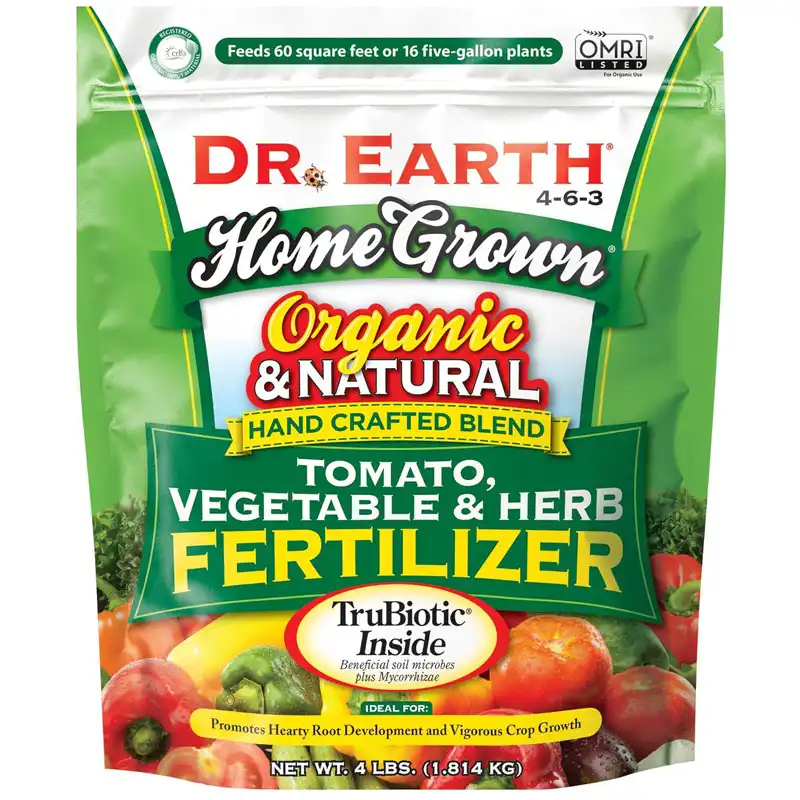
Dr. Earth builds this one around soil life. The TruBiotic package holds 5 microbe strains plus 18 strains of ecto and endo mycorrhizae, which help roots reach water and nutrients. That matters on a crop with a shallow root system. The 4-6-3 analysis leans on fishbone meal, bone meal, feather meal, alfalfa meal, kelp meal, rock phosphate, and potassium sulfate. No chloride, no poultry manure. It feeds for several months, and it doubles as a compost tea. Coverage runs near 60 square feet per bag, so plan ahead.
Specifications:
- NPK: 4-6-3
- Form: granular powder
- Size: 4 pounds
- Shelf life: several years kept dry
5. Jobe’s Organics Granular All Purpose Fertilizer (4-4-4)
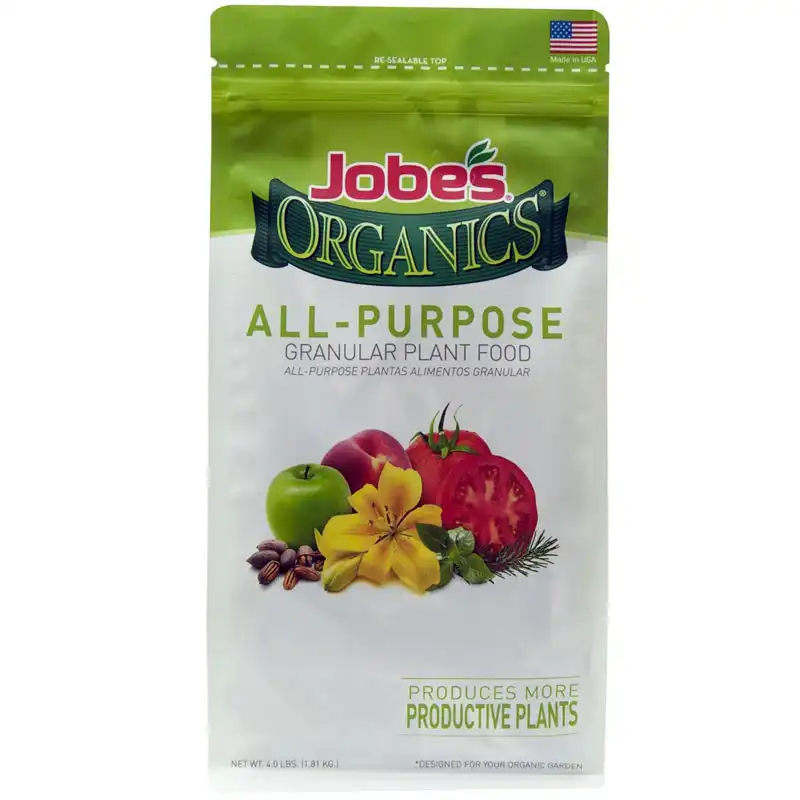
Same Kentucky plant as the top pick, just a balanced 4-4-4 in a smaller resealable bag. It runs on billions of archaea, microbes that break organic matter down fast, so results show quicker than most organics. Behind the NPK sit 8 percent calcium, magnesium, and sulfur. Potassium again comes from sulfate of potash. Growers repeatedly report it never burns, which makes it forgiving on young sprouts. Coverage is the catch at roughly 20 square feet per bag. Treat it as a starter or container feed, not a field blend.
Specifications:
- NPK: 4-4-4
- Form: granules, resealable bag
- Size: 4 pounds
- Reapply every 2 to 3 weeks
6. Espoma Organic Bone Meal Fertilizer (4-12-0)
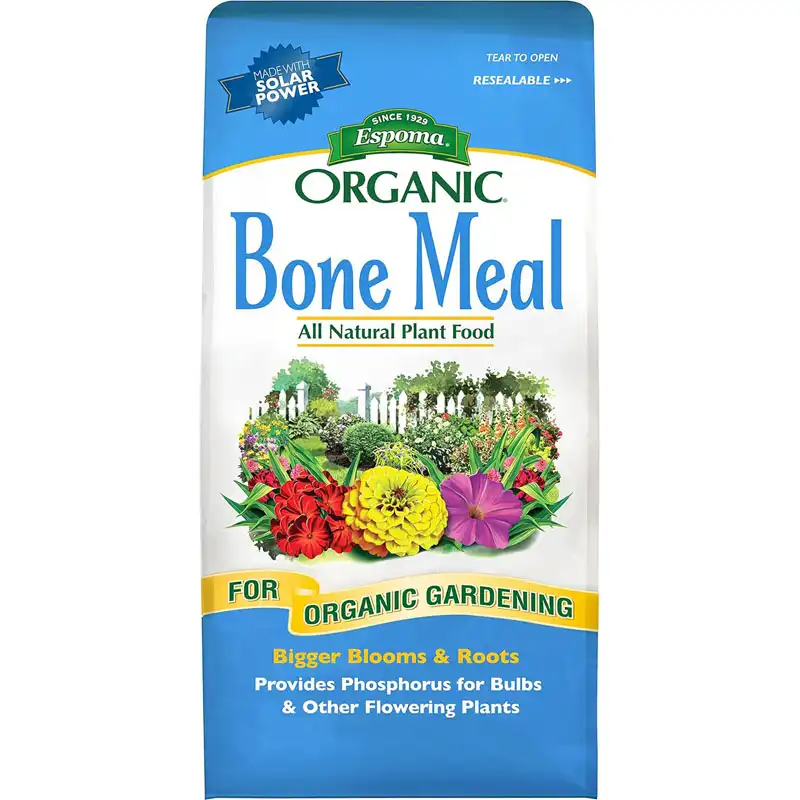
This is a fix, not a full feed. Pure domestic bone meal at 4-12-0 supplies phosphorus and calcium with zero potassium, so pair it with a potash source. One detail makes it a strong match for potatoes. Bone meal breaks down faster in acid soil, and we hold potato ground acid anyway to suppress common scab. Work it into the bed at planting, roughly 1 to 2 pounds per 100 square feet. Mix it well. Left in a clump, it sets up hard as a rock.
Specifications:
- NPK: 4-12-0
- Form: powder
- Size: 4 pounds
- Rate: 1 to 2 pounds per 100 square feet
7. The Grow Co Muriate of Potash Fertilizer (0-0-60)
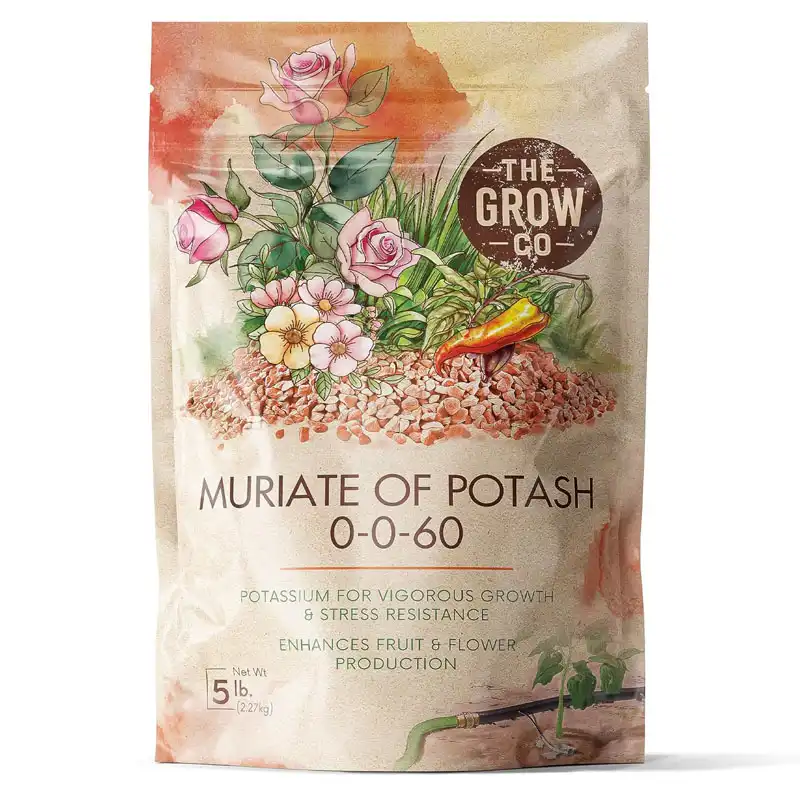
Straight potassium, nothing else. Crystal-form muriate of potash at 0-0-60 is what you reach for when a soil test comes back low on K, and potatoes pull more potassium than nitrogen. Rate is a half pound per 1,000 square feet worked into the top inch, or a teaspoon at the drip line per plant. Granules dissolve after the first watering. Read this part honestly though. Muriate carries chloride, and chloride cuts starch density, so use it pre-plant and switch to sulfate of potash for the flowering push.
Specifications:
- NPK: 0-0-60
- Form: crystal granules
- Size: 5 pounds
- Coverage: 1,000 square feet per half pound
8. Cz Garden Muriate of Potash (0-0-60)
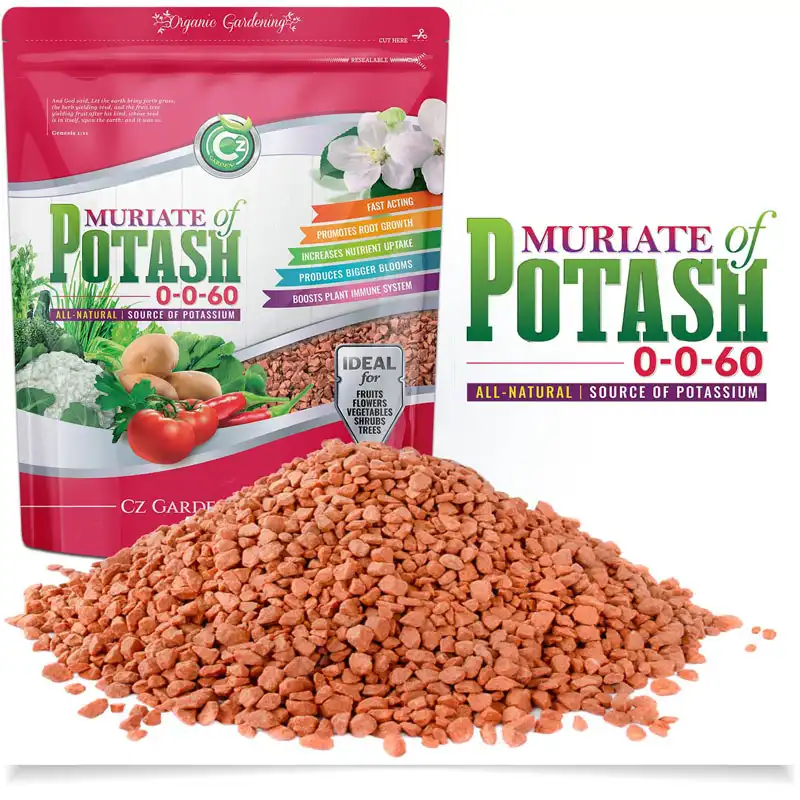
Cz Garden puts the same 0-0-60 muriate of potash in a heavy resealable pouch, and that packaging is the real difference. Potash pulls moisture and cakes in a torn bag, so a pouch that closes properly earns its keep. It dissolves at about a tablespoon per gallon if you prefer liquid feeding. Growers get better results mixing it into beds before planting than broadcasting over standing plants. The same chloride caution applies on tubers. Go light too, since several growers report burned plants from heavy hands.
Specifications:
- NPK: 0-0-60
- Form: water-soluble granules
- Size: 5 pounds
- Packaging: heavy resealable pouch
9. Southern Ag All Purpose Granular (10-10-10)
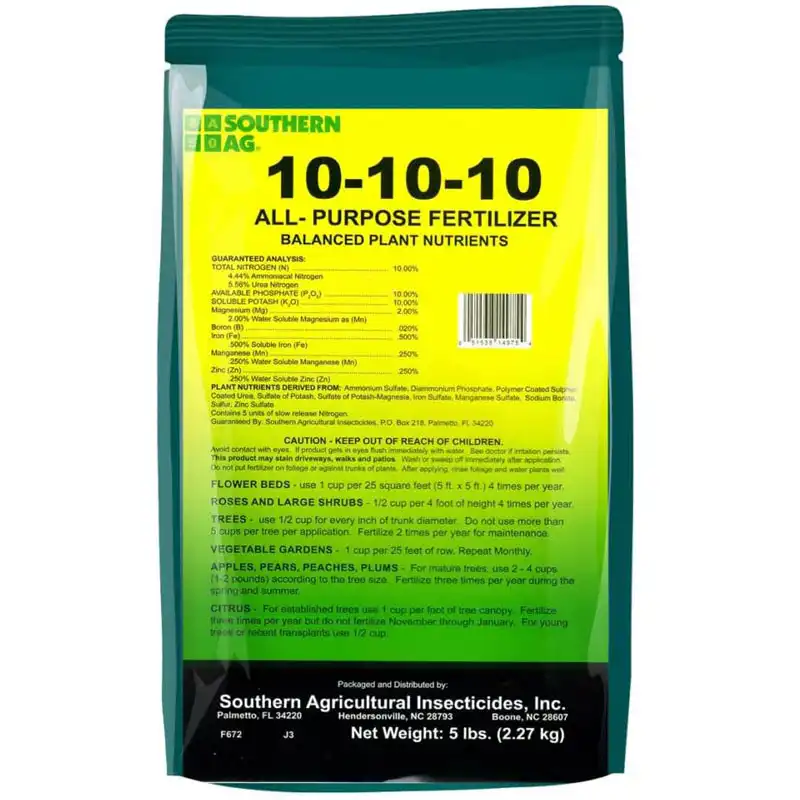
When a soil test comes back clean, a balanced bag handles planting fine. Southern Ag runs uniform homogenous granules, so every scoop carries the same analysis instead of separating in the bag. It also includes magnesium, boron, iron, manganese, and zinc. Boron earns a mention, because it works alongside calcium against hollow heart. For rows the label calls for a cup per 25 feet, repeated monthly. Be clear on one point though. This is quick-acting, not slow-release, and it runs out in roughly 30 days.
Specifications:
- NPK: 10-10-10 plus minor elements
- Form: homogenous granules
- Size: 5 pounds
- Row rate: 1 cup per 25 feet
10. Triple 10 All Purpose Liquid Fertilizer (10-10-10)
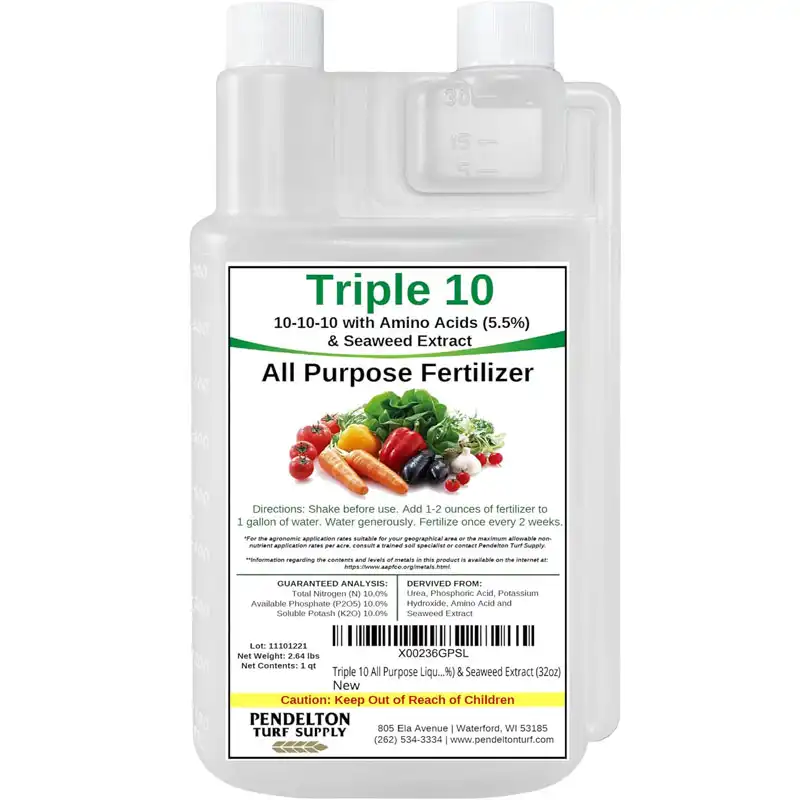
Container and grow-bag growers want liquid, and this concentrates well. A 32-ounce bottle of 10-10-10 makes up to 32 gallons at 1 to 2 ounces per gallon. It adds 5.5 percent amino acids plus seaweed extract for rooting. The built-in measuring chamber helps, since you squeeze out an exact dose instead of eyeballing it. Shelf life runs 5 to 7 years. Two warnings though. It smells strongly of fish, so keep it outdoors. And the nitrogen runs too high once vines flower.
Specifications:
- NPK: 10-10-10 with 5.5% amino acids
- Form: liquid concentrate
- Size: 32 fluid ounces
- Mixing: 1 to 2 ounces per gallon
11. Old Cobblers Farm Seed Potato Fertilizer (8-16-16)
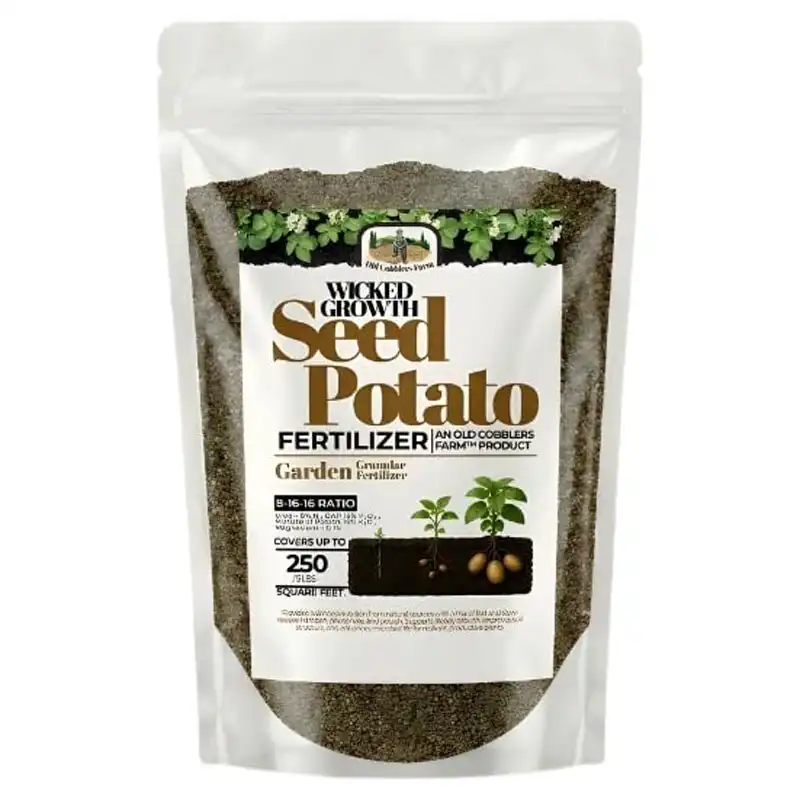
Built for one crop, and the numbers show it. The 8-16-16 analysis doubles phosphorus and potassium against nitrogen, the ratio extension guidance points to for tuber initiation and tuber bulking. It launched in 2025, so the track record is short, though the formulation is right. Slow-release granules feed steadily instead of spiking young plants. A 5-pound bag covers about 500 square feet, and sizes run to 20 pounds. Band it at planting, then repeat at first hilling.
Specifications:
- NPK: 8-16-16
- Form: slow-release granules
- Coverage: 500 square feet per application
- Sizes: 5, 10, 15 and 20 pounds
The 11 Potato Fertilizers Comparison
| # | Product | NPK | Form | Size | Calcium | Organic |
|---|---|---|---|---|---|---|
| 1 | Jobe’s Organics Granular Garden Fertilizer | 3-4-3 | Granules | 16 lb | 9% | OMRI listed |
| 2 | Lilly Miller Morcrop Tomato & Vegetable Food | 5-10-10 | Granules | 4 lb | Not listed | No |
| 3 | Espoma Organic Garden-Tone | 3-4-4 | Granules | 4 lb | 5% | OMRI listed |
| 4 | Dr. Earth Home Grown Tomato, Vegetable & Herb | 4-6-3 | Granular powder | 4 lb | Not listed | Yes |
| 5 | Jobe’s Organics Granular All Purpose | 4-4-4 | Granules | 4 lb | 8% | OMRI listed |
| 6 | Espoma Organic Bone Meal | 4-12-0 | Powder | 4 lb | Yes | OMRI listed |
| 7 | The Grow Co Muriate of Potash | 0-0-60 | Crystal granules | 5 lb | No | No |
| 8 | Cz Garden Muriate of Potash | 0-0-60 | Granules | 5 lb | No | No |
| 9 | Southern Ag All Purpose Granular | 10-10-10 | Granules | 5 lb | No | No |
| 10 | Triple 10 All Purpose Liquid | 10-10-10 | Liquid concentrate | 32 fl oz | No | No |
| 11 | Old Cobblers Farm Seed Potato Fertilizer | 8-16-16 | Granules | 5 to 20 lb | Not listed | No |
Organic vs Synthetic Fertilizer for Potatoes
Neither type wins outright, so match the choice to your soil and calendar.
Organic potato fertilizer feeds slowly and builds soil. Compost, aged manure, bone meal at 4-12-0, kelp meal, and fish emulsion release as soil microbes break them down. Blends such as Espoma Organic Garden-Tone at 3-4-4 and Dr. Earth Home Grown at 4-6-3 carry OMRI-listed certification. The tradeoff is speed, since cold spring soil slows release right when young plants want food.
Synthetic fertilizer for potatoes acts fast and hits exact numbers. A water-soluble feed reaches roots within days. Still, it adds no organic matter, and heavy rates lift salts near shallow feeder roots.
own beds get compost as the base plus a slow-release granular blend for the numbers. That split matches how organic and chemical fertilizer choices get weighed on field crops, covered further in this organic vs chemical fertilizer comparison.
How to Choose the Right Potatoes Fertilizer for Your Soil
Start with a soil test, not a bag. Everything after that is guesswork.
Potatoes want soil pH between 5.0 and 6.5, and 6.0 to 6.5 grows the cleanest crop. Common scab drops off sharply at pH 5.2 and below, so commercial growers hold potato fields acid and skip the lime. A mail-in soil test kit returns pH plus nutrient levels. A pH meter for soil testing then spot-checks beds between lab reports.
Then match the bag to the gaps.
- Phosphorus deficiency or purple-tinged leaves: choose a high middle number, or add bone meal.
- Potassium deficiency or browning leaf edges: choose high potassium, or side-dress potash.
- Clean report: a balanced blend at planting is enough.
Last, size the bag to the plot. Minnesota Extension puts the pre-plant rate at 1.5 pounds of 5-10-10 per 100 square feet. About 1 pound of 8-16-16 matches that phosphorus and potassium. Your USDA hardiness zone shifts the calendar, not the rate. So the best fertilizer for potatoes is whatever fills your own test’s gaps.
How to Fertilize Potatoes (Step by Step)
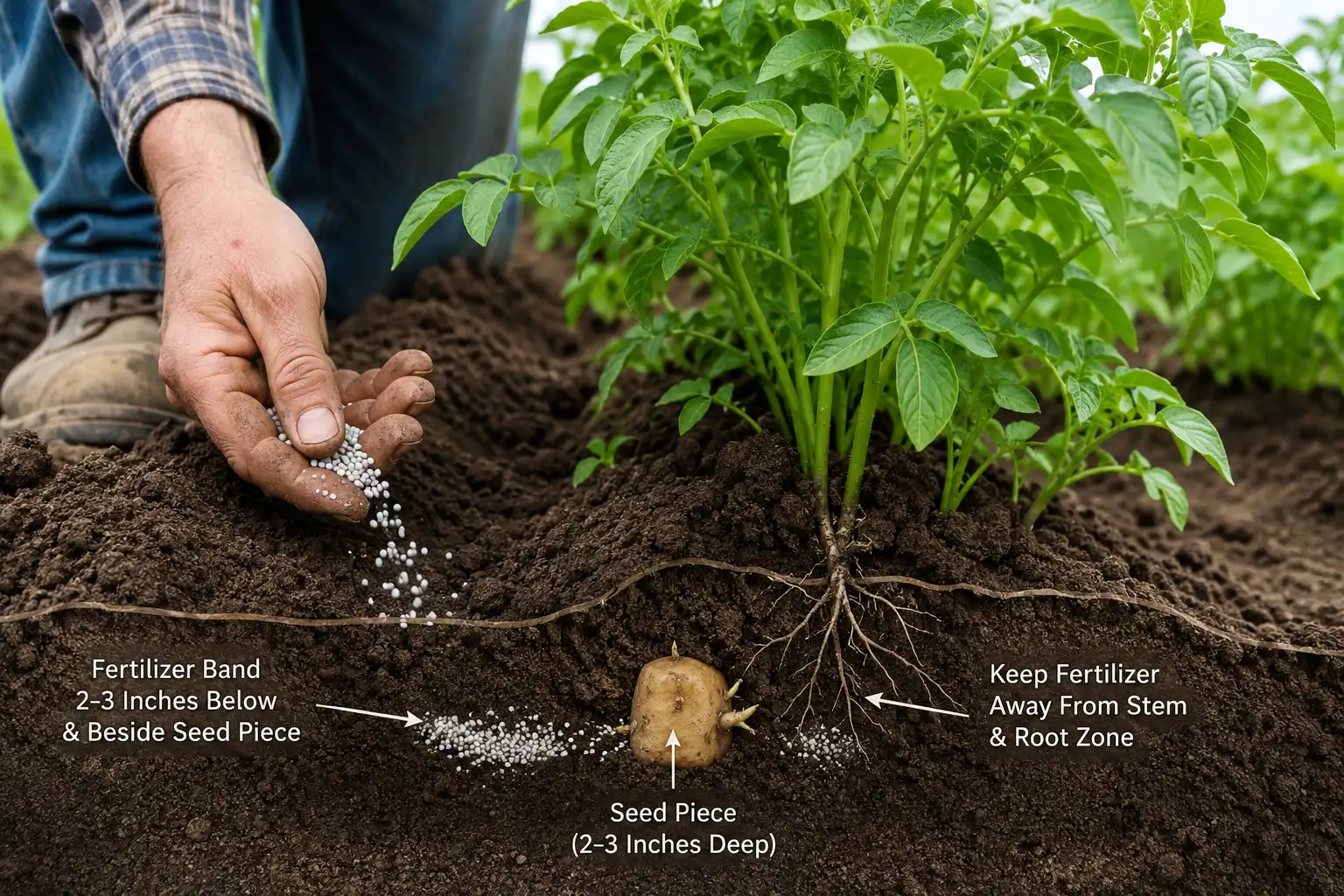
Fertilize potatoes in stages, never in one shot. Demand climbs from emergence through bulking, so one heavy dose at planting wastes nutrients and risks burn.
Here is the sequence in zone 6a near Topeka.
- Two to three weeks before planting. Work compost or aged manure into the bed. Skip fresh manure, since it raises pH and feeds scab.
- At planting. Band a low-nitrogen blend 2 to 3 inches below and to the side of the seed piece. Never let granules touch cut seed. Even properly cut and cured seed potatoes burn on contact.
- Four weeks after planting. Side-dress at the first hilling. Minnesota Extension calls for 0.15 pound of actual nitrogen per 50 feet of row. That works out to roughly 1.5 pounds of 10-10-10, or 2 pounds of 8-16-16.
- Two weeks later. Repeat when hilling potatoes a second time. Same rate, same placement, covered with soil.
- At flowering. Favor potassium once tuber bulking begins. Sulfate of potash beats muriate of potash here, because chloride cuts starch density.
- Water in every application. Dry granules near shallow roots only raise salts.
Then stop nitrogen once the vines flower. Foliar feeding patches a mid-season shortfall, yet it never replaces feeding the soil.
Common Potatoes Fertilizing Mistakes That Shrink Your Harvest
- Too much nitrogen late. Vines stay lush, tubers stall, and maturity slips. A water-soluble 20-20-20 in July is usually the culprit.
- Skipping the soil test. You cannot correct a shortfall you never measured, and you pay twice for nutrients already there.
- Granules against stems or seed pieces. Contact causes nitrogen burn and rots cut seed. Band it off to the side.
- Over-application. Heavy rates raise the salt index through a shallow root zone. Salt injury then looks exactly like drought.
- Ignoring potassium at bulking. Thin potassium late means smaller tuber set, softer skins, and more bruising in storage.
One myth deserves correcting. Lush foliage does not reliably pull more Colorado potato beetle pressure. Trials give fertility only a secondary role, so scout and manage the beetle separately.
FAQs on Fertilizing Potatoes
What is the best NPK ratio for potatoes?
What fertilizer does a potato plant need?
How often should I fertilize potatoes?
When should I fertilize potatoes?
Is 10-10-10 good for potatoes?
Are organic fertilizers better for potatoes?
Can I use tomato fertilizer on potatoes?
Bottom Lines Picking the Potatoes Fertilizer
For most growers, the best fertilizer for potatoes is Jobe’s Organics Granular Garden Fertilizer at 3-4-3. Low nitrogen, sulfate of potash, and 9 percent calcium match what a tuber crop wants. Want faster, more concentrated NPK? Lilly Miller Morcrop at 5-10-10 fits. Low phosphorus? Add bone meal. Low potassium? Side-dress potash at flowering. Either way, run the soil test first, because it costs less than one wasted bag.
Thanks for reading this guide, good luck.