12-12-12 Fertilizer: What It Is and How to Use It in 2026
12-12-12 fertilizer is the balanced, all-purpose feed most growers grab when they are not sure what their plants need. It works on almost everything, and that is exactly why folks misuse it. Reach for it in some spots and skip it in others.
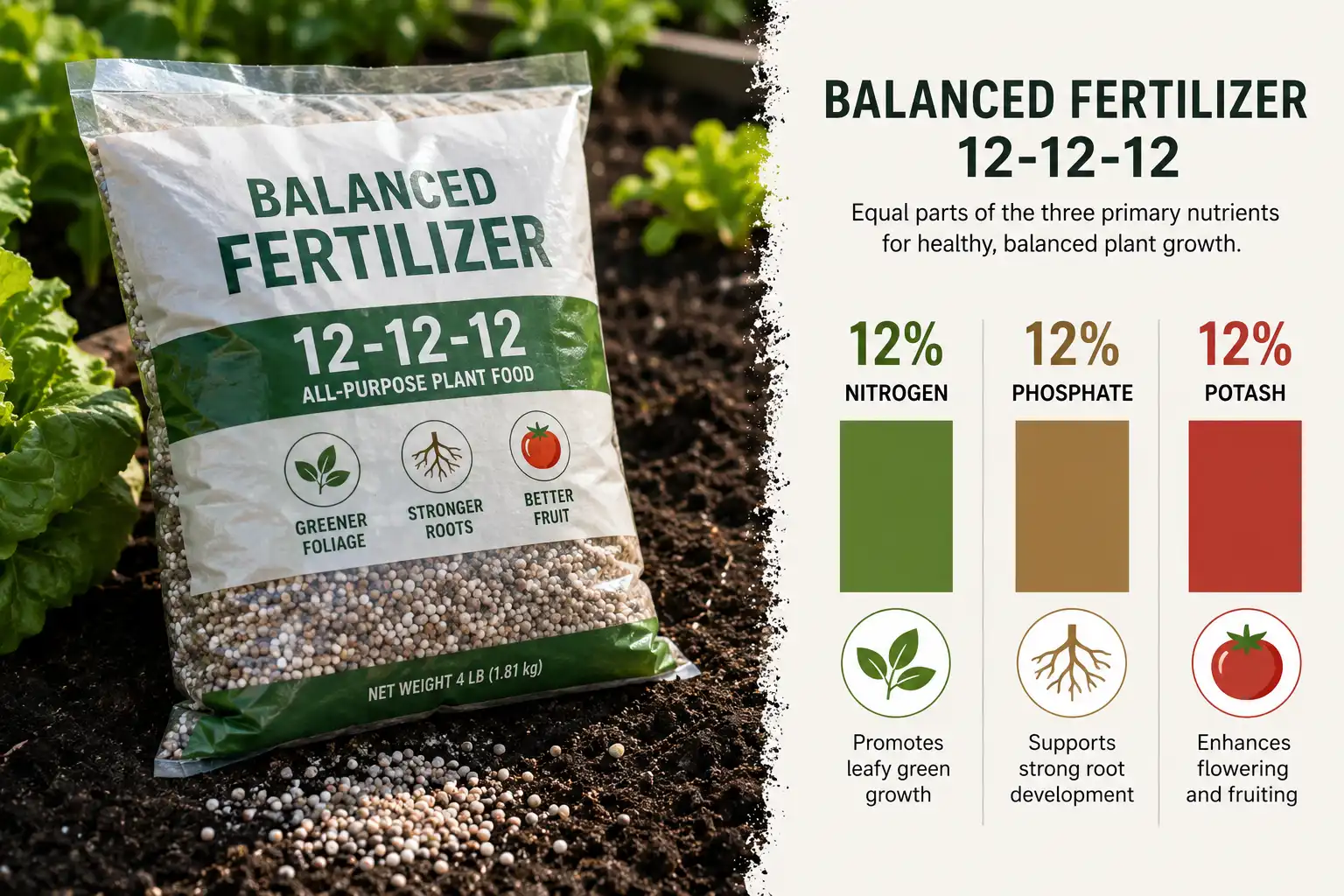
12-12-12 fertilizer is a balanced, all-purpose granular feed with 12% nitrogen, 12% phosphate, and 12% potash by weight. The rest is filler. It gives lawns, vegetable gardens, trees, and shrubs an even dose of the three main nutrients.
What Is 12-12-12 Fertilizer?
12-12-12 fertilizer is a complete, balanced blend that carries equal parts of the three main plant nutrients. Each bag holds 12% nitrogen, 12% phosphate, and 12% potash by weight. Farmers and gardeners also call it triple 12. Most of it comes as dry granules, though you will also find liquid concentrates and slow-release coated versions.
The three numbers on the bag are the guaranteed analysis. State law sets that figure, so what the label claims is what you get. The numbers always run in the same order: nitrogen first, phosphate second, potash third.
A 40-pound bag holds about 4.8 pounds of each nutrient. The other roughly 30 pounds is carrier material. That filler is not waste. It adds bulk and helps you spread the product evenly across the soil.
What Do the Three Numbers Mean?
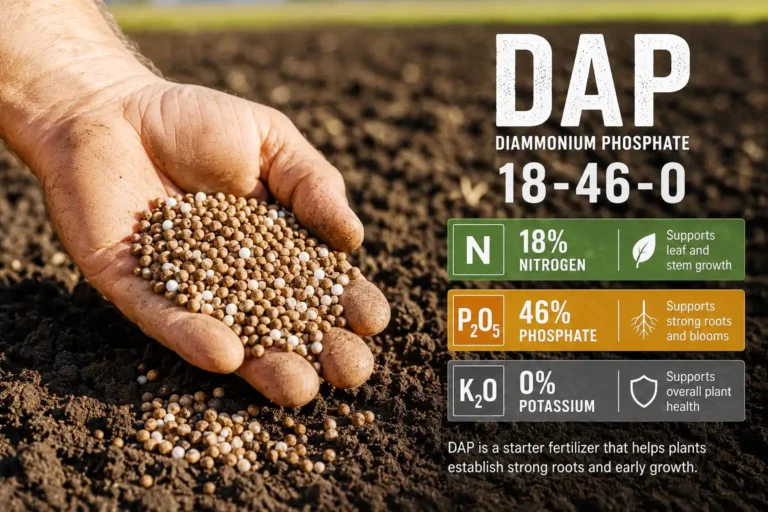
The three numbers show the percentage by weight of each nutrient. The first number is nitrogen (N). The second is phosphate, listed as P2O5. The third is potash, listed as K2O. Our guide on how NPK numbers work on any bag shows how these numbers compare across other blends.
Because all three numbers match, triple 12 has a 1:1:1 ratio. That even split is why growers reach for it when they want general feeding rather than a targeted fix.
Also know: What is 10-10-10 Fertilizer and how does it works
What Does 12-12-12 Do for Plants?
Triple 12 feeds plants an even dose of the three nutrients they use most. Each one does a different job in the plant.
Nitrogen drives leafy green growth and gives plants their color. Phosphate supports roots, flowering, and fruit set, and young plants lean on it to build a strong root system early. Potash handles vigor and stress defense. It firms up stems, aids disease resistance, and helps plants ride out drought and cold.
Some blends add secondary nutrients and micronutrients on top of the big three. You may see magnesium, sulfur, iron, or zinc on the label. Those extras cover gaps that nitrogen, phosphate, and potash cannot fill. A shortfall in any of them still stunts a crop, covered in this guide on spotting micronutrient shortfalls.
What Is 12-12-12 Fertilizer Good For?
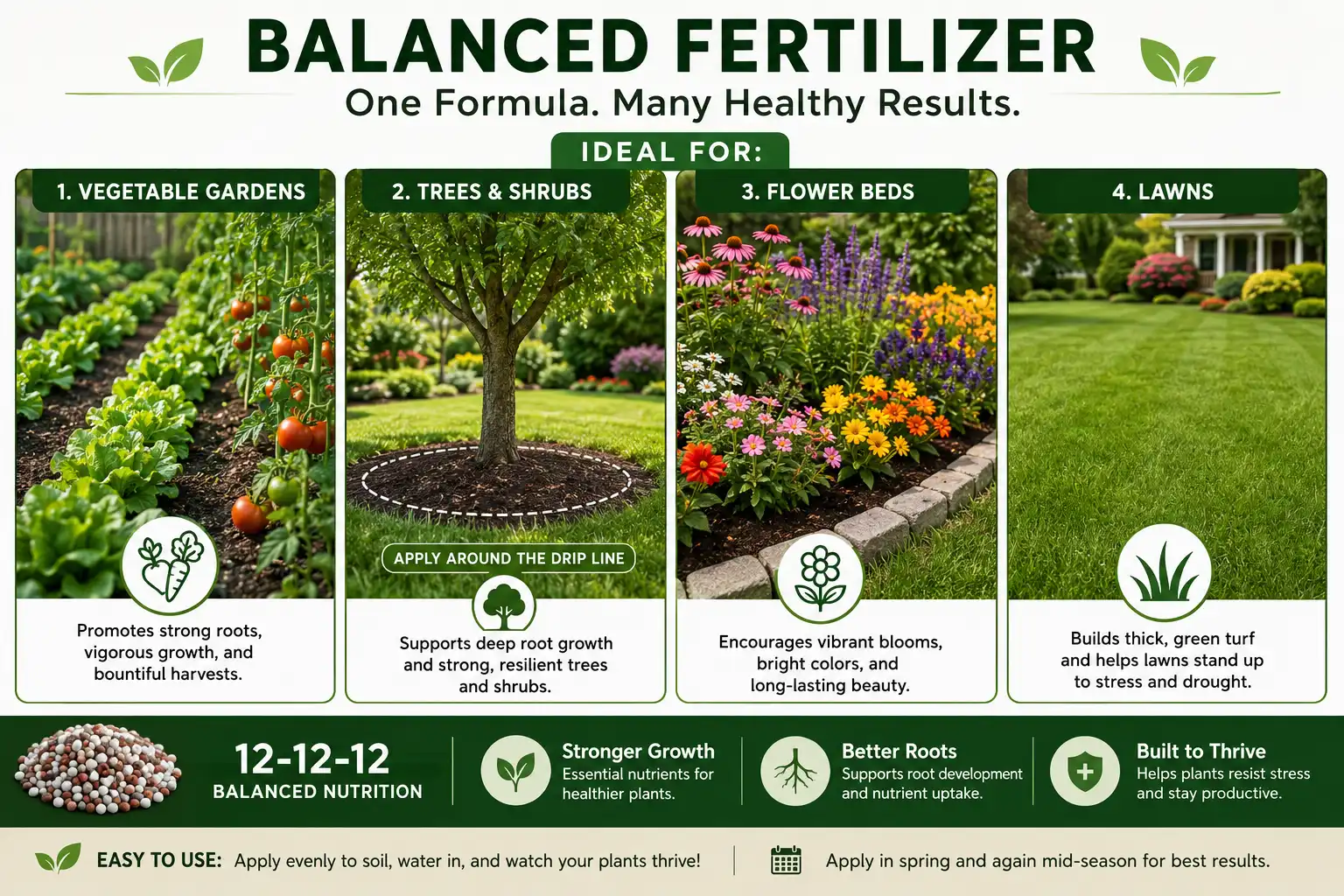
It works best for general, balanced feeding, when you want even nutrition and are not fixing one specific shortage. Triple 12 covers a lot of ground, but it earns its keep on a few jobs in particular.
Is 12-12-12 fertilizer good for lawns?
Yes, and it is a solid choice for a new lawn. The phosphate helps young roots dig in, so triple 12 makes a fair starter before or right after seeding. On an established lawn, though, lean toward a high-nitrogen turf blend like 30-0-4 for the long haul. Grass burns through nitrogen fast and rarely needs extra phosphate season after season.
Is 12-12-12 Good for Vegetables and Tomatoes?
Yes, it feeds most vegetables well, especially early in the season. Work it into the bed before planting so roots hit nutrients as they spread. For tomatoes and peppers, ease off once the plants flower. Too much nitrogen late gives you tall, leafy plants and fewer fruit. A lower-nitrogen feed should take over from there.
Is 12-12-12 Good for Trees and Shrubs?
Yes, it supports steady growth in trees and shrubs. Spread it in a ring at the drip line, where the feeder roots run, and keep it off the trunk. Early spring or fall is the right window. Go light on young or newly planted stock, since a heavy dose pushes soft growth that winter damages.
Triple 12 is not the right feed for every plant. Go easy on it, or skip it, for:
- Acid-loving crops like blueberries, which want a specialized feed.
- Plants in full bloom, which need less nitrogen and more phosphate.
- Houseplants, where a smaller, diluted dose is safer.
When Should You Apply 12-12-12?
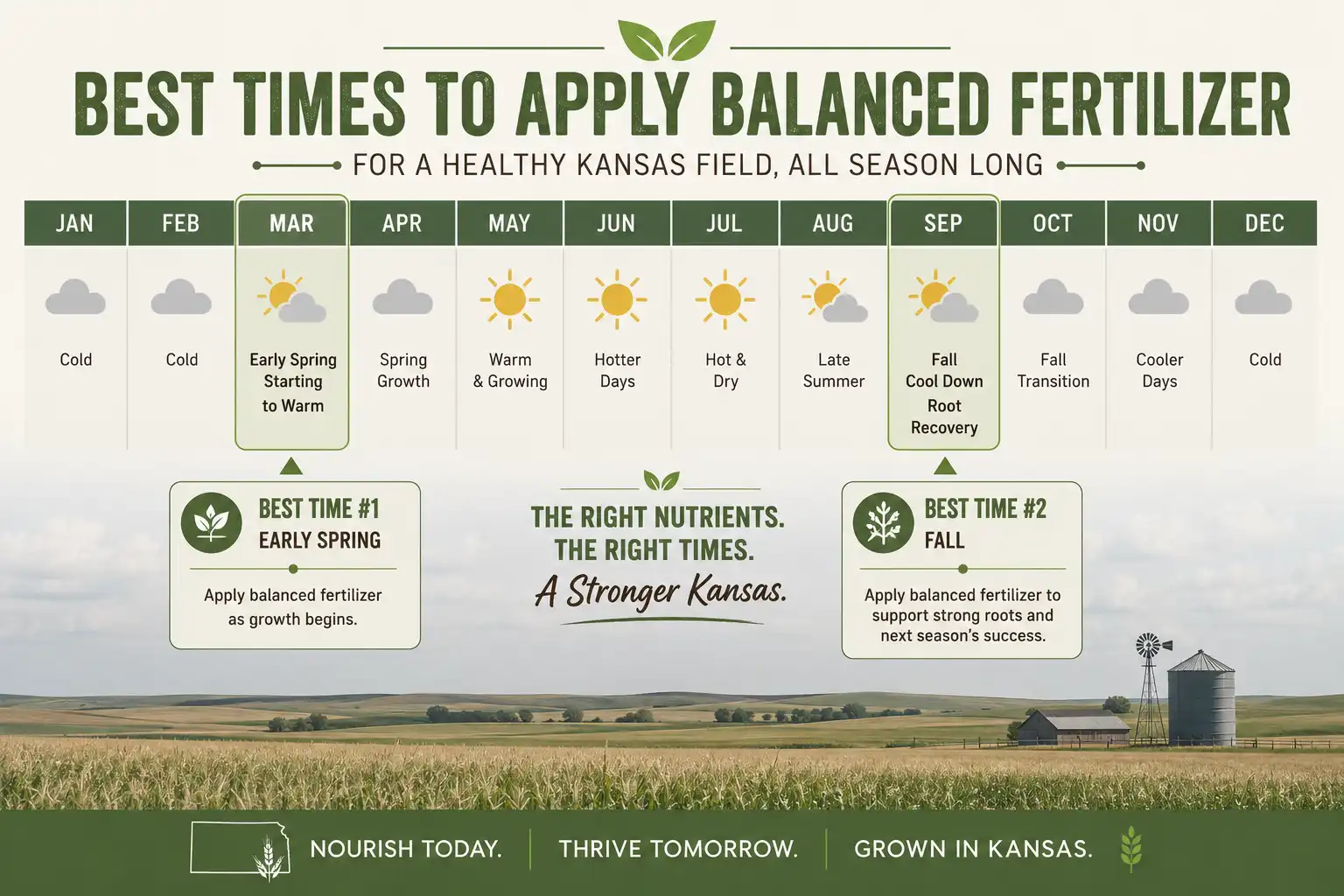
Apply 12-12-12 fertilizer in early spring or fall, when plants are actively growing but the soil is still cool. Those windows cut nutrient loss and match the plant’s demand.
Spring feeding fuels top growth, leaf development, and early flowering. Fall feeding builds roots and helps perennials, trees, and shrubs store energy before dormancy. For vegetable beds, work it in before planting, then side-dress once mid-season if the crop is a heavy feeder.
Avoid the peak of summer. Heat plus a dry spell raises the risk of fertilizer burn on turf and foliage. Also skip frozen or waterlogged ground, since the nutrients run off instead of soaking in. That means April and again in early fall.
How to Apply 12-12-12 Fertilizer
Apply 12-12-12 by broadcasting it evenly, then watering it in so the nutrients reach the root zone. Rates change with the plant and the area you feed.
Here are the rates for common jobs:
| Where you’re feeding | Rate | Method |
|---|---|---|
| Vegetable garden | 1 to 2 lbs per 100 sq ft | Work into the top 3 to 6 inches before planting |
| Lawn | About 8 lbs per 1,000 sq ft (roughly 1 lb of actual nitrogen) | Broadcast evenly, then water in |
| Trees and shrubs | Roughly 1/3 cup per foot of height | Ring at the drip line, water deeply |
| Field, broadcast | 200 to 300 lbs per acre | Spread, then work into the soil |
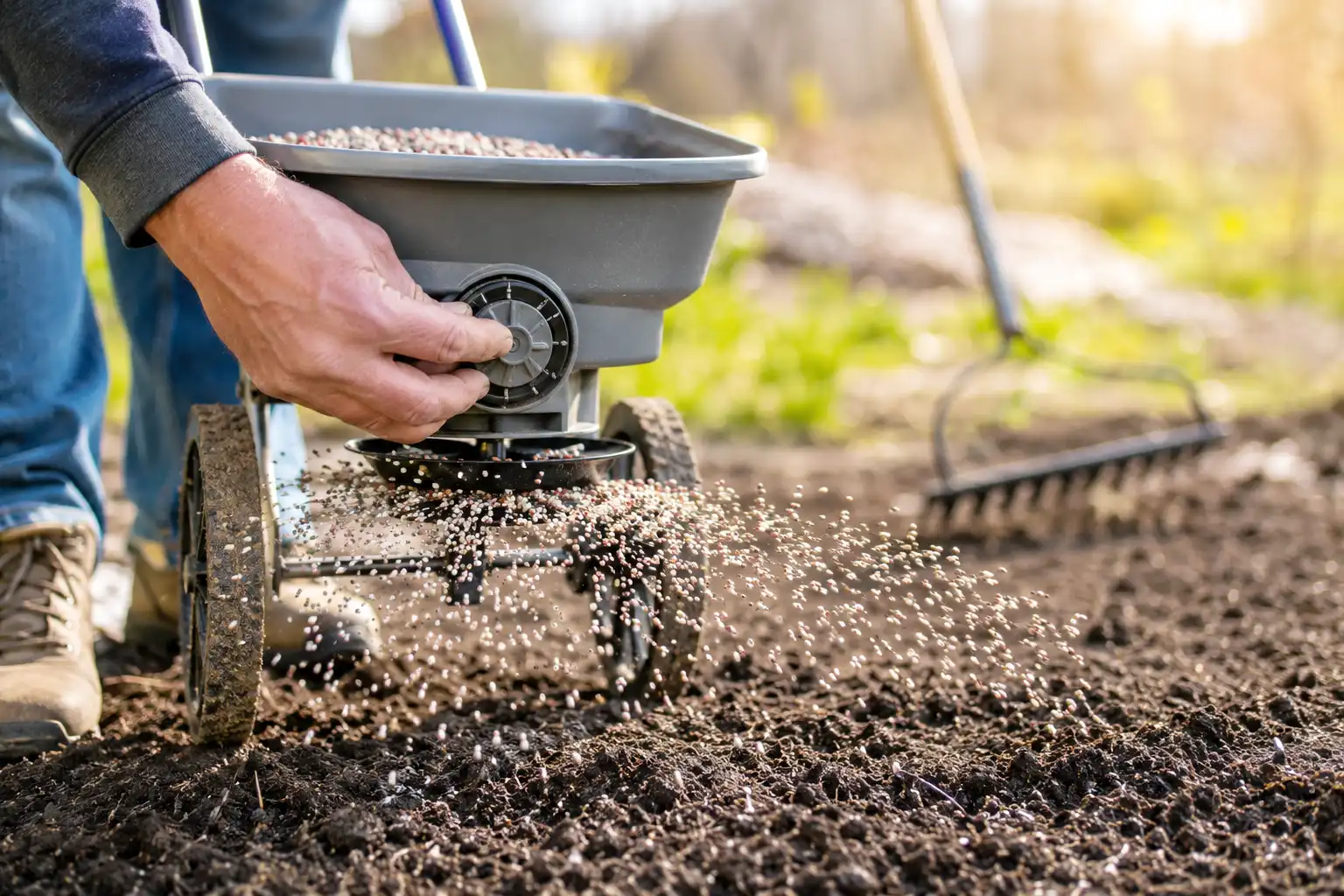
For gardens, mix the granules into the top few inches of soil so roots can reach them. For lawns, a broadcast or drop spreader gives the most even coverage. This article on drop spreader models walks through the options. Whatever you feed, water after you spread. Granular fertilizer needs moisture to release its nutrients.
One more rule: keep the granules off stems, crowns, and trunks. Direct contact can burn tender tissue.
Do You Need a Soil Test First?
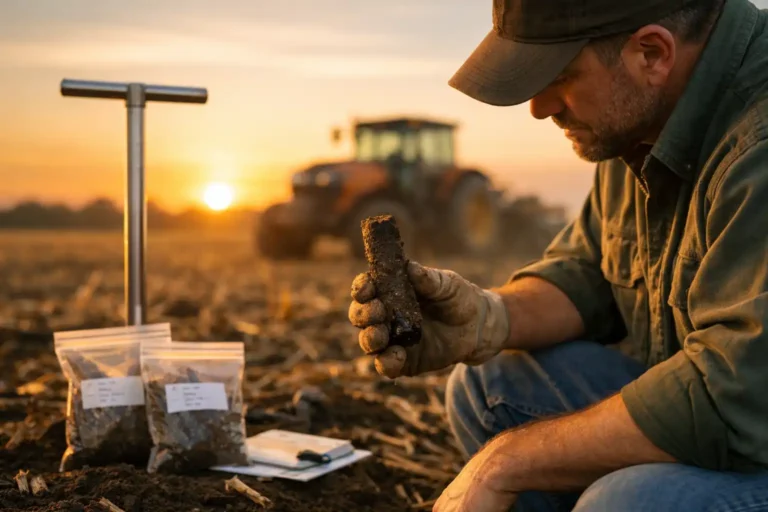
Yes, test your soil before you reach for triple 12. A soil test tells you which nutrients your ground actually lacks. That way, you do not pay to add what is already there.
This matters more than most folks think. In many Kansas fields, ground that gets tested often already sits high in phosphorus from years of feeding. On those fields, reach for a nitrogen-only blend and leave the triple 12 on the shelf. Piling on more phosphate wastes money, and the excess can wash into creeks and ponds. That runoff is a real water-quality problem across the Corn Belt and Great Plains.
Your county Cooperative Extension office runs soil tests cheap, usually for a small fee. Results come back in a few weeks. A home soil test kit also gives a quick read between lab checks. Retest every two to three years. If the report calls for nitrogen only, buy an incomplete blend such as 24-0-11 instead of a balanced one. A balanced feed only pays off when your soil is short on all three nutrients. Use it, too, when you do not yet know your soil’s status. For the full walkthrough, see how to handle soil testing on the farm before open any bag.
Best 12-12-12 Fertilizer Products
Most triple 12 on the shelf is synthetic. Hitting an even grade with natural inputs alone is hard. If you want to weigh feed types, the piece on synthetic versus natural plant food lays out the trade-offs. Here are four balanced blends worth considering for different jobs.
1. Ferti-lome Garden Cote 12-12-12
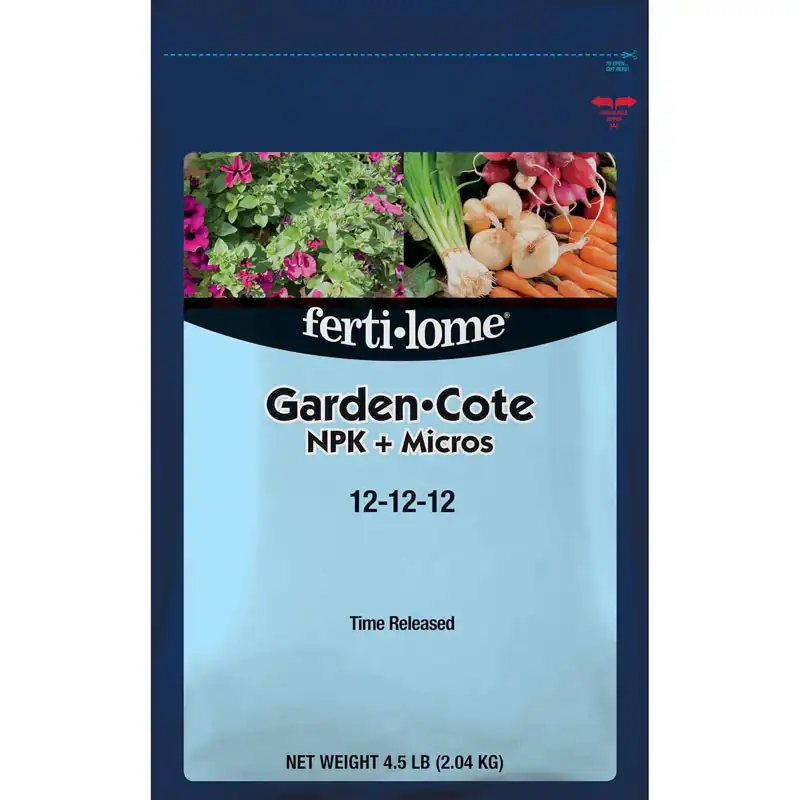
The 4.5-pound bag wears a polymer coating, so one pass feeds for about six months. Nutrients release as the soil warms and moisture builds. That suits containers, hanging baskets, and transplants you would rather not feed every month. It also carries micronutrients that bare blends skip. The catch is size and price, so it is not the pick for a large plot.
Buy it if you feed pots, beds, and transplants and want to fertilize once, not monthly.
PROS
- About 6-month feeding
- Added micronutrients
- No monthly reapplication
- Clean to handle
CONS
- Priciest per pound here
2. CZ Grain 12-12-12 Starter Fertilizer
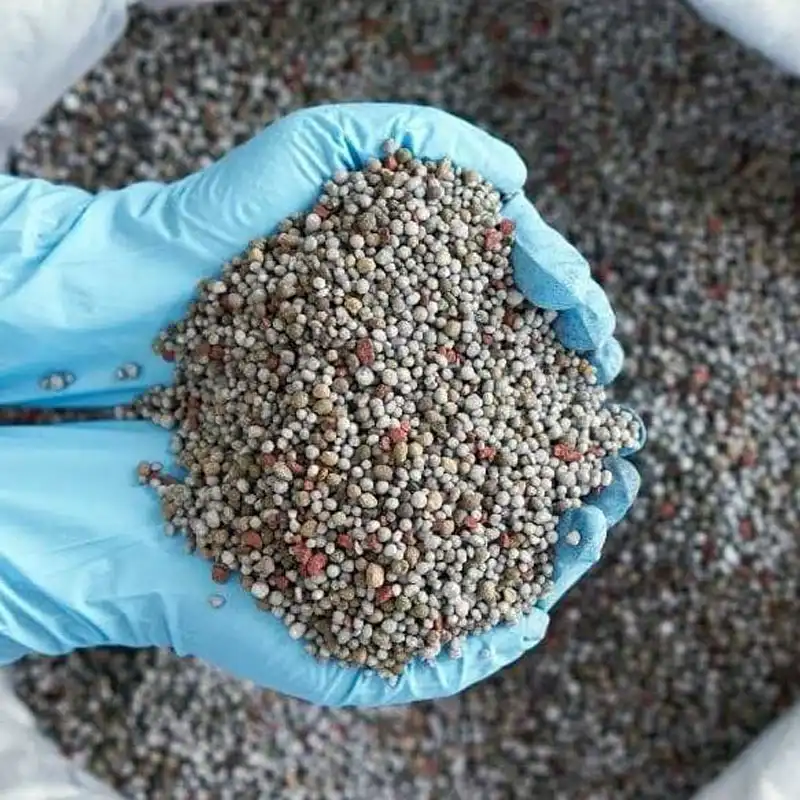
CZ Grain blends calcium carbonate into the mix, and that calcium helps young plants build firm cell walls. The granules dissolve fast, so seedlings pull nutrients within days, not weeks. It comes in sizes from 8 ounces to 20 pounds. That range covers a few seed trays or a full garden row. Use it at planting for a strong start, then switch to a season-long feed once plants are a month old.
Buy it if you start seeds or set transplants and want an early root and structure boost.
PROS
- Added calcium
- Fast-dissolving
- Strong for seedlings
CONS
- Better as a starter than a full-season feed.
3. Twin Pine 7137 40 lbs All-Purpose Fertilizer
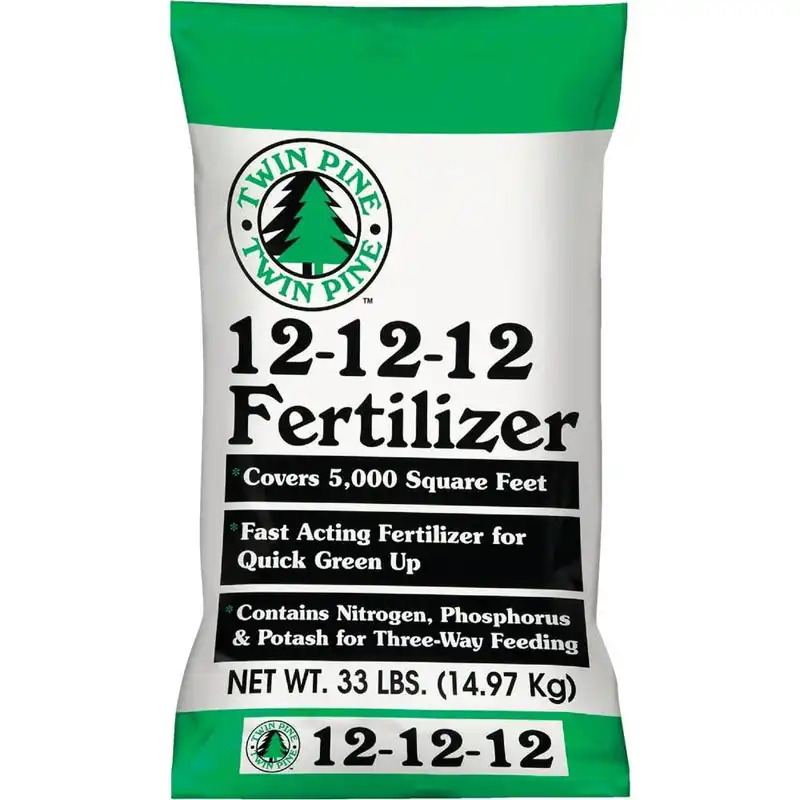
Twin Pine is the big bag of the group at 40 pounds. It stretches furthest per dollar across gardens, beds, and larger lawns. It is a fast-acting granular feed, which means quick green-up but more frequent feeding than a coated product. This USA-made bag rates 4.8 stars from growers who like its even results. For broad coverage on a budget, this is the workhorse bag.
Buy it if you feed a lot of ground and want the lowest cost per pound.
PROS
- 40 lb bag
- Best value per pound
- Quick green-up
- Made in USA
CONS
- Fast release, so feed more often; not slow-release.
4. Howard Johnson’s 7137 12-12-12
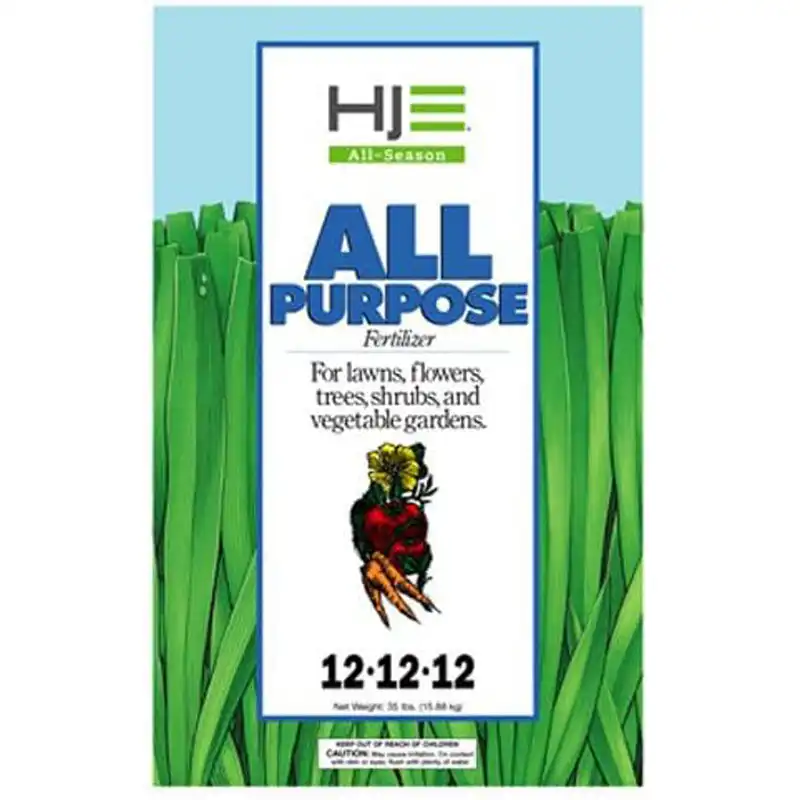
Howard Johnson’s is a 35-pound all-purpose blend that lawns, flower beds, trees, and shrubs all take well. The label sets about 1 pound per 100 square feet, then a fresh dose every 30 days through the season. That rhythm suits folks who like a steady schedule. It spreads cleanly through a handheld spreader, and landscapers keep it on their trucks. On turf, plan to reapply monthly rather than set-and-forget.
Buy it if you want one all-season bag for the lawn and the beds around it.
PROS
- All-season use
- Spreader-friendly
- Pro-trusted
- Covers lawn and garden
CONS
- Monthly reapplication
FAQs on Fertilizer 12
Is 12-12-12 fertilizer good for all plants?
How often should I apply 12-12-12 fertilizer?
How long does 12-12-12 take to work?
Can I use 12-12-12 and compost together?
What is the difference between 12-12-12 and 10-10-10?
How much 12-12-12 fertilizer do I need per acre?
Is 12-12-12 organic?
Should I water after applying 12-12-12?
What is 12-12-12 fertilizer used for?
Is 12-12-12 fertilizer good for gardens?
Bottom Line for Your Field
Fertilizer 12 is the balanced workhorse on hand for general feeding. It covers gardens, trees, shrubs, and lawns when to want even nutrition and no guesswork. Still, soil testing comes first. A balanced feed only pays off when the ground truly needs all three nutrients. Match the product to the job, follow the label rate, and water it in. Do that, and triple 12 earns its spot in the shed.