When to Stop Irrigating Soybeans (Growth Stage Guide for 2026)
Knowing when to stop irrigating soybeans saves water, fuel, and money without costing you yield. The cutoff comes down to one growth stage, not the calendar. Get it right and your last beans fill out fully while your pump shuts off at the smart moment.
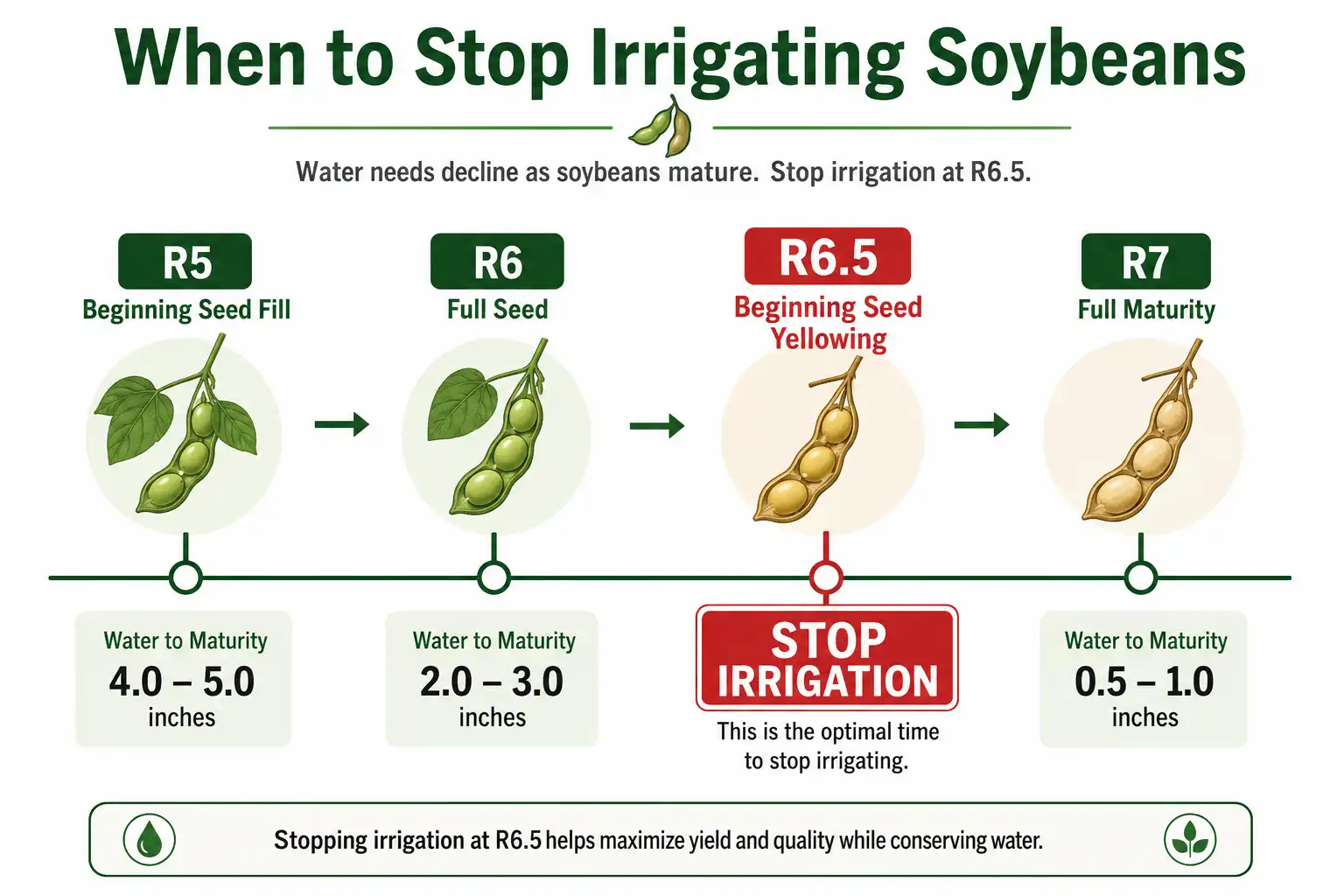
Stop irrigating soybeans at the R6.5 growth stage, when pods start to yellow and seeds pull away from the white membrane inside the pod. By then the crop needs under 2 inches of water to reach maturity.
When to Stop Irrigating Soybeans, by Growth Stage
Shut off irrigation once the crop reaches R6.5, as long as soil moisture can carry it the rest of the way. That stage marks the end of meaningful water demand. Before that point, every irrigation still adds to final seed weight. After it, more water mostly runs off the clock.
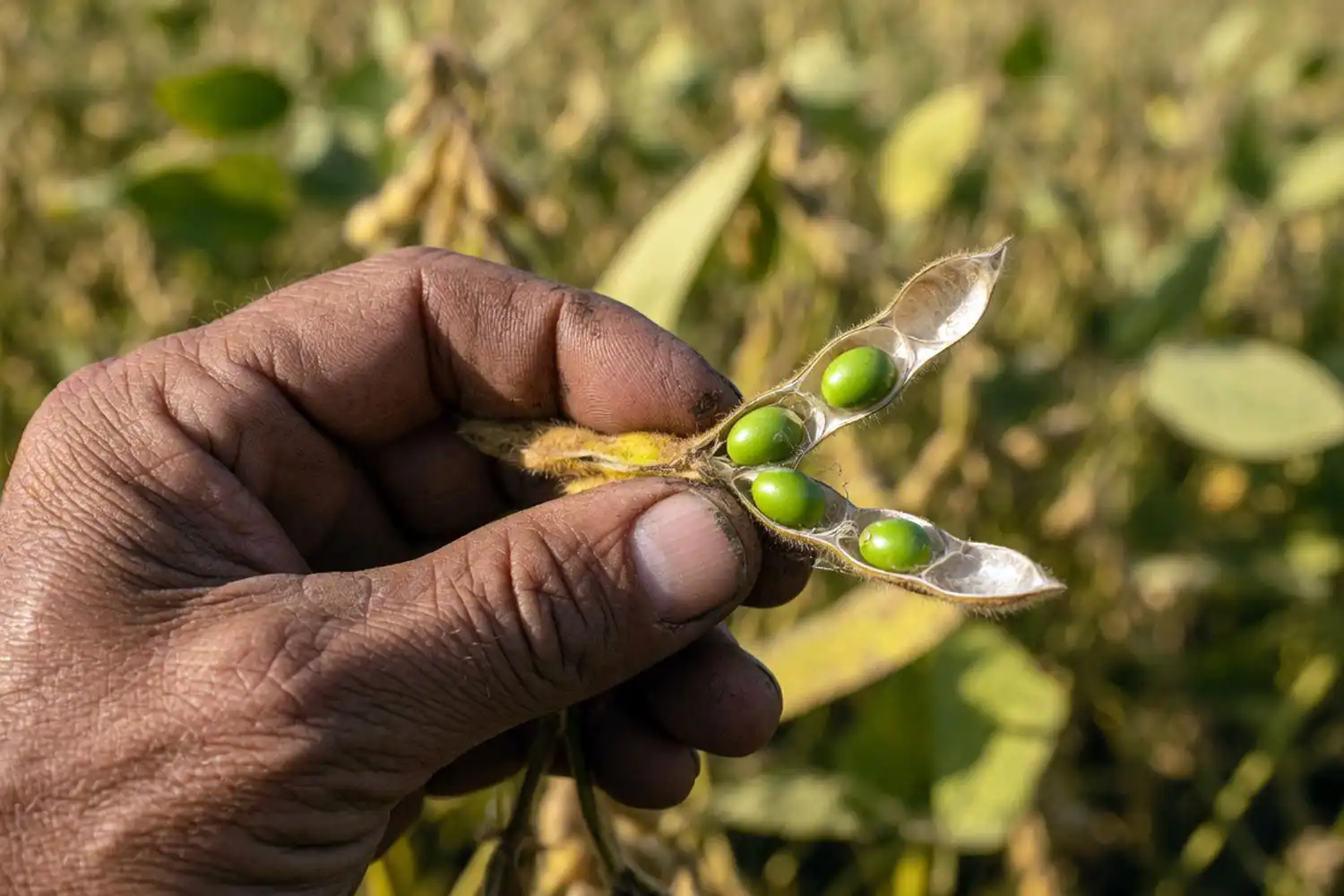
Two stages matter most for this call: R6 and R6.5. At R6, full seed, green beans completely fill the pod cavity at the top four nodes. There is no air gap left inside the pod. At R6.5, the pod wall starts turning yellow and the seed separates cleanly from the protective membrane. That separation is your green light to quit.
How Do You Identify R6 and R6.5 in the Field?
Open pods from the upper canopy and look inside. To confirm R6, the seed has to fill the pod with no gap, often squared off where beans press together. To confirm R6.5, the seed should slip away from the membrane easily and the pod should show the first yellow tint. Walk several spots across a field, not one row, since stands vary. A field counts as reaching a stage once at least half the plants hit it.
Why Seed Fill Sets the Whole Schedule
Seed fill is the stretch where water turns directly into bushels. The most sensitive window runs from R3, beginning pod, through R6, full seed. Roughly 65% of a soybean crop’s seasonal water goes to the reproductive stages. A full irrigated season uses about 20 to 26 inches total.
Daily use tells the same story. During late reproductive growth, soybeans pull 0.25 to 0.33 inches a day in hot, dry weather. Near maturity that drops to about 0.04 inches a day. Once pods yellow, the plant stops moving water into seeds, so irrigation past R6.5 chases very little return. This is why timing matters more on these final passes than on any midseason watering, and why the last irrigation deserves treatment as a real decision rather than a habit.
How Much Water Soybeans Need to Finish
Late-season water demand falls off fast as the crop matures. University of Nebraska figures (NebGuide G1871) give a clean reference for how much water soybeans still need to reach maturity from each stage:
|
Growth stage |
Approx. days to maturity |
Water use to maturity (inches) |
|---|---|---|
|
R4, end of pod elongation |
37 |
9.0 |
|
R5, beginning seed enlargement |
29 |
6.5 |
|
R6, full seed |
18 |
3.5 |
|
R6.5, leaves begin to yellow |
10 |
1.9 |
|
R7, beginning maturity |
0 |
0 |
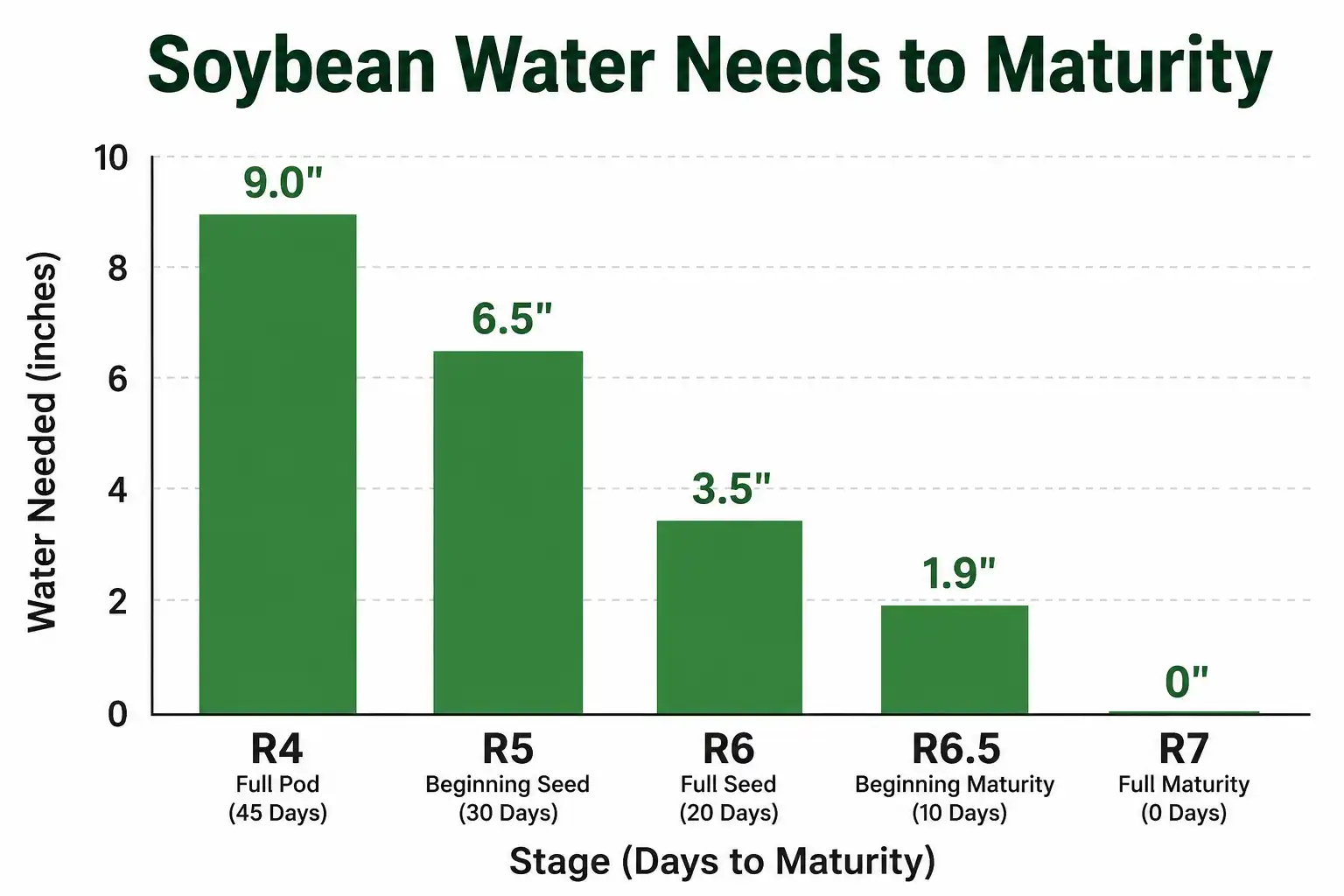
Read that table next to your soil moisture and rain forecast. If beans are at R6 and your profile holds more than the 3.5 inches needed, you can ride it out. If the soil is drying and rain looks unlikely, one more pass protects the last of the seed size. To pencil this out for your own field, it helps to know how to calculate how much water your crop needs from a given profile.
How Soil Texture Shifts Your Last Irrigation
Coarser soils push your final irrigation later. Sand holds less plant-available water, so the crop runs through stored moisture faster and may need water deeper into R6, sometimes into R7. Heavier ground buys you time.
A common field rule keys off touching beans in the pod. On clay loam, you can often terminate when about a third of the pods have beans touching. On medium soils, around two-thirds. On coarse sand, wait until nearly all pods have touching beans. Soils with shallow root-restricting layers behave like light soils too, since the crop can’t reach deep water. A silt loam in the Great Plains holds close to 2 inches per foot, which gives a lot of cushion compared with sandy ground.
Does Planting Date Change Your Cutoff?
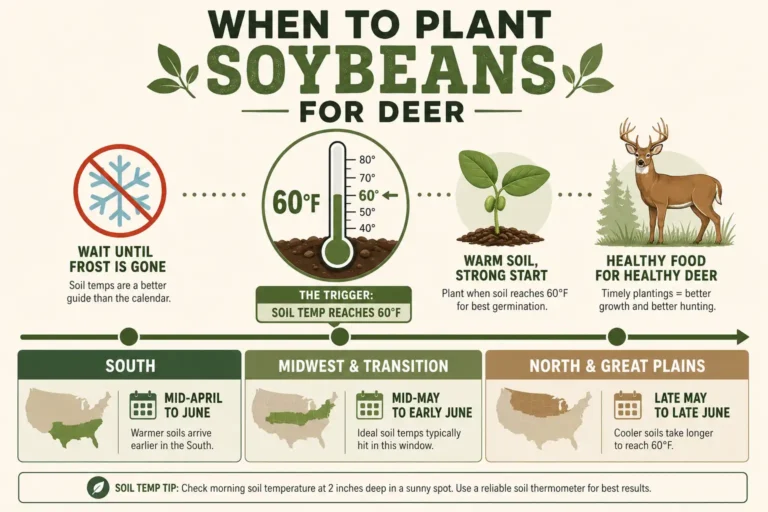
Yes. Planting date moves the calendar date of R6.5, but not the stage you stop at. Late-planted fields hit R6.5 later, so they often need irrigation further into the season than early fields on the same farm. The transition from R6 to R6.5 usually takes 7 to 14 days, and a later start stretches that toward the back end.
Maturity group works the same way. A fuller-season variety reaches R6.5 later than a short-season one in the same field. So staging each field on its own, rather than shutting everything off on one date, is the recommended approach. When you plant soybeans and which group you pick both shift the finish line, and the gap widens further when you are planting soybeans late in the season after a wet spring.
Where to Check Pods: Determinate vs Indeterminate Varieties
Check the upper four nodes on indeterminate types and anywhere on the plant for determinate types. Indeterminate varieties, common across the Midwest and northern Plains, mature from the bottom up. So lower pods may be near R7 while the top of the plant is still finishing. Determinate varieties mature more evenly, top to bottom.
That difference changes where you scout. For indeterminate soybeans, the top nodes are your truth, because they fill last. Stage off those pods and you won’t shut off early on beans that still have filling to do.
The Cost of Stopping Too Early or Too Late
Stopping too early shrinks seed and drops test weight, which pulls yield down at the scale. Research across the High Plains is clear that drought stress during pod fill, starting at R5, leaves money in the field. Smaller beans, faster leaf drop, fewer bushels.
Going too late costs the other way. Extra passes burn fuel and pump hours for almost no added weight. Late water can also leave the profile full going into harvest, which slows field drydown and gives up off-season storage for next year’s rain. The sweet spot is a profile that runs down close to empty right as the crop hits maturity.
How to Time the Final Irrigation
Staging the field first, then checking the water math, then watching the forecast, is the recommended sequence. Here is the routine in the ground every fall.
Scout the upper canopy to nail the growth stage. Second, check soil moisture, by hand and with a modern soil moisture meter, to see how much plant-available water is left in the top 3 to 4 feet. Third, match remaining water against the inches that table says the crop still needs. K-State’s KanSched scheduling program and Nebraska’s checkbook method both do this accounting well.
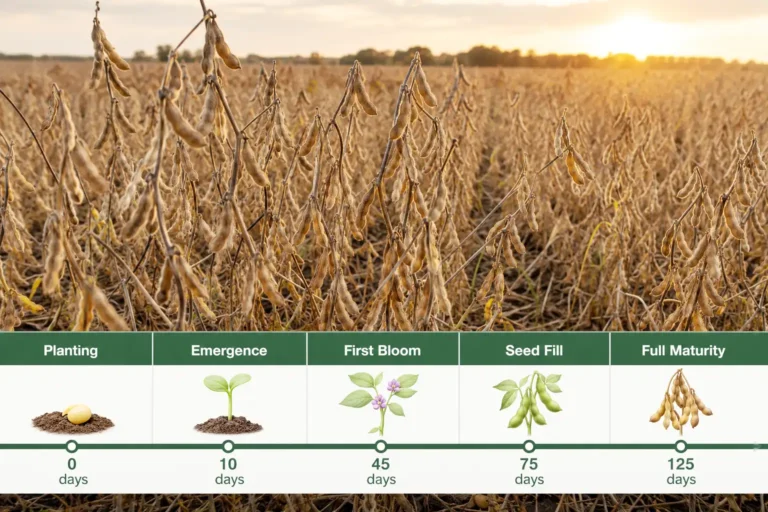
For depletion, hold soil water above 50% during peak demand, then let the crop pull the profile down toward 60% depleted as it nears maturity. That last bit of stored water is meant to be used, not banked. If the numbers say the profile plus normal rain will carry the crop to R7, the pump stays off. If they come up short under hot, windy, low-humidity weather that spikes evapotranspiration, add one measured pass and stop. Knowing how long soybeans take from seed to harvest for your variety helps you see how many watering days are even left. For the whole picture from stand to bin, it pays to think through managing soybeans from planting through harvest as one connected plan.
Bottom Line for Your Soybean Field
Stop irrigating soybeans at R6.5, when pods yellow and seeds release from the membrane. Confirm the stage in the upper canopy, then check that your soil profile and the forecast cover the small amount of water left to maturity. Light soils and late fields run later, heavy soils and early fields run shorter. Time that final pass and you keep your seed size while shutting the system off at the right moment.