What Are Soybeans Used For? Feed, Oil, Food, and Fuel Explained
Soybeans run through more of daily life than almost any other crop. Most never reach a dinner plate as a whole bean. Knowing what soybeans are used for shows why this legume sits near the top of American agriculture, and why it holds a place in many rotations.
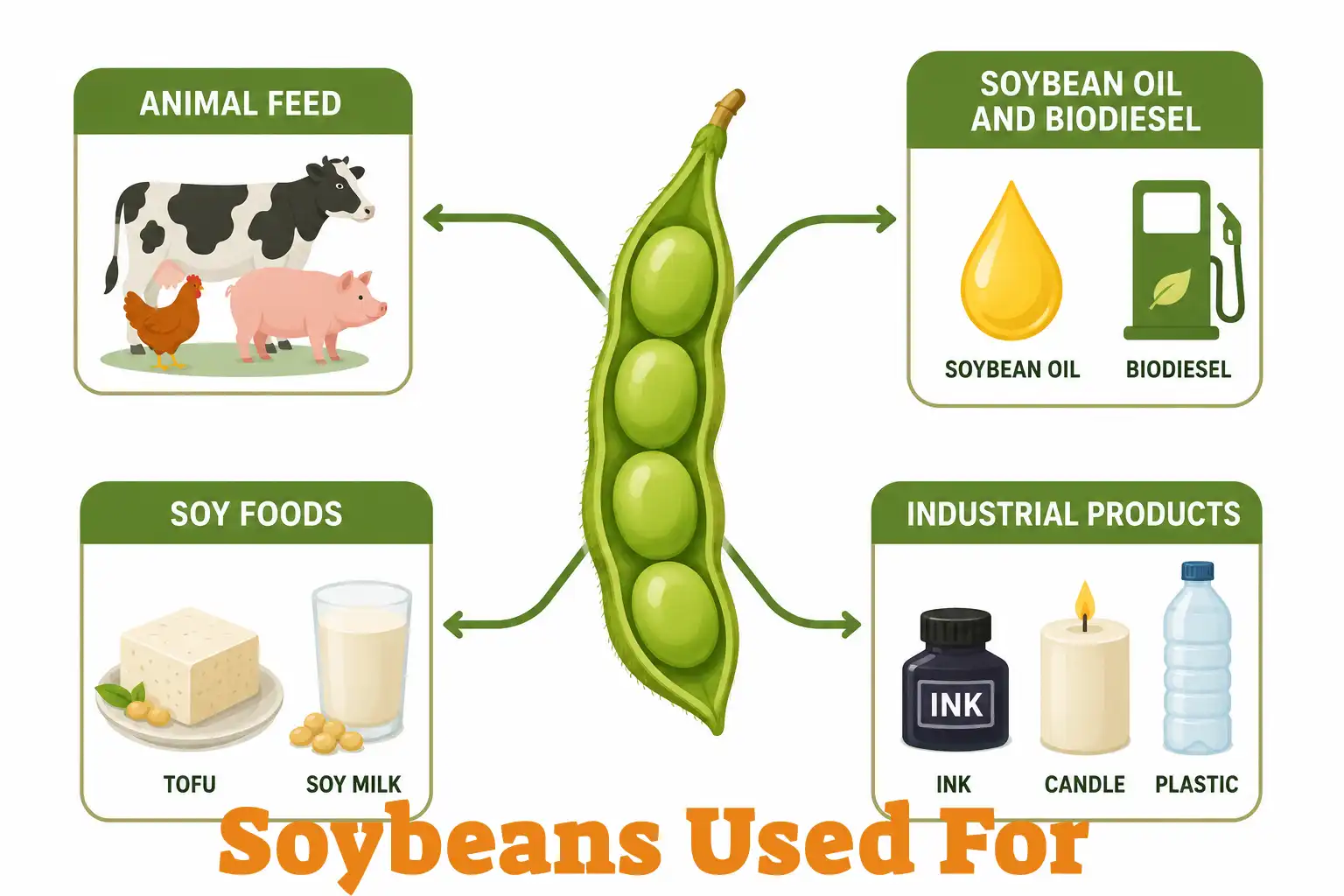
Soybeans are used mostly for soybean meal, a high-protein animal feed, and soybean oil, which goes into cooking oil and biodiesel. Whole beans also become foods like tofu, soy milk, and edamame, while the oil feeds industrial products such as inks, candles, and plastics.
What Are Soybeans Used For Across U.S. Agriculture?
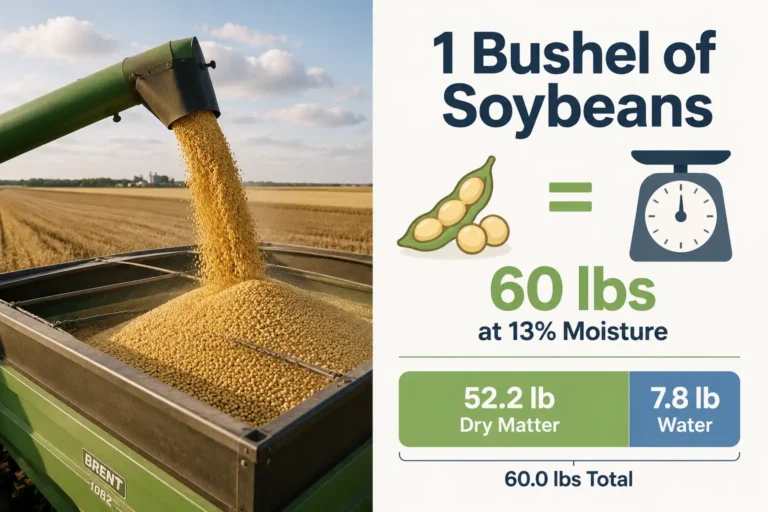
Soybeans are used for three big outputs: meal, oil, and whole-bean food. Almost no soybean gets eaten whole. Instead, processors crush the bean into parts. Around 80% becomes soybean meal and hulls. The remaining 18% to 19% is soybean oil. A standard 60-pound bushel yields roughly 11 pounds of oil and 44 pounds of high-protein meal, plus hulls. So when you ask what a soybean does, you are really asking what its meal and oil do. The USDA tracks this split closely, because it drives the whole market. If you are thinking about growing soybeans on your own ground, knowing where the crop ends up helps you plan.
Why Soybean Meal Drives the Whole Crop
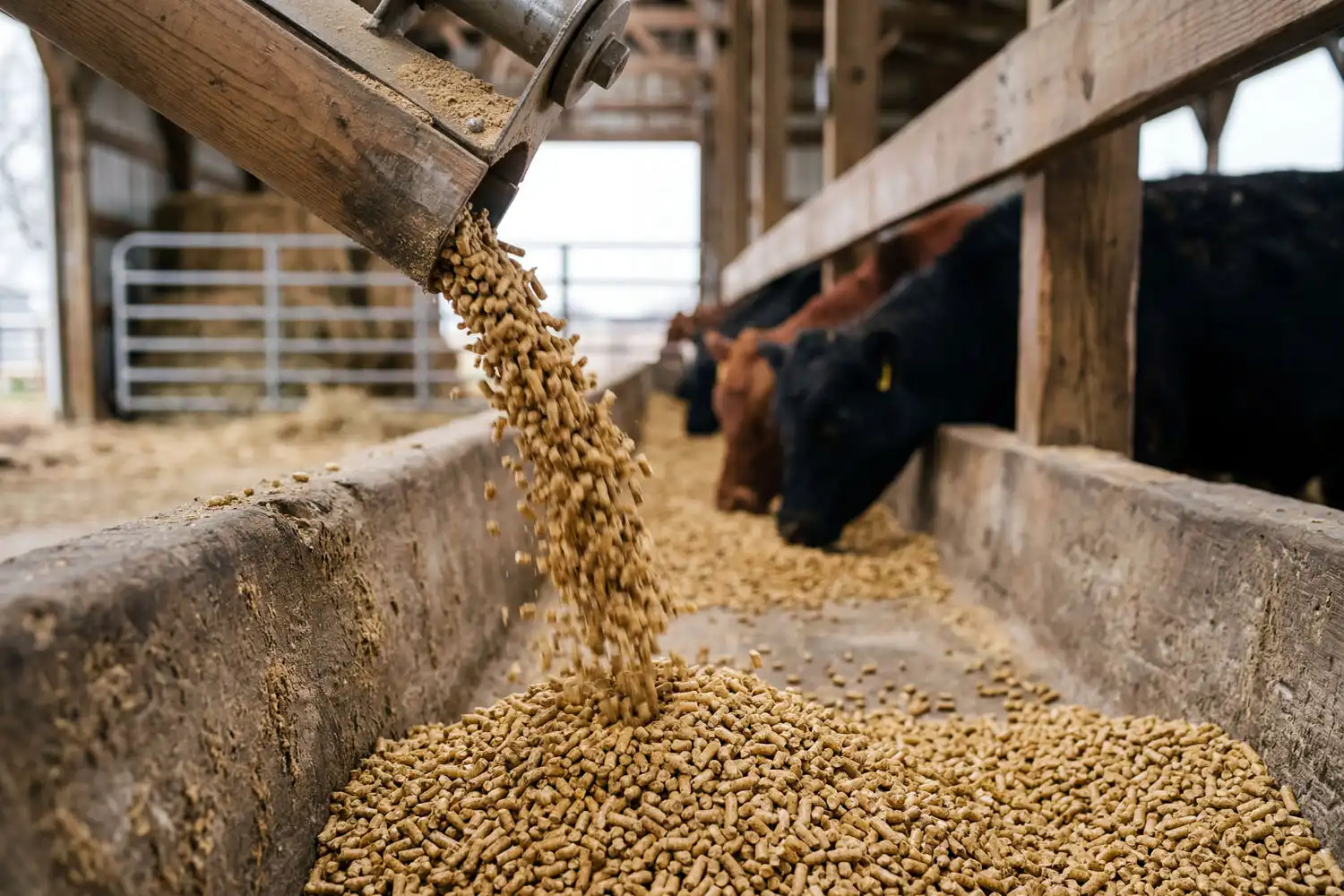
Soybean meal is the main reason most acres get planted. It is a high-protein feed, usually around 47% to 48% protein. Livestock farmers depend on it. Chickens eat the biggest share. Hogs come next, then beef and dairy cattle, then farmed fish. Close to 70% of U.S. soybeans tie back to animal feed in some form. That demand stays steady, which is a big piece of crop farming profitability for soybean growers. Meal also gives the bean most of its value. Historically, meal has carried about two-thirds of the worth from a crush, though oil’s share has climbed with biofuel demand. Only a tiny slice of meal, near 2%, ever goes into human food.
What Is Soybean Oil Used For?
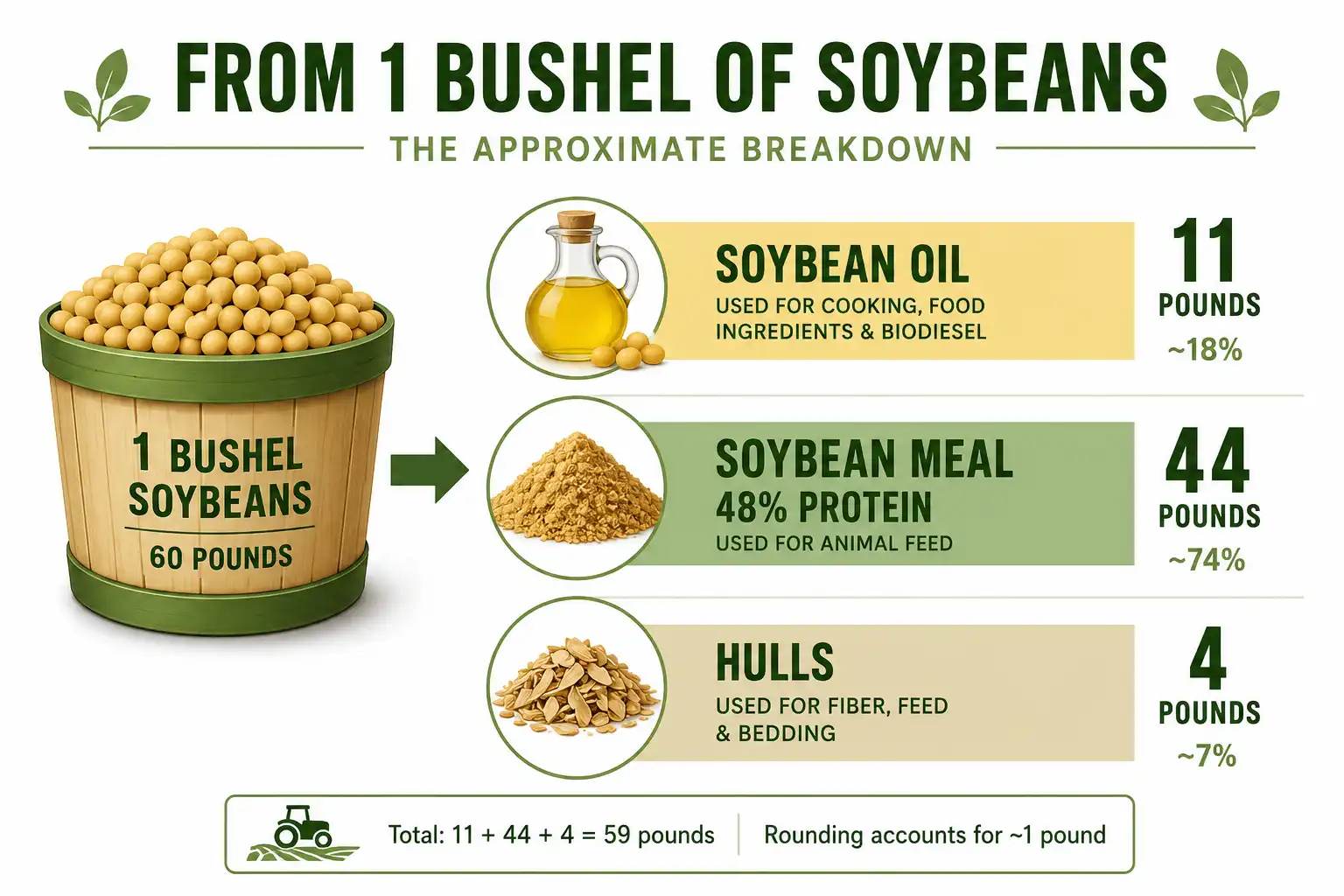
Soybean oil is used for cooking and, more and more, for fuel. In the kitchen, it is one of the most common vegetable oils in America. You will find it in salad dressings, fried foods, margarine, and baked goods. The bigger story now is energy. Soybean oil is the leading feedstock for biodiesel and renewable diesel in the United States. Pure soy biodiesel, called B100, runs in unmodified diesel engines. Even small blends improve lubricity and cut engine wear. Fuel demand has grown fast. The EPA’s Renewable Fuel Standard for 2026 and 2027 pushed volumes higher and trimmed credits for imported feedstocks. That shift favors domestic soybean oil. So new crush plants keep opening across the Corn Belt and Great Plains.
How Do People Eat Soybeans Directly?

People eat soybeans as whole-bean and processed foods, even though that is a small share of the crop. Soy is a complete protein. It carries all nine essential amino acids, which is rare for a plant. It is also the only plant protein with an FDA-authorized heart-health claim. Unfermented soy foods include tofu, soy milk, edamame, and roasted soy nuts. Fermented ones include miso, tempeh, natto, and soy sauce. Tofu and soy milk also digest better than the raw bean, so your body absorbs more of the protein. Most food-grade beans are non-GMO and grown on contract, often for export to Asian markets.
Industrial Uses Beyond Food and Fuel
Soybeans show up in a long list of factory products, mostly through the oil. Soy-based ink prints many newspapers because it is low-toxicity and recycles cleanly. Soy wax makes candles that burn longer than paraffin. Crayons, lubricants, hydraulic fluids, and solvents all use soy oil. Builders use soy adhesives in formaldehyde-free plywood. The United Soybean Board reports soy in more than 150 million plywood panels over two decades. Newer uses keep coming. Soy goes into bioplastics, biodegradable straws, asphalt sealers, and PFAS-free firefighting foam. The meal also works as a binder in some adhesives and paper coatings. Any time soy replaces petroleum, it trims the carbon footprint of the finished product.
Where Do American Soybeans Actually Go?

American soybeans go partly into domestic crushing and partly onto export ships. For years, about half left the country. That balance has shifted. Domestic crush now takes the larger share, near 57% of the crop, as oil demand climbed. Soybeans still rank as America’s number one agricultural export. China has long been the biggest buyer by far. Trade tension cut Chinese purchases to almost nothing in late 2024 and 2025. A trade framework late in 2025 set new targets, with China pledging 12 million metric tons that year, then 25 million tons annually after. Other steady markets include the European Union, Mexico, Indonesia, Egypt, and Japan. Newer growth has come from Turkey, Vietnam, and Bangladesh.
Why Soybeans Belong in a Rotation
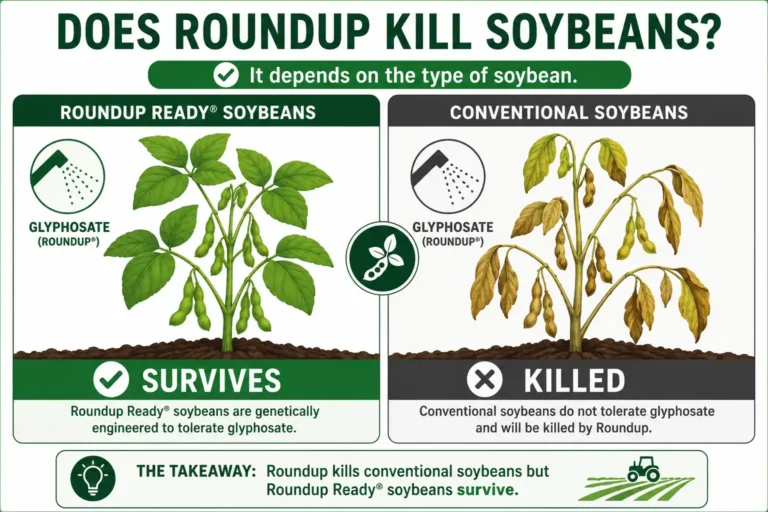
Soybeans earn a spot here because they feed the soil and break pest cycles. As a legume, the plant fixes its own nitrogen through bacteria on its roots. That leaves nitrogen behind for the next crop, usually corn on the ground. Pairing the two slots cleanly into a crop rotation plan cuts the fertilizer bill. The rotation also helps build soil fertility and starves out corn rootworm and many diseases. Soybeans handle a range of soils too. For a lot of Midwest operations, that mix of feed value, soil benefit, and steady demand is hard to beat.
What This Means for Your Acres
Soybeans are one of the most useful crops growers grow. Meal feeds the animals behind the meat counter. Oil cooks food and runs in diesel engines. Whole beans become tofu and soy milk, and the oil quietly fills inks, candles, and plastics. For a grower, the bean pays its way through feed demand, fuel demand, and a real boost to next year’s crop. If you are choosing crops for your farm, soybeans are worth a serious look.