Do You Need Inoculant for Soybeans? Field History Decides
A soybean inoculant is a living bacteria treatment that helps the plant pull nitrogen from the air. Whether you need inoculant for soybeans comes down to one thing: the field’s history.
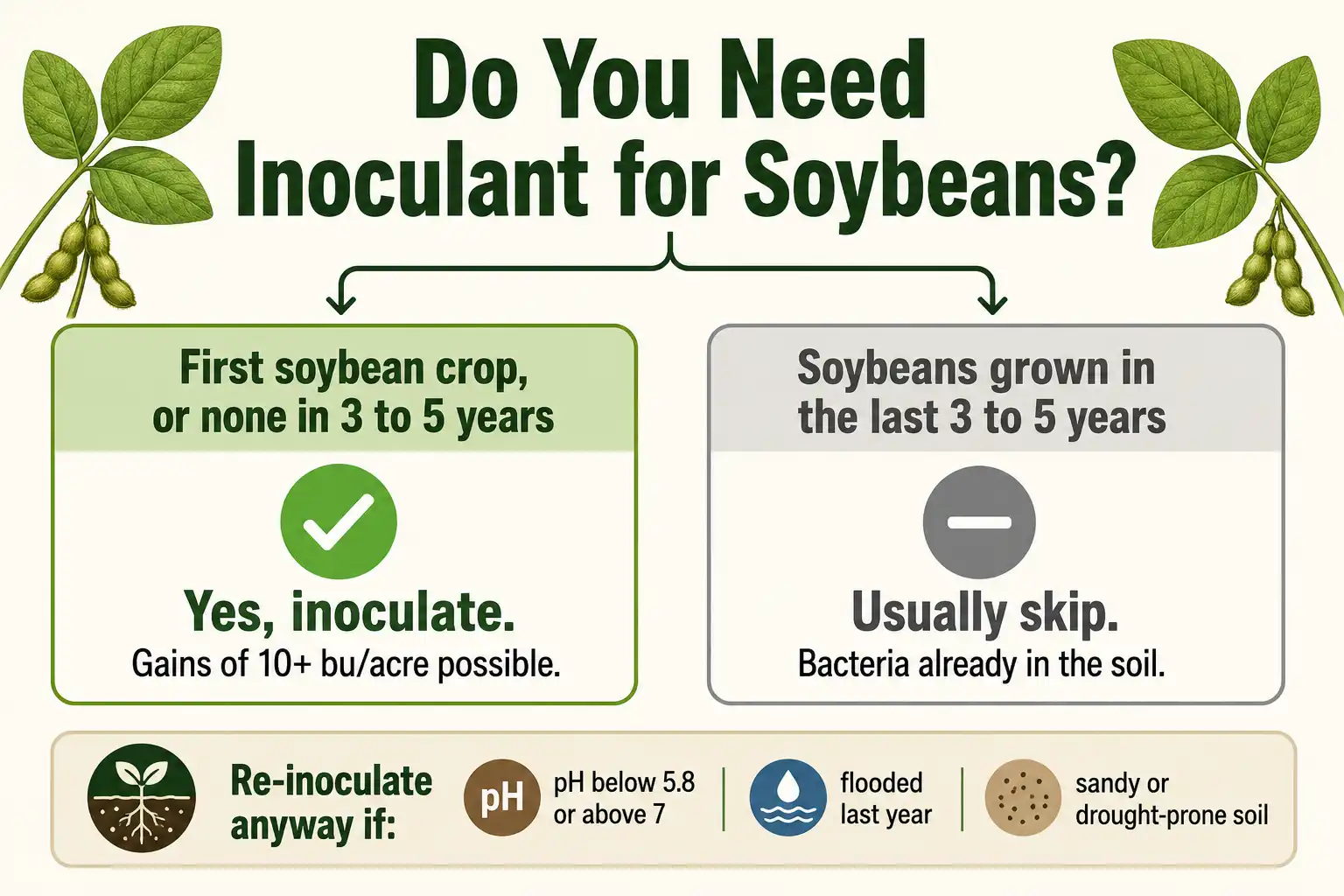
You need inoculant for soybeans when the field has never grown soybeans, or has not grown them in the past three to five years. On ground with recent soybean history, the bacteria are usually already there, so inoculant rarely adds yield.
Do you need inoculant for soybeans?
You need it on new ground and you can usually skip it on ground with a recent soybean history. That single fact decides most cases. Soybeans rely on a soil bacterium called Bradyrhizobium japonicum to feed themselves nitrogen. If that bacterium is already living in your field from past soybean crops, adding more rarely changes much. If it is missing, the inoculant puts it there so the plants can nodulate and feed.
So before you spend a dime, ask two questions. Has this field grown soybeans before? And how long ago? Everything else flows from those answers.
What soybean inoculant actually does
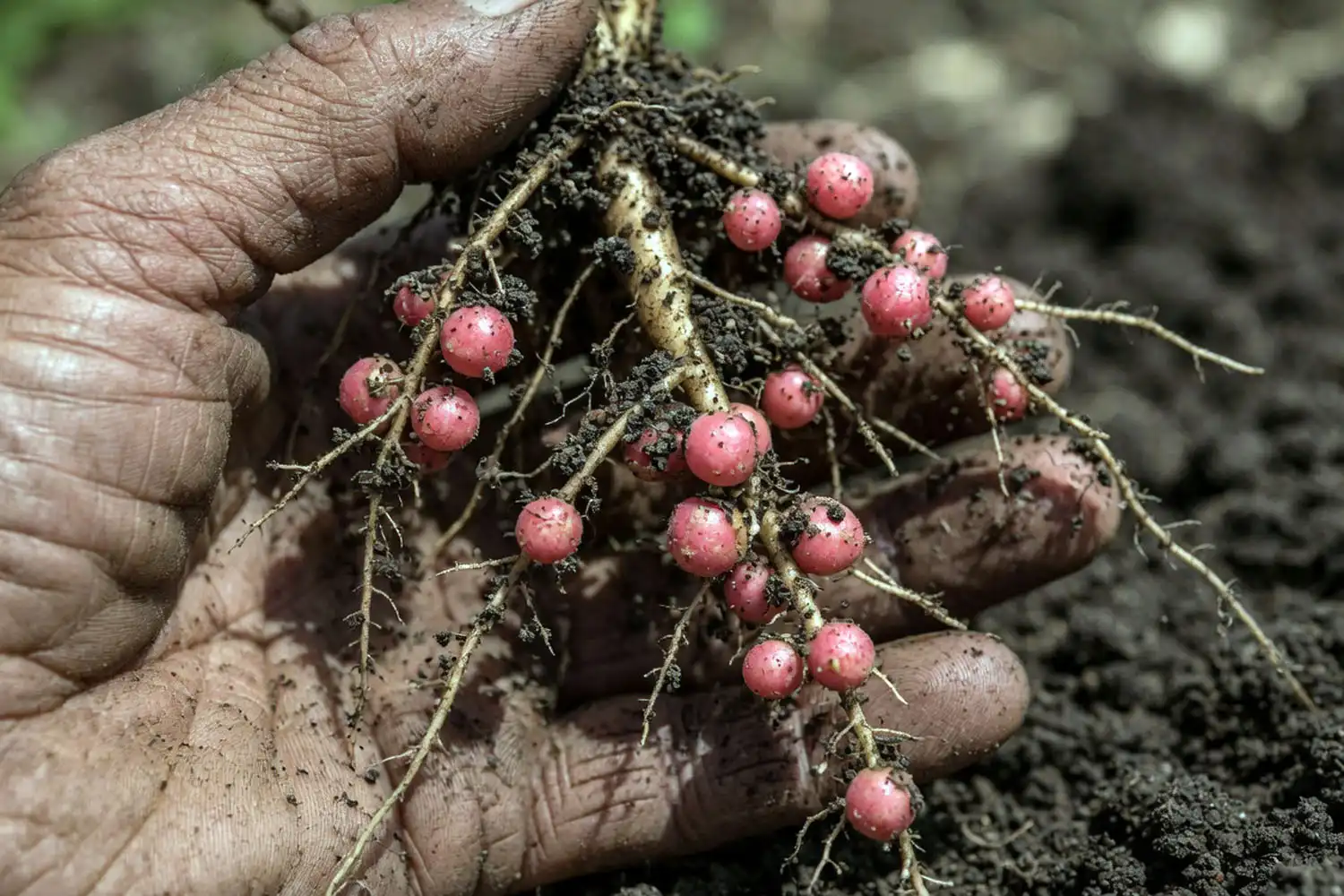
Inoculant supplies the bacteria that let soybeans make their own nitrogen. The plant and the bacterium strike a deal in the root zone. The bacterium moves into the roots, forms small lumps called nodules, and pulls nitrogen out of the air into a form the plant can use. In return, the plant feeds the bacteria sugar.
This trade matters more than most growers realize. Nodulation can supply 40 to 70 percent of a soybean crop’s total nitrogen needs. That is why a well-nodulated field can run on little or no nitrogen fertilizer. Cut the nodules open at midseason and healthy ones show pink or red inside. White or gray nodules are not fixing nitrogen.
When should you inoculate soybeans?
Inoculate any field where soybeans have never grown, or have not grown in the past three to five years. These are the situations where the soil simply lacks enough live bacteria to nodulate the crop on its own. The payoff here can be large.
On true first-time ground with no soybean history, inoculation often raises yield by 10 bushels per acre or more. The bacteria are not present, so the plants cannot fix nitrogen without help. The same logic applies to land coming out of long-term grass, pasture, or continuous corn. The bacteria fade over the years without a soybean host to feed on.
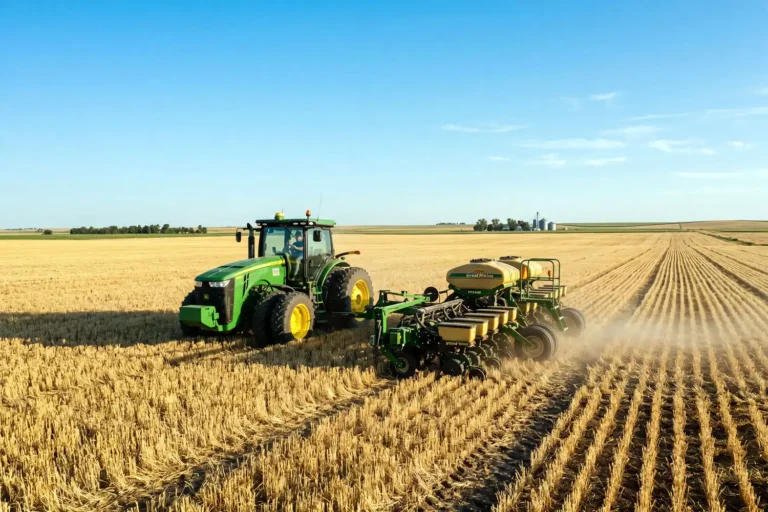
Inoculation is also worth it when this is only the second or third soybean crop a field has ever seen, even if the last one was recent. The population is still building, and a fresh dose helps fill the gap. Since the treatment usually costs less than five dollars an acre, many growers treat it as cheap insurance on any field they are unsure about. Get the seed in the ground at the right depth too, because even perfect nodulation cannot fix a stand lost to poor placement when you decide where you set the seed in the furrow.
When can you skip inoculant on soybeans?
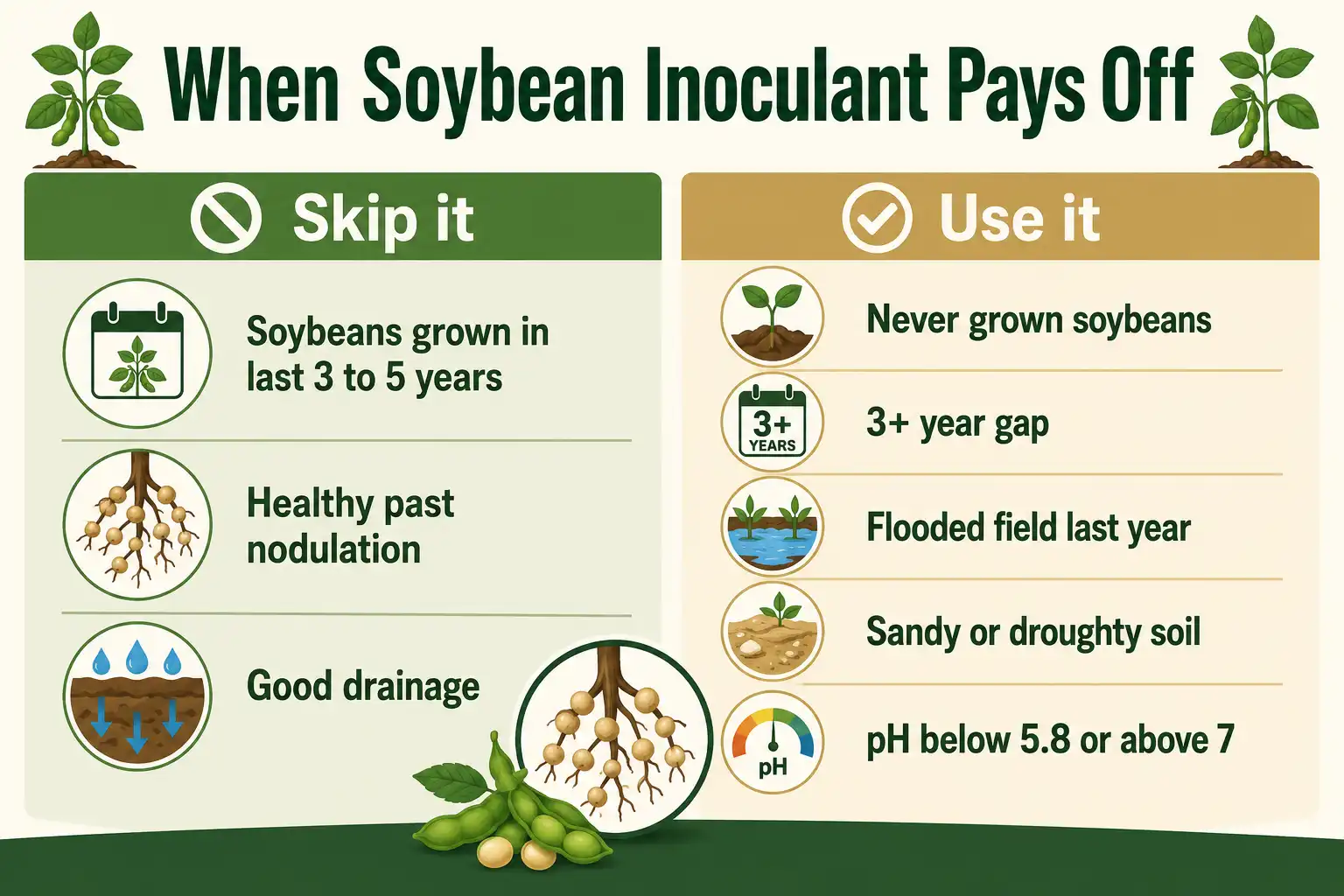
You can usually skip it on fields that grew soybeans within the past three to five years. By then the bacteria are well established in the soil, and adding more brings little or no return. The research on this is clear and consistent.
One large study tested 51 inoculant products across 73 trials in Indiana, Iowa, Minnesota, Nebraska, and Wisconsin over eight years. The average yield response on fields with recent soybean history was zero bushels per acre. Nebraska Extension reached the same conclusion in its own trials and now advises against inoculant in most fields with a soybean history in the last four to five years. On that kind of ground, your money does more good somewhere else.
When should you re-inoculate a field that already grew soybeans?
Re-inoculate when harsh soil conditions have likely killed off the native bacteria, even on ground with a soybean history. The bacterium is a living thing, and certain conditions wipe out its numbers between crops. In those fields a fresh dose can still pay.
Watch for these four situations. First, soil pH at the extremes. Below about 5.8 or above 7, the native population struggles to survive, so replacing it can help. Second, fields that held standing water or flooded the year before. Saturated soil suffocates the bacteria. Third, sandy or drought-prone ground, where survival is poor in dry, low-organic-matter soil. Fourth, a long dry spell going into planting. Recent research warns not to assume an automatic yield bump after a flood, so treat this as a chance for a response rather than a sure thing. If your soil sits at the pH edge, pull a soil test first so you know what you are working with. In dry sand, keeping an eye on soil moisture tells you whether the bacteria even have a fighting chance.
How do you apply soybean inoculant the right way?
Apply it as close to planting as possible and protect the bacteria from heat, sun, and drying out. Inoculant is sold in three main forms, and all of them carry live cells that die easily if mishandled.
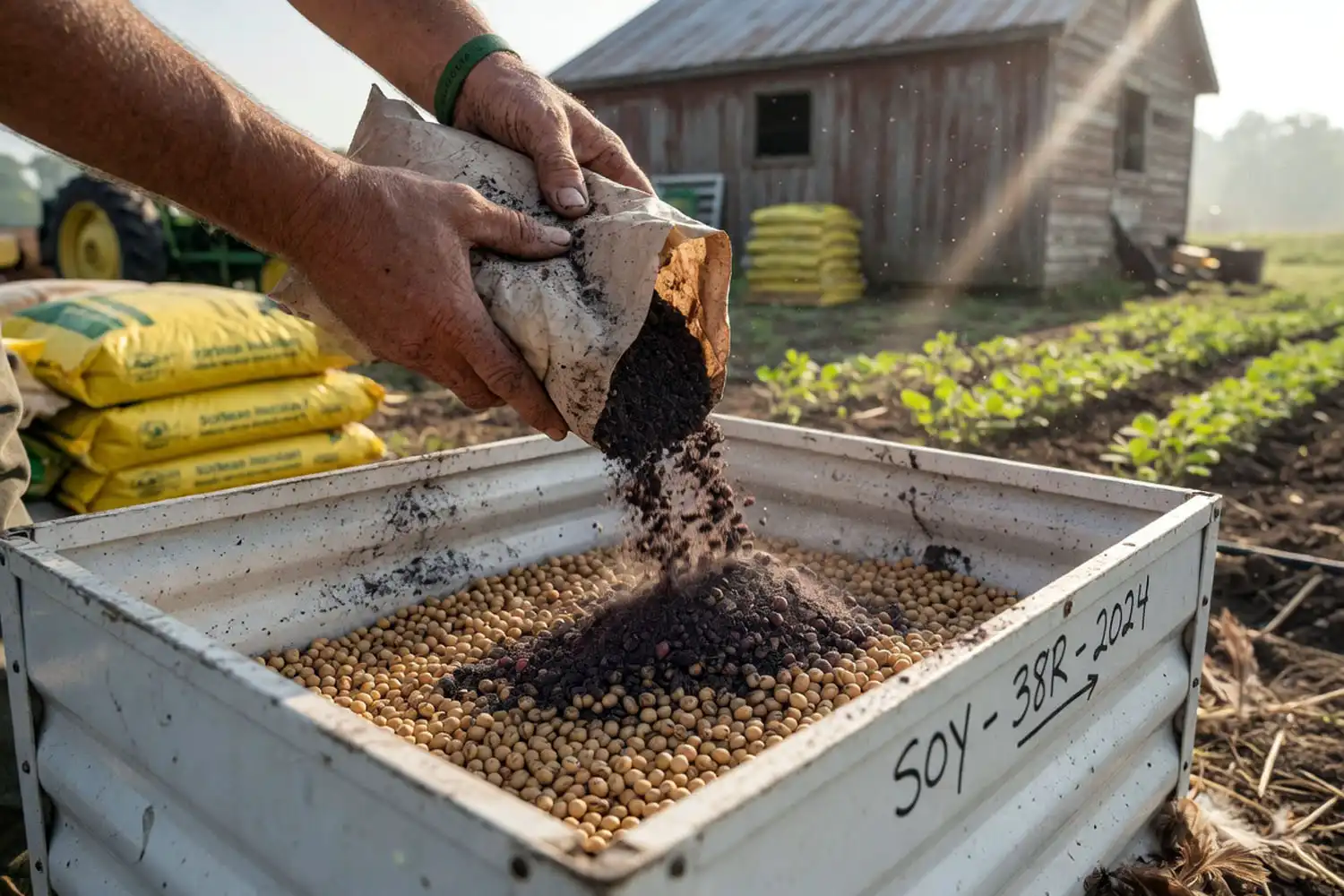
Peat-based seed inoculant is the classic choice. You mix the dark powder with the seed, sometimes with a little water or a sticker, right before it goes in the box. Liquid inoculants coat the seed the same way. Granular inoculant drops in the furrow with the seed instead of coating it, which suits high seeding rates and dry conditions. Whichever form you pick, the rule is the same. Treat the seed shortly before planting, keep it shaded, and get it in the ground while the cells are still alive. The treatment goes in at the same pass as the seed, so it lines up naturally with the days it takes beans to break ground once moisture and warmth arrive.
What kills inoculant or wastes the money?
Heat, sunlight, drying out, and high soil nitrogen are the usual culprits. Since you are paying for living bacteria, anything that kills them before they reach the roots throws the money away. A few habits protect your investment.
Keep the product cool and out of direct sun before use. Do not let treated seed bake in a hot truck or sit overnight in the box. Check the expiration date, because old inoculant carries far fewer live cells. Be careful mixing inoculant with other seed treatments or with molybdenum, since some of those can cut the bacteria’s survival. Also know that heavy soil nitrogen, whether from manure or fertilizer, suppresses nodulation and nitrogen fixation. The plant takes the easy nitrogen and stops working with the bacteria. Tillage system, on the other hand, does not change how well inoculant performs, so growers running a no-till program follow the same field-history rules as everyone else.
Do backyard soybeans and edamame need inoculant?
Yes, if the bed has never grown soybeans or edamame before. Home soil rarely carries Bradyrhizobium japonicum unless soybeans have grown there in the past few years. For a first planting in a garden bed or container, a small packet of garden inoculant helps the plants nodulate and feed themselves.
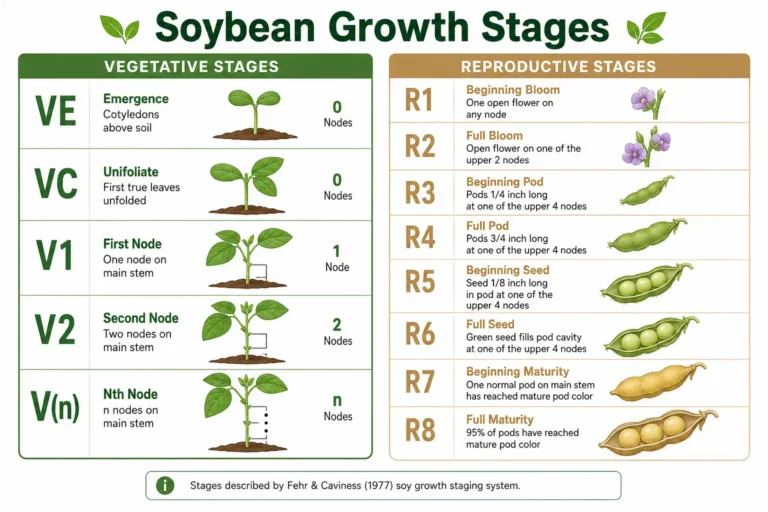
The method scales down easily. Dampen the seed, dust it with the powder, and plant right away. After a season or two, the bacteria establish in that soil and future plantings often do fine without it. Edamame is the same species as field soybeans, so it uses the exact same inoculant. Good nodulation early supports the plant all the way through pod fill, which is worth understanding as the crop moves through its growth stages.
Rule of thumb on soybean inoculant
Treat inoculant as a field-history decision, not a yearly habit. On any ground that is new to soybeans, coming out of long grass or continuous corn, or has not seen beans in four or five years, inoculating without hesitation is the recommended approach. The 10-bushel upside on virgin ground is worth too much to skip. On fields in a steady corn-soybean rotation, skipping it is the recommended approach, because trials show that bacteria are typically already living in that soil.
The exceptions are the rough fields. If a field flooded last year, sits at a pH extreme, or runs sandy and dry, re-inoculating even with a soybean history is a common approach, and cheap insurance. Match the treatment to the field, keep the bacteria alive until they hit the dirt, and let the nodules do the work nature built them for.