When to Plant Lettuce in North Carolina (2026 Dates by Region)
Lettuce is a cool-season crop, and timing is everything in a state with three climates. Knowing when to plant lettuce in North Carolina means working with two short windows and skipping the summer heat.
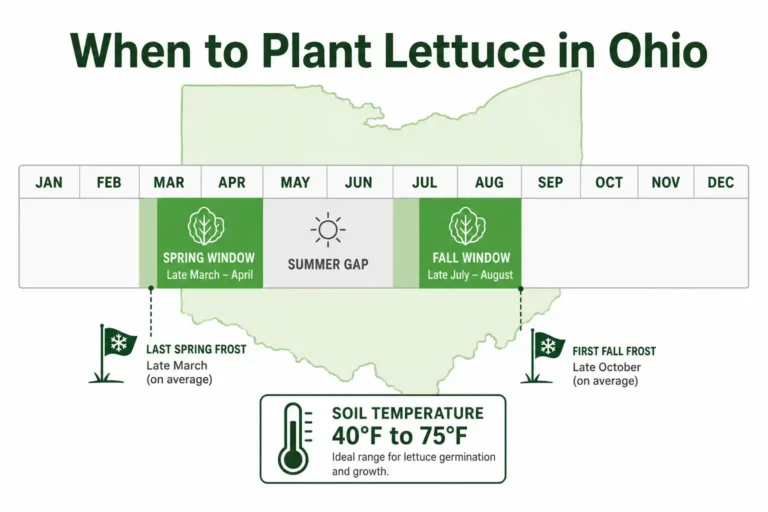
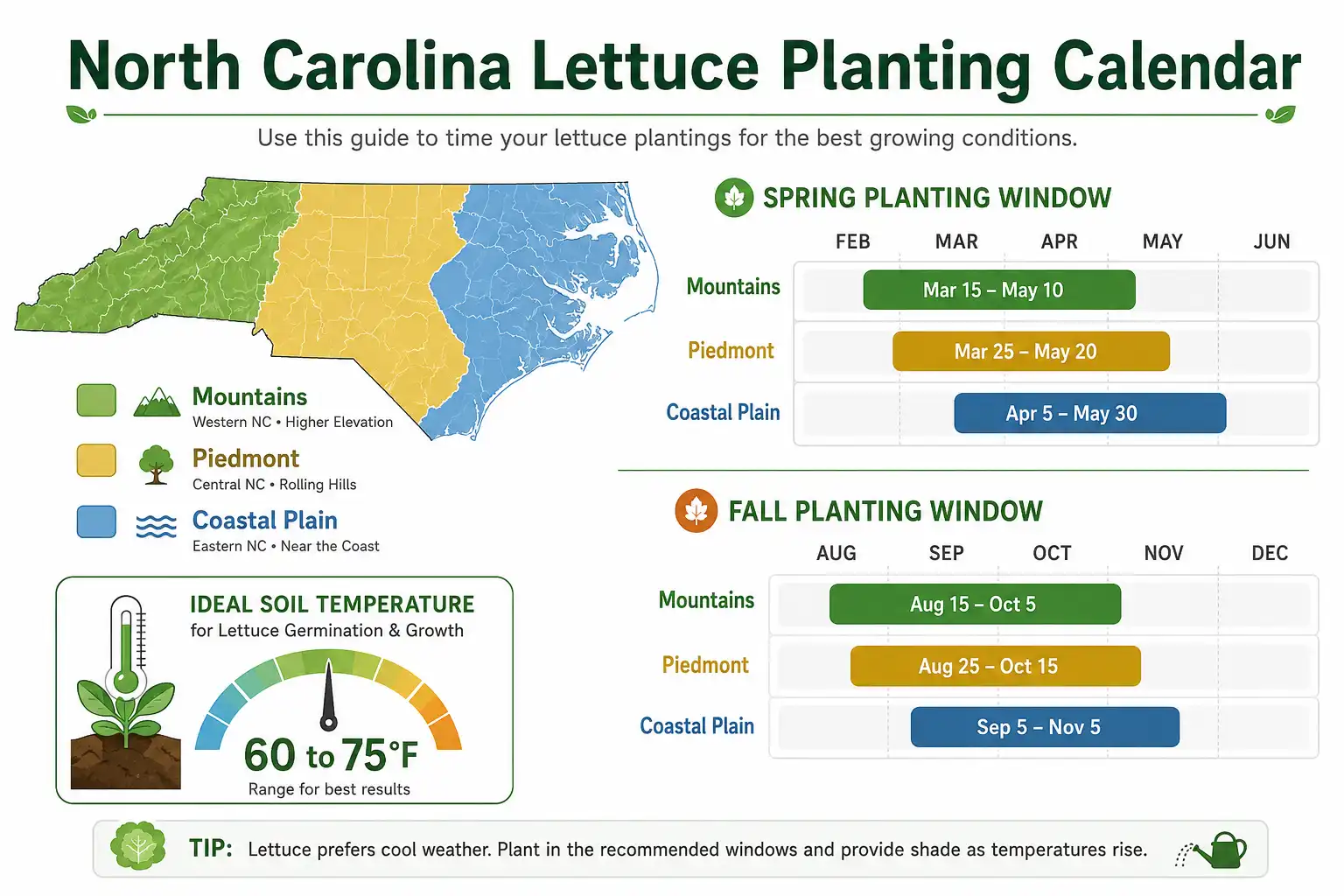
Plant lettuce in North Carolina in two windows. Sow or set out transplants from late February through early April for a spring crop. Plant again from August into mid-September for fall. The coast plants earliest, the mountains latest.
When Is the Best Time to Plant Lettuce in North Carolina?
The best time is spring and fall, when daytime temperatures hold in the 60s°F. Lettuce grows fastest between 60 and 65°F. After that, heat builds and the plants turn bitter and bolt. So most growers here run a spring crop, rest through midsummer, then plant again for fall.
North Carolina also spreads across a wide climate band. The state runs from USDA hardiness zone 5b in the high mountains to 8b on the coast. That spread shifts your dates by a few weeks. Still, the pattern holds everywhere: cool weather in, cool weather out.
When to Plant Lettuce in North Carolina by Region
Your window moves with elevation and distance from the ocean. N.C. Cooperative Extension dates work as a baseline for the Piedmont, then you slide earlier or later from there.
Coastal Plain (Eastern North Carolina)
Coastal growers plant earliest in spring and latest in fall. The Atlantic Ocean keeps winters mild here, so most of this region sits in zones 7b to 8b. For spring, direct sow leaf types from mid-February through March. Set out head lettuce transplants by early-to-mid February. Fall planting runs from mid-August into late September because the first frost often holds off until mid-November. Wilmington and other coastal towns give you the longest season in the state. Growers near the South Carolina line will find the timing close to lettuce planting in Georgia. That calendar makes a useful cross-check.
Piedmont (Central North Carolina)
The Piedmont follows the standard NC State Extension calendar. Plant leaf lettuce from March 1 to April 1 in spring. Plant again from August 1 to September 1 for fall. Head types like crisphead need more time. Set those transplants out earlier, from February 15 to March 15 in spring. Aim for August 15 to 31 in fall. This covers Raleigh, Charlotte, Greensboro, and Durham, most of which fall in zones 7a to 7b. The last spring frost lands around mid-April, and the first fall frost arrives in early-to-mid November.
Mountains (Western North Carolina)
Mountain growers plant latest in spring and earliest in fall. Higher elevation means a shorter season, with zones running from 5b to 7a. For spring, push your dates two to four weeks behind the Piedmont. Direct sow leaf lettuce from mid-March into April. Asheville sees its last frost around mid-April, while Boone can hold frost into early May. For fall, plant about a week earlier than the Piedmont. The first frost can show up by early-to-mid October across the Blue Ridge.
How to Plant Lettuce for a Spring Harvest
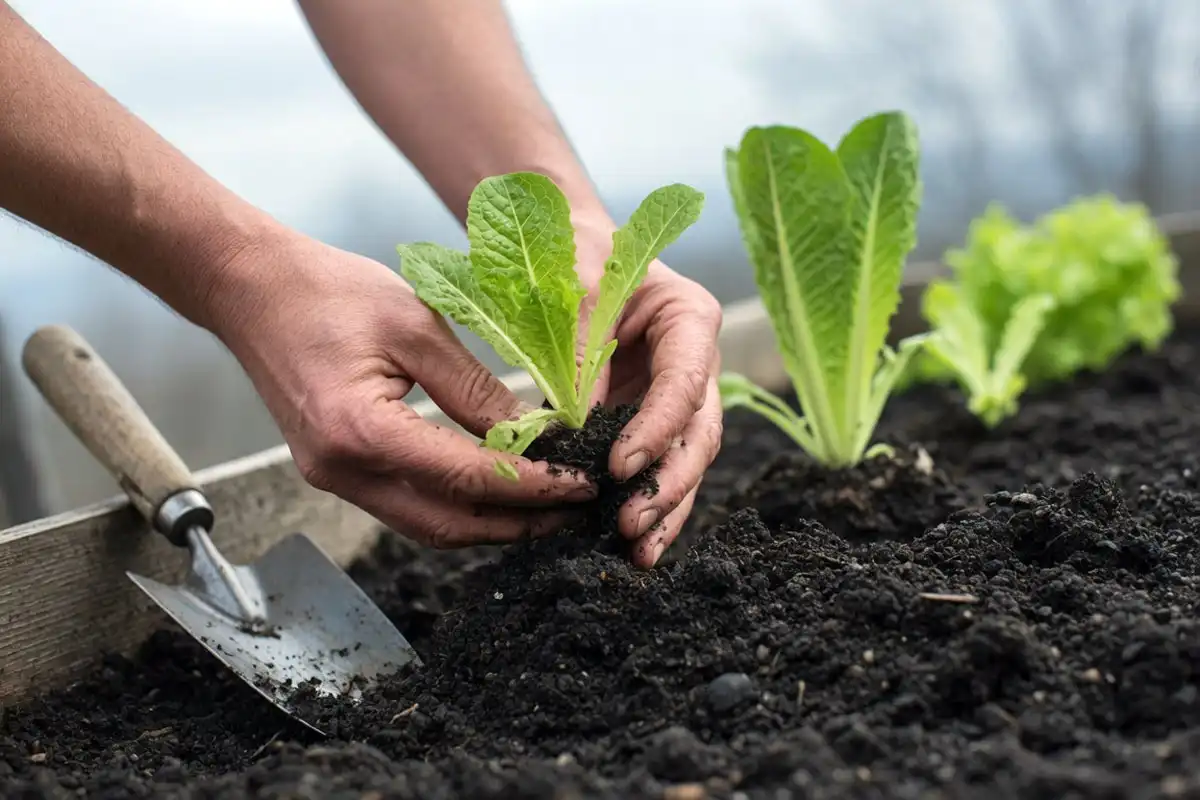
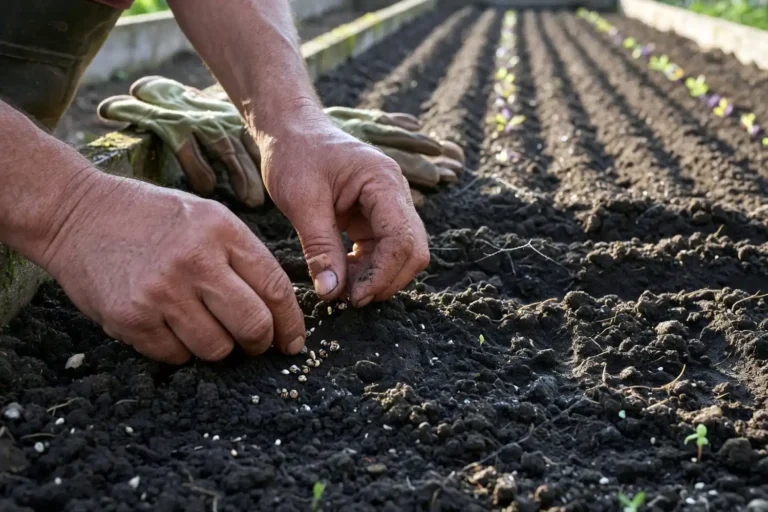
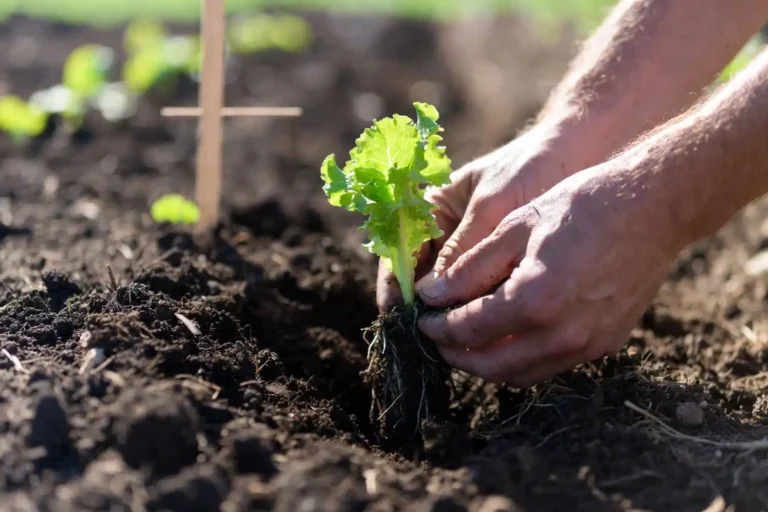
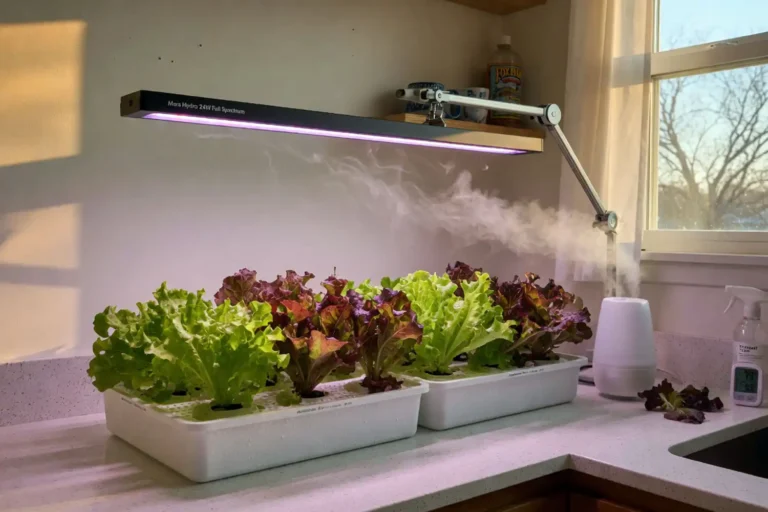
Spring lettuce is a race against rising heat, so favor fast leaf types and start head lettuce early. Sow crisphead and romaine indoors about four to five weeks before set-out. Harden them off before they go in the ground. If you want a head start, starting lettuce indoors gives transplants a jump on the season. Direct sow leaf types once the soil clears 40°F.
Plant seed a quarter inch deep and keep the bed evenly moist. A floating row cover protects young plants from a late cold snap. Then pick leaf varieties and harvest them young, before the first hot stretch pushes them to bolt.
Why Fall Is the Easiest Lettuce Window in North Carolina
Fall is the more forgiving window because the season ends in cooling weather, not climbing heat. That means less risk of bolting and sweeter leaves as nights turn cold. To time it, count back from your first frost date using the days to maturity on the seed packet. Quick leaf types mature in 45 to 55 days, so they can go in later than head lettuce.
The one hurdle is germination. Late-summer soil often sits above 80°F, and lettuce seed stalls in that heat. So start your transplants in a shaded spot or indoors where it is cooler. Move them out as the weather breaks. Planting lettuce for fall at the right moment sets you up for crisp heads well into late autumn.
What Soil Temperature Does Lettuce Need to Germinate?
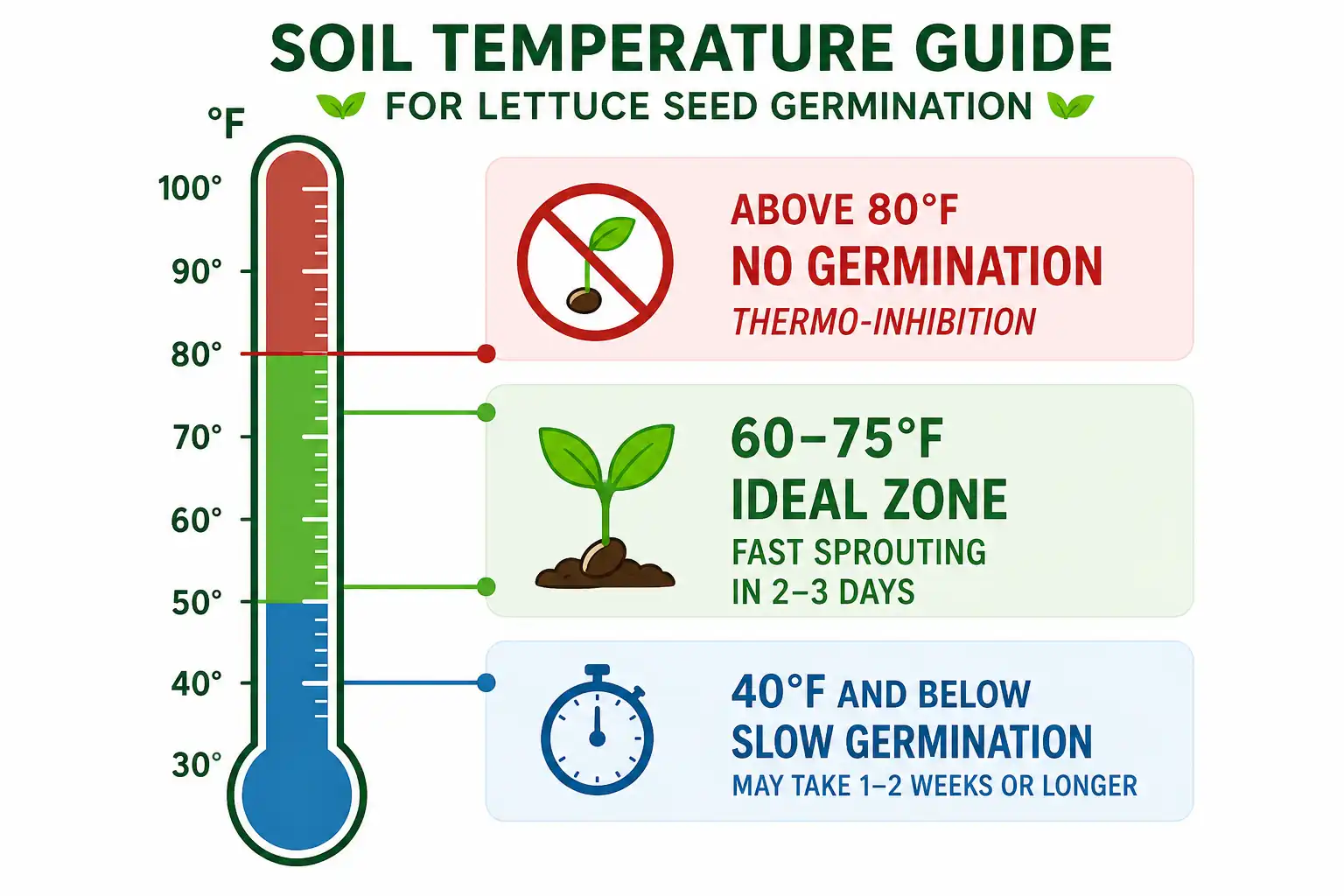
Lettuce germinates best in soil between 60 and 75°F. Seed will sprout across a range of 40 to 80°F. But warmth past 80°F triggers thermo-inhibition, a built-in dormancy that shuts germination down. At the cold end, seed still comes up near 40°F, just slowly.
Speed tracks closely with temperature. At 68°F, seed breaks ground in about two to three days. At 50°F, expect roughly a week. At 41°F, it can take two weeks. Keeping a soil thermometer on hand every spring is the recommended approach. The number tells me more than the calendar does. If you want a deeper look at how fast lettuce seeds sprout, the timing shifts with every degree.
Can You Grow Lettuce Through the Summer Heat?
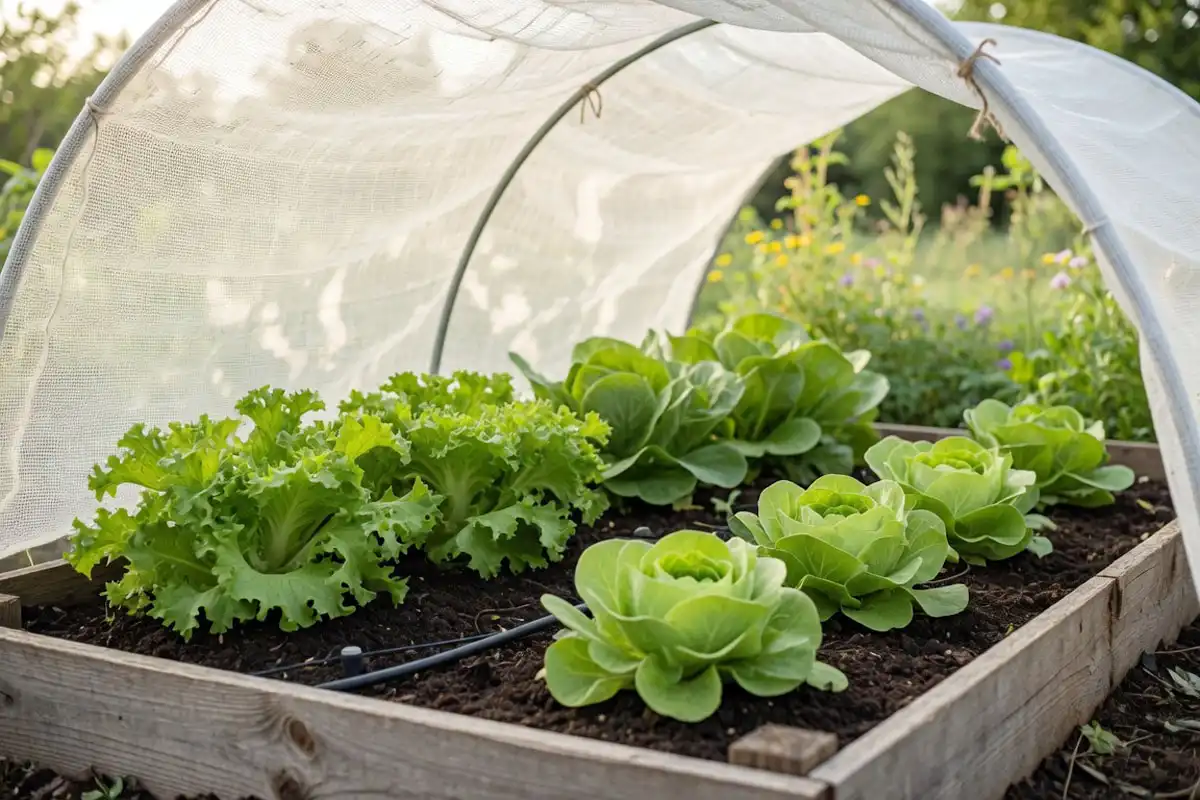
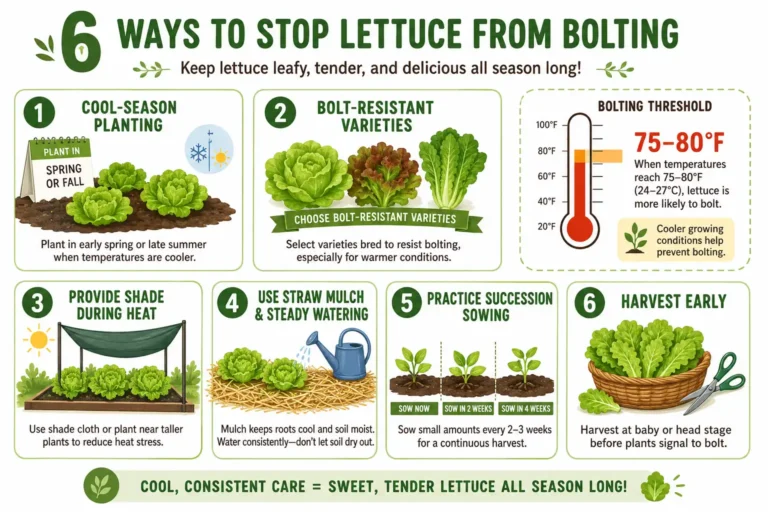
You can push lettuce into early summer, but a full-summer harvest is hard in the Piedmont and on the coast. Once temperatures hold above 75 to 80°F, plants bolt and the leaves turn bitter. Mountain growers have an edge here, since cooler nights at elevation stretch the leaf-lettuce season longer.
A few moves buy you extra weeks. Use heat-tolerant, slow-bolt varieties like Jericho, Nevada, and Black-Seeded Simpson. Add afternoon shade or shade cloth, mulch to cool the roots, and water steadily so plants never stress. For the full set of summer tactics, growing lettuce through summer heat covers what holds up and what does not.
Can Lettuce Survive a North Carolina Winter?
Yes. In the Piedmont and on the coast, lettuce often survives winter under light cover. Hardened plants shrug off temperatures down to about 20°F. A cold frame, low tunnel, or frost cloth carries them further. Growth slows once soil drops below 40°F, so plants mostly hold rather than size up. In the mountains, hard cold makes a protected bed or hoophouse the safer call.
Best Lettuce Types for North Carolina
Loose-leaf types are the most forgiving for North Carolina’s fast swing into heat. Bolt resistance runs in a clear order: loose-leaf first, then romaine, then butterhead and bibb, with crisphead last. Crisphead, the iceberg group, needs the longest cool stretch, so it goes in earliest in spring and is the first to suffer in heat. If iceberg is your goal, knowing when iceberg heads do best keeps you from starting too late. Reliable picks for the climate include Black-Seeded Simpson, Buttercrunch, New Red Fire, and the romaine Jericho.
Keep Lettuce Coming with Succession Planting
Succession planting keeps fresh leaves on the table instead of one big flush all at once. Sow a small batch every one to two weeks through each window. In spring, tighten that gap as heat closes in, since the last sowings have the least time. In fall, the same habit stretches your harvest right up to a hard freeze.
Bottom Line for Your North Carolina Lettuce Patch
Two windows carry the year here: a spring crop from late February through early April, and a fall crop from August into mid-September. Slide earlier on the coast and later in the mountains. Lean on fall as the easier season, since it cools instead of heats. Watch soil temperature at sowing, keep seed under 80°F, and start with loose-leaf types for the most reliable harvest your first season.