How to Grow Heads of Lettuce That Stay Firm and Sweet
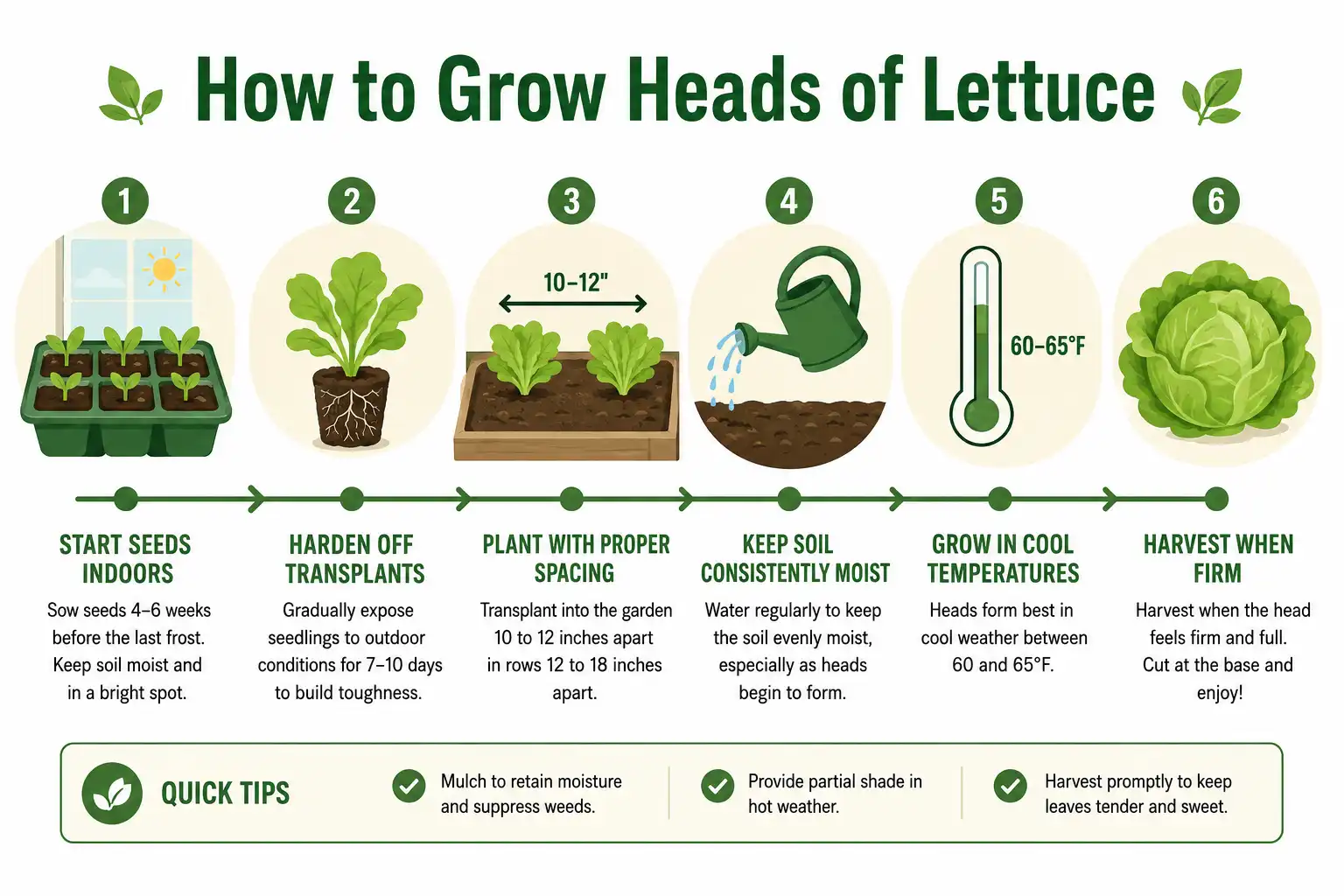
Head lettuce rewards patience more than leaf lettuce does. The trick to how to grow heads of lettuce is cool weather, steady moisture, and the right spacing. Get those three right and you pull firm, crisp heads from your own ground.
To grow heads of lettuce, start seeds indoors and transplant in cool spring or late summer. Space plants 10 to 12 inches apart, keep soil evenly moist, and harvest once the head feels firm.
What Makes Head Lettuce Different from Leaf Lettuce?
Head lettuce packs its leaves into a tight ball or upright bundle, while leaf lettuce grows as a loose, open rosette you snip a few leaves at a time. That single difference shapes everything else.
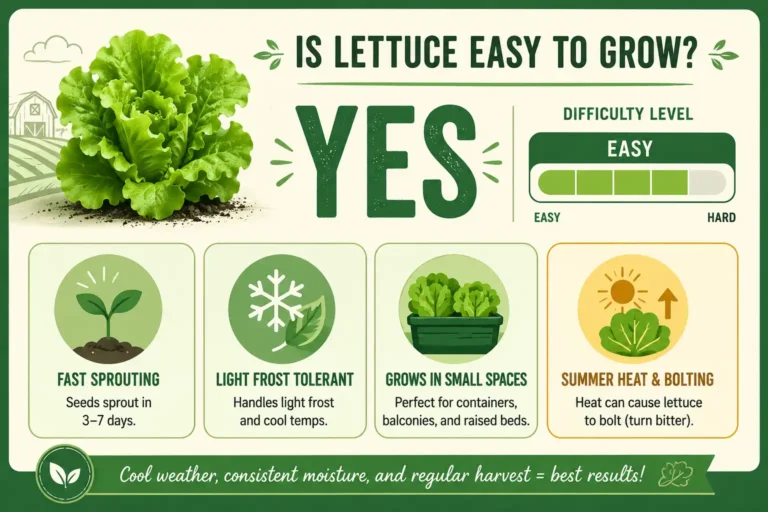
Heads need a longer cool stretch to fill out. They also want more elbow room and a single clean harvest instead of cut-and-come-again picking. Like all lettuce, head types are a cool-season vegetable. They size up best when the air stays mild and the soil stays evenly moist.
What Are the Main Types of Head Lettuce?
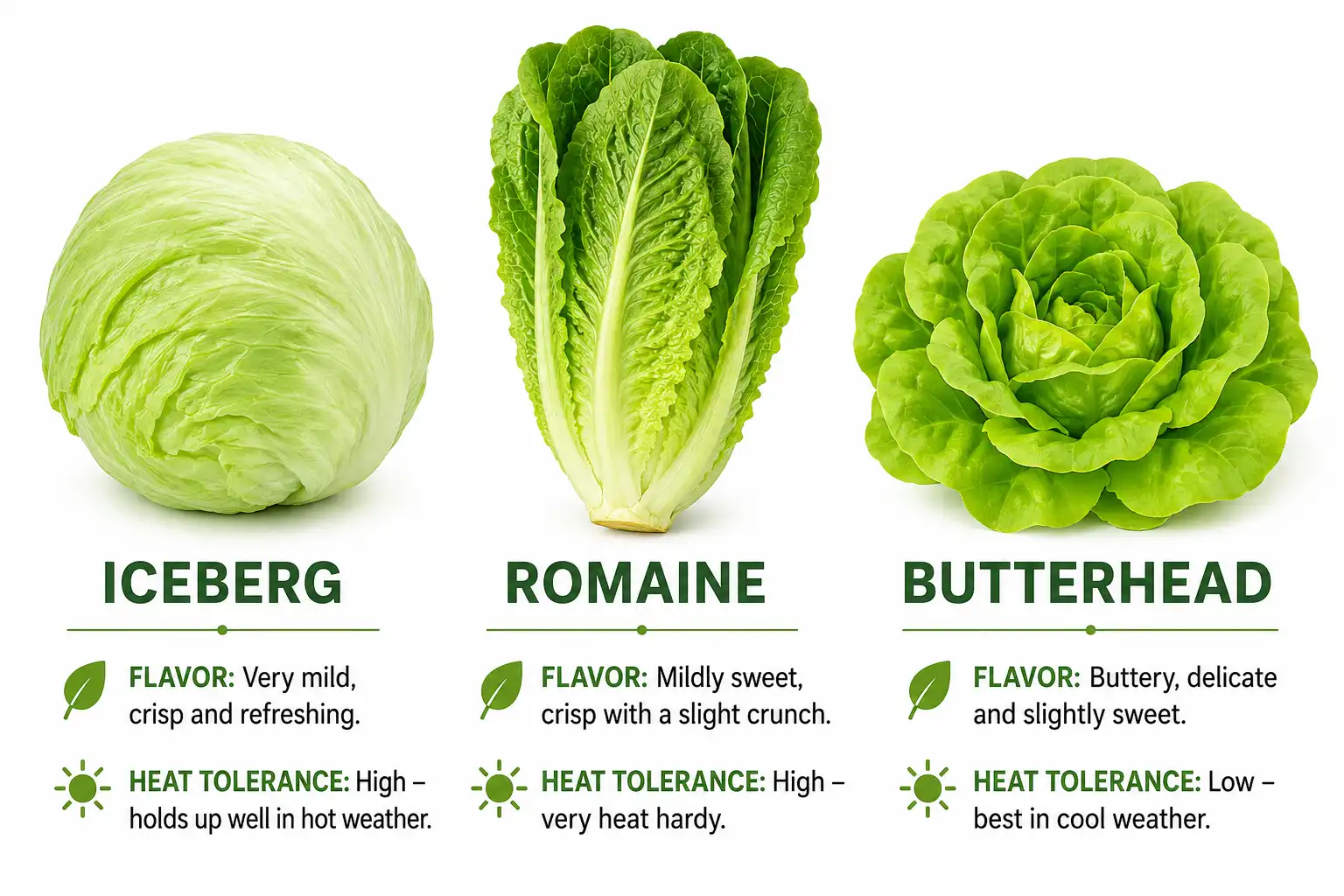
The main types are crisphead (iceberg), romaine (cos), butterhead (Bibb), and the heat-tolerant batavian, also called summercrisp. Each one forms a head a little differently, so pick the type that fits your weather.
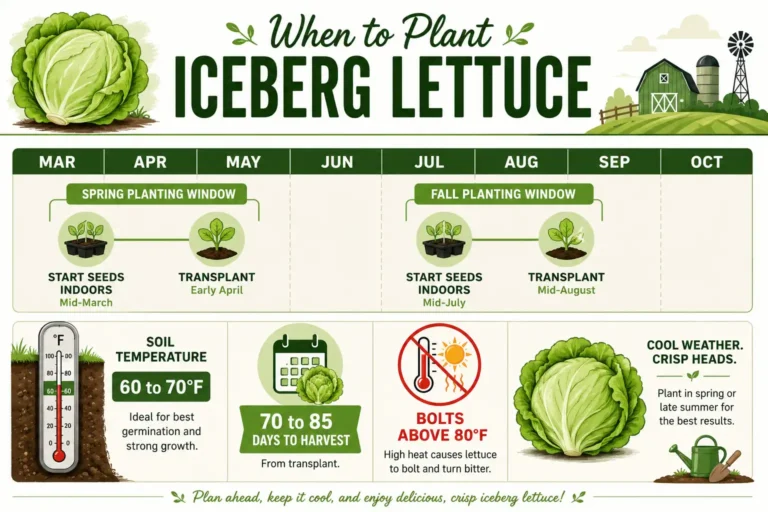
Crisphead makes the dense, round ball you see in stores. It is the trickiest to grow because it wants steady, cool temperatures to pack tight. Great Lakes and Ithaca are dependable cultivars. If iceberg is your goal, our notes on growing iceberg lettuce from seed walk through the transplant timing that gives firm heads.
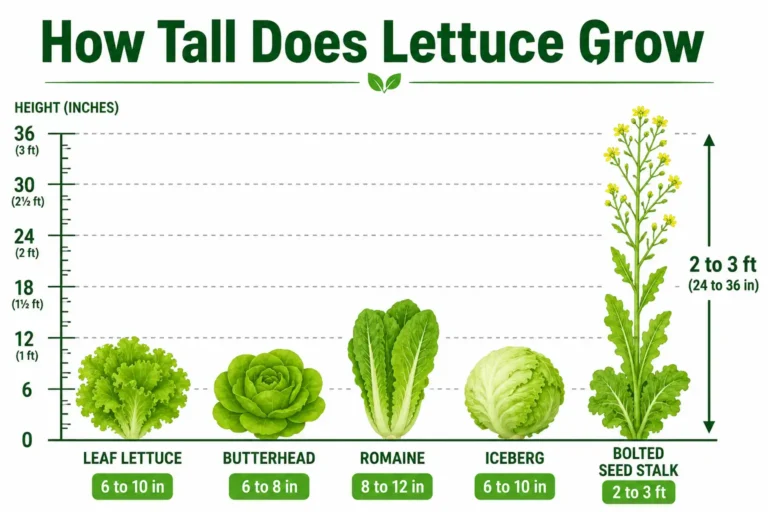
Romaine grows upright with long, sturdy leaves that overlap into a fairly tight head. University of Maryland Extension describes a ready romaine head as roughly 4 inches wide at the base and 6 to 8 inches tall. Romaine handles warmth better than crisphead, so it is the easiest head type for most backyard growers.
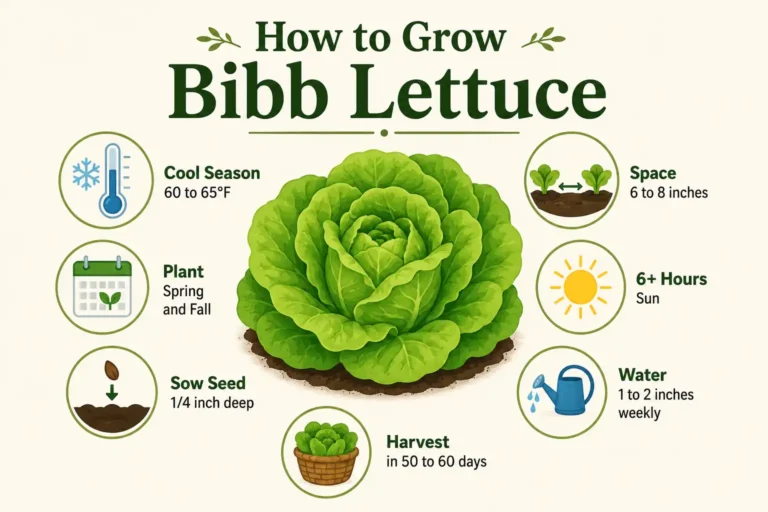
Butterhead forms a soft, loose head with cupped, tender leaves. It grows fast and does great in containers. Butterhead also runs a touch more prone to tipburn, so steady moisture matters. If this is your pick, here is how to go about planting butter lettuce for clean, buttery heads.
Batavian (summercrisp) splits the difference. It gives you crisphead crunch with better heat and bolt tolerance, which makes it a smart choice for late spring plantings.
Learn more: Growing Lettuce Indoors All Year
When Is the Best Time to Plant Head Lettuce?
Plant head lettuce in early spring and again in late summer so the heads mature in cool weather, ideally below 75 F. Heat is the enemy here. Once temperatures climb, plants bolt and the leaves turn bitter.
University of Minnesota Extension puts the sweet spot for lettuce around 60 to 65 F. In Topeka, which sits in USDA hardiness zone 6a, K-State Research and Extension lists lettuce as a late-March planting alongside peas, onions, and potatoes. Lettuce is semi-hardy, so a light frost will not hurt it, though a hard freeze will.
For fall heads, set transplants out in late summer and let them finish as the Great Plains cools down. Fall crops taste sweeter because cool nights mellow the leaves. To get the window right, see our guide on timing your planting for a sweeter harvest. Start a fresh batch every two weeks. That way have heads at the right stage instead of all at once.
How to Grow Heads of Lettuce from Transplants
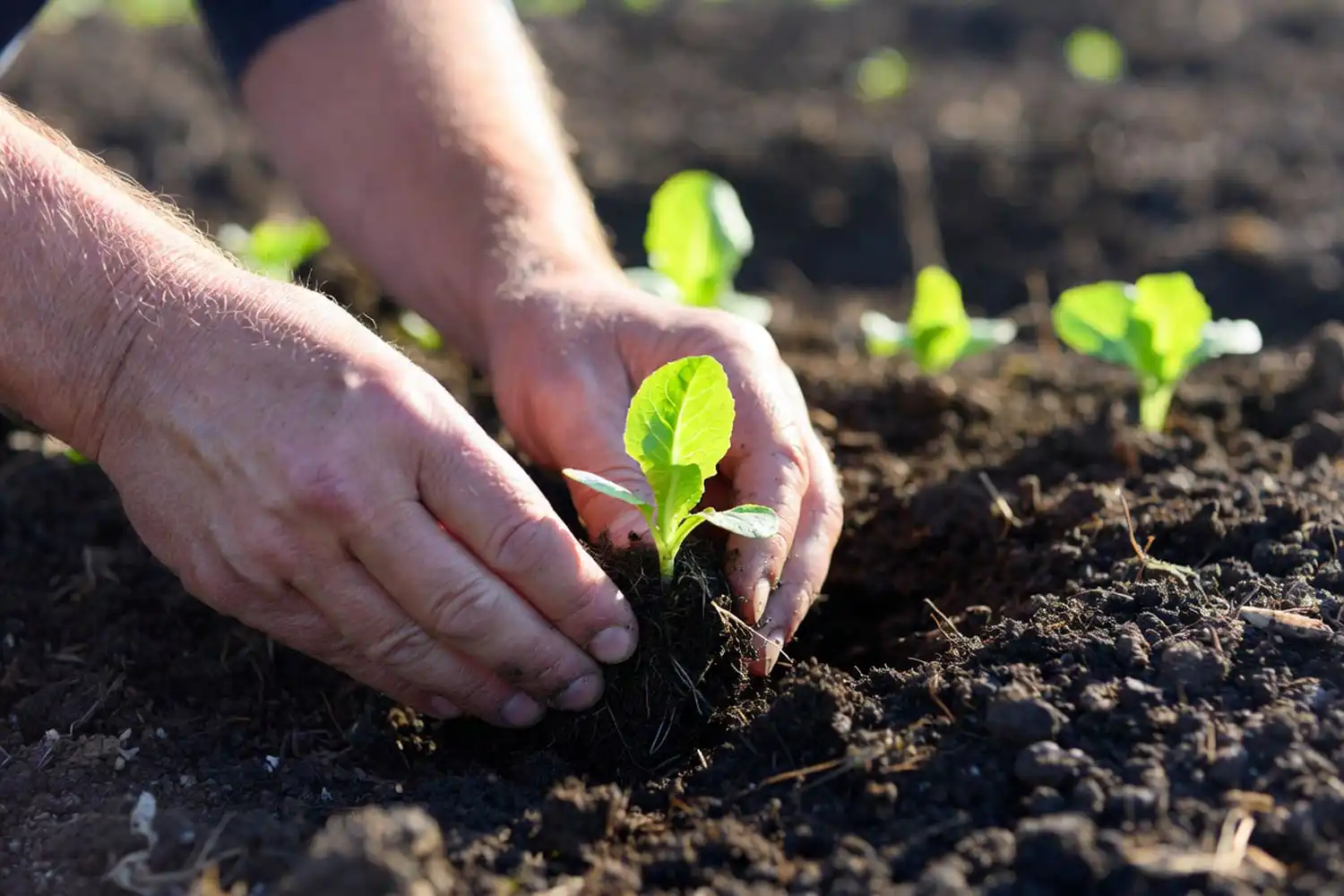
Start head lettuce indoors, then move hardened seedlings to the garden. Transplants give you uniform, well-spaced heads, which is exactly what crisphead and romaine need to fill out evenly. Direct seeding works fine for leaf lettuce, but heads do better with a head start.
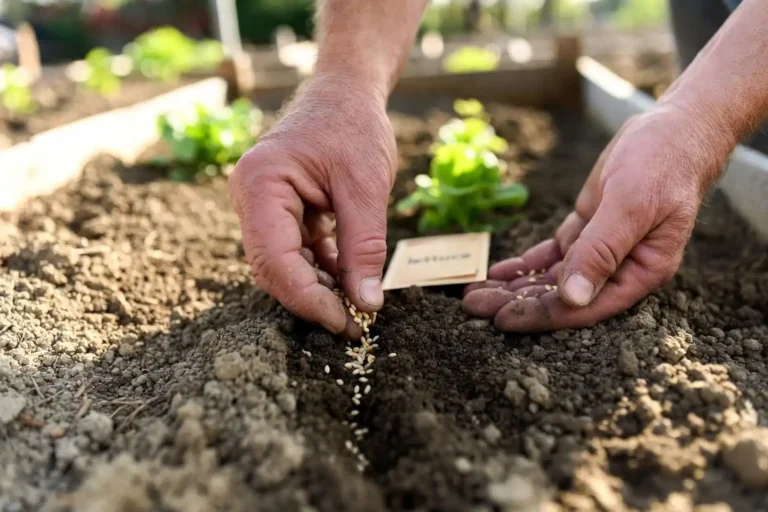
Here is the routine. Sow seed in flats 4 to 6 weeks before you plan to transplant. Set the seed shallow, about 1/4 to 1/2 inch deep. Seed buried too deep struggles to break the surface, so check the right seeding depth before you sow. Lettuce seed germinates best between 55 and 65 F and pops in 7 to 10 days. Soil above 80 F actually slows germination, so keep the flats cool. Our notes on getting lettuce seed to sprout cover the cool-soil trick.
Grow the seedlings until they have 4 to 6 true leaves. Then harden them off for several days by setting them outside in a sheltered spot. Move them to the bed while the weather is still cool, and water them in right away.
How Far Apart Should You Space Head Lettuce?
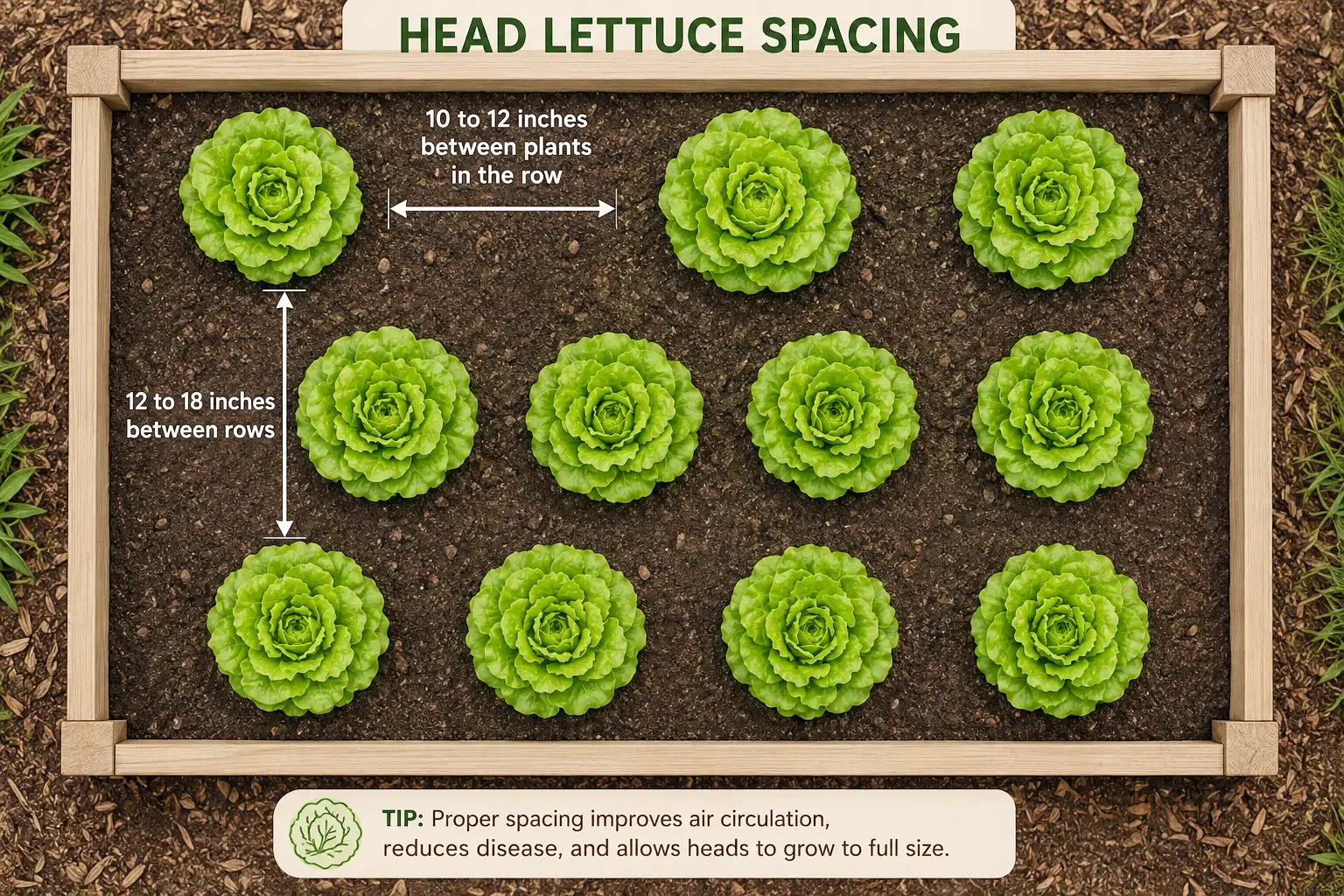
Space head lettuce 10 to 12 inches apart in the row, with rows 12 to 18 inches apart. Give crisphead types the wider end, up to 15 inches, since they build the biggest heads. Spacing is not a small detail. It decides whether you get firm heads or sad little nubs.
Utah State University Extension recommends 8 to 12 inches between plants for head lettuce. For crispheads, University of Maryland Extension goes wider, 12 to 15 inches in the row. Crowded plants compete for light and nutrients, and they rarely pack a tight center.
If you direct seed, thin the seedlings to final spacing once they have 3 to 4 true leaves. Do not toss the thinnings either. The young plants make a fine salad, and healthy ones can be replanted to fill gaps.
What Soil, Sun, Water, and Feeding Do Heads of Lettuce Need?
Head lettuce needs full sun, loose fertile soil, steady moisture, and enough nitrogen to push leafy growth. Get these basics right and the heads almost grow themselves.
Soil and sun
Pick a spot with at least 6 hours of sun and well-drained soil rich in organic matter. Lettuce likes a soil pH near 6.0 to 7.0. Work compost into the bed before planting to loosen heavy ground and feed the crop. During hot stretches, a little afternoon shade helps slow bolting.
Water
Keep the soil evenly moist, never bone dry and never soggy. Head lettuce has shallow roots, so it dries out fast. Aim for about 1 to 1.5 inches of water per week, and more during heat. Dry soil triggers two problems at once: bolting and tipburn. Water early in the day at the base of the plant, not overhead in the evening, which invites disease. A light mulch holds moisture and keeps the soil cooler.
Fertilizer
Feed head lettuce with nitrogen for fast, leafy growth. Start with a soil test. K-State Research and Extension notes that Kansas garden soils usually need nitrogen more than any other nutrient. Work a balanced fertilizer or compost into the bed before planting, then side-dress with a little nitrogen about three weeks after transplanting. Go easy, though. Too much nitrogen builds loose, leafy heads and invites pests.
When and How to Harvest Head Lettuce
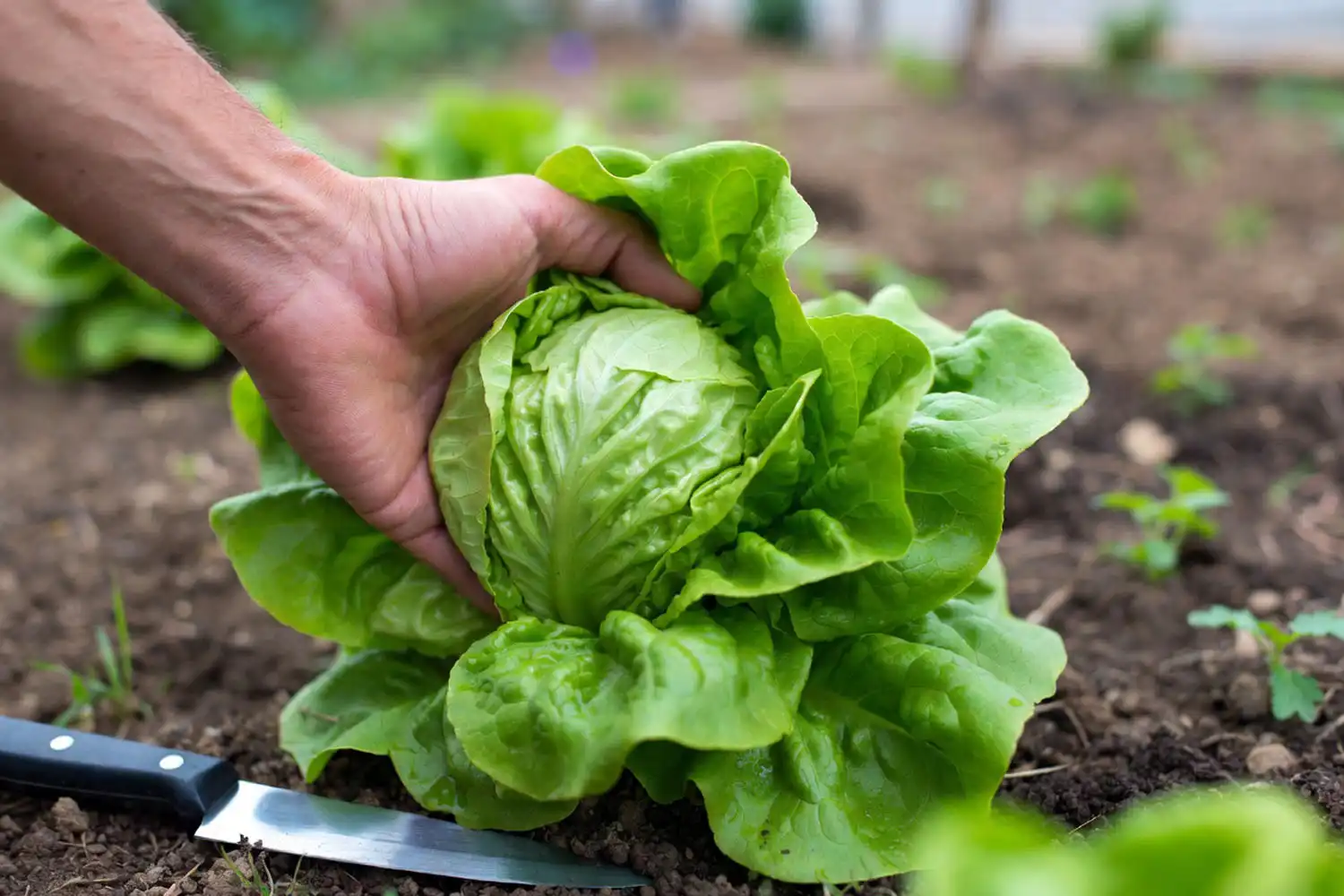
Harvest head lettuce when the head feels firm and full as you give it a gentle squeeze. Cut it before the plant starts to stretch upward, because once it bolts the flavor turns bitter fast.
Each type signals readiness a little differently. Crisphead is done when the leaves overlap into a compact, firm ball. Romaine is ready when the leaves stand tall and overlap into a tight bundle about 6 to 8 inches high. Butterhead is mature once the inner leaves cup inward into a loose head.
Harvesting in the morning, when the leaves are cool and full of water, is the recommended approach. Cut the head off at the base with a sharp knife, or pull the whole plant and trim the roots. Most head types run 55 to 80 days from transplant, with crispheads taking the longest.
For storage, the USDA recommends 32 to 36 F with high humidity. Keep heads away from apples and ripe tomatoes, which give off ethylene and speed spoiling. Stored right, a head holds for about two weeks.
Common Head Lettuce Problems and How to Fix Them
Most head lettuce trouble comes down to heat, water, or spacing. Catch the cause early and the fix is usually simple.
Why did your lettuce bolt instead of forming a head?
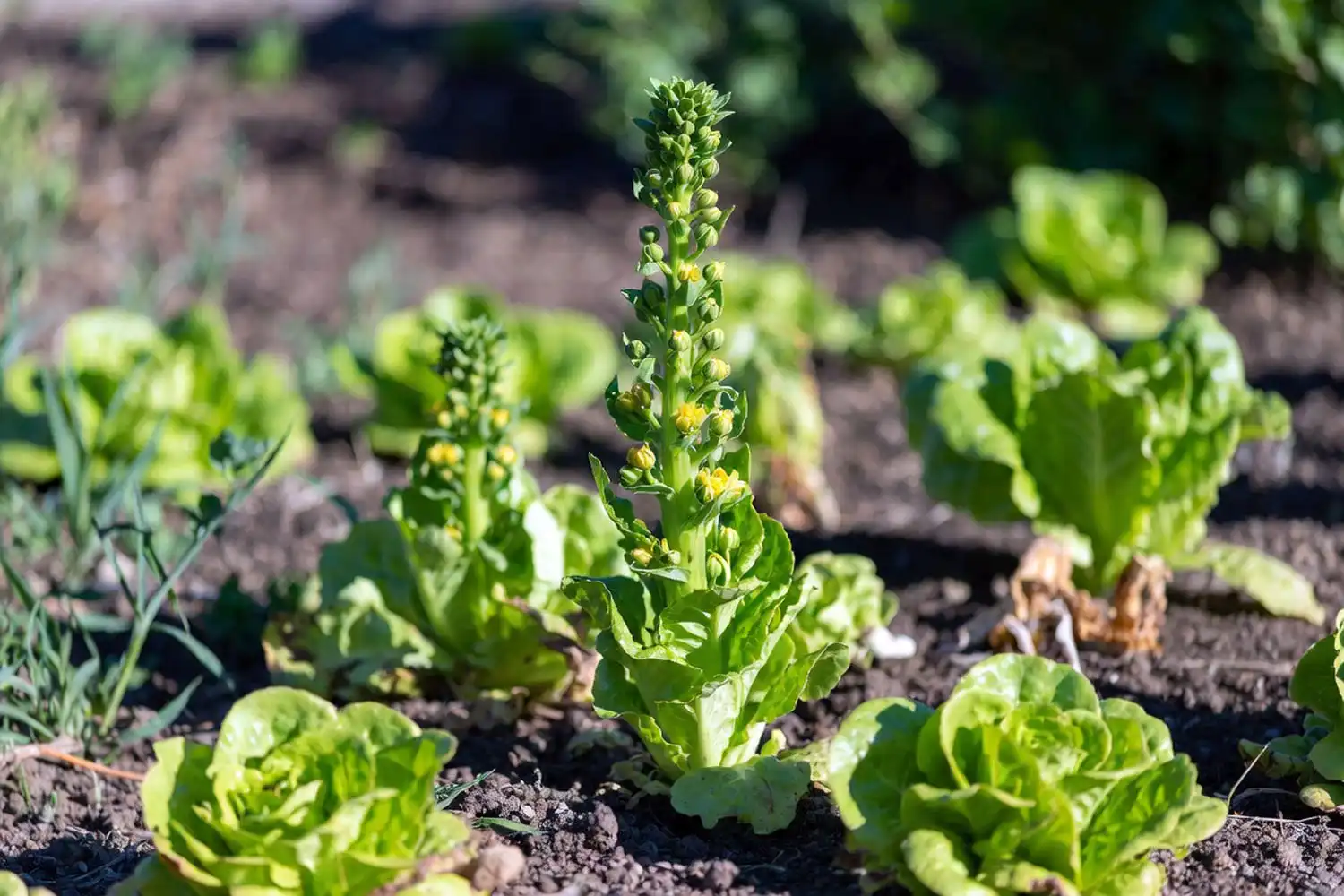
Your lettuce bolted because of heat and long summer days. Bolting is when the plant shoots up a center stalk to flower, and once it starts the leaves turn bitter and the head stops filling. To prevent it, plant early in spring or in fall, choose slow-bolt varieties, keep the soil moist, and use 30 to 40 percent shade cloth when temperatures stay above 75 F. If summer keeps cooking your crop, you can also try growing lettuce in the colder months under cover.
What causes brown edges (tipburn) on your lettuce?
Tipburn is brown, dead edges on the young inner leaves, and it comes from a calcium shortage in fast-growing tissue, not from low soil calcium. University of California IPM research ties it to water stress and rapid growth that outpace the plant’s ability to move calcium into new leaves. The fix is steady, even watering and avoiding sudden growth spurts. Tipburn will not hurt you. Just trim the brown edges and eat the rest.
Why are your heads loose instead of firm?
Loose heads usually mean too little spacing, too much heat, or too much nitrogen. Crowded plants and warm weather both keep heads from packing tight. Give each plant room, keep it cool, and ease up on heavy feeding.
What pests bother head lettuce?
Slugs, snails, and aphids are the main pests, and most show up where it stays wet. Water in the morning so leaves dry by night, clear debris where slugs hide, and rinse aphids off with a strong spray of water. Watch your seedlings for damping off in cold, soggy soil too.
Bottom Line
Head lettuce is not hard once you respect the weather. Start seed indoors, set out hardened transplants in cool soil, space them about a foot apart, and keep the water steady. Harvesting the moment the heads feel firm, before the heat pushes them to bolt, is the recommended approach. Plant in spring and again in fall, stagger your sowings, and you will pull crisp, full heads from your own ground for most of the season.