When to Plant Lettuce in Alabama: Spring and Fall Timing by Region
Lettuce is a cool-season crop, so timing matters more than anything else in an Alabama garden. Plant it too late in spring and summer heat ruins the crop. Knowing when to plant lettuce in Alabama keeps your beds producing sweet, crisp leaves through the cooler months.
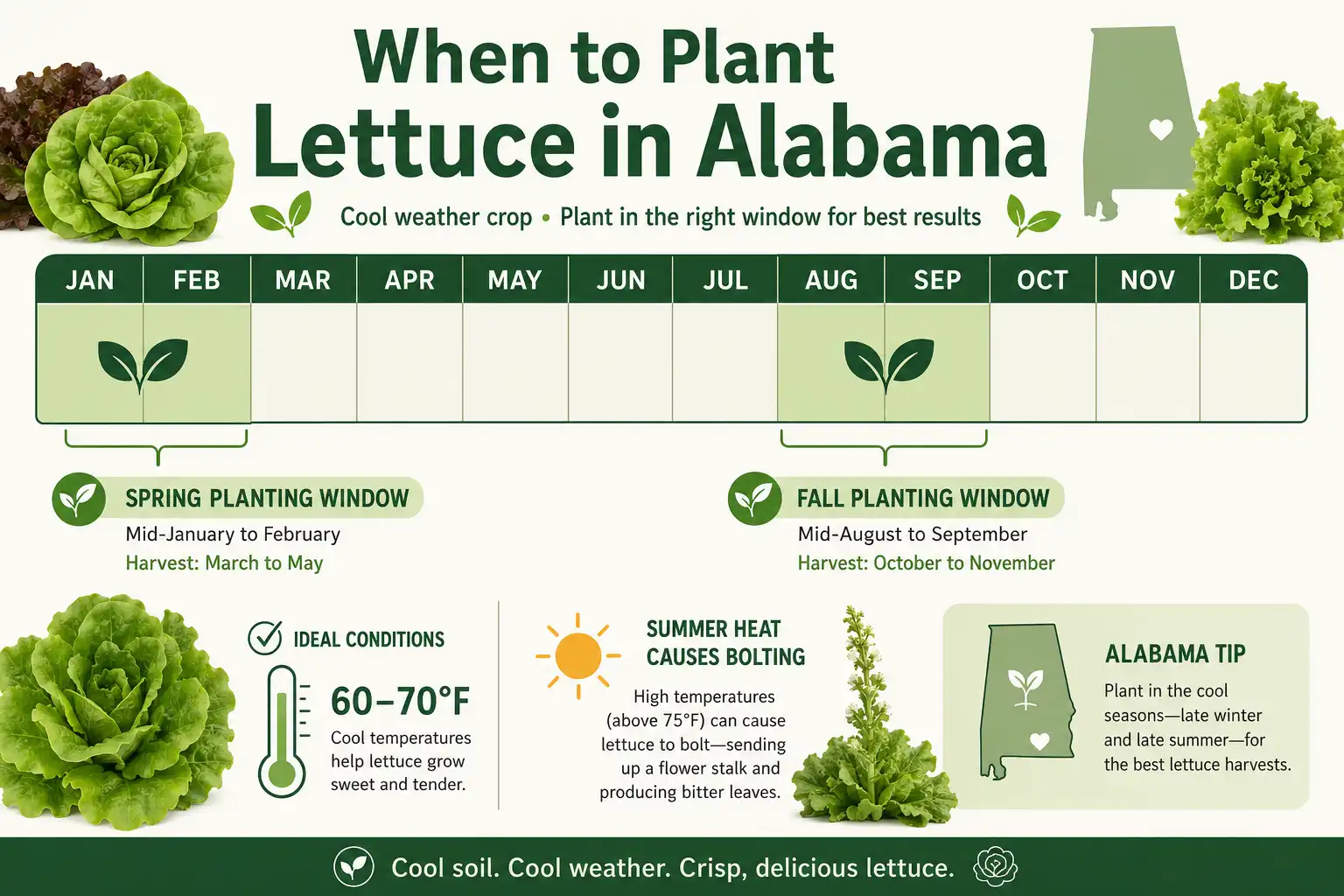
When you plant lettuce in Alabama depends on the season. Sow mid-January through February for spring and mid-August through early September for fall. Shift spring dates 10 days earlier on the Gulf Coast and later up north.
When to Plant Lettuce in Alabama (Best Time of Year)
The best time to plant lettuce in Alabama is during the cool shoulders of the year. That means late winter into spring, then again in late summer for fall. Lettuce grows best when daytime temperatures sit between 60 and 70°F. It tolerates light frost but quits in heat.
Alabama gives you two clear planting windows. The first runs from mid-January through February. The second runs from mid-August into September. Both windows track cool soil and mild air, which is what lettuce wants.
Summer is the season to skip. Once daytime highs push past the mid-80s, lettuce turns bitter and sends up a seed stalk. That one fact shapes every planting decision here. You work around the heat, not through it.
The Alabama Cooperative Extension System sets the base dates for the central part of the state. Gardeners near the Gulf Coast start a little earlier in spring. Growers up in the Tennessee Valley start a little later. Because the climate follows the same pattern across the state line, these windows look a lot like lettuce timing in Georgia. Our guide covers each region next.
Alabama Lettuce Planting Calendar by Region
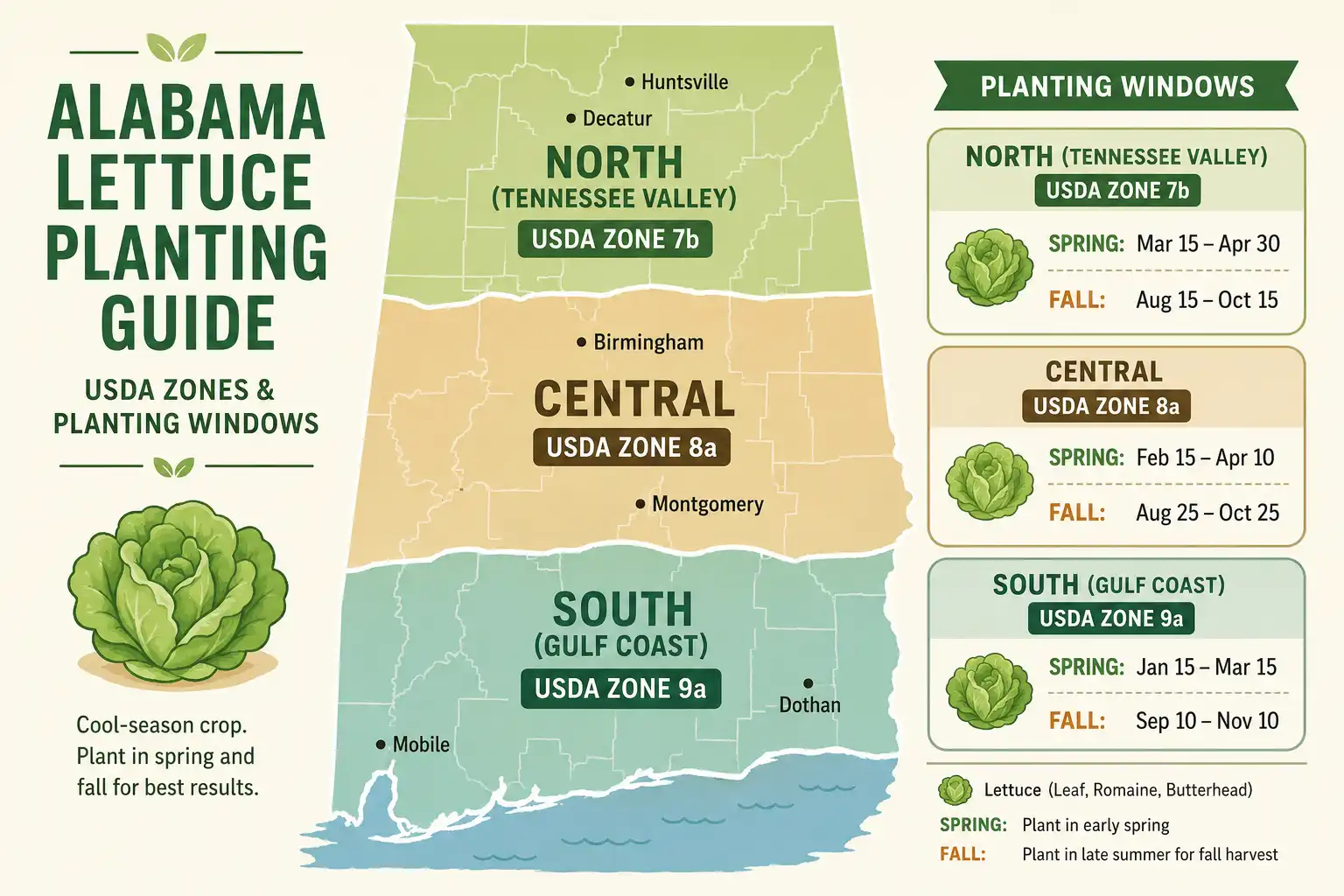
Alabama runs from USDA hardiness zone 7a in the north to about 9a on the immediate coast. That spread of three zones moves your planting dates by a couple of weeks across the state. The table below shows the spring and fall windows for each region.
|
Region |
USDA Zone |
Spring Planting |
Fall Planting |
|---|---|---|---|
|
North Alabama (Tennessee Valley) |
7a–7b |
Late Jan – early March |
Early – late August |
|
Central Alabama |
8a |
Mid-Jan – late February |
Mid-August – early September |
|
South Alabama / Gulf Coast |
8b–9a |
Early Jan – mid-February |
Late August – mid-September |
When to Plant Lettuce in North Alabama
In north Alabama, plant spring lettuce from late January into early March, and fall lettuce from early to late August. The Tennessee Valley sits in zone 7a to 7b, with a last frost around mid-April and a first fall frost near mid-November.
Cooler springs let you stretch spring lettuce a little longer than the rest of the state. Cooler falls arrive sooner, so move fall sowings up by about 10 days. Start your fall heads in early August, even while the air still feels like summer.
When to Plant Lettuce in Central Alabama
In central Alabama, plant spring lettuce from mid-January through late February, and fall lettuce from mid-August into early September. This zone 8a band covers Birmingham and Montgomery, where the last frost lands near early April and the first frost near early November.
These are the baseline dates from Auburn’s extension service. Direct seeding works once the soil warms past 40°F in late winter. For fall, start transplants indoors in early July so they are ready to set out in mid-August.
When to Plant Lettuce in South Alabama and the Gulf Coast
Along the Gulf Coast, plant spring lettuce from early January through mid-February, and fall lettuce from late August into mid-September. South Alabama runs zone 8b to 9a, with mild winters and a growing season near 267 days at Mobile.
The warm coast cuts your spring window short. Heat shows up early, so get spring lettuce in by mid-February at the latest. The long, mild fall is your strongest season here, and many growers carry lettuce right through winter.
Spring vs. Fall Lettuce in Alabama: Which Is Better?
Fall lettuce is usually the better crop in Alabama. The weather works in your favor as the season cools, instead of against you as it warms. A spring crop is always racing the heat, while a fall crop settles into steady cool conditions.
Spring lettuce still works well if you plant early and choose varieties that resist bolting. The catch is the short runway. Alabama springs heat up fast, sometimes by late April. Miss your window by two weeks and the crop bolts before it heads.
Fall planting gives you more room. You sow into warm soil, then growth speeds up as nights cool down. Lettuce sweetens in cool weather, and light frost actually improves the flavor. For most gardeners here, careful fall lettuce timing produces the best heads of the year.
Why Does Lettuce Bolt in Alabama Heat?
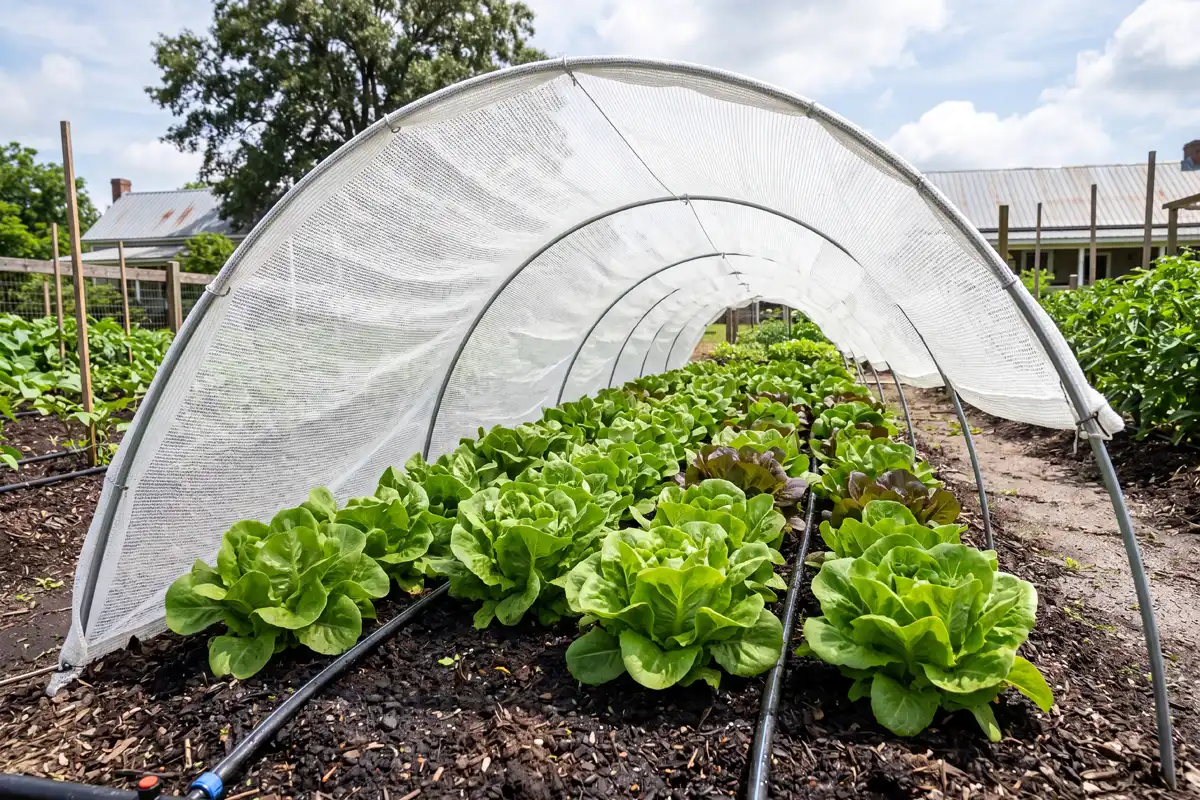
Lettuce bolts in Alabama heat because high temperatures trigger the plant to flower and set seed. According to North Carolina State University Extension, lettuce starts to bolt once daytime temperatures climb to 70 to 80°F. The plant stretches tall, the leaves turn bitter, and the harvest is finished.
Heat causes a second problem at planting time. Lettuce seed will not sprout when soil temperatures top 80°F. This built-in shutdown is called thermal dormancy, and it traps many Alabama gardeners during late summer sowing. The seed simply sits in hot soil and never comes up.
You beat both problems with timing and a few simple tools. Plant inside the cool windows above. Use shade cloth over summer and early fall beds to drop the soil temperature. Choose heat-tolerant varieties that hold longer before bolting. These same tricks help when growing lettuce in Florida’s heat, where the season runs even tougher than ours.
Should You Direct Seed or Use Transplants?
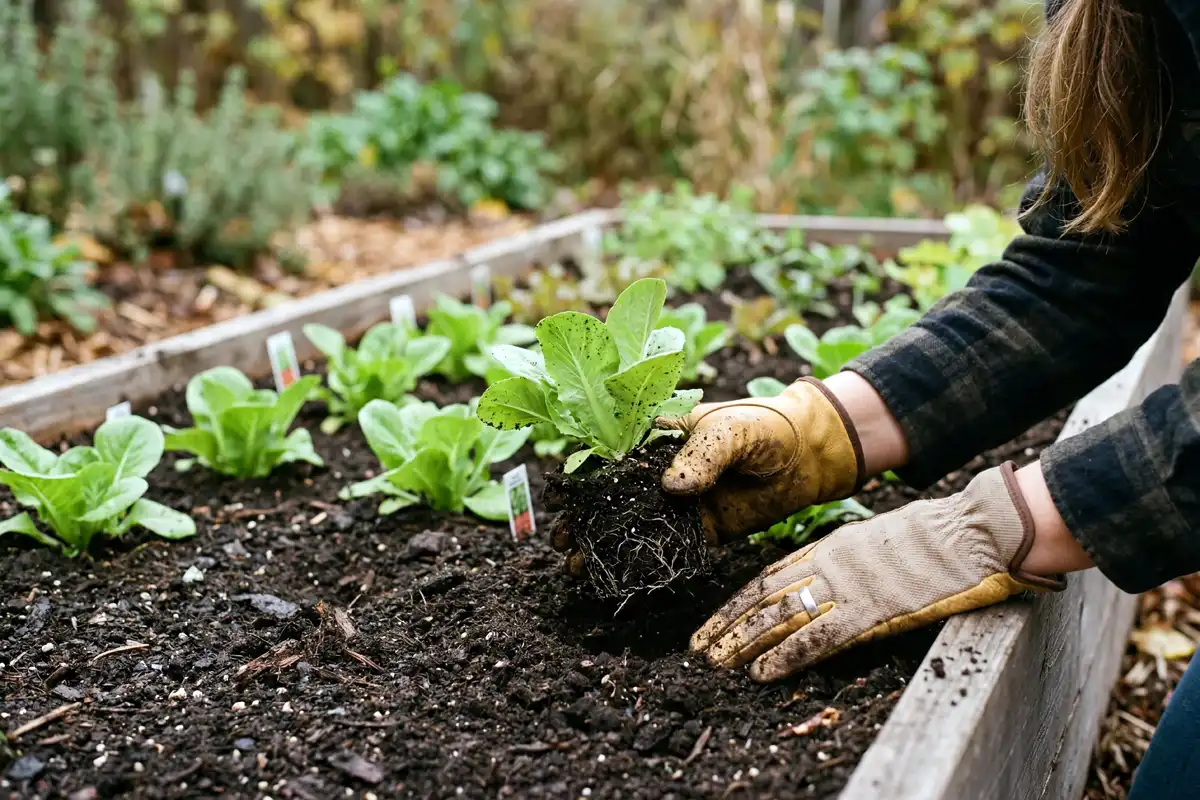
Use transplants for fall lettuce and direct seeding for spring. Transplants let you start seed in a cool, shaded spot and dodge the thermal dormancy that wrecks late summer sowings. Direct seeding works fine in spring, when the soil is already cool.
For a fall crop, start seed indoors or in a shaded tray about three to four weeks before your set-out date. Pay attention to starting lettuce indoors so those transplants stay on schedule for an August planting. Move the seedlings out once they have a few true leaves.
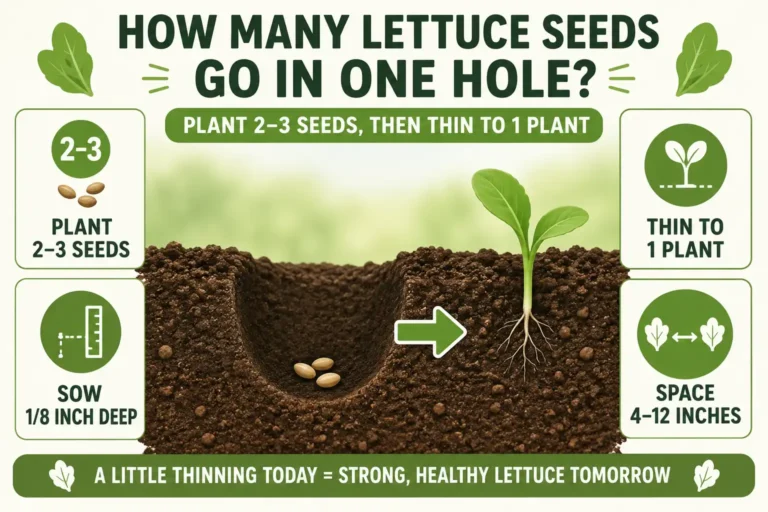
For spring, sow seed straight into the bed. Plant lettuce seed shallow, only about 1/8 to 1/4 inch deep, since the seed needs light to germinate. Then thin leaf lettuce to about 12 inches apart, the spacing Auburn recommends for full heads.
Can You Grow Lettuce Through an Alabama Winter?
Yes, you can grow lettuce through an Alabama winter, especially in the central and southern parts of the state. Mild winters and short cold snaps let leaf and butterhead types hold in the field. A little frost protection covers the rest.
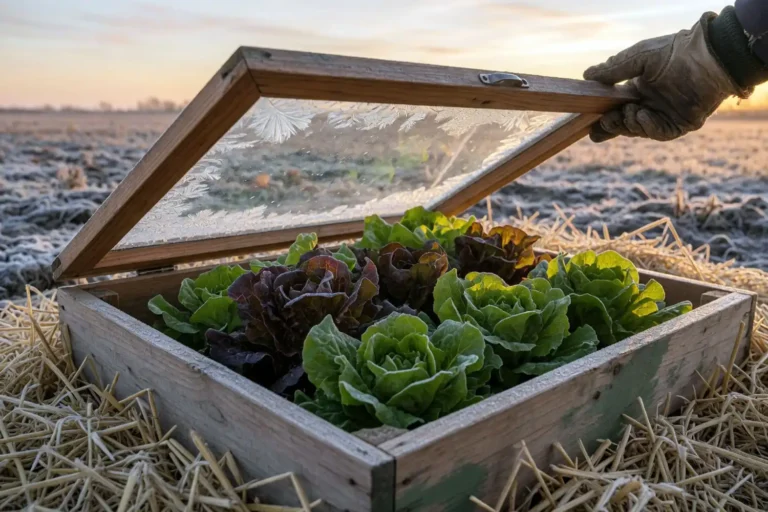
In south Alabama, lettuce often grows straight through winter with no cover at all. In central Alabama, a layer of row cover or a cold frame protects plants on the coldest nights. North Alabama gets harder freezes, so a cold frame or low tunnel does the heavy lifting there.
Lettuce takes light frost down to the upper 20s°F, but a hard freeze kills it. So cover plants when a deep freeze is in the forecast. If you want a steady supply, growing lettuce over the winter comes down to staggering plantings every three to four weeks.
Best Lettuce Varieties for Alabama’s Climate
The best lettuce varieties for Alabama are heat-tolerant, bolt-resistant types that hold through warm spells. Leaf and Batavian (summer crisp) lettuces handle Alabama’s swings better than tender crispheads like iceberg.
Auburn’s extension recommends several reliable picks for the state. For leaf lettuce, Black-Seeded Simpson, Salad Bowl, and Red Sails perform well. For butterhead, Buttercrunch and Summer Bibb hold up nicely. For extra heat tolerance, Jericho romaine, Nevada, and Muir resist bolting longer than most.
Bolt resistance follows a rough order. Leaf lettuce bolts first, then romaine, then butterhead and bibb. Crisphead types like iceberg hold longest in cool weather but struggle most in heat. So in Alabama, it helps to use leaf and Batavian types for both spring and fall, since they grow fast and forgive a warm spell.
How to Time Lettuce in an Alabama Garden
Timing is everything with lettuce in Alabama, so a simple plan works best. For spring, plant from mid-January through February and pick bolt-resistant types. For fall, start transplants in midsummer and set them out in August for the best crop of the year.
Watch your soil temperature, not just the calendar. Cool soil and mild air are your green light. Plant inside the two windows and cover up for the rare hard freeze. Do that, and you will pull crisp lettuce from the ground through most of the cooler half of the year.