When Is Romaine Lettuce Ready to Harvest (2026 Field Guide)
Romaine reaches harvest size fast. But cutting at the right moment is what gives you crisp, sweet heads. Knowing when is romaine lettuce ready to harvest comes down to four signs. Watch the head height, firmness, leaf color, and the calendar.
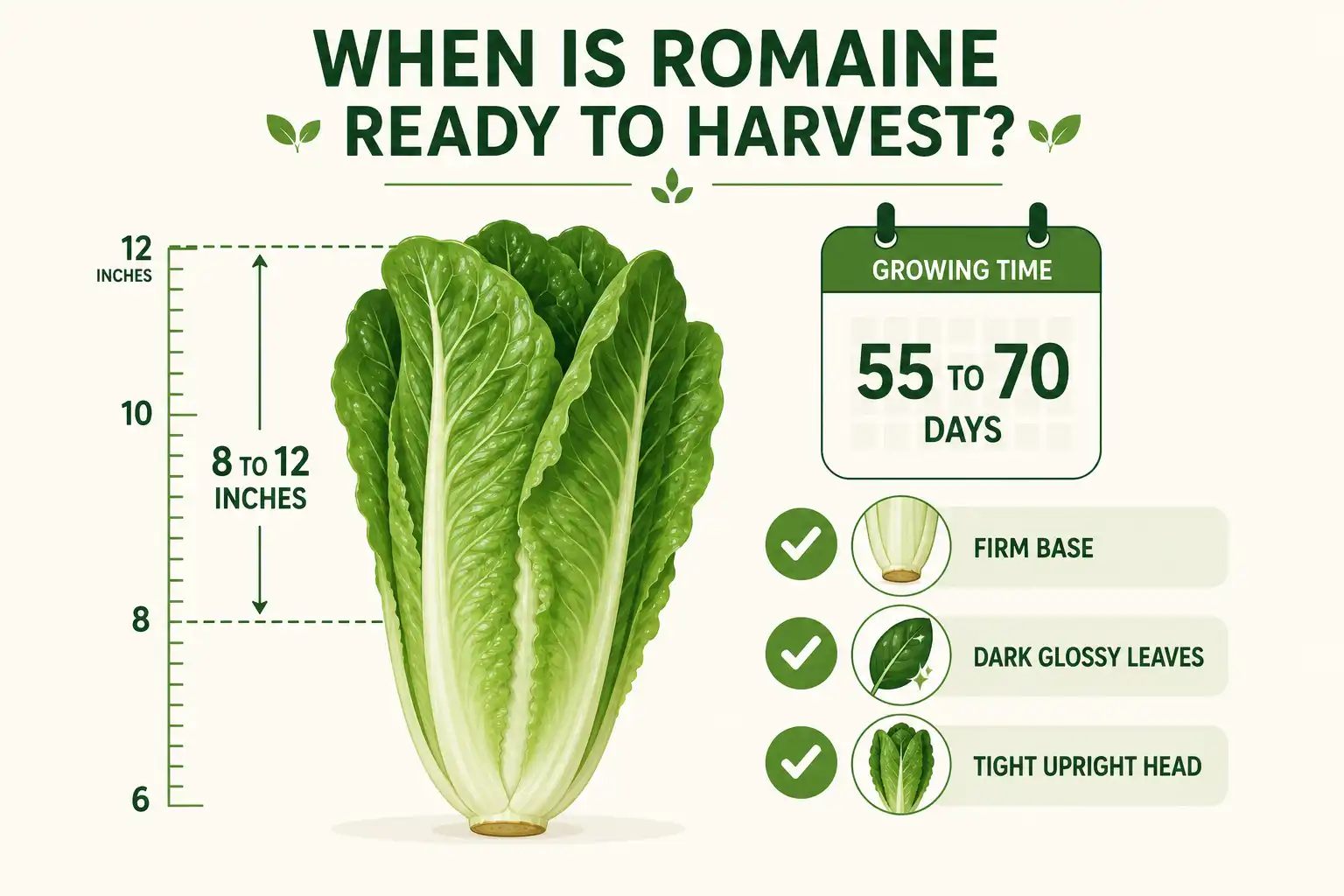
Romaine is ready to harvest 55 to 70 days after planting. The heads stand 8 to 12 inches tall, feel firm at the base, and show dark, glossy leaves. Cut whole heads, or pick outer leaves earlier.
How Long Does Romaine Lettuce Take to Reach Harvest?
Most romaine reaches full harvest size in 55 to 70 days from seed. Some varieties run a little longer, closer to 75 or 80 days. So the number on your seed packet is the place to start. That “days to maturity” figure is usually accurate within about 10 days when you grow under cool, even conditions.
You can harvest much sooner if you want baby leaves. Outer leaves are usable once the plant hits 4 to 6 inches tall, often around 28 to 35 days. Then you let the rest of the head keep filling out for a full cut later.
Transplants shave time off that window too. A 3 to 4 week old start gives you an earlier harvest and skips the thinning step. Cool spring and fall weather keeps the plant on schedule. Heat, on the other hand, pushes it to mature and bolt early. Want the full picture before you sow? Walk through the seed-to-harvest timeline for lettuce so the dates line up with your season. Our notes on getting romaine started from seed cover the front of this crop.
What Are the Signs Romaine Lettuce Is Ready to Pick?
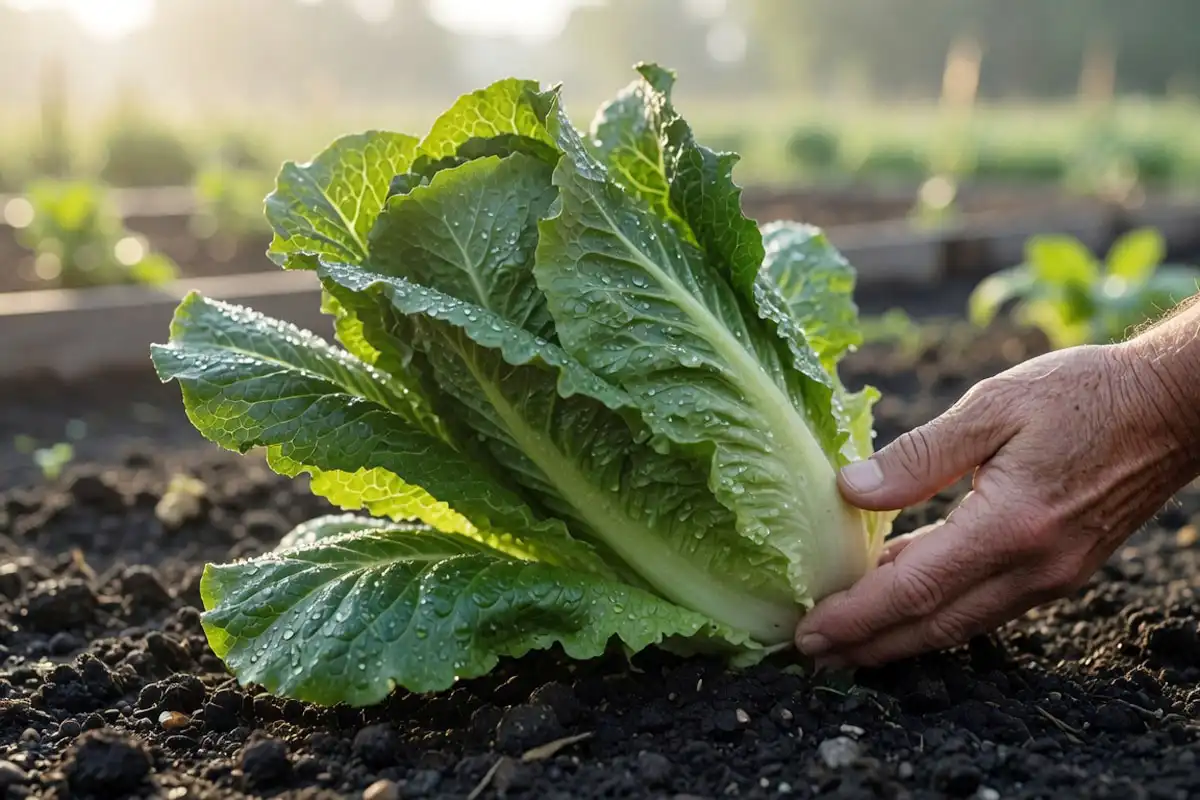
Romaine is ready when three things line up. The head stands 8 to 12 inches tall, the base feels firm, and the outer leaves turn dark and glossy. Those three signs together beat the calendar every time.
Here is what to look for on the fields. First, the leaves elongate and overlap into a fairly tight, upright head, roughly 4 inches wide at the base. Next, the head feels dense and solid (not loose and airy) when given a gentle squeeze. Then check color. Vibrant, dark green leaves mean the plant is healthy and at its peak.
Size depends on the variety. Classic Cos romaine like Parris Island climbs to 10 or 12 inches tall. Compact types like Little Gem are ready closer to 6 inches, so don’t wait on them. Skip any head with yellowed, wilted, or slimy outer leaves. That plant is past its prime. A ready romaine head looks like an upright bouquet of crisp, glossy leaves. That look is your green light. Getting that firm, full shape starts with good spacing and care. It is the same approach for growing firm, sweet lettuce heads.
How Do You Harvest Romaine Lettuce?
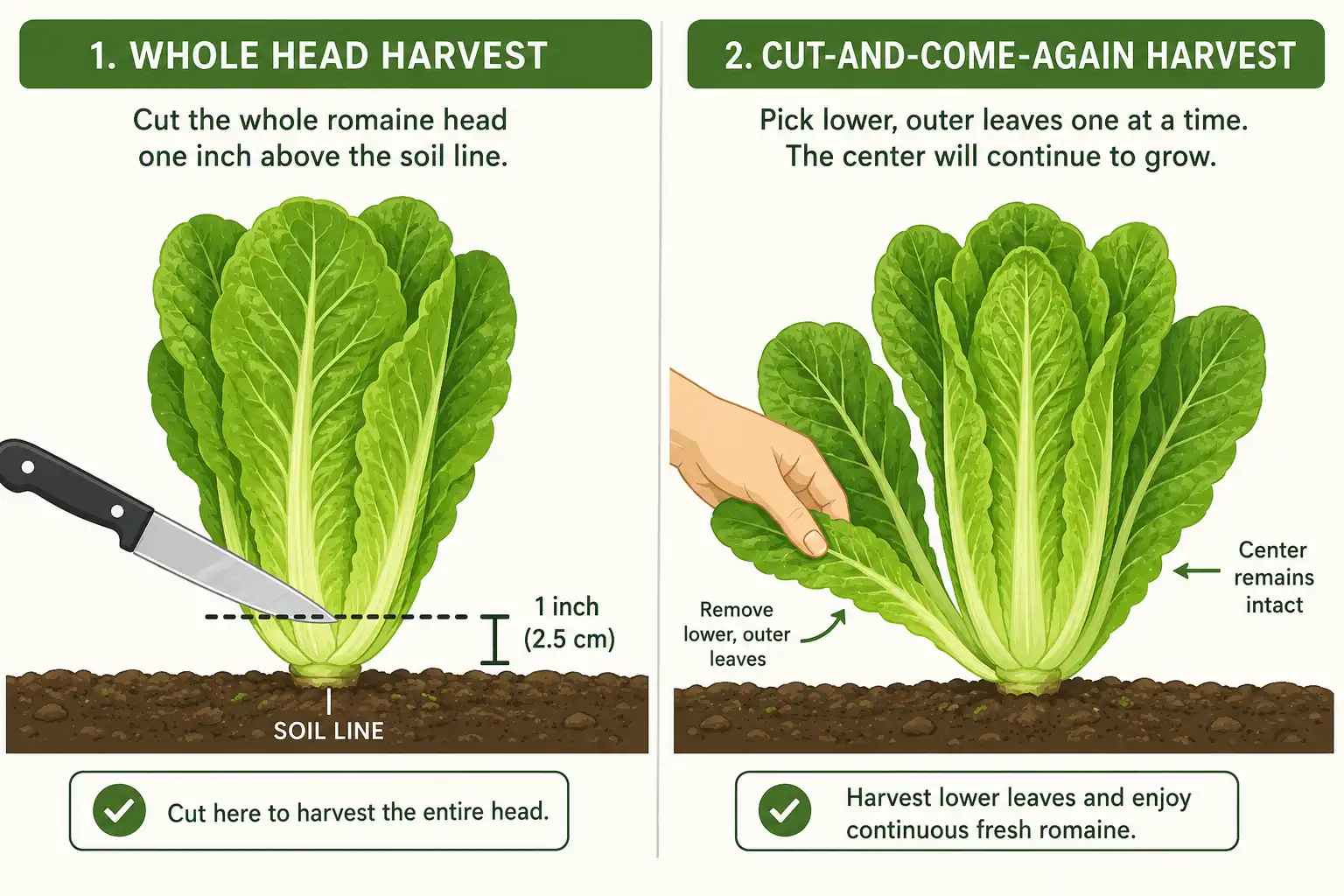
Cut the whole head about an inch above the soil with a sharp knife. Or pick the outer leaves a few at a time. Both methods work. Which one you pick depends on whether you want one big harvest or a steady supply.
For a whole-head cut, use a clean serrated knife. Slice through the stem about an inch above the ground. Keep the blade clear of rocks and direct soil contact, so you don’t grind grit into the leaves. Wiping the blade with rubbing alcohol between beds helps keep disease from spreading.
For outer leaves, snap or cut them where they join the crown, about an inch above the growing point. Take the lower, older leaves first. Leave the center to keep growing. Never strip more than a third of the plant at once, since that keeps it vigorous and ready to regrow.
Should You Cut the Whole Head or Pick Outer Leaves?
Cut the whole head when you want one big harvest. Pick outer leaves when you want fresh salad over several weeks. The outer-leaf approach, often called cut-and-come-again, stretches your harvest the longest.
Picking a few leaves at a time can keep a single plant producing for up to two months. A whole-head cut, on the other hand, clears that spot in the bed. So you can replant right away. On your farm do both. It depends on how much is needed that week and how fast the heat is coming.
What Is the Best Time of Day to Harvest Romaine?
Early morning is the best time to cut romaine, while the leaves are cool and full of water. The plant holds the most turgor then. So the leaves stay crispest and store the longest.
By midday the sun pulls moisture out, and leaves go limp and wilt faster after cutting. So cutting is best done before the heat builds, usually right after the dew lifts. If the leaves are still soaking wet, let them dry a touch first. Trapped moisture turns to rot in storage. Consistent water in the days before harvest also helps the head stay turgid. That is why dialing in lettuce’s weekly water right up to cutting day matters.
Can You Harvest Romaine Too Early or Too Late?
Yes. Cutting too early gives you small heads with less crunch. Waiting too long brings bolting and a bitter taste. There is a real window, and you want to catch it.
Early harvesting is not a mistake on its own. Baby romaine leaves are tender and mild, with fewer of the bitter compounds that build up as the plant ages. So picking young is fine when that is the texture you want. The bigger risk sits on the late side. Once a romaine head matures and the weather turns warm, the plant starts racing to flower. At that point the clock is against you. Holding lettuce through a hot stretch is its own challenge. So it helps to use the same tactics from keeping summer lettuce from bolting to buy a few more days.
How Do You Know If Romaine Has Bolted?
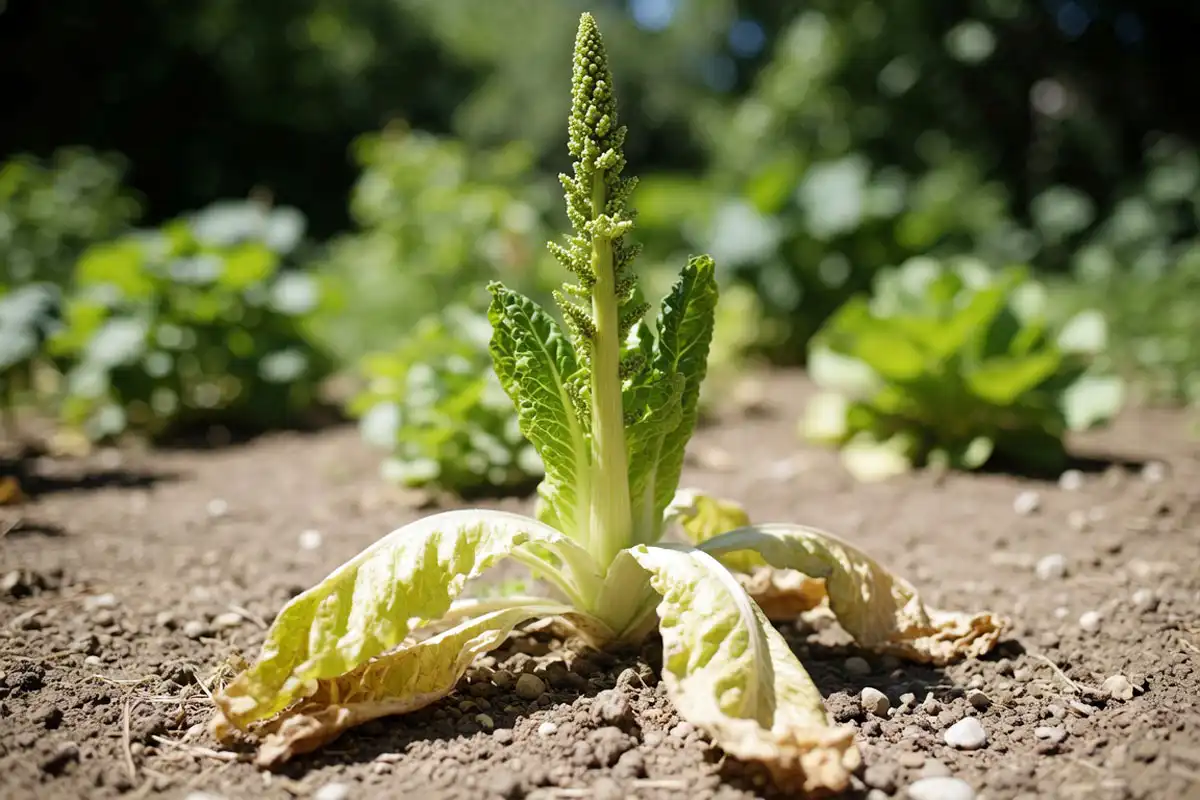
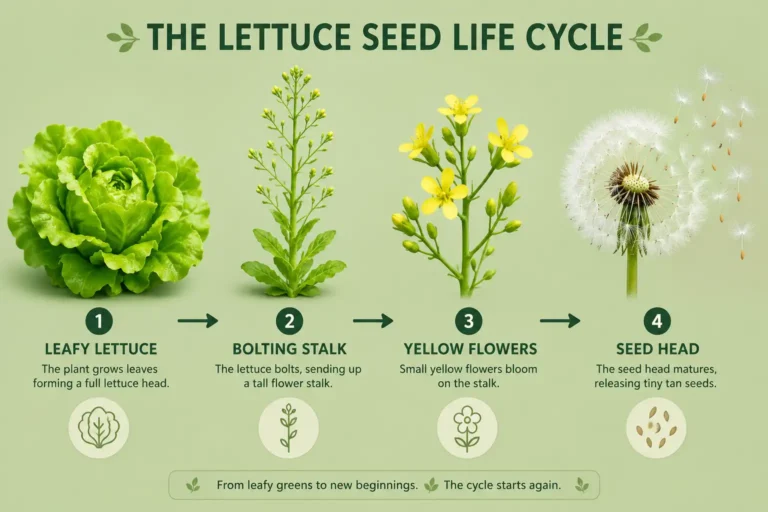
Bolting romaine shoots a tall center stalk, the head opens and loosens, and the leaves turn bitter. Once you see the plant growing tall instead of wide, the quality is dropping fast.
Heat and long days set this off. Daytime temperatures past 75 to 80°F, plus warm nights above 60°F, flip the plant into seed mode. The leaves then leak more milky latex. That latex carries sesquiterpene lactones, the bitter compounds behind the sharp, unpleasant bite. A quick taste test settles it. Pull one leaf and chew it. If the flavor is bitter, harvest the rest right away or pull the plant. Generally, a bolting head is a signal to clear the bed and start a fresh, cool-season planting.
Will Romaine Grow Back After You Cut It?
Yes, romaine grows back if you cut above the crown and leave the growing point intact. A whole-head cut sits about an inch above the soil. The roots then push out new leaves within a week or two.
That second flush takes another few weeks to size up. It usually comes in looser, with fewer leaves than the first head. Still, it makes a fine salad. To help it along, water the stump and give it a light feed right after cutting. Strong regrowth depends on healthy plants from the start. Thin early, using the steps in thinning seedlings early for fuller heads.
How Should You Store Romaine After Harvest?
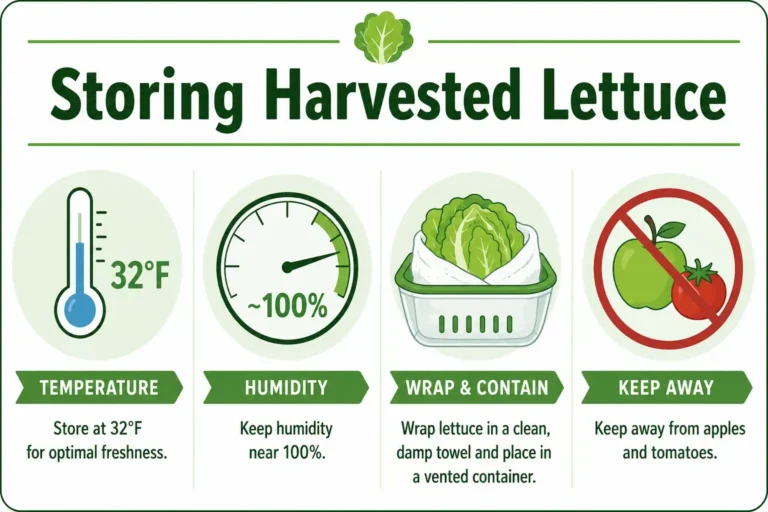
Cool romaine fast, keep it dry, and store it at 34 to 36°F in the crisper drawer. Quick cooling locks in the crunch you worked for.
Brush off any loose soil, but don’t overwash the head before storage. Spin or blot the leaves dry. Then wrap them loosely in a paper towel. Slip them into a perforated bag or a vented container. Whole heads hold up for over a week this way, while loose leaves keep about three to seven days. So if you plan to store a big cut, leaving the head whole until you need it pays off.
Bottom Lines
In USDA hardiness zone 6a around Topeka, treat romaine as a spring and fall crop. The calendar plus the plant tells me when to cut. Count days from planting, then start checking once a head feels firm and stands close to a foot tall. After that, cut in the cool of the morning. In late spring, moving fast matters, because Great Plains heat will bolt a patch in a hurry. Catch it firm, catch it sweet, and you’ll never buy a bag of romaine again.