Is Boston Lettuce the Same as Butter Lettuce? Boston vs Bibb
Boston lettuce and butter lettuce sound like two different greens, but they are closely tied. So is Boston lettuce the same as butter lettuce, or just related? The short answer surprises a lot of gardeners.
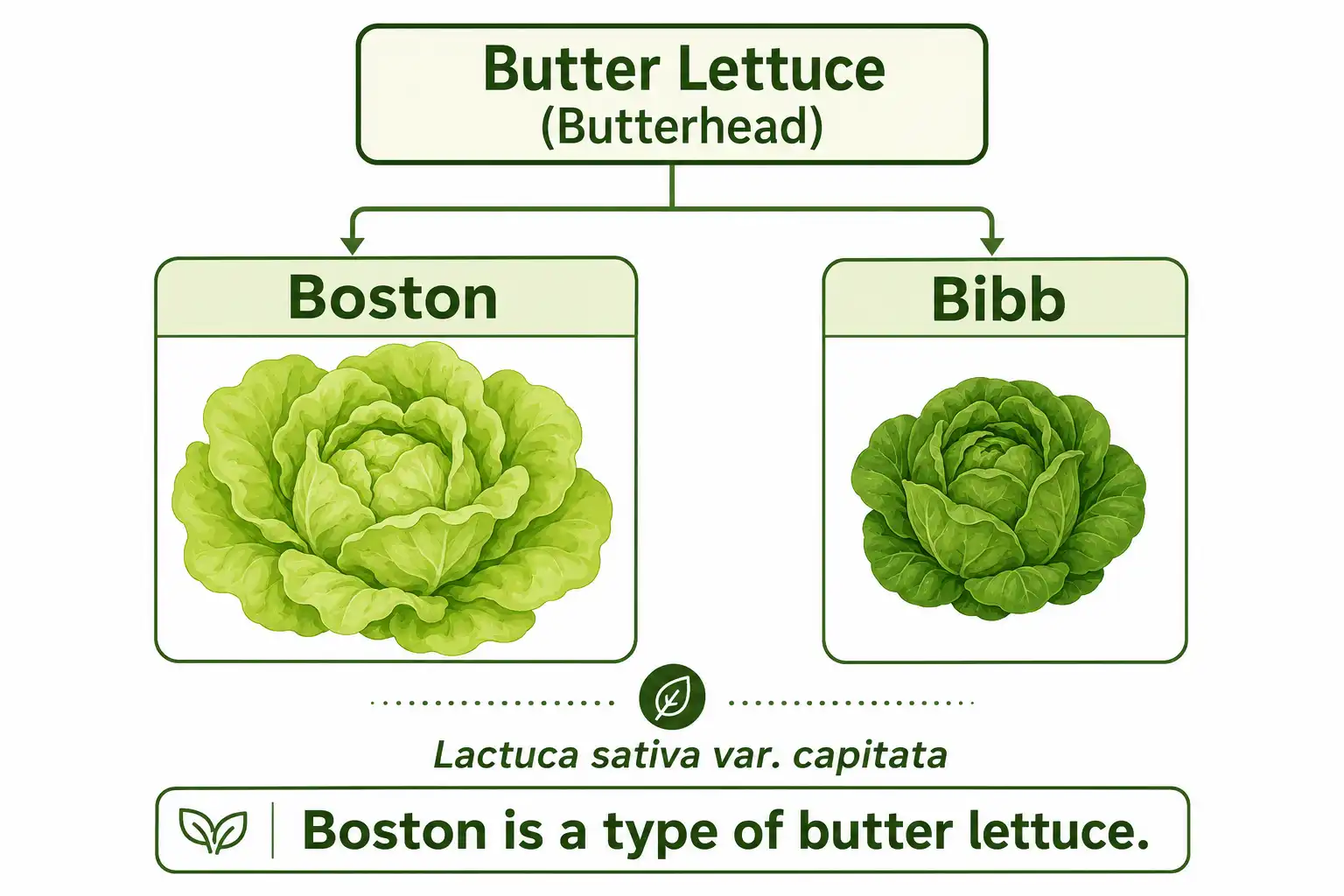
Boston lettuce is a kind of butter lettuce, not a separate green. So is Boston lettuce the same as butter lettuce? Mostly yes. Butter lettuce, also called butterhead, is the broader group. Bibb is the other main type.
Is Boston Lettuce the Same as Butter Lettuce?
Boston lettuce is a type of butter lettuce, so the two names overlap but are not identical. Butter lettuce is the umbrella term. Boston is one member of that family, and Bibb is another. Think of butter lettuce as the parent group and Boston as one kind inside it.
That is why store labels swap the names so freely. Both describe soft, loose heads with a buttery feel. Still, every Boston head is butter lettuce, while not every butter lettuce head is Boston.
What Is Butter Lettuce, Exactly?
Butter lettuce is a loose-heading lettuce group known for soft, sweet, buttery leaves. Botanists place it under Lactuca sativa var. capitata. Most growers just call it butterhead. It forms an open rosette instead of a tight ball.
Butterhead is one of four main lettuce types grown across the US. The others are leaf lettuce, crisphead (iceberg), and romaine, also called cos. UF/IFAS and Purdue plant guides sort lettuce into these same four groups. Each type carries its own leaf shape and texture.
Clemson Extension describes butterhead leaves as thicker than iceberg, with a light, almost yellow center and a velvety feel. That softness is where the “butter” name comes from. The whole plant sits in the Asteraceae family, the same group as sunflowers and marigolds.
What’s the Difference Between Boston and Bibb Lettuce?
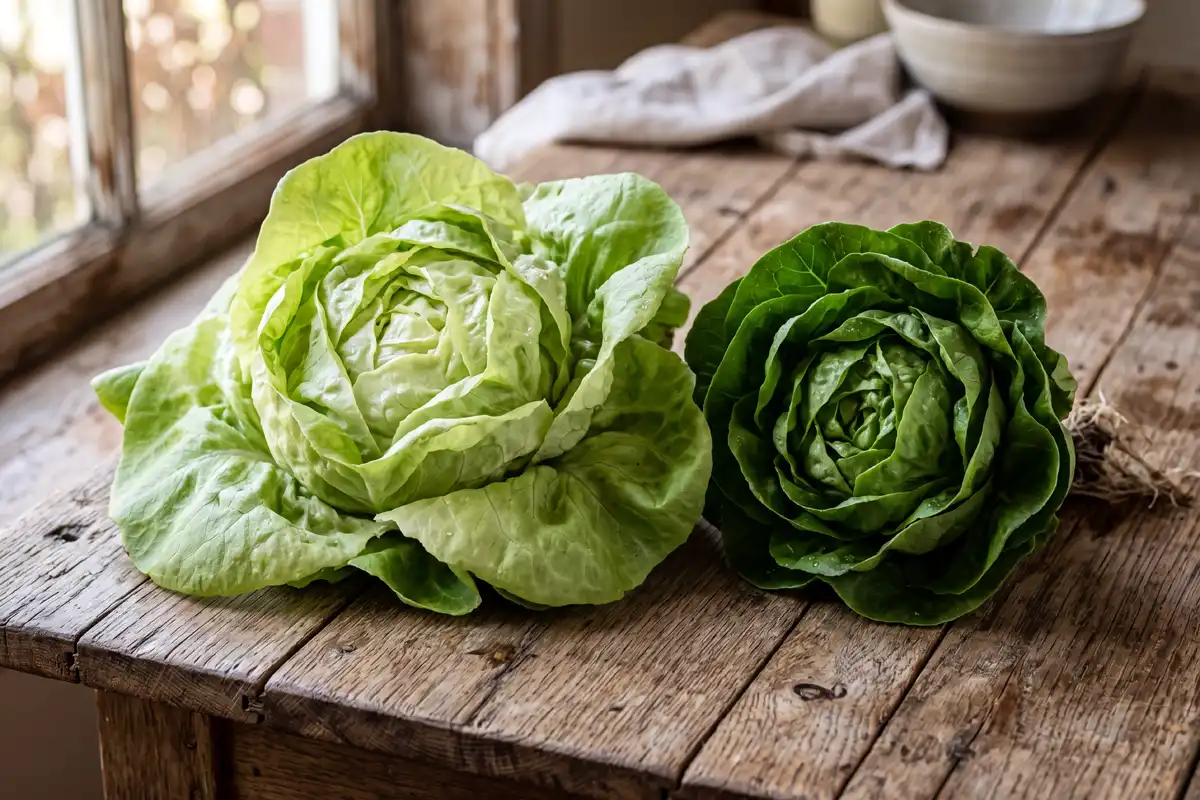
Boston and Bibb differ mainly in size, color, and head tightness, though both are butterhead types. Boston grows larger, with wide, pale green leaves and a looser, floppier head. Bibb stays smaller and more compact, with darker green leaves and a tighter cup shape.
Bibb has a dense, almost rosebud-shaped center. Boston spreads more open, so its big outer leaves work well for wraps and lettuce cups. Flavor stays close on both. Each one tastes mild, sweet, and a little buttery.
John Bibb developed Bibb lettuce in Kentucky back in the 1850s. He bred it from a Boston-type line, which is why the two stay so similar. Bibb also goes by Limestone lettuce, a nod to the limestone soils where it first did well. If you want those smaller gourmet heads, growing Bibb lettuce follows the same cool-season rules as Boston.
Why Do People Mix Up the Names?
People mix up the names because Boston is the most common butterhead on US shelves, so its name became shorthand for the whole group. Stores label butterhead as “butter lettuce,” “Boston,” or “Bibb” almost at random. All three point to the same loose-headed, sweet lettuce.
The history adds to the blur. Butterhead traces back to the Mediterranean basin. Breeders later shaped many varieties from that line, including Boston, Bibb, and Buttercrunch. Because they share one parent group, the labels run together. So the names are loose, but the lettuce underneath belongs to one family.
How Does Boston Butter Lettuce Taste and Cook?
Boston butter lettuce tastes mild and sweet, with a soft texture that almost melts in your mouth. The leaves are tender and never tough, so they shine raw.
Use the wide outer leaves as wraps for ground beef or chicken. The cupped inner leaves hold dressing well in a salad. Boston bruises easily, though, so gentle handling and quick use are recommended. It will not stand up to heavy dressings the way crisp upright heads do. For a crunchier option, growing romaine lettuce gives you sturdier leaves that take a thick dressing.
Can You Grow Boston Lettuce in Your Garden?
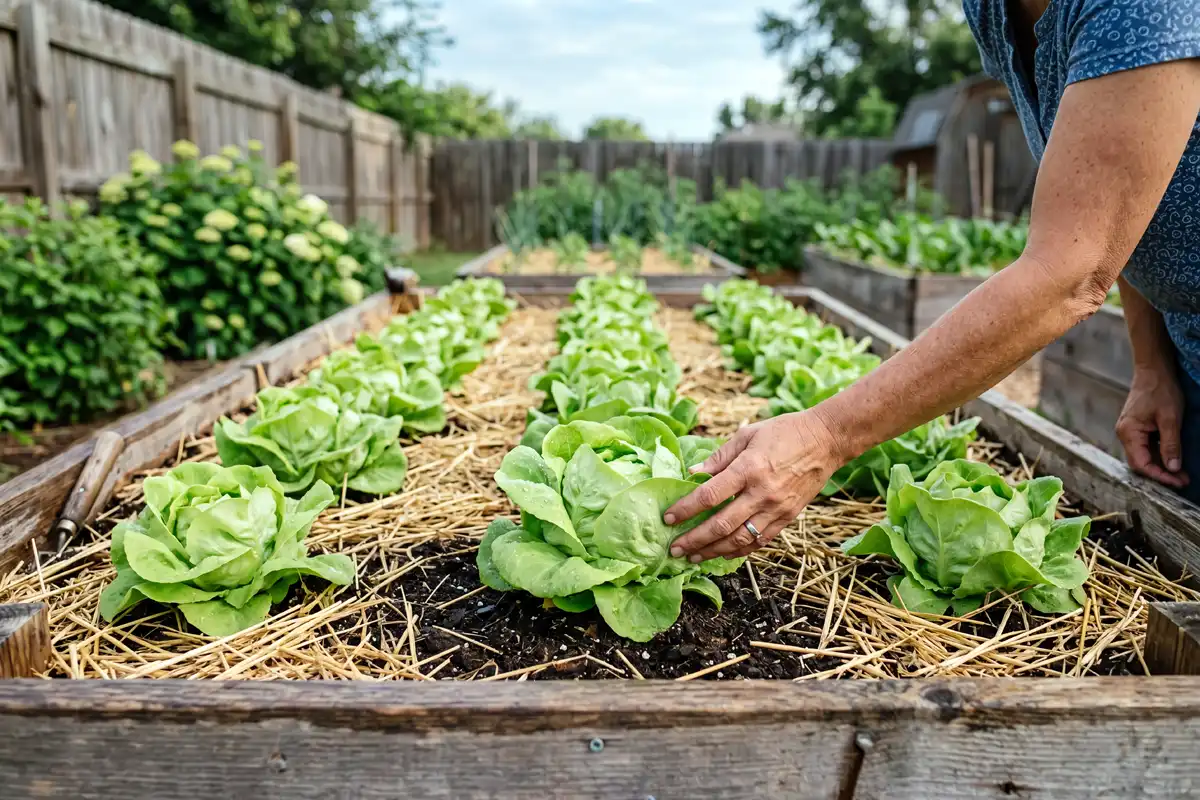
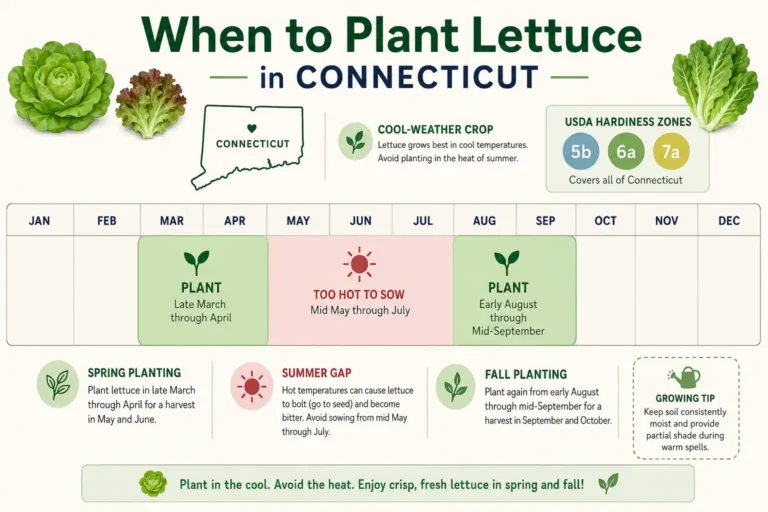
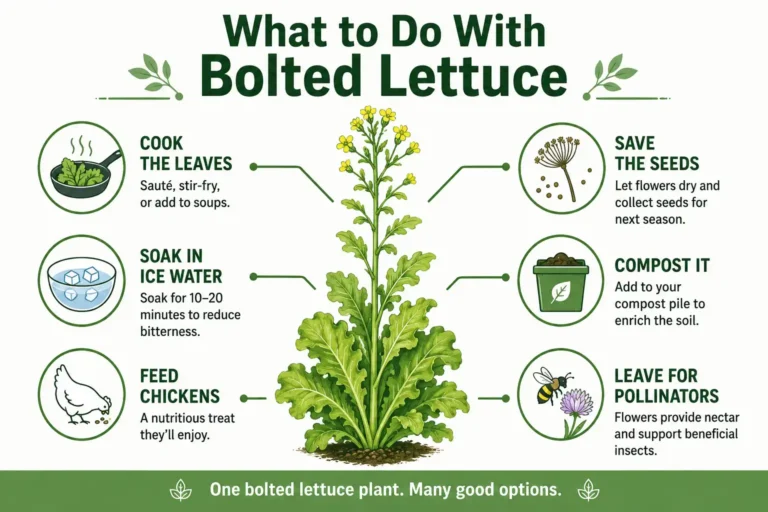
Yes, Boston lettuce grows easily in home gardens as a cool-season crop. It likes spring and fall, when temperatures sit between 45°F and 70°F. Heat above 75°F pushes it to bolt and turn bitter.
In USDA hardiness zone 6a, sow butterhead in early spring and again in late summer for a fall cutting. Boston matures in about 55 to 75 days from seed. Keep the soil moist and the roots cool under a light layer of mulch. Steady water keeps the heads sweet and tender.
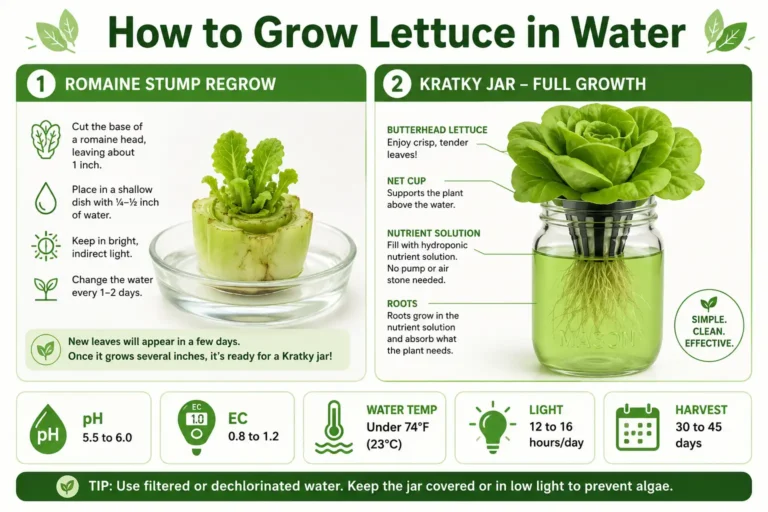
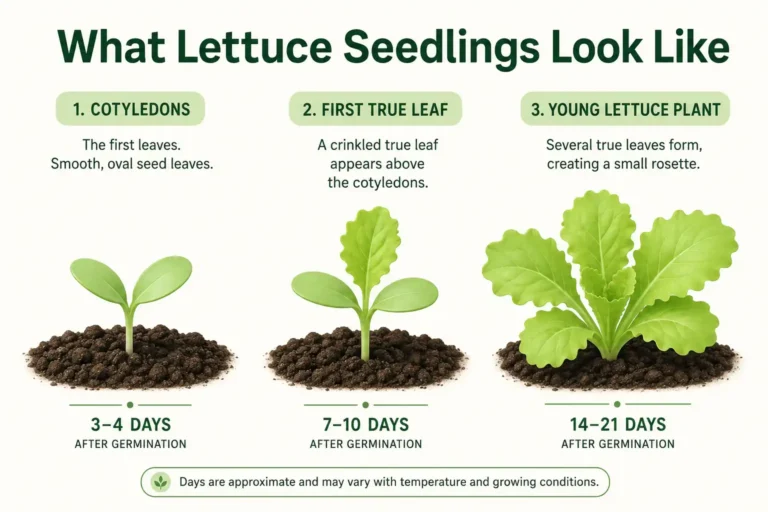
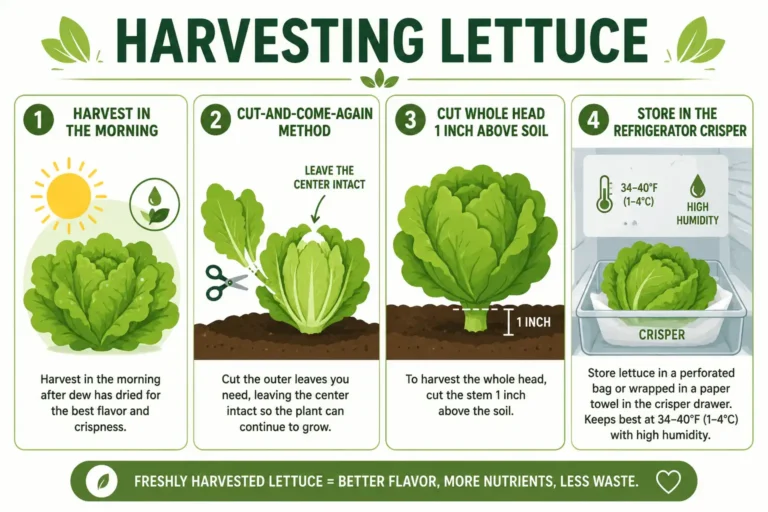
If you are new to this, growing your own lettuce at home starts with loose, rich soil and a sunny but not scorching spot. Direct sow or set out transplants, then thin to about 8 to 12 inches apart. The same care covers planting butter lettuce of any kind, Boston or Bibb. When the heads feel full and soft, cut them at the base. Timing the cut matters, so treat it like harvesting butter lettuce on the rest of the beds, before any sign of bolting.
What This Means for Your Salad Bowl
Boston lettuce and butter lettuce are not rivals. Boston is simply one type of butter lettuce, sitting right next to Bibb under the butterhead name. So if a recipe calls for butter lettuce, grab Boston or Bibb and you are set. Both give you that soft, sweet, buttery bite. Grow either one in cool weather, keep the water steady, and cut the heads before they bolt. That is all there is to it.