Can Lettuce Grow in Shade? Yes, Here’s How (2026 Guide)
Can lettuce grow in shade? Yes, and in a hot Kansas summer a little shade actually helps. Lettuce is a cool-season crop, so too much direct sun in July turns it bitter fast. Here is how much shade works, which types handle it, and how to set it up.
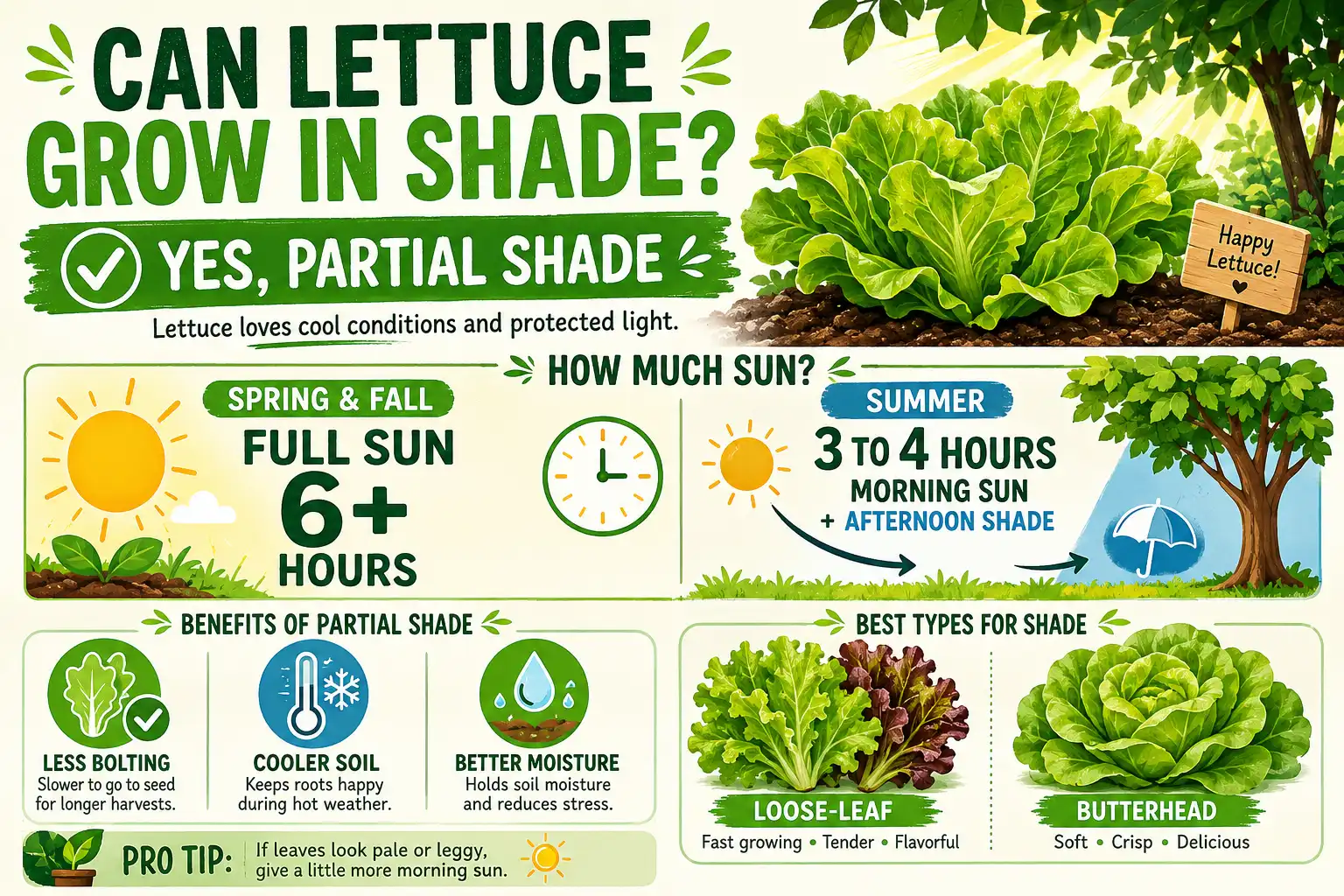
Yes, lettuce can grow in partial shade with 3 to 6 hours of sun daily. Spring and fall plants prefer full sun. In summer heat, afternoon shade keeps leaves sweet and slows bolting. Deep, all-day shade does not work.
Can Lettuce Grow in Shade?
Yes, lettuce can grow in shade, as long as it still gets a few hours of direct or strong filtered light each day. Partial shade is the target. Deep, all-day shade is not.
Lettuce (Lactuca sativa) is a leafy crop. It builds those leaves through photosynthesis, so it cannot run on almost no light. Cut the sun too far and growth slows, color fades, and stems stretch thin.
How much is enough? University of Maryland Extension lists lettuce as tolerant of 4 to 6 hours of direct light per day. In cool spring and fall weather, full sun (6 hours or more) still grows the fastest, fullest plants. During summer heat in Kansas, 3 to 4 hours of morning sun plus afternoon shade actually beats full sun. Baby leaf lettuce can even grow in bright, indirect light through the hottest weeks.
Sun or Shade: What Lettuce Needs by Season
Lettuce needs sun or shade depending on the season, not a fixed rule. Cool weather calls for full sun. Hot weather calls for partial shade. The same plant that loves an April sunbed will burn out in that exact spot by July.
In spring and fall, give lettuce all the sun you can. Temperatures between 50°F and 75°F suit it best. Leaves stay tender, and growth moves fast.
In summer, heat is the problem, not light. Once daytime highs push past 80°F to 85°F, direct afternoon sun drives plants to bolt and turn bitter. Afternoon shade cools the bed and stretches the harvest by weeks. Moving summer lettuce under taller crops or shade cloth lets the same varieties that quit in June hold on into August.
If you want to push the season on both ends, keeping lettuce going into the colder months follows the same logic in reverse. You protect the plant from the stress, not from the light.
Why a Little Shade Helps Lettuce in Summer
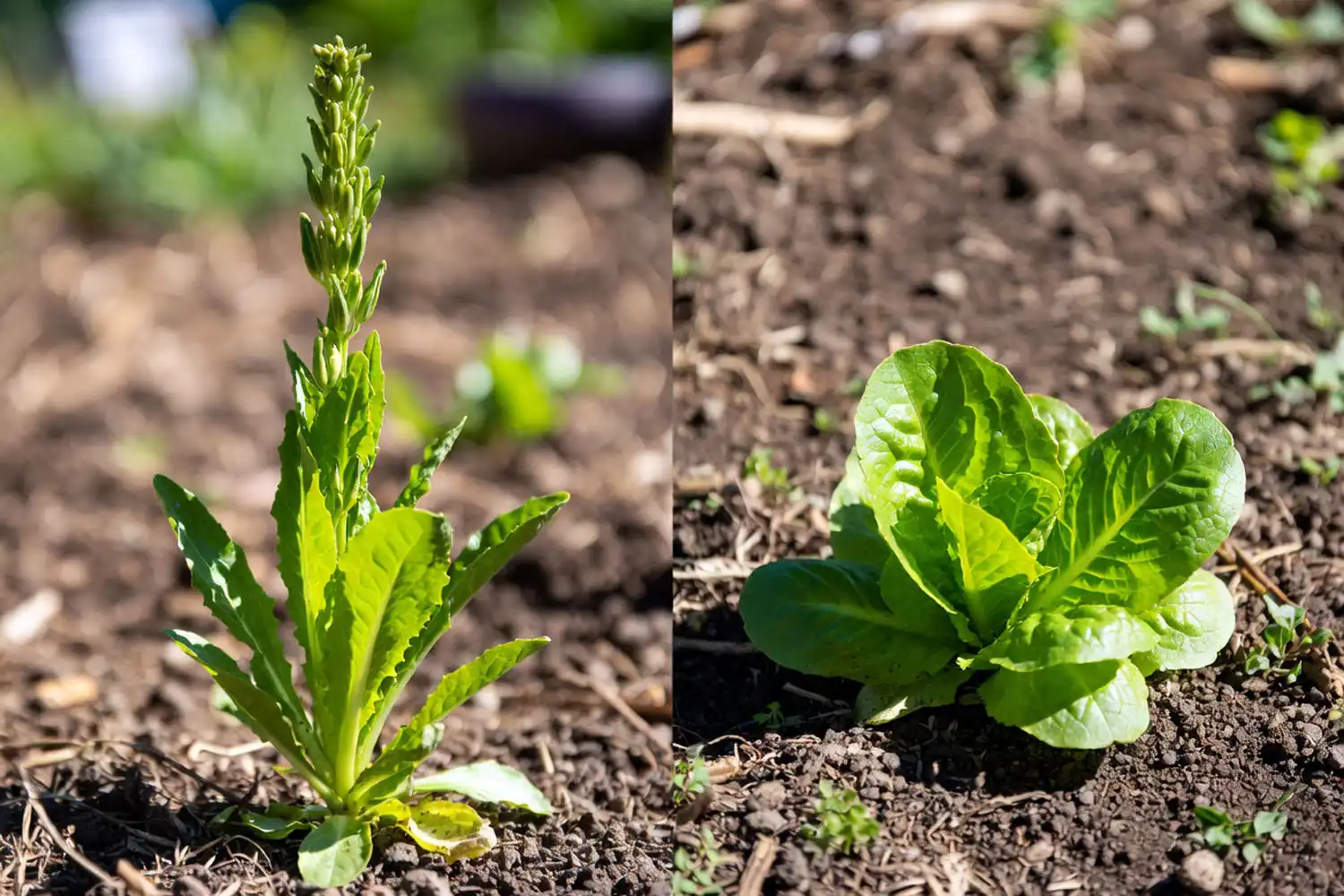
A little shade helps lettuce in summer because it lowers heat stress, the real cause of bitter, bolted plants. Shade drops the temperature around the leaves. It also keeps the soil cooler and holds moisture longer. All three problems that ruin summer lettuce ease up at once.
Bolting and Bitter Leaves
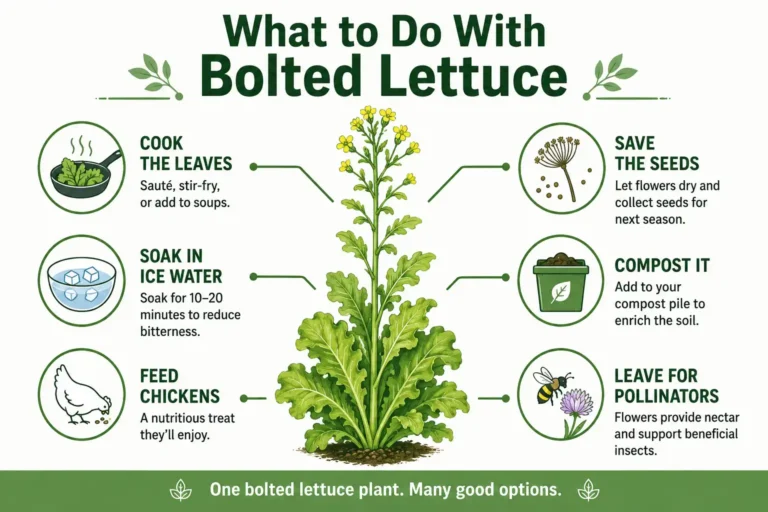
Bolting is when lettuce sends up a tall seedstalk and flowers, and the leaves turn bitter as it happens. Long days and heat trigger it. Once a plant bolts, the flavor is gone for good.
Afternoon shade slows this down. UF/IFAS recommends keeping lettuce in afternoon shade once temperatures climb above 85°F to hold off early bolting. Heat-tolerant types help too. Pairing the right timing for the sweetest leaves with some shade is how to stretch the spring crop deeper into summer.
Cooler Soil for Better Germination
Cooler soil under shade also fixes a summer seeding problem: lettuce seed will not sprout in hot ground. Above about 80°F, the seed goes dormant, a built-in trait called thermo-inhibition. Lettuce traces back to the cool Mediterranean season, so the seed simply refuses to germinate in heat.
Shade lowers the soil temperature and brings it back into range. Lettuce germinates best between 60°F and 68°F. So if your summer sowings keep failing, shade plus a pre-watered, cooled bed usually fixes it. When you are getting lettuce seed to sprout in tough conditions, the cooler you keep that soil, the better your stand.
Which Lettuce Types Handle Shade Best?
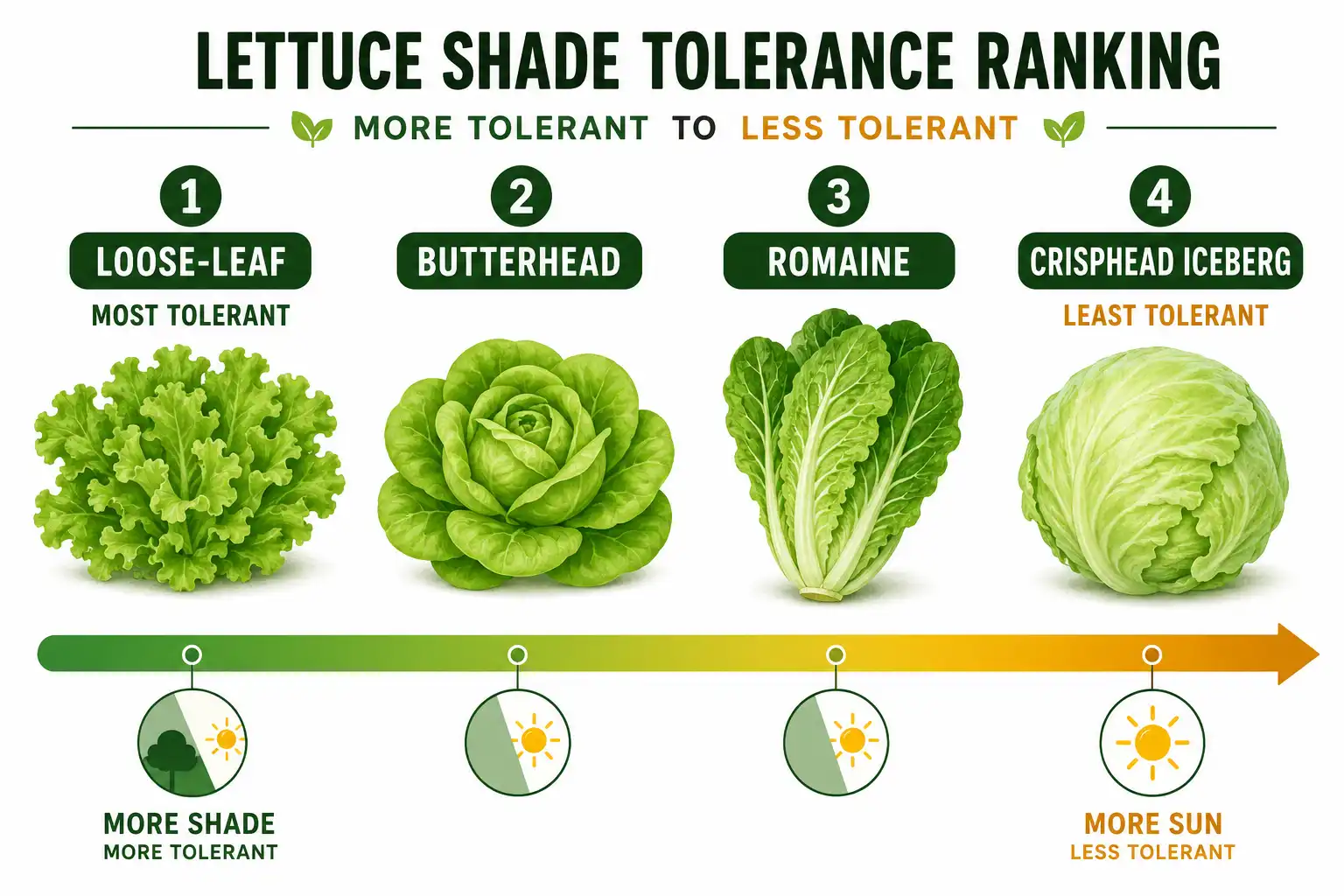
Loose-leaf and butterhead types handle shade best, while crisphead types like iceberg need the most sun. The looser the head, the more forgiving the plant. That holds true for both shade and summer heat.
Loose-leaf lettuce is the easiest in lower light. You pick outer leaves as they grow, so the plant never has to form a tight head. Oakleaf, Green Ice, and Red Sails all do well in partial shade.
Butterhead types come next. Bibb and Boston form their tender, loose heads fine in filtered light. it helps to use planting butterhead in spots where the afternoon sun gets blocked.
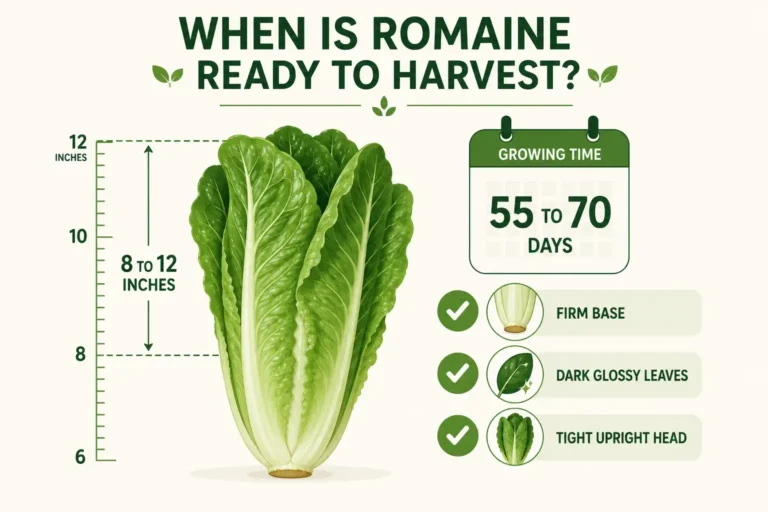
Romaine sits in the middle. It will form heads in partial shade, just slower. Crisphead (iceberg) is the fussy one. It needs steady, strong light to build that dense ball, so a shady bed gives you loose, leafy heads instead of crisp ones.
How to Grow Lettuce in a Shady Spot
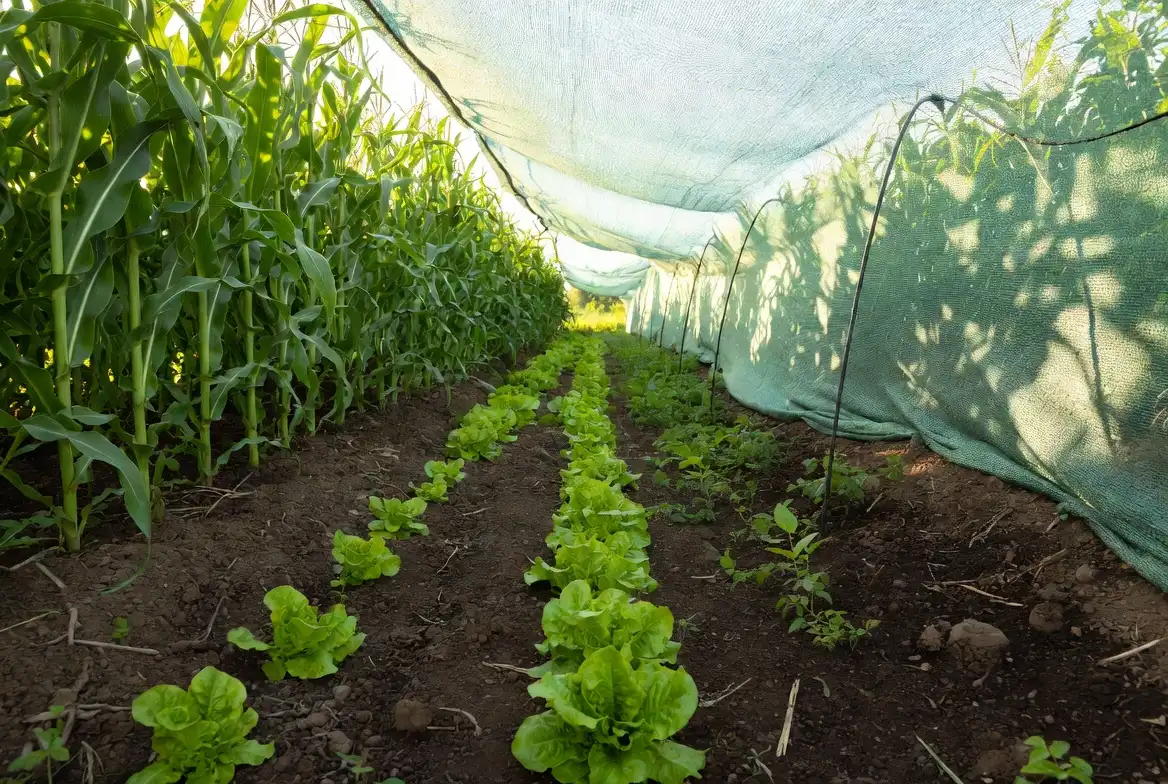
Growing lettuce in a shady spot comes down to picking the right kind of shade and keeping plants watered. A part-shade bed will produce well if you set it up right.
Start by finding morning sun with afternoon shade. That is the sweet spot, since plants get light while it is cool and protection once it turns hot. A north-facing bed or the east side of a building or fence usually fits.
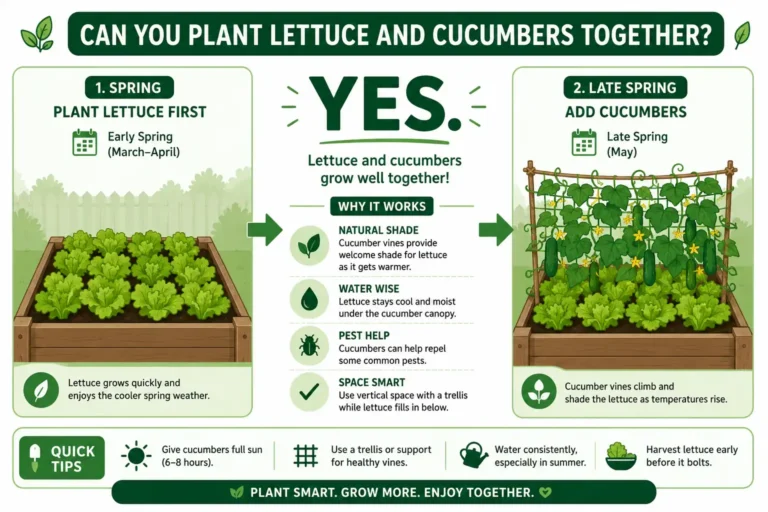
Taller crops make good living shade. Plant lettuce on the shaded side of sweet corn, staked tomatoes, or pole beans. The tall crop blocks the harsh afternoon sun while the lettuce fills the space below. University of Maryland Extension calls this a smart, space-saving setup.
When you have no natural shade, add shade cloth. A 30% to 50% cloth on simple hoops cuts the heat without starving the plants. Run it over summer beds, then pull it once fall cools things down.
Containers give you the most control. Lettuce is shallow-rooted and grows fine in pots, so growing it in pots lets you chase morning sun and slide the plants into shade through the hot afternoon.
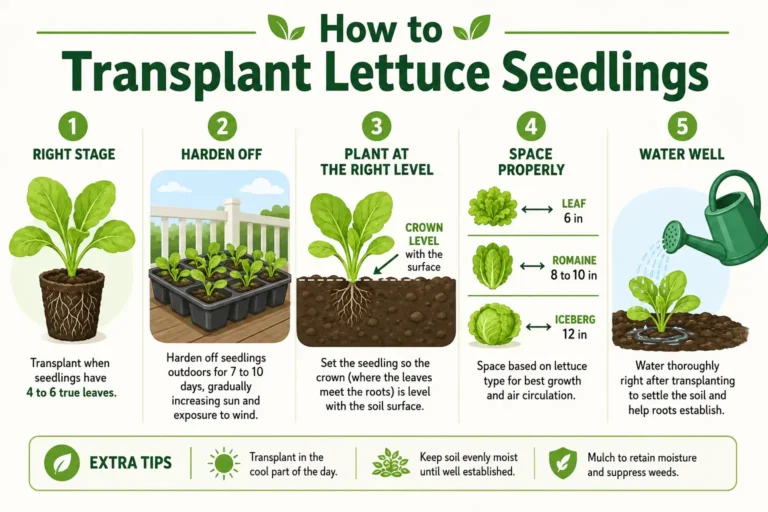
Finally, water more often and mind your spacing. Shaded beds dry out slower, but heat still pulls moisture from the leaves, so keep the soil evenly moist. Give plants enough room for airflow too, because damp, crowded leaves in shade can rot.
How Much Shade Is Too Much for Lettuce?
Too much shade is anything close to full, all-day shade with no direct sun. Lettuce is forgiving, but it is not a mushroom. Without a few hours of real light, plants stall out.
Watch for the warning signs. Leggy, stretched stems mean the plant is reaching for light. Pale or yellow-green leaves point to the same problem. Slow growth and thin, sparse leaves round out the picture.
Deep shade under dense trees or against a sunless north wall will not grow a usable crop. Dappled shade under open branches is fine. Reflected light alone is not. The rule: if you cannot read a newspaper in that spot at midday without squinting, it is too dark for lettuce.
Bottom Line
In zone 6a, lettuce sun needs change with the calendar. April and October plants get full sun. June through August plants get morning light and afternoon shade, either from shade cloth or the corn rows. That one adjustment keeps tender leaves coming when most folks have already given up for the summer.
If you have a part-shade yard, do not write off lettuce. Match the shade to the season, pick a loose-leaf or butterhead type, and keep the soil moist. Do that and you will cut salad most of the year. Starting with the basics of growing your own makes the shade part a lot easier.